



Filters

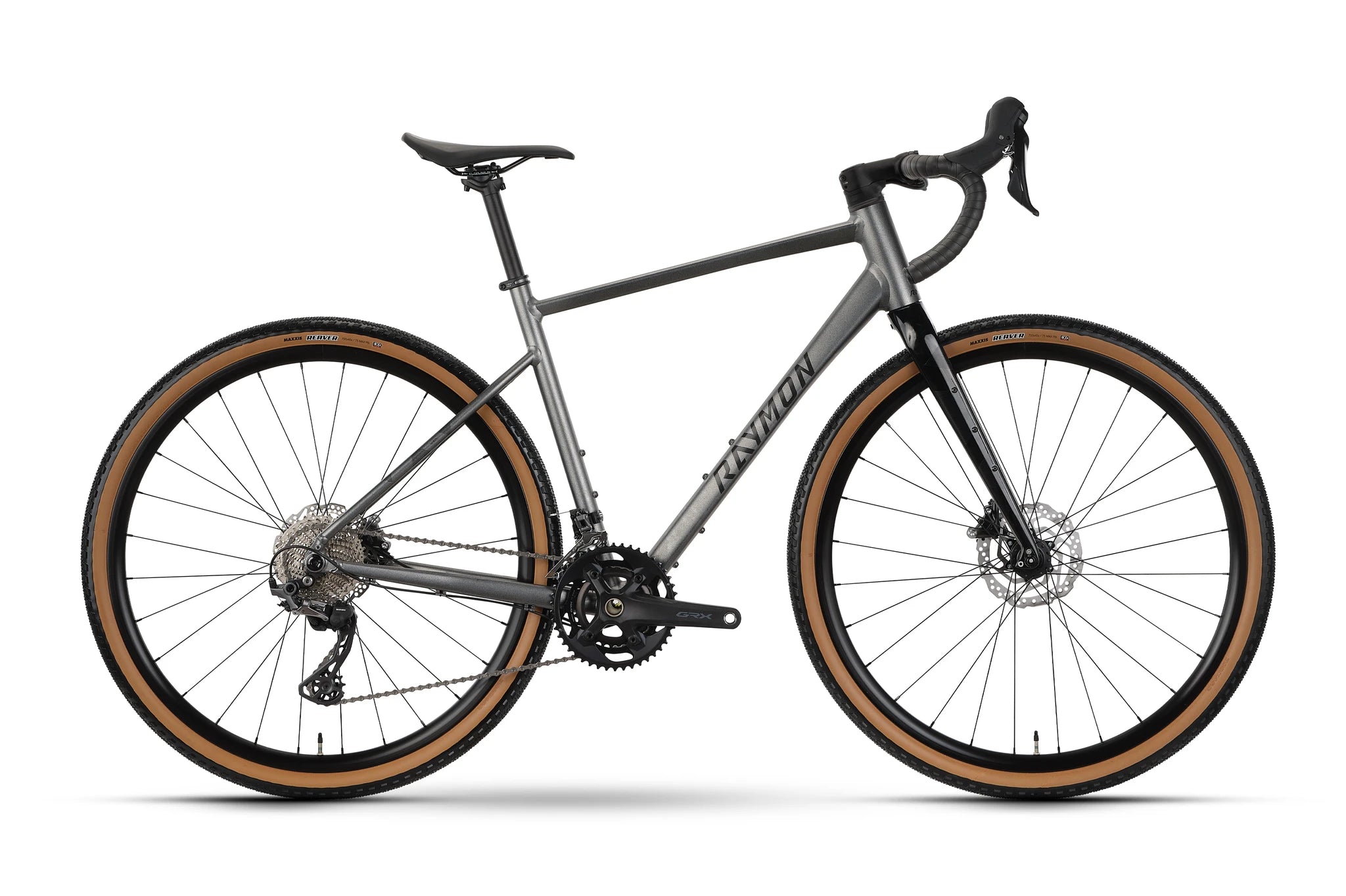

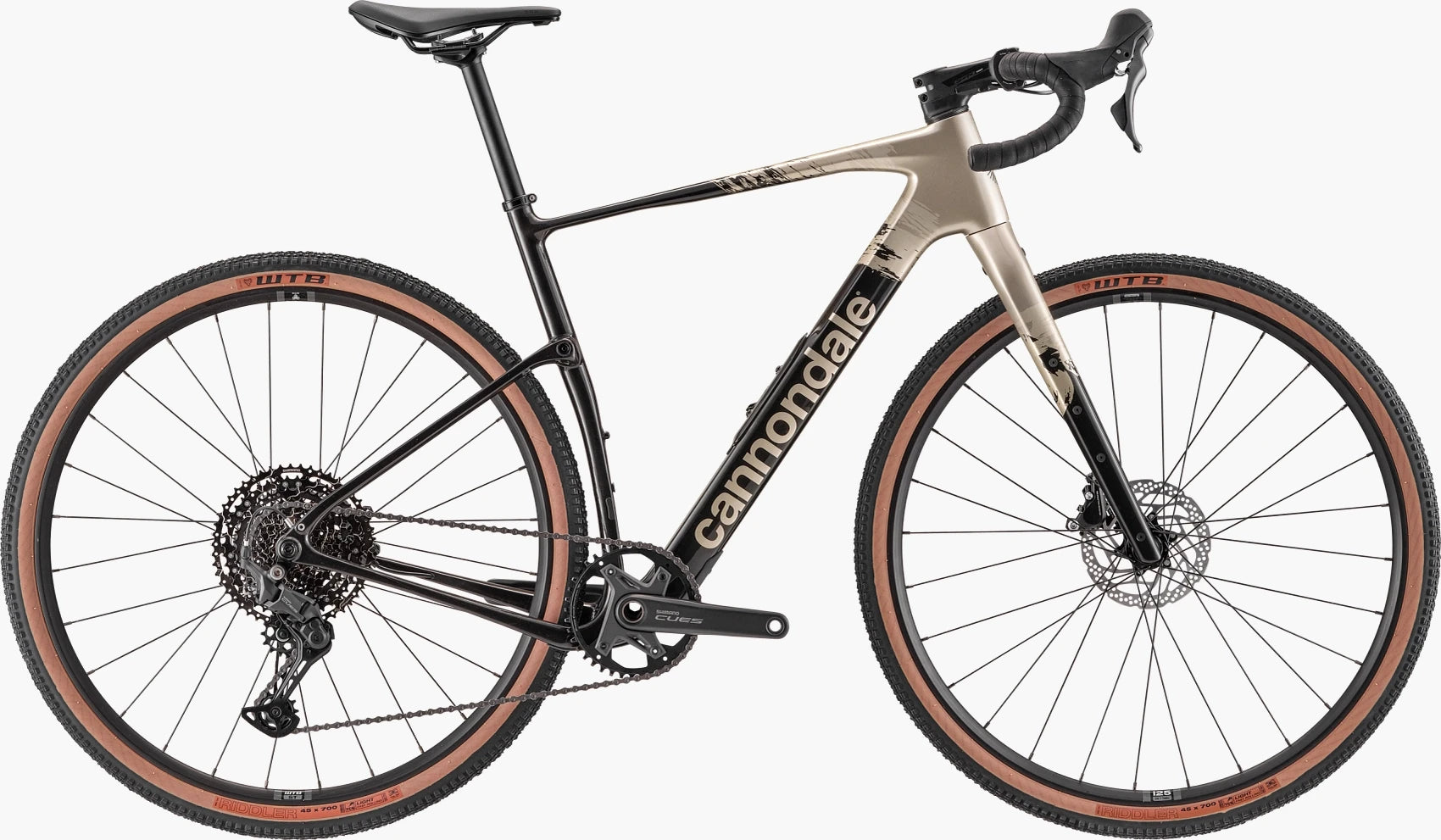
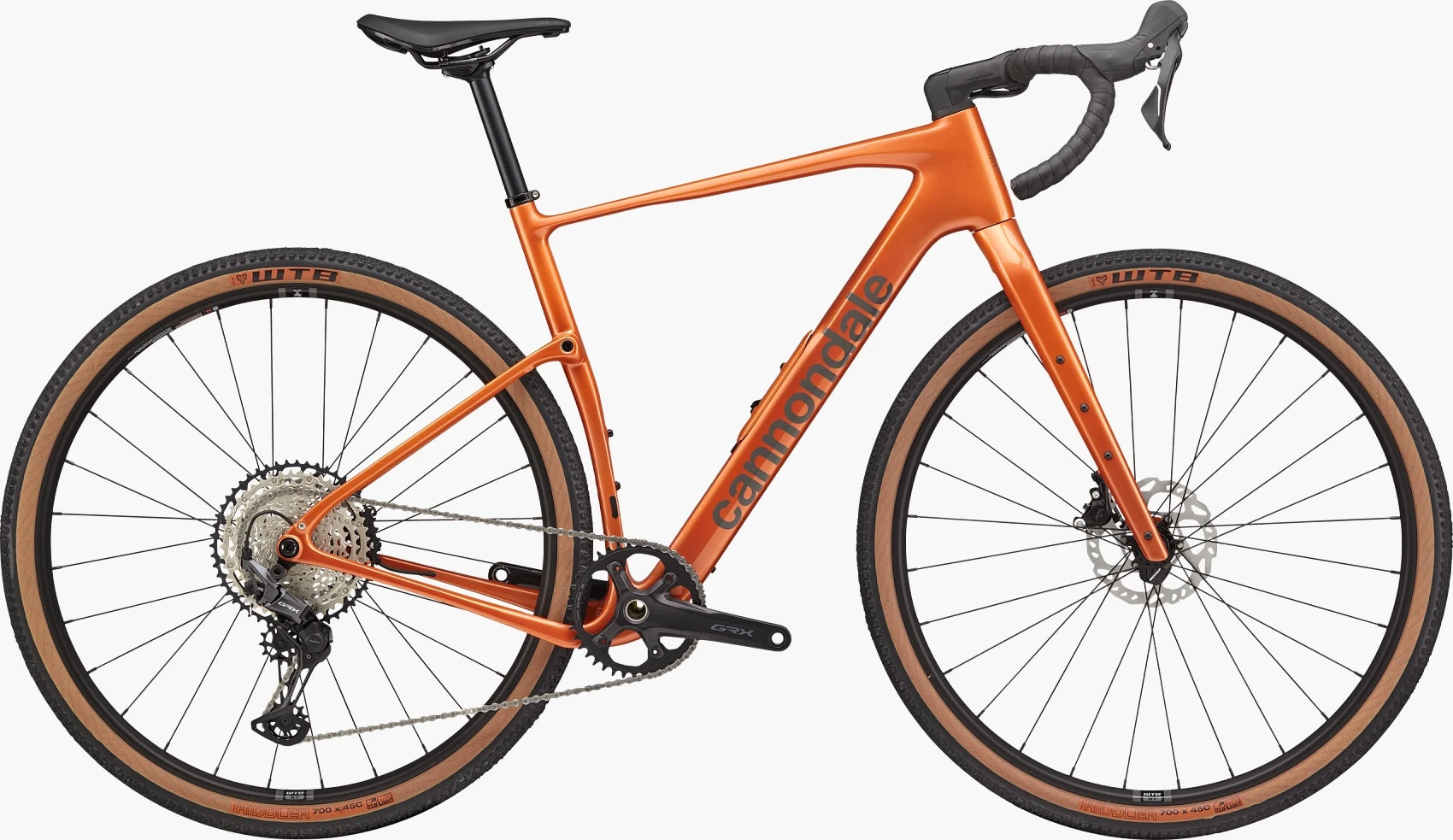
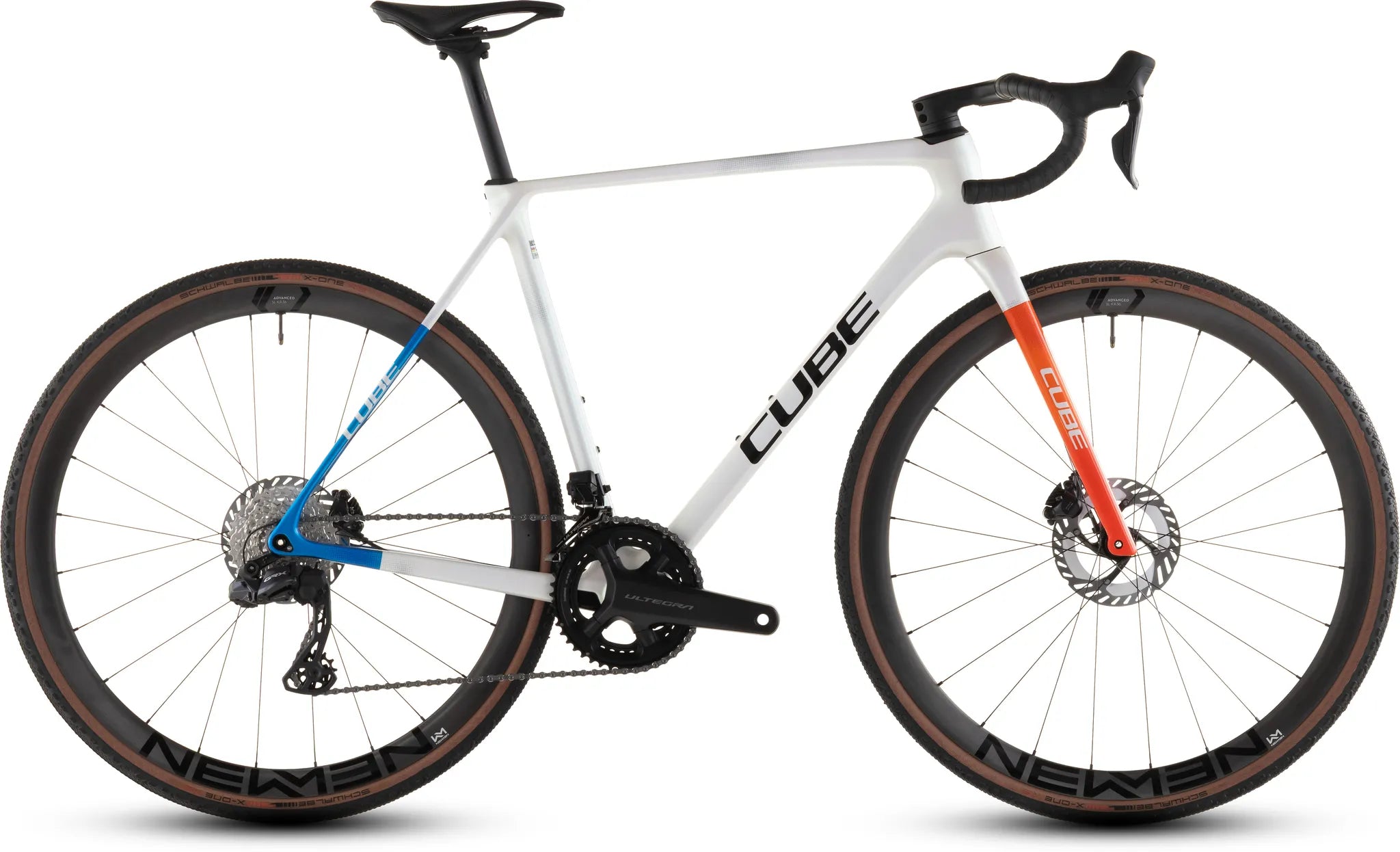

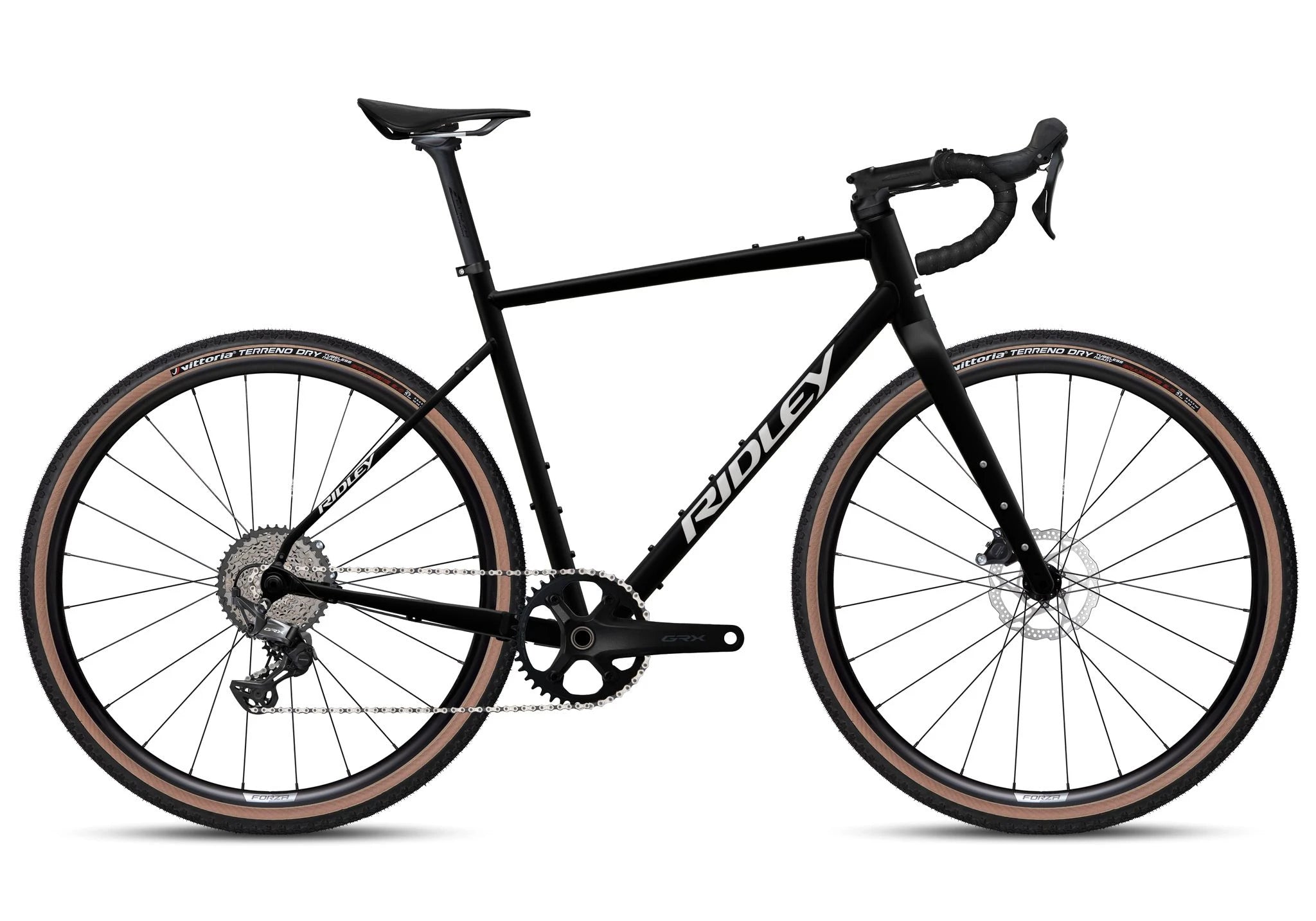


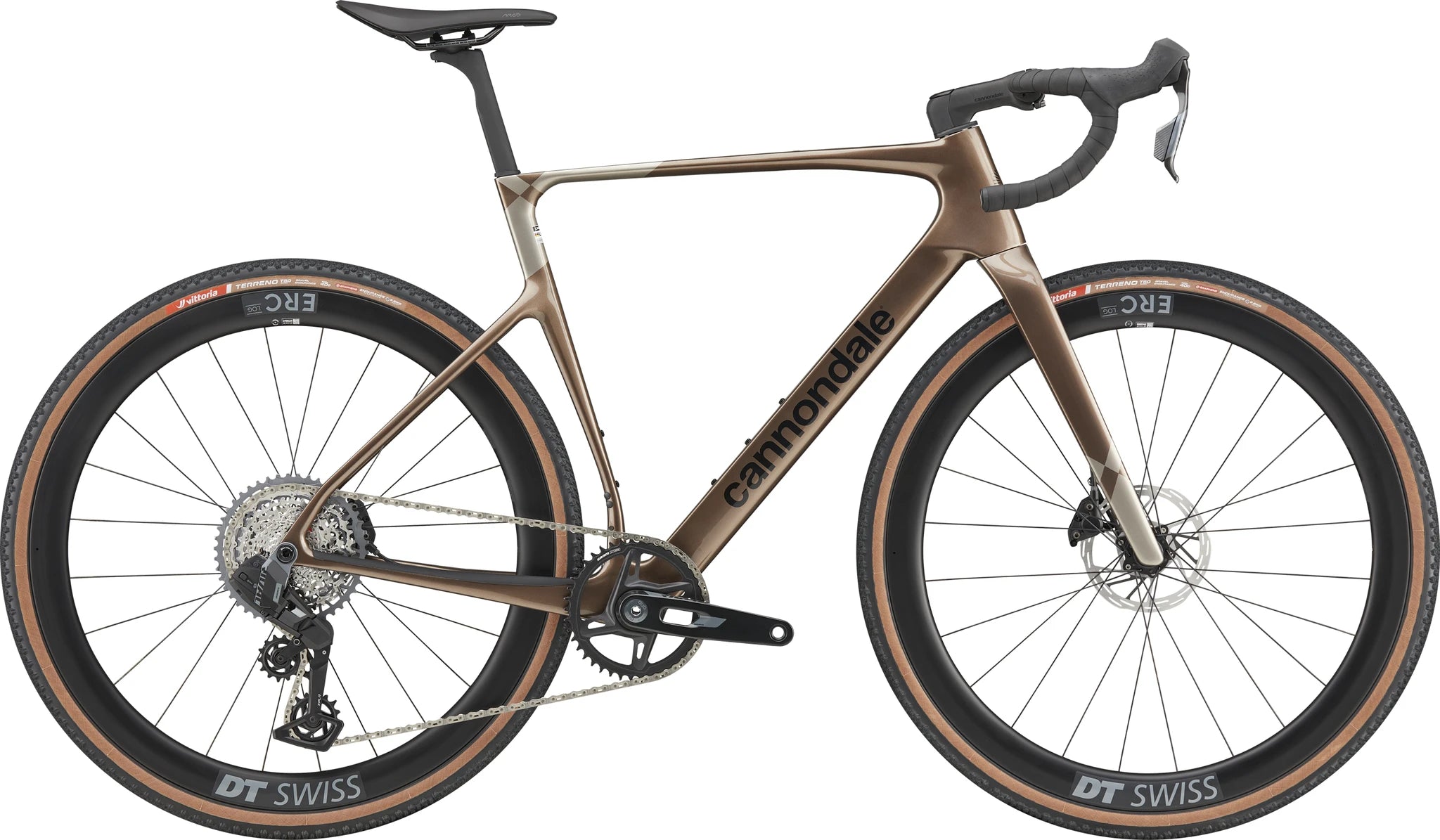
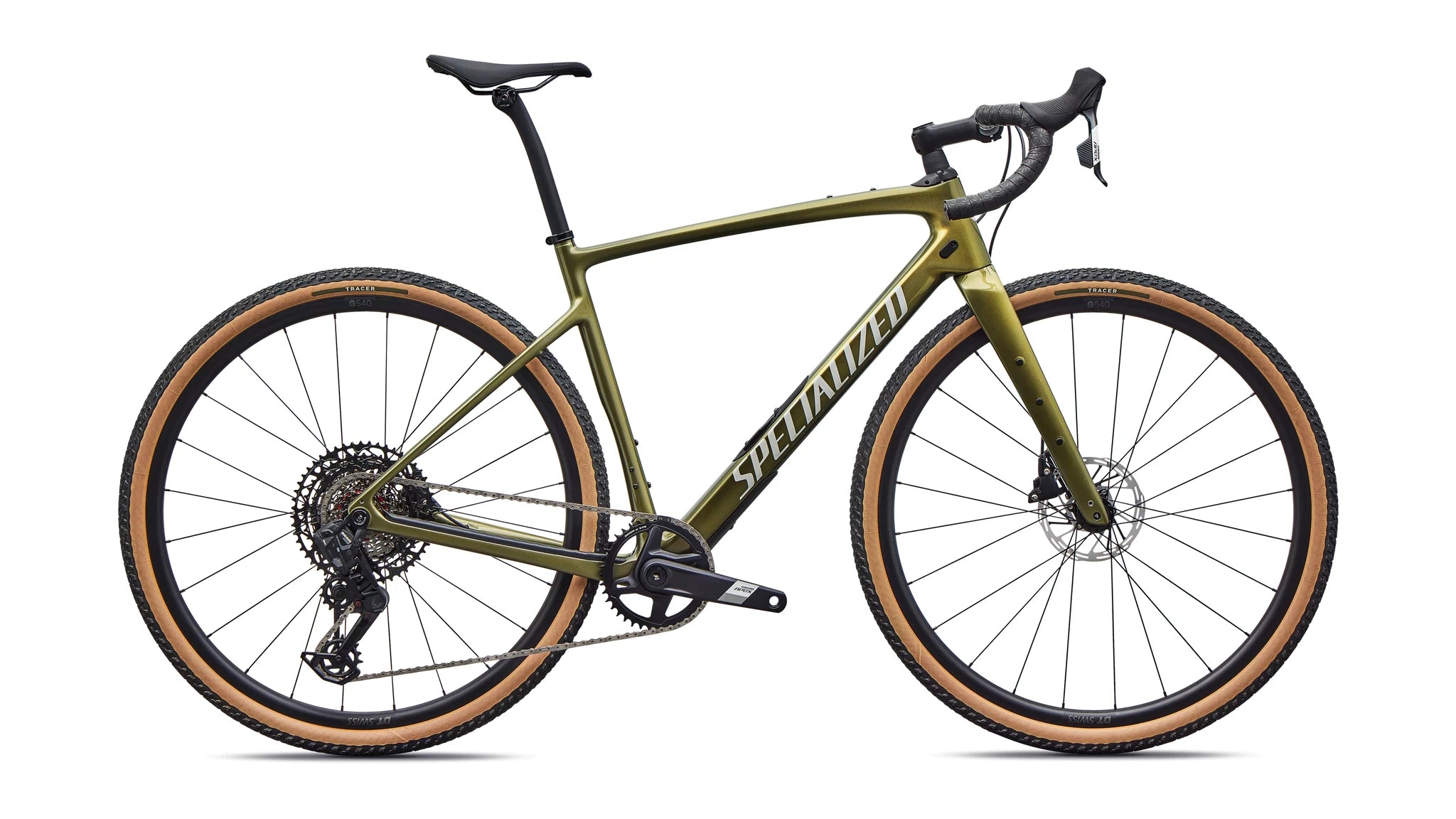
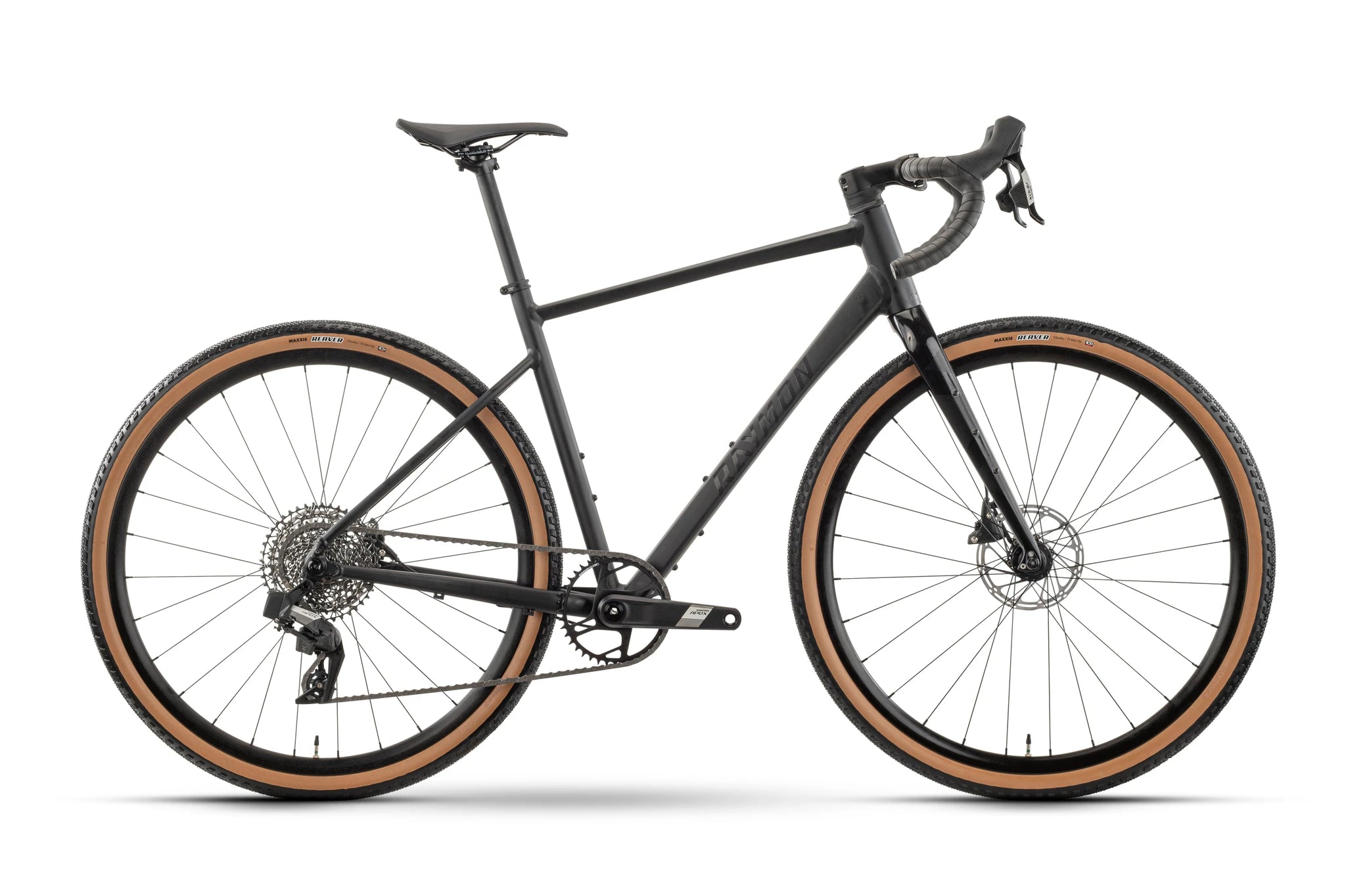

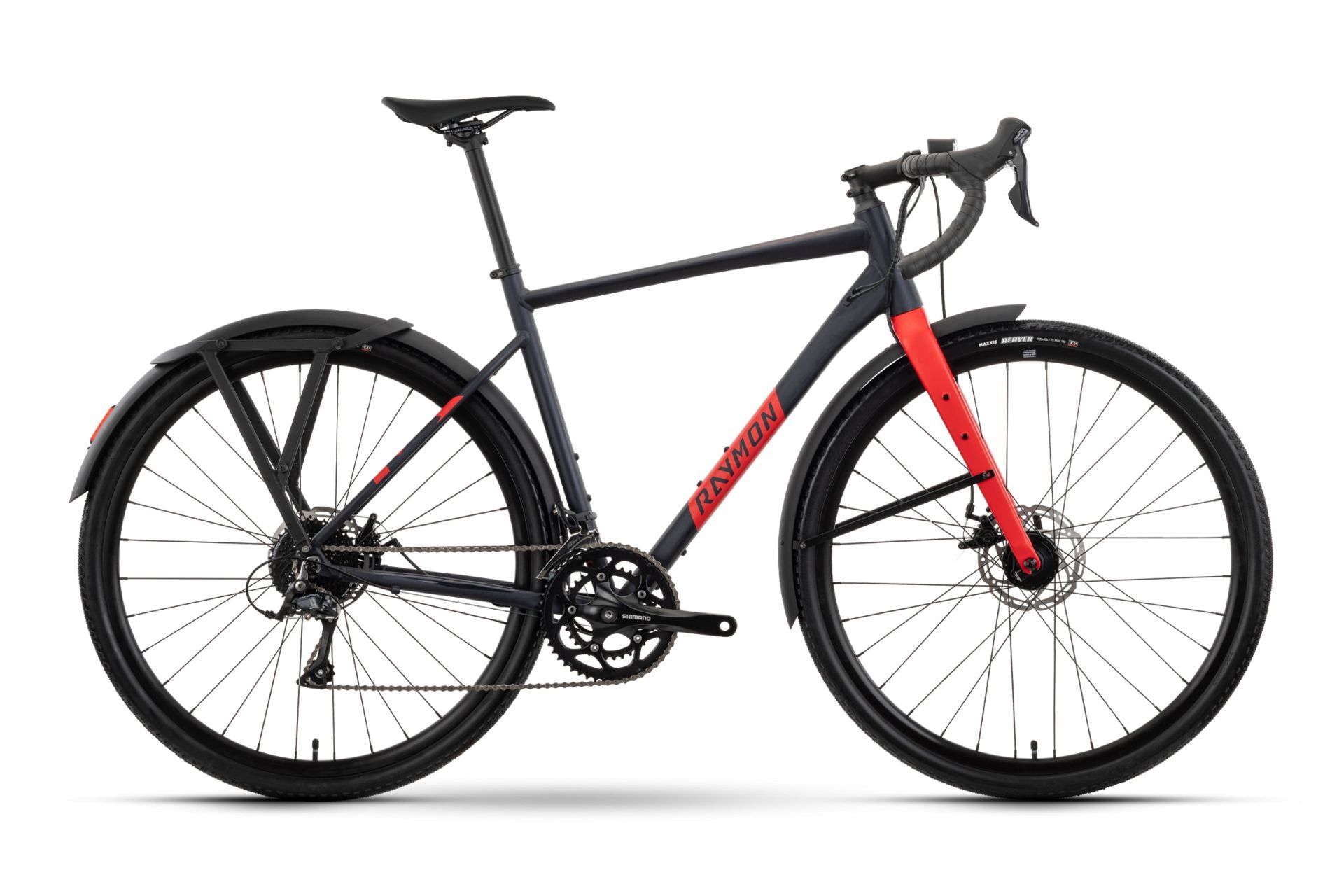

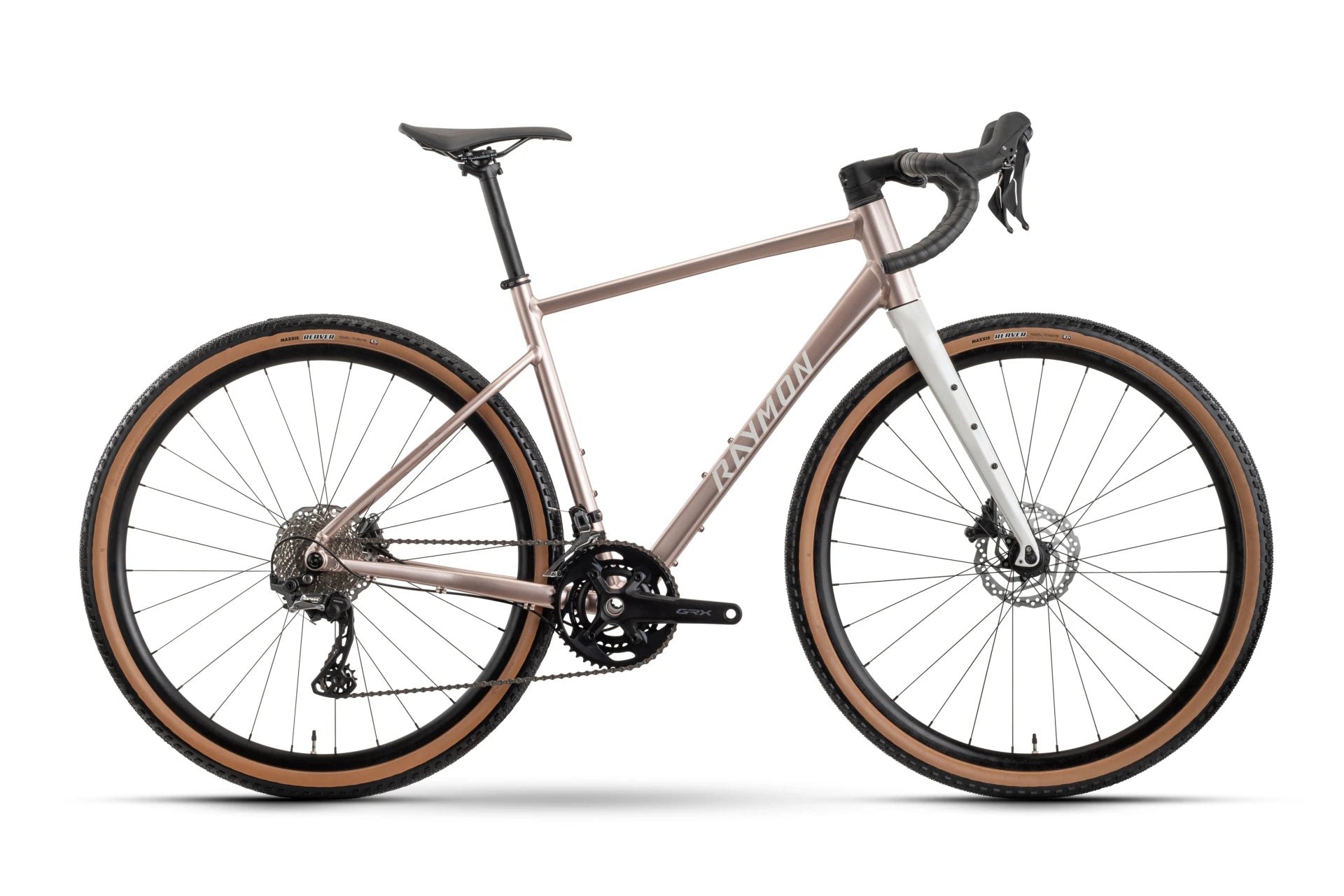
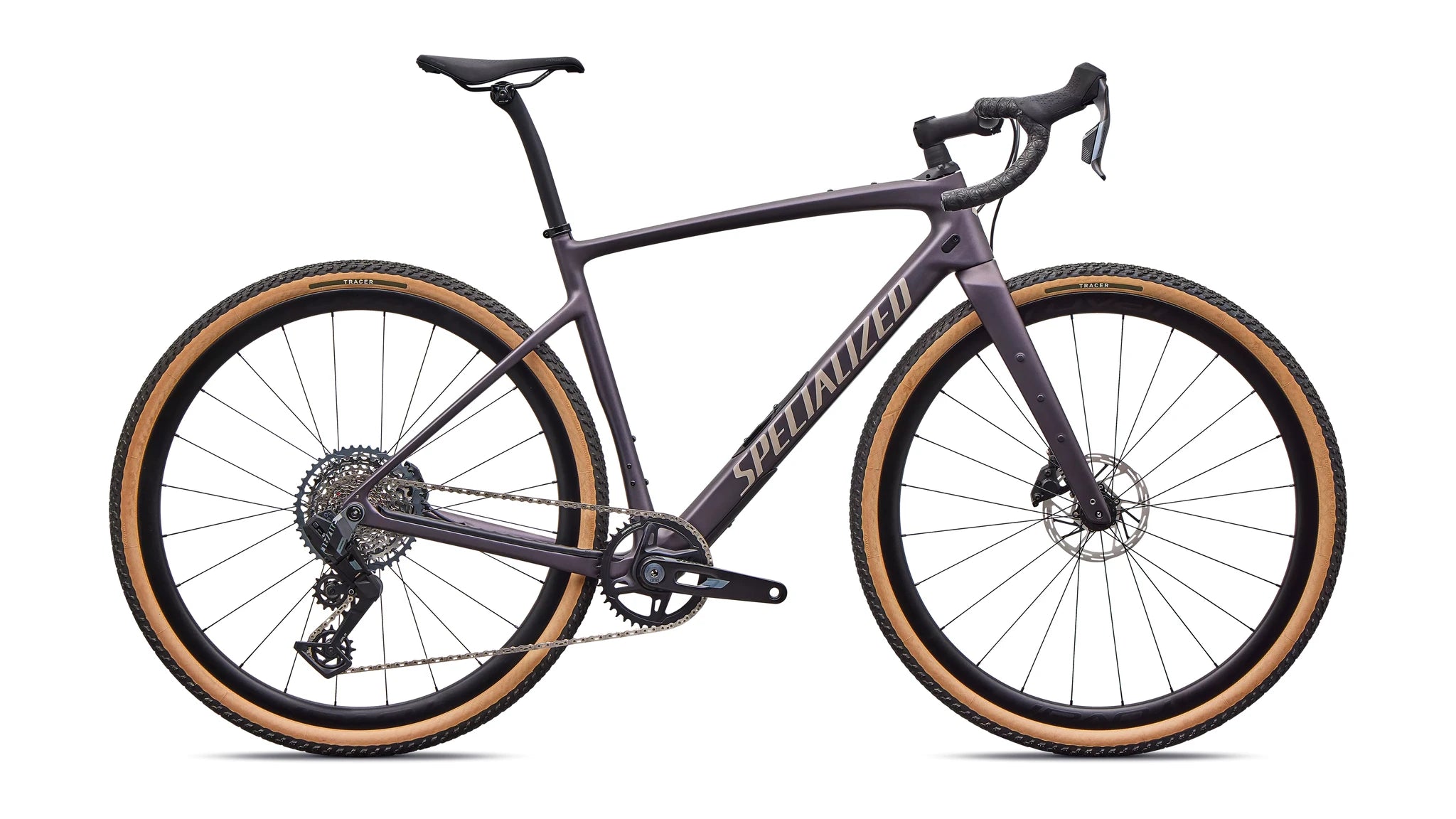
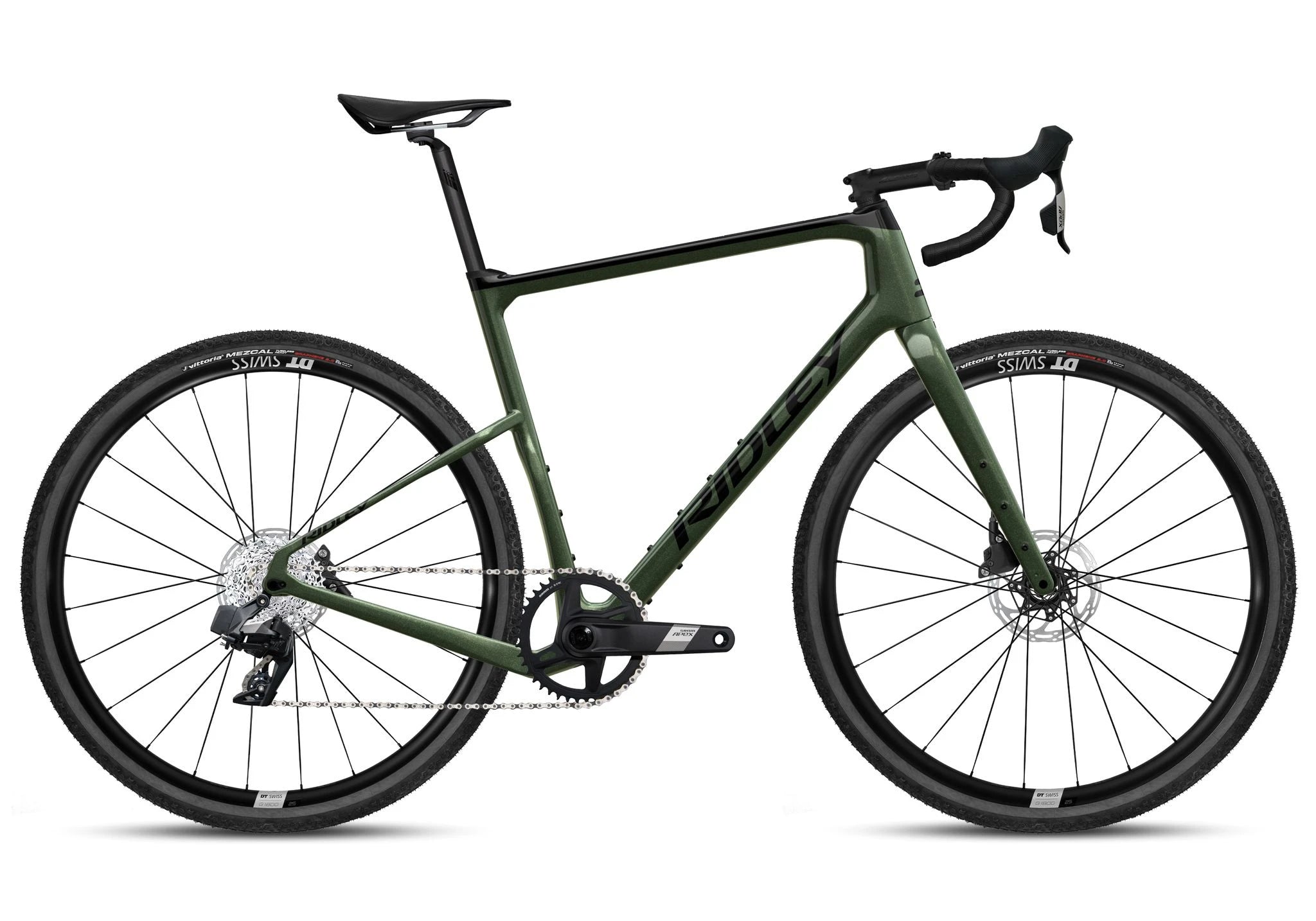

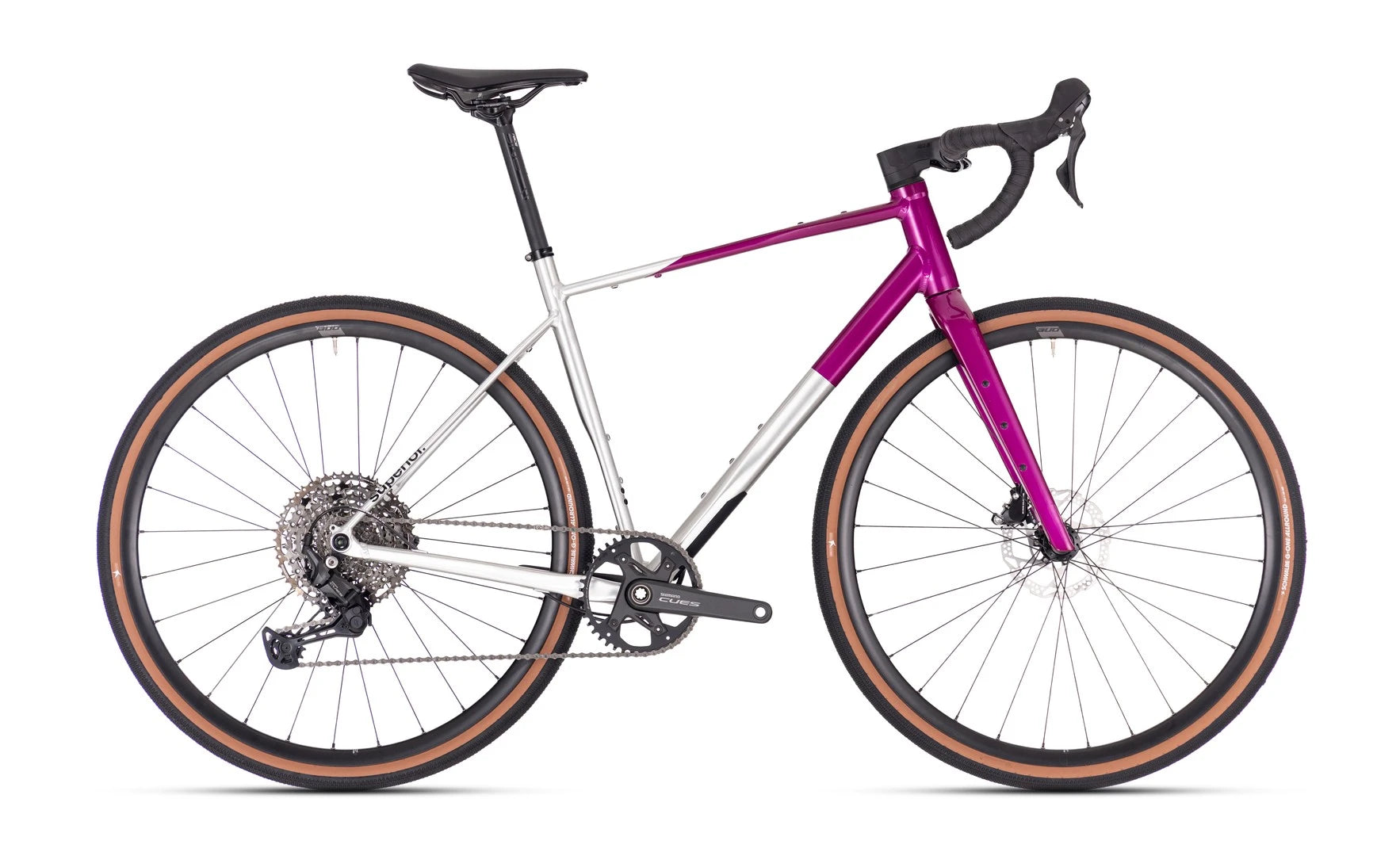
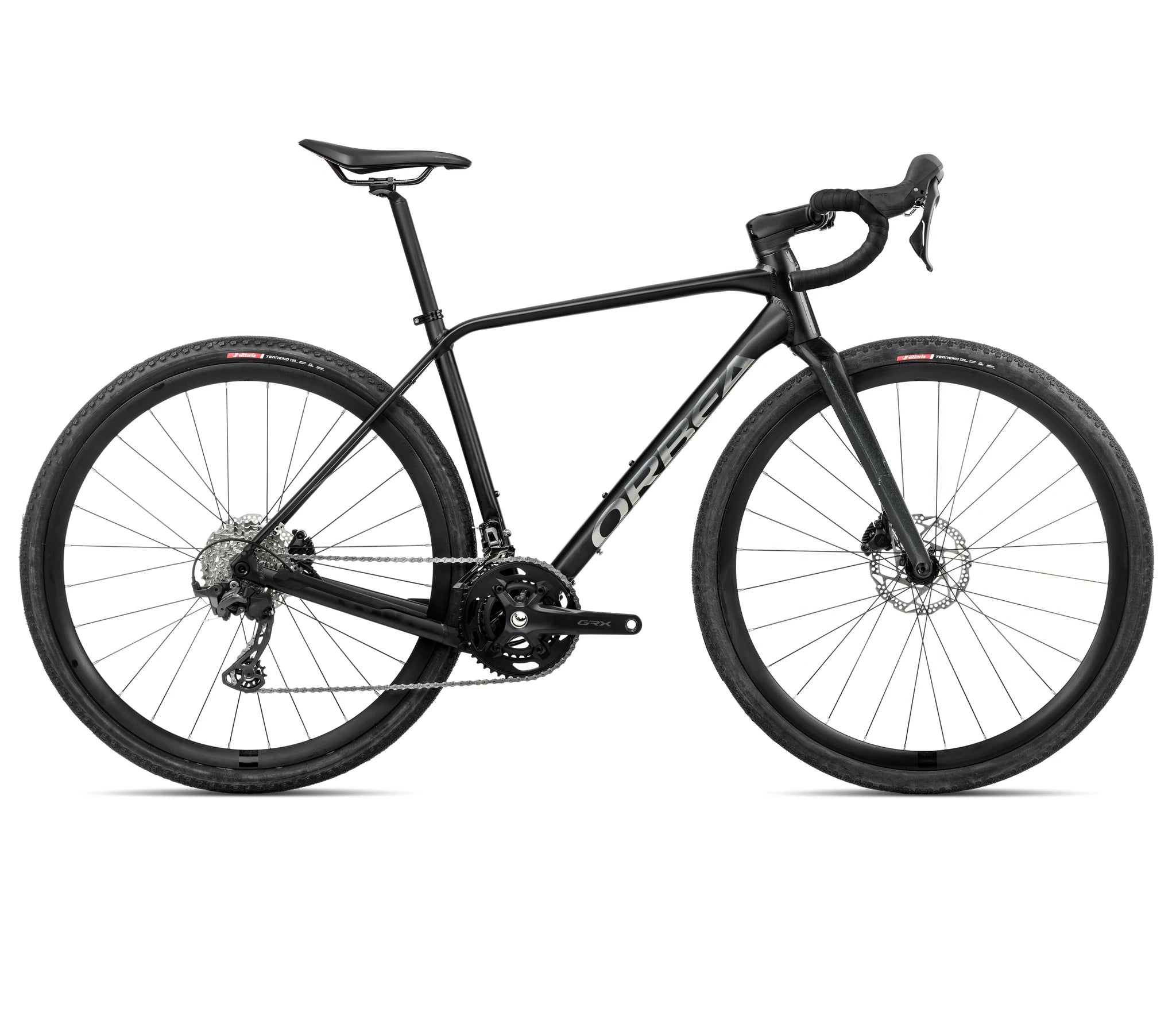
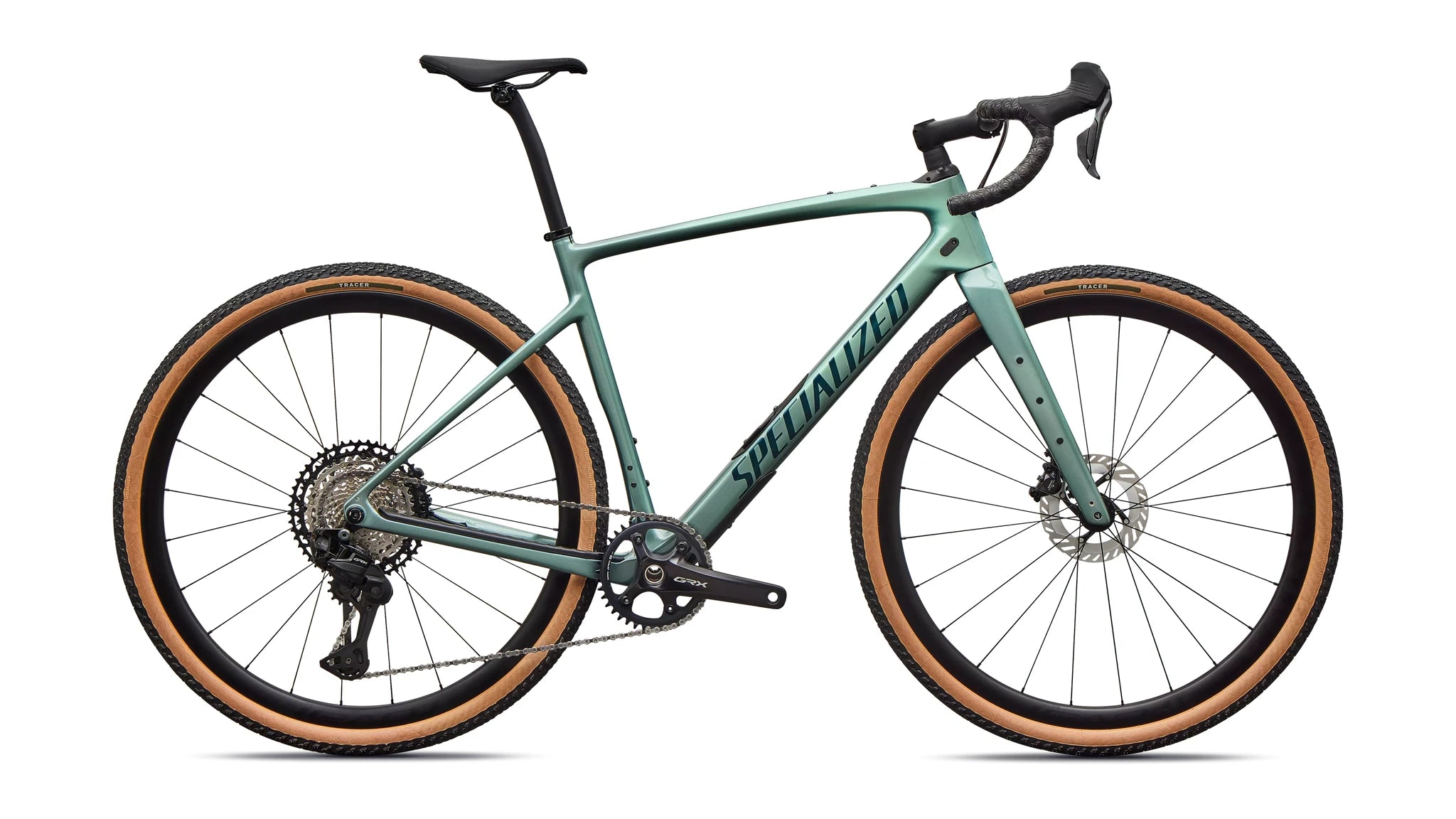
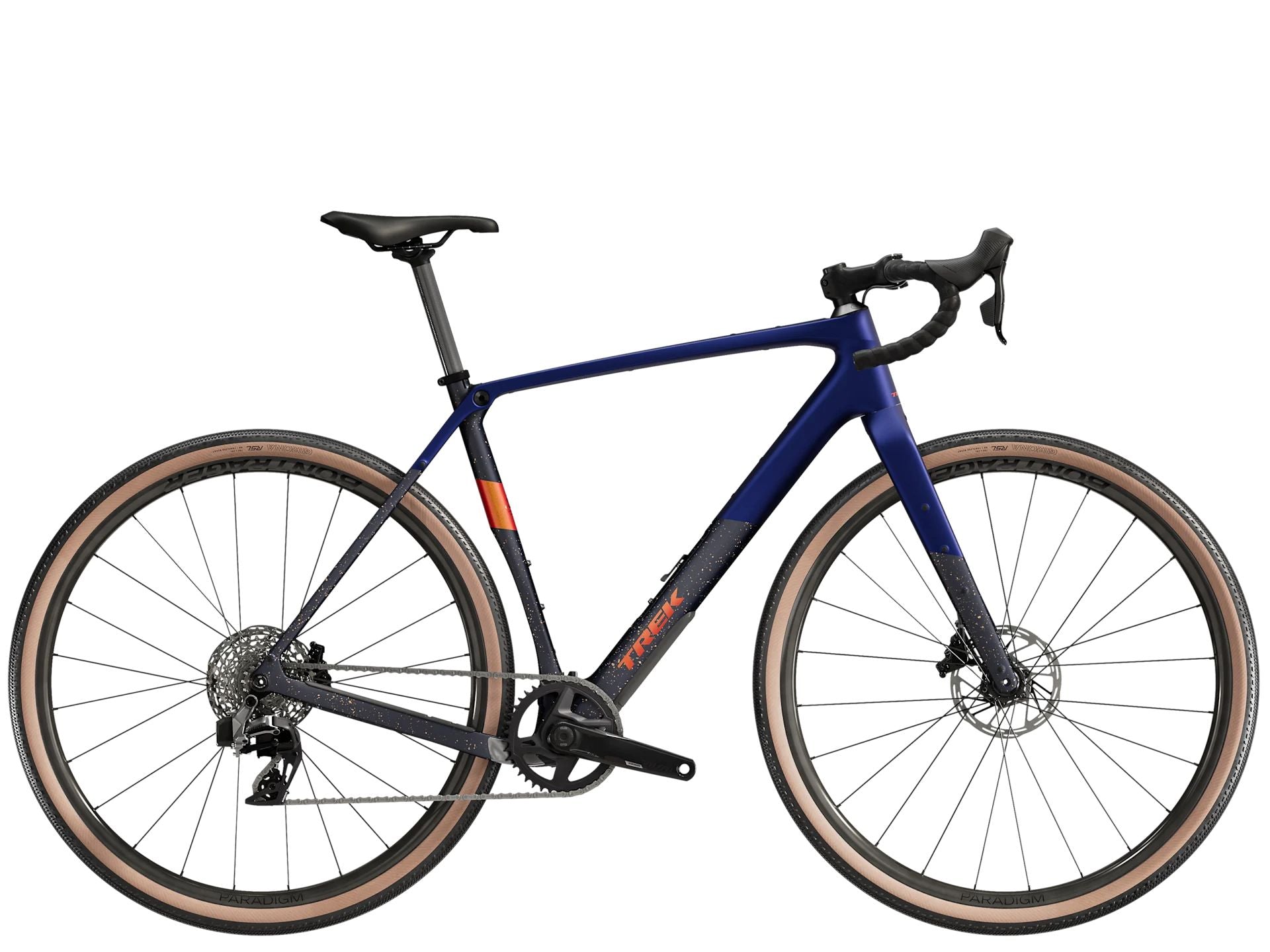
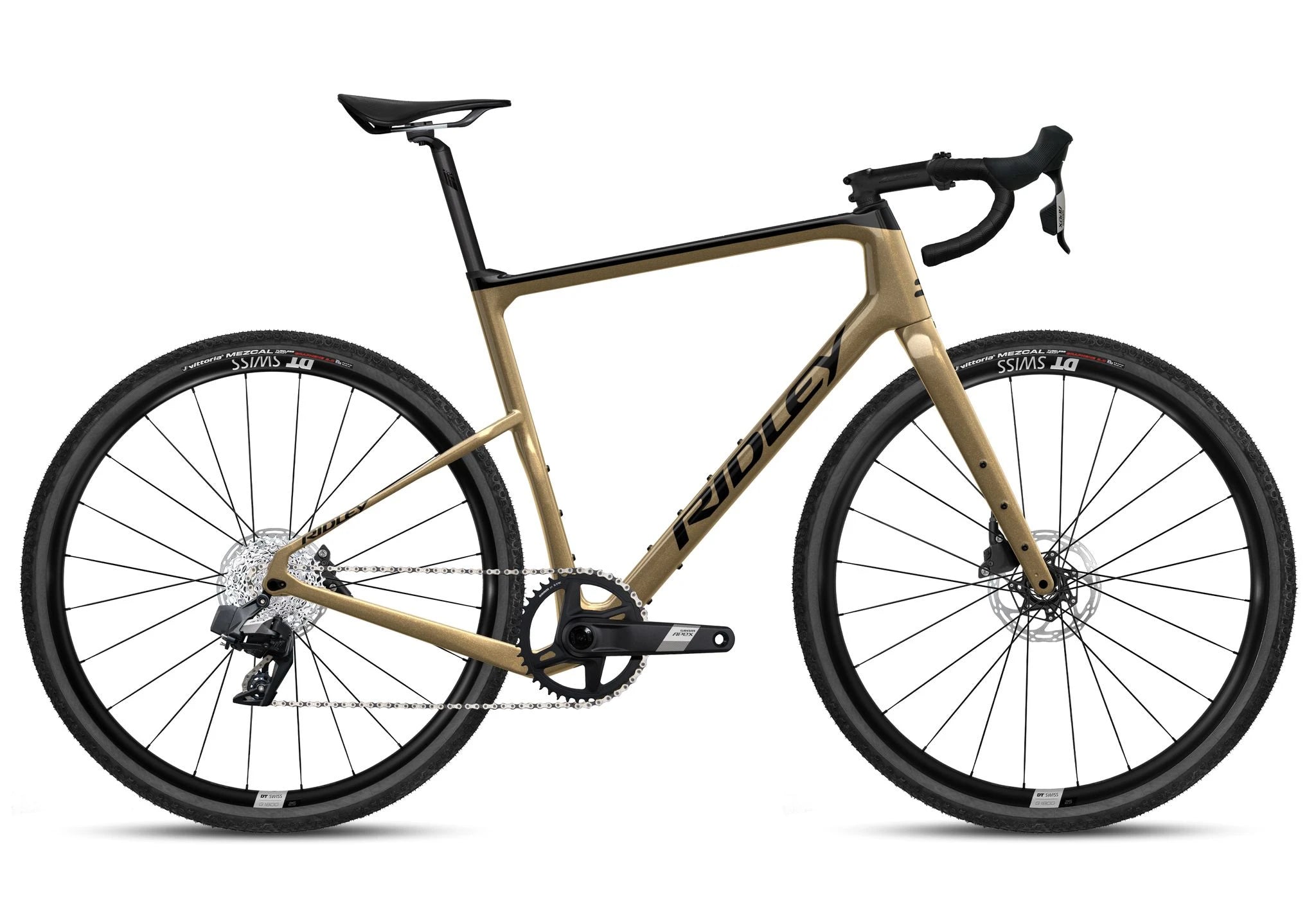
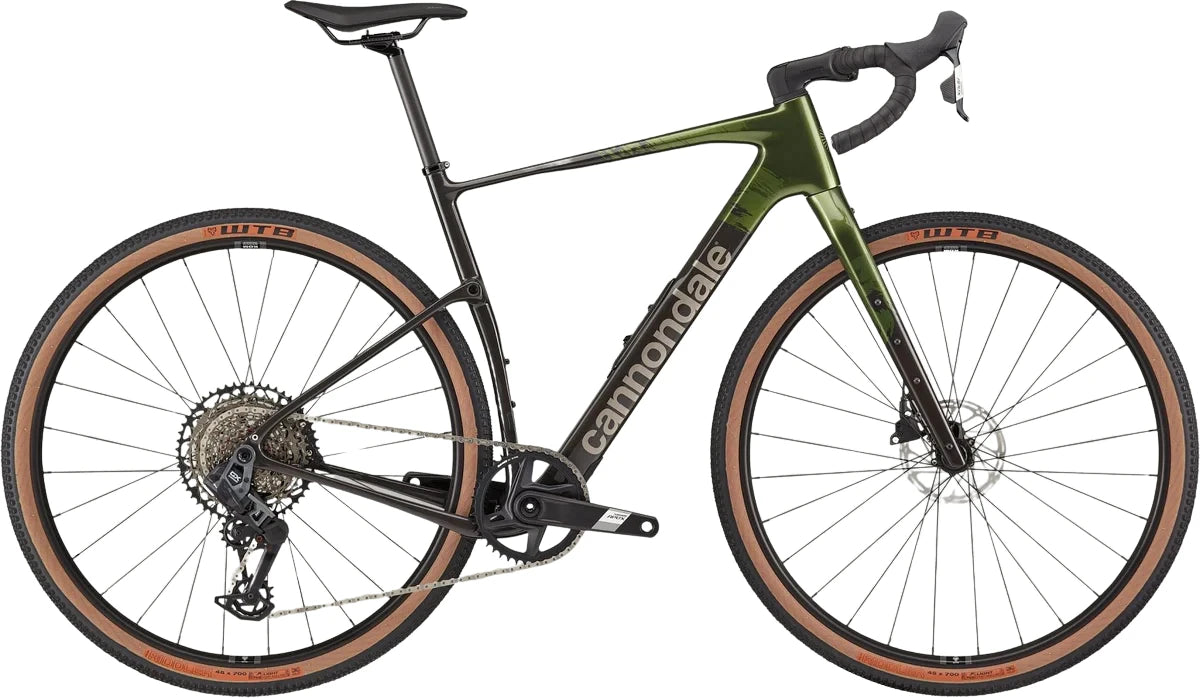
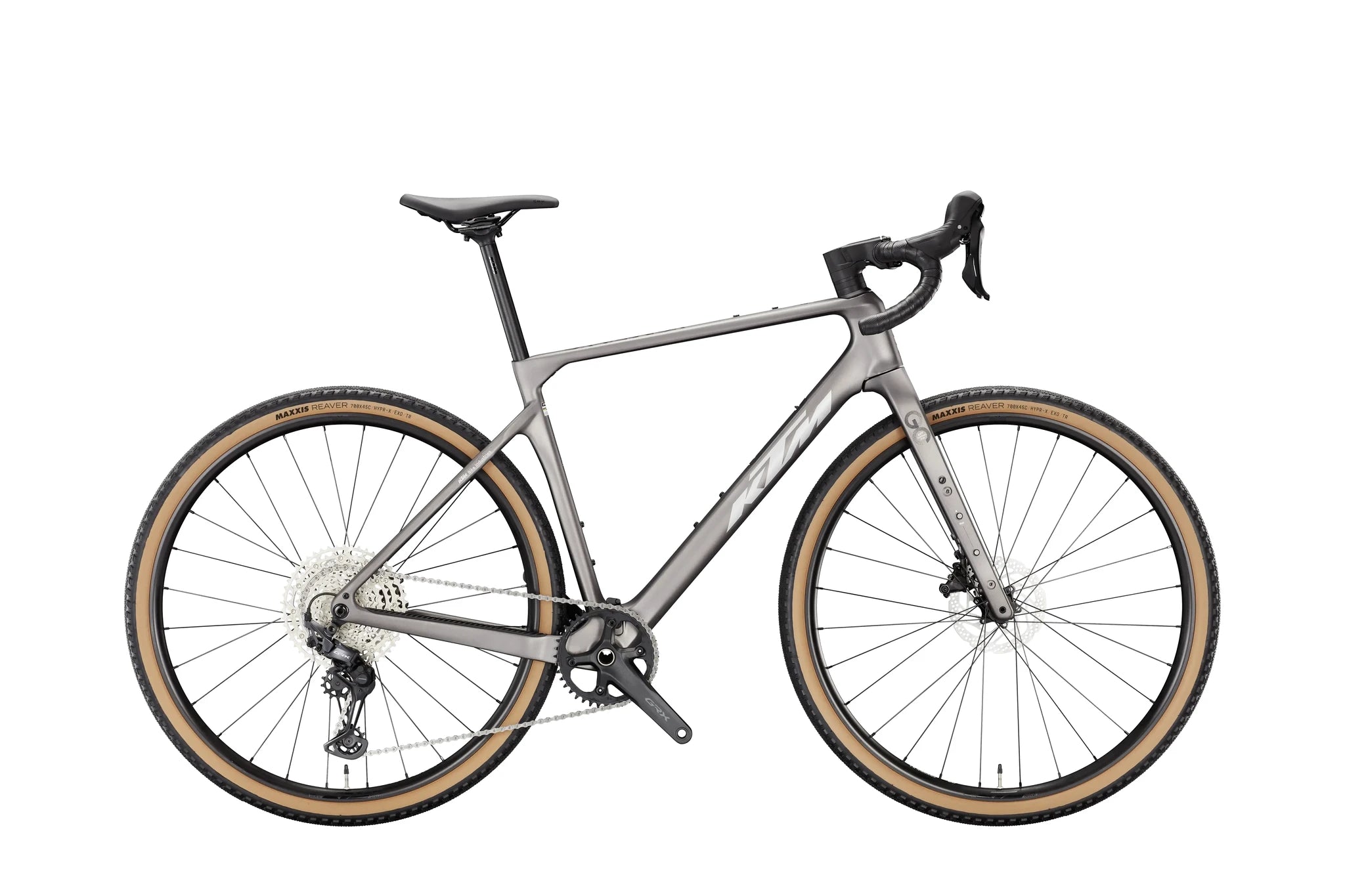
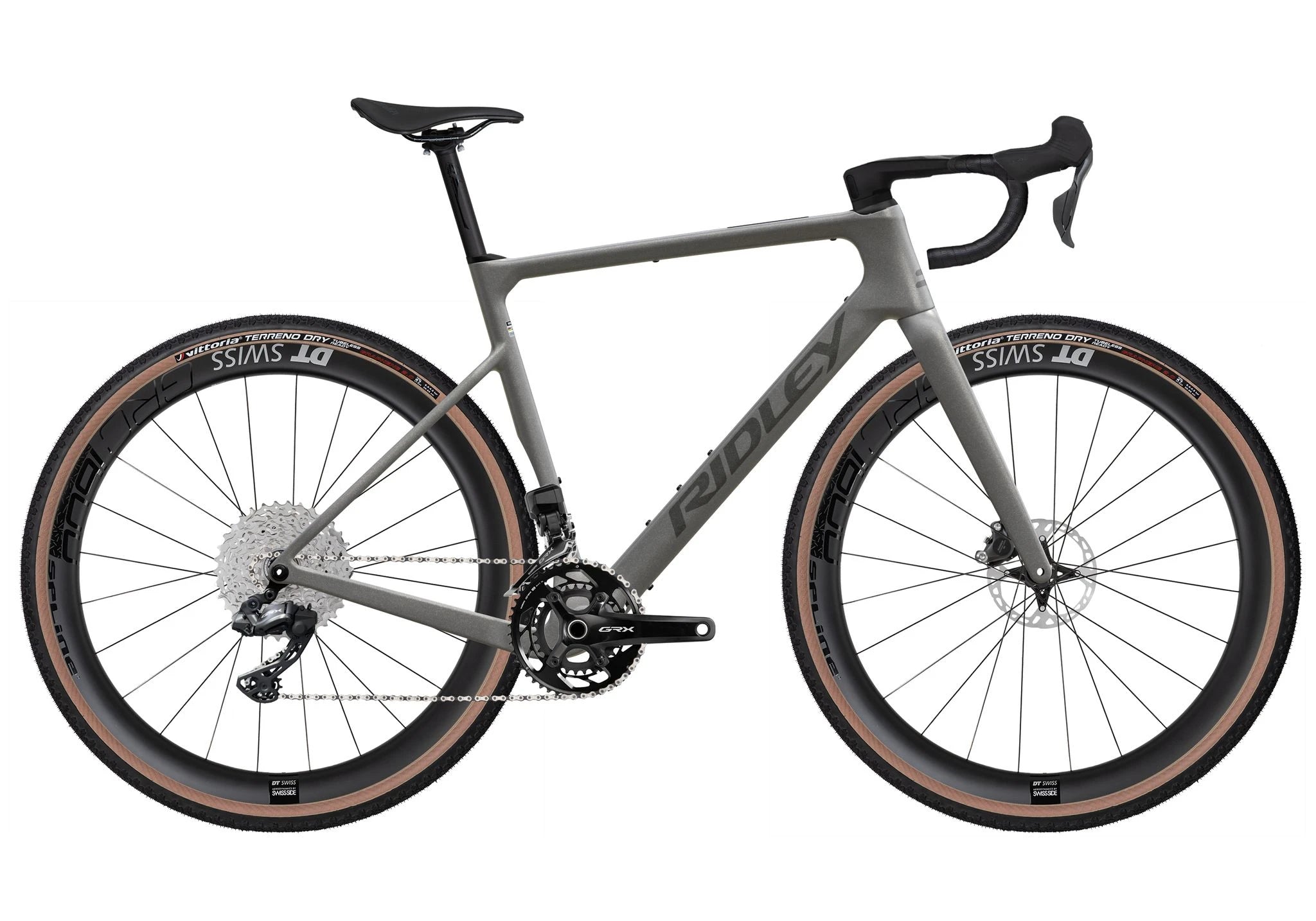

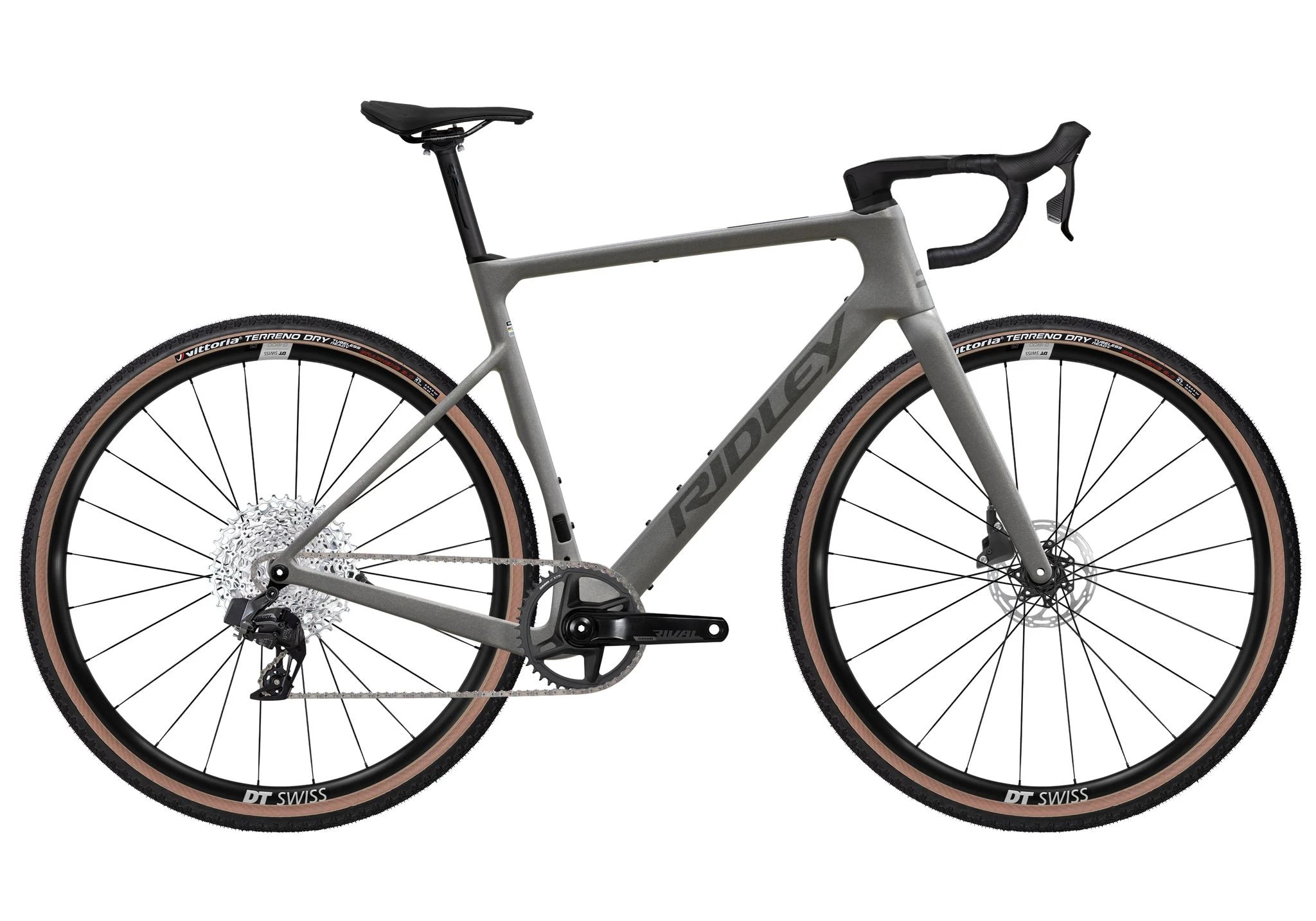
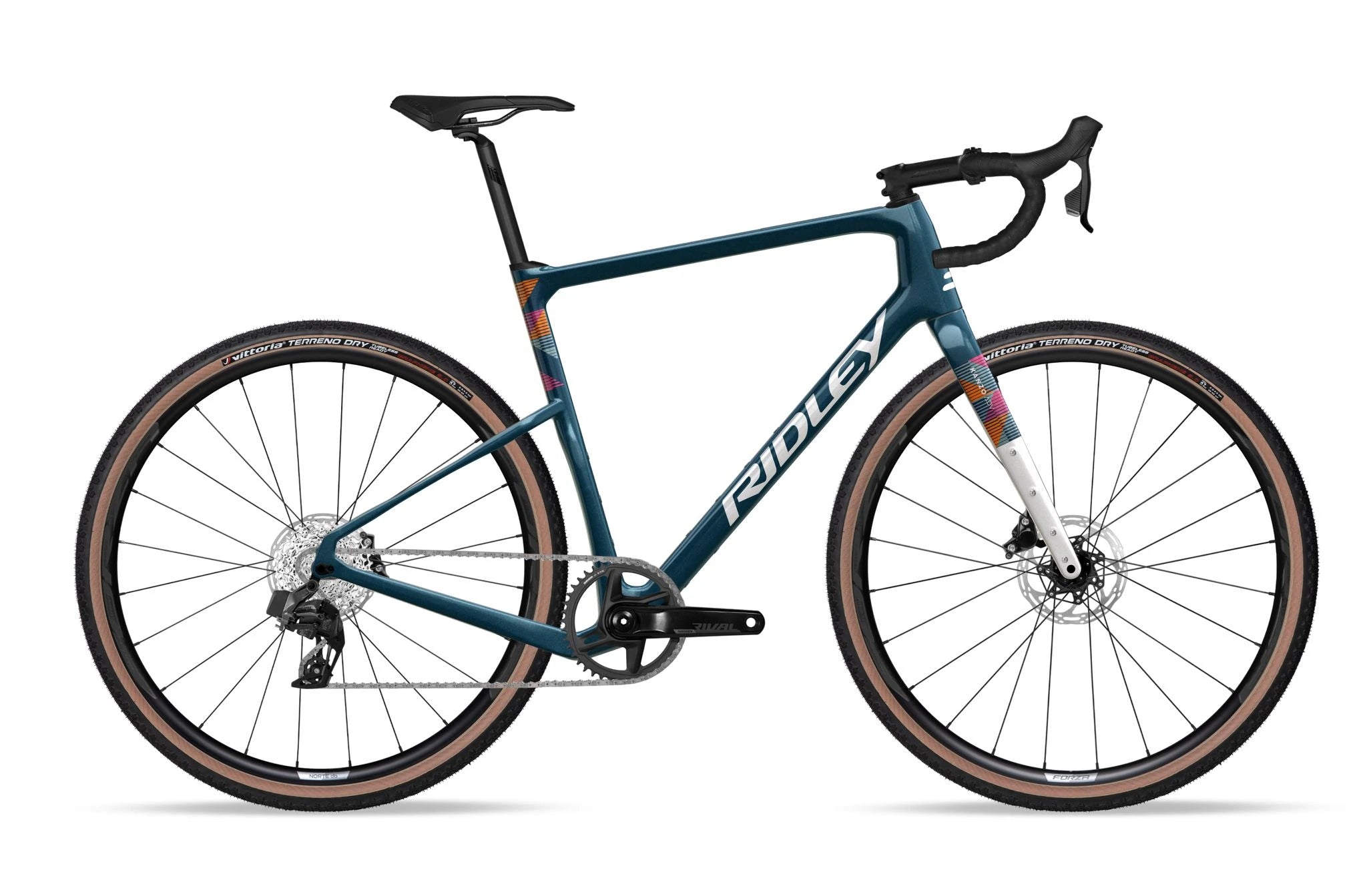
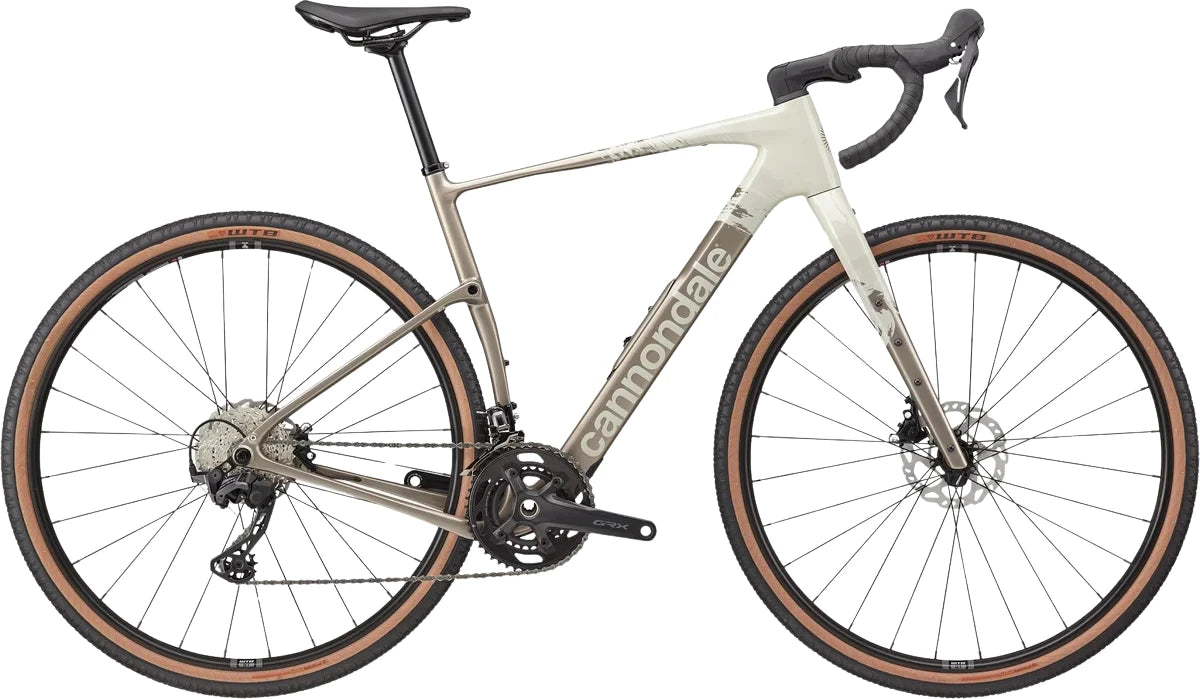
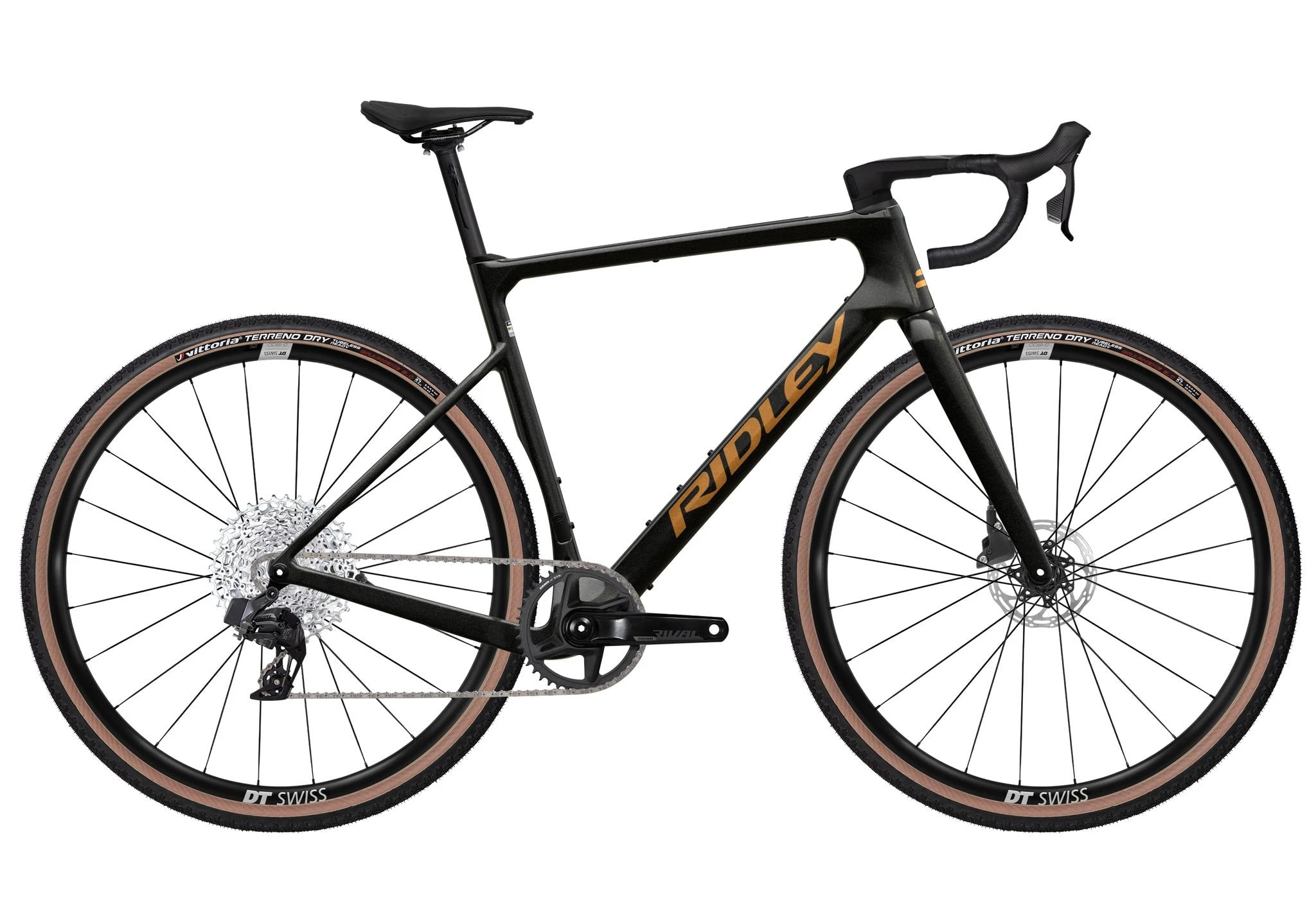
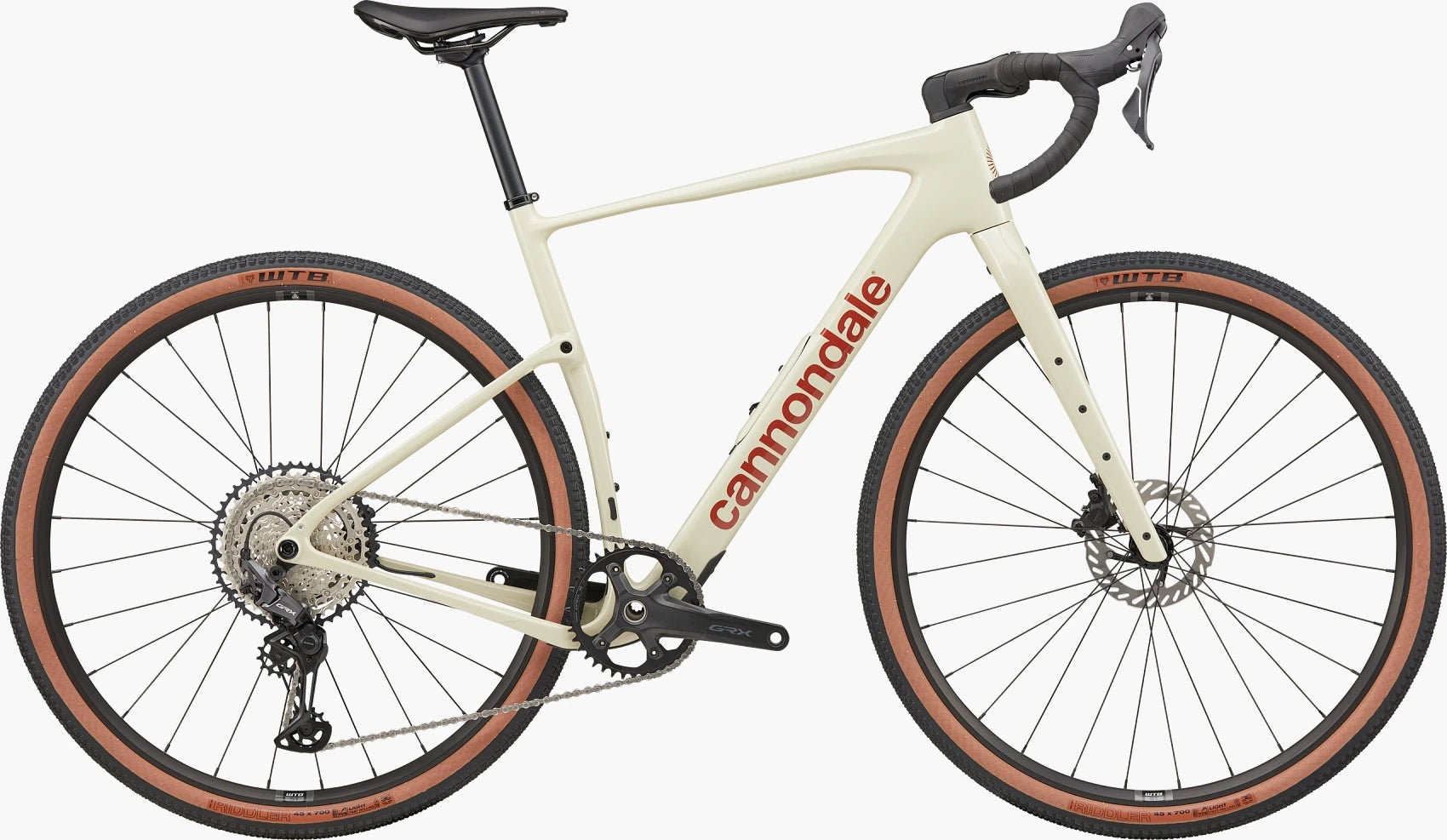
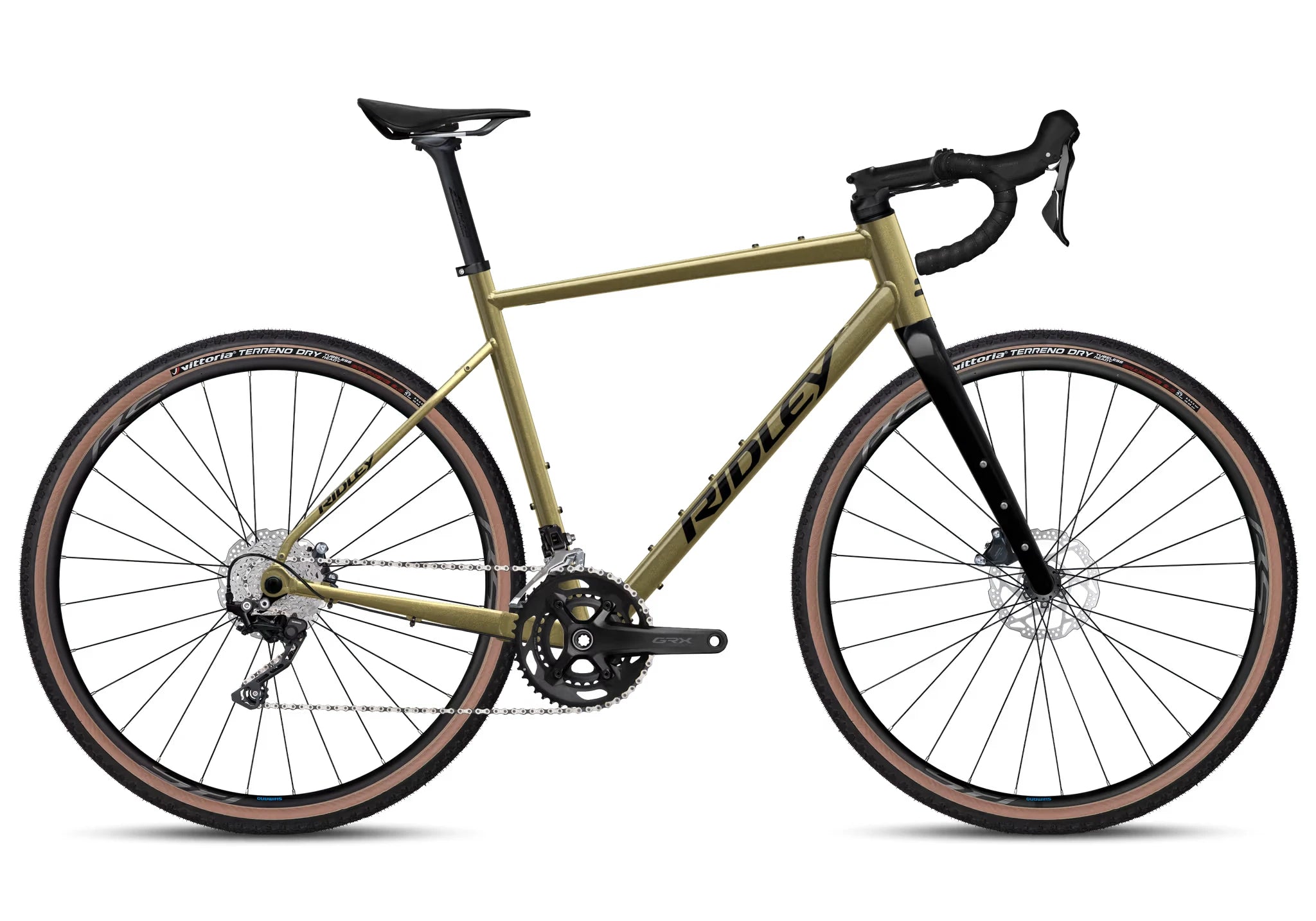
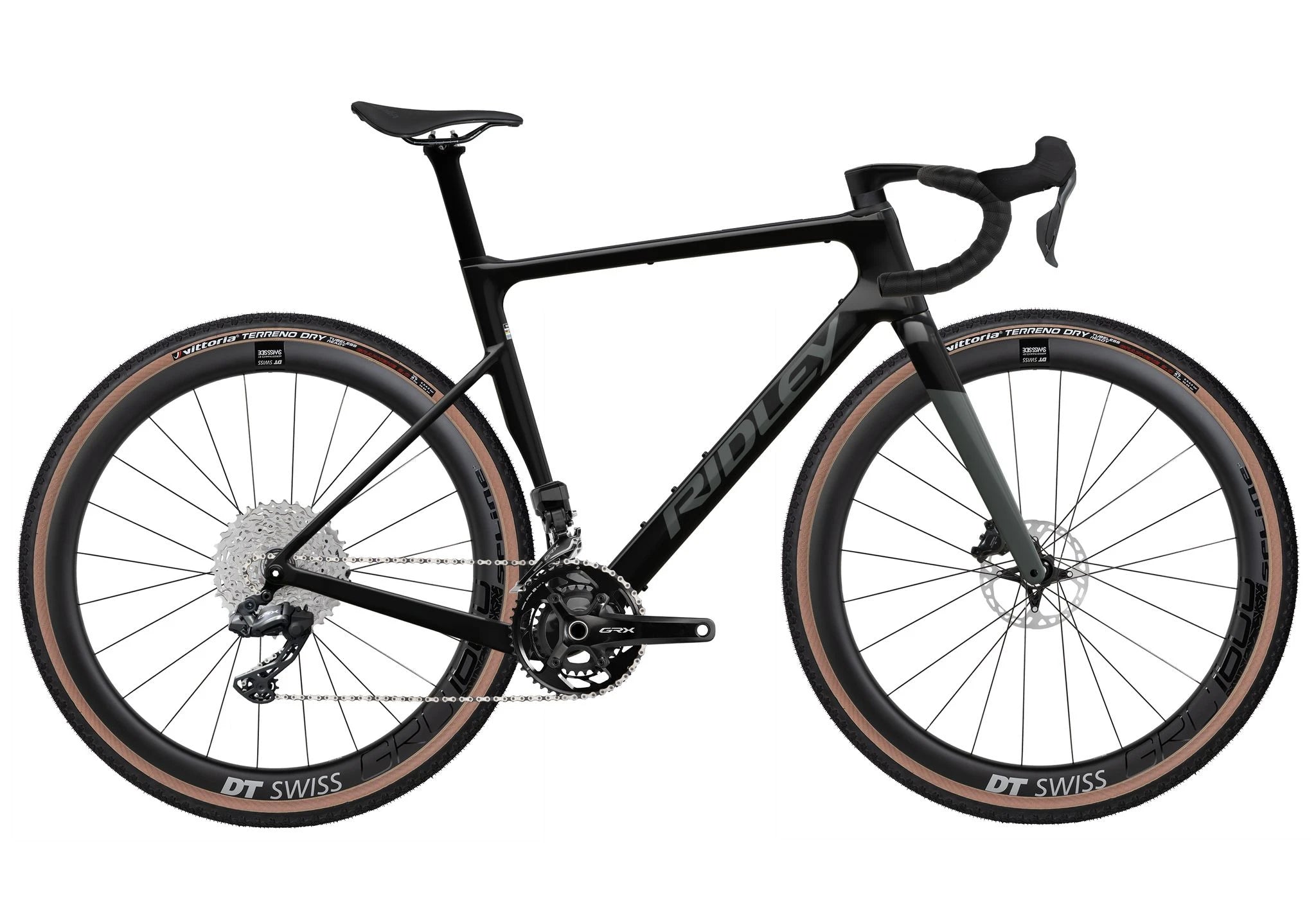
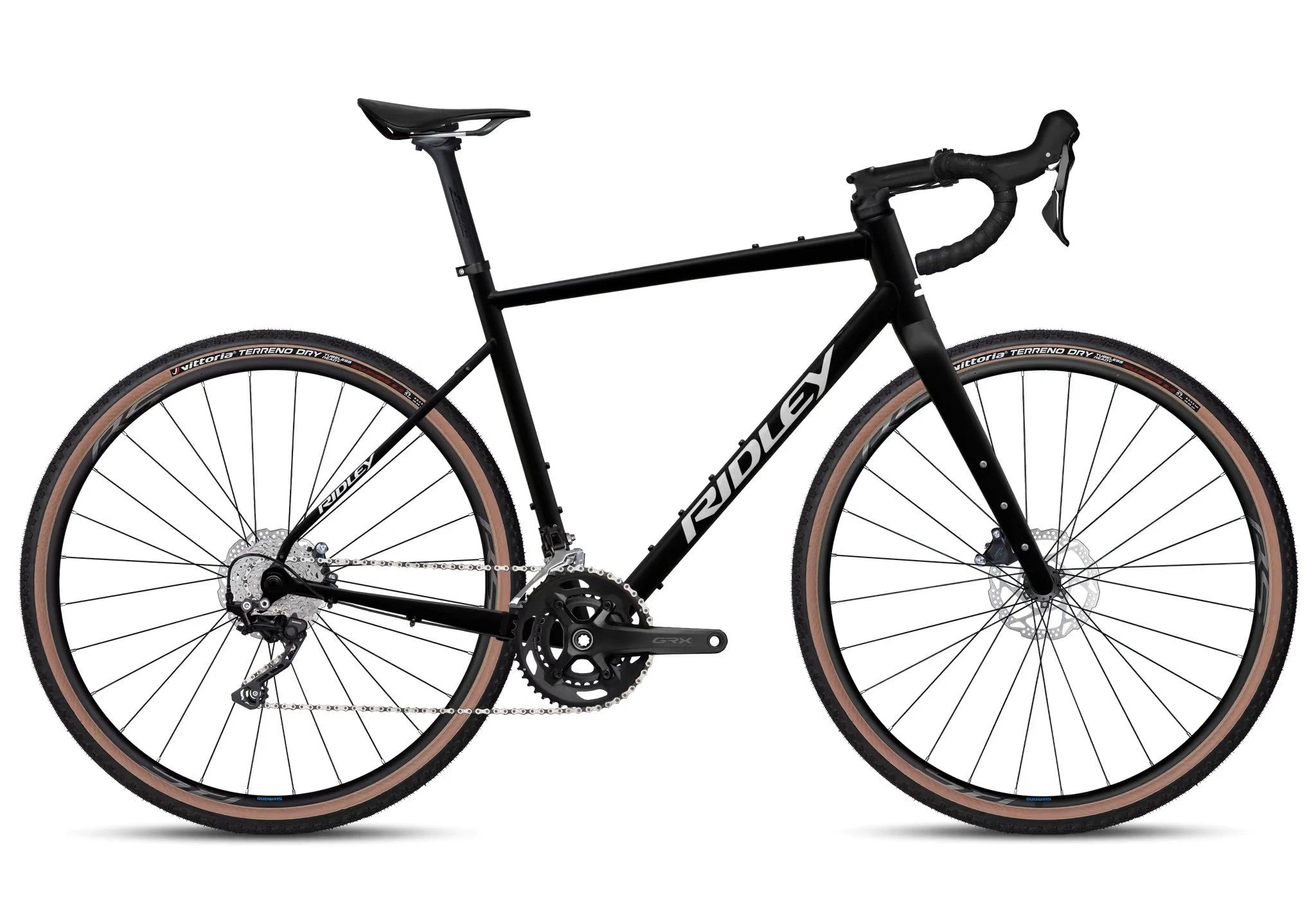
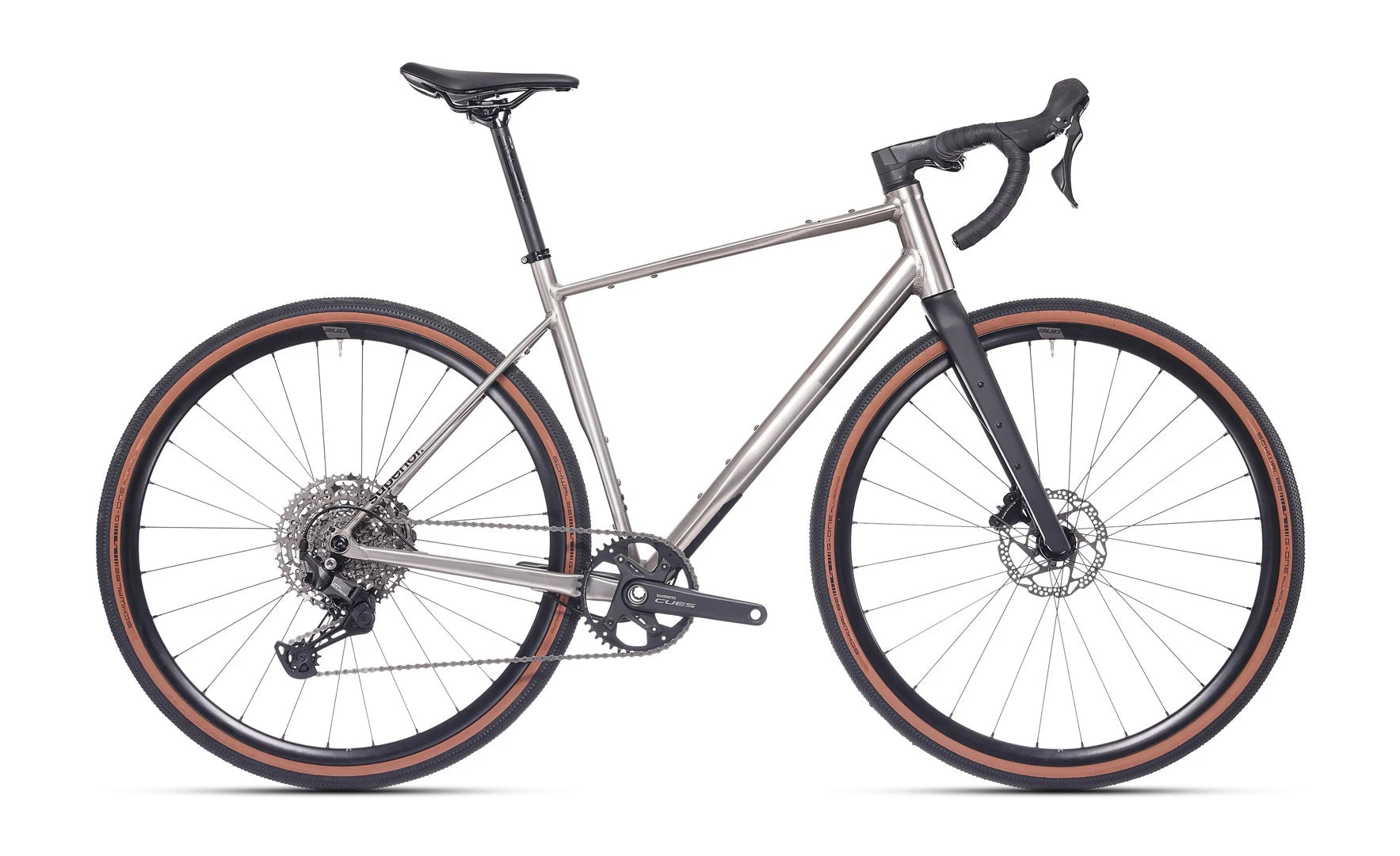
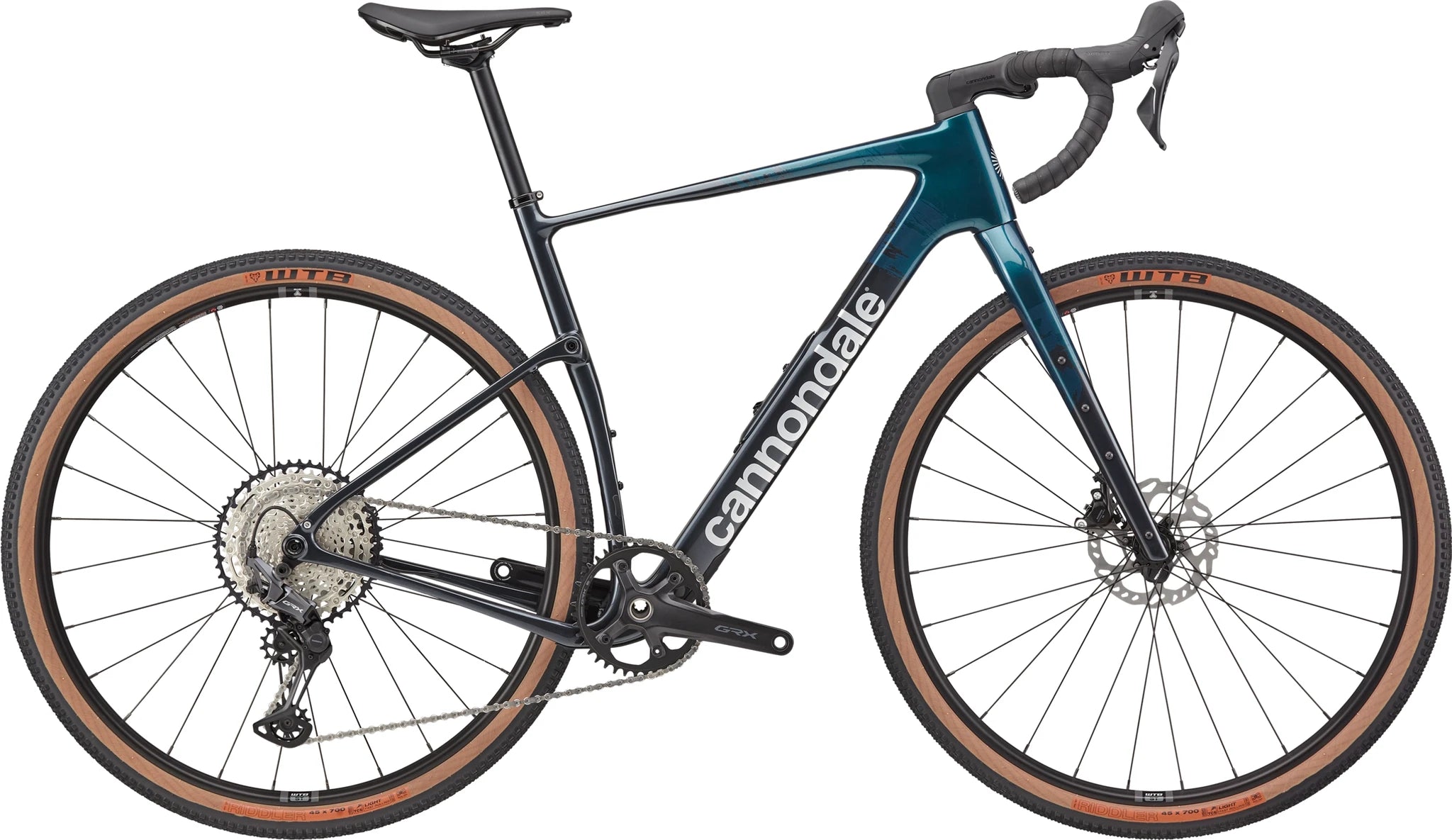

Gravel Bike Sale: Offers and discounted discontinued models
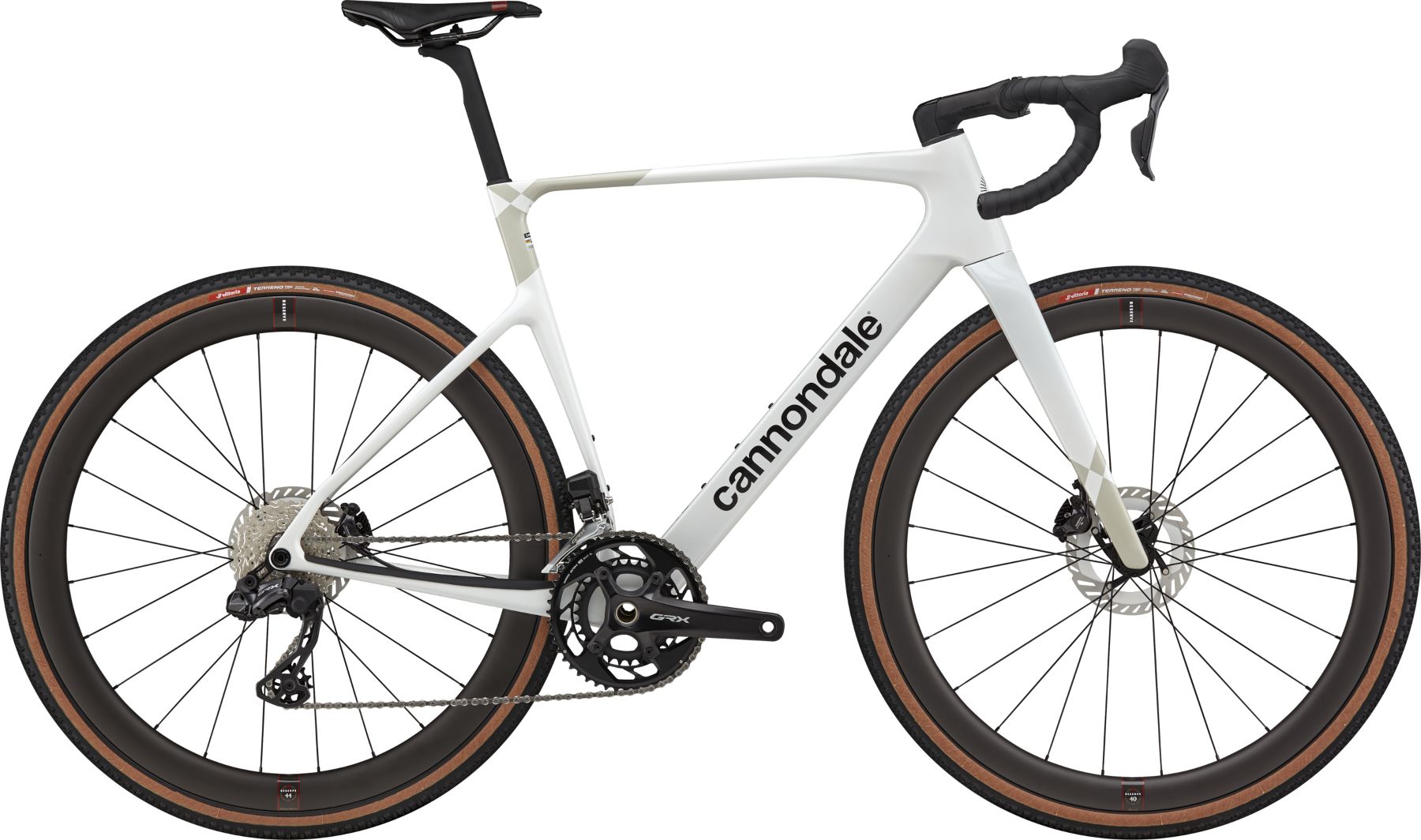
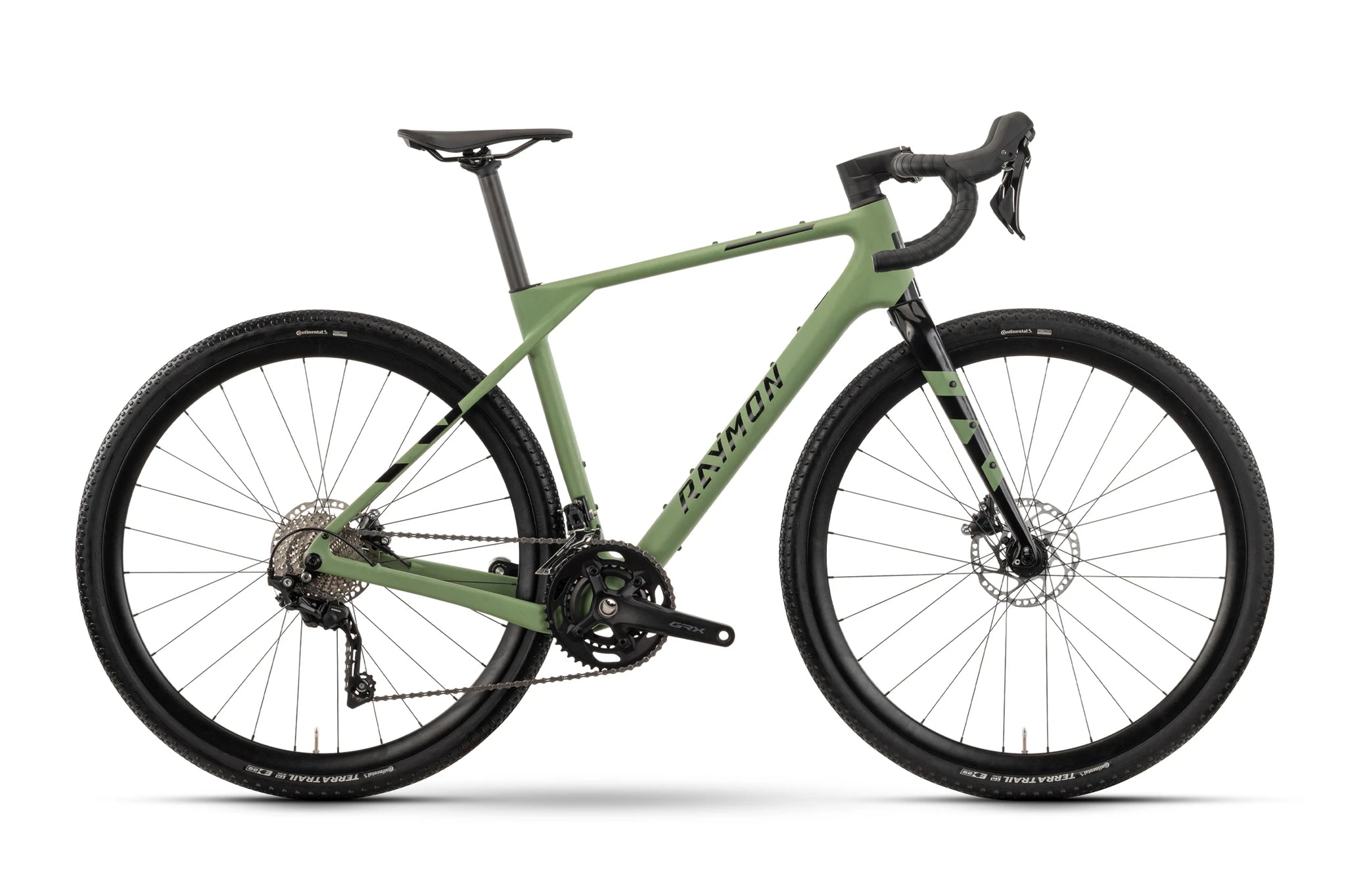
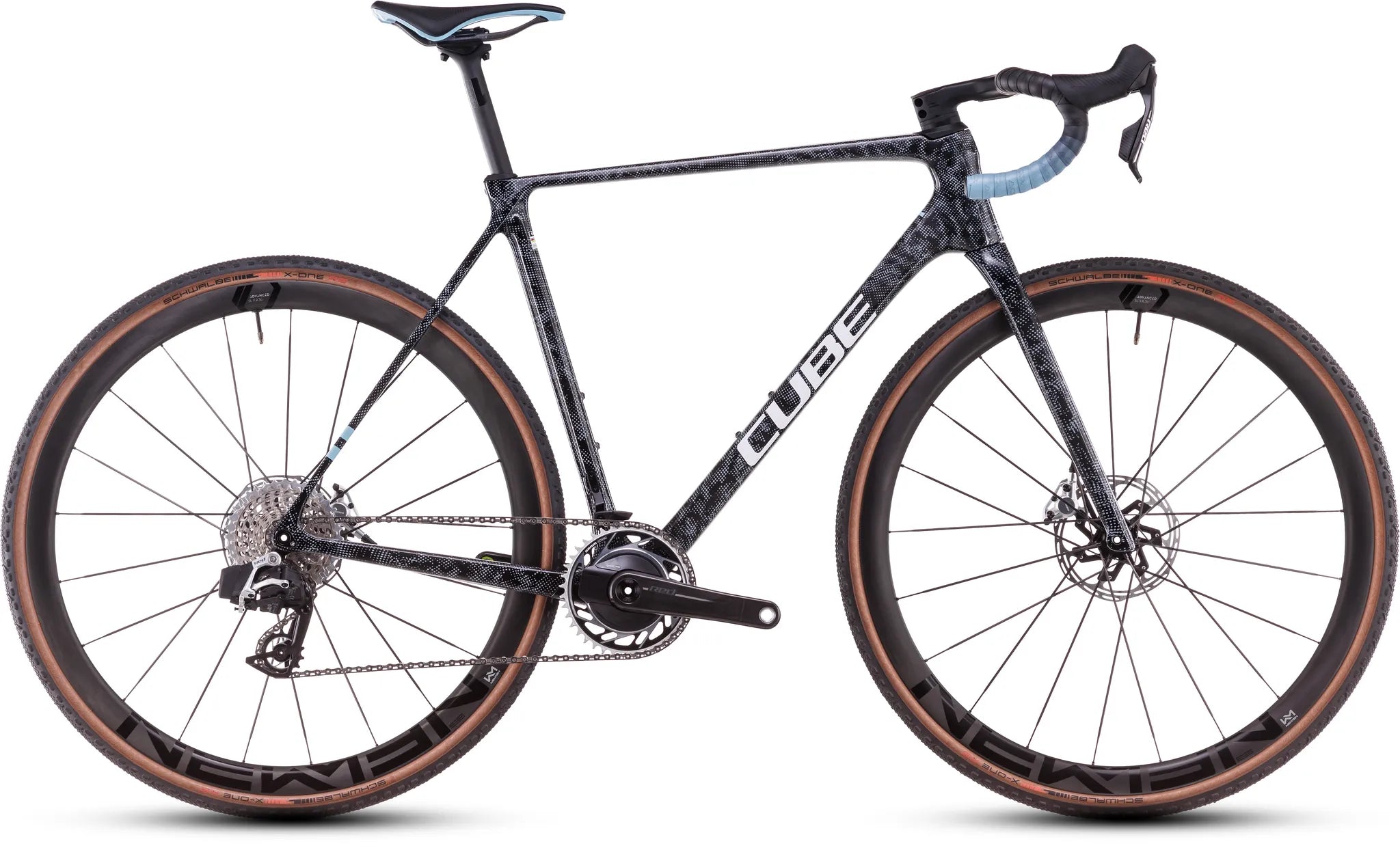
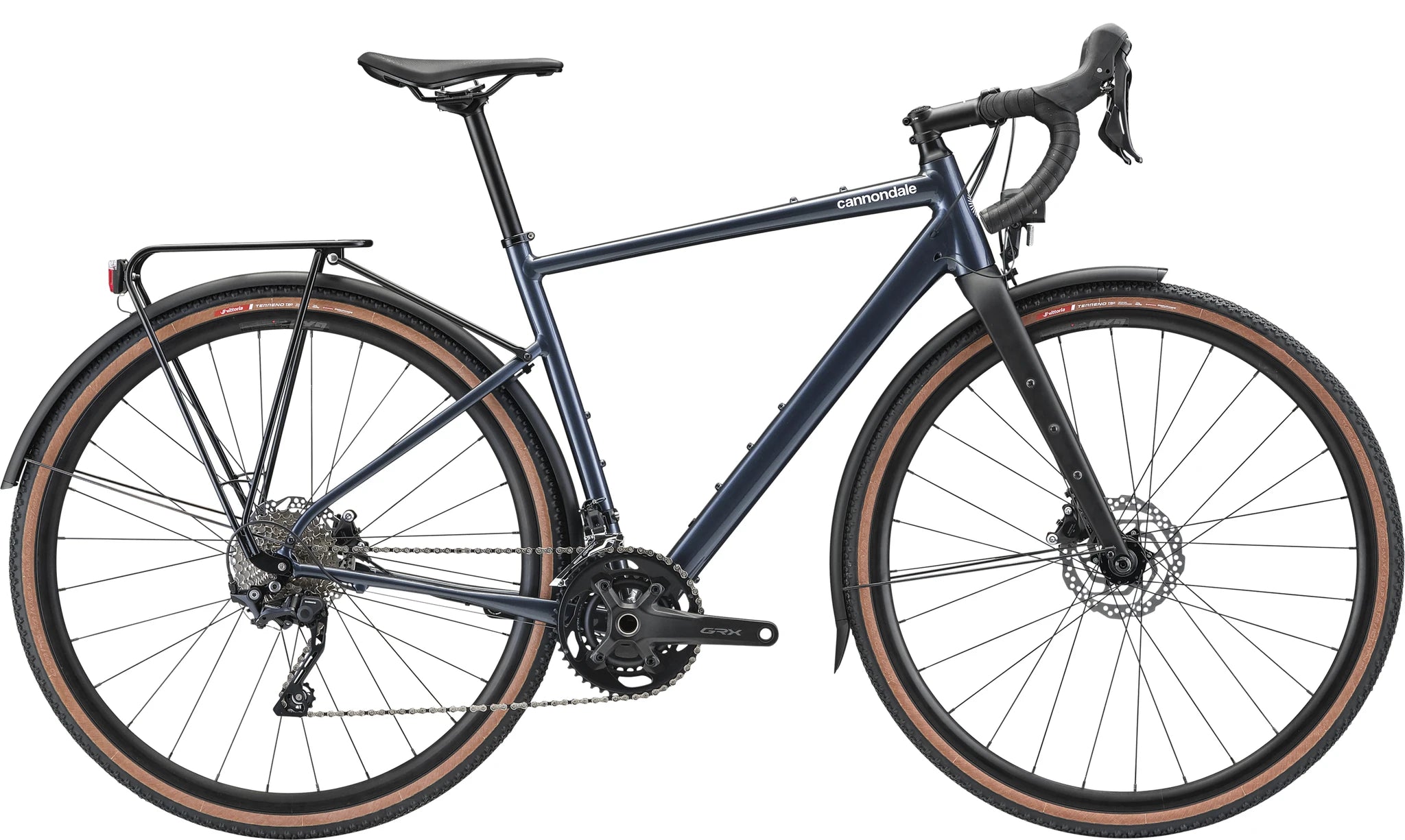
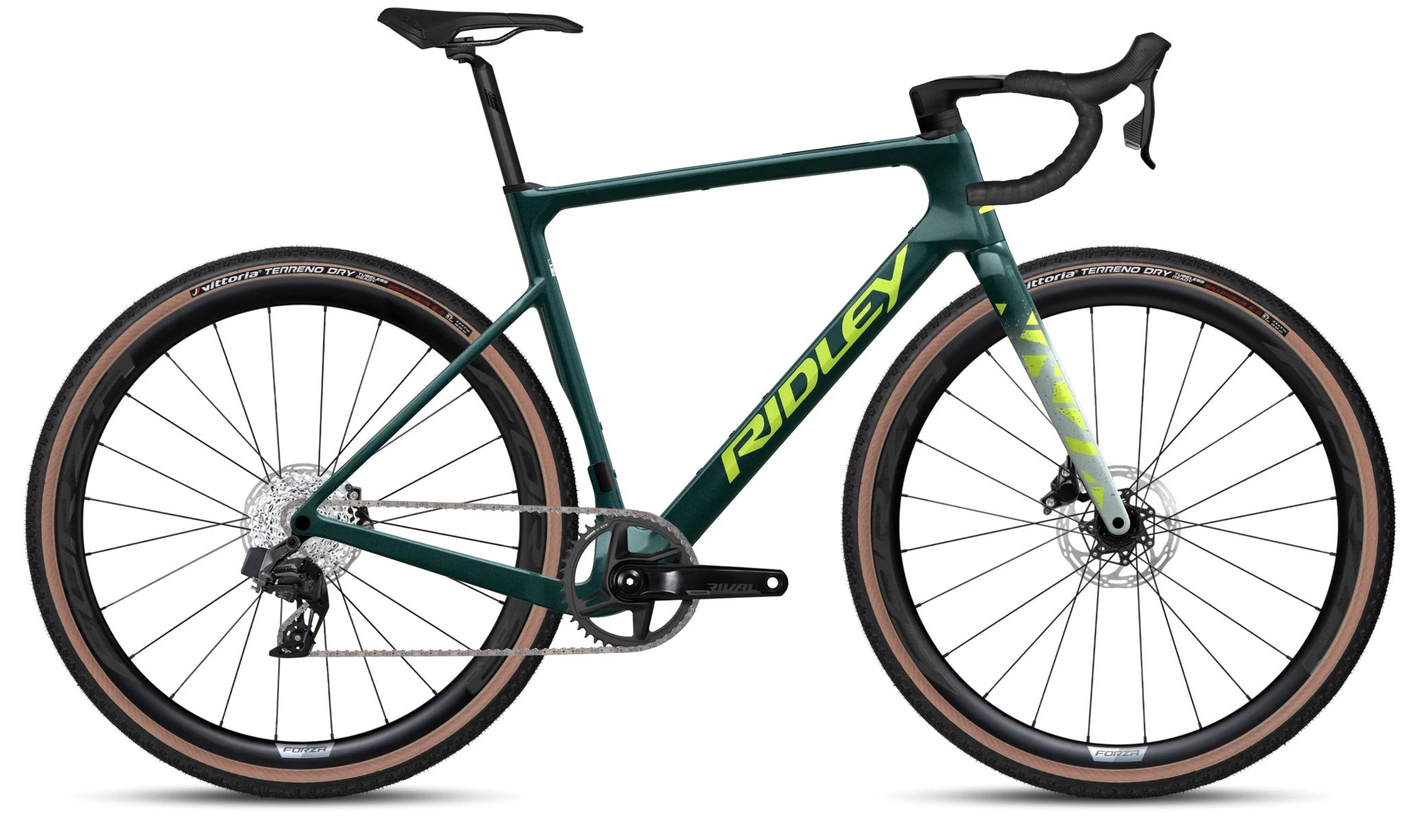
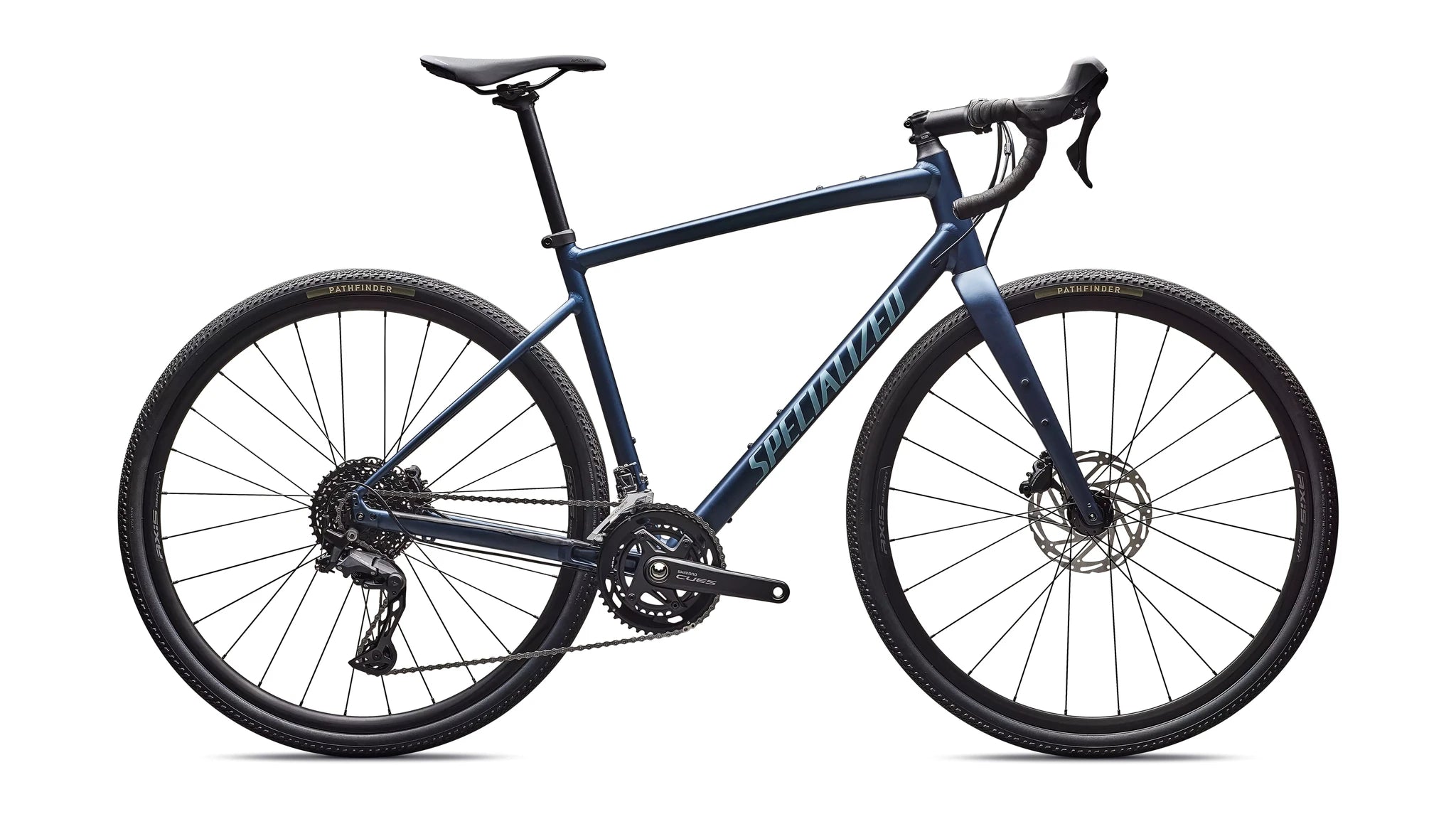
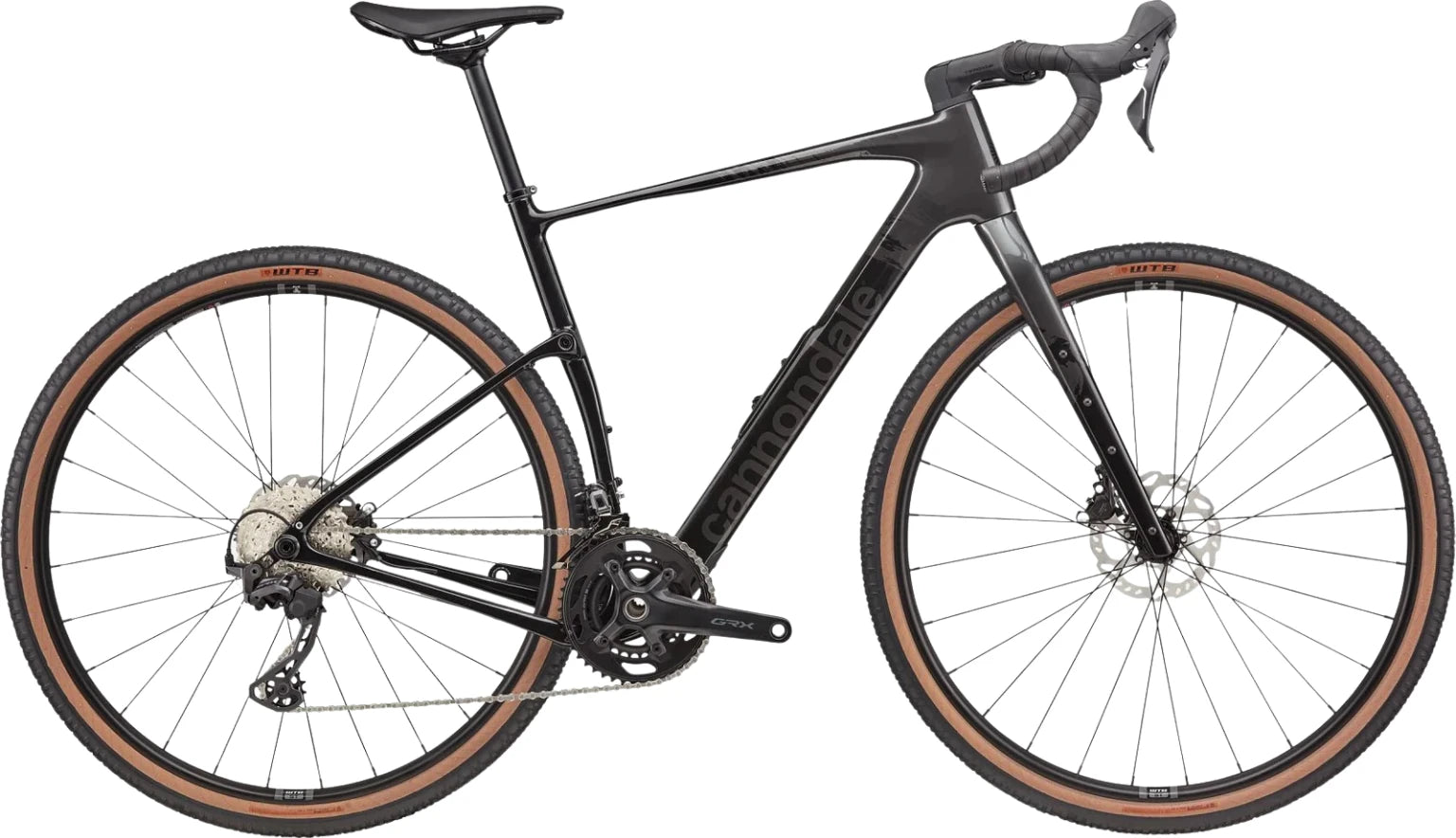
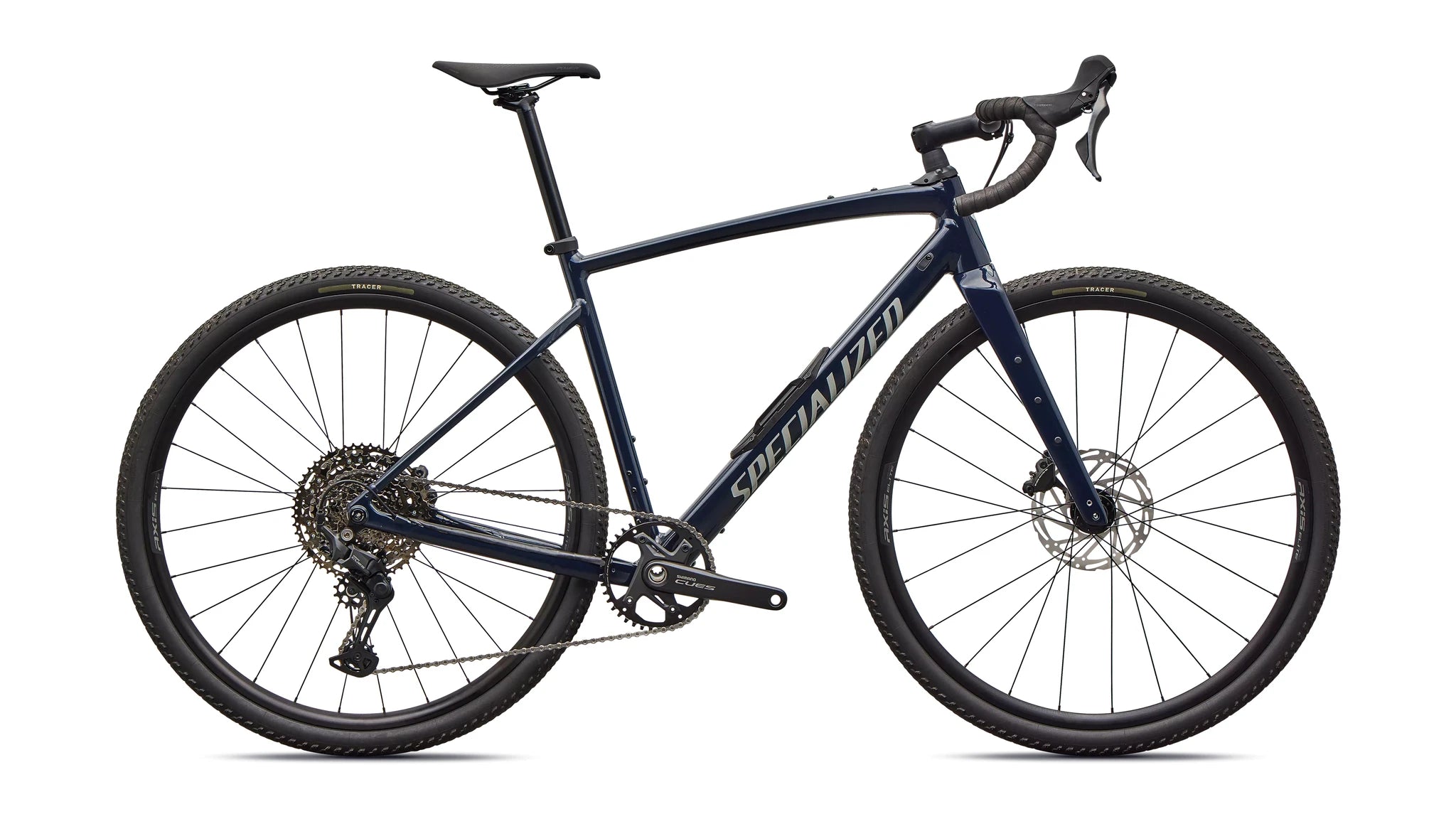
A gravel bike sale offers the chance to buy a technically well-equipped bike significantly below the original retail price. Frequently reduced items include previous year's models, individual frame sizes, and colors that retailers want to clear out before the next model change. The bikes are brand new and often differ from the current generation only in minor details.
You can find good gravel bike deals in various price ranges. The spectrum ranges from robust aluminum bikes for everyday use and weekend tours to lightweight carbon models with high-quality shifting systems. Therefore, the size of the discount is not the only deciding factor. The discounted bike must be suitable for your height, your preferred terrain, and your intended use.
Before purchasing, check the frame size, seating position, tire clearance, gear ratio, and mounting points above all else. A large discount is of little use if the geometry is uncomfortable or if important mounts for mudguards and luggage racks are missing. If, however, the specifications meet your requirements, you can save a lot of money on discontinued gravel bike models without compromising on practical utility.
When is the best time to buy a gravel bike at a good price?
The best chances for discounted gravel bikes are usually in late summer, autumn, and winter. During the cooler months, the demand for bicycles decreases. At the same time, retailers need space for new model ranges. As a result, existing bikes are often gradually reduced in price.
If you are looking for a specific frame size or equipment, you should start monitoring offers towards the end of the peak season. At this point, the selection is often still larger. If you wait until deep into winter, the price may drop further. However, the risk increases that only very small or large frames will be available.
Model changes do not always follow a fixed calendar. Manufacturers introduce new bikes at different times. Retailers often start clearance sales as soon as successor models are announced or delivered. This can happen as early as summer, but for some brands, not until the end of the year.
Major cycling events and product presentations can also influence the market. When new gear sets, frames, or model ranges are introduced, existing bikes lose their topicality from the retailer's perspective. Technically, they are not automatically obsolete because of this. A new paint job or slightly modified equipment is enough for the previous model to be offered as a discontinued model.
If you want to pay as little as possible and are flexible regarding color and brand, buying counter-cyclically in autumn or winter is worth it. If you need a popular frame size, you should act sooner. Medium sizes are often the first to sell out because they are suitable for a large proportion of buyers.
Even short-term promotions can bring good gravel bike discounts. However, you shouldn't let a countdown or a high percentage figure pressure you. Compare the final price with bikes that have similar equipment. The manufacturer's suggested retail price is only of limited relevance if the model has already been sold at a lower price for some time.
The following guidelines are useful for choosing the right time to buy:
- In late summer, you will find a larger selection, but the discounts are often still moderate.
- In autumn, many retailers begin more significant clearance sales of the previous year's models.
- In winter, prices can be particularly low, while the selection of frame sizes decreases.
- After the introduction of new model series, technically similar predecessors are often offered at a lower price.
- In spring, demand increases. Good deals are still possible, but popular models sell faster.
Before you start your search, set two or three must-have criteria. These might include the correct frame size, hydraulic disc brakes, and specific tire clearance. You can remain flexible regarding color, model year, and minor equipment details. This allows you to take advantage of seasonal price benefits without buying an unsuitable bike just because of the discount.
Technical disadvantages of discontinued gravel bike models
A gravel bike clearance model is an unsold new bike from an older model series. It has generally not been used and should not be equated with a second-hand bicycle. The reduced price is primarily a result of the model change and the need to clear out stock.
Technical disadvantages arise if the manufacturer has fundamentally overhauled the frame or equipment. This can include greater tire clearance, additional mounting points, modified geometry, or a new groupset. However, with many model changes, the frame and components remain largely the same. In these cases, the differences are limited to color, graphics, or individual components.
| Aspect | Discontinued model | Current model | Relevance for purchase |
|---|---|---|---|
| Drivetrain | Proven mechanical groupset from the previous generation | Partially updated mechanical or electronic drivetrain | Relevant if you specifically want electronic shifting or the latest gear ratios |
| Frame geometry | Corresponds to the model's previous orientation | Can be tuned to be sportier, more comfortable, or smoother | Very important if the seating position or handling characteristics have changed significantly |
| Tire clearance | Sometimes limited to narrower gravel tires | Newer frames occasionally allow for wider tires | Important for rough gravel, forest paths, and rides with low tire pressure |
| Mounting points | Fewer mounts on frame and fork depending on the model year | Sometimes additional attachments for bags, racks, or bottle cages | Relevant for bikepacking and use as a touring bike |
| Wheels | Often solid aluminum wheels with higher weight | Lighter or wider rims depending on the price range | Noticeable during acceleration and long climbs; often secondary for everyday tours |
| Paint finish | Colors from the previous season | Current color variants and decors | Purely visual and without influence on function |
| Spare parts | Wear parts are generally available long-term, specific frame components may vary by model | Current small parts are often easier to obtain directly from the manufacturer | Especially check for proprietary seat posts, cockpits, and derailleur hangers |
The price premium for the current model is worth it if a new feature solves a specific problem. If you want to ride wide tires on demanding trails, a frame with significantly more tire clearance can make sense. If you are planning long tours with lots of luggage, additional mounting points are more important than a high-quality paint job.
The situation is different with minor changes. A new color, a slightly lighter handlebar, or a renamed trim level do not justify a high price increase for many riders. A proven mechanical groupset can also be the better choice if you prefer simple maintenance and cheaper spare parts.
Do not just compare model names. Manufacturers occasionally change equipment within the same series. Therefore, check the exact list of components for the bicycle on offer. The rear derailleur, cassette, crankset, brakes, and wheels should be listed individually. Terms like "GRX equipment" are not sufficient because there are significant differences in price and performance within a product family.
Also, pay attention to whether the bicycle is delivered fully assembled and what work is necessary before the first ride. With a specialist retailer, professional final assembly and a basic setup are often included. With bikes ordered online, depending on the delivery condition, you will have to assemble the handlebars, front wheel, pedals, or saddle yourself and then check all safety-relevant connections.
Gravel bikes for 1,000 euros and 3,000 euros compared
There are noticeable technical differences between a gravel bike for around 1,000 euros and a model for about 3,000 euros. The higher price primarily goes into the frame material, drivetrain, brakes, wheels, and weight. However, the more expensive bike is not automatically better suited for every intended use.
- Gravel bikes around 1,000 euros usually have an aluminum frame. A carbon fork is frequently found in this class, but it is not guaranteed. The shifting system is generally mechanical. Depending on the model, entry-level gravel-specific groupsets or components from road or trekking segments are used.
- In the 3,000-euro range, carbon frames are significantly more common. Alternatively, you will find high-quality aluminum frames with better wheels and a higher-tier groupset. Electronic shifting systems are possible, but they are not included as standard on every model.
- Hydraulic disc brakes are widespread on more expensive bikes. They allow for precise modulation and require less hand force. On affordable gravel bikes, mechanical disc brakes are sometimes used. These have a simpler design but often do not achieve the same braking performance and modulation.
- Inexpensive wheelsets are usually heavier. The additional weight is particularly noticeable when accelerating and on climbs. Higher-quality wheels often feature wider rims, better hubs, and lower weight. This can change the riding experience more significantly than a small difference in frame weight.
- Regarding the drivetrain and gear ratios, higher price ranges often offer more gears or tighter spacing. For steep routes, however, the lowest available gear ratio is more important than the number of gears. Therefore, check the tooth counts on the chainring and cassette.
- More expensive models are more frequently delivered with tubeless-ready rims and tires. Some affordable bikes are also prepared for this, but may still require valves, sealant, or different rim tape. The manufacturer’s precise labeling provides clarity.
For occasional tours, commuting, and getting started with gravel riding, a bike around 1,000 euros can be sufficient. An aluminum frame is robust, and minor scratches are less noticeable in everyday use. With regular maintenance, mechanical shifting systems last a long time. Wear parts in the lower and mid-range groups are usually cheaper to replace.
If you ride many kilometers, long climbs, or sporting events, a higher budget can be worth it. Lower weight, more precise shifting, and better wheels become noticeable with frequent use. A comfortably tuned carbon frame can also be pleasant on long distances. However, actual comfort also depends on tire width, tire pressure, riding position, and saddle.
Ongoing costs can be higher for an expensive gravel bike. While electronic shifting systems require less mechanical readjustment, their components are more costly if they break. Lightweight cassettes, special chainrings, and high-quality brake discs also cost more than standard wear parts. Anyone who rides a lot in bad weather should include this point in their purchasing decision.
During a sale, the usual price boundaries shift. A model that was originally much more expensive can drop into the range of a well-equipped entry-level bike. Therefore, compare the reduced final price with the installed equipment. A high original price does not necessarily mean that every component is of higher quality.
If you are wavering between two offers, prioritize the frame, fork, and wheels. The rear derailleur, cassette, and brake pads can be replaced later. An unsuitable frame or insufficient tire clearance, on the other hand, can hardly be corrected in a meaningful way.
Is it more worth it to buy a gravel bike on sale or a used one?
A used gravel bike can be cheaper than a discounted new bike. However, the price advantage comes with a greater inspection effort. You must assess the condition of the frame, drivetrain, brakes, bearings, and wheels yourself or have the bike checked before purchasing.
A gravel bike from a dealer sale makes sense if you value an unused drivetrain, verifiable product data, and statutory rights in the event of defects. Depending on the offer, voluntary services from the manufacturer or dealer may be included. If problems arise, you have a clear point of contact.
Private purchases are better suited for buyers who have technical experience and can identify wear and tear. A worn chain may have already damaged the cassette and chainrings. Lateral runout in the wheels, rough bearings, or leaking brakes will incur further costs. As a result, an apparent bargain can quickly reach the price level of a new discontinued model.
When it comes to carbon frames, you should examine used offers with particular care. Crash damage is not always visible at first glance. Ask about accidents, transport damage, and repairs. Unusual cracks, soft spots, flaking, or clicking noises must be professionally assessed. A superficial visual inspection does not offer complete security.
If you want a bike that is ready to ride immediately without hard-to-calculate follow-up costs, a sale at a retailer is usually the safer choice. If you can perform repairs yourself, can reliably assess the condition, and a specific used bike is offered at a significantly lower price, a private purchase can yield more savings.
Compare both options based on total costs. For a used bike, include potential expenses for the chain, cassette, tires, brake pads, handlebar tape, and workshop services. A new discontinued model can be more economical despite a higher purchase price if only normal maintenance is required in the first few years.
How to find the right gravel bike deals
An attractive discount is no substitute for a suitable configuration. Therefore, do not start your search with a brand or color, but with your intended use. Different equipment is suitable for asphalt and solid dirt roads than for rough forest trails, bikepacking, or daily commutes in bad weather.
- Determine your frame size based on the geometry data. Body height alone is not enough. Compare at least the seat tube, top tube, reach, and stack. If you are between two sizes, the choice also depends on your flexibility and the desired riding position.
- Determine the required tire clearance. For predominantly solid surfaces, narrower tires may suffice. On loose gravel and uneven forest paths, wider tires offer more traction and allow for lower tire pressure.
- Choose between a 1x and 2x drivetrain. A 1x drivetrain is straightforward and does not require a front derailleur. A 2x drivetrain usually offers smaller gear steps and a wider gear range for fast asphalt sections.
- Check the lowest gear ratio. For steep climbs with luggage, you need a sufficiently easy gear. A large number of sprockets alone says little about climbing capability.
- Pay attention to hydraulic or mechanical disc brakes. Hydraulic brakes usually require less hand force. Mechanical systems are easier to adjust on the go with standard tools, but differ significantly in quality and feel.
- Check all mounting points. Suitable attachment points must be available for mudguards, racks, frame bags, and additional bottle cages. Retrofitted solutions are not always stable or compatible with carbon frames.
7. Compare the scope of delivery. Pedals are often not included with performance bicycles. Tubeless accessories, bottle cages, and a second wheelset are also typically not included automatically.
8. Clarify the final assembly and service. Check whether the bike is delivered ready to ride, if an initial inspection is included, or if further adjustments are required after shipping.
With heavily discounted individual items, the availability of the correct size is often the decisive factor. Do not buy a frame that is too large or too small in the hope of compensating for the discrepancy solely with the stem and seatpost. Small adjustments are possible, but a fundamentally incorrect frame geometry will remain problematic.
Also check whether the equipment matches your maintenance requirements. A mechanical drivetrain is a sensible solution for many recreational cyclists. It does not require batteries and can be serviced in numerous workshops. An electronic drivetrain offers fast, precise shifting but increases the purchase price and the cost of individual spare parts.
A good gravel bike deal meets your technical requirements first and is only affordable second. Filter by frame size and equipment, compare similar models, and decide based on the final price. This is how you determine if the discount offers a genuine price advantage.
Frequently Asked Questions about the Gravel Bike Sale
How much of a discount do you get on discontinued bicycle models?
With discontinued bicycle models, gravel bike discounts of around 15 to 40 percent are often possible. The exact savings depend on the brand, model, inventory, and frame size. Models in high-demand sizes are often discounted less significantly because they sell faster.
Discounts between 15 and 25 percent are common for regular sales. Higher markdowns are more likely for older model years, specific colors, or fringe sizes that are harder to sell. In individual cases, the discount can be as high as 50 percent. In those cases, you should check very carefully whether the size, equipment, and original comparative price are correct.
Do not evaluate the discount based solely on the percentage. Compare the bike with similarly equipped models from other series. A bike with a 20 percent discount can be the better deal than a model with a 40 percent discount if it has more suitable components and a more modern frame platform.
Is the surcharge for a carbon frame worth it on a discounted gravel bike?
A carbon frame is worth it if low weight, sporty handling, and a comfort-oriented frame are relevant to your needs. Compared to a comparable aluminum bike, the complete bicycle can be noticeably lighter. However, a blanket weight advantage cannot be cited, as the wheels, fork, and components make up a large portion of the total weight.
Carbon can be engineered so that certain areas are stiff and others are more compliant. This allows manufacturers to specifically tune the frame. However, how comfortably the bike actually rides depends heavily on tire volume, tire pressure, seat post, and riding position. An aluminum bike with wide, properly inflated tires can be more comfortable than a carbon bike with unsuitable tires.
On sale, a carbon model can be attractive if the price difference to a comparably equipped aluminum bike shrinks significantly. Still, check the other components. A cheap carbon frame with heavy wheels and a basic groupset is not automatically a better choice than a high-quality aluminum bike.
For frequent sporty tours and many meters of elevation gain, the premium can be worth it. For the daily commute, trips with lots of luggage, or an uncomplicated entry into the sport, aluminum often offers a more balanced ratio of price, durability, and ease of maintenance.
Du kannst deine Einstellungen jederzeit anpassen, um den vollen Funktionsumfang unserer Website zu nutzen.
Cookie-Einstellungen bearbeitenWir helfen Dir gerne weiter!

Live-Chat
Telefon
Telefon
Telefonzeiten:
Mo. - Fr. 10:00 - 13:30 & 14:30 - 18:00 Uhr
Sa. 10:00 - 14:00 Uhr
Telefon:
+49 2961 914 886 9
Kontaktformular
Kontaktformular
Außerhalb der Chat- und Telefonzeiten kannst Du uns Dein Anliegen über das Kontaktformular mitteilen.
E-Mail
Schreib uns einfach eine E-Mail an verkauf@liquid-life.de und wir werden Dir so schnell wie möglich antworten. Bitte hab Verständnis, dass es aufgrund der chronologischen Bearbeitung zu kleinen Verzögerungen kommen kann.
Bikeberater
Bonusprogramm