

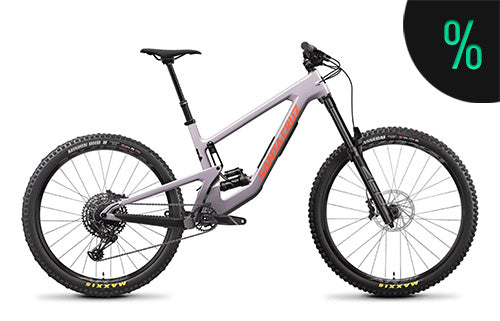
mountain bike sale
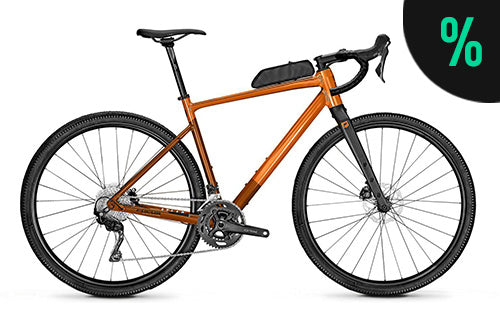
Road & Gravel Bike Sale
Rennrad Sale
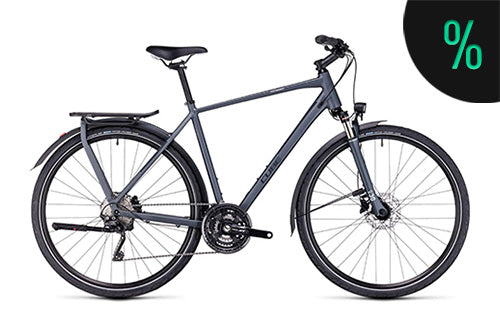
Trekkingbike Sale
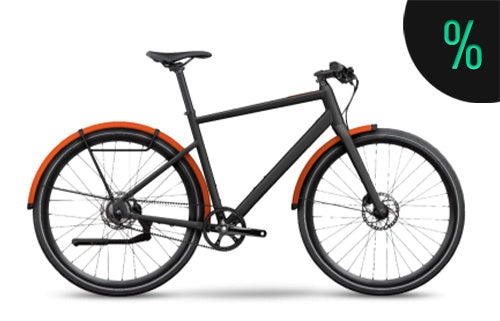
City & Urban Bike Sale

Kids Sale
Filters
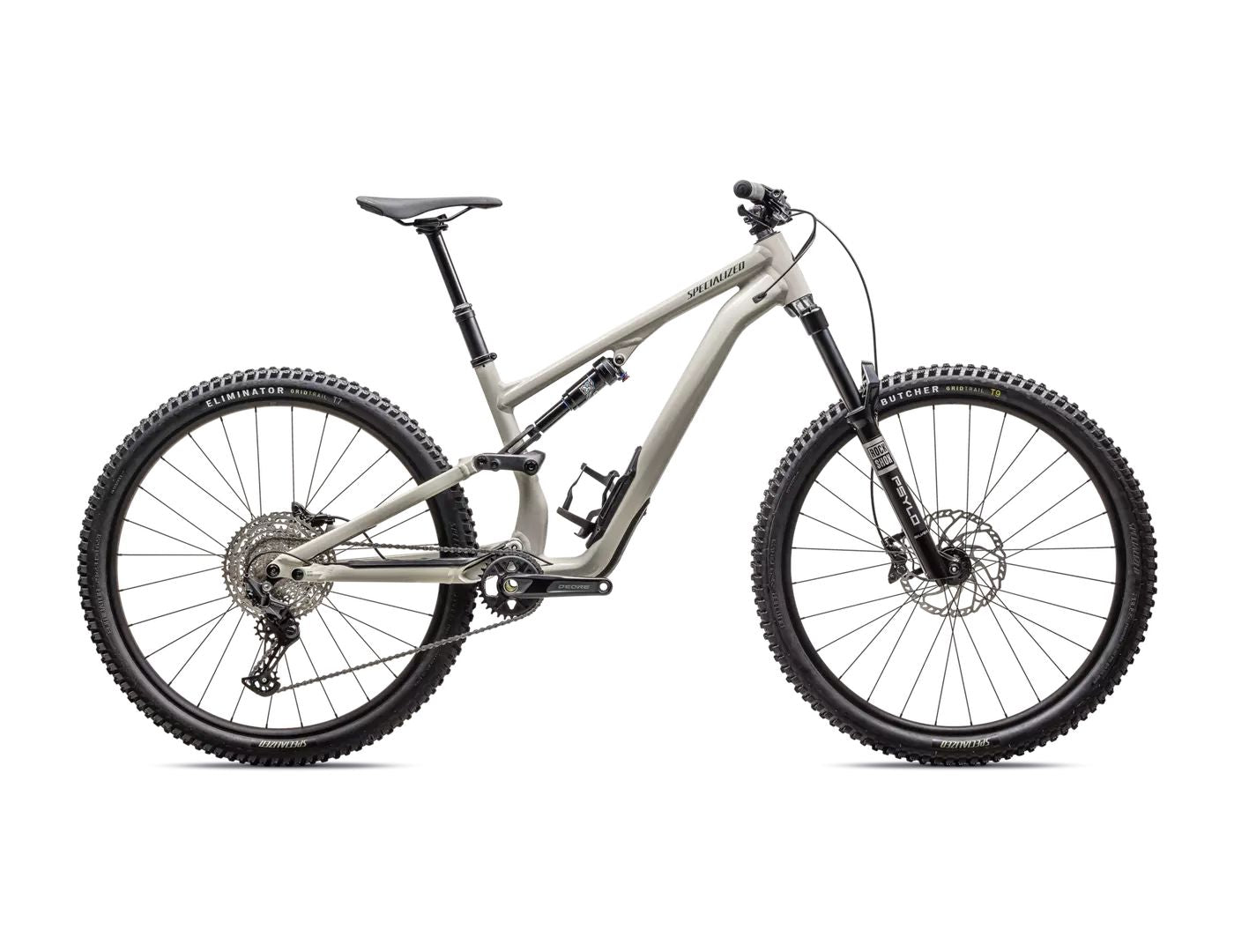

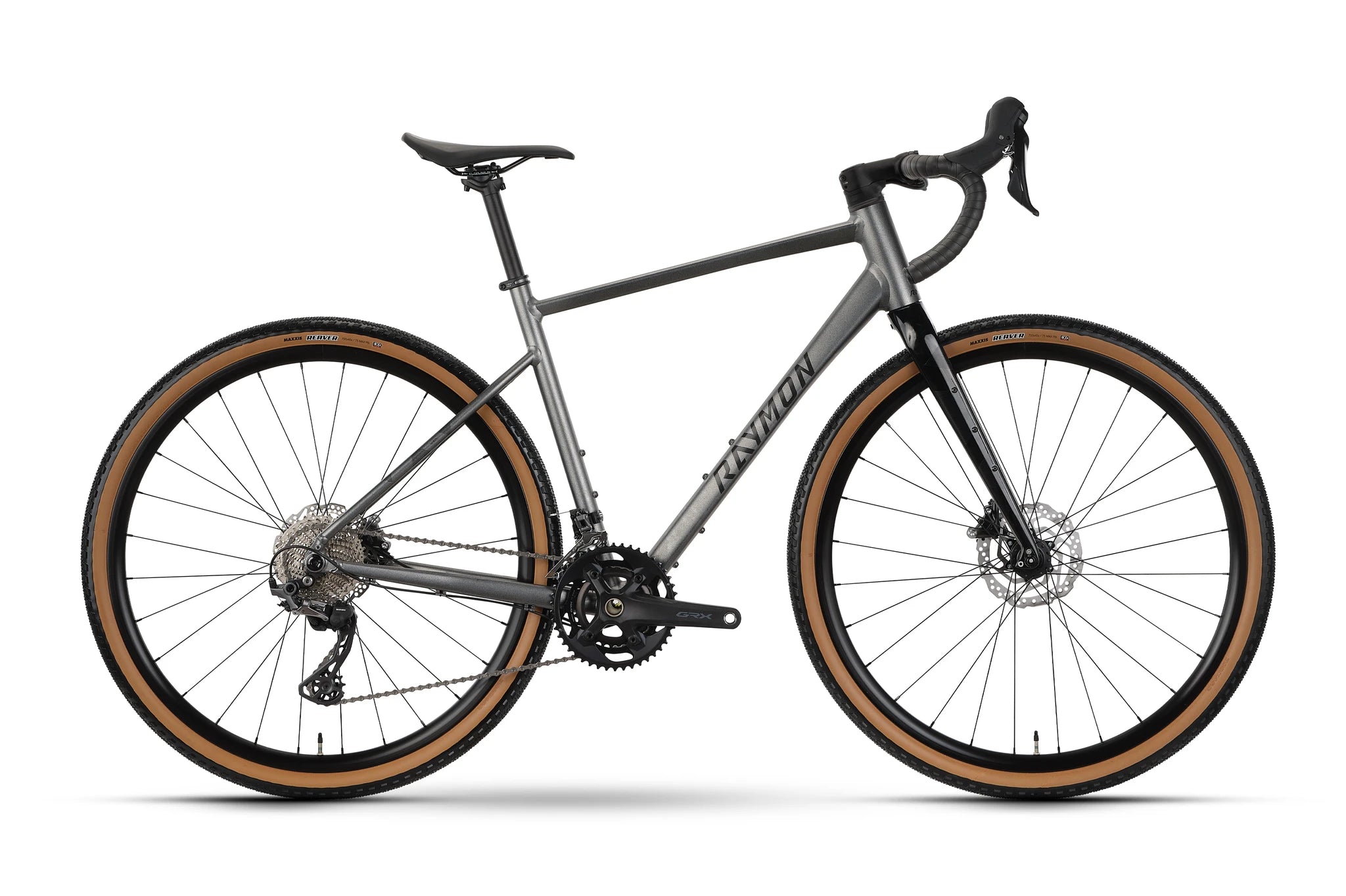
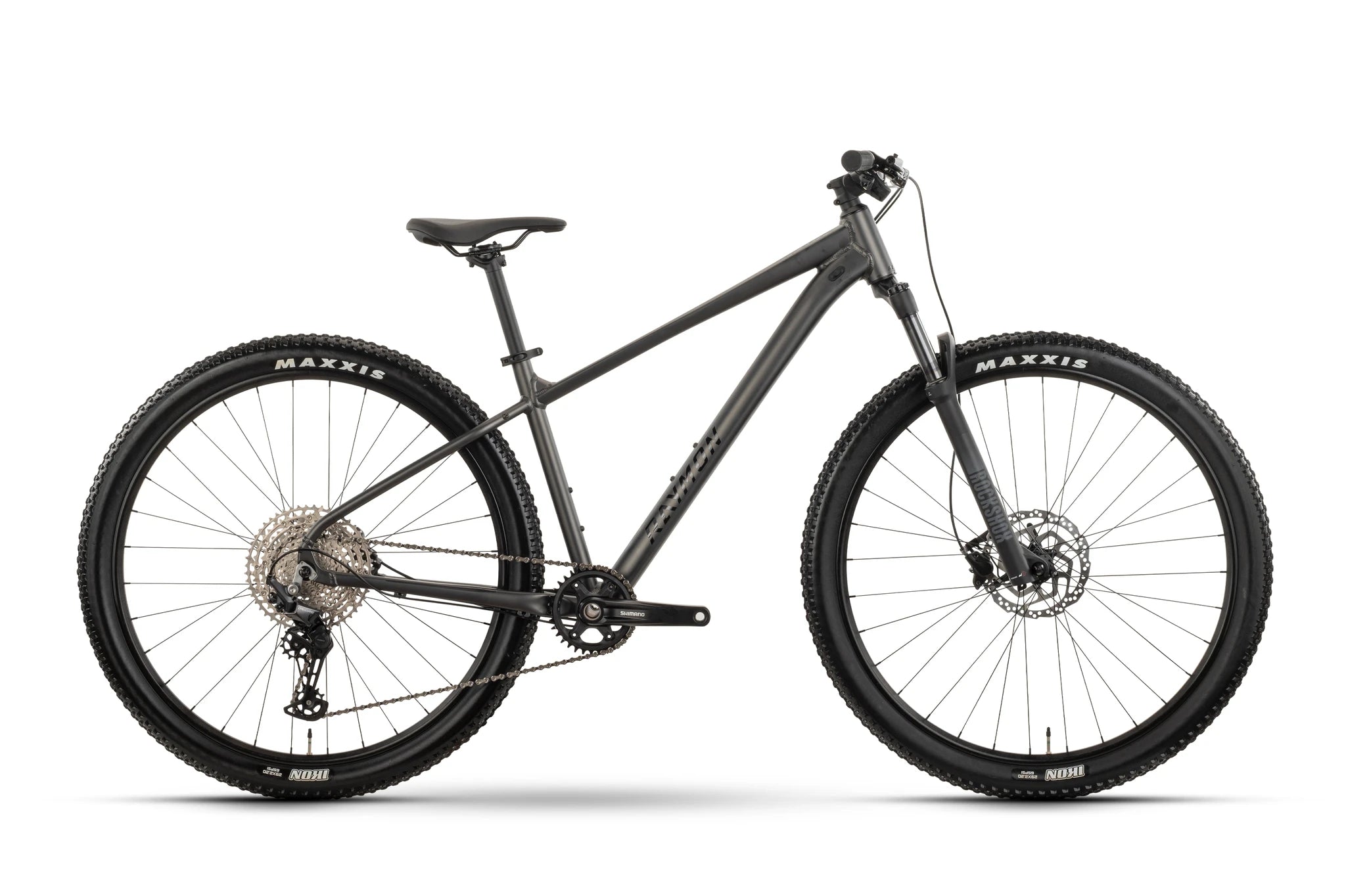
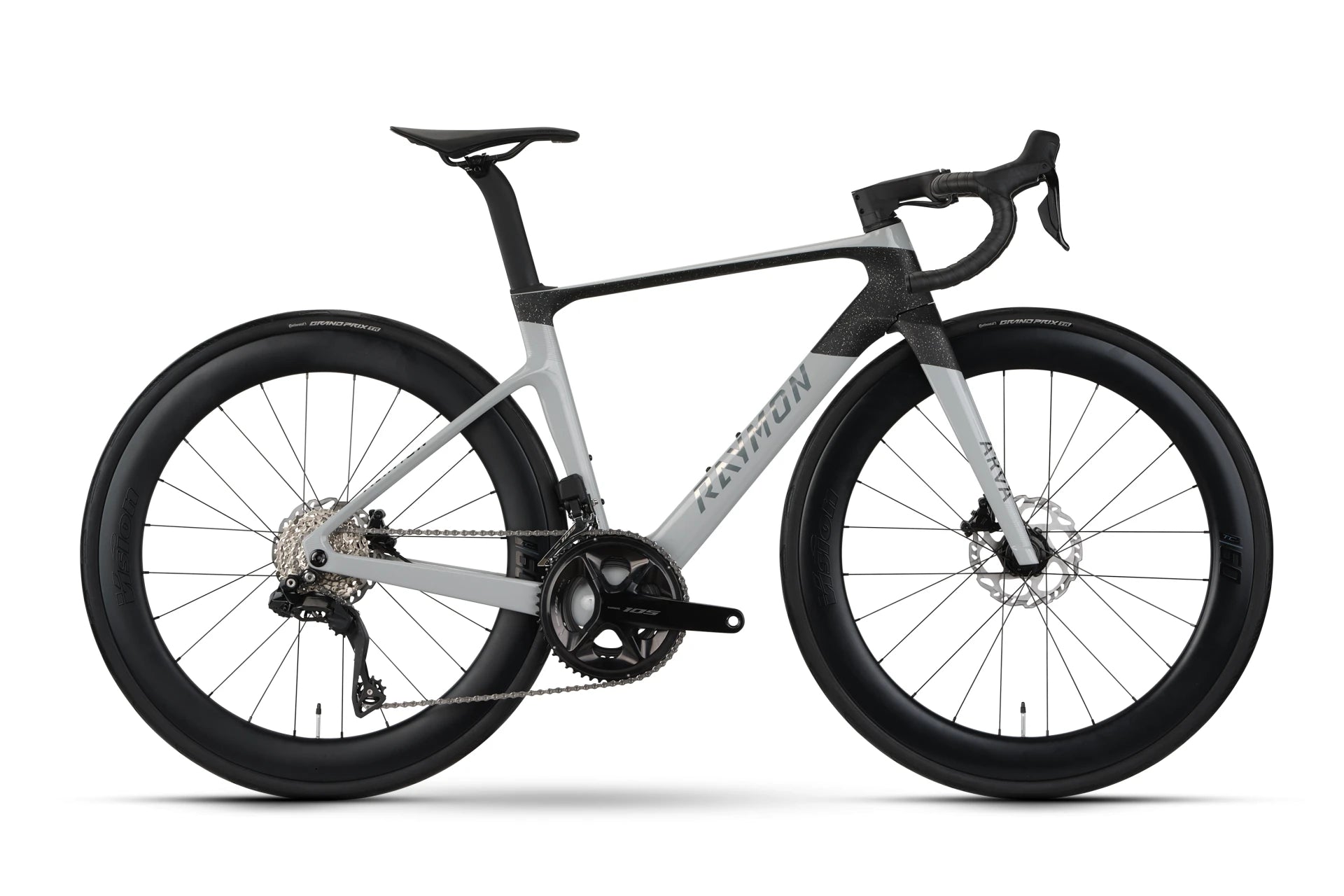


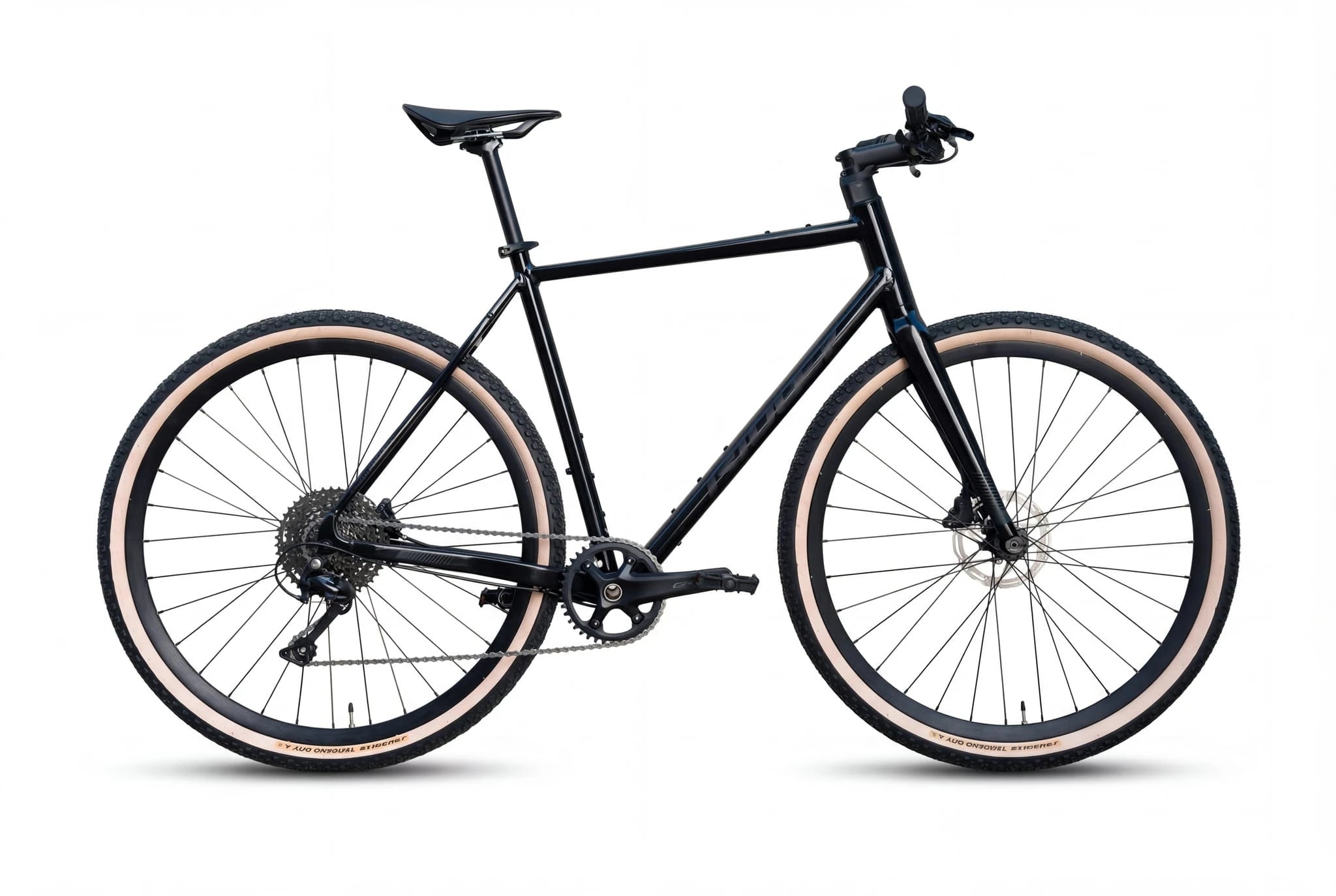
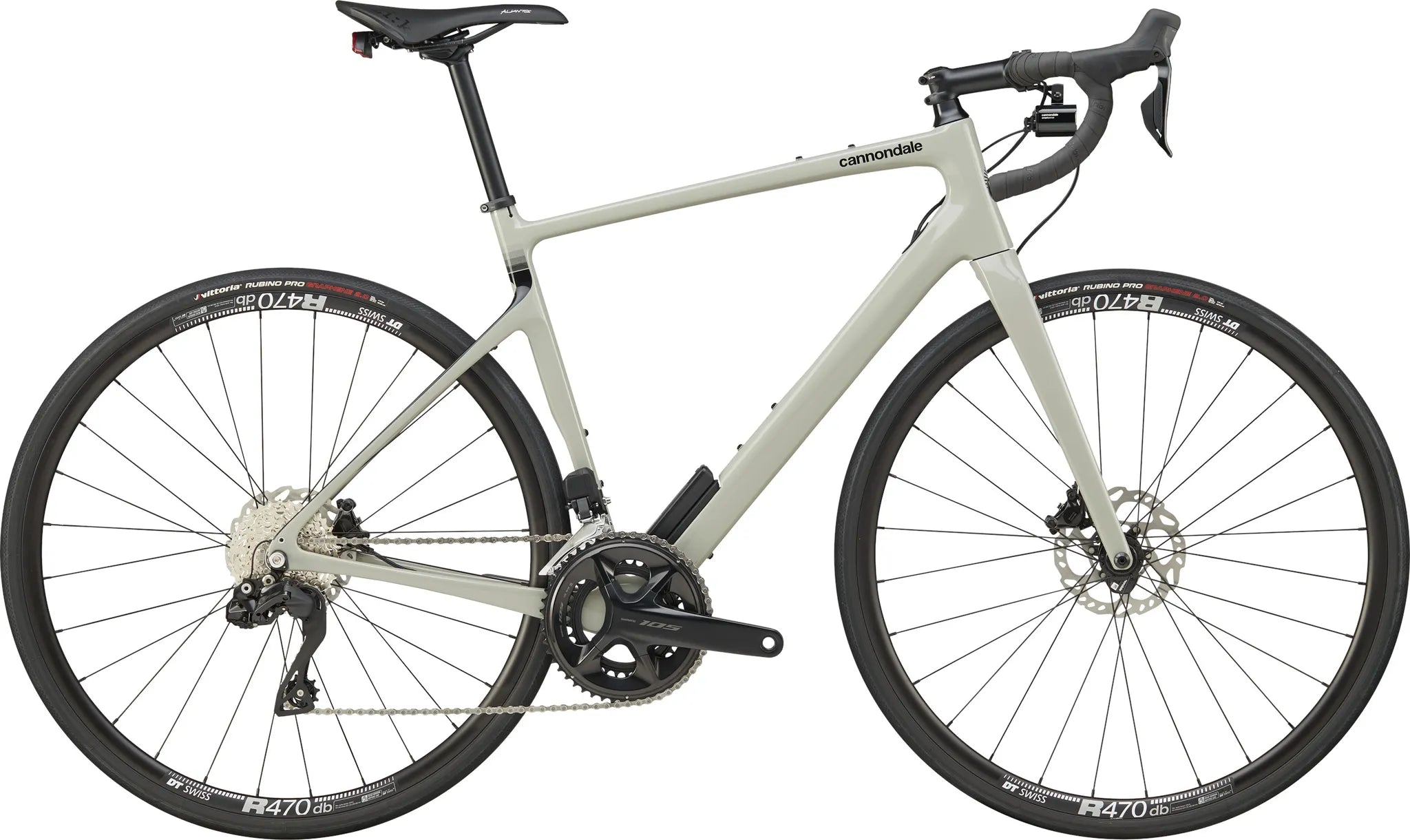
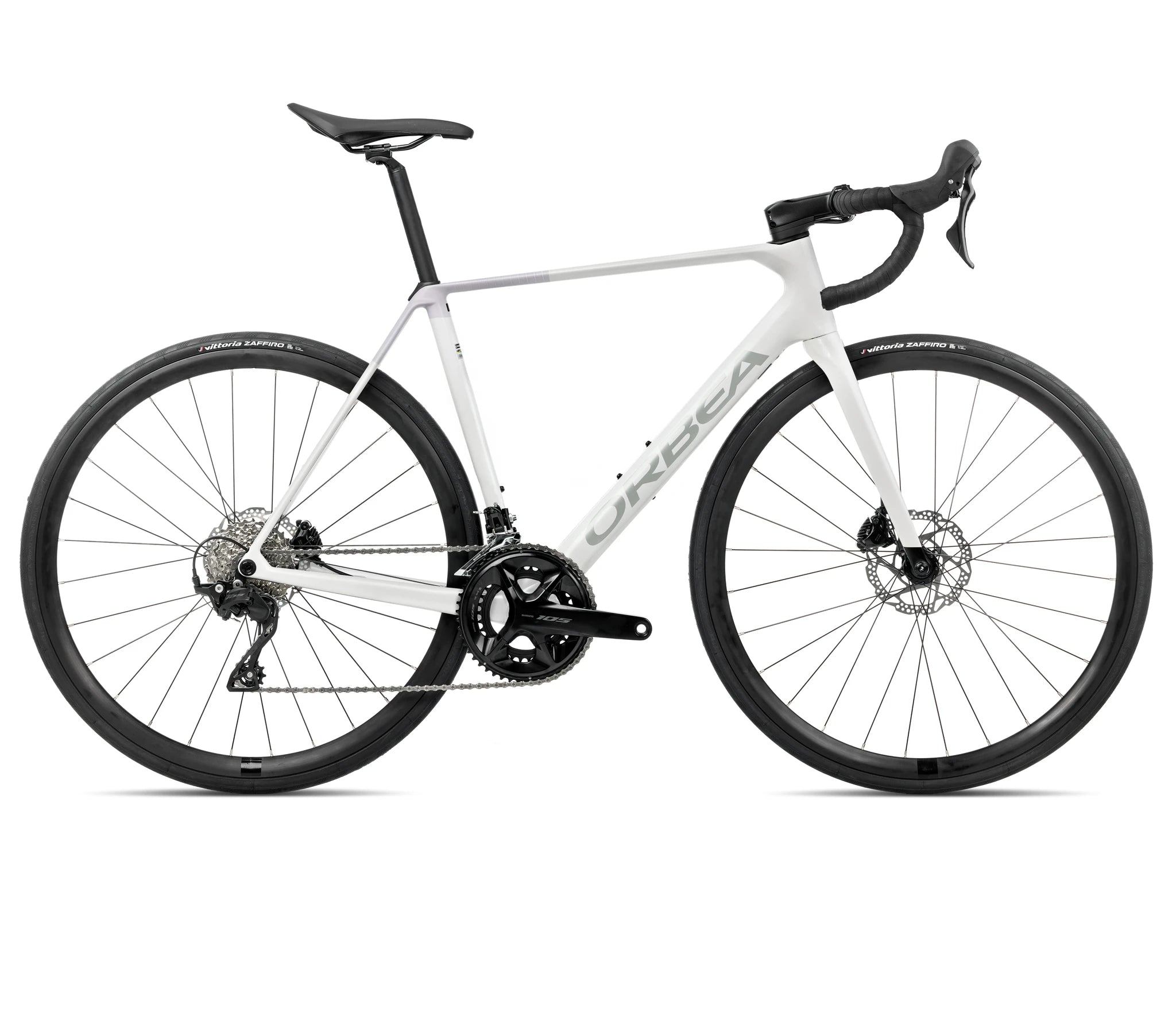
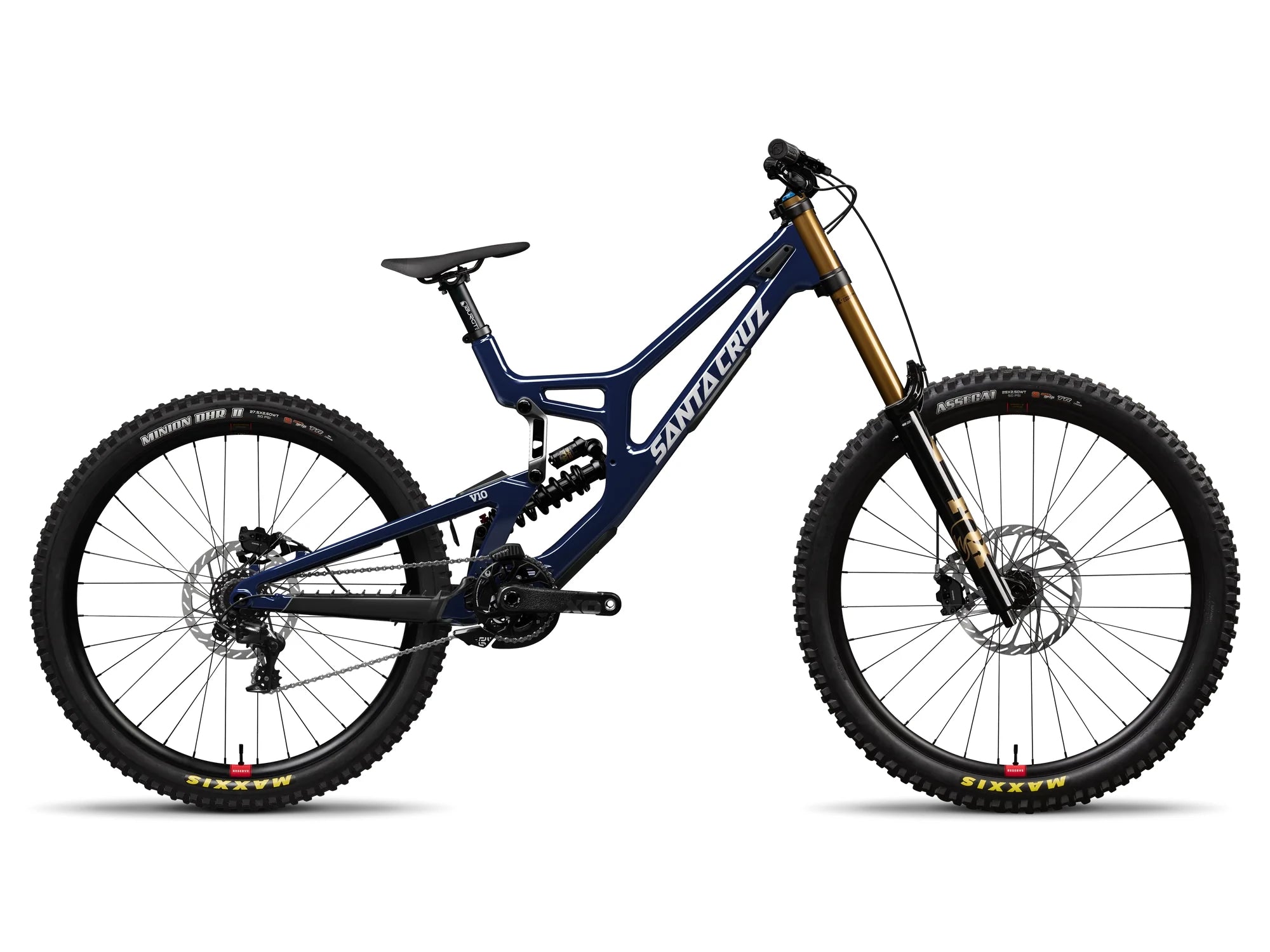

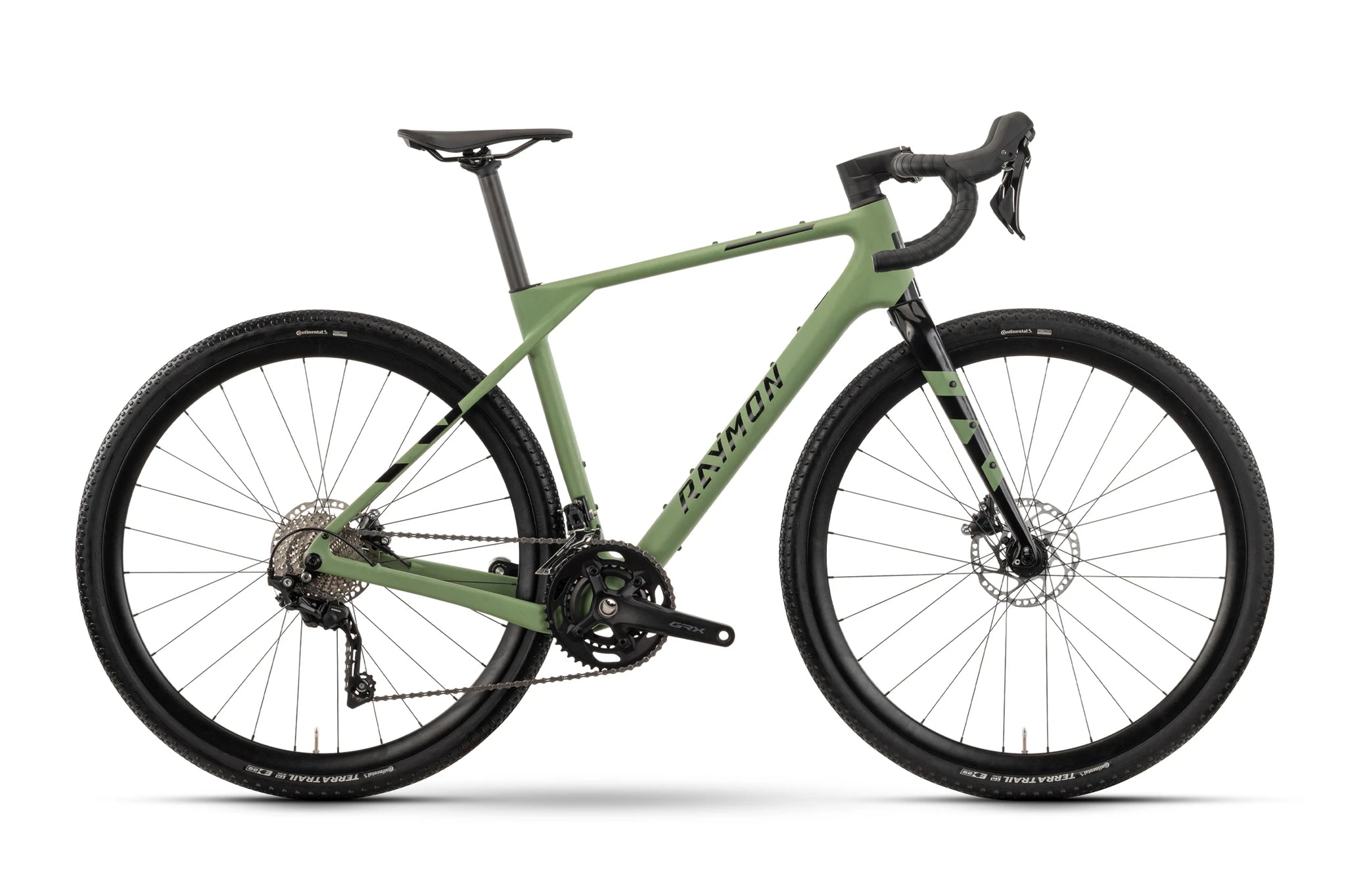
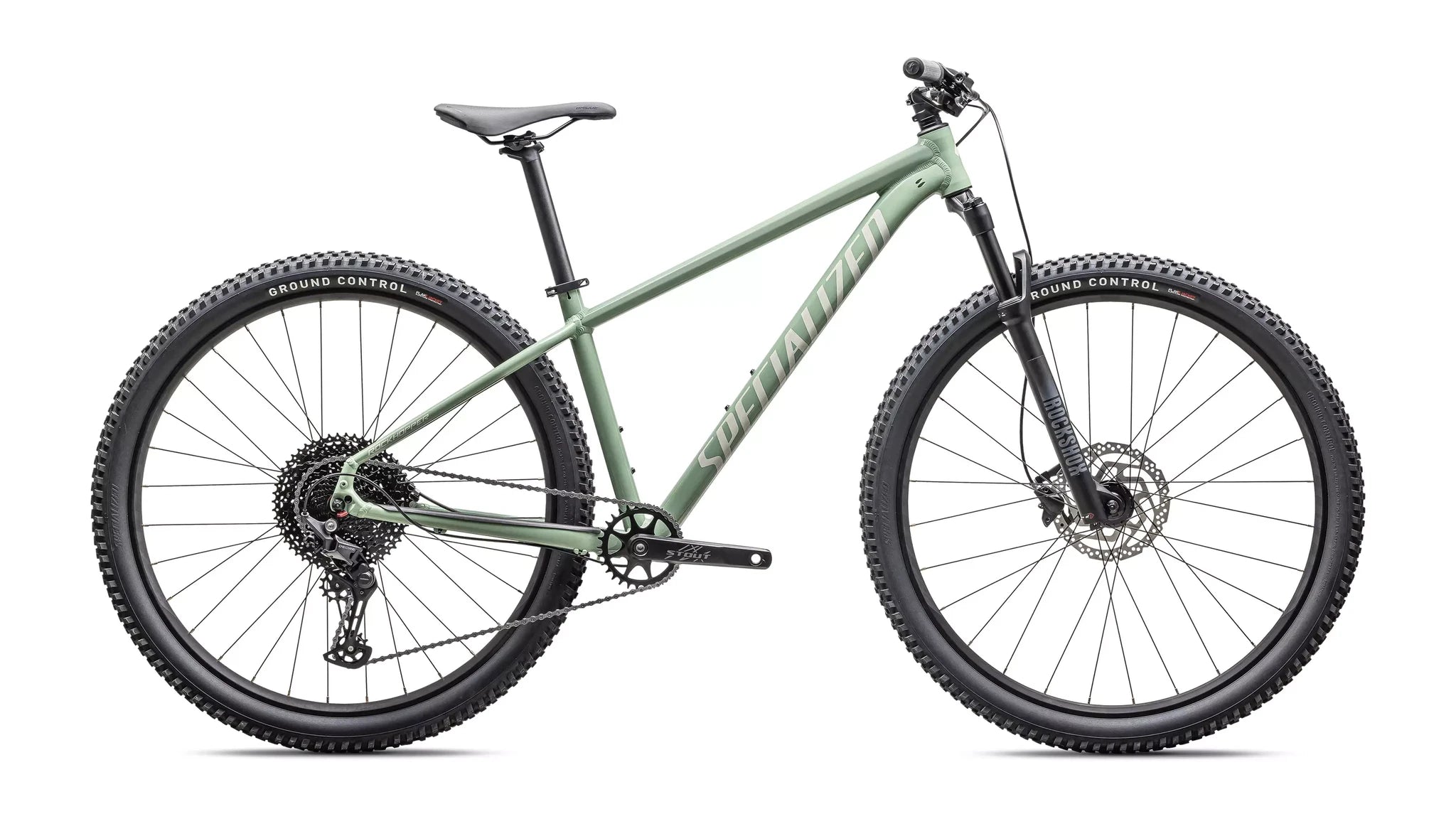
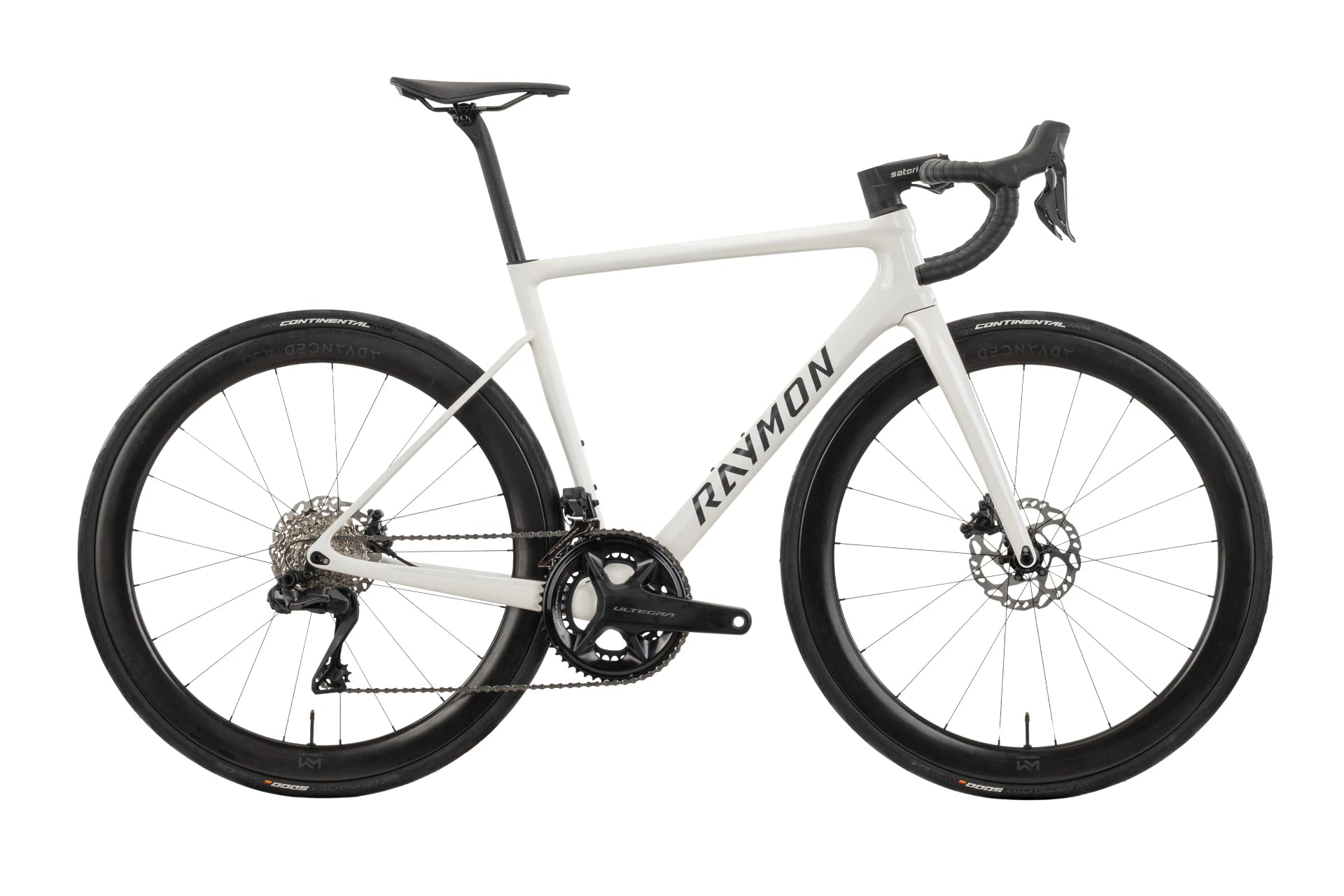
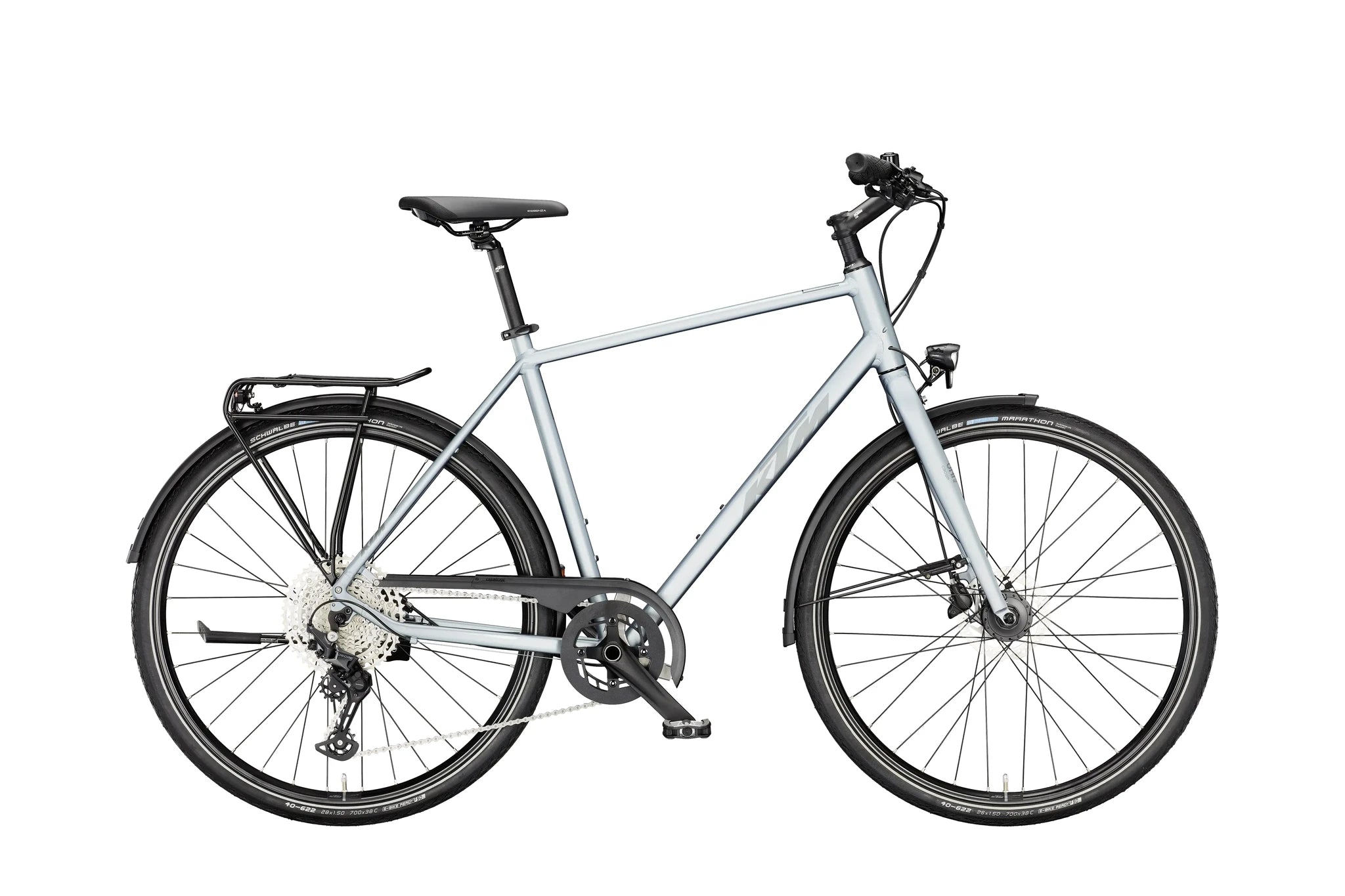
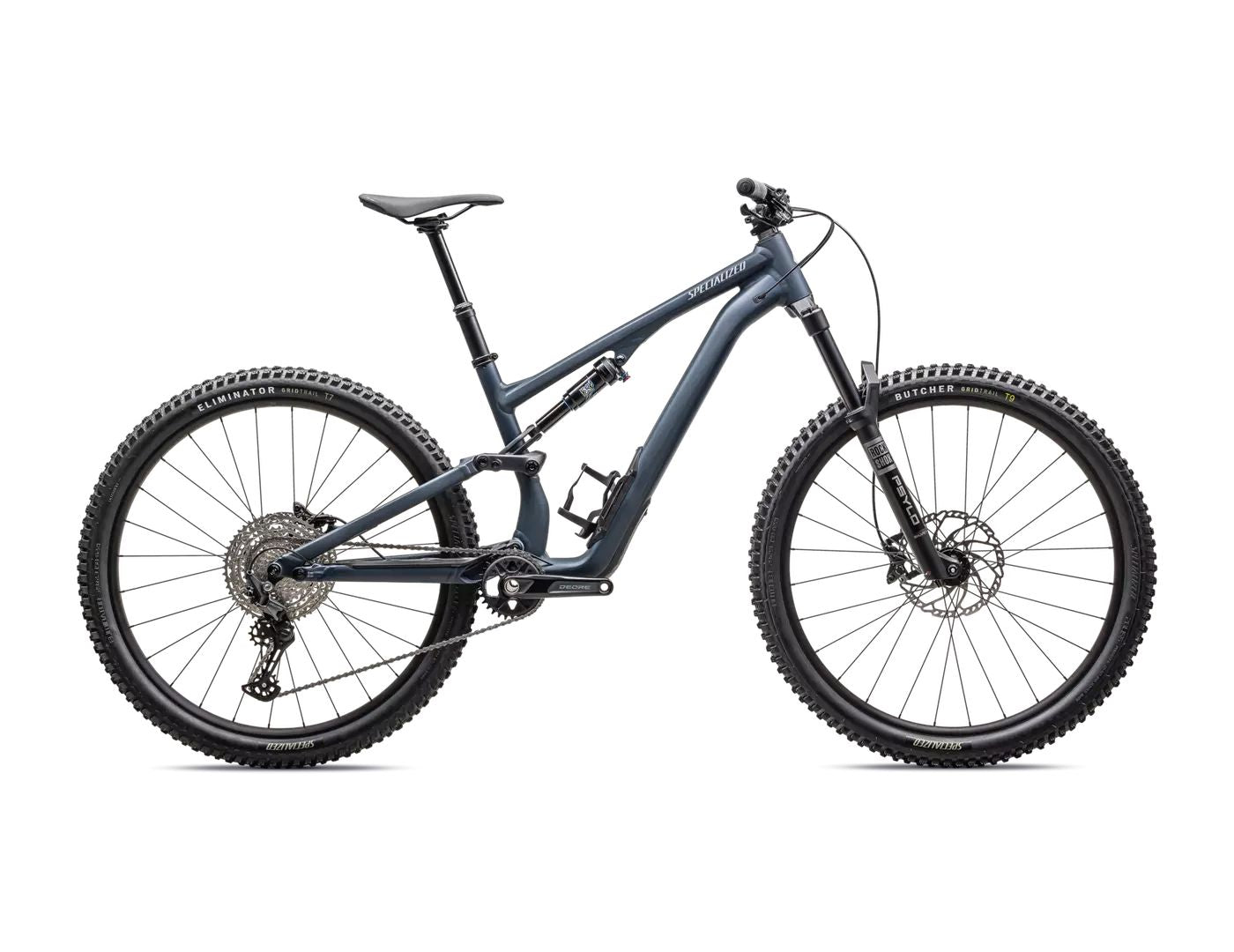

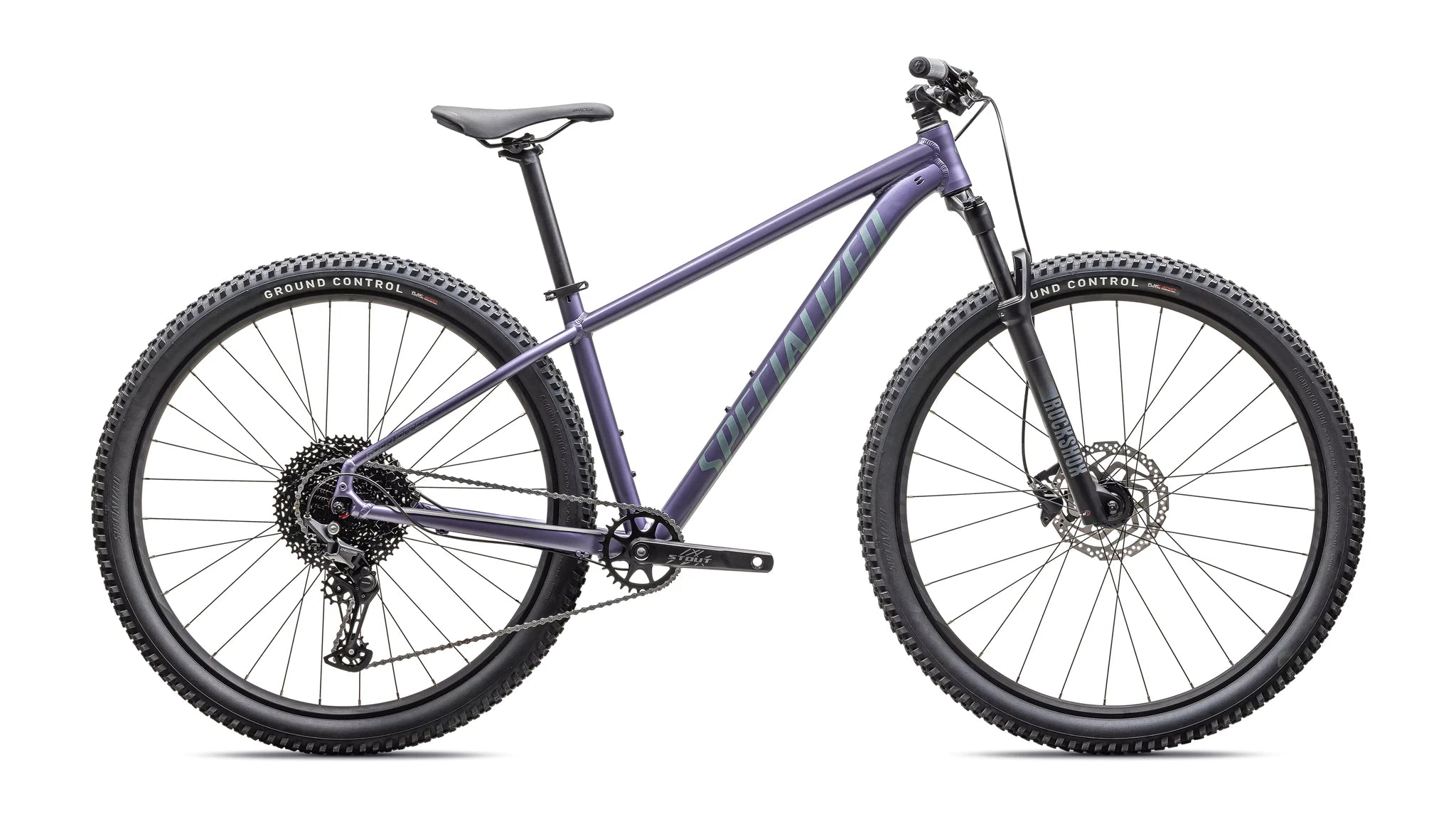
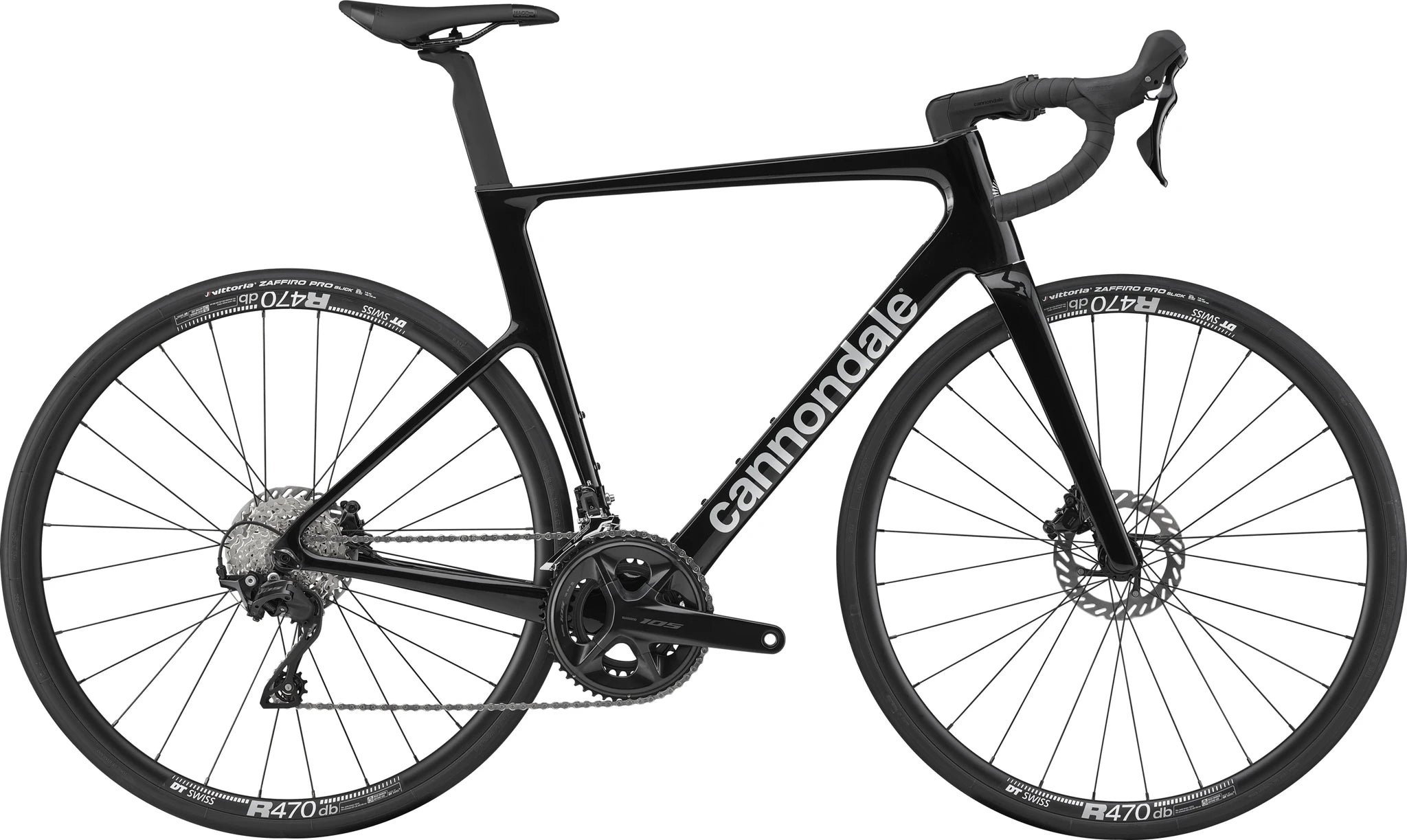

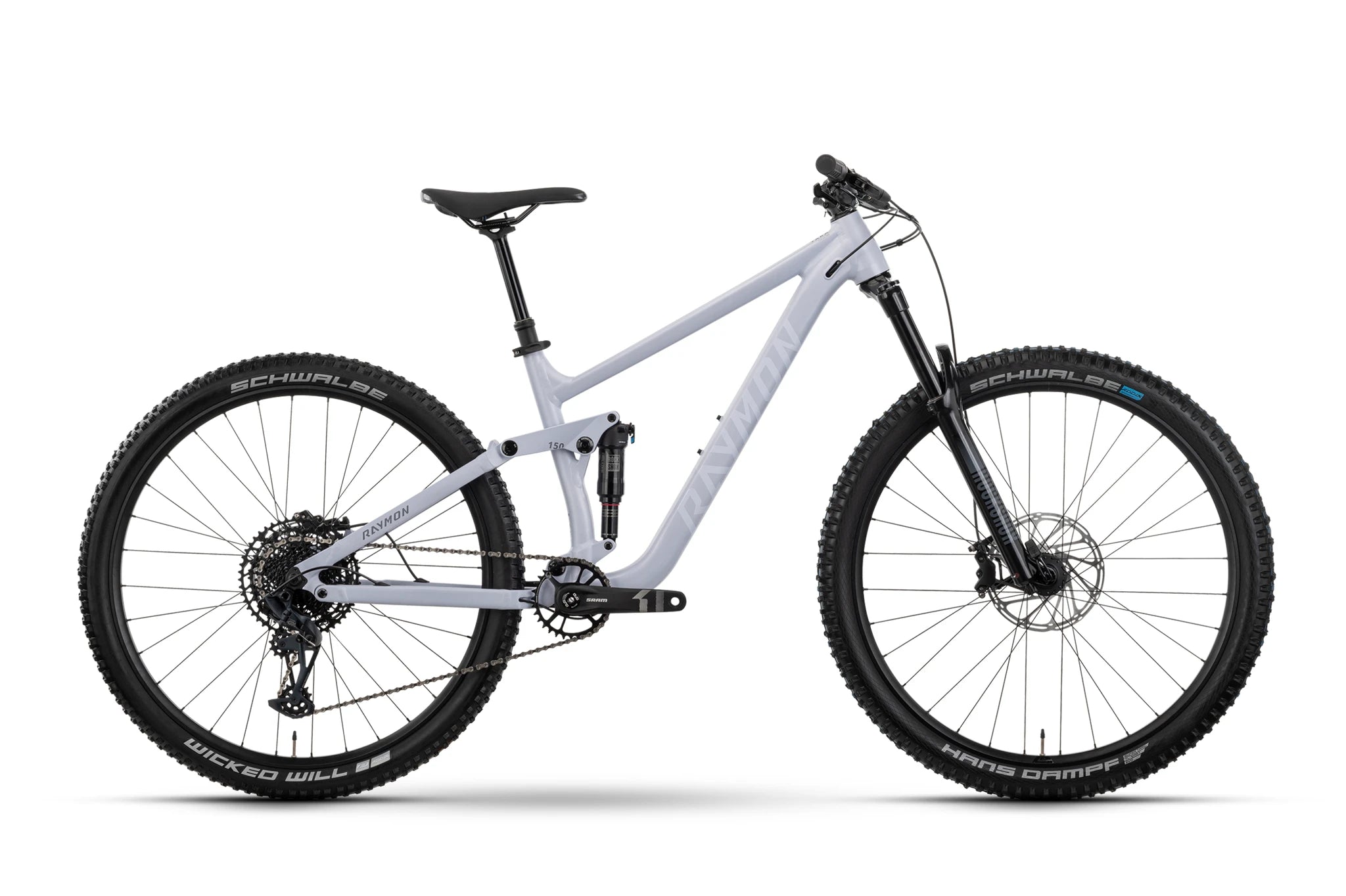
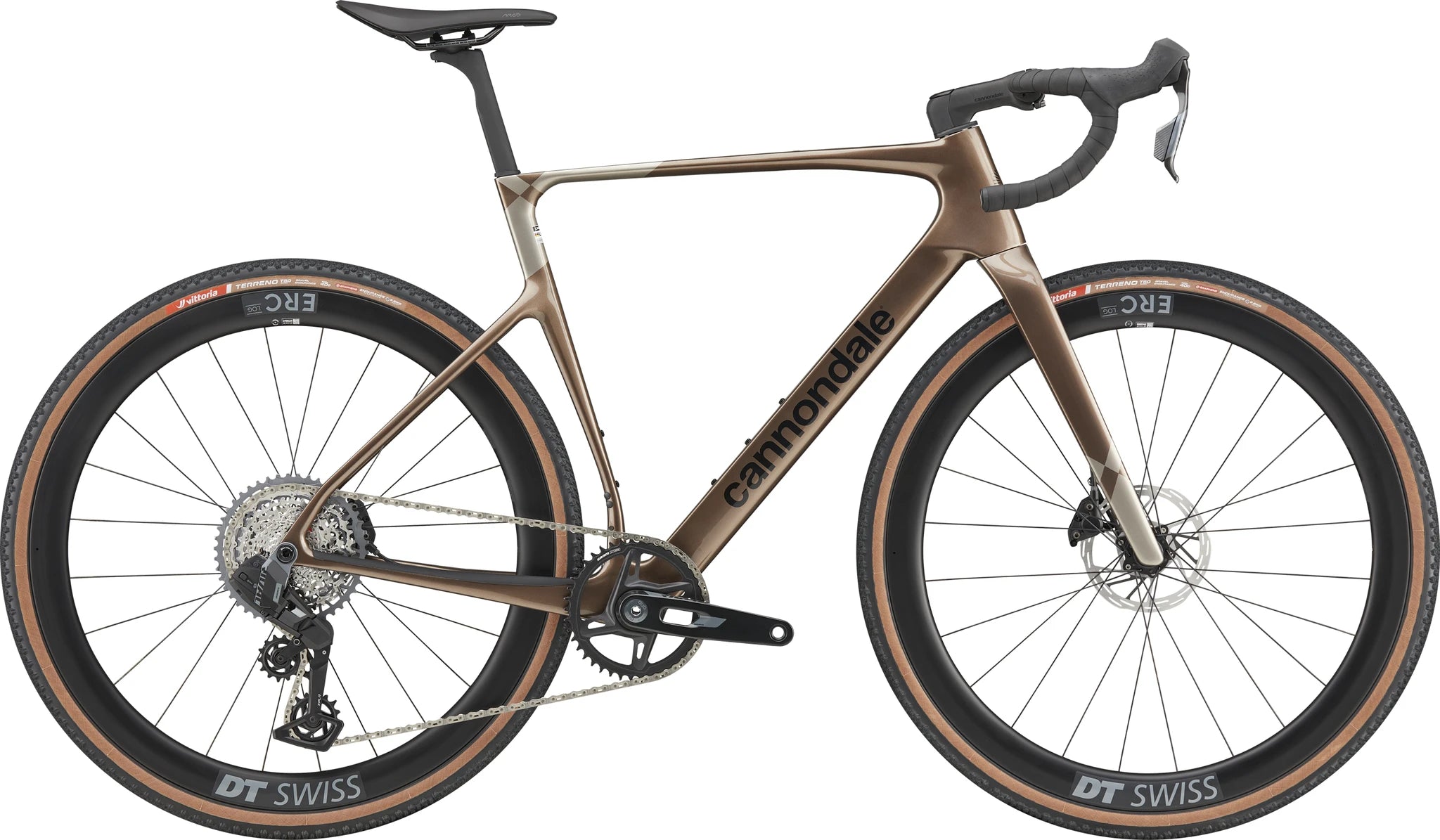
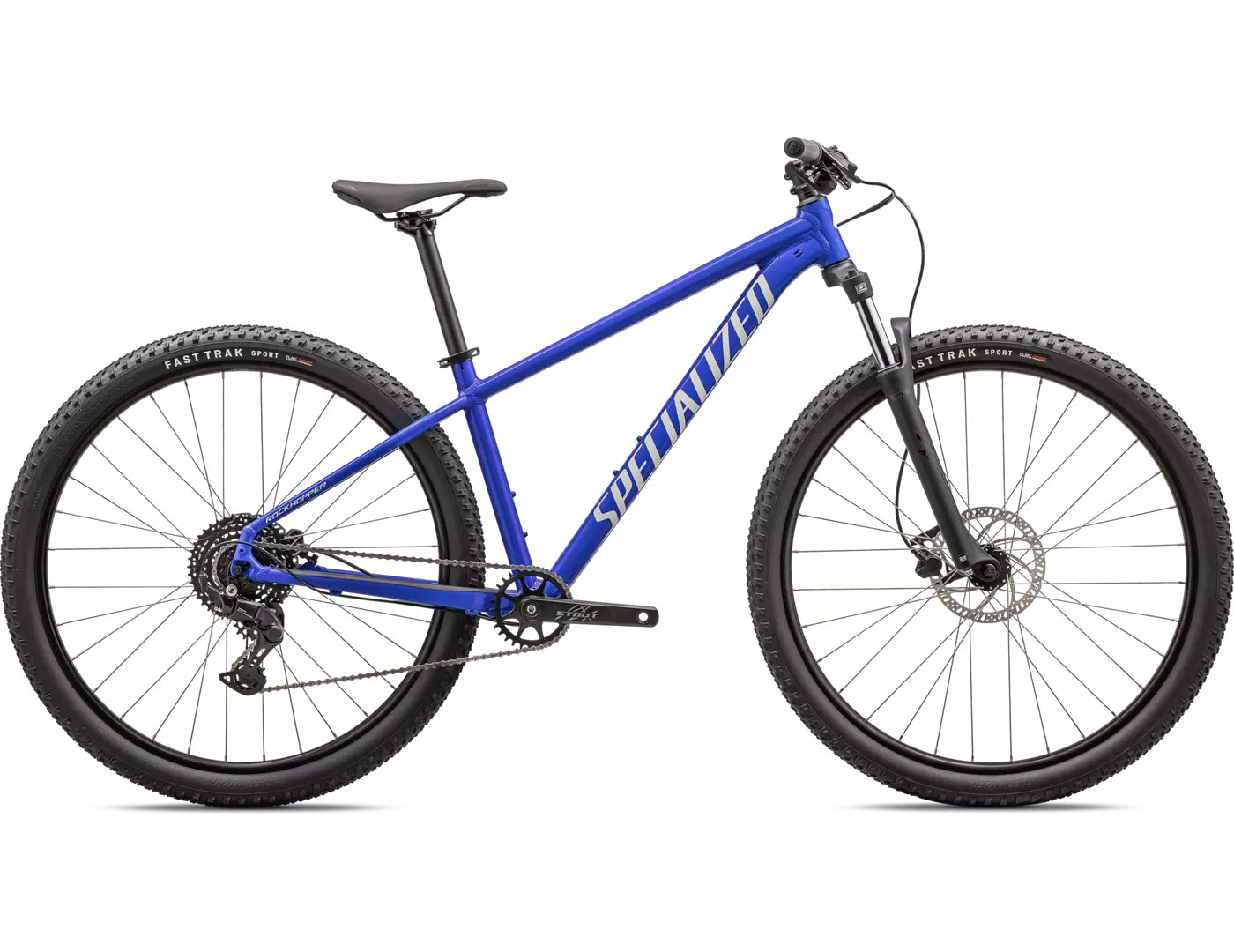
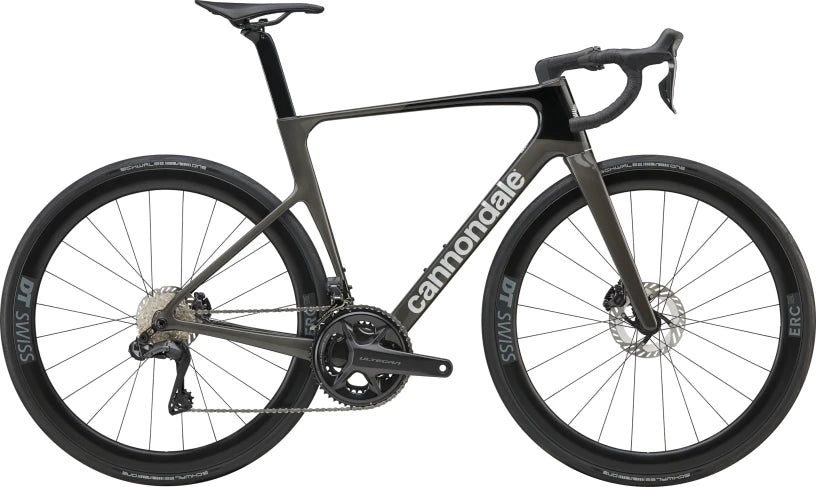
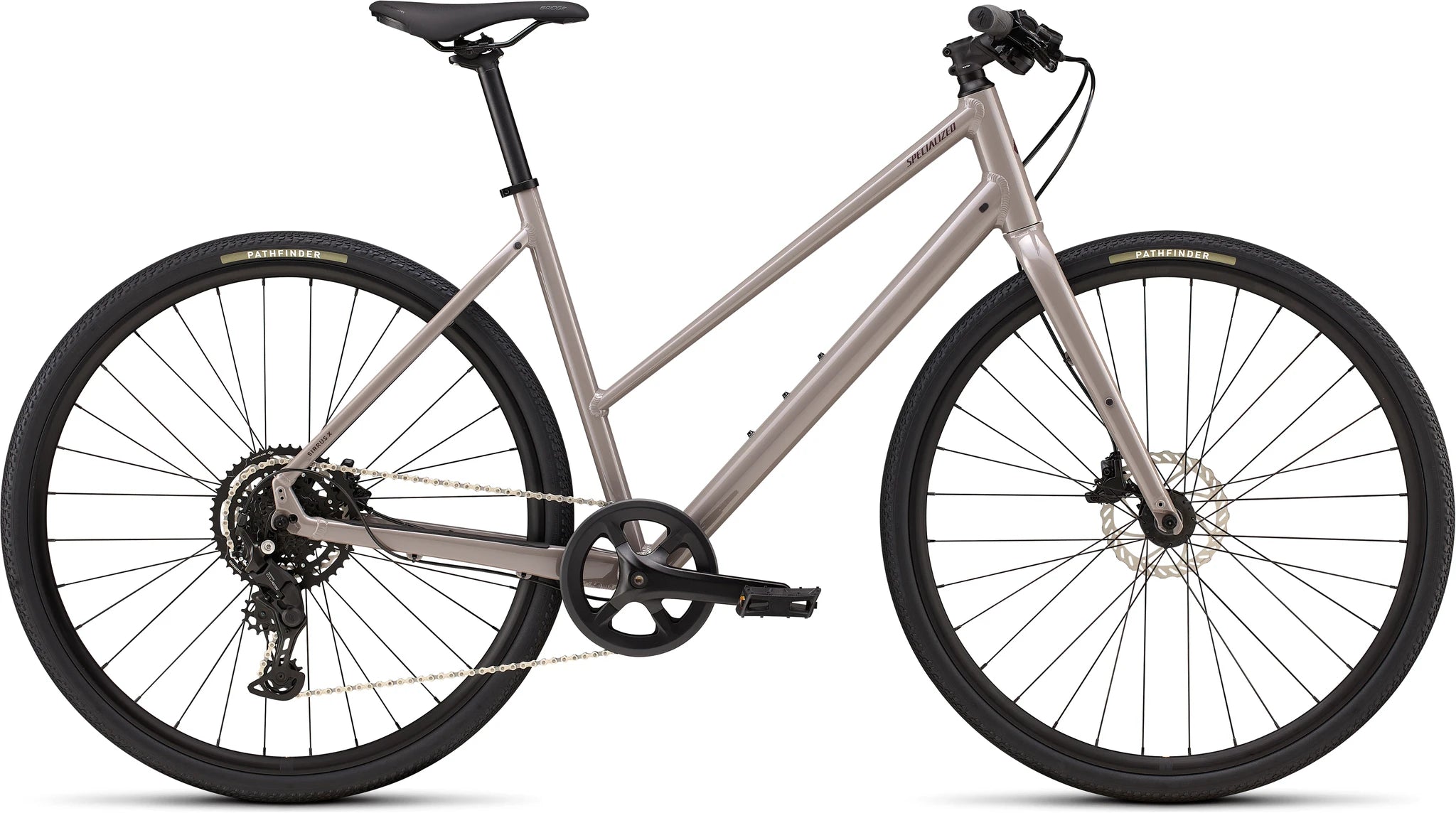
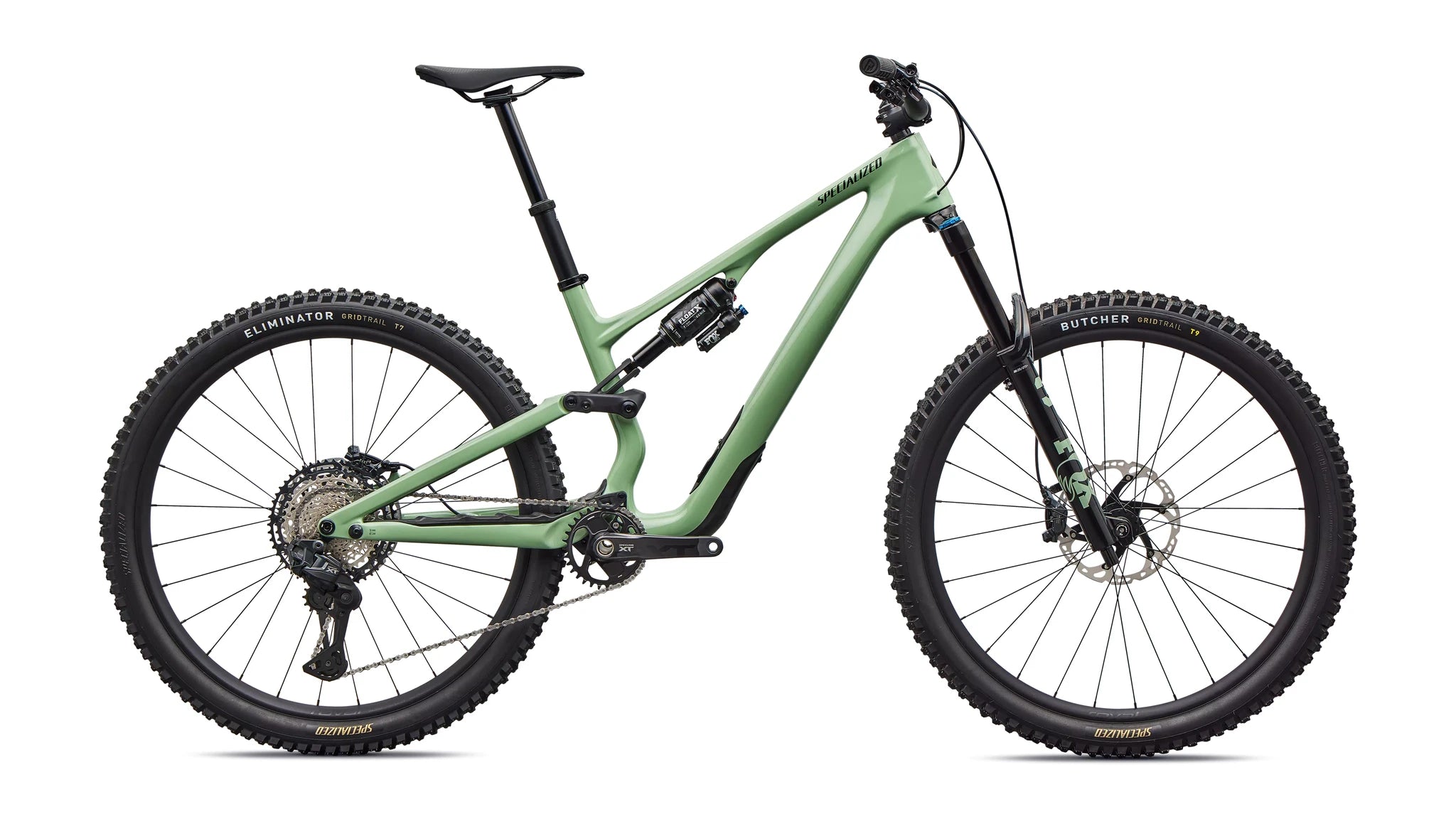
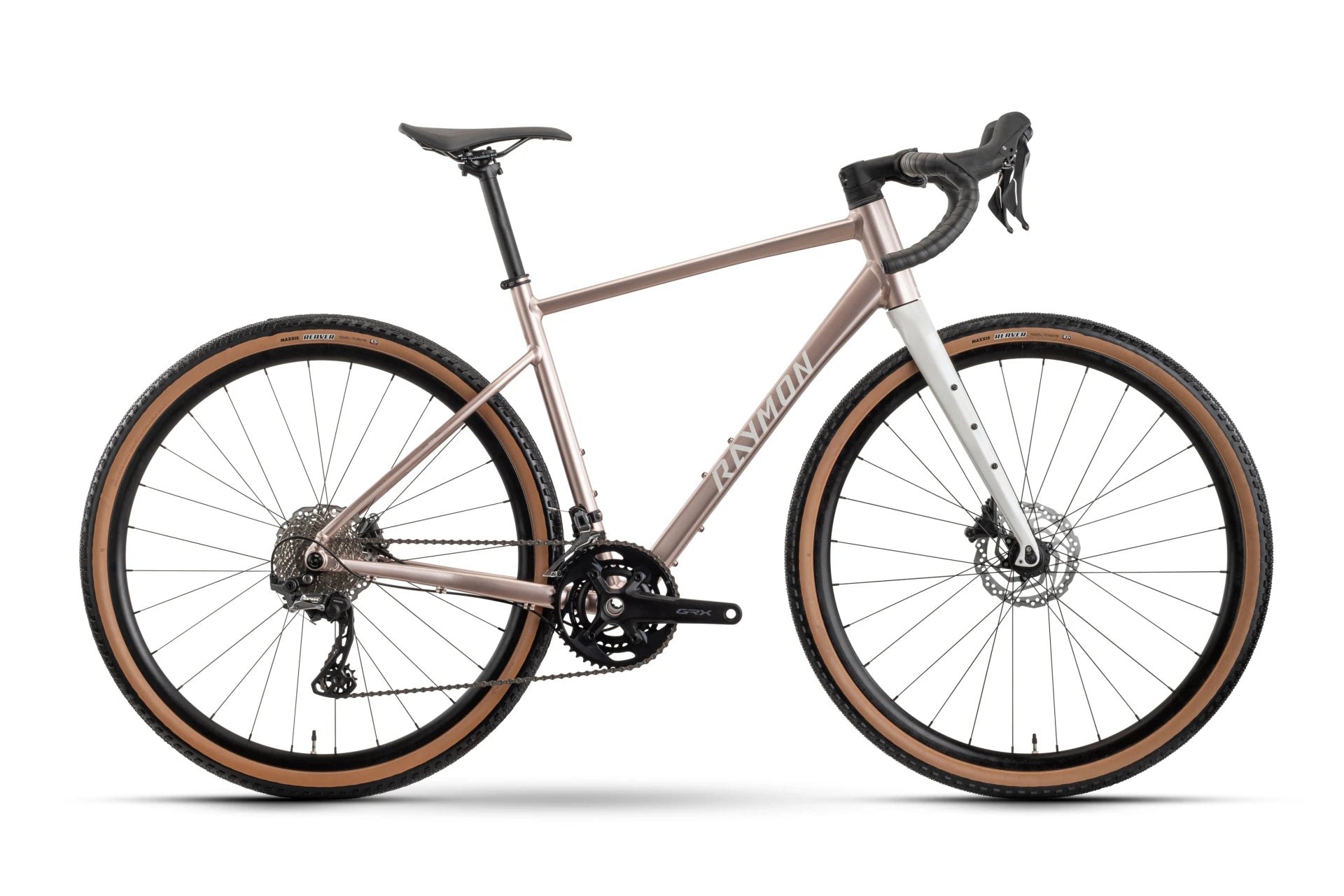
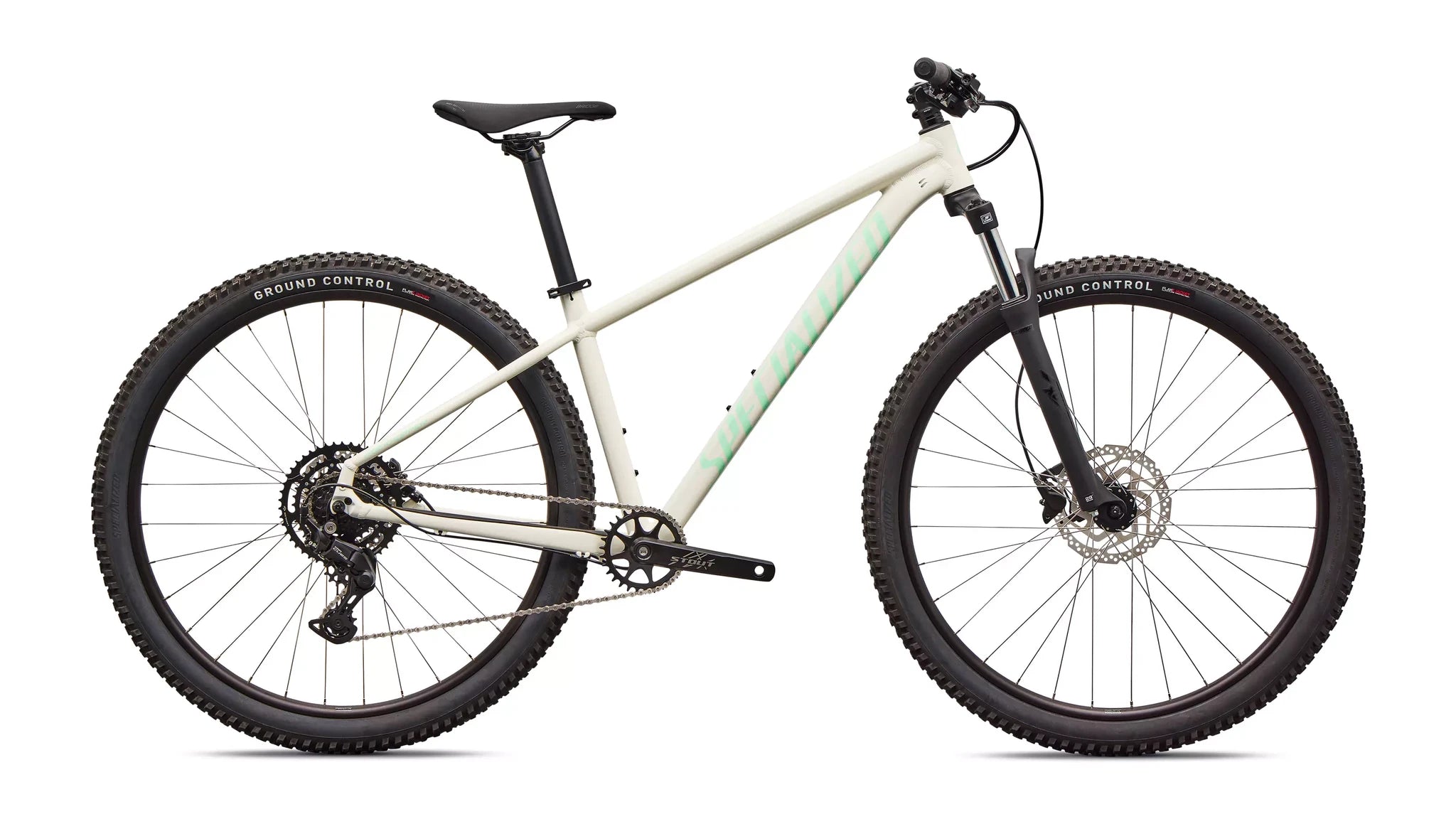
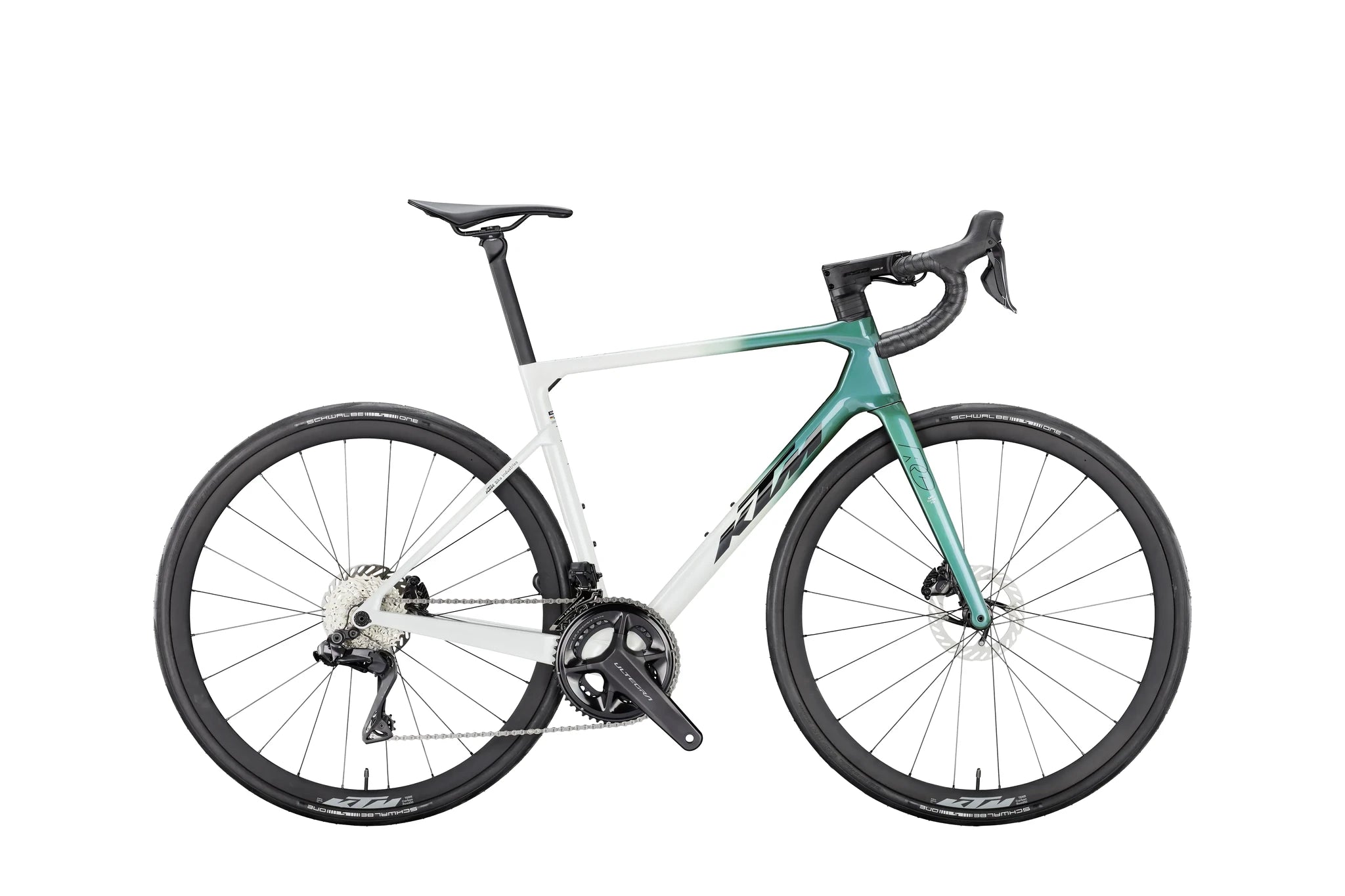
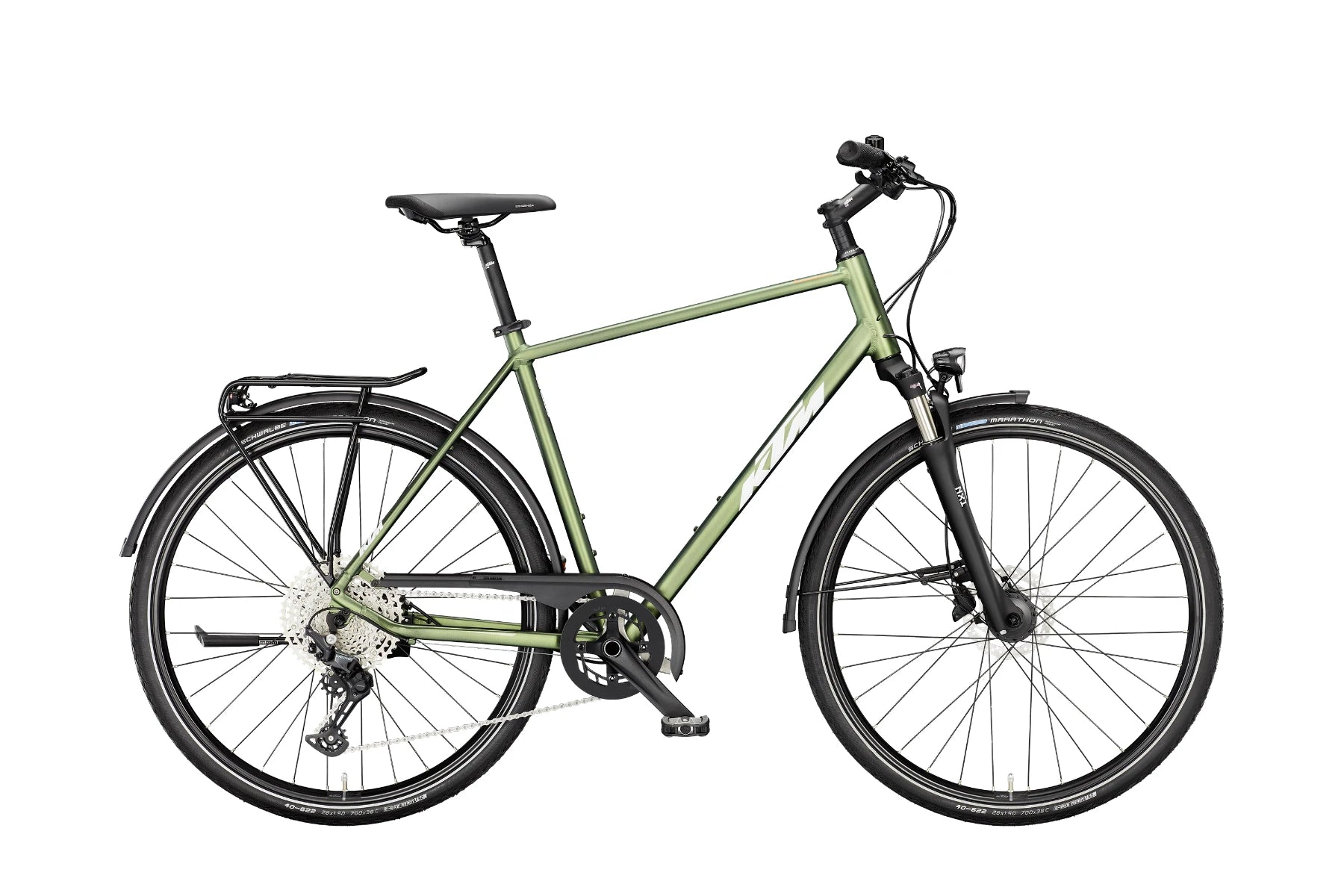


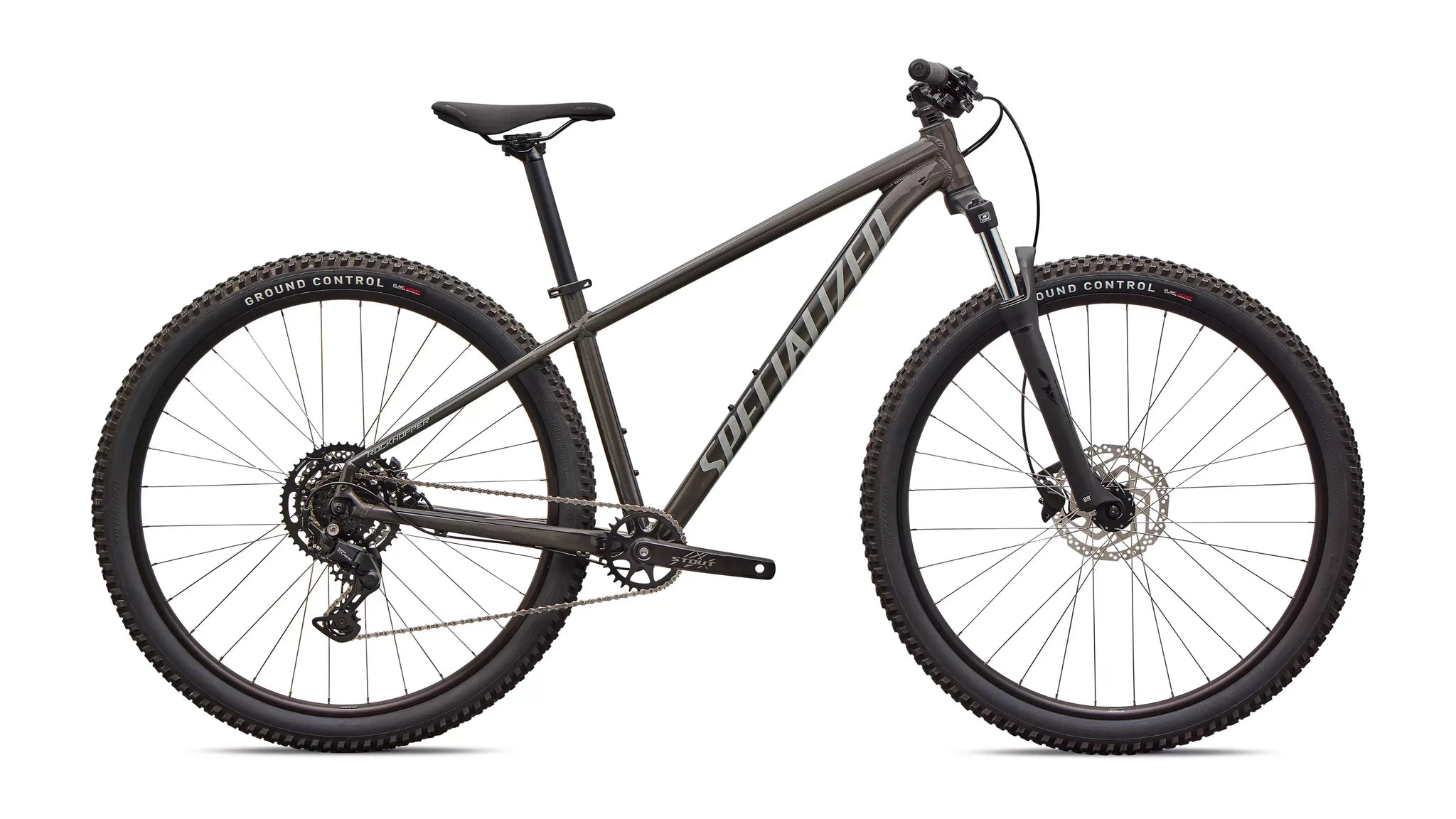
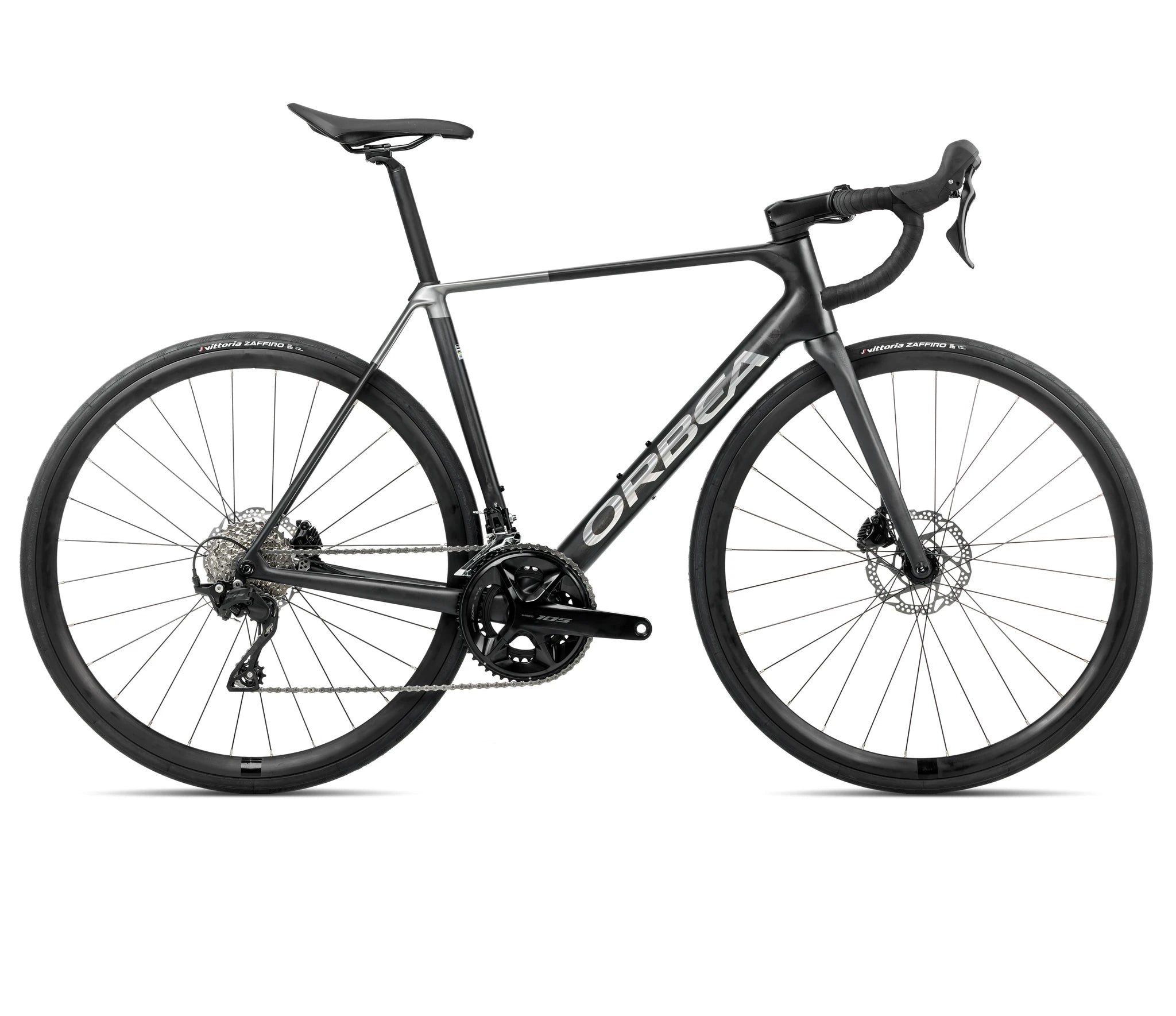
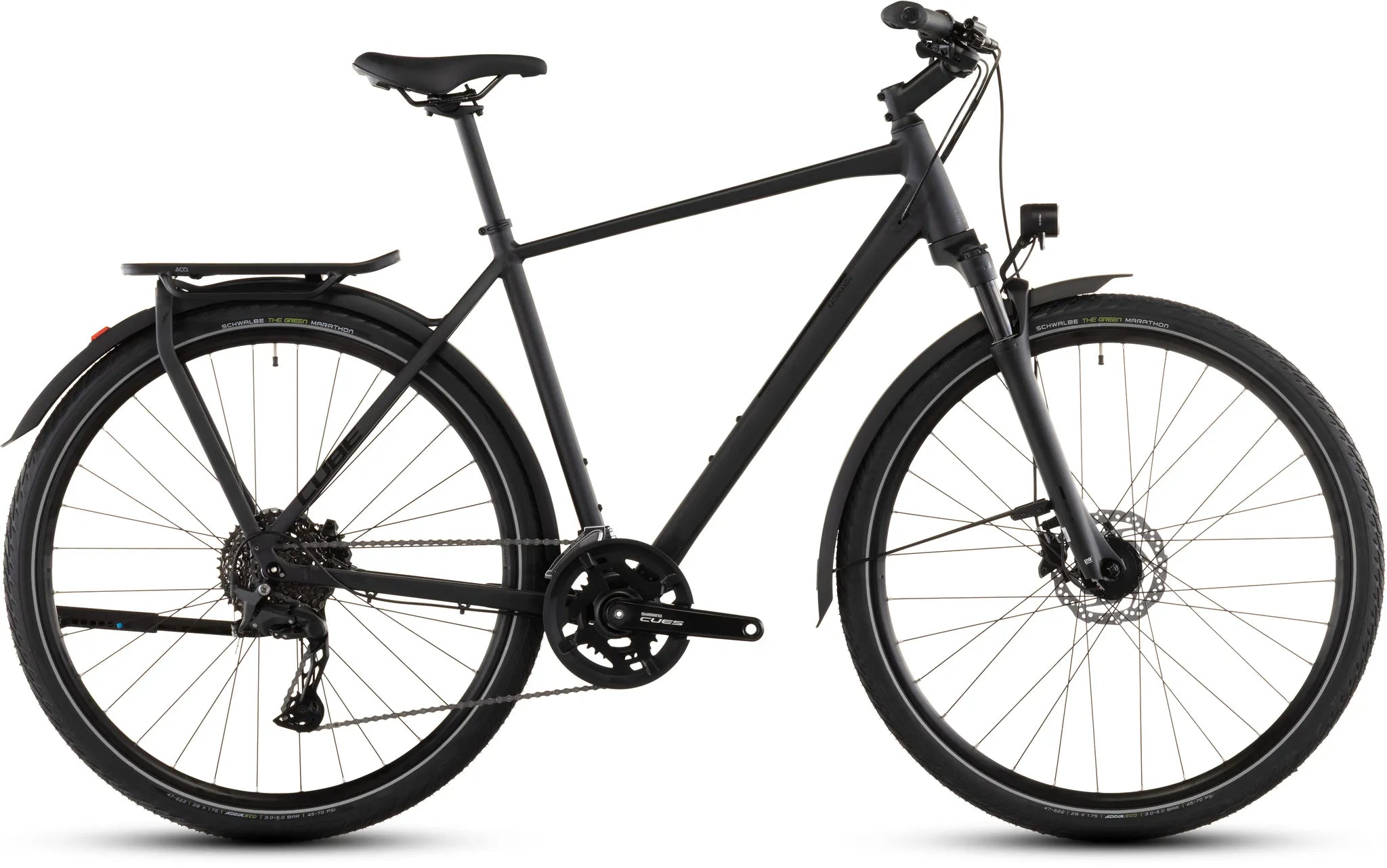

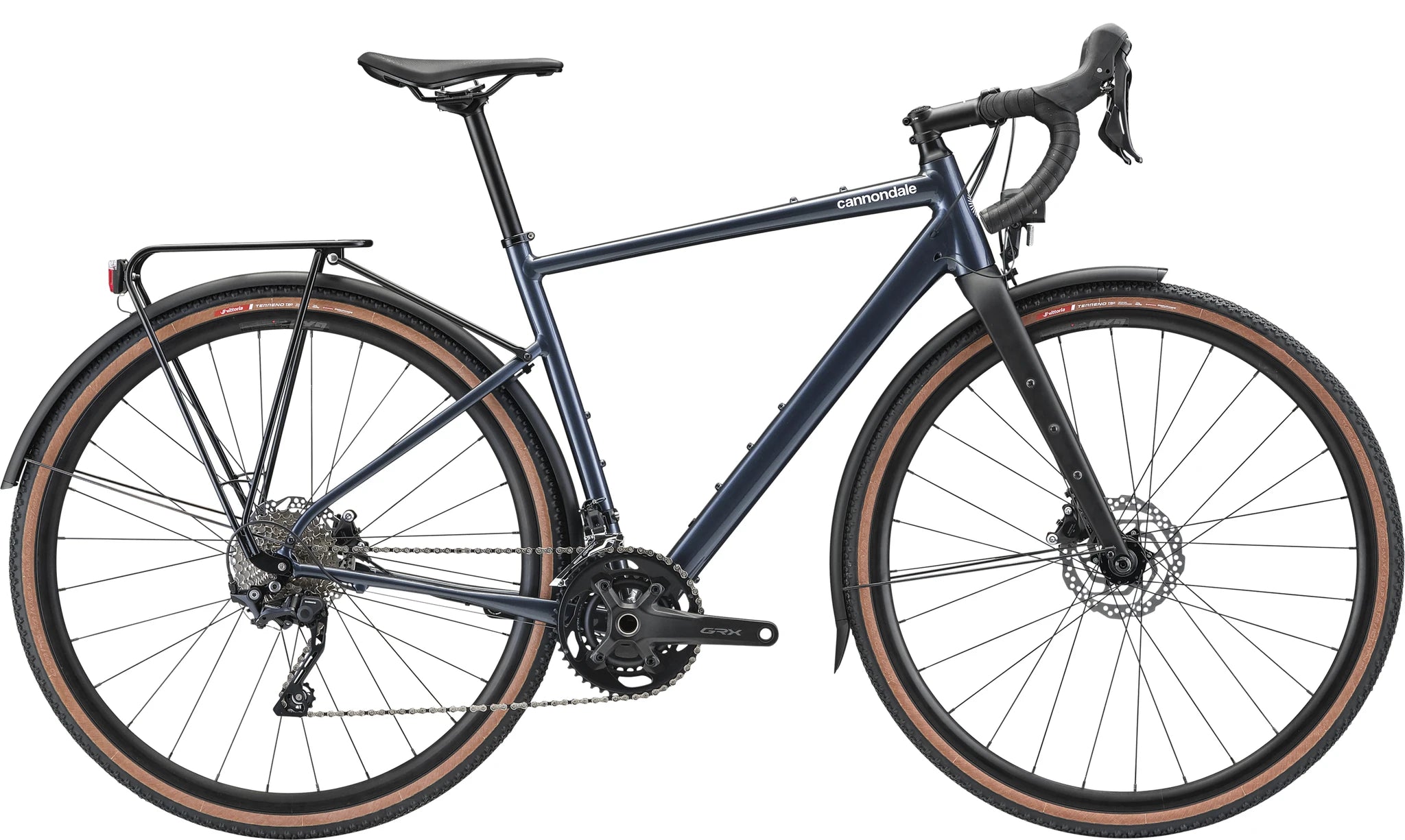
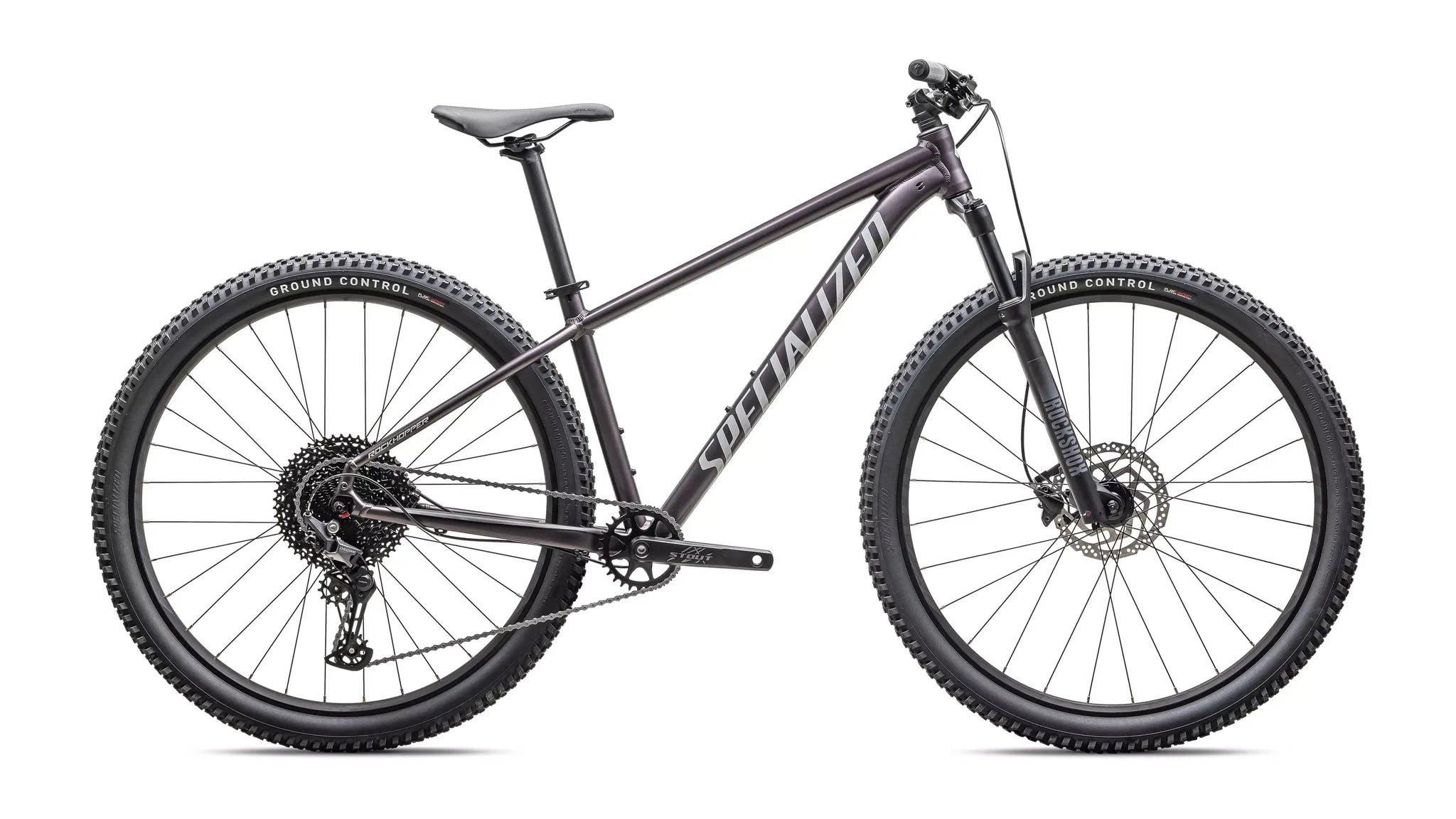
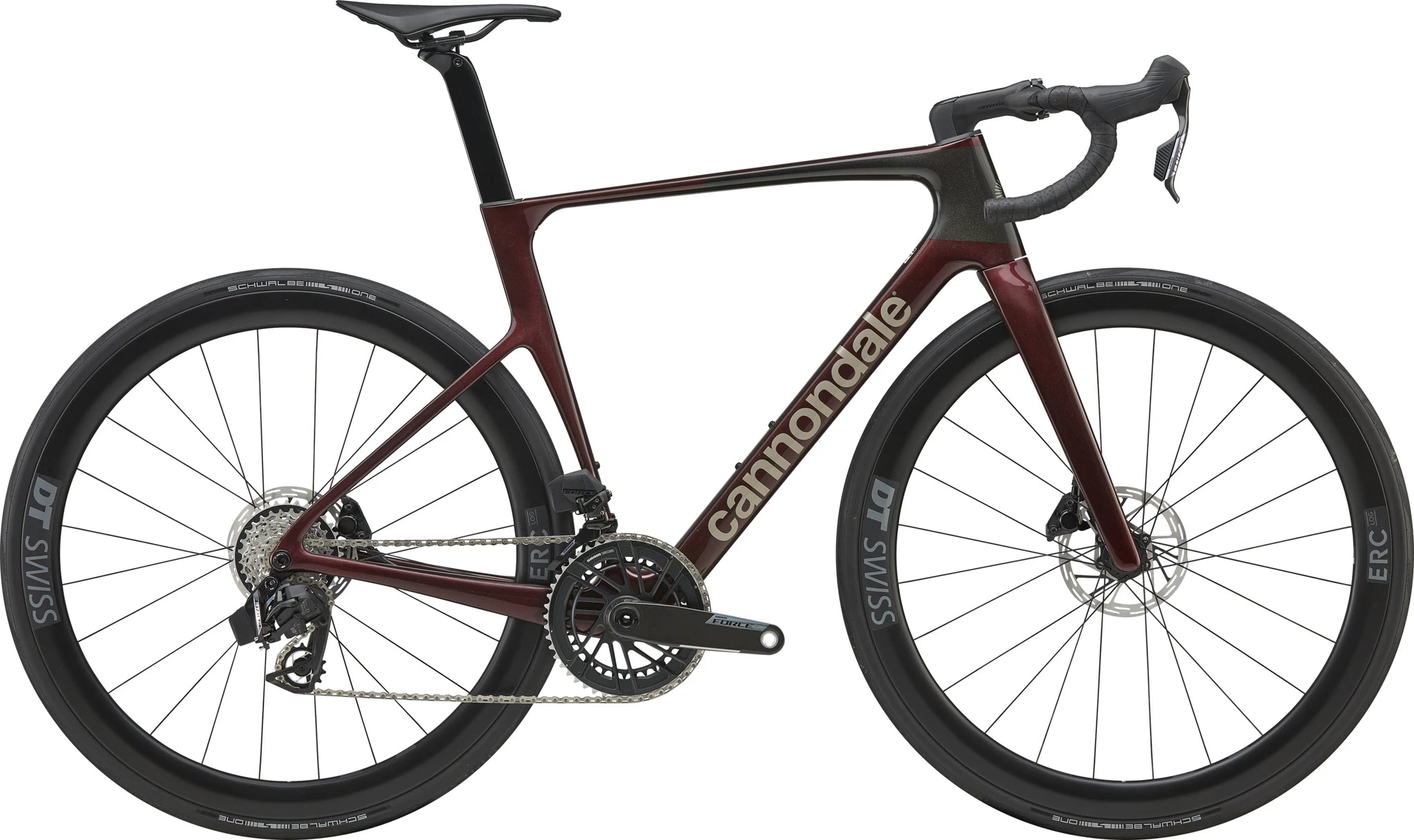
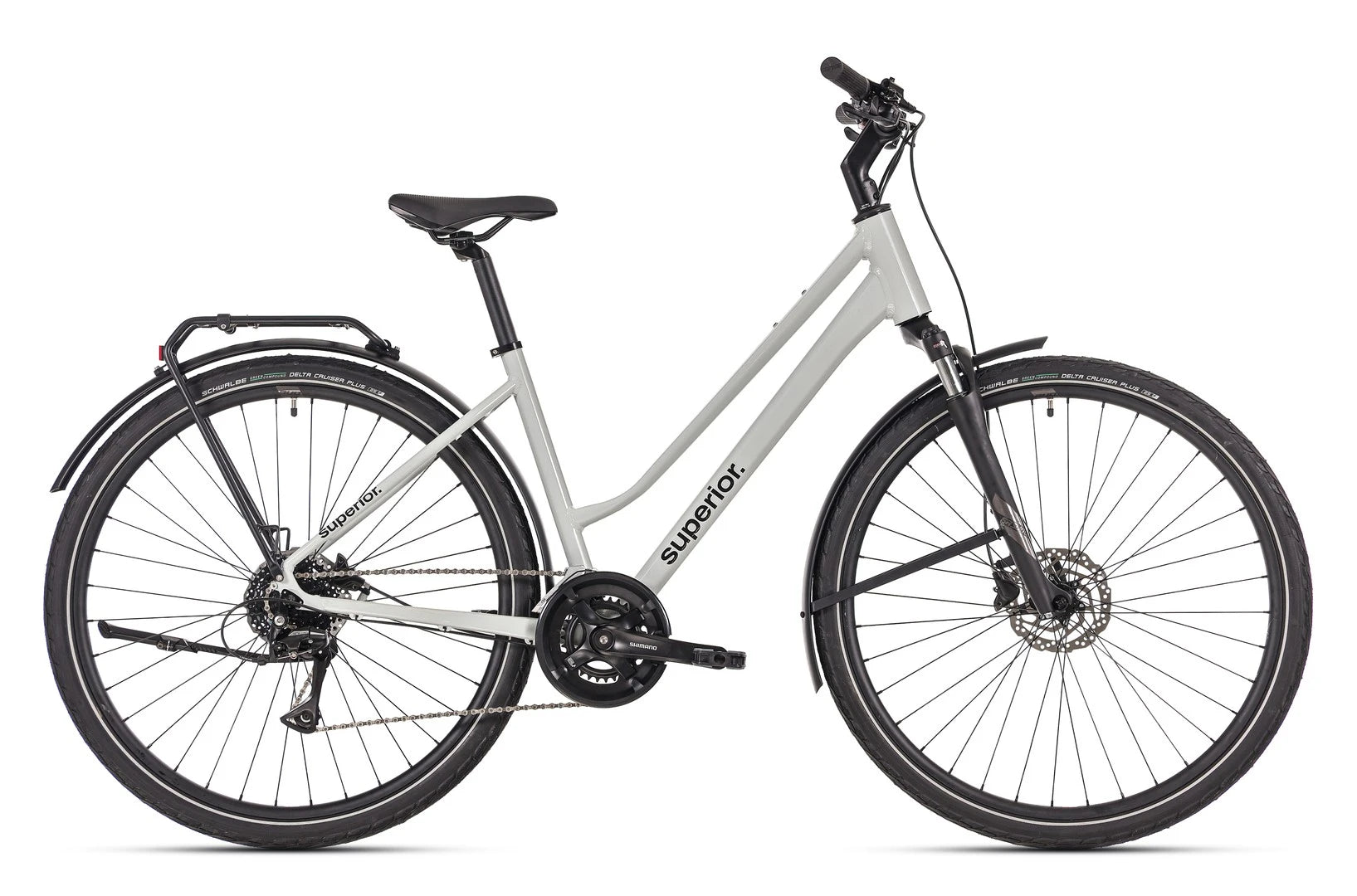
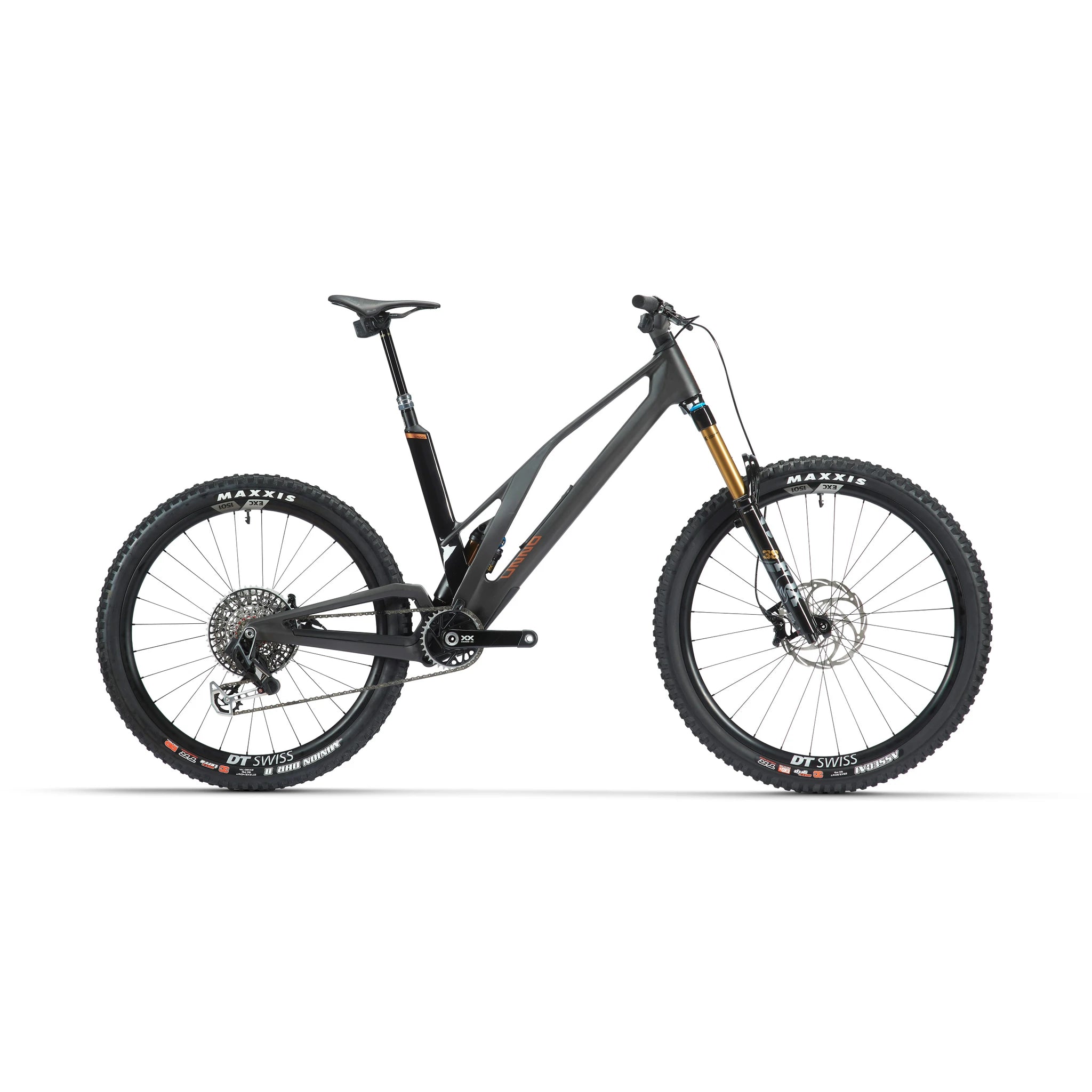

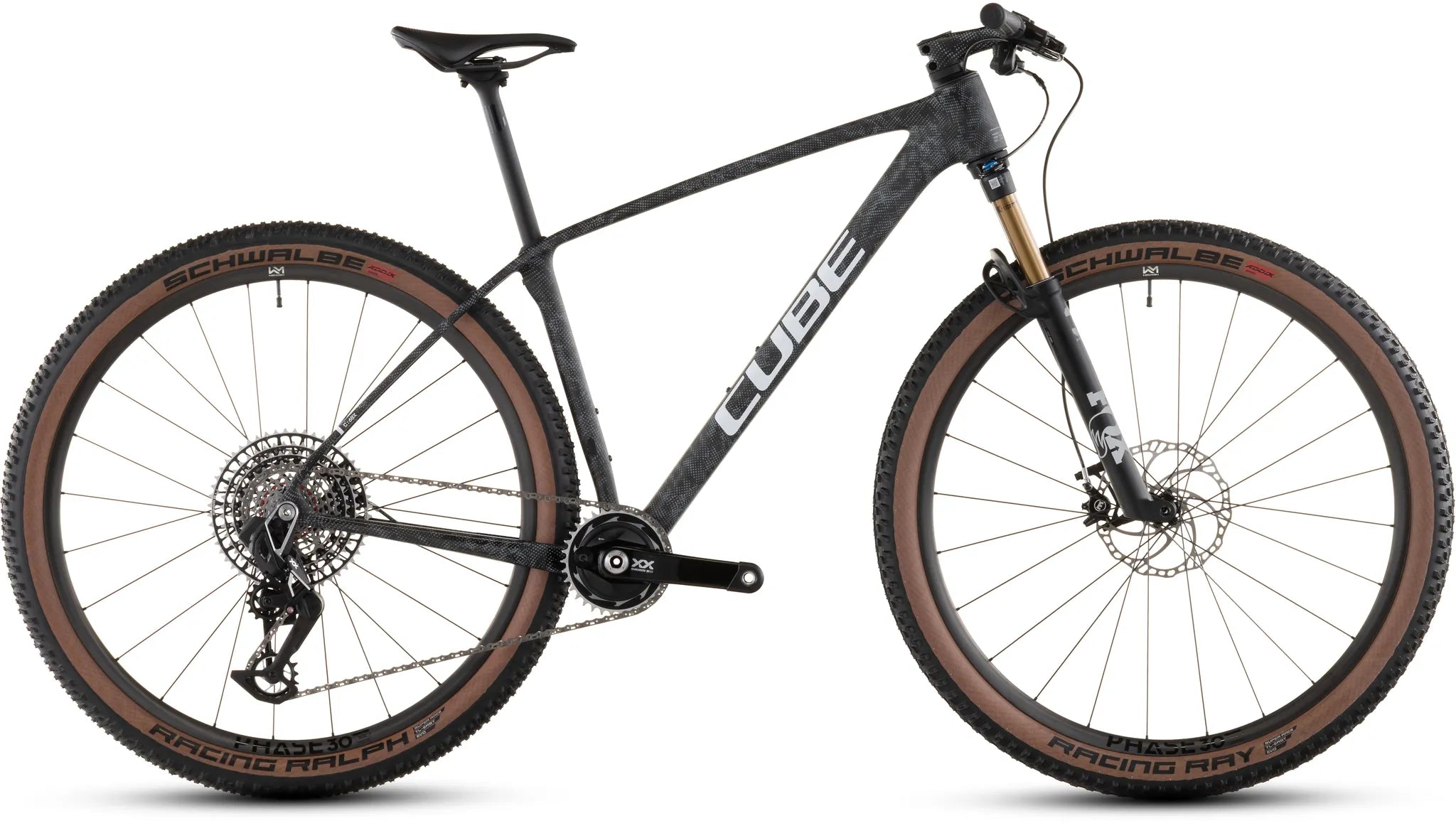
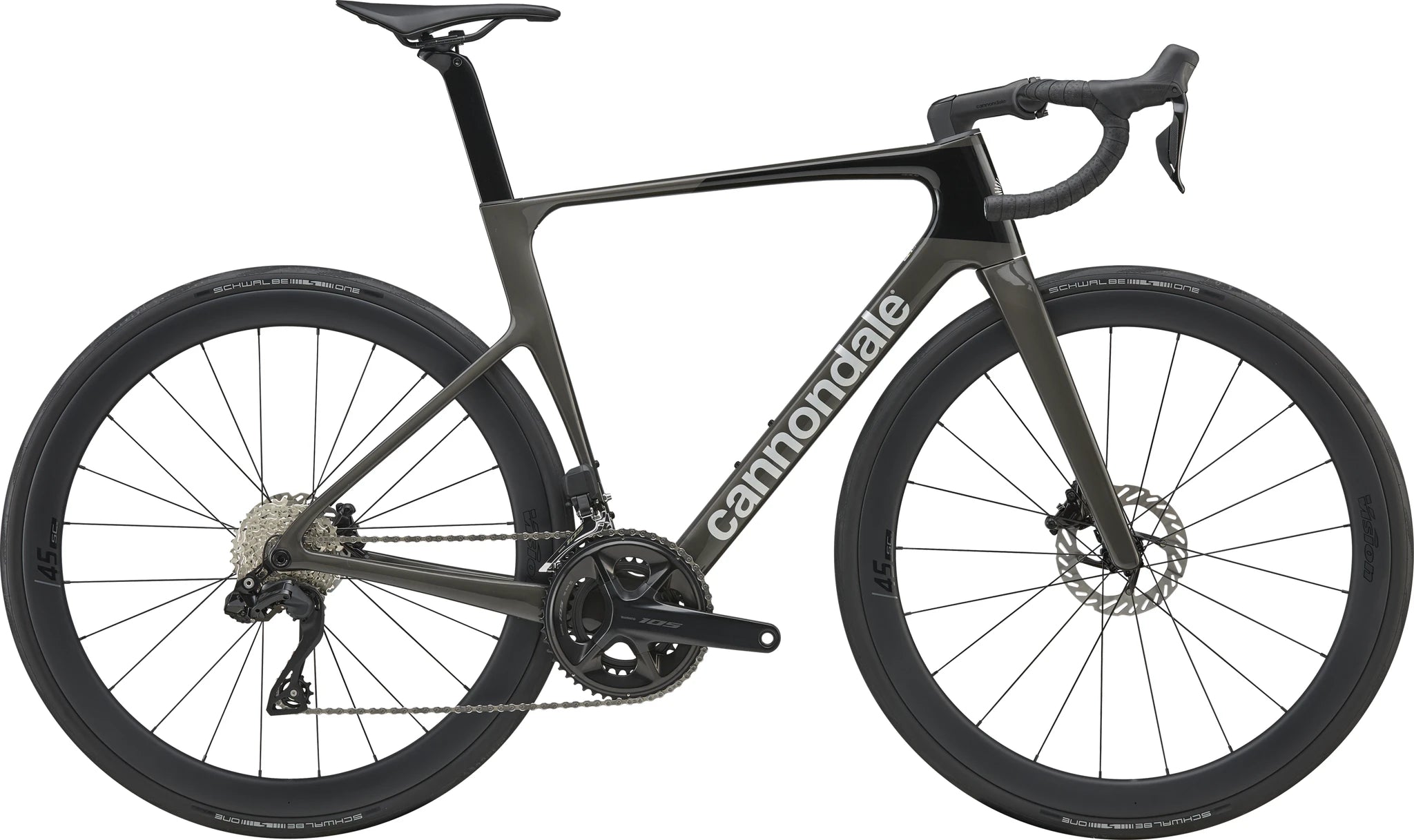
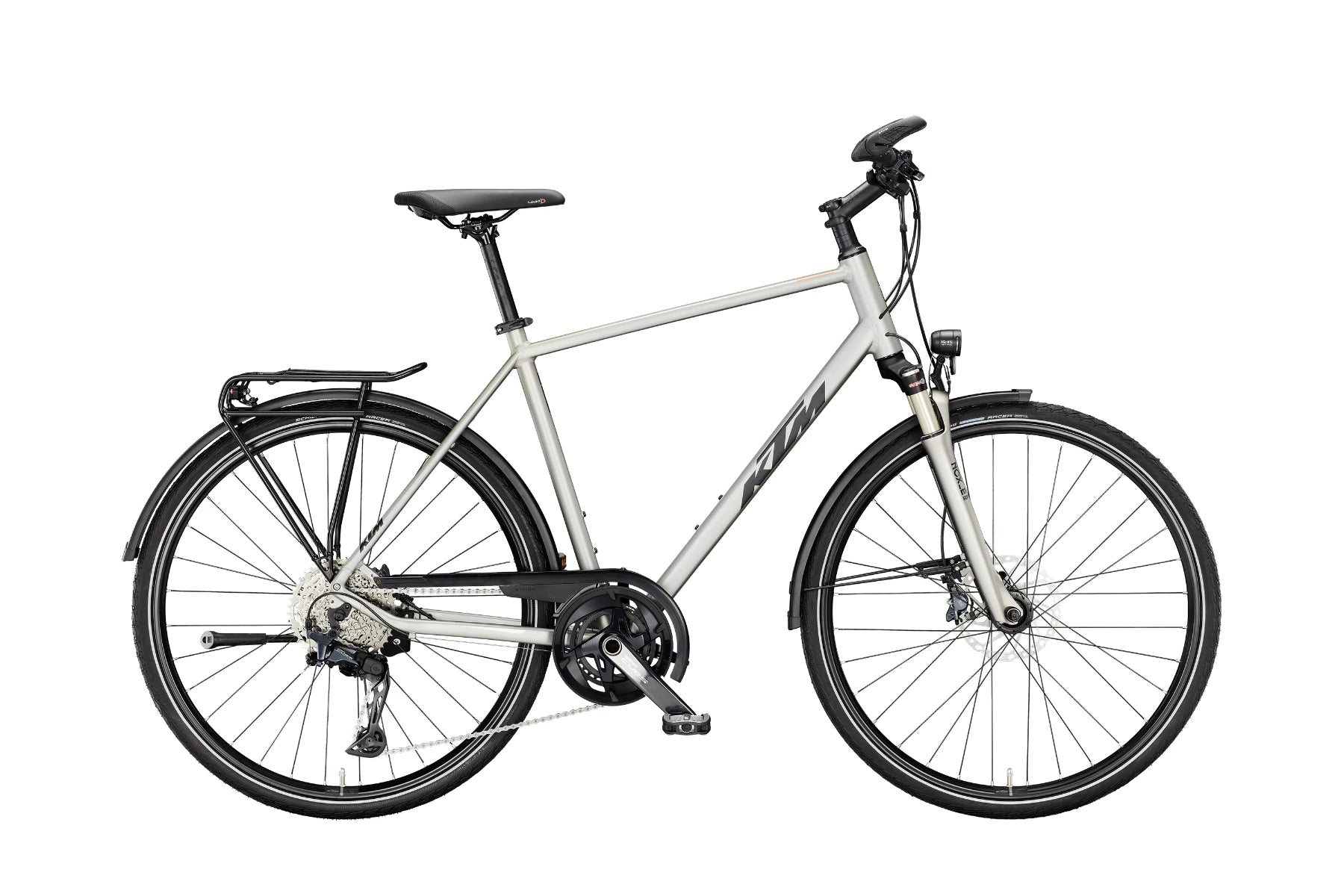
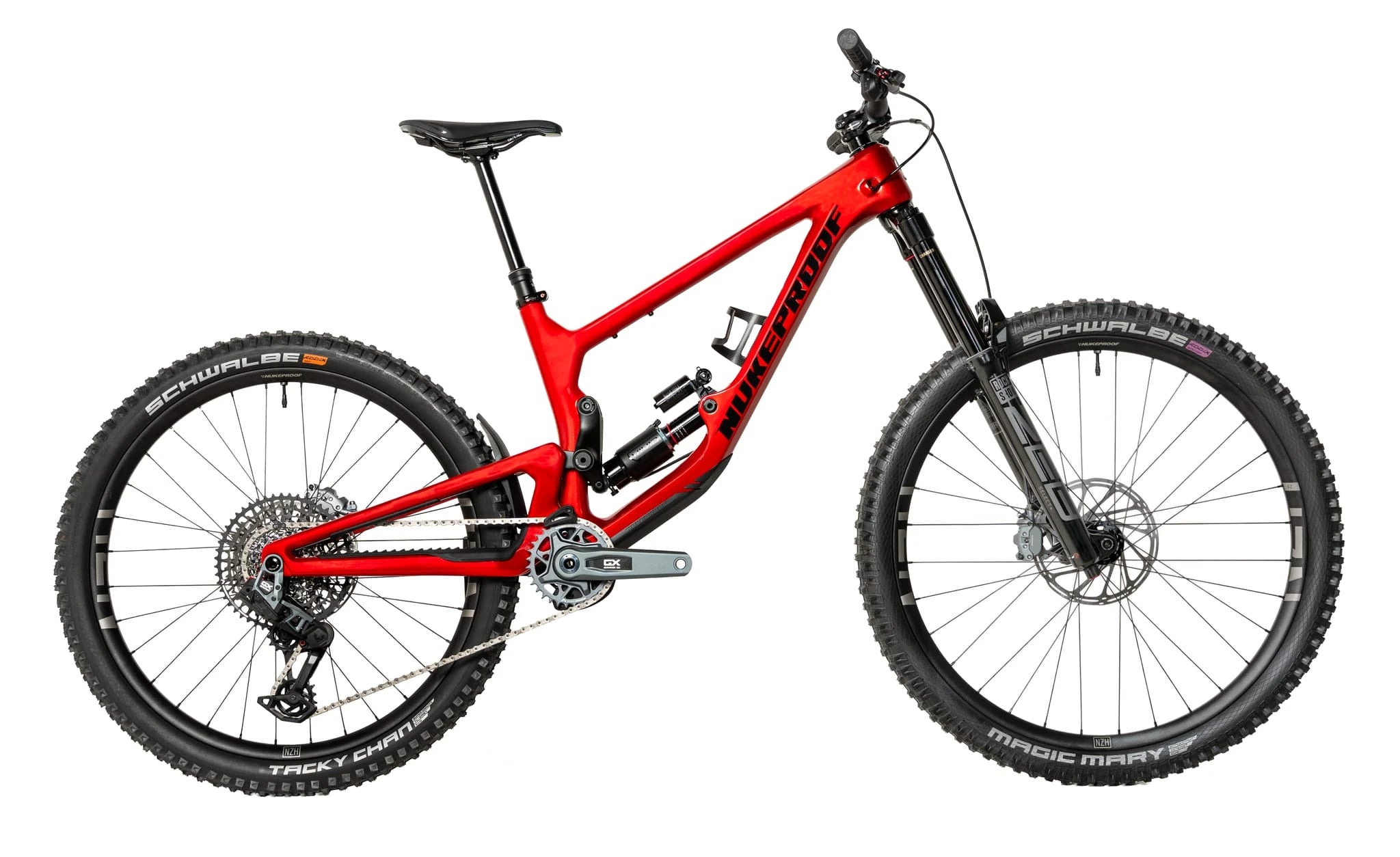
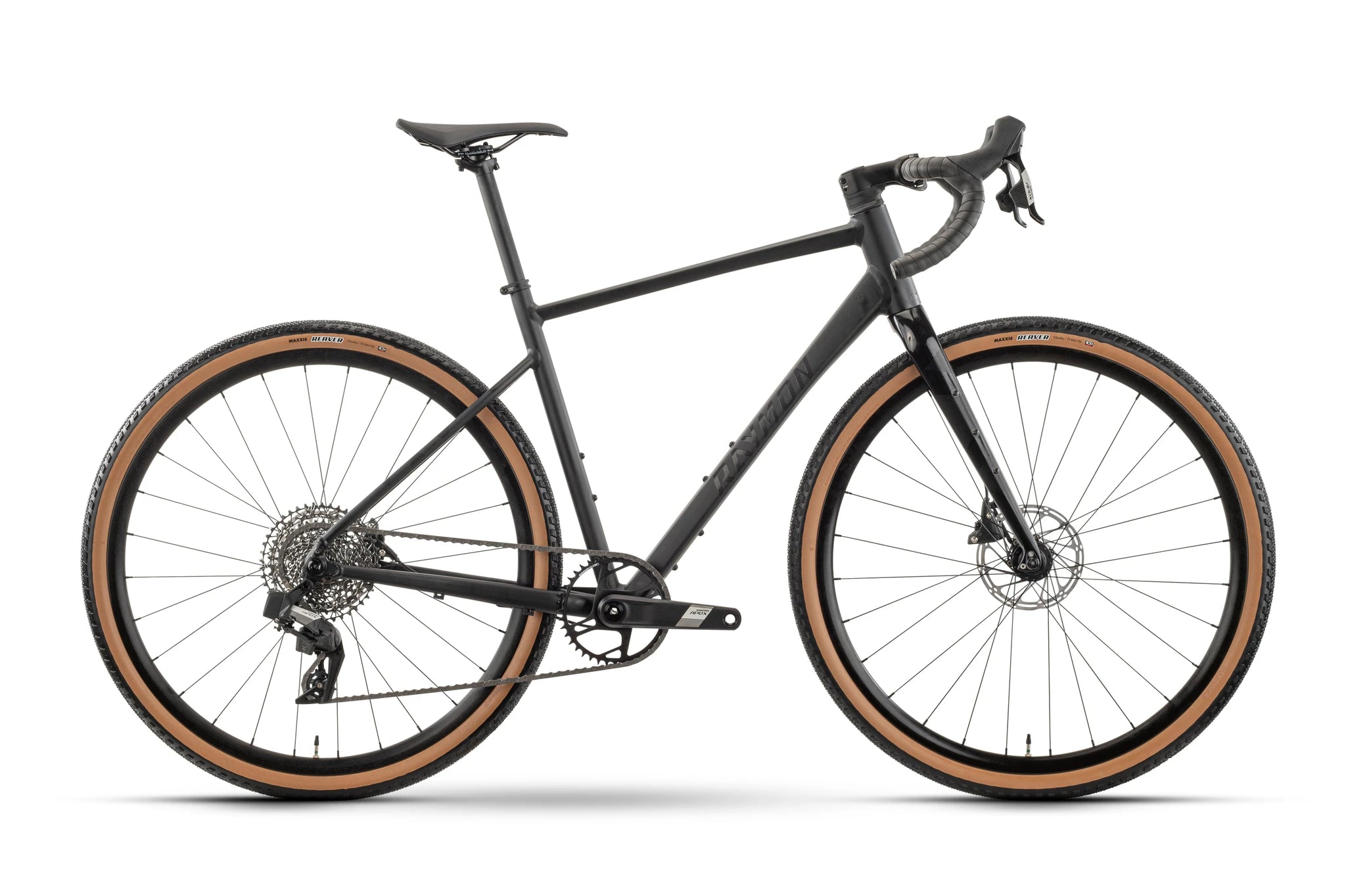
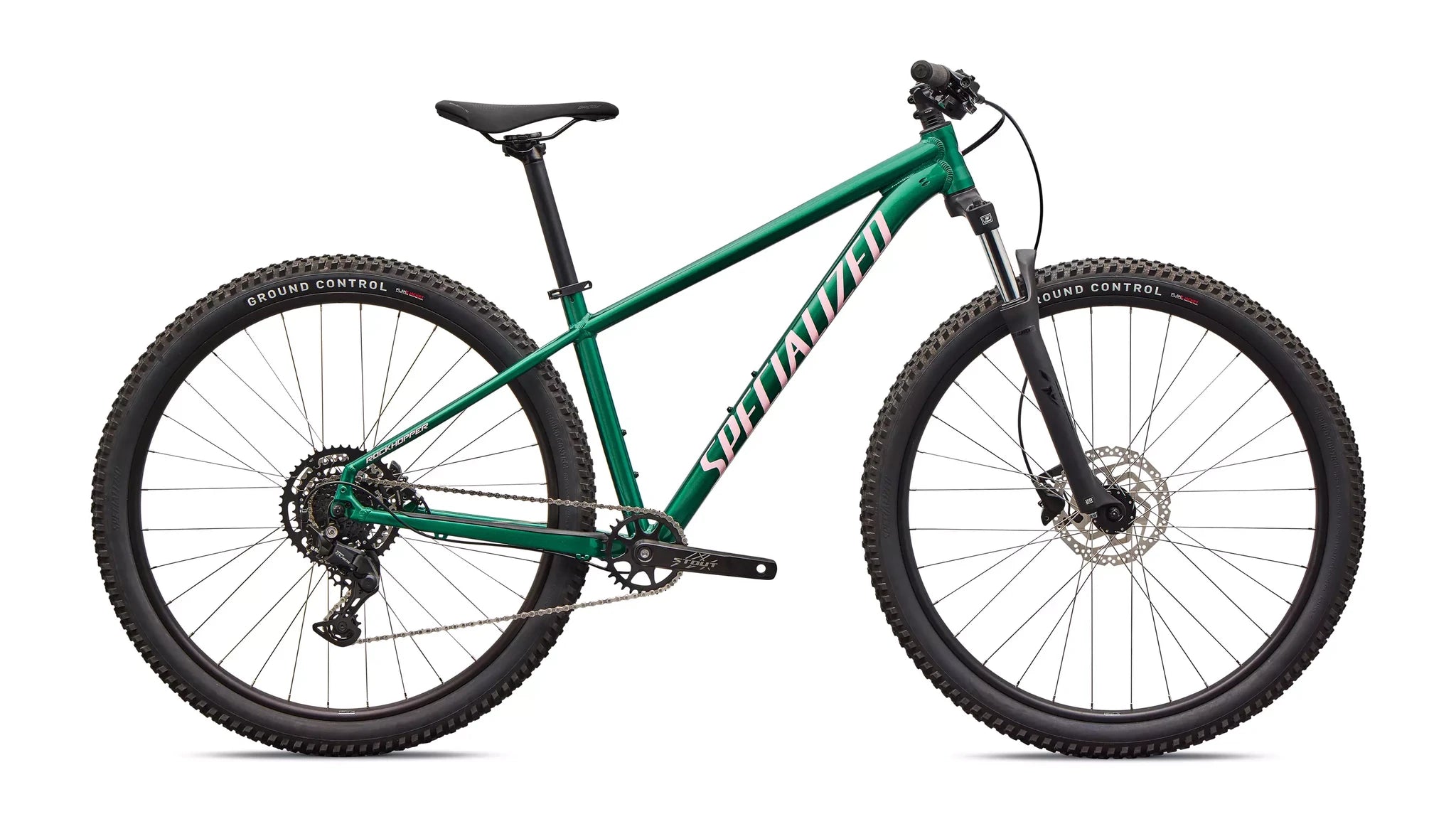
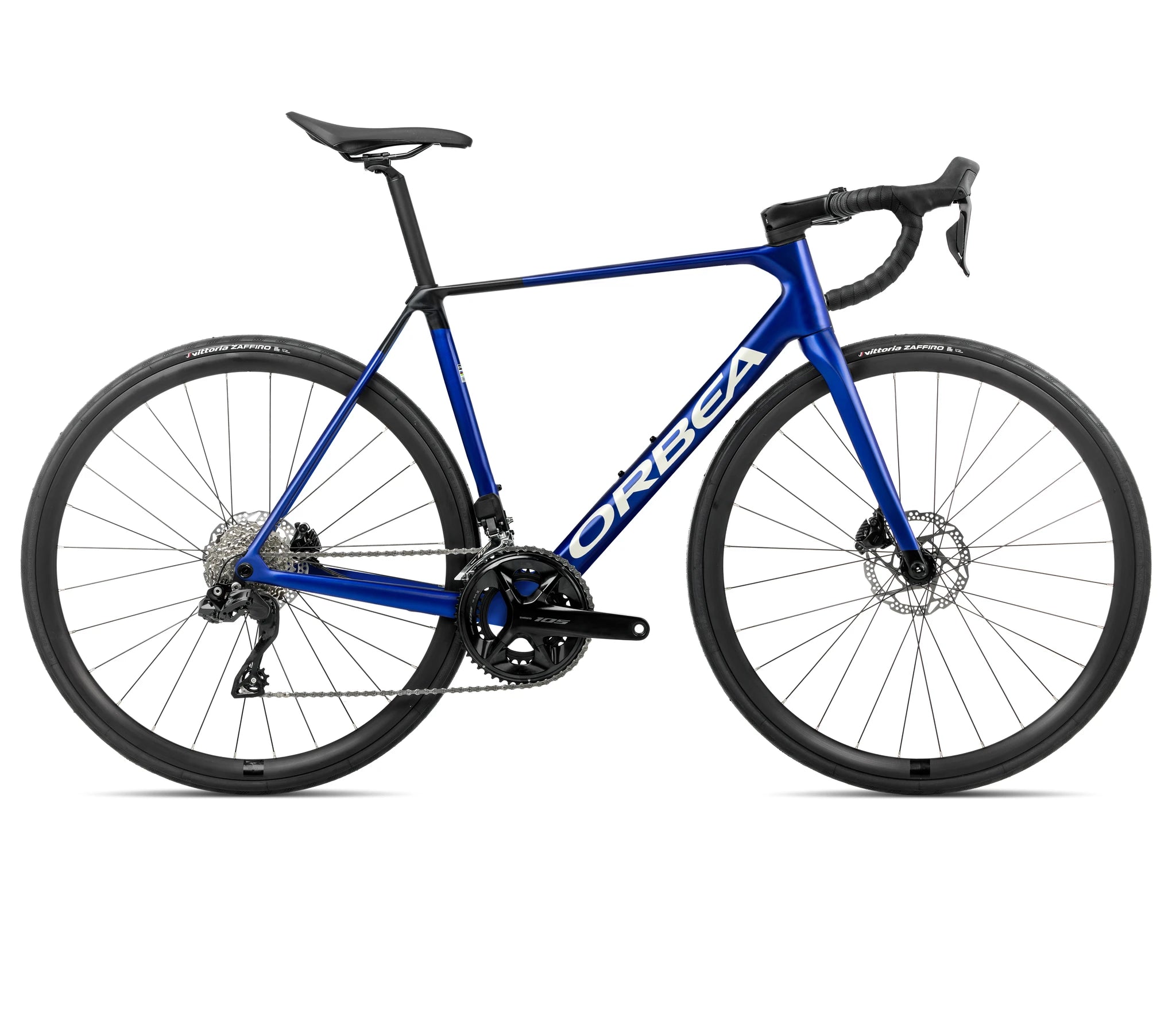
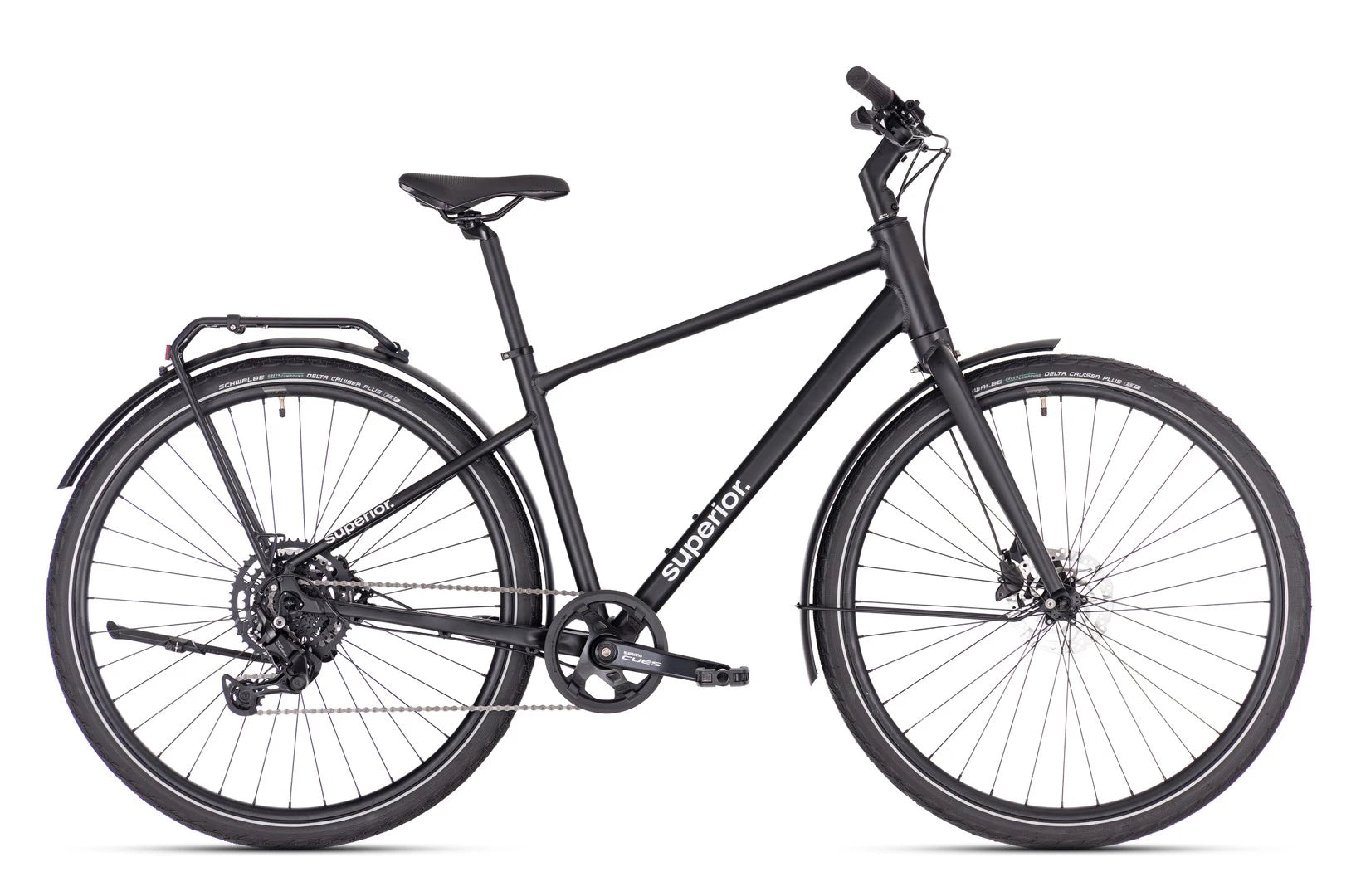
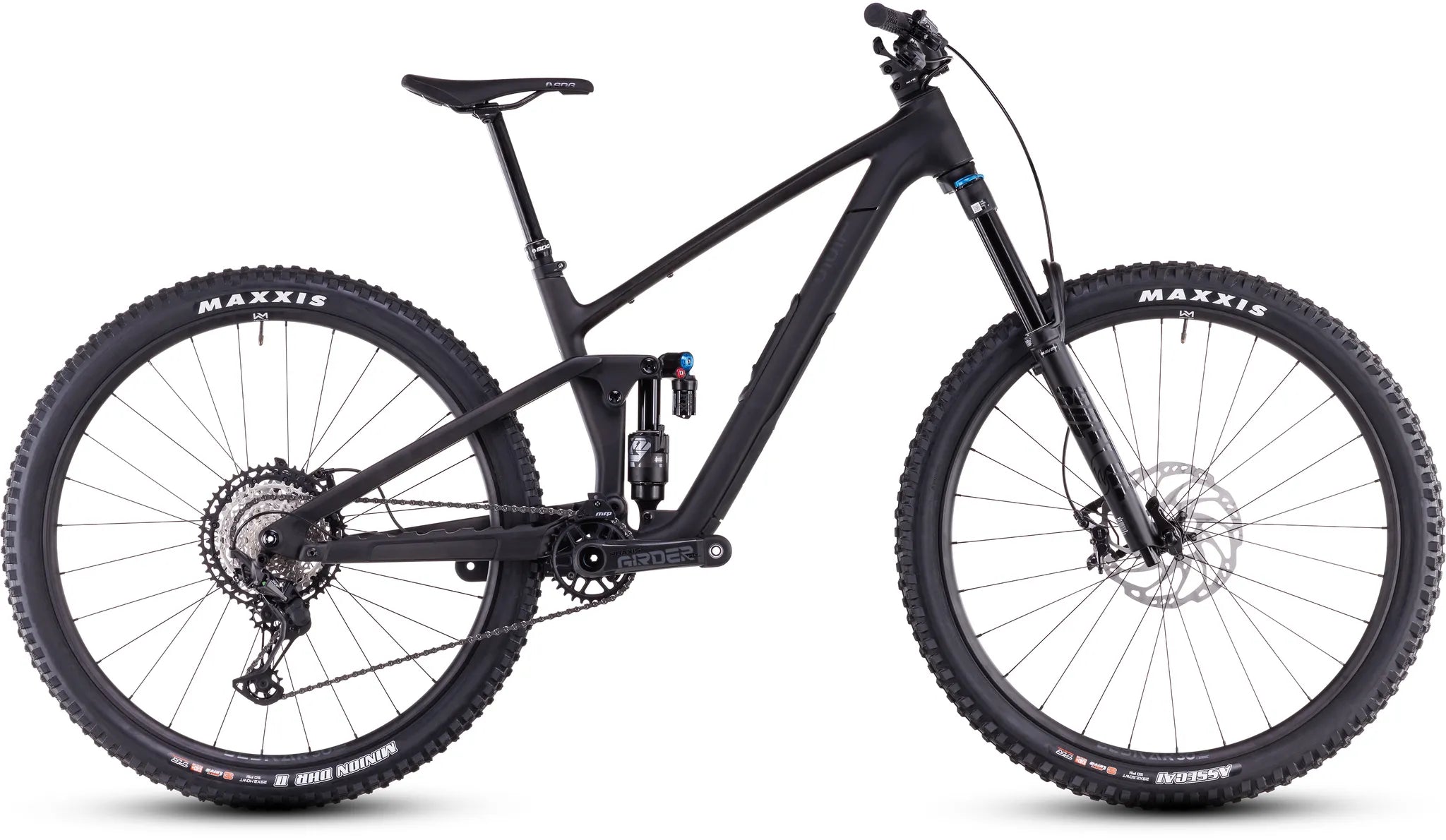
Bicycle Sale: Discover high-quality deals and offers
A bicycle sale offers you the opportunity to purchase a high-quality bike significantly below its original retail price. Often, previous year's models, remaining stock, and bicycles in individual frame sizes are discounted. Such models are not automatically outdated. With many city bikes, trekking bikes, mountain bikes, and road bikes, manufacturers primarily change colors, equipment options, or minor components when switching to a new model year.
You can therefore tell a good bike deal by more than just the stated discount. What matters is whether the bike is suitable for your intended use, is the right size, and is equipped with sensible components. In addition, compare the sale price with current market prices for similar models. That way, you will find bike offers where price advantages and equipment go hand in hand.
Buying guide for high-quality bicycles on sale
The original price should not be the primary factor when making your choice. A heavily discounted mountain bike is not a good purchase if you mainly ride short distances in the city. Likewise, an inexpensive city bike won't help you much if you are planning regular long-distance tours with luggage. Therefore, first clarify which type of bike you need and what requirements it must meet.
City bikes, trekking bikes, and e-bikes with features suitable for everyday use are ideal for your daily commute. Depending on usage, these include mudguards, a fixed lighting system, a luggage rack, and a sturdy kickstand. For sporty rides, weight, gears, brakes, and riding position are more important. Those who want to ride forest paths or challenging trails should pay special attention to travel, tire tread, braking system, and frame geometry.
Use the following checklist to check whether a discounted bike is a good technical and practical fit for you:
- Choose the right type of bike first. Decide based on your most frequent intended use and not on the biggest discount.
- Check the frame size based on your height and inseam length. The manufacturer's size chart provides initial guidance but does not replace a test ride.
- Look for a comfortable riding position. Handlebar width, stem length, frame geometry, and saddle height influence whether you sit in a relaxed or sporty manner.
- Compare the equipment with similarly priced models. Gears, brakes, wheels, tires, and suspension fork determine the actual value.
- Check tires and inner tubes for porous areas, deformations, and air loss. Bikes that have been stored for a long time can suffer from damage due to standing.
- Check the frame for scratches, paint damage, dents, and conspicuous transitions at the welds. Minor visual marks may be acceptable, but they must be reflected in the price.
- Test the brakes and gears. The brake levers should have a clear pressure point. The chain must run cleanly through all gears without skipping or constantly grinding.
- Ask about the assembly status. A bike should be inspected and set up ready for use before it is handed over. With a bike ordered online, individual assembly steps may be required at home.
- Inquire about the scope of delivery and accessories. Charger, battery key, manual, reflectors, and any tools should be complete.
- Compare the final price, including shipping, assembly, and any necessary retrofitting. An inexpensive bike loses its price advantage if lights, mudguards, or a luggage rack have to be added at a high cost.
With an e-bike, the condition of the battery is an additional factor. An unused battery also ages while in storage. Therefore, ask about the production period, how it was stored, and the possibility of a capacity test. The battery should be externally undamaged, sit securely in the frame or on the luggage rack, and be rechargeable with the designated charger. For longer storage periods, a documented check is helpful.
When looking at e-bike offers, also check whether the motor, display, and battery belong to a system that is still supported. Available spare parts, software support, and an accessible service partner are important. A high bike discount rarely makes up for the disadvantages of a system for which suitable batteries or control units are difficult to obtain.
A test ride remains the most reliable way to check the size. Pay attention to whether you can reach the handlebars without extending your arms, can control the bike safely, and do not develop any uncomfortable pressure points. If you are between two suitable frame sizes, the choice depends on the geometry and your preferred riding position. The smaller bike often feels more agile, while the larger model can result in a more stretched-out posture.
Finally, check what the price reduction refers to. A comparison with a manufacturer's suggested retail price (MSRP) might show a large discount, even though similar bikes are generally being offered at lower prices now. It is more informative to compare with current prices of technically similar models. When doing so, consider not only the number of gears but also the quality of the installed components.
Is it worth buying a last year's model or a discontinued model?
A previous year's model is often worth it if the frame, drive, and equipment match your needs. Bicycles do not become worse simply because a new model year begins. Manufacturers revise their series at different intervals. Some model changes introduce a new frame or a different drive system. In other years, only the paintwork, tires, or individual components change.
Discontinued models are discounted because dealers need space for new shipments. Bicycles, in particular, take up a lot of storage space. If individual sizes or colors remain, the dealer can lower the price even though the bike is technically new and unused. For buyers, this creates a price advantage that is not necessarily associated with a loss in quality.
| Criterion | Previous year's model or discontinued model | Current model |
|---|---|---|
| Purchase price | Often cheaper, especially for remaining sizes and discontinued colors | Frequently closer to the recommended retail price |
| Technology | Often proven components and familiar equipment | May offer new frames, drivetrains, or revised components |
| Color selection | Limited to existing stock | Usually a wider selection at the start of the season |
| Frame sizes | Popular sizes may already be out of stock | Generally better availability if purchased early |
| Empirical data | Ratings and practical experience are often already available | For new model series, there is initially less long-term experience |
| Spare parts | Usually easily available for common components | Current systems are normally fully supported |
| Resale | The older model year can affect the future resale price | Buying current models also results in loss of value through use and age |
The technical comparison should focus on concrete changes. If the new model merely features a different color or a slightly modified mix of components, the price premium is often difficult to justify. Conversely, a current model can be worthwhile if the manufacturer has revised the frame geometry, noticeably reduced the weight, or installed a better drive system.
For mountain bikes, changes to suspension travel, wheel size, and geometry can significantly influence handling. For road bikes, new frame shapes, integrated cables, or a different groupset are possible reasons for choosing the current model. For city and trekking bikes, the differences between two model years are often smaller. Here, reliable, low-maintenance equipment usually counts for more than the model year.
For e-bikes, you should take a closer look. Relevant factors include motor generation, battery capacity, display, charging options, and spare parts availability. A previous year's model with a common drive system can remain usable for a long time. With an unusual or already discontinued system, you should check before purchasing whether batteries, chargers, and control units are still available.
Also evaluate the actual savings. Bicycle discounts of 20 to 50 percent occur with discontinued models and remaining stock, but are not guaranteed. Very high discounts often apply to specific frame sizes, eye-catching colors, or items in stock with low demand. Discounts of up to 70 percent may be advertised for extreme clearance items. With such offers, check especially carefully whether the condition, size, and equipment are right for you.
A previous year's model is a good choice if it suits your technical needs and the discount compared to comparable current bicycles is significant. Do not buy it just because the old list price was high. The value comes from the combination of the right geometry, sensible equipment, impeccable condition, and a reasonable final price.
When are bicycles the cheapest?
The best times to buy are often at the end of the cycling season and around the transition to the next model year. Dealers discount existing bikes when new shipments are announced or storage space is needed. The exact timing depends on the type of bike, the weather, demand, and delivery schedules. Therefore, there is no single month when every bike is at its cheapest.
If you are looking for a specific model in a common frame size, you shouldn't wait for the final price drop. Popular sizes and colors often sell out first. A slightly smaller discount may be more sensible than a later offer that no longer fits your height. You should not compromise on frame size.
If you are flexible regarding color and brand, your chances of finding good bike deals at the end of the season increase. Dealers lower prices to clear out remaining stock before the next model changeover. Individual sizes that do not match the typical demand for a particular model are particularly attractive. Very small and very large frames therefore often remain available longer.
If you want to ride right away in the spring and need a wide selection, it is better to buy before the busy start of the season. Discounts may be smaller at this time, but you are more likely to have a choice between several frame sizes and configurations. Workshop appointments and delivery times are also often easier to plan before periods of high demand.
If price is more important than immediate use, buying counter-cyclically is worth it. Look for bicycles after the end of the main season that dealers do not want to store until the following spring. Nevertheless, compare several offers. A sale sign alone does not prove that it is the lowest market price.
Model announcements can also trigger price movements. As soon as a successor is confirmed, the existing model loses its appeal for some buyers. The dealer may reduce existing stock, even though the bicycle remains fully functional. Anyone who does not rely on a new color or a specific equipment detail will often find a good balance between selection and price during this phase.
Is a bicycle cheaper in winter?
In winter, demand for bicycles is often lower than in spring and summer. At the same time, dealers still have models from the previous season in stock. This combination can lead to significant price discounts. Opportunities are particularly good for last year's models, remaining colors, and individual frame sizes.
Buying in winter has another practical advantage. During quieter sales periods, there is often more time for sizing advice, adjustments, and technical questions. Workshops may also be more readily available before the start of the season. This is helpful if the saddle, handlebars, brakes, or gears need to be adjusted.
However, the selection may be limited in winter. If you are looking for a specific model in a popular size, the bike you want may already be sold. Winter deals are therefore particularly suitable for buyers who are flexible regarding color, brand, or minor differences in equipment.
For a bike purchased in winter, you should consider storage until your first long ride. Keep the bicycle in a dry place and avoid permanently damp rooms. Before the start of the season, check the tire pressure, brakes, gears, and bolt connections. For e-bikes, the battery must not be stored in a fully discharged state for months. Follow the manufacturer's instructions and check the charge level at the recommended intervals.
FAQ on discounted bicycles
Do discounted bicycles come with the same warranty and guarantee?
In Germany, the same statutory warranty rights generally apply to discounted new goods as they do to new goods sold at the regular price. The limitation period for warranty claims for movable property is generally two years from delivery. A retailer cannot exclude these rights simply because the bicycle was purchased on sale.
A voluntary exchange is a different matter, applying when the bicycle is free of defects and you simply no longer like it after the purchase. There is no general legal entitlement to this for purchases made in a physical store. A retailer can therefore exclude discounted goods from their voluntary exchange program. Your statutory rights in the event of an existing defect remain unaffected by this.
A manufacturer's warranty is a voluntary additional service and is governed by the respective warranty terms. A reduced price does not automatically void an existing warranty. However, you should still check which components are covered, how long the warranty lasts, and whether registration is required. Special conditions apply in the case of a known and explicitly described defect. For this reason, make sure to get all deviations from the original condition confirmed in writing.
How much of a discount do you get on discontinued models?
Discounts of between 20 and 50 percent are frequently offered on discontinued models. The specific amount depends on the brand, type of bicycle, model year, demand, and available frame size. Very high discounts are usually found on individual remaining items. These include unusual sizes, less popular colors, or models for which the successor is already available.
A discount of up to 70 percent is possible, but remains more of an exception. With such bicycle deals, you should compare the initial price with current competing offers. Also, check whether it is a new item, a floor model, a return, or a bicycle with cosmetic signs of wear. The largest percentage discount is not automatically the most economical offer.
In addition, calculate the costs for missing equipment and necessary maintenance. If an affordable trekking bike first needs to be equipped with lights, mudguards, a luggage rack, and new tires, the savings shrink quickly. The deciding factor is the final road-ready price for a bike that meets your requirements.
Are bicycles from the sale automatically B-stock?
Sale bicycles are not automatically B-stock. Many discounted models are unused new bikes from a previous season. The price drops because the model year is changing, only individual sizes remain, or the retailer needs storage space. Such bicycles can be in new condition both technically and visually.
B-stock, on the other hand, often refers to returns, display items, or products with packaging damage, paint defects, or signs of use. The exact meaning can vary depending on the retailer. Therefore, read the condition description and ask questions if terms like demonstrator, return, display model, or second choice are used.
Known scratches or other deviations should be clearly described before purchase. Inspect the bike upon handover and document any visible damage. For purchases shipped to you, you should check the packaging and the bicycle immediately upon delivery. Photos make it easier to assign responsibility if you need to report transport damage.
A discounted bicycle can have the same technical quality as a regularly offered model. The deciding factors are the condition, the correct frame size, the availability of spare parts, and equipment that suits your routes. If these points are met and a price comparison shows a genuine advantage, a bike from the sale can be the more economical choice in the long run.
Du kannst deine Einstellungen jederzeit anpassen, um den vollen Funktionsumfang unserer Website zu nutzen.
Cookie-Einstellungen bearbeitenWir helfen Dir gerne weiter!

Live-Chat
Telefon
Telefon
Telefonzeiten:
Mo. - Fr. 10:00 - 13:30 & 14:30 - 18:00 Uhr
Sa. 10:00 - 14:00 Uhr
Telefon:
+49 2961 914 886 9
Kontaktformular
Kontaktformular
Außerhalb der Chat- und Telefonzeiten kannst Du uns Dein Anliegen über das Kontaktformular mitteilen.
E-Mail
Schreib uns einfach eine E-Mail an verkauf@liquid-life.de und wir werden Dir so schnell wie möglich antworten. Bitte hab Verständnis, dass es aufgrund der chronologischen Bearbeitung zu kleinen Verzögerungen kommen kann.
Bikeberater
Bonusprogramm