


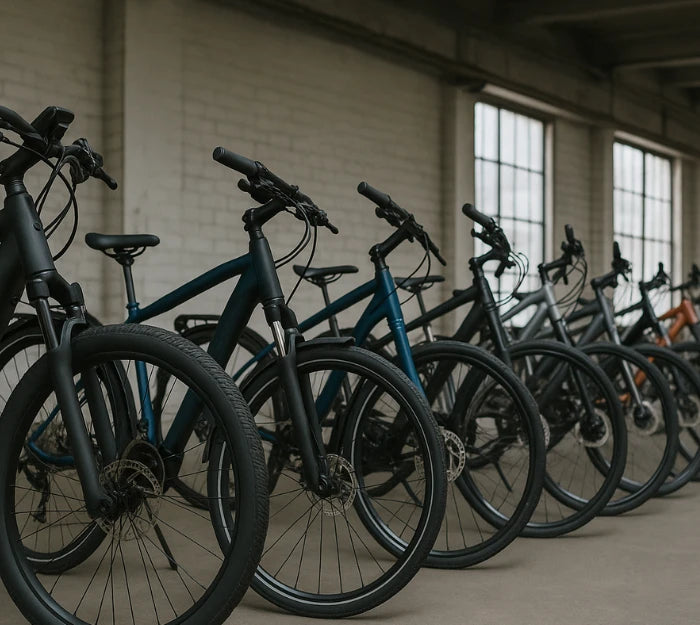
B-Stock & Used Bicycles
Filters
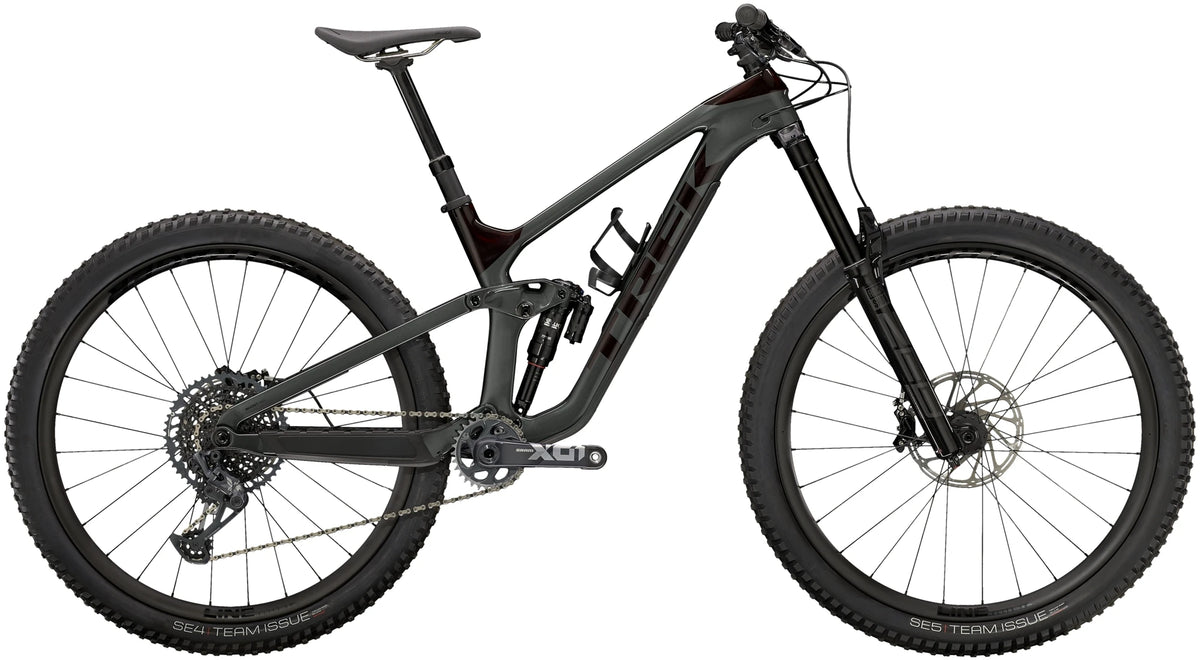
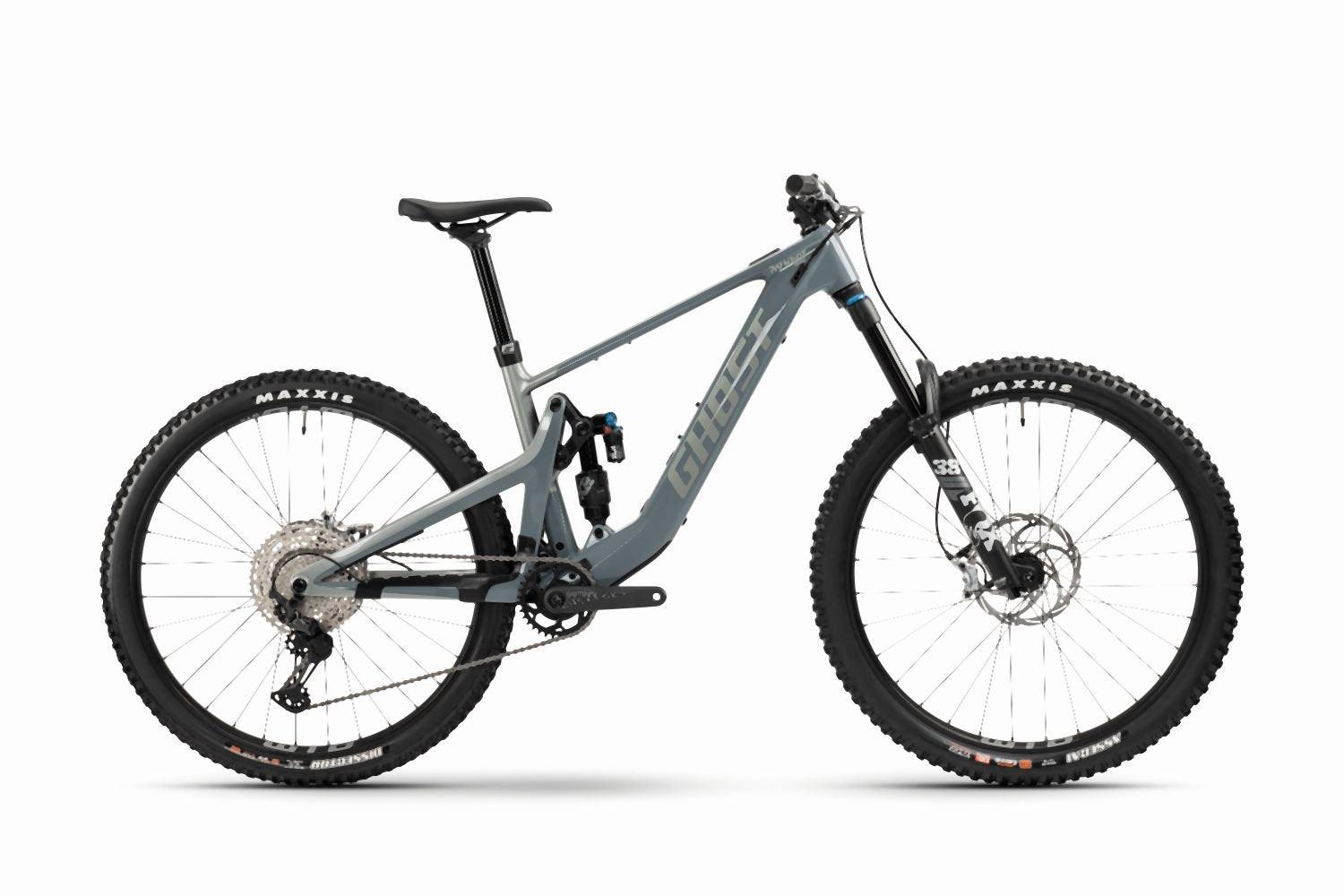
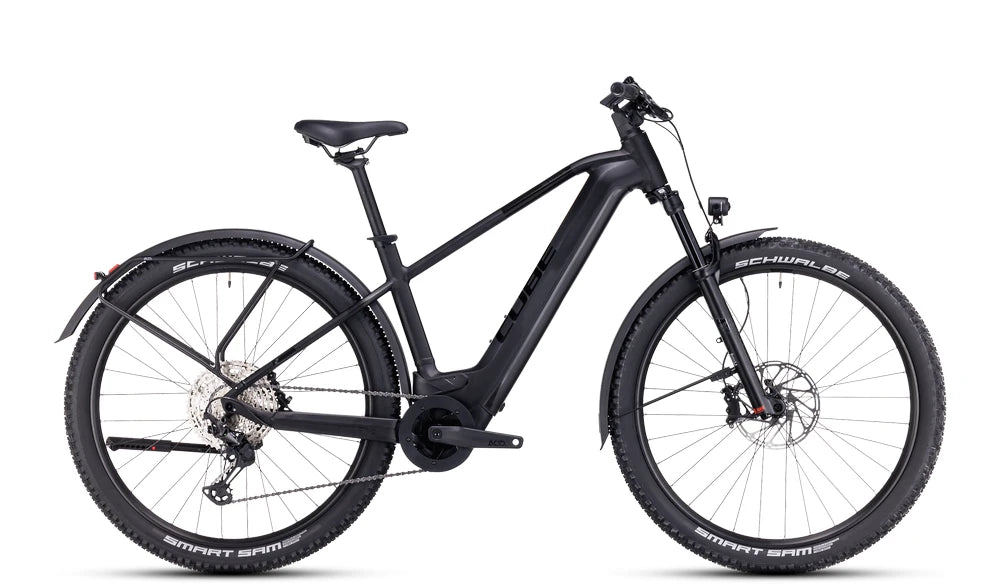


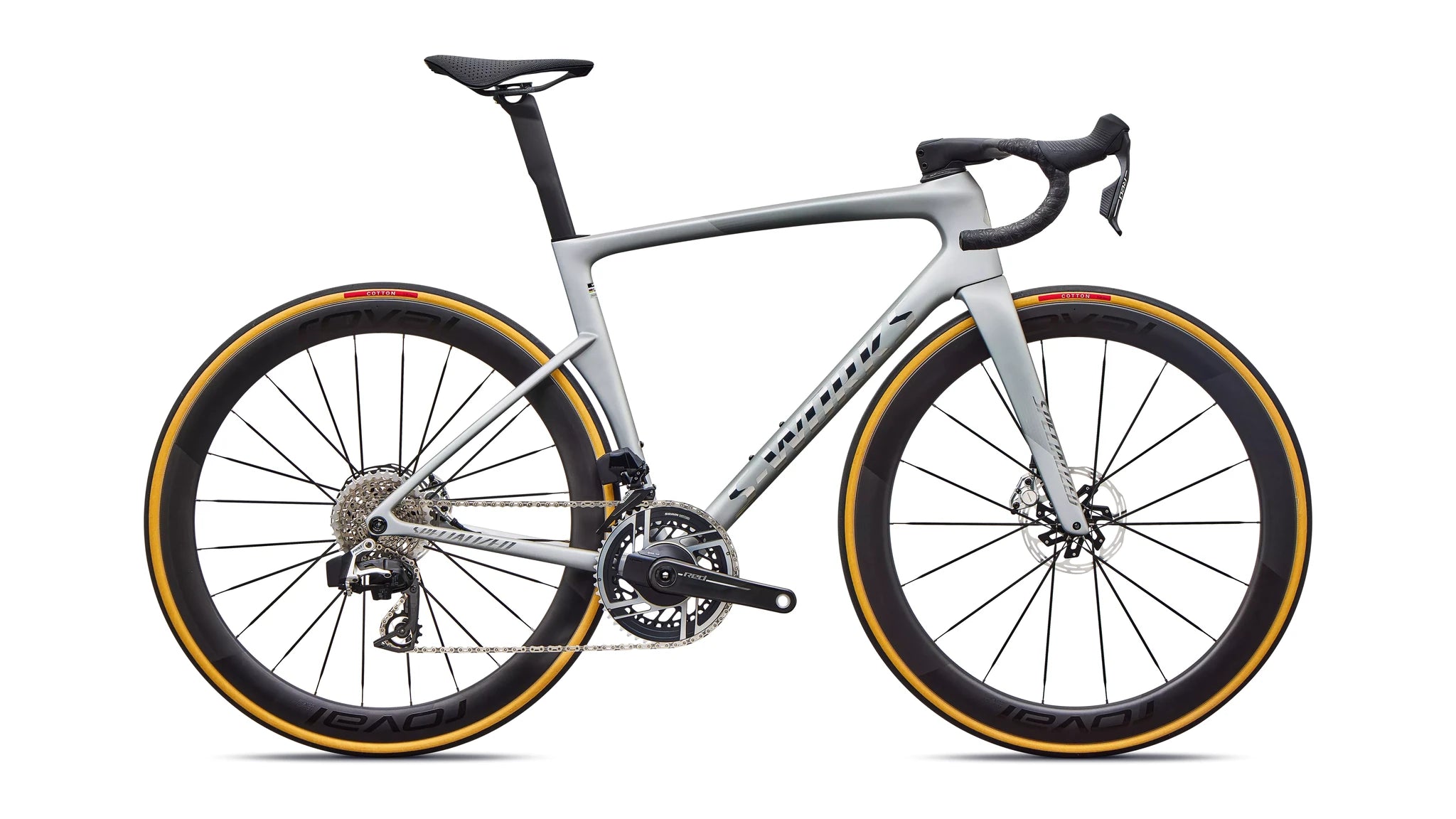

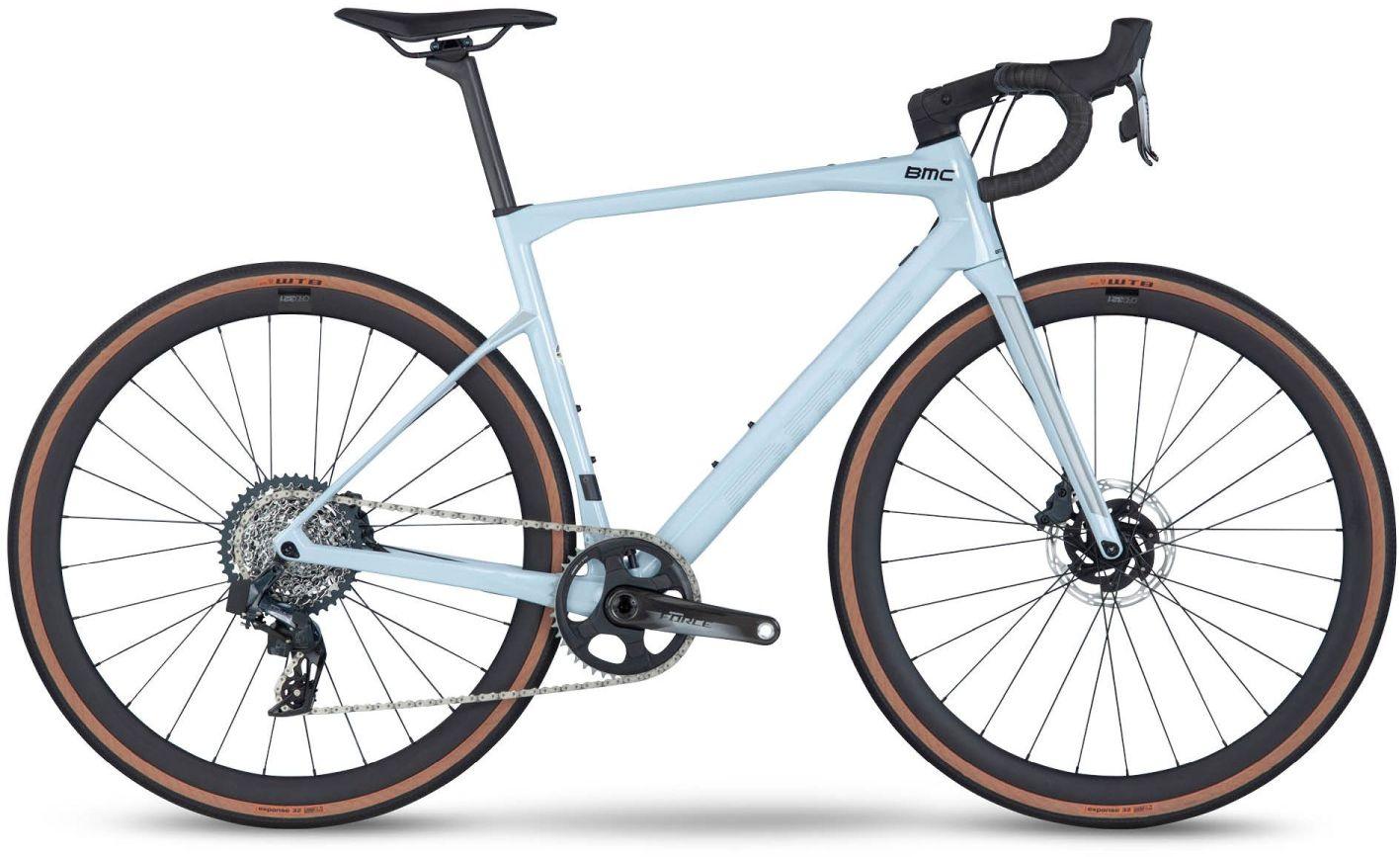
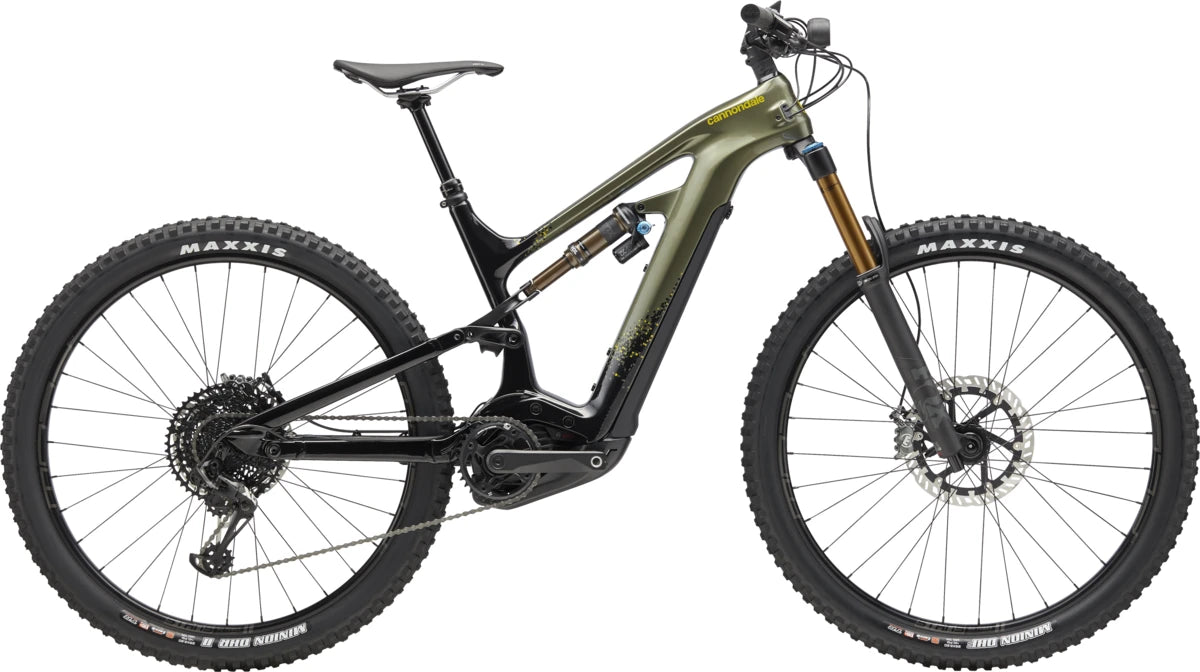

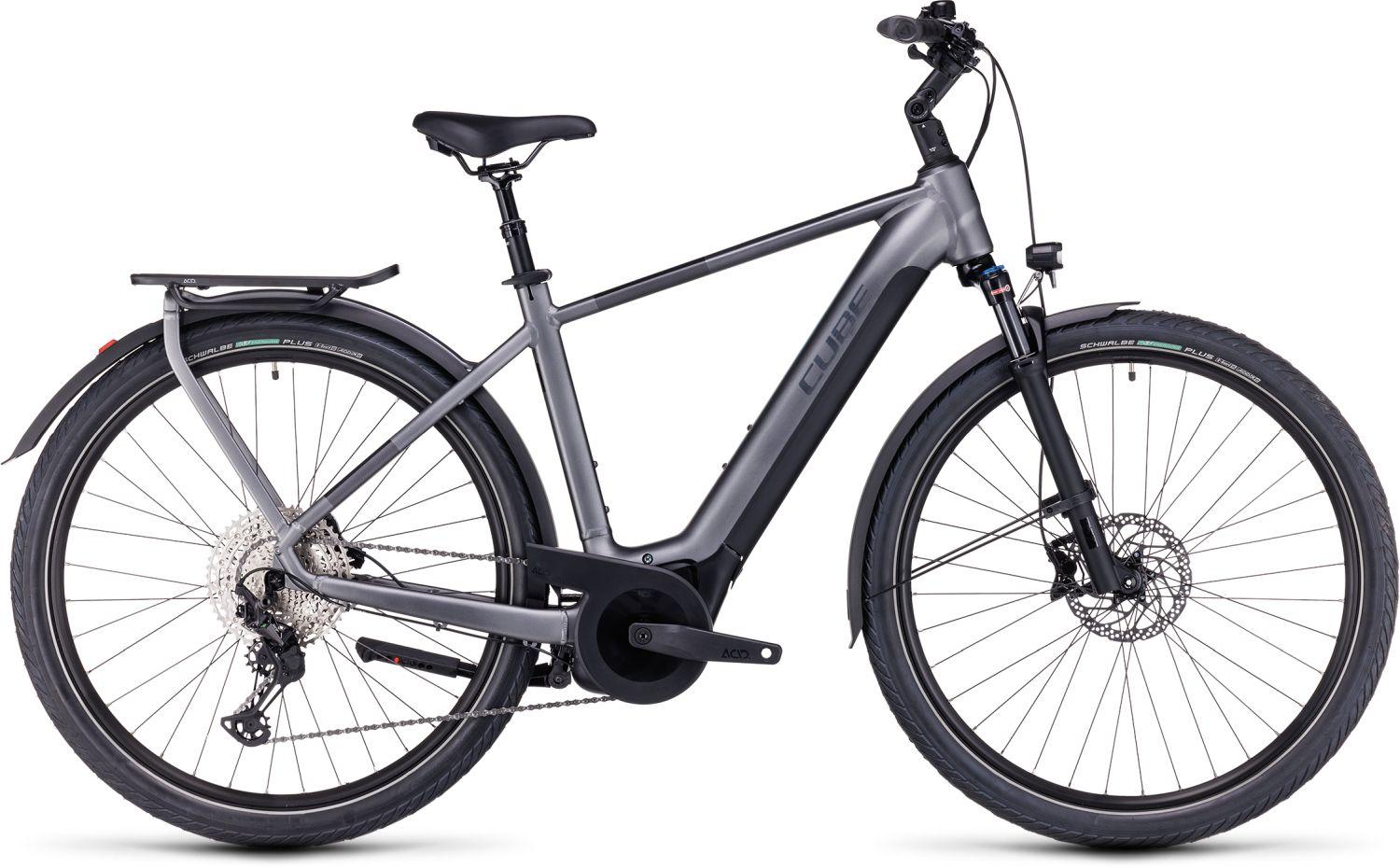
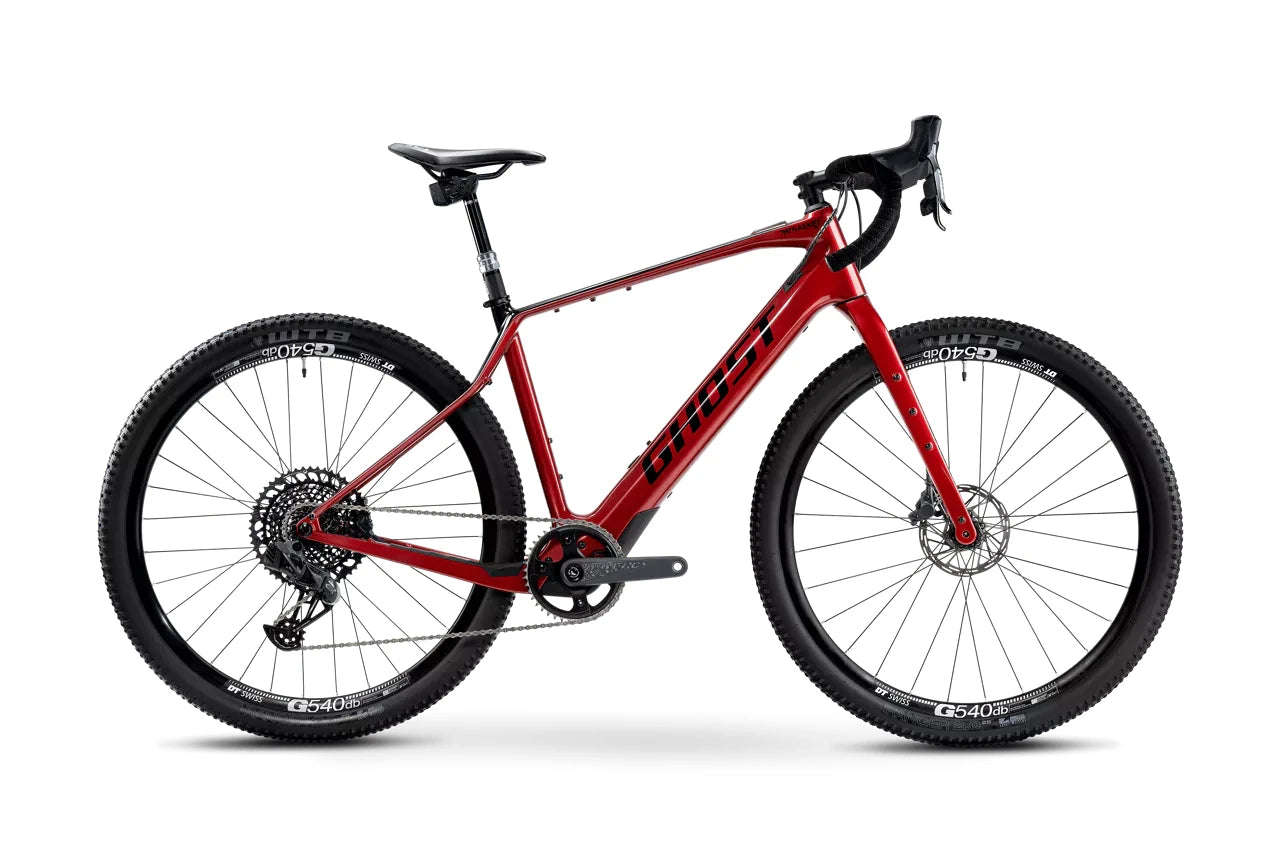
Buy B-stock bicycles: Verified quality at top prices
B-stock bicycles are an affordable alternative to regular new bikes. They are often customer returns, display items, or demonstration models. While the bicycles may show minor cosmetic marks, they are intended to function perfectly from a technical standpoint. Depending on the model, age, and condition, significant discounts compared to the recommended retail price are possible.
With a B-stock bicycle, you often get a current model or one that has only been on offer for a short time without paying the full new price. A transparent description of the condition is crucial. It should specifically identify any existing scratches, paint damage, signs of wear, and missing accessories. A documented technical check prior to sale is equally important.
The continued use of returned items and display bikes also conserves resources. A functional bicycle remains in the product cycle instead of being discarded due to minor cosmetic flaws. This reduces the need for new production and makes second-choice bicycles attractive for price-conscious buyers.
What is meant by "B-stock" for bicycles?
"B-stock" bicycles generally refer to bikes that can no longer be sold as brand-new, unblemished merchandise. The reason does not have to be a technical defect. Often, damaged packaging, visible signs of assembly, or a small scratch on the frame are sufficient. Even a fully functional bicycle can therefore be offered as B-stock.
However, the term does not describe a uniform legal condition class. Retailers may use different criteria. Before purchasing, you should therefore not rely solely on the label, but read the product description. It should state where the bicycle comes from, which defects are known, and what work was performed before the sale.
The most common cosmetic flaws include fine scratches on the frame, small paint chips, chafing marks on the crank, or signs of wear on pedals and grips. Missing original packaging or lighting that has already been installed can also lead to a B-stock classification. Such features usually affect the appearance or the packaging, not necessarily the function.
The situation is different for cracks, deformations, or deep damage to safety-relevant components. Such damage should not be downplayed as mere cosmetic flaws. Special caution is required with carbon frames and carbon forks because structural damage can be difficult to detect from the outside. An expert inspection is more important here than a high discount.
Typical sources and conditions of B-stock include:
- Customer returns: The bicycle was returned after an online order. It may have already been unpacked, assembled, or briefly tested.
- Display items: The bike was in a showroom, at a trade fair, or in an exhibition. Traces may result from test rides, frequent handling, or being moved around the sales floor.
- Demo models: These bicycles were used for consultations or test rides. The technical condition should be checked, and the previous usage should be described in a comprehensible manner.
- Transport damage: Scratches, dents, or paint chips can occur during shipping. The damage often only affects the surface but must be checked before sale.
- Bikes with damaged packaging: The box was opened, torn, or damaged during transport. The bicycle itself may be unused.
- Assembly marks: Traces of setup and adjustment may be visible on screws, pedals, the stem, or the seat post.
- Older model years: A technically new bicycle may be offered as a second-choice item or special stock if a successor model is already available.
- Bikes with replaced parts: Individual components may have been replaced following a return. The product description should clearly state if the original equipment has been altered.
Are B-stock bicycles technically inspected?
The reduced price must not come at the expense of traffic safety. Reputable dealers have B-stock bicycles checked in a workshop before reselling them. Details on which inspections have actually been carried out should be stated in the product description, a condition report, or an inspection protocol. The term "B-stock" alone does not guarantee a specific scope of inspection.
A thorough workshop inspection usually includes the following steps:
- First, the frame is examined for cracks, deformations, pressure marks, and noticeable paint damage. The fork, dropouts, and weld seams are also part of this visual inspection.
- Next, the workshop checks the fastening of the handlebars, stem, seat post, cranks, and pedals. Loose or incorrectly mounted components are adjusted and tightened to the specified torque.
- The braking system is checked for function and wear. This includes brake pads, brake discs or rim sidewalls, lines, cables, and the alignment of the brake calipers.
- This is followed by checking the gear system. The workshop checks the rear derailleur, front derailleur, shifters, cables, chain, cassette, and chainrings. All gears should shift cleanly.
- The wheels are checked for true running, spoke tension, and secure fit. Tires and inner tubes must show no signs of damage. The air pressure is adjusted according to tire width, system weight, and intended use.
- For bikes equipped for everyday use, the lighting, reflectors, bell, and other accessories are checked. The specific equipment depends on the bicycle type and intended use.
- Finally, a functional check or test ride is recommended. This often reveals noises, bearing play, rubbing brakes, and imprecise shifting more quickly than a visual inspection alone.
With an e-bike, there are additional inspection points to consider. The motor, display, control unit, sensors, and charger must all function correctly. A diagnostic report can provide information about error messages, software version, and sometimes usage data. For the battery, its age, charge cycles, and remaining capacity are particularly relevant. A battery that can be switched on and charged does not automatically have its original range.
Therefore, when buying a B-stock e-bike, ask for a battery health report if one is not already provided. The displayed capacity and general condition help to realistically assess the price. A low purchase price loses its appeal if an expensive replacement battery is needed soon.
After delivery, you should also inspect the bicycle. Check for visible shipping damage, the secure fit of the front wheel, and the tire pressure. Depending on the shipping method, the handlebars and pedals may still need to be adjusted or assembled. If you are unsure about the final assembly, a bicycle repair shop should take on this task. This applies especially to brakes, the stem, handlebars, and other safety-relevant parts.
B-stock and used bicycles compared
B-stock bicycles and used bicycles are not automatically the same thing. A B-stock bike may be unused and simply have a paint scratch or damaged packaging. In contrast, a classic used bike has usually been ridden over a longer period of time. This can lead to wear and tear on the chain, cassette, tires, bearings, and brakes, as well as an unknown maintenance history.
The seller also makes a difference. Different legal rights apply to commercial purchases than to purchases from a private individual. Dealers must transparently describe any known defects and cannot arbitrarily exclude statutory warranty rights. Private sellers may largely exclude liability for material defects under certain conditions. A low private price therefore often comes with a higher risk.
| Feature | B-stock bicycle from a dealer | Used bicycle from a private seller |
|---|---|---|
| Typical origin | Return, display item, demonstration model or transport damage | Bicycle from private use |
| Duration of use | Frequently unused or only briefly tested | From a few trips to several years |
| Technical inspection | Depends on the dealer, includes workshop check and condition report | Usually no documented professional inspection |
| Known defects | Should be listed in the product description | Details depend on the seller's knowledge and diligence |
| Wear | Often low, depending on origin and usage | Can affect chain, drivetrain, tires, brakes, and bearings |
| Statutory warranty rights | Generally applicable to consumer purchases | Can be largely excluded in private sales |
| Manufacturer's warranty | Only subject to the respective warranty terms | Often expired or not transferable to subsequent owners |
| Right of withdrawal | Generally applicable to standard online purchases | Generally not applicable to private sales |
| Price level | Below the regular retail price, often above private resale prices | Highly dependent on age, condition, and demand |
| Predictability | Higher with precise description and documented inspection | More dependent on personal inspection and test drive |
If you want to minimize technical risk, refurbished B-stock is often easier to evaluate. You receive an invoice, a designated contact person, and a documented description. A private purchase may be cheaper, but it requires more expertise. In that case, you should inspect the bike in person, take it for a test ride, and, for an e-bike, have the diagnostics and battery condition checked.
Furthermore, do not just compare B-stock with used bicycles, but also with current offers for new goods. An older model can be similarly inexpensive during a regular clearance sale. The price advantage of B-stock is only meaningful if the model year, equipment, condition, and scope of delivery match.
How much can be saved on B-stock bicycles?
Typical discounts can range from about 20 to 50 percent off the manufacturer's suggested retail price (MSRP). The actual savings depend on the model, the model year, demand, and any visible defects. A small scratch on a current, in-demand bike usually results in a lower discount than an older customer return with significant signs of wear.
If the bike only has damaged packaging and is in nearly new condition both technically and visually, the discount is often more moderate. If there is multiple paint damage or the bike was used as a showroom model, the discount may be greater. For older model years, regular depreciation is added to the condition of the bike.
Do not calculate the price based solely on the original MSRP. Compare it to the currently standard retail price of the same model. If a bike has already been reduced in regular retail, a supposedly high B-stock discount may turn out to be smaller than expected. What is relevant is the difference compared to the lowest reputable offer for a model with comparable equipment.
With e-bikes, the absolute savings are often higher because the initial price is higher. A 30 percent discount amounts to a larger sum on a 4,000-euro e-bike than on a 1,000-euro bicycle. In return, you should inspect the battery, motor, and display more closely. The age of the battery and the availability of suitable spare parts should also be factored into the equation.
Take into account potential follow-up costs. If the bicycle requires new tires, a chain, or brake pads, these expenses must be added to the purchase price. Also check whether the charger, battery key, manual, mudguards, or other originally included parts are missing. Only the total price reveals the true savings.
When is a second-hand bicycle worth it?
B-stock bicycles are particularly suitable for buyers who are willing to accept minor cosmetic flaws in exchange for a lower price. A scratch on the down tube is of little consequence in everyday use, provided the frame and components are in good technical condition. For a bike used for the daily commute, such a blemish may be easier to overlook than on a collector's item or a particularly expensive sports bike.
Before you buy, a few clear decision criteria can help:
- If function is more important to you than a flawless finish, B-stock can offer good value for money.
- If you are looking for a current model, check returns and display items with minor signs of wear.
- If your budget is limited, compare the B-stock price with previous year's models and inspected used bikes.
- If you are buying an e-bike, pay attention to details regarding the battery, motor, mileage, and diagnostic data.
- If the bike has a carbon frame, the inspection for potential crash or transport damage should be clearly documented.
- If you use the bike daily, check the availability of wear parts, batteries, and manufacturer-specific components.
- If you have little knowledge of bicycle mechanics, a commercial offer with a workshop check is usually easier to assess than a private purchase.
In contrast, a B-stock bicycle is less worthwhile if the price is only just below the current new price or the condition description remains vague. Phrases like "minor signs of wear" are not sufficient for an expensive bicycle. Photos should show the affected areas. In the case of major damage, the description should explain whether it is purely aesthetic and how technical safety was verified.
Before ordering, also check the frame size and geometry. A large discount does not compensate for an unsuitable bicycle. Body height and inseam provide initial guidance, but do not always replace checking the seating position, reach to the handlebars, and standover height. Precise size advice is particularly worthwhile for sporty road bikes, mountain bikes, and cargo bikes.
The continued use of technically sound returns supports the economical use of materials and energy. Frames, wheels, drivetrain, and electronic components continue to be used, even though the bicycle can no longer be offered as regular new merchandise. The ecological benefit is particularly plausible if there are only minor visual defects and no extensive parts need to be replaced.
Frequently asked questions about second-hand bicycles
Does the full warranty also apply to B-stock bicycles?
Warranty and guarantee are different services. Statutory liability for material defects generally also applies to B-stock when purchased from a commercial dealer. For new items, the standard limitation period for claims for defects is two years. If the bicycle is legally sold as used goods, the period can be reduced to one year under the statutory requirements. Such a reduction must be effectively and transparently agreed upon. Visual deviations explicitly described before the purchase do not automatically count as defects if you have separately agreed to them.
A manufacturer's guarantee is voluntary and is governed by the guarantee terms of the respective manufacturer. It may be limited in time, tied to registration, or restricted to the original purchaser. Therefore, check each individual offer to see whether and to what extent a manufacturer's guarantee exists. Statutory rights regarding defects against the seller remain fundamentally separate from an additional guarantee.
Is it worth buying a refurbished e-bike?
With a high-priced e-bike, the absolute savings can be significant. The purchase is especially worthwhile if the cosmetic defect is described in detail and the technical condition of the motor, battery, and electronics has been verified. A diagnostic report should list any existing error codes and, if possible, relevant usage data. The mileage also helps in assessing the value.
The battery deserves special attention. Its usable capacity decreases with age, charging cycles, storage, and load. Ask about the date of manufacture, the measured residual capacity, and what is included. A missing charger or a replacement battery that will soon be needed can quickly eat up a large portion of the savings. Also, check whether batteries, displays, and other system components are still available for the respective model.
Can B-stock bicycles be returned within 14 days?
In a standard online purchase between a consumer and a commercial retailer, there is generally a statutory right of withdrawal. The withdrawal period is usually 14 days. You do not need to provide a reason for the withdrawal. The details regarding the start of the period, the return shipment, and the refund can be found in the retailer's cancellation policy.
You may be charged for the direct costs of returning the goods if the retailer has properly informed you of this before the purchase. This is relevant for bicycles, as a freight return can be expensive. Therefore, keep the packaging until the end of the withdrawal period and check the return process before ordering. Compensation may be claimed under statutory conditions for any loss in value resulting from handling beyond what is necessary for the examination of the goods.
Why has a bicycle become a B-stock item?
A bicycle can become "B-stock" due to a simple paint scratch, damaged packaging, or assembly in the showroom. Other reasons include customer returns, short test rides, transport damage, and use as a display model. Missing accessories or the replacement of individual components can also lead to it being classified as a second choice.
The designation itself does not indicate how much the bicycle has been used. Therefore, read the condition description and check the product photos. A good description distinguishes between aesthetic flaws and technical work, and states the scope of delivery. This allows you to judge whether the price discount is appropriate for the actual condition.
Du kannst deine Einstellungen jederzeit anpassen, um den vollen Funktionsumfang unserer Website zu nutzen.
Cookie-Einstellungen bearbeitenWir helfen Dir gerne weiter!

Live-Chat
Telefon
Telefon
Telefonzeiten:
Mo. - Fr. 10:00 - 13:30 & 14:30 - 18:00 Uhr
Sa. 10:00 - 14:00 Uhr
Telefon:
+49 2961 914 886 9
Kontaktformular
Kontaktformular
Außerhalb der Chat- und Telefonzeiten kannst Du uns Dein Anliegen über das Kontaktformular mitteilen.
E-Mail
Schreib uns einfach eine E-Mail an verkauf@liquid-life.de und wir werden Dir so schnell wie möglich antworten. Bitte hab Verständnis, dass es aufgrund der chronologischen Bearbeitung zu kleinen Verzögerungen kommen kann.
Bikeberater
Bonusprogramm