



Filters
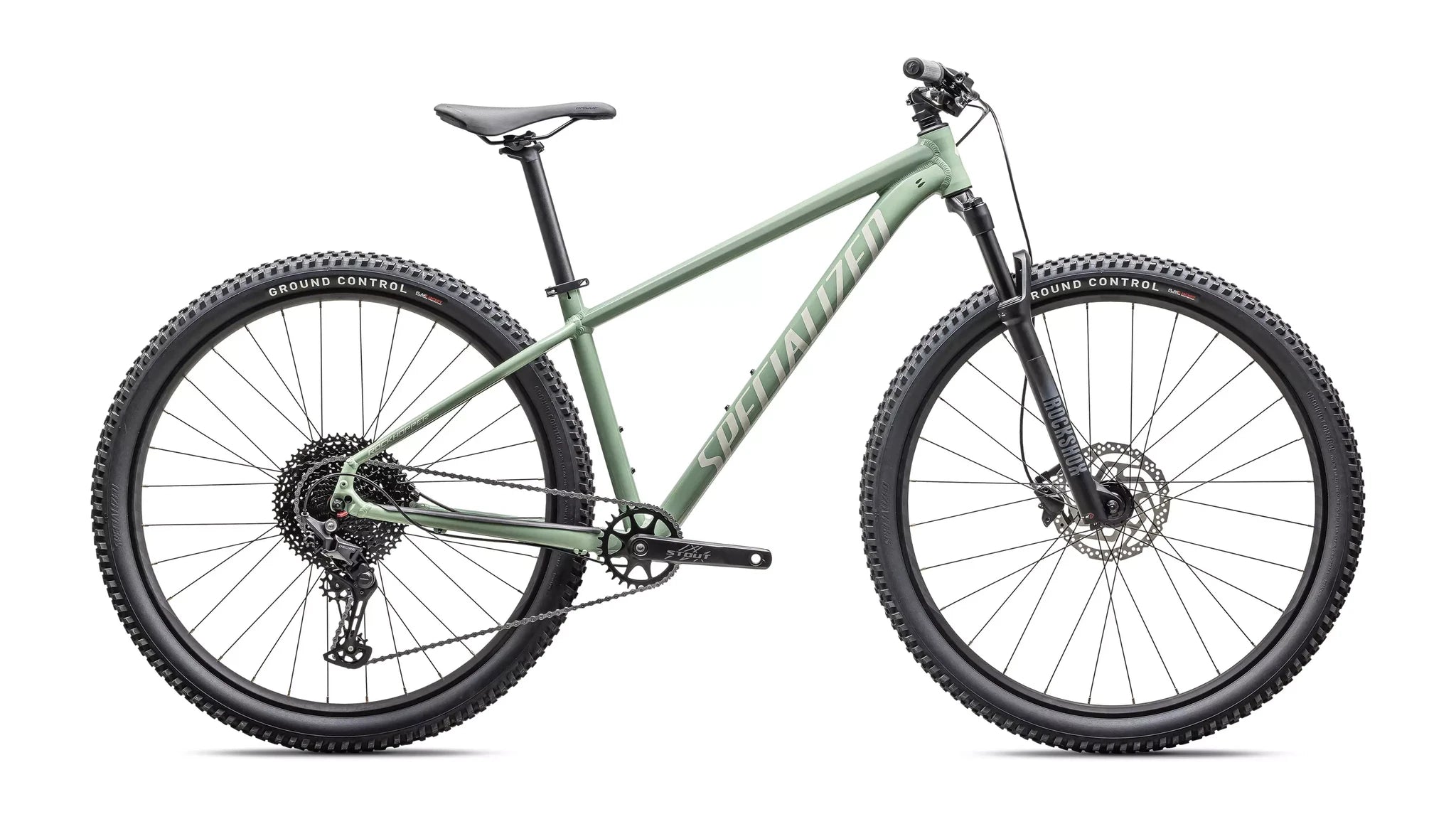
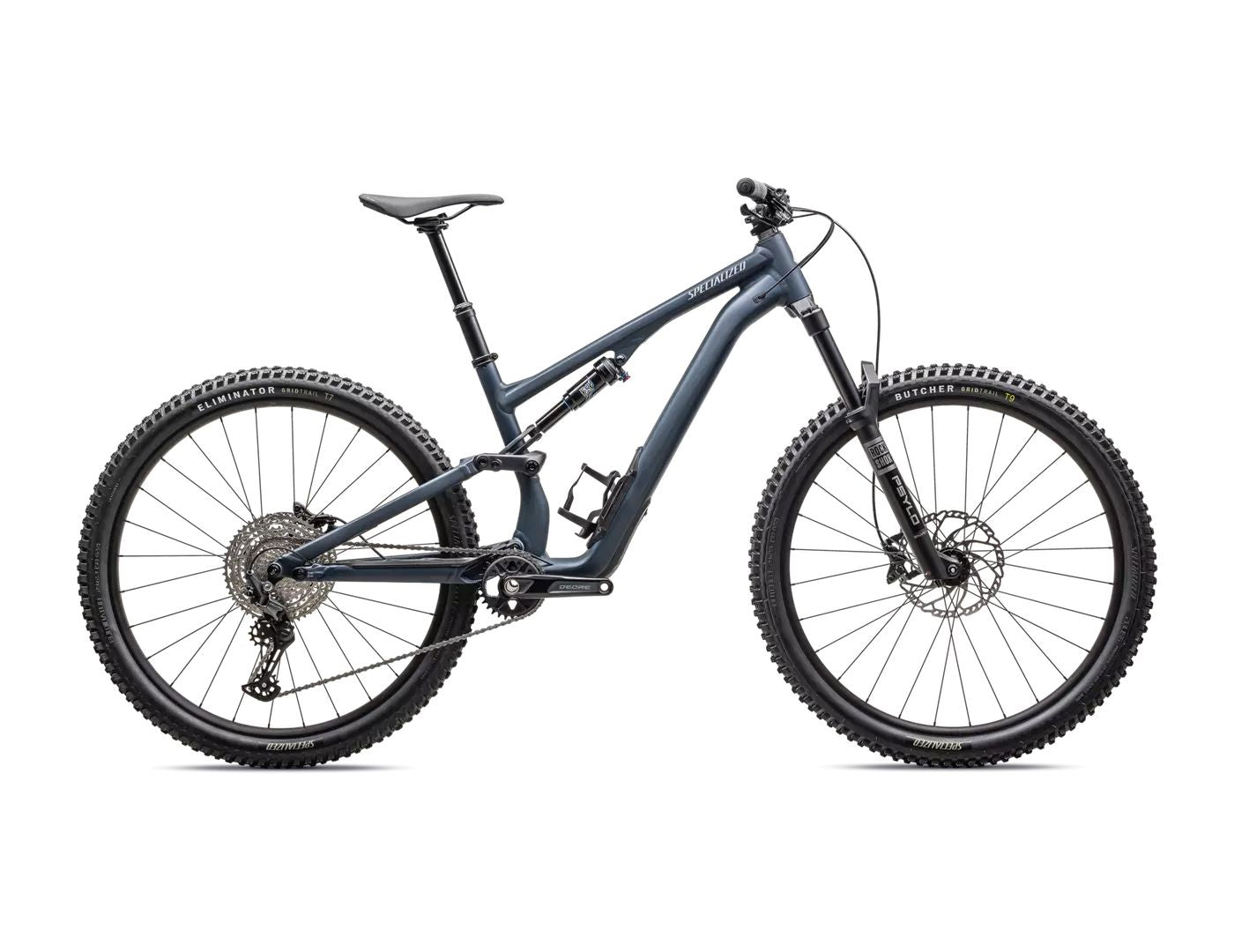
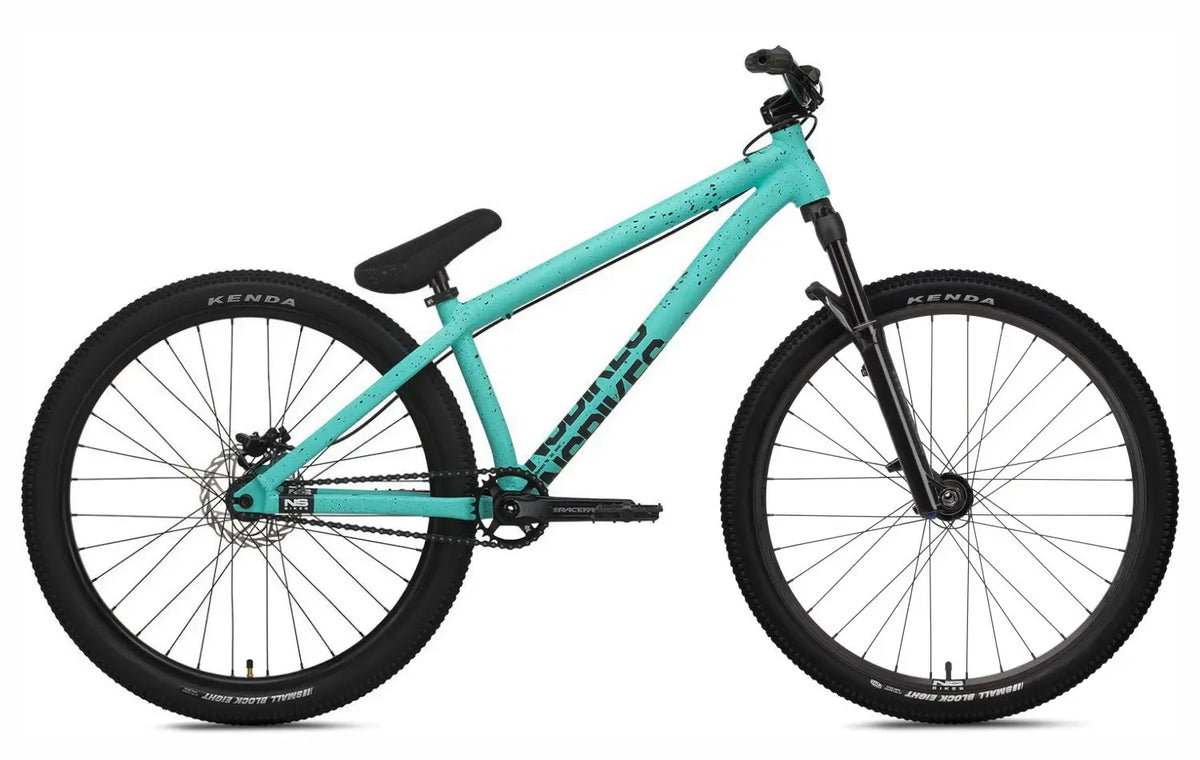
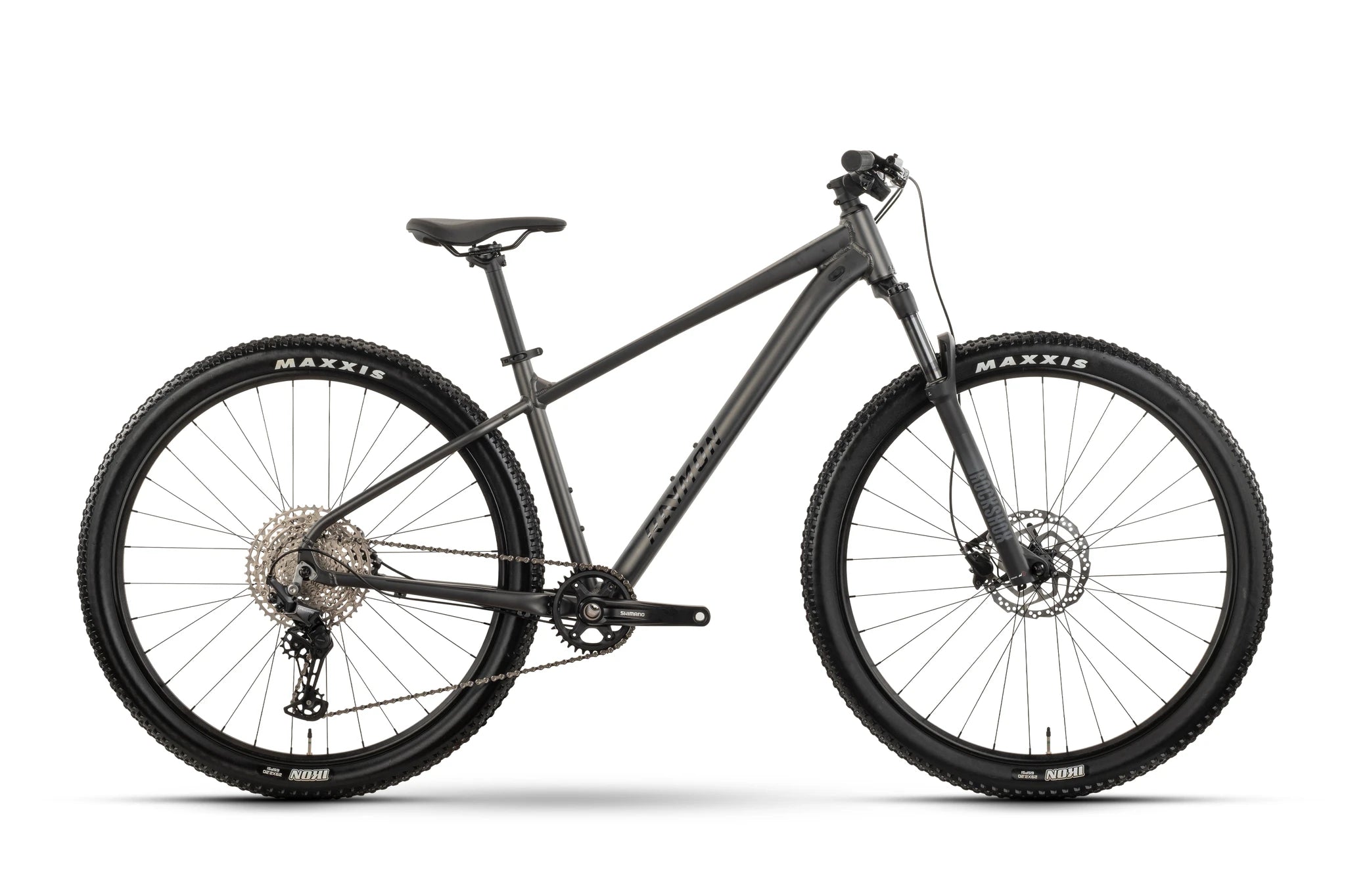



Mountain Bike Sale: How to find the best deal
A mountain bike sale offers you the chance to purchase a well-equipped bike significantly below the original retail price. Typical discounts range between 15 and 40 percent, depending on the model, season, and available frame size. For individual clearance items, mountain bike discounts can be even higher. However, the largest discount is not automatically the best deal. What matters most is a suitable geometry, the correct size, and equipment that fits your intended use.
Mountain bike end-of-line models, which retailers sell off before a change in inventory, are particularly interesting. Often, they differ only slightly in technical terms from the new generation.
A different paint job, an updated rear derailleur, or new tires hardly change the bike's intended use.
Genuine technical advances occur primarily when manufacturers overhaul the frame, the geometry, the suspension, or, in the case of e-mountain bikes, the drive system.
If you don't base your purchase solely on the discount, you can get a lot of performance for a limited budget in an MTB sale. First, check the intended use, then the frame size and equipment. Only then should you evaluate the savings.
Is it worth buying a last year's mountain bike model?
A previous year's model is worthwhile if it is technically suited to your riding style and available in the right size. The date indicated by the model year says little about how well a mountain bike rides. Many manufacturers bring new colors and slightly modified equipment variants to market each year without fundamentally redesigning the frame.
The price reduction often results from the usual model change. Dealers need space for new shipments and therefore sell existing bikes at a lower price. The bike in question is not automatically outdated as a result. If it was stored as new merchandise and not used for riding, it is still a new bicycle.
Price discounts of about 10 to 40 percent are possible with such clearance sales. Inexpensive hardtails are often reduced more moderately because their retail prices and dealer margins are lower. For high-priced full-suspension bikes or e-mountain bikes, the absolute price advantage can be greater. However, very high discounts often apply to individual sizes, unusual colors, or equipment for which only a few buyers are eligible.
If you ride on forest paths, logging roads, and simple trails, a technically suitable previous year's model is usually sufficient. Proven aluminum frames, air suspension forks, hydraulic disc brakes, and modern gear systems do not lose their practical utility just because the model year has changed. A current paint scheme or the latest designation for a component group rarely provides a noticeable advantage on these routes.
Even as a sporty rider, a discontinued model can be a good choice. It is worth taking a close look at the geometry and suspension here. If the head angle, reach, travel, and wheel size match your intended use, an older model generation can be an economical option. The budget saved can be invested in pedals, protectors, suitable tires, or a suspension tune-up if needed.
For ambitious enduro riders or regular race participants, the current model may make more sense. This is especially true if the manufacturer has significantly changed the frame geometry, introduced a revised rear suspension system, or noticeably reduced the weight. Such changes influence handling more than a new rear derailleur of the same performance class.
With e-mountain bikes, you should compare more carefully. A new motor generation can be lighter, quieter, or more powerful. Battery capacity, display, software, charging port, and the availability of updates can also change. If you buy an older e-MTB, the motor and battery should still be supported by the manufacturer. A large discount loses its value if suitable spare parts or a compatible replacement battery are hard to find.
A previous year's model is particularly suitable if you prioritize practical utility over the model year. If the bike fits, covers your desired routes, and has sensible equipment, there is little reason not to buy it. If the frame size can only be compensated for with a stem that is too short or too long, you should choose a different model despite the discount.
Are bicycles actually cheaper in winter?
Many mountain bike sales begin in late summer or autumn, as dealers reduce their stock before the next model year. Prices may fall further in winter. At the same time, the selection of sizes and specifications decreases. The best time to buy therefore depends on whether you are looking for the widest possible selection or the highest possible discount.
| Time period | Discount probability | Availability | Buying advice |
|---|---|---|---|
| March to May | Rather low | Many models and sizes available | Suitable if specific equipment or frame size is a priority. |
| June to August | Low to medium | Good selection, popular models may already be sold out | Check for individual promotions, but do not expect a major clearance sale. |
| September to November | Medium to high | Selection slowly decreasing | Good compromise between discount and available frame size. |
| December to January | High | Many remaining items and individual sizes | Determine technical specifications in advance and compare quotes specifically. |
| February | Very high for individual items | Limited selection | Interesting if you are flexible and your size is still available. |
Autumn is a good time if you are looking for a specific mountain bike and are flexible regarding color or individual components. Dealers begin clearing out their inventory while several sizes may still be available. During this phase, the discount is often smaller than in mid-winter, but the risk of only having unsuitable frame sizes left to choose from is lower.
In December and January, you will often find steeper discounts. Demand for bicycles is lower at this time than in the spring. Some dealers reduce the prices of remaining models once more so they don't have to carry old stock into the next season. However, not every mountain bike is guaranteed to be cheaper. Popular models with limited availability may maintain their price.
In February, exceptionally cheap individual pieces sometimes appear. These are often sizes or equipment variants that are rarely in demand. If you need exactly that size, you can secure a significant price advantage. For frame sizes that are in average demand, waiting is riskier. Suitable offers may already be sold out by autumn.
Counter-cyclical buying works best when you define your requirements before you start your search. Note down the frame size you need, the desired suspension travel, your preferred wheel size, and your price limit. This way, you will recognize a suitable offer without being tempted by a high discount into choosing unsuitable equipment.
Also, plan time for assembly and adjustment. When buying online, the handlebars, front wheel, pedals, or saddle may need to be set up depending on the shipping method. Before your first ride, you should check the brakes, gears, screw connections, and suspension pressure. If you buy in winter, there is usually enough time for this before the start of the main season.
Technical comparison of current and previous-year mountain bike models
When a model changes, not all components are automatically different. Manufacturers frequently update individual components, colors, and model names. The frame may remain unchanged for several years. To evaluate the price premium for the current bike, you should therefore compare the geometry data and the exact specifications, not just the model name.
Typical changes between two model years affect the following areas:
- Colors and frame graphics often change, but have no influence on handling.
- Tires may be replaced by a different model with a similar range of use. The casing and rubber compound are more important here than the brand name.
- Rear derailleurs, cassettes, or shifters are sometimes from a newer component series. The decisive factors are gear range, shifting precision, and spare parts availability.
- Brakes may feature different levers, calipers, or rotor sizes. Larger brake rotors are particularly relevant for long descents and higher rider weights.
- Suspension forks and shocks are occasionally swapped for a newer model in the same performance class. Travel, adjustment options, and stiffness are more informative for comparison than the production year.
- On e-mountain bikes, the motor, battery, display, or control unit may be updated. Such changes can affect range, weight, noise levels, and operation.
A model change is technically significant if the manufacturer has re-engineered the frame. A changed head tube angle affects stability on steep descents. A longer reach provides more room to move on the trail, but must suit your height. Changes to the seat angle and chainstays affect the climbing position and weight distribution.
The suspension travel must also be suited to the intended use. A cross-country hardtail with 100 or 120 millimeters of travel is efficient on forest paths and easy trails. For technical descents and jumps, a trail bike with more travel, sturdier tires, and more powerful brakes might be more suitable. A high discount does not turn a bike with insufficient suspension travel into a suitable enduro.
Frame material and basic construction often remain unchanged over several model years. A proven aluminum frame remains resilient and functional, even if the next generation has a different paint job. With carbon frames, you should compare the specific frame. Manufacturers can change the fiber layup, weight, or stiffness without this being recognizable at first glance.
When it comes to the drivetrain, it is worth looking at the entire groupset. A high-quality rear derailleur is of little use if the cassette, chain, and shifter come from a significantly simpler series. Conversely, a cheaper rear derailleur can function reliably and be cheaper to replace in the event of a crash. For many recreational riders, spare parts prices and maintenance requirements are more important than a small weight difference.
For older models, also check the standards used. This includes axle dimensions, wheel size, bottom bracket, headset, and the derailleur hanger mount. Common standards make future repairs and modifications easier. With rare or already obsolete solutions, the search for spare parts can become more time-consuming.
A current model justifies the higher price if its changes suit your use. A revised geometry can bring a clear benefit on demanding trails. If you ride forest paths primarily, you may benefit from this less. Therefore, do not compare new versus old as a general rule, but rather the features of both bicycles.
What you should look out for when buying a discontinued model
With mountain bike clearance models, the selection often consists of remaining sizes and specific configuration variants. This increases the risk of basing your purchase too heavily on price. Go through the following points one by one before ordering or visiting the store.
- Check the frame size based on the manufacturer's specifications. Body height alone is not always sufficient. Inseam, torso length, and desired riding position influence the choice. If you are between two sizes, compare the reach, stack, and standover height.
- Assign the bike to a realistic area of use. A cross-country bike, trail bike, and enduro differ in geometry, suspension travel, tires, and braking system. Do not buy more suspension travel, weight, or stability than you actually need.
- Compare the sale price with the typical market price. The manufacturer's suggested retail price (MSRP) can be significantly higher than the price at which the bike was sold even before the sale. The decisive factor is the actual savings compared to comparable offers.
- Check the exact specifications. Model names can remain the same even though retailers offer different variants or model years. Pay attention to the drivetrain, brakes, suspension fork, shock, wheels, tires, and, in the case of e-MTBs, the motor and battery.
- Clarify whether it is a new item, a showroom model, or a test bike. A bike displayed in a showroom may have minor paint marks. A test bike, on the other hand, may have already been ridden and show wear on tires, chain, brake pads, or bearings.
- Examine the frame and components for damage. Check the paintwork, down tube, chainstays, rims, and cranks. With a bike ordered by mail, you should photograph the box before opening it and document any visible transport damage.
- For a full-suspension bike, check the fork stanchions and the surface of the shock. Scratches in these areas can damage seals. For showroom models, also ask how long the suspension has been stored unused and whether a service has been performed.
- For an e-mountain bike, check the battery status, the number of charge cycles, and the scope of delivery. The charger, keys, display, manual, and any required adapters should be complete. For a test bike, ask to see the mileage and available diagnostic data.
- Read the warranty terms. The statutory warranty and a voluntary manufacturer's guarantee are different claims. The manufacturer's guarantee may be limited to certain components or contain specific conditions regarding registration, maintenance, and original ownership.
- Clarify returns, shipping, and assembly before purchasing. With a bulky mountain bike, return shipping costs can be high. Also, ask in what state of assembly the bike is delivered and what work is required before the first ride.
Insist on a written description if there are visible paint defects or signs of wear. Known and accepted defects cannot easily be treated later like previously undetected damage. Photos, the invoice, frame number, and a handover protocol help to document the condition at the time of purchase.
A test ride is especially useful if you are between two sizes or are switching to a mountain bike with modern geometry for the first time. Pay attention to whether you can find a neutral position, reach the handlebars securely, and have enough clearance over the top tube. Minor adjustments to saddle height, handlebar position, and grip angle are normal. A frame that is fundamentally too large or too small cannot be corrected with these.
Reserve a portion of your budget for accessories and adjustments. Many mountain bikes are sold without pedals. Depending on your intended use, you will also need a helmet, glasses, gloves, a pump, a spare tube, or tubeless accessories. A seemingly affordable bike can exceed your budget if the tires, saddle, and brakes need to be replaced immediately after purchase.
Frequently Asked Questions about the Mountain Bike Sale
What is the typical percentage discount during mountain bike clearance sales?
Typical mountain bike discounts are often between 15 and 40 percent. Entry-level hardtails are frequently reduced by about 15 to 20 percent. For expensive remaining stock, rare sizes, or older model generations, higher discounts are possible. Individual offers can reach 50 percent, but this is not the norm. Compare the final price with technically similar bikes and not just with the manufacturer's suggested retail price.
Do discounted mountain bikes from the sale have the full manufacturer's warranty?
For reduced-price new goods, statutory warranty rights generally apply just as they do for non-reduced new goods. A lower price does not cancel these rights. The manufacturer's warranty, on the other hand, is a voluntary service. Whether it applies in full depends on the respective manufacturer's terms and conditions. In particular, check whether registration is required and whether the warranty applies only to the original purchaser or to specific components. Display items may be new goods, while test bikes that have been ridden may be sold as used. This classification should be stated on the invoice.
Can I return a mountain bike purchased on sale?
When purchasing online from a commercial retailer, you generally have a 14-day right of withdrawal from the date of delivery. In principle, this also applies to discounted goods. The retailer may charge you for return shipping costs, provided they informed you correctly about this before the purchase. For a mountain bike, return transport can be expensive due to the package size or the need for freight forwarding. In a physical store, however, there is no general statutory right of return for goods without defects. Returns there are voluntary and subject to the retailer's terms and conditions.
Is a last year's model technically outdated?
Usually, a previous year's model is not outdated solely due to its model year. Manufacturers often only change the color, tires, or individual components. More relevant are new frame geometries, revised suspension systems, and new drive generations in e-mountain bikes. Compare the geometry data and equipment of both model years. If the frame, travel, and key components remain the same, the older bike often offers similar practical utility.
When is the selection in the MTB sale the largest?
In early autumn, the selection is usually larger than in winter. At this time, many clearance sales begin, while several frame sizes may still be available. In December, January, and February, the chances of high discounts increase, but the number of suitable models decreases. If you need a frequently requested size, an early purchase is often more sensible than waiting for the final markdown.
How do I recognize a good mountain bike deal?
A good offer combines a clear price advantage with the right size and suitable technology. Check the actual market price, the exact model generation, the condition, and the scope of delivery. The bike should suit your intended use without requiring fundamental modifications. If you need to replace the suspension, wheels, or braking system immediately, a less heavily discounted model might be more economical.
Du kannst deine Einstellungen jederzeit anpassen, um den vollen Funktionsumfang unserer Website zu nutzen.
Cookie-Einstellungen bearbeitenWir helfen Dir gerne weiter!

Live-Chat
Telefon
Telefon
Telefonzeiten:
Mo. - Fr. 10:00 - 13:30 & 14:30 - 18:00 Uhr
Sa. 10:00 - 14:00 Uhr
Telefon:
+49 2961 914 886 9
Kontaktformular
Kontaktformular
Außerhalb der Chat- und Telefonzeiten kannst Du uns Dein Anliegen über das Kontaktformular mitteilen.
E-Mail
Schreib uns einfach eine E-Mail an verkauf@liquid-life.de und wir werden Dir so schnell wie möglich antworten. Bitte hab Verständnis, dass es aufgrund der chronologischen Bearbeitung zu kleinen Verzögerungen kommen kann.
Bikeberater
Bonusprogramm