

Filters


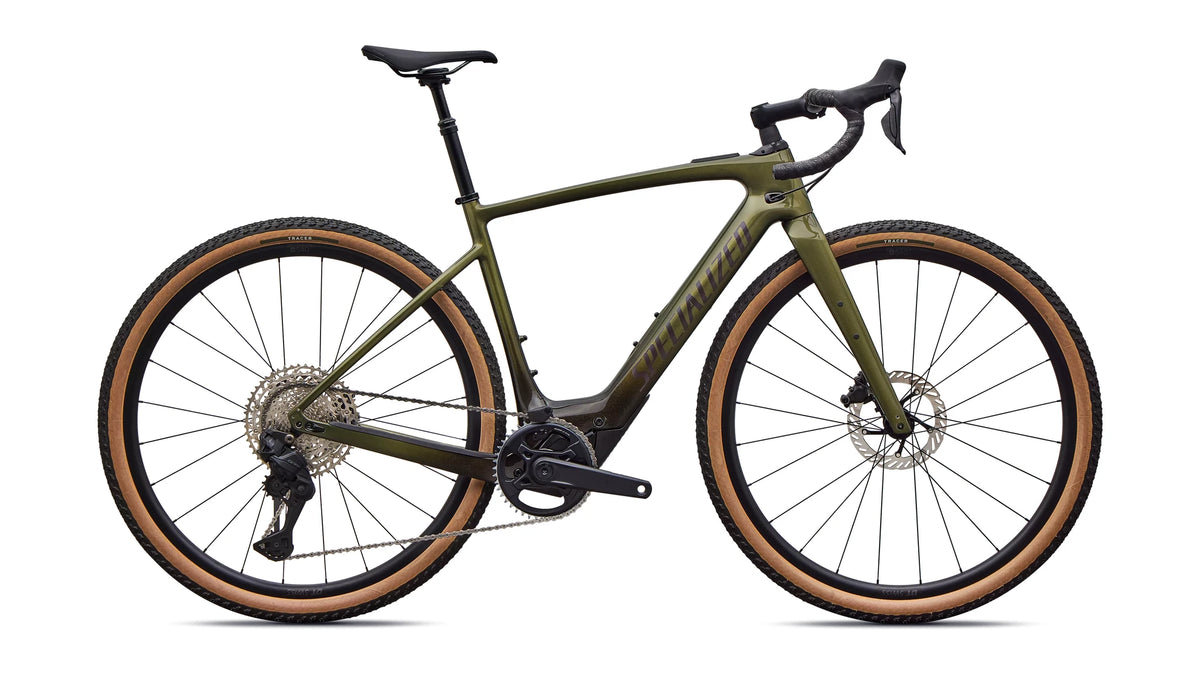


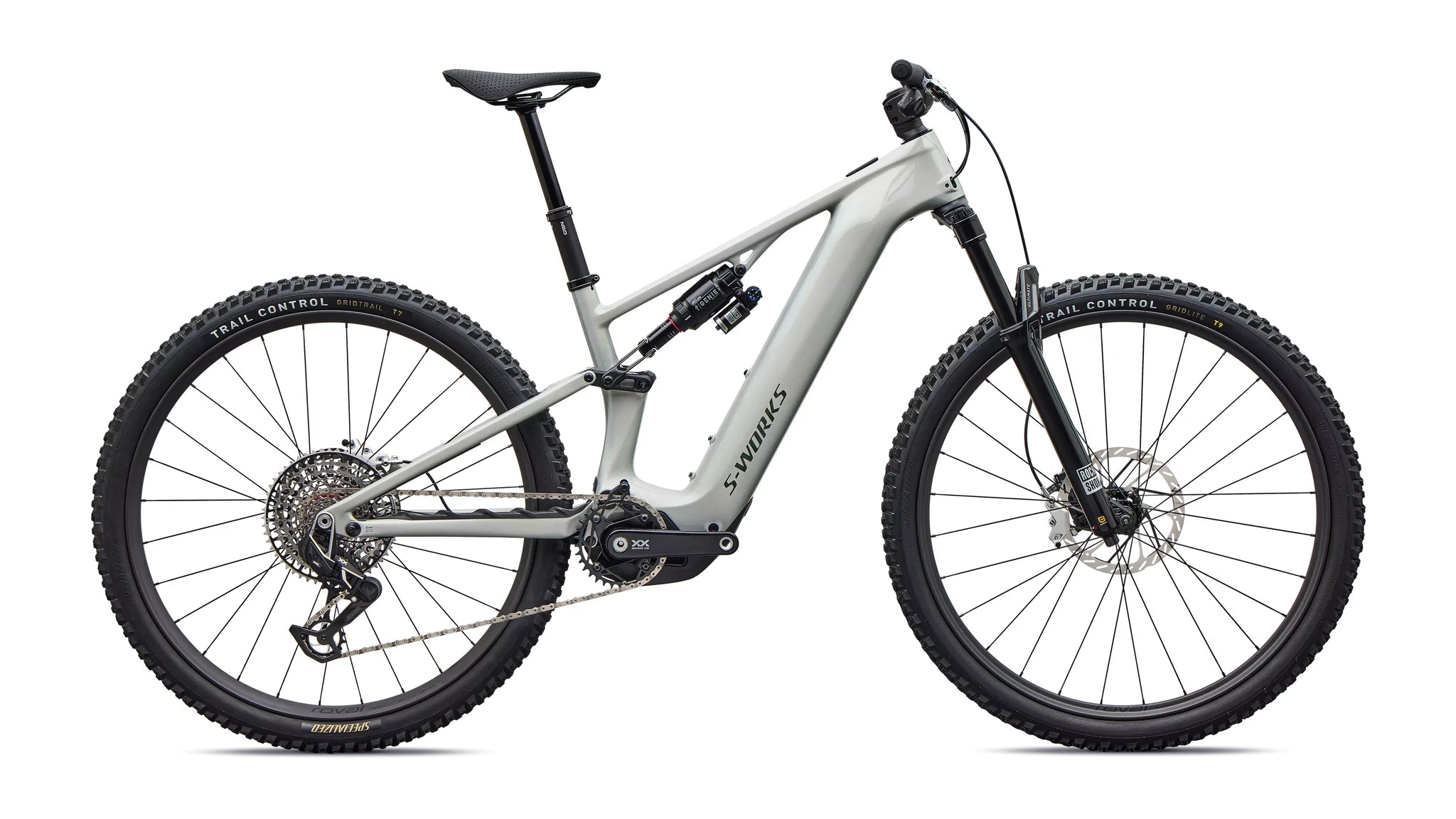
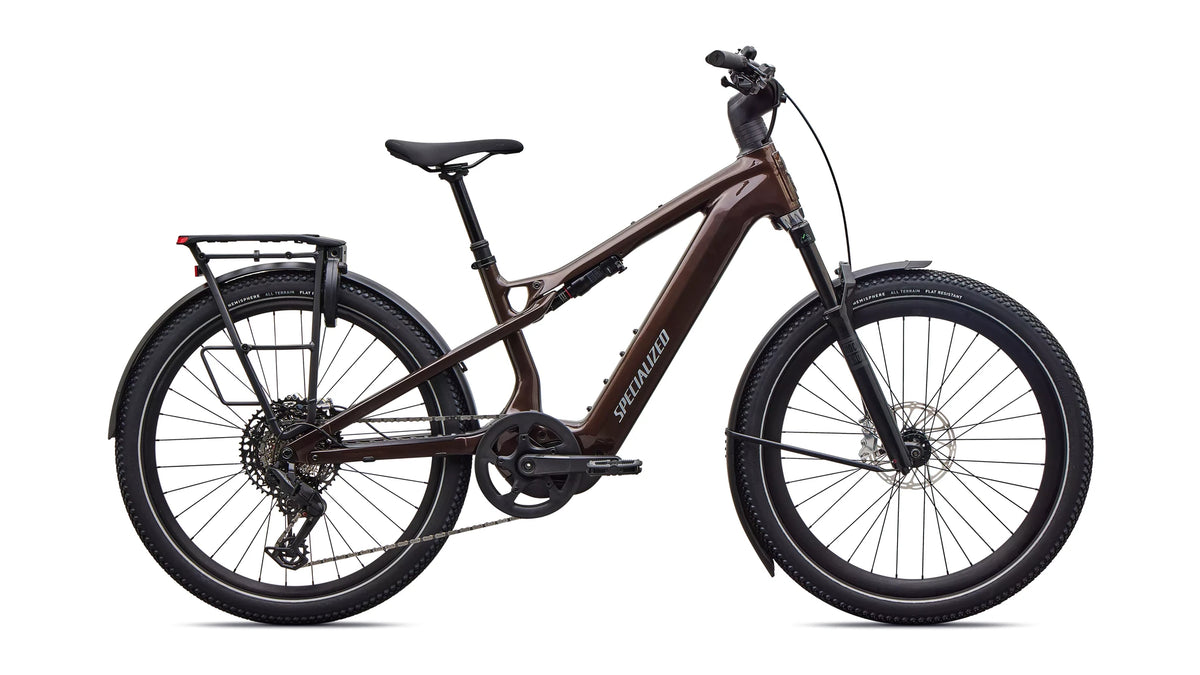
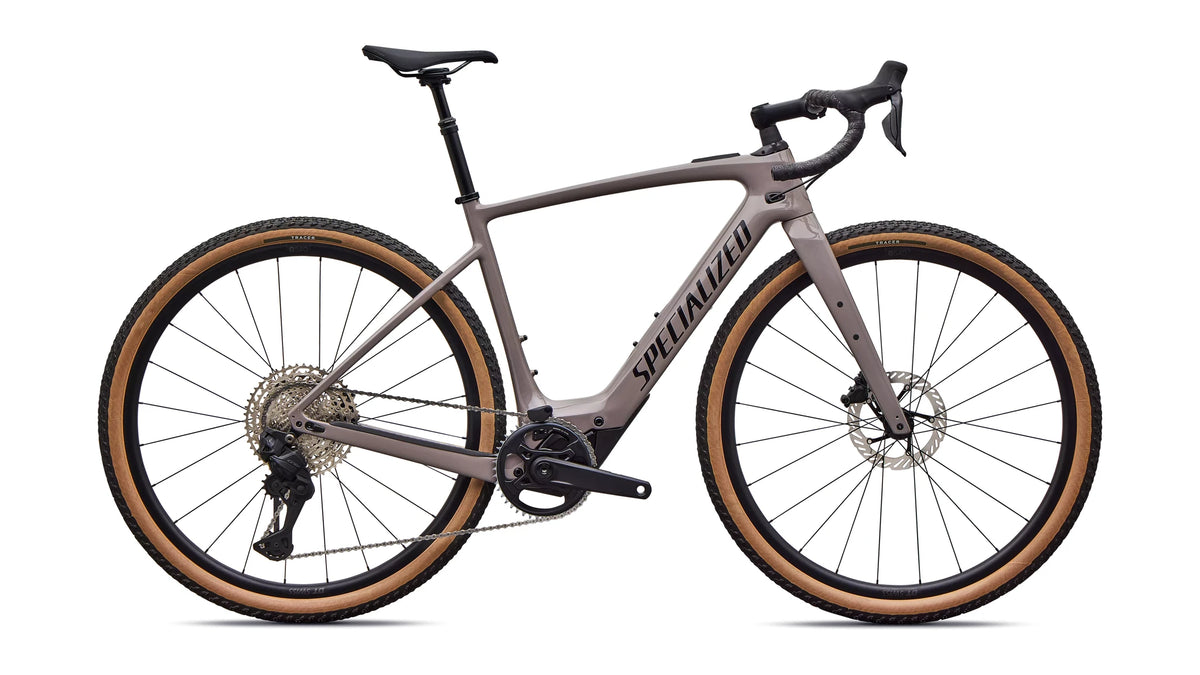


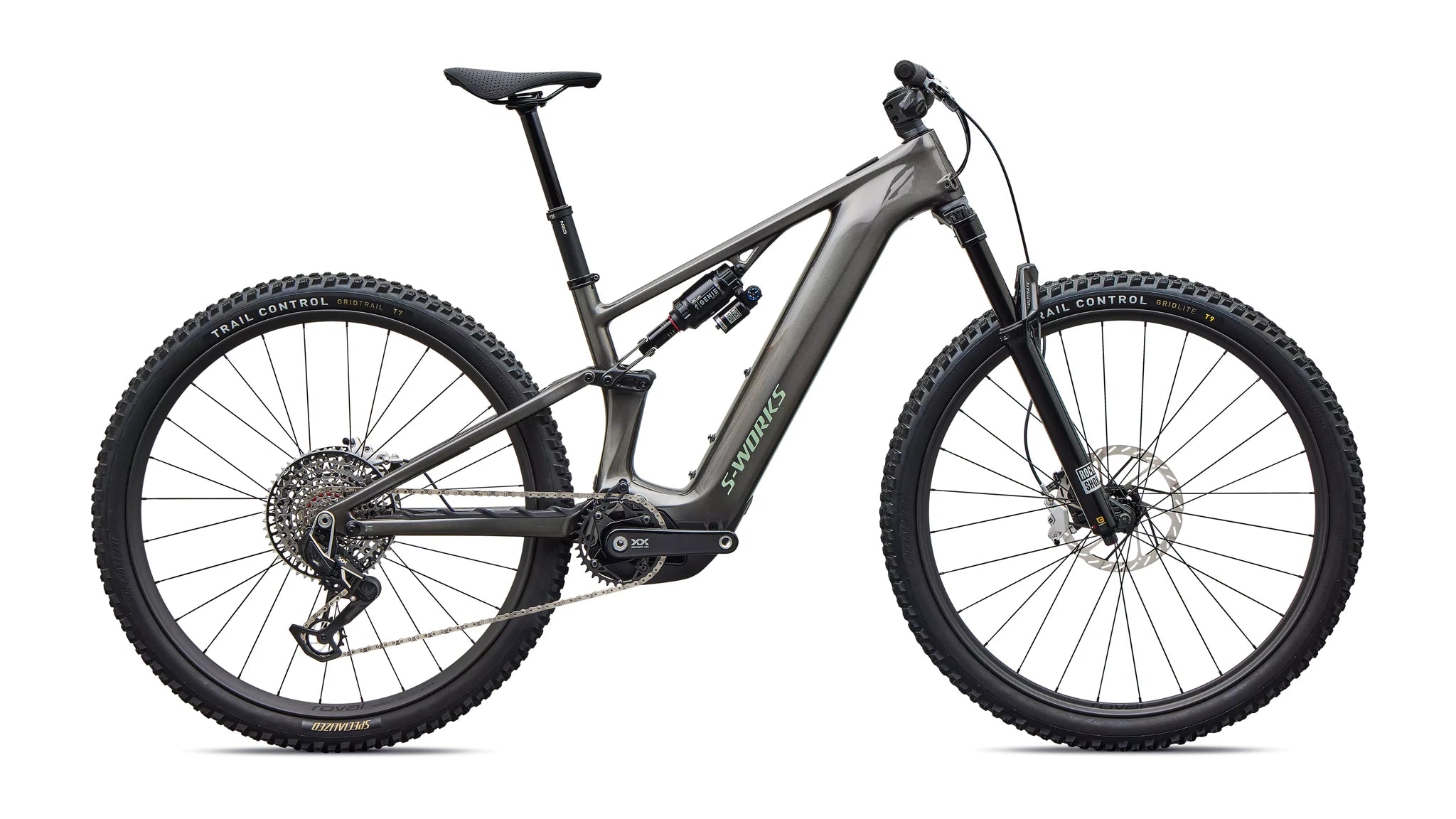


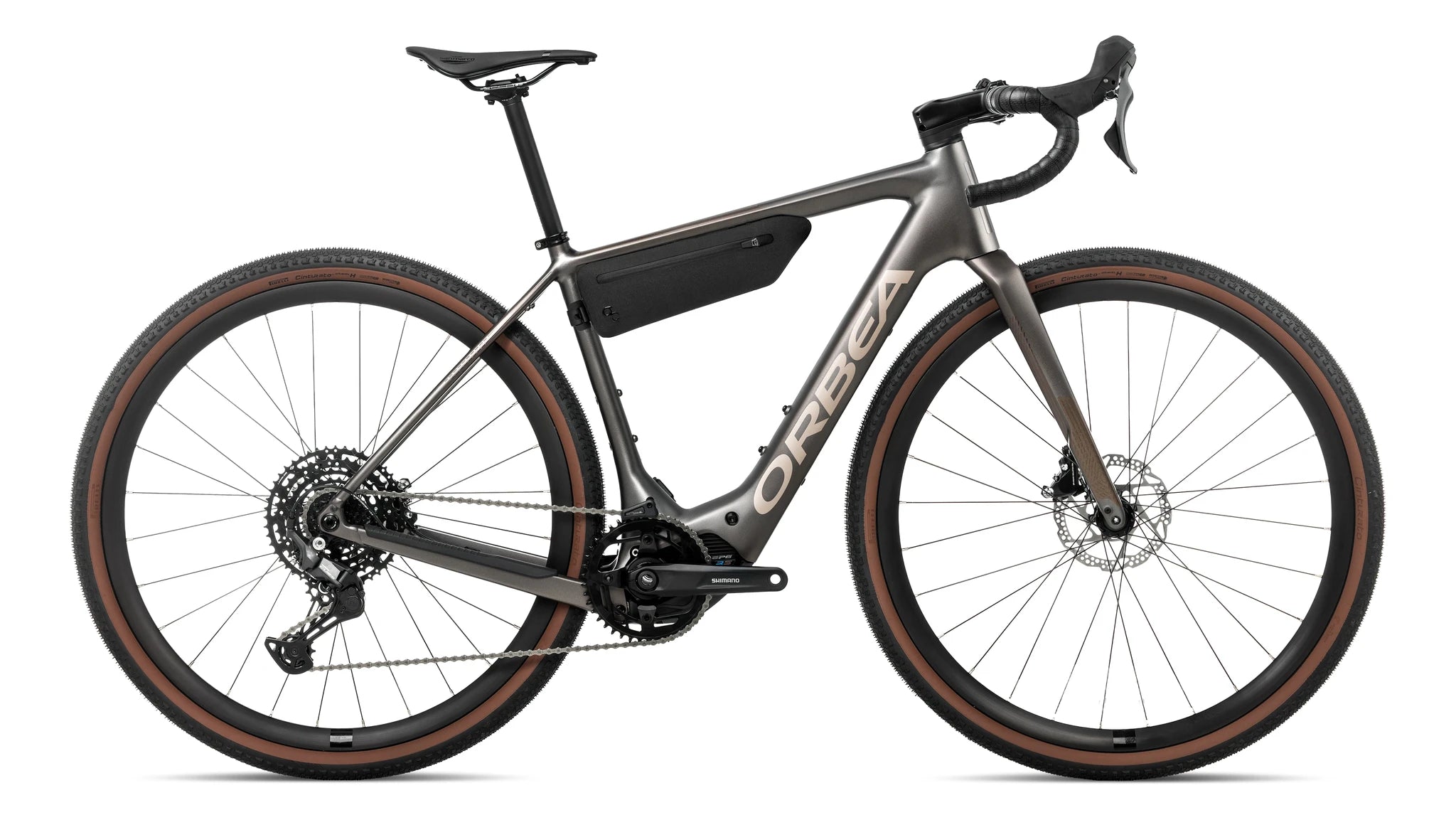
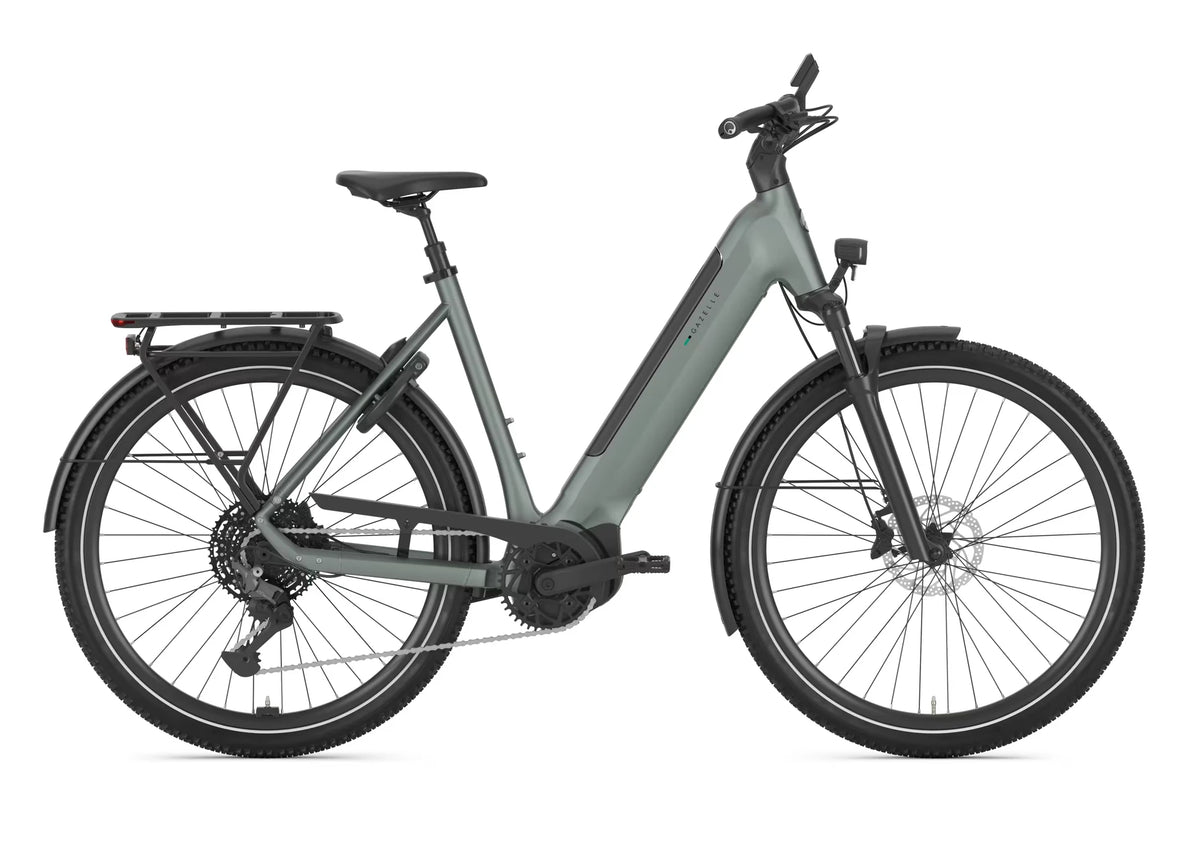


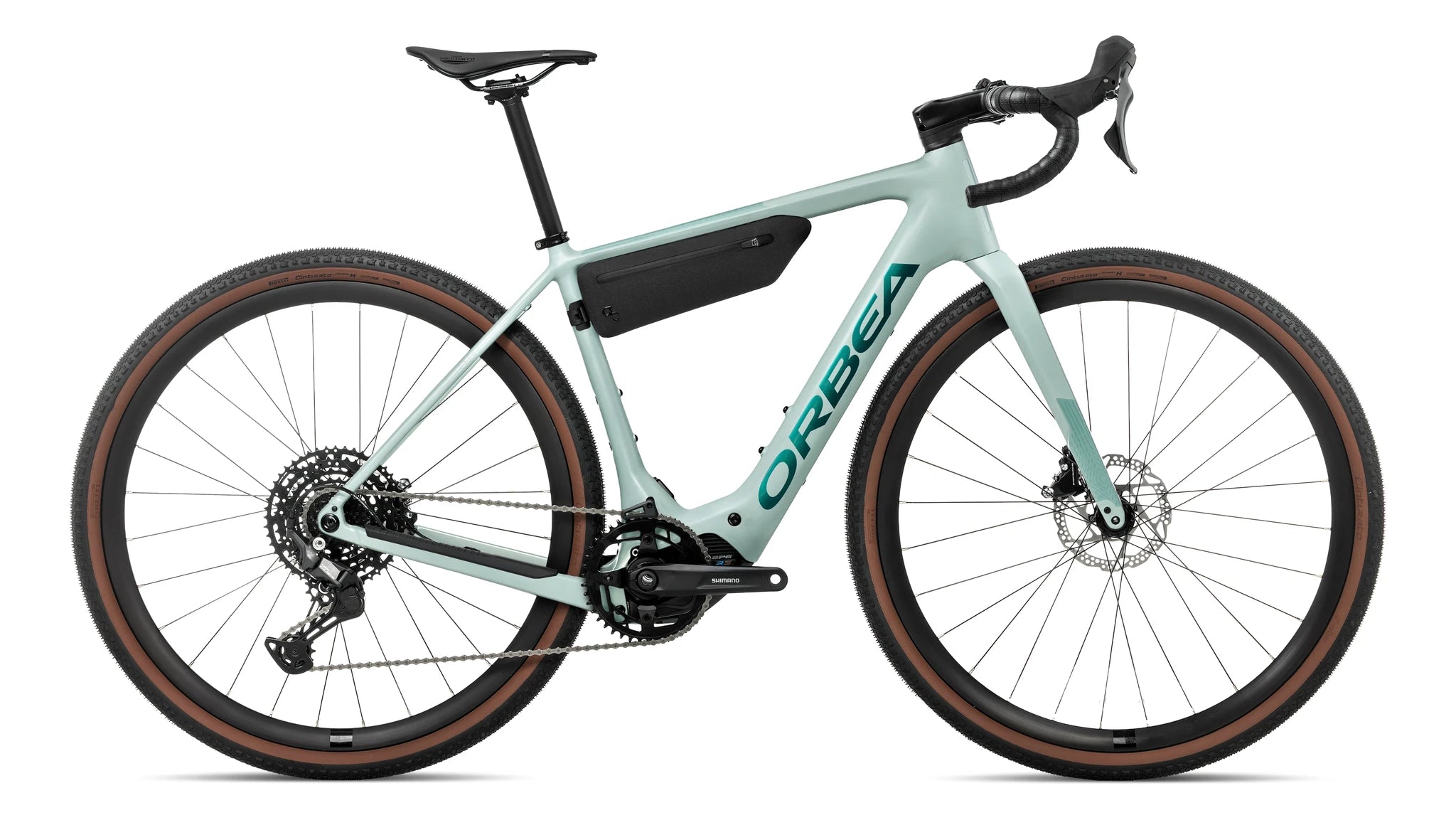
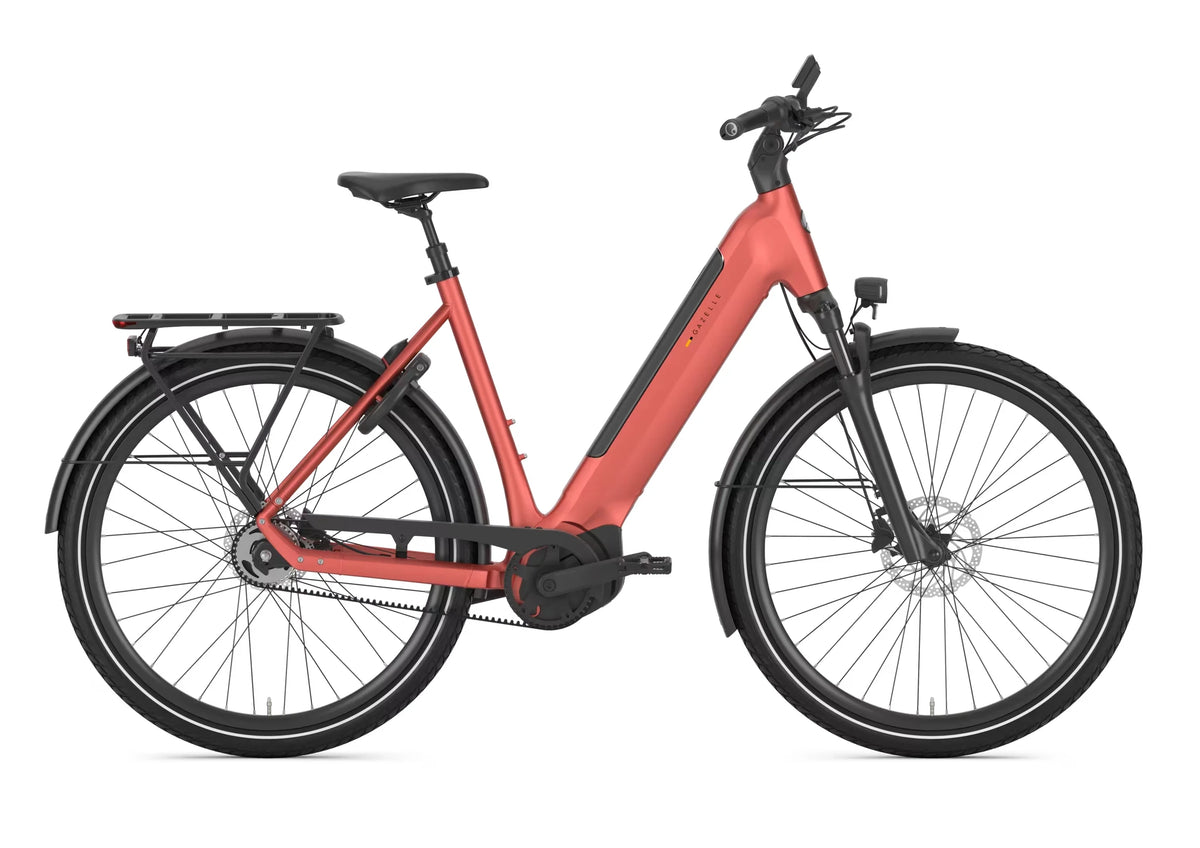


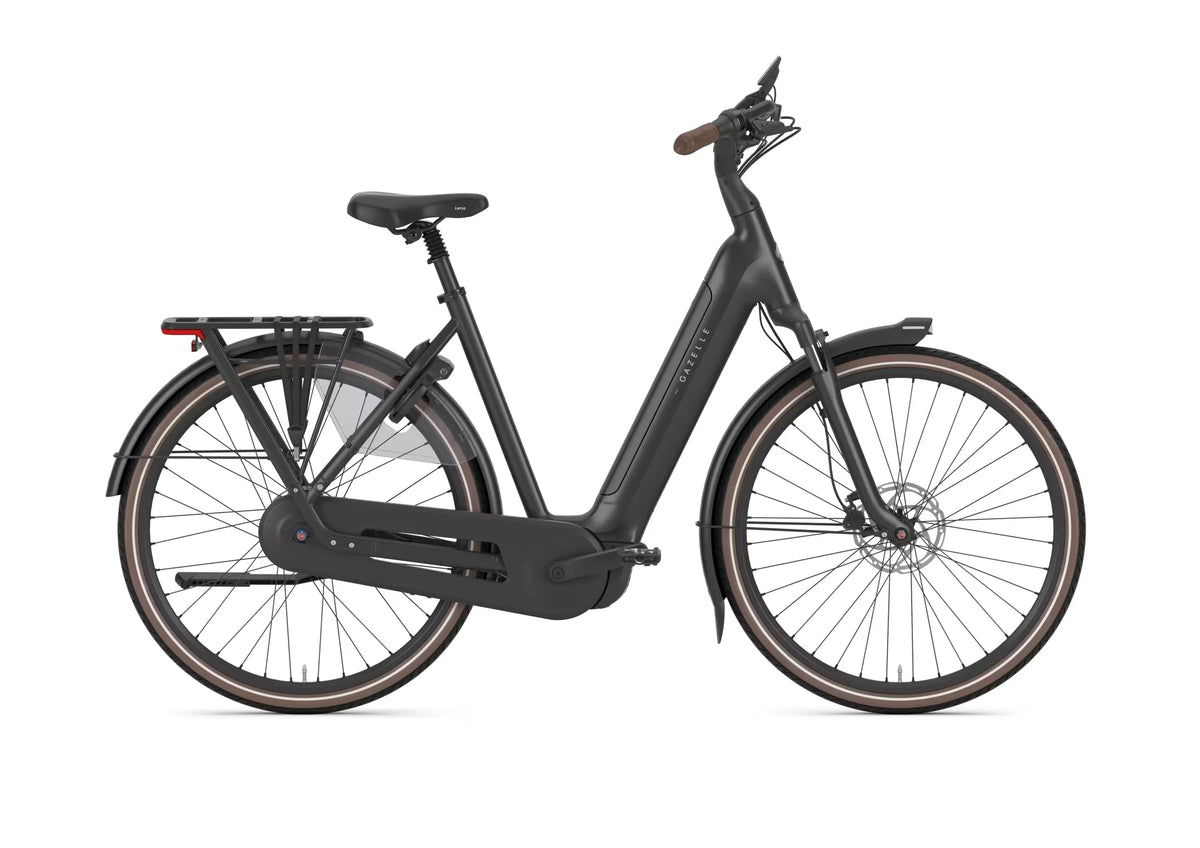


E-Bike Sale: Deals and discounts on brand-name bikes
An e-bike sale offers the opportunity to purchase a high-quality brand-name bike for significantly less. Often, it is last year's models, remaining stock, and bikes from discontinued series that are discounted. The technology is therefore not automatically outdated or inferior. Often, the models only differ from the current season's bikes in terms of color, individual components, or features.
In the sale, you will find e-bikes from manufacturers such as Cube, KTM, or Haibike, among others. Models with motors from Bosch, Shimano, and Yamaha are also regularly offered at a discount. Since popular frame sizes and equipment configurations can sell out quickly, it is worth making your selection early. However, the discount is not the only decisive factor. The motor, battery, brakes, frame size, and the condition of the stock item must all be suitable for your intended use.
Why are e-bikes often so heavily discounted during sales?
High e-bike discounts primarily arise due to model changes. Manufacturers regularly bring new colors, revised specifications, or further developed drive systems to the market. Dealers then need space for the new merchandise and reduce the price of the remaining bikes from the previous season. The lower price therefore does not necessarily say anything about the quality of the e-bike.
Another reason is inventory clearance. E-bikes take up a lot of space and tie up a comparatively high value in goods. Dealers therefore have an economic interest in not storing individual frame sizes, colors, and remaining stock over several seasons. Particularly significant price reductions often occur when only a few variants of a model series are still available.
The supply rhythms of the bicycle industry also influence prices. New models are often announced or delivered months before the actual start of the season. Trade fairs and product launches give dealers indications of which series will be replaced. The clearance sale can therefore begin even though the existing bikes are still technically up to date.
For brands like Cube, KTM, or Haibike, a model update does not consist of a complete redesign every year. Often, the paint job, gears, display, or suspension fork are changed. Frames, motor concepts, and basic geometry, however, often remain similar over several model years. This is exactly where interesting e-bike deals arise: the older bike serves the same purpose but costs less.
A significant price reduction can also be due to an unusual frame size, a less popular color, or specific equipment. A very small or large frame usually sells more slowly than a frequently requested medium size. If the bike fits your height and riding position, such surplus stock is not a disadvantage.
Before buying, you should still check what kind of offer it is. Brand-new stock differs from B-stock, a demo bike, or a used lease return. B-stock may have visual defects. Test bikes may have already been ridden for several kilometers. A reputable offer clearly describes the condition, mileage, and any potential signs of wear.
What should you look out for when buying an e-bike on sale?
A good discount only makes sense if the e-bike suits you technically and ergonomically. First, determine where you want to ride. Different requirements apply to short city trips than to daily commuting, long tours, or riding on steep forest trails. Then check the following points.
- Choose the appropriate frame size. A frame that is too large or too small can only be compensated for to a limited extent by adjusting the saddle and handlebars. Use your height, inseam, and the manufacturer's specifications as a guide. A test ride will show whether your riding position, stand-over height, and reach to the handlebars are suitable.
- Check the battery capacity. For city riding and shorter trips, 400 to 500 Wh may be sufficient. If you regularly go on longer tours, tackle many meters of elevation, or use the bike daily, at least 500 Wh is advisable. A higher capacity provides more range, but often increases weight and price.
- Pay attention to the age of the battery. For brand-new stock, the dealer should be able to provide information about storage, state of charge, and functionality tests. A battery ages even without intensive use. Long periods of storage at very high or very low charge levels can impair its capacity.
- For used bikes and demo bikes, ask about charge cycles and remaining capacity. A diagnostic report can provide indications of the condition. The displayed mileage alone is not enough to evaluate the battery.
- Prefer a mid-motor for hilly routes, tours, and frequent use. Its position at the bottom bracket ensures balanced weight distribution. A hub motor may be sufficient for flat city routes, but can sometimes be more cumbersome to handle when changing a tire or repairing the driven wheel.
- Check the motor's torque. For mostly flat paths, moderate torque is often sufficient. On inclines, when carrying a heavy load, or with an e-mountain bike, a more powerful motor offers noticeable advantages. However, more Newton meters are not automatically better if you only ride short distances in the city.
- Look for hydraulic disc brakes. They are generally easy to modulate and offer sufficient braking power even for a heavier e-bike. For stock items, check whether the brakes grip cleanly and whether there is any corrosion or damage to the discs or lines.
- Compare the gear system with your intended use. A wide gear range helps on steep climbs. For flat, everyday routes, a simpler derailleur or hub gear may suffice. Wear parts should remain available even after the model has been discontinued.
- Check the permissible total weight. This includes the weight of the e-bike, rider, luggage, and accessories. This point is important if you transport heavy bags, use a child seat, or have a higher body weight yourself.
- Check the tires. Cracks, porous sidewalls, or deformations can occur due to long-term storage. Even on an unused bike, the tires should be checked for condition and air pressure before delivery.
- Ask about available software updates for the motor, display, and battery. An older model may be in perfect technical condition but should be delivered with current software. Also, have it explained to you which app or diagnostic platform is compatible with the system.
- Check the availability of spare parts. This includes the battery, charger, display, control unit, speed sensor, and motor cover. With established drive systems, supply is often easier than with less common import solutions.
- Clarify the scope of delivery. Charger, battery key, manual, and, if applicable, the battery tool belong with the bike. For a demo bike, it should also be documented whether any components have been replaced.
- Compare the sale price with the actual market price. The recommended retail price may be significantly higher than the price at which the model was last offered regularly. The decisive factor is the real savings compared to comparable bikes with similar motor, battery, and brake systems.
When purchasing online, you should pay particularly close attention to frame size, return conditions, and assembly status before ordering. Some e-bikes are delivered almost ready to ride, while others require the handlebars, pedals, or front wheel to be assembled. After assembly, it is advisable to check the brakes, gears, and screw connections.
Is it worth buying a previous year's e-bike model?
Discontinued e-bike models can be worth it if the technical specifications suit your intended use and the supply of spare parts is guaranteed. A new model year does not automatically mean that the motor, battery, and frame have been fundamentally changed. Some manufacturers simply adjust colors or individual components. In such cases, the price difference can be greater than the practical difference.
| Criterion | Previous Year's Model | Current Season |
|---|---|---|
| Price | Often significantly reduced, especially for individual sizes and remaining stock | Usually lower discounts and based on the current recommended retail price |
| Availability | Limited selection of sizes, colors, and features | Wider selection at the start of the season, subject to supply status |
| Motor and battery | Often proven systems, partly from an older system generation | Latest displays, batteries, software functions or interfaces possible |
| Components | Partially older drivetrain, brakes or suspension fork | Current components and revised equipment variants |
| Color and design | Selection limited to existing variants | New paint finishes and current frame designs |
| Spare parts | Check before purchasing for battery, display, and control unit | Supply for newly introduced systems is usually planned for the long term |
| Resale | Older model year can influence the later selling price | Current at the time of purchase, but usually with a higher acquisition cost |
If you are looking for a reliable e-bike for everyday use and leisure and do not have a specific color preference, last year's model is often the more economical choice. This is especially true if the motor and battery are still being used in current or widely available product lines. The less expensive paint job or a drivetrain from the previous generation often has little impact on everyday riding.
The current model is more worthwhile if the manufacturer has fundamentally overhauled the platform. This can include a new smart system, a significantly larger battery capacity, a modified frame geometry, or new connectivity features. Consider whether you will actually use these features. Smartphone integration or navigation only justifies the price premium if it is relevant to your rides.
For e-mountain bikes and trekking bikes used for sport, changes to the suspension, brakes, and geometry can have a greater impact. For short city trips, however, minor technical differences between two model years are usually less important. Here, factors such as riding position, maintenance requirements, and available battery capacity are more decisive.
A simple decision-making aid is as follows: If the discounted bike fits, offers the desired range, and is based on a common drive system, last year's model is usually a good deal. If the new model introduces a technical change that is important to you, you should weigh the additional cost against the specific benefits.
Which motor is reliable for affordable e-bikes?
The reliability of an e-bike motor does not depend solely on the manufacturer. Maintenance, operating conditions, software version, and the availability of a qualified service partner are also important. For an affordable e-bike, an established system often makes sense because diagnostic tools, spare parts, and workshops are easier to find.
Bosch drive systems are widely used in city, trekking, and e-mountain bikes. The Active Line Plus is suitable for city trips, leisure routes, and moderately hilly paths. It is an interesting option for casual riders and commuters who do not need particularly high support on steep inclines. The Performance Line offers more power and is suitable for longer tours, heavier loads, and more demanding routes.
When looking at discounted Bosch models, pay attention to the system generation. The motor, battery, display, and control unit must be compatible with each other. Older generations can still function reliably, but they cannot always be combined with components from a newer system. Therefore, before buying, check which replacement battery is intended for the specific bike.
Shimano Steps is used in many city, trekking, and mountain bikes. Depending on the series, the range extends from lightweight everyday drives to powerful motors for sporty routes. A Shimano system can be an interesting option during a sale if a dealer near you offers diagnostics and service. Here, too, check whether the battery and display are available for the respective generation.
Yamaha motors are considered a proven option for everyday, trekking, and sporty e-bikes. They are often highly responsive and, depending on the model, provide sufficient torque for inclines. With a sale model, you should clarify who will handle maintenance and diagnostics. The decisive factor is not just the name on the motor, but the service network for the entire bike.
If you only ride occasionally on flat paths, you do not need a particularly powerful drive. A moderate mid-drive motor often reduces the price and, with an adapted riding style, is easier on the battery. For daily commuting, you should pay more attention to the availability of workshops, chargers, and replacement batteries. A widely used system can be more practical here than a powerful but rare drive.
For long tours and hilly routes, torque, battery capacity, and gear ratio must be considered together. A powerful motor with a small battery can quickly limit range when using high assistance levels. A well-balanced trekking bike with suitable gearing and at least 500 Wh is more sensible for many touring riders than a motor with the highest possible power rating.
Caution is advised with very inexpensive e-bikes featuring lesser-known drive systems. The motor may work fine at first, but a matching display or replacement battery may be difficult to obtain later on. Before buying, ask which workshop handles repairs and how long the dealer can supply components.
When is the best time for e-bike deals?
Many e-bike deals appear between August and October. During this time, retailers often begin clearing out the current season's inventory to make room for announced models. The selection is usually still greater in late summer than in winter. However, popular frame sizes can sell out early.
In winter, the demand for bicycles drops in many places. Retailers then sometimes reduce remaining stock. Those who are flexible regarding color and specifications can find an attractive offer. However, a test ride can be more difficult in bad weather. Therefore, schedule an appointment in advance or check if a covered testing area is available.
Promotional days like Black Friday can also provide additional discounts. Compare the final price and specifications instead of just focusing on the stated percentage. Some offers are reduced before the promotional day and then simply re-advertised.
The right time to buy also depends on your priorities. If you are looking for a specific size, engine, and color, early end-of-season sales usually offer the better selection. If the lowest price is more important and you are flexible regarding the specifications, remaining stock in winter can be interesting.
Frequently asked questions about buying discounted e-bikes
When is the best time to buy an e-bike at a good price?
Good deals are frequently available between August and October as well as during the winter months. In late summer, many retailers begin clearing out older model lines. In winter, lower demand can lead to further price reductions. E-bike discounts are also offered around Black Friday. Always check the actual market price, as a high discount figure alone does not guarantee a good deal.
How much does a replacement battery cost for an older sale model?
Depending on the manufacturer, capacity, and design, a new replacement battery often costs around 400 to 900 euros. Batteries with a high watt-hour capacity are usually more expensive. For integrated batteries, additional costs may arise for installation, mounts, or covers. Before purchasing an e-bike, check whether the appropriate original battery is still available and which compatible alternatives the manufacturer approves.
Does the full warranty also apply to discounted e-bikes on sale?
A reduced price does not fundamentally override your statutory rights regarding defects. For brand-new merchandise, the warranty terms agreed upon for the purchase apply even if the bike was offered in a sale. A manufacturer's warranty is an additional, voluntary service. Its scope, duration, and conditions are determined by the respective manufacturer's specifications. For B-stock, demo bikes, or used e-bikes, you should verify the condition and any deviating terms in writing before purchasing.
Can I also lease or finance e-bikes from the sale?
Many specialist retailers also offer leasing or financing for discounted models. Whether a specific sale bike is eligible depends on the retailer, the leasing provider, and the individual offer. A credit check remains standard for financing. For company bike leasing, the reduced sale price, any potential service packages, and the terms for accessories should be checked before signing the contract.
Du kannst deine Einstellungen jederzeit anpassen, um den vollen Funktionsumfang unserer Website zu nutzen.
Cookie-Einstellungen bearbeitenWir helfen Dir gerne weiter!

Live-Chat
Telefon
Telefon
Telefonzeiten:
Mo. - Fr. 10:00 - 13:30 & 14:30 - 18:00 Uhr
Sa. 10:00 - 14:00 Uhr
Telefon:
+49 2961 914 886 9
Kontaktformular
Kontaktformular
Außerhalb der Chat- und Telefonzeiten kannst Du uns Dein Anliegen über das Kontaktformular mitteilen.
E-Mail
Schreib uns einfach eine E-Mail an verkauf@liquid-life.de und wir werden Dir so schnell wie möglich antworten. Bitte hab Verständnis, dass es aufgrund der chronologischen Bearbeitung zu kleinen Verzögerungen kommen kann.
Bikeberater
Bonusprogramm