


GRAVEL BIKES
Your bike for any terrain:
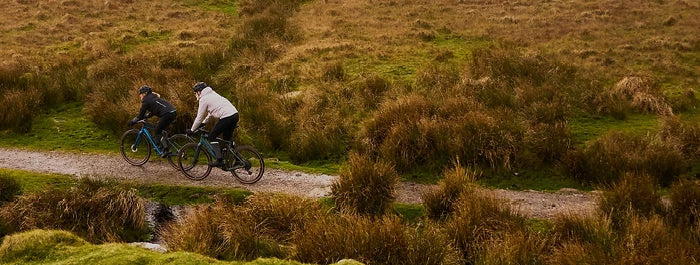
Gravel bike for adventures, racing, and everyday use.
Filters
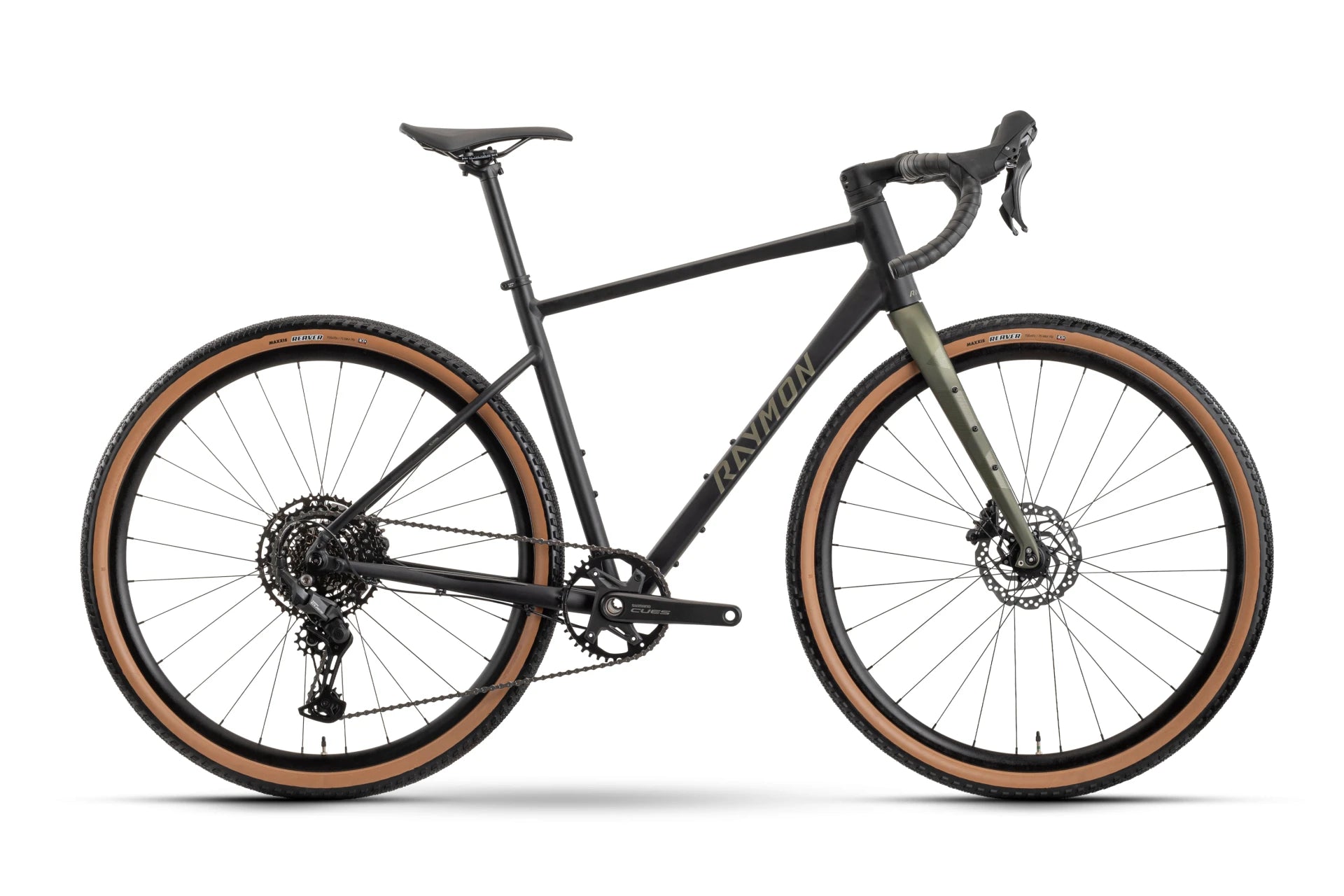

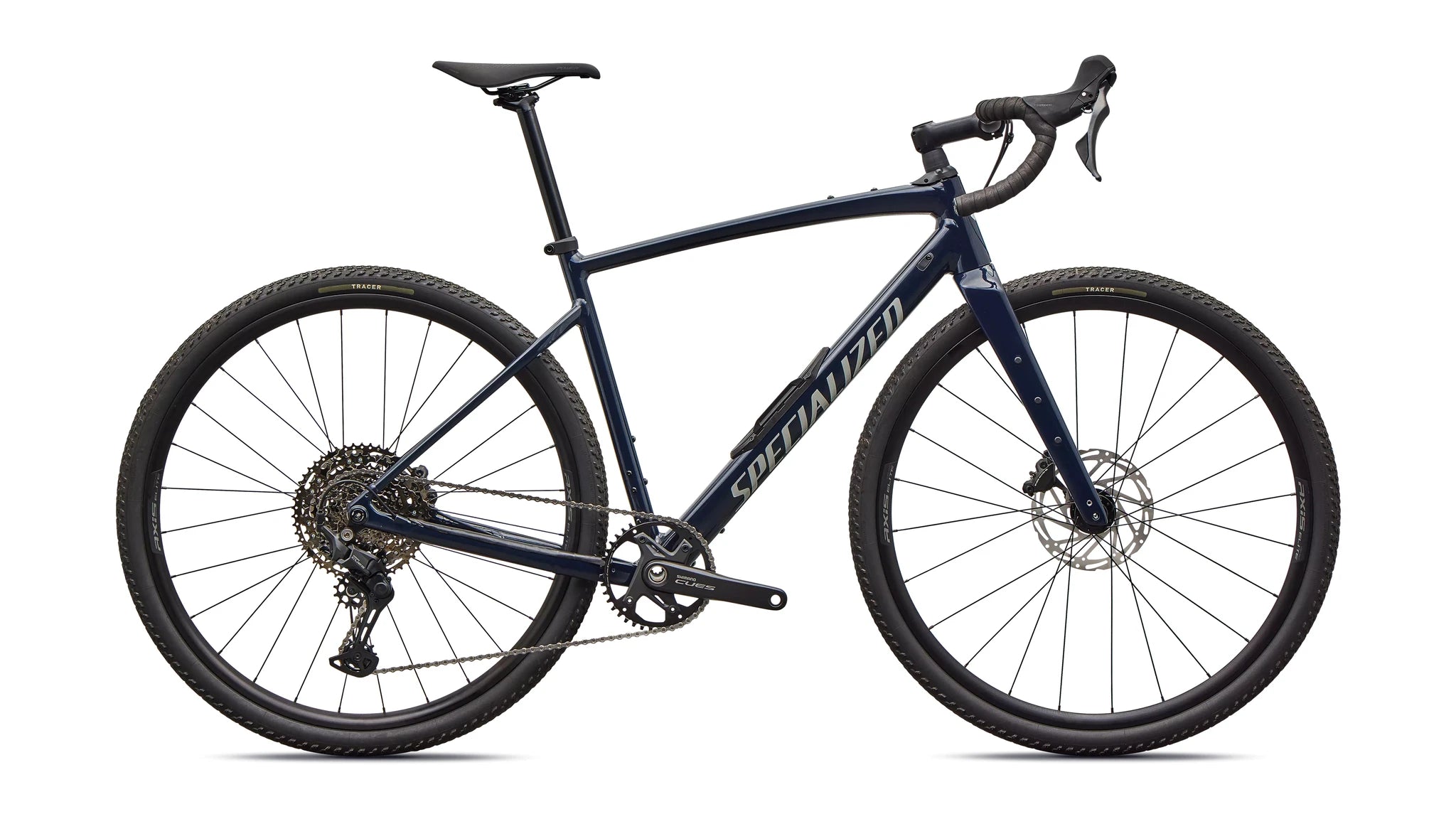
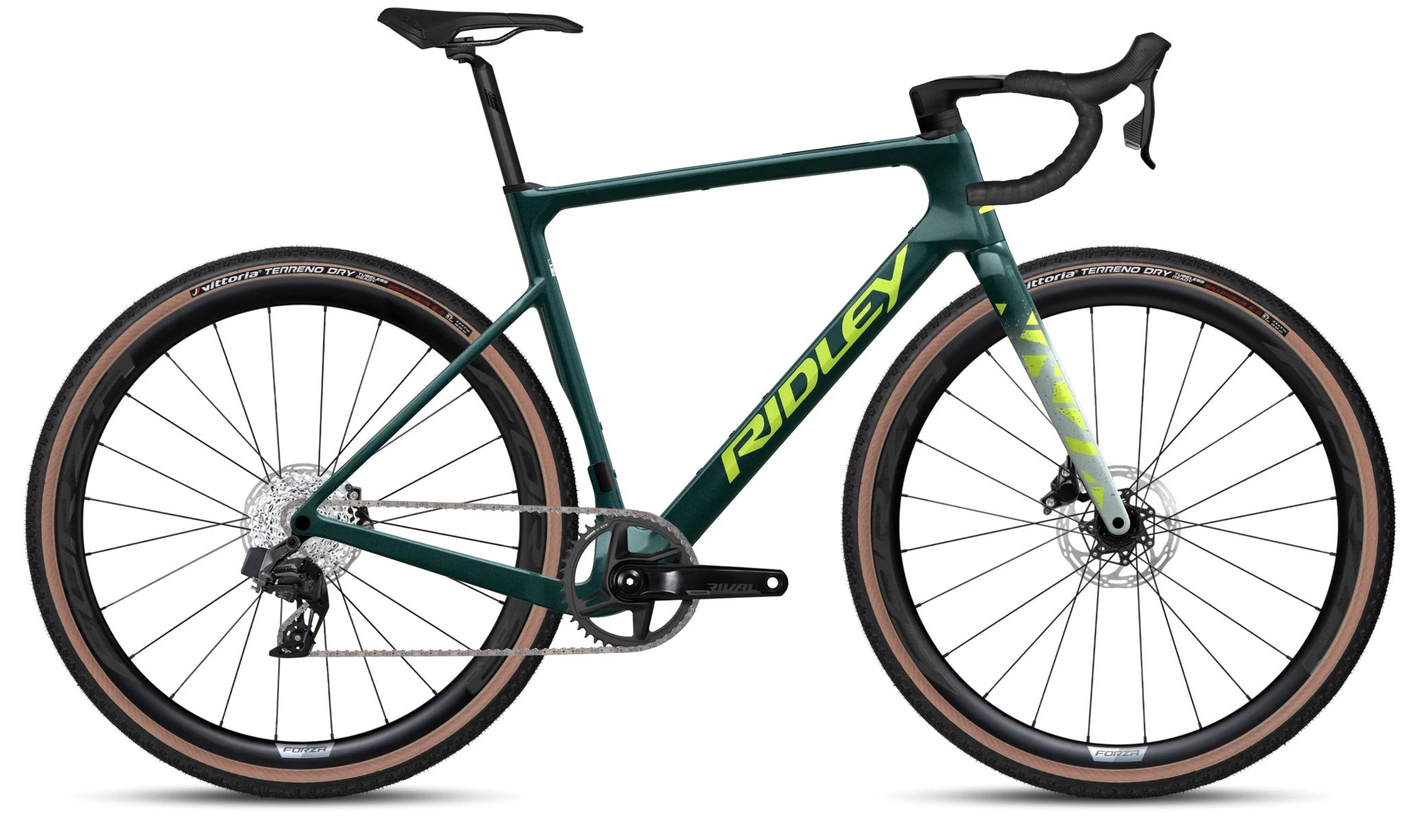


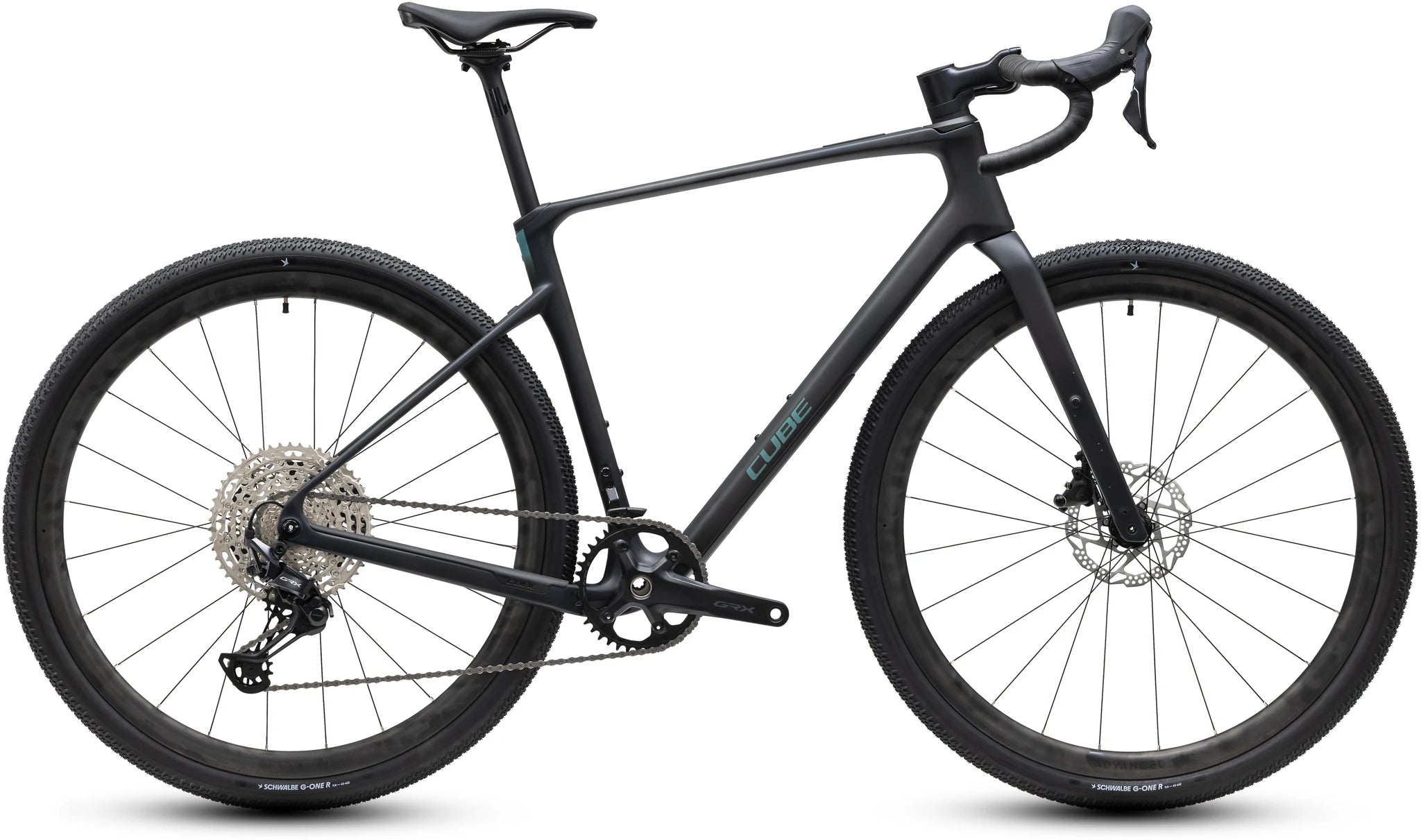


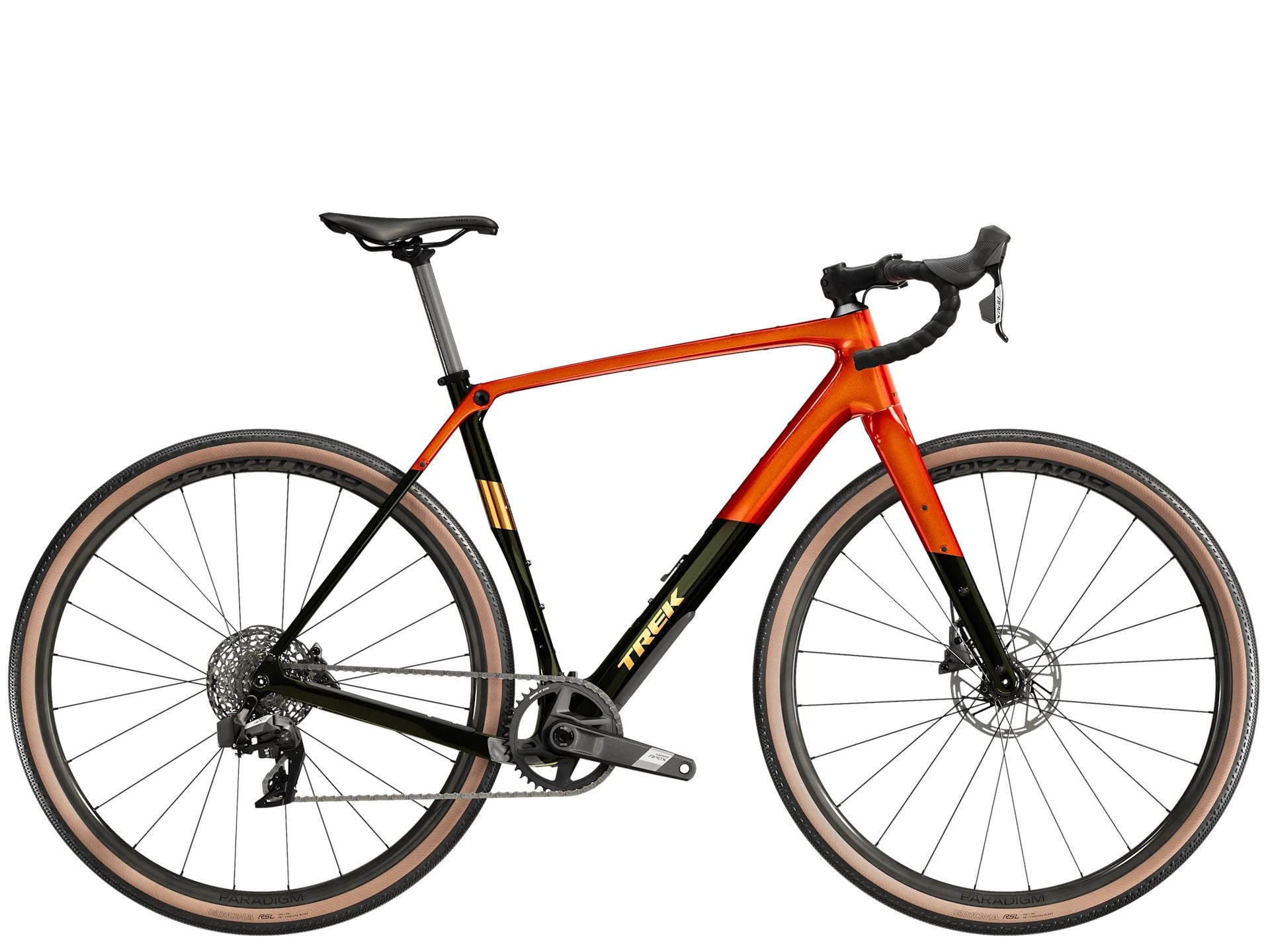
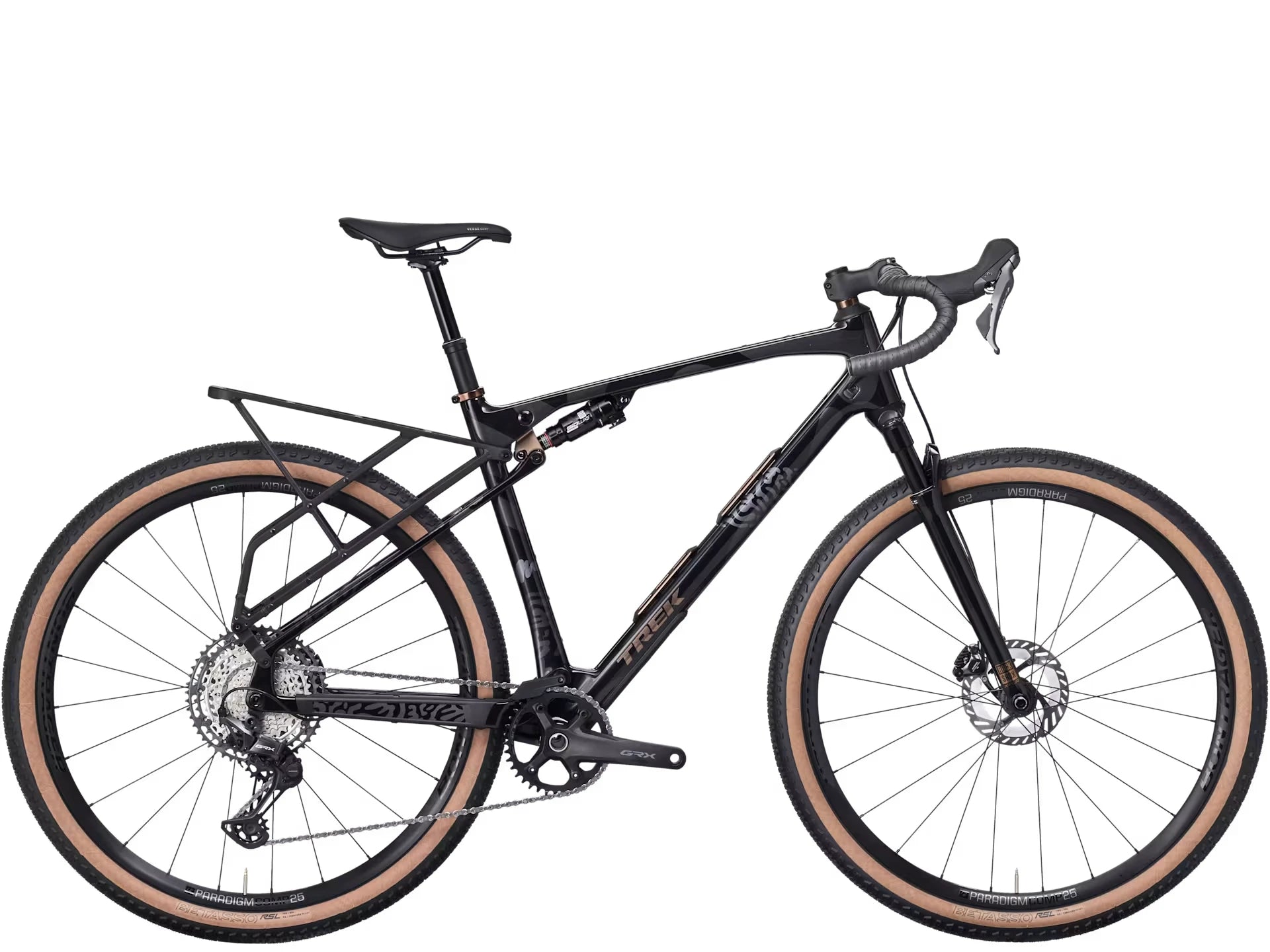
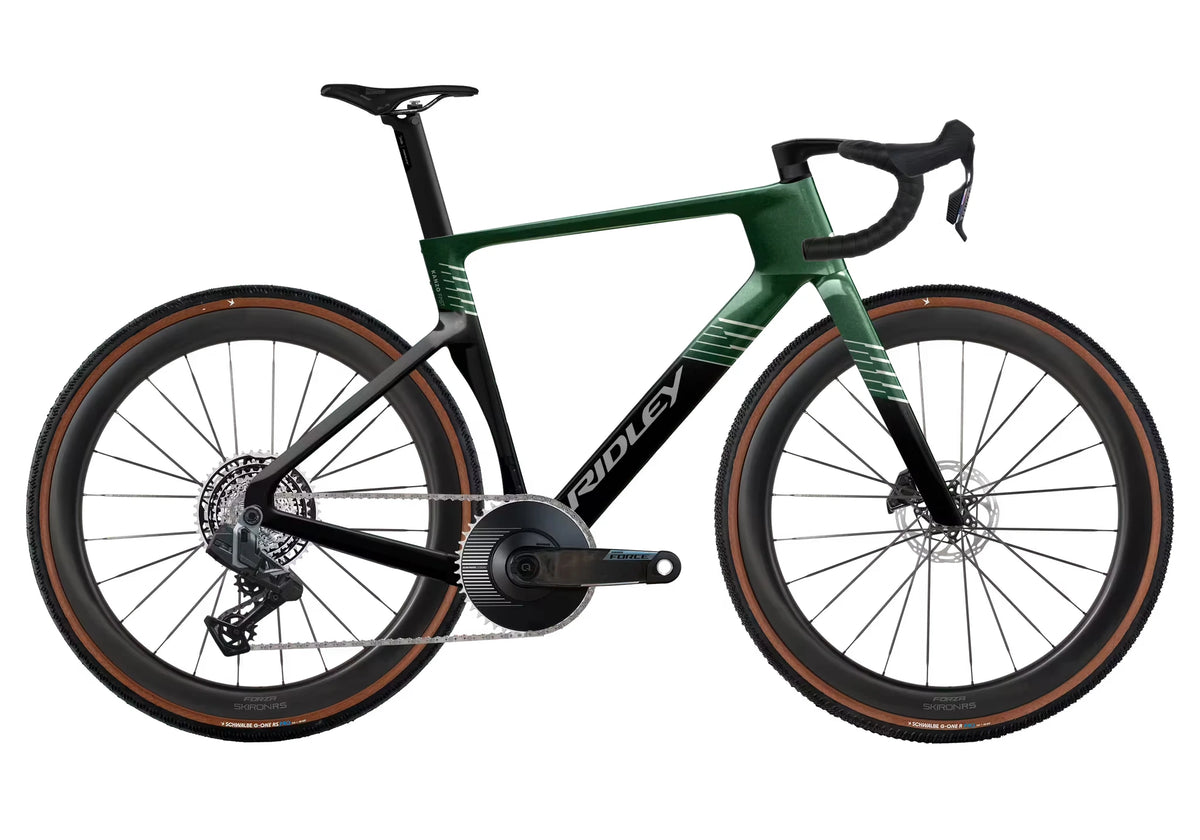

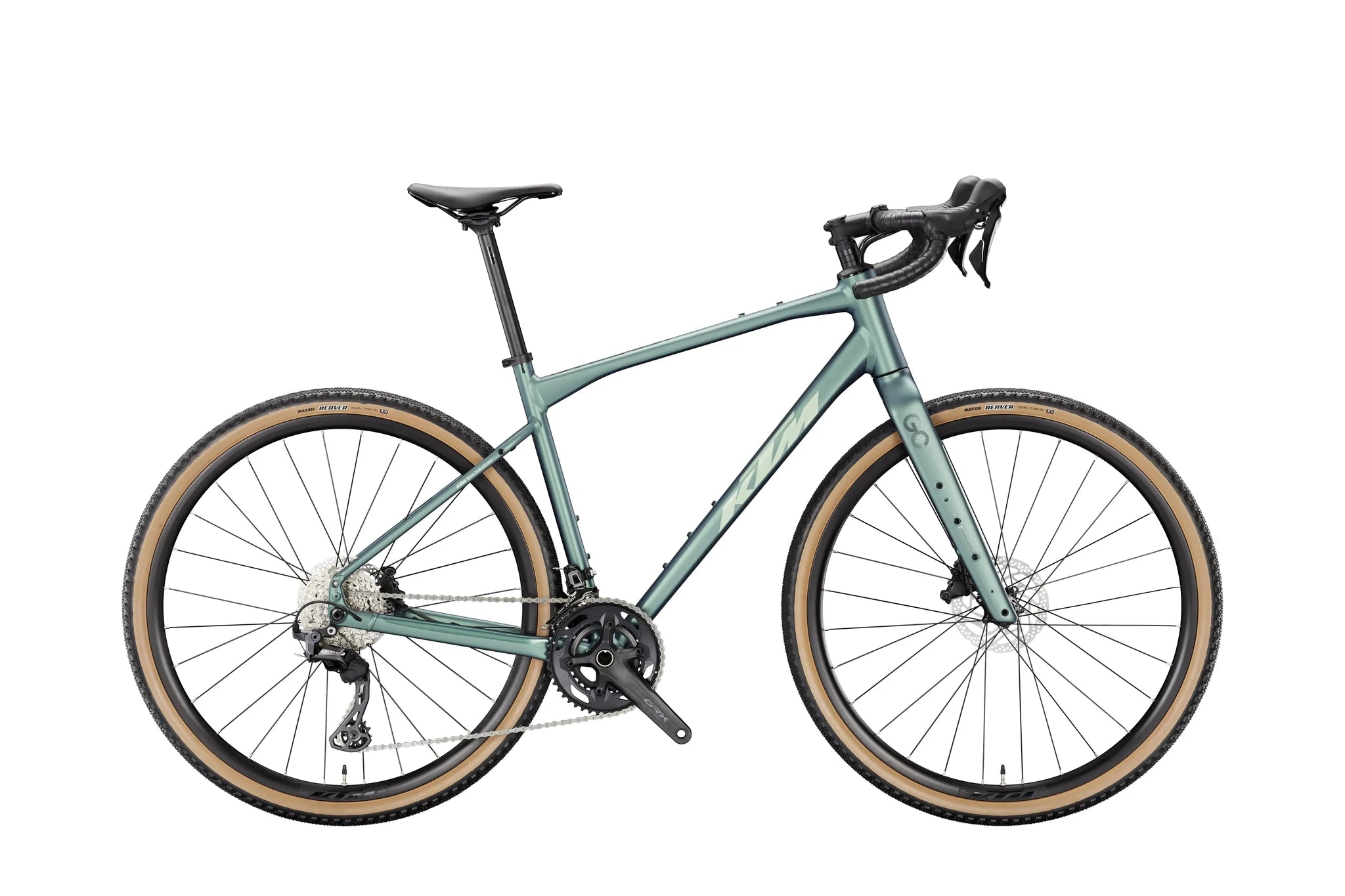
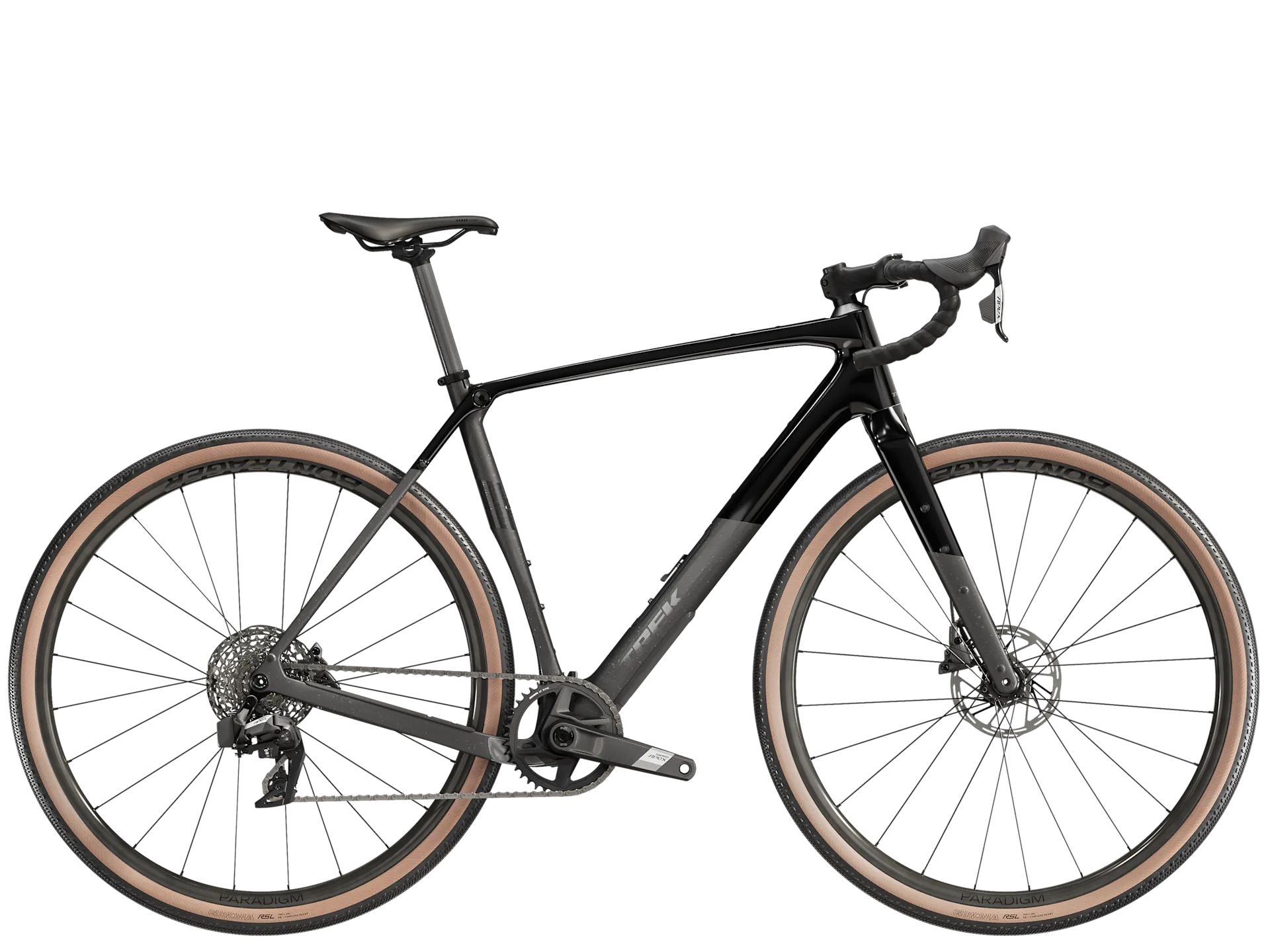
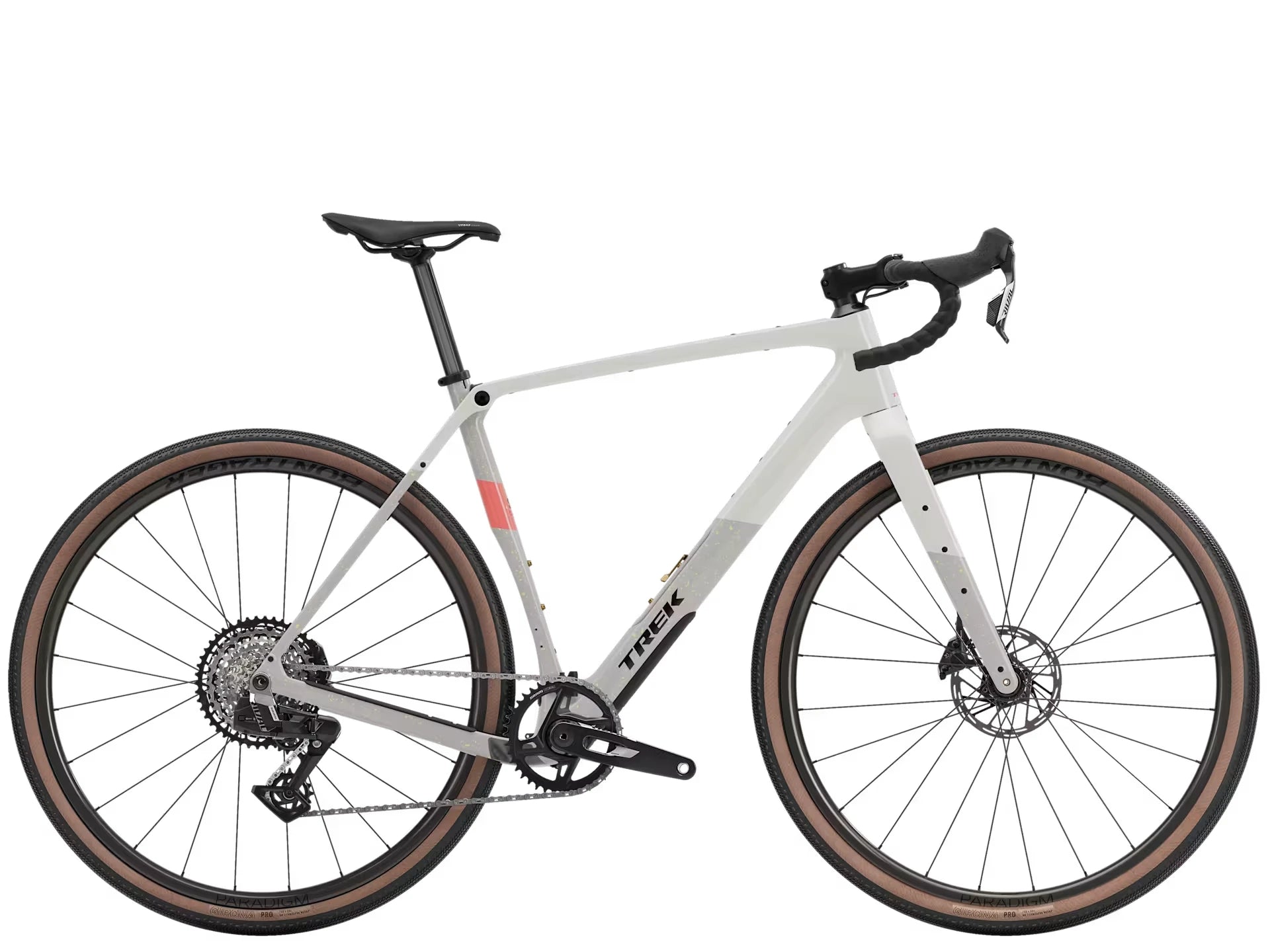

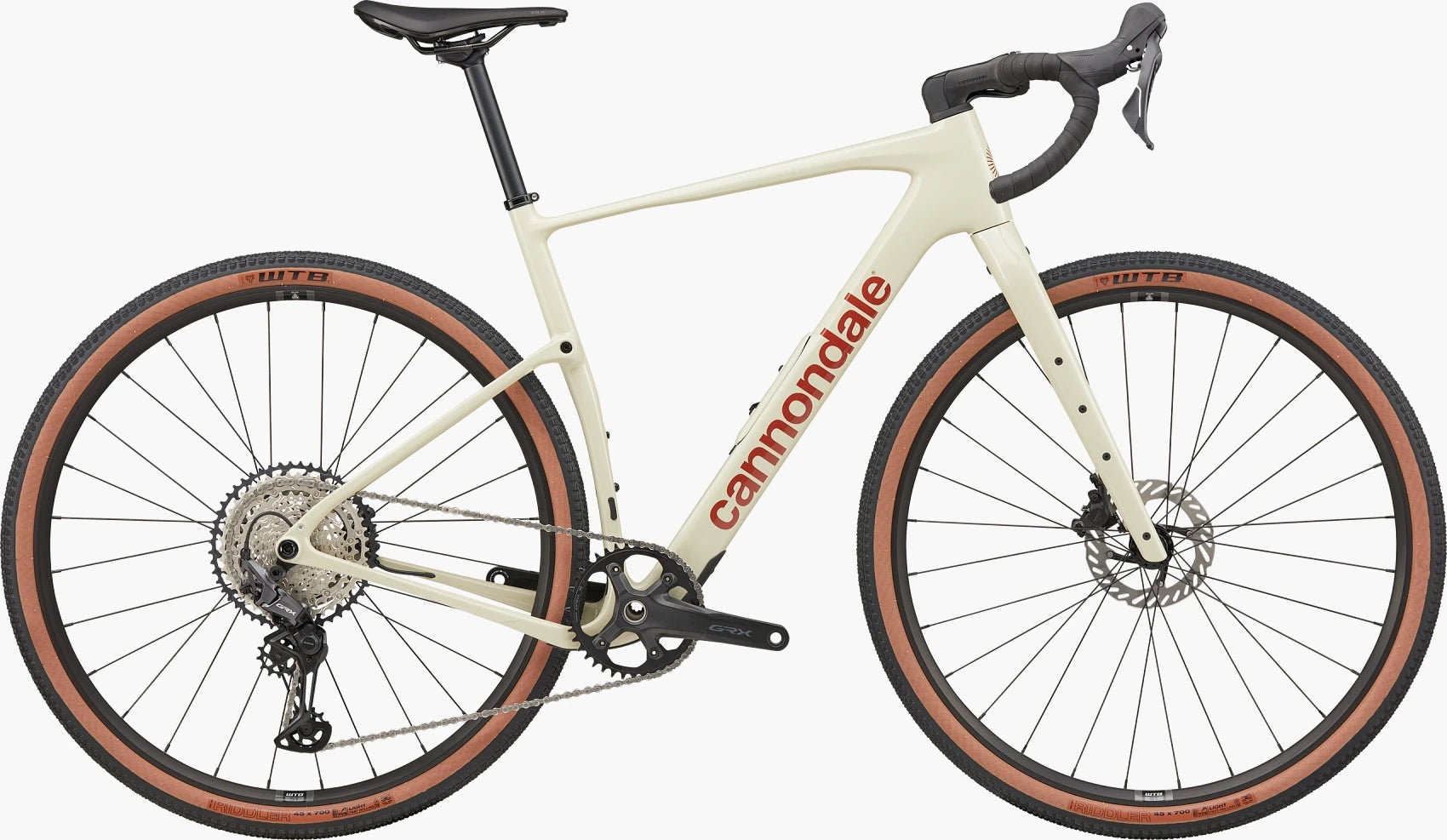
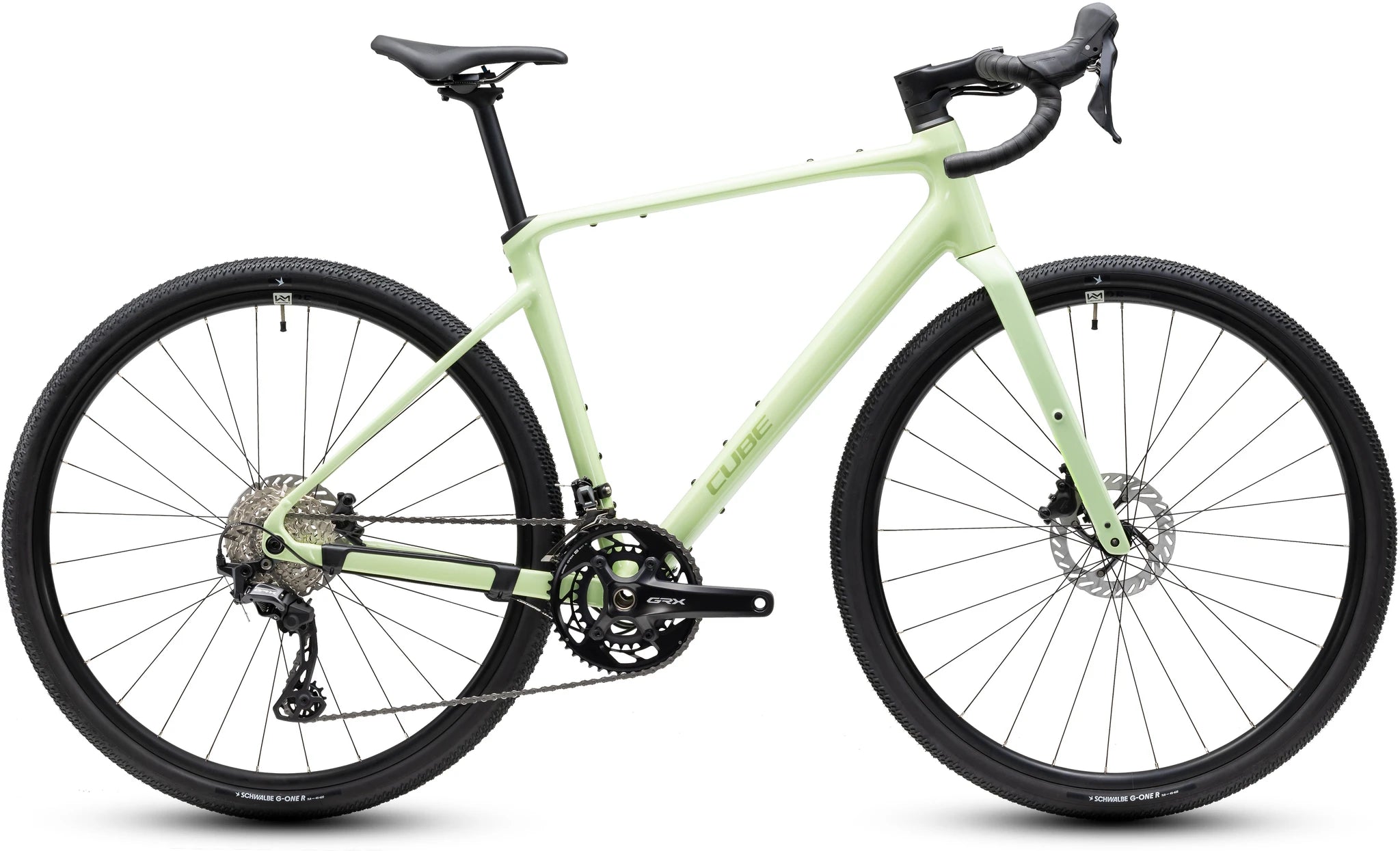
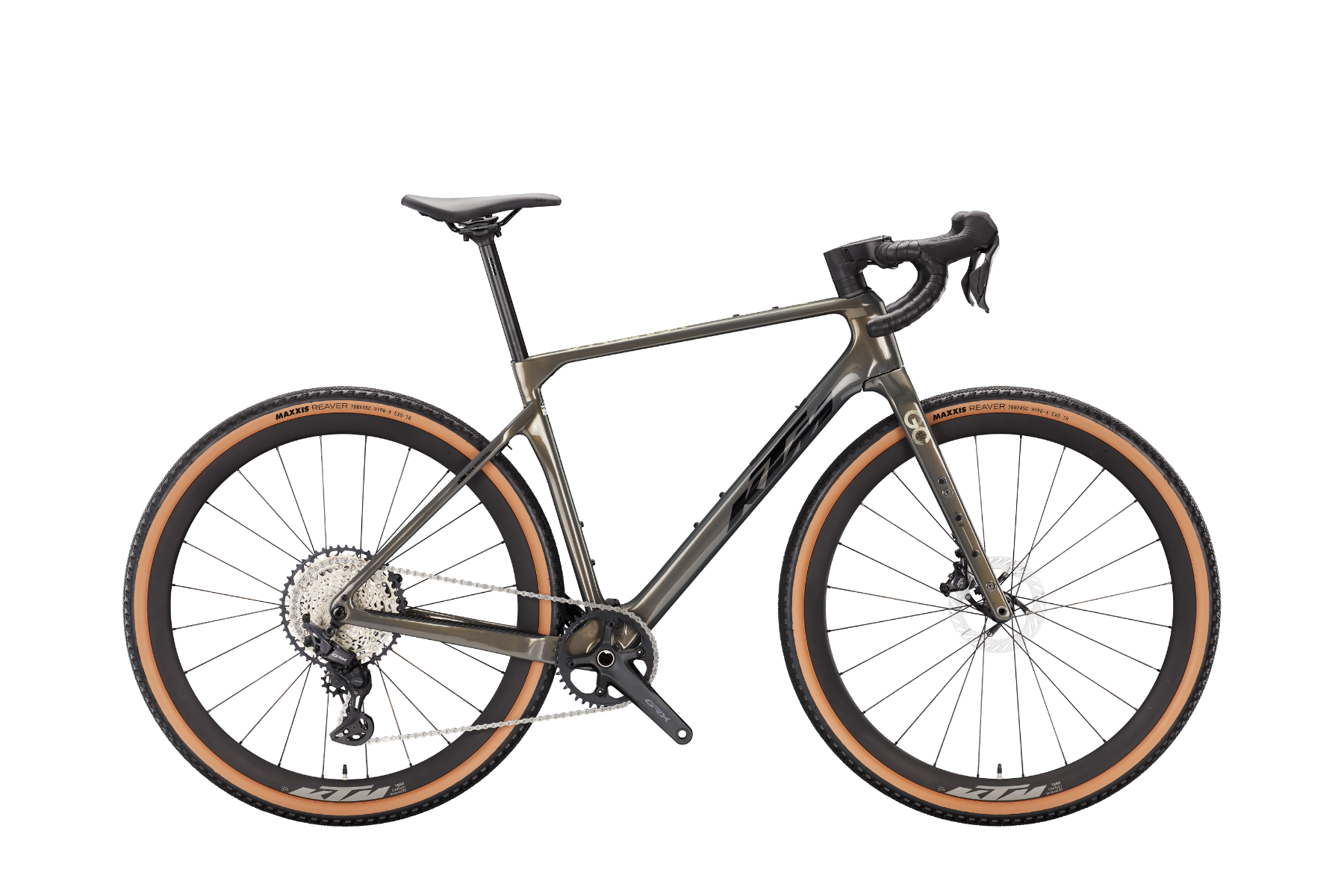
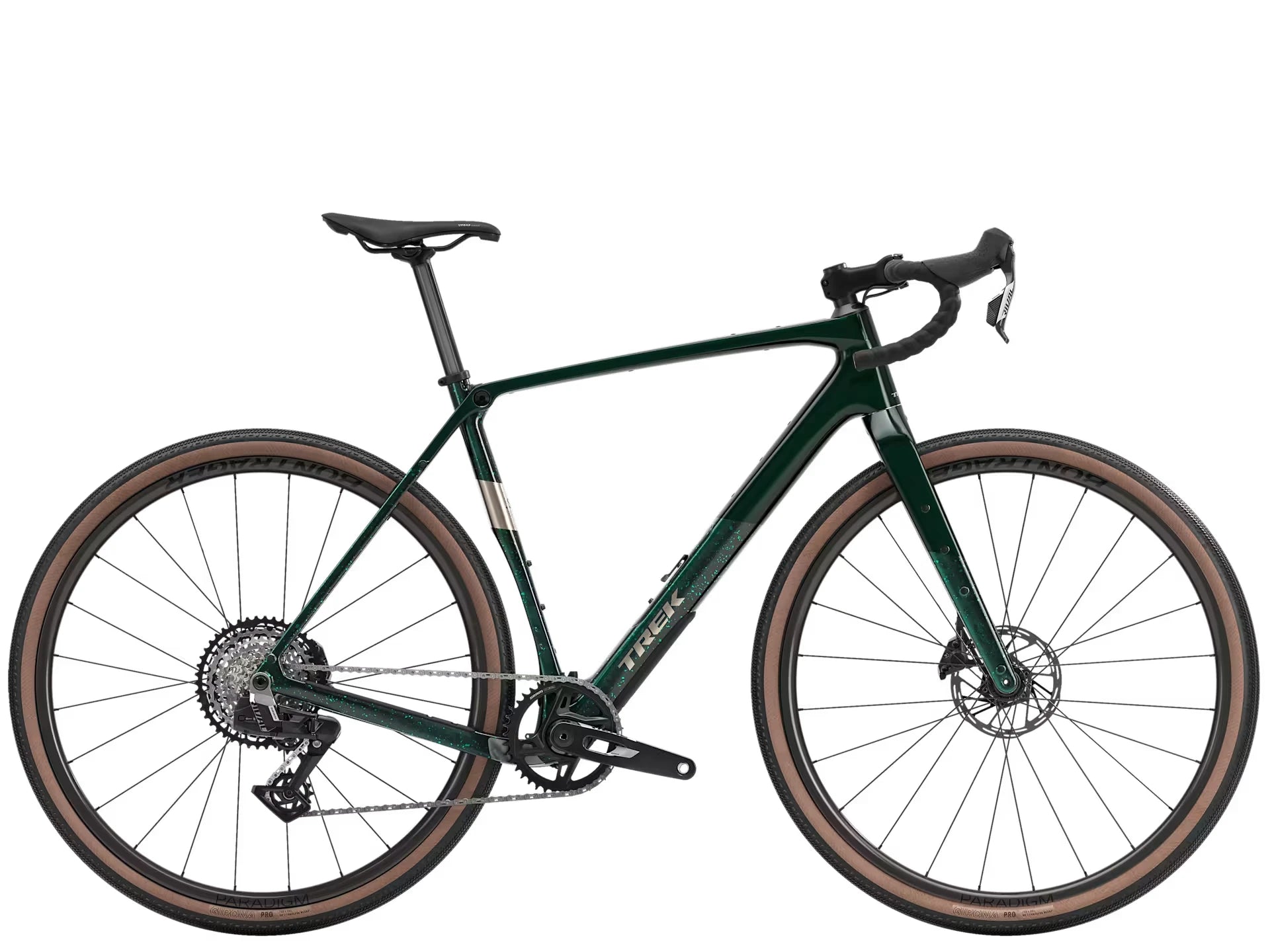
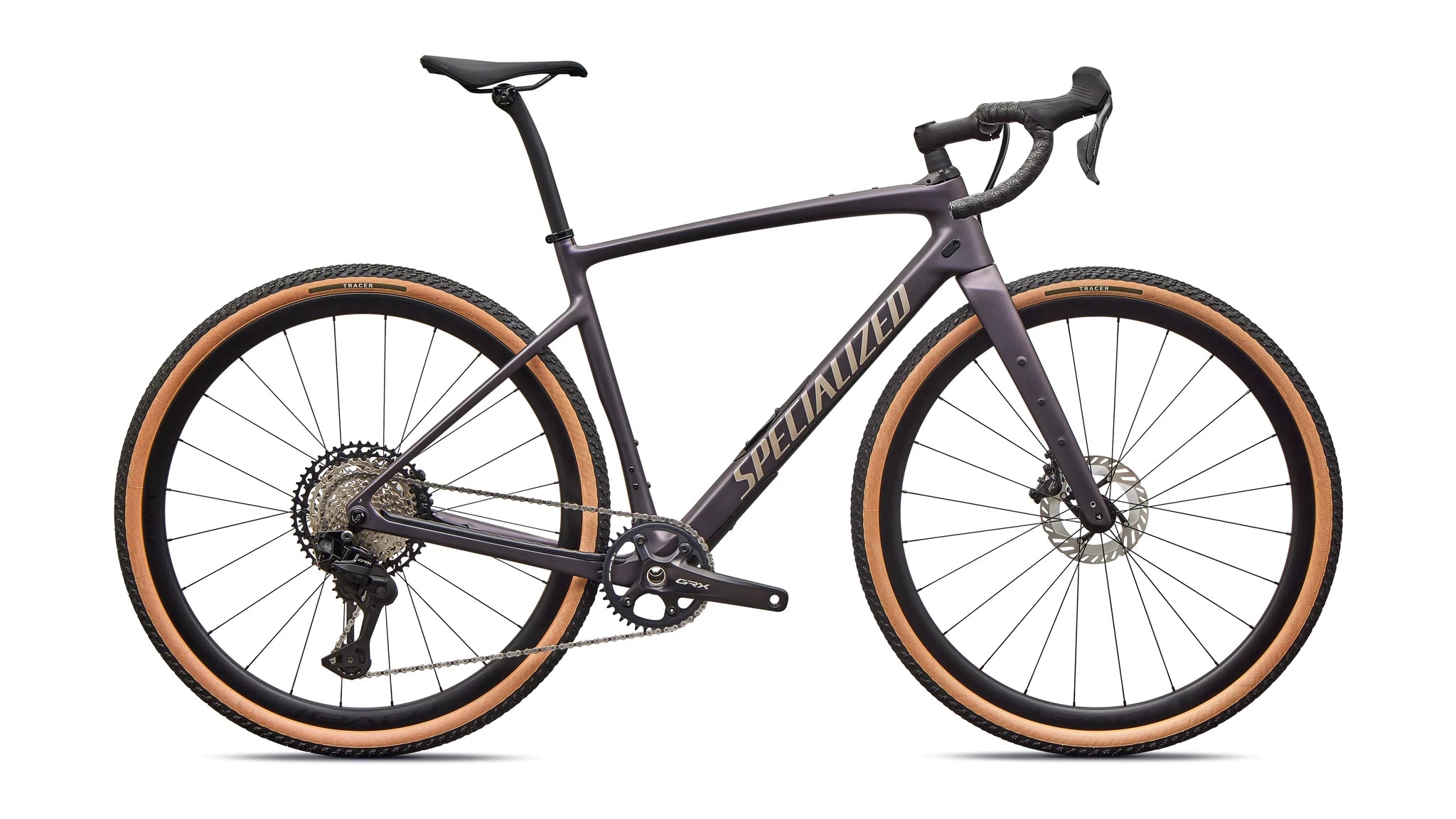
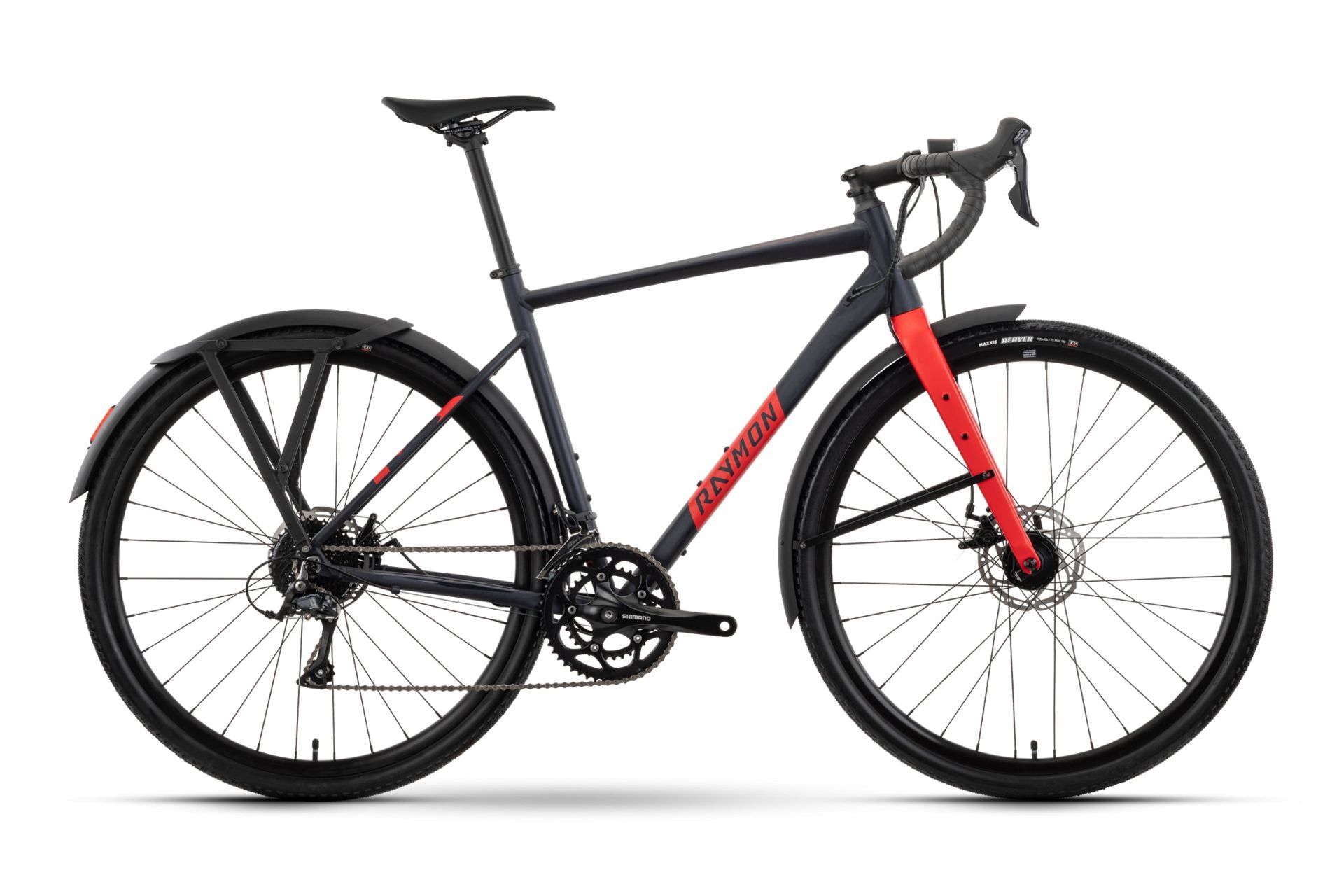
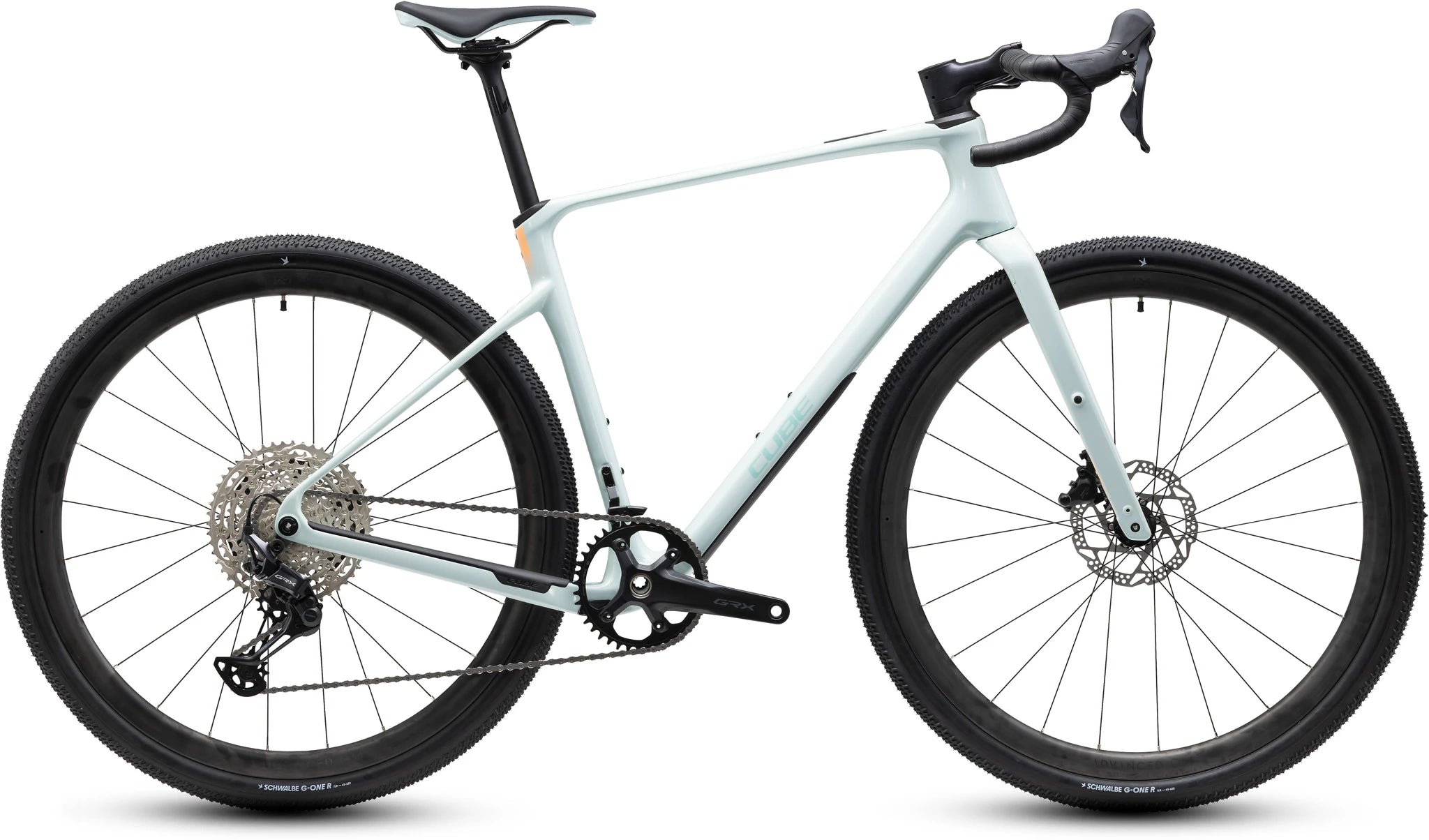
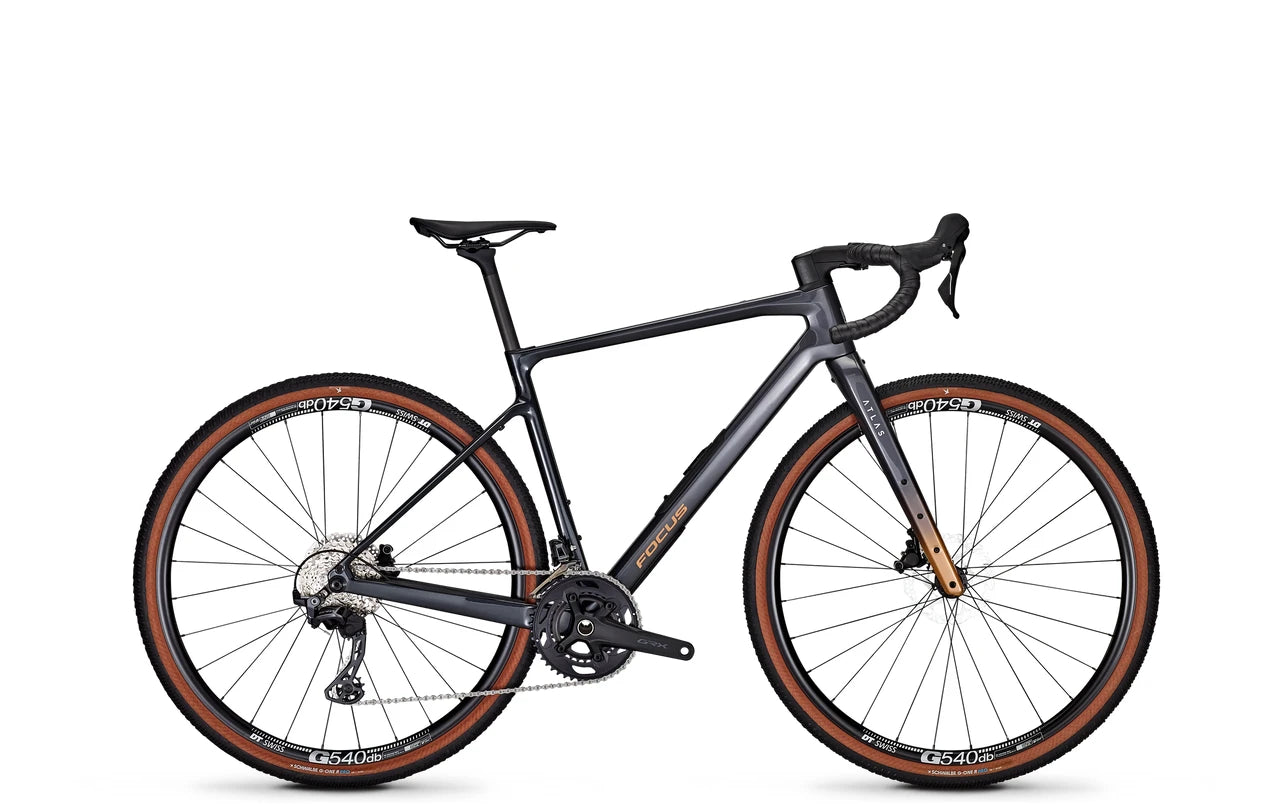
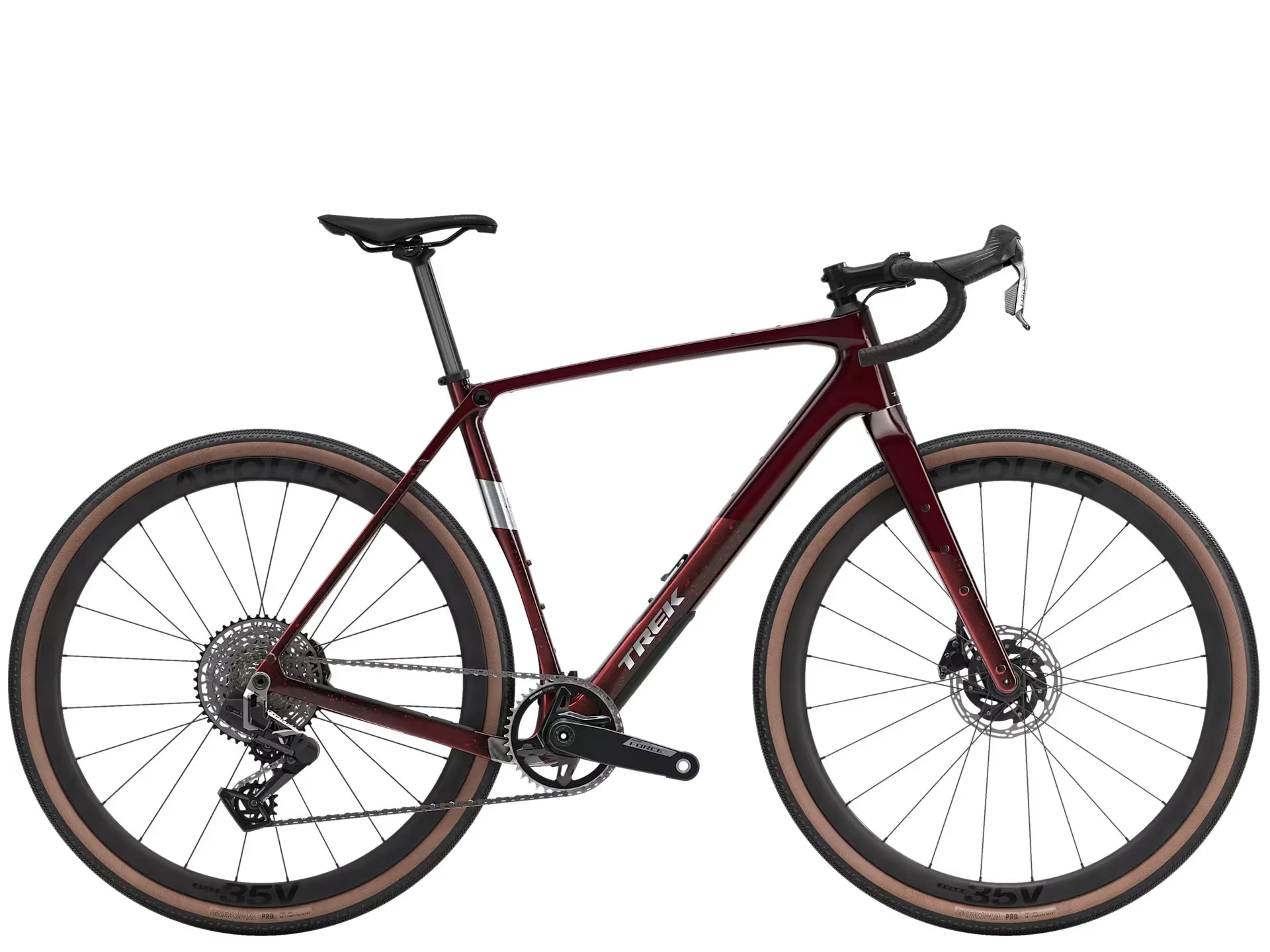

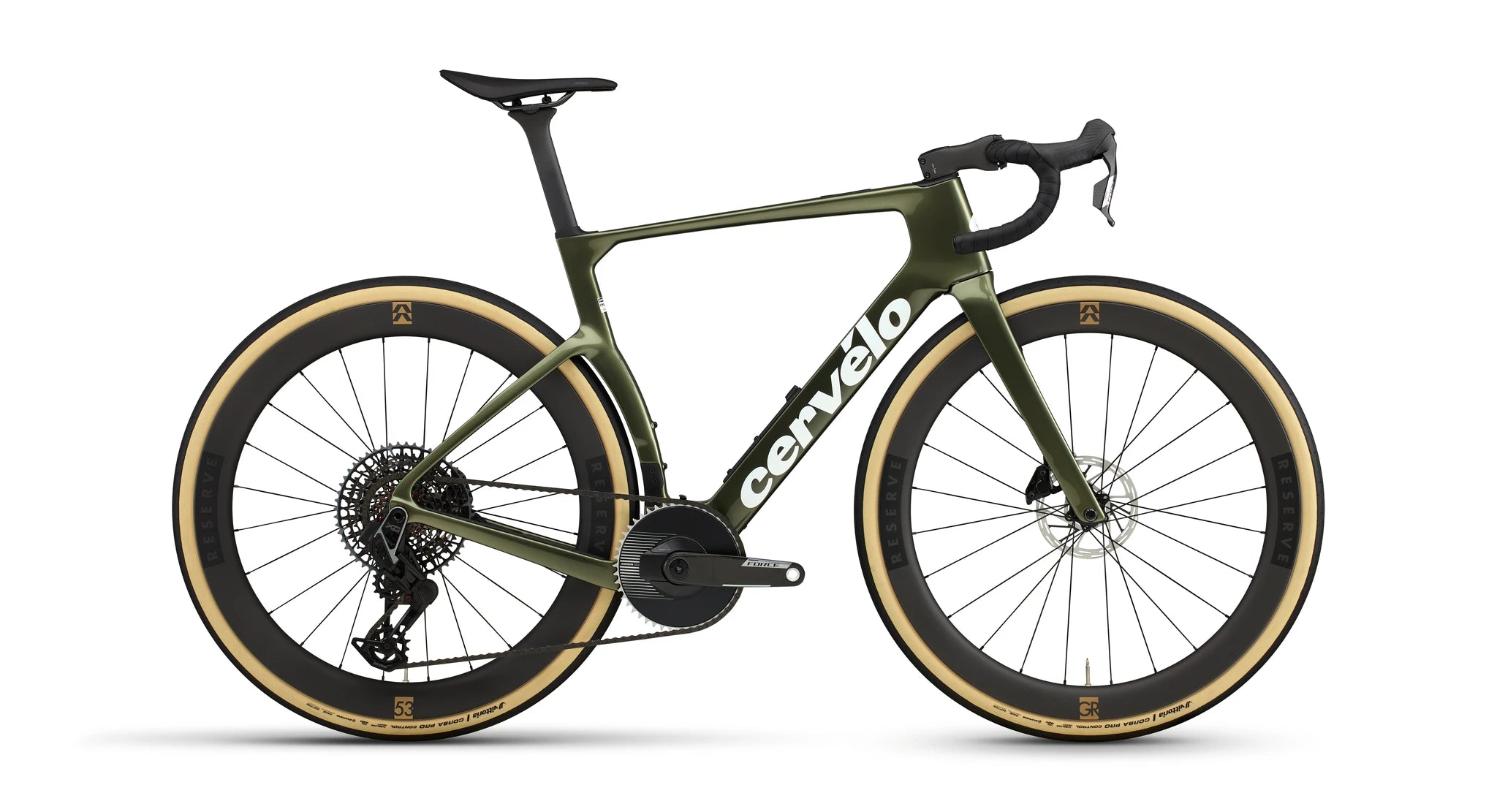
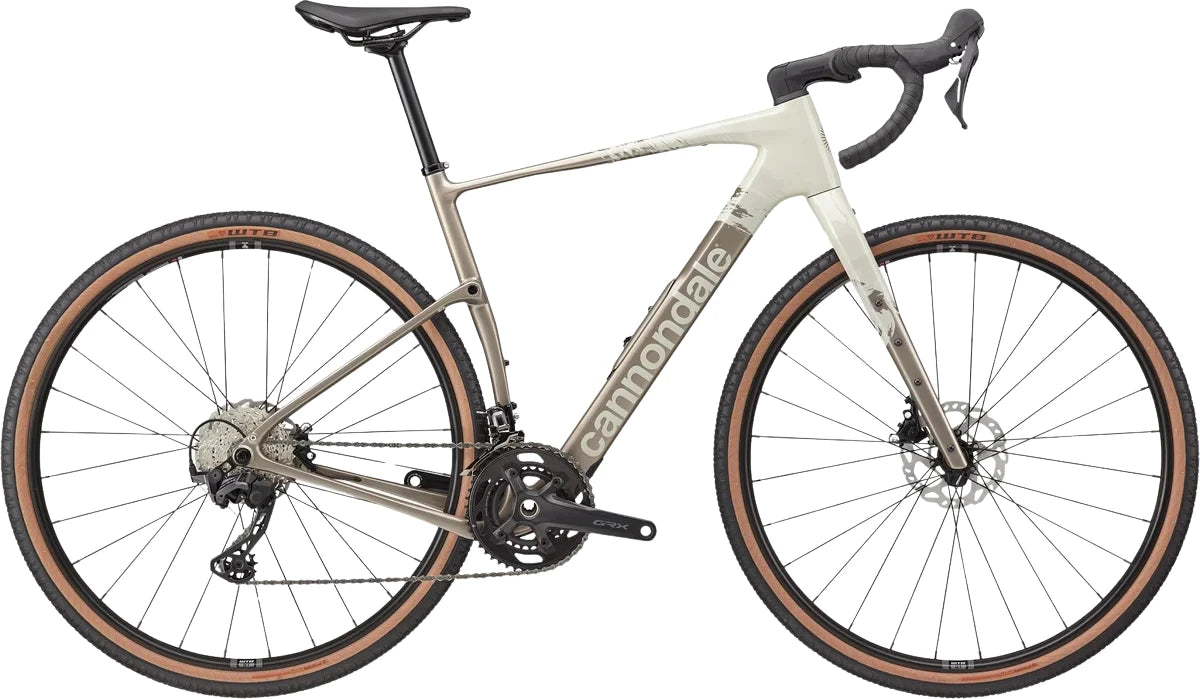
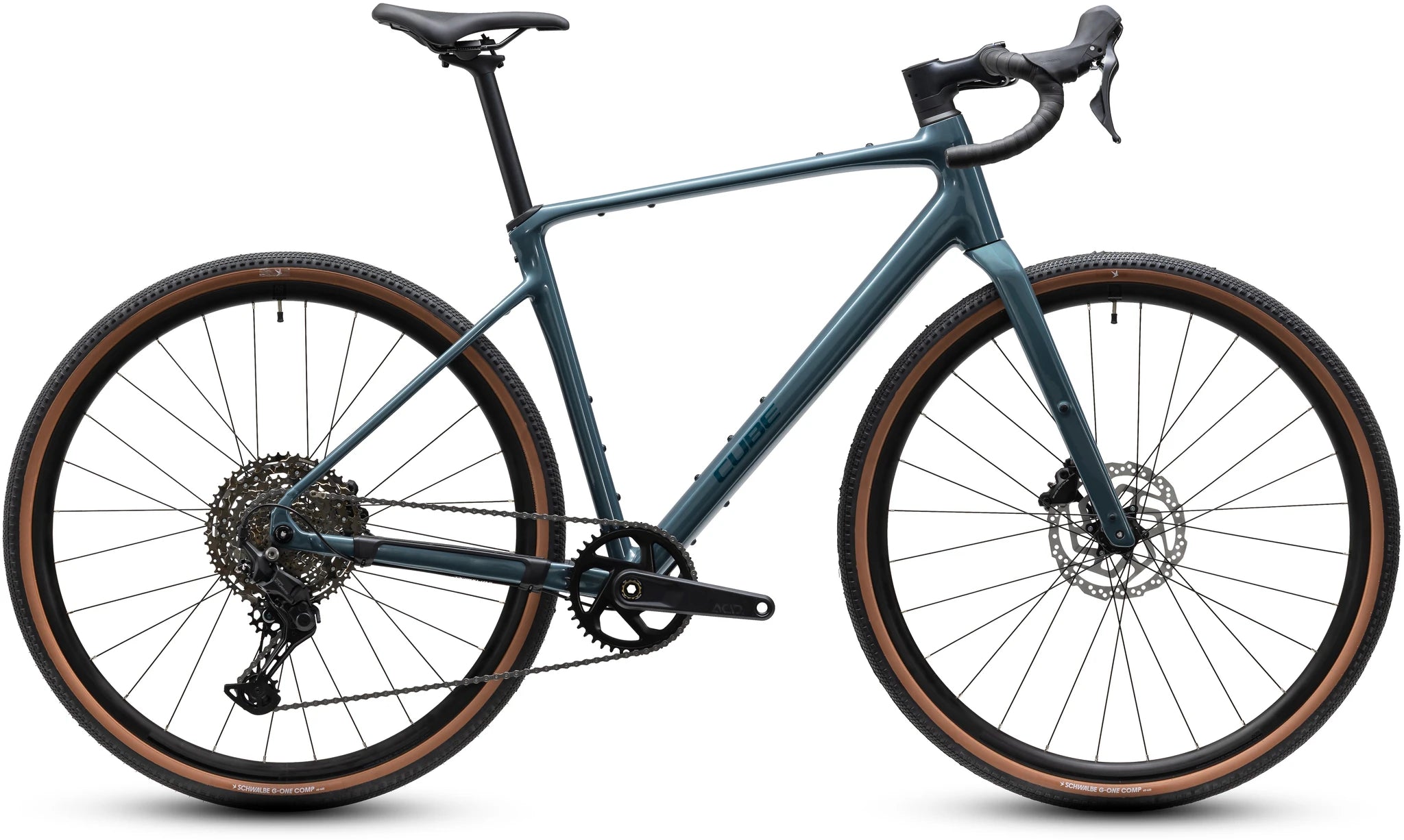
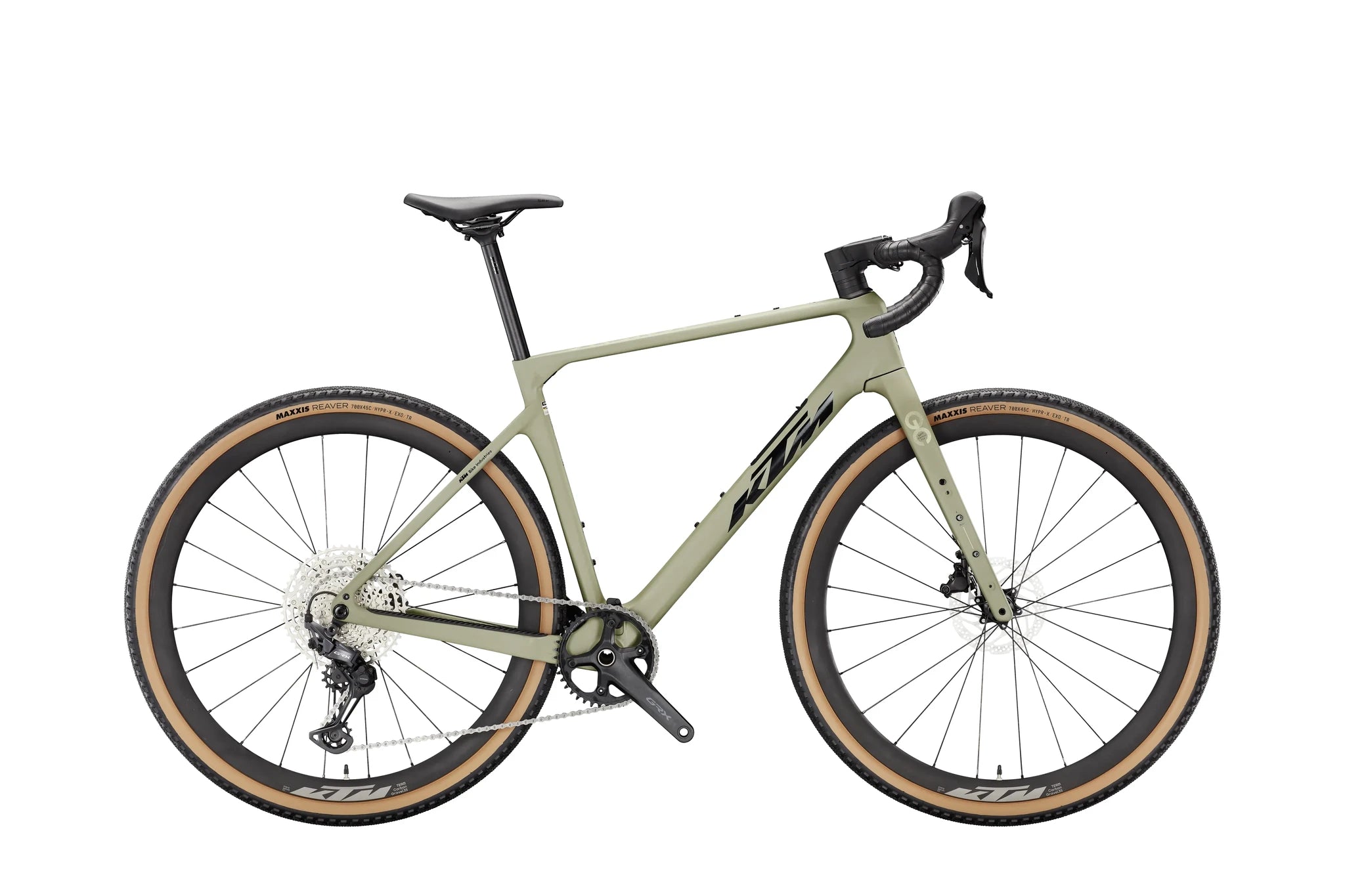
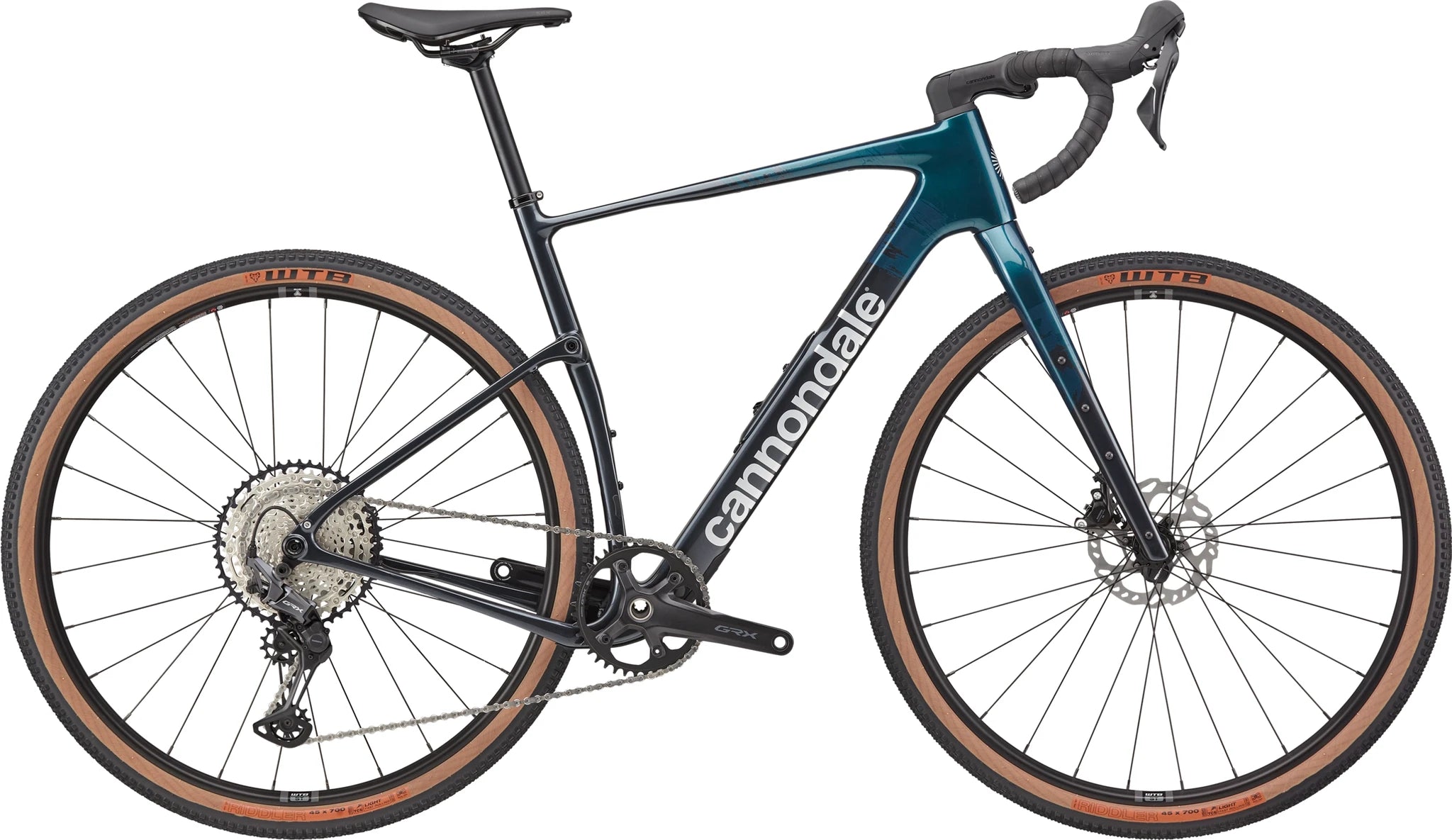
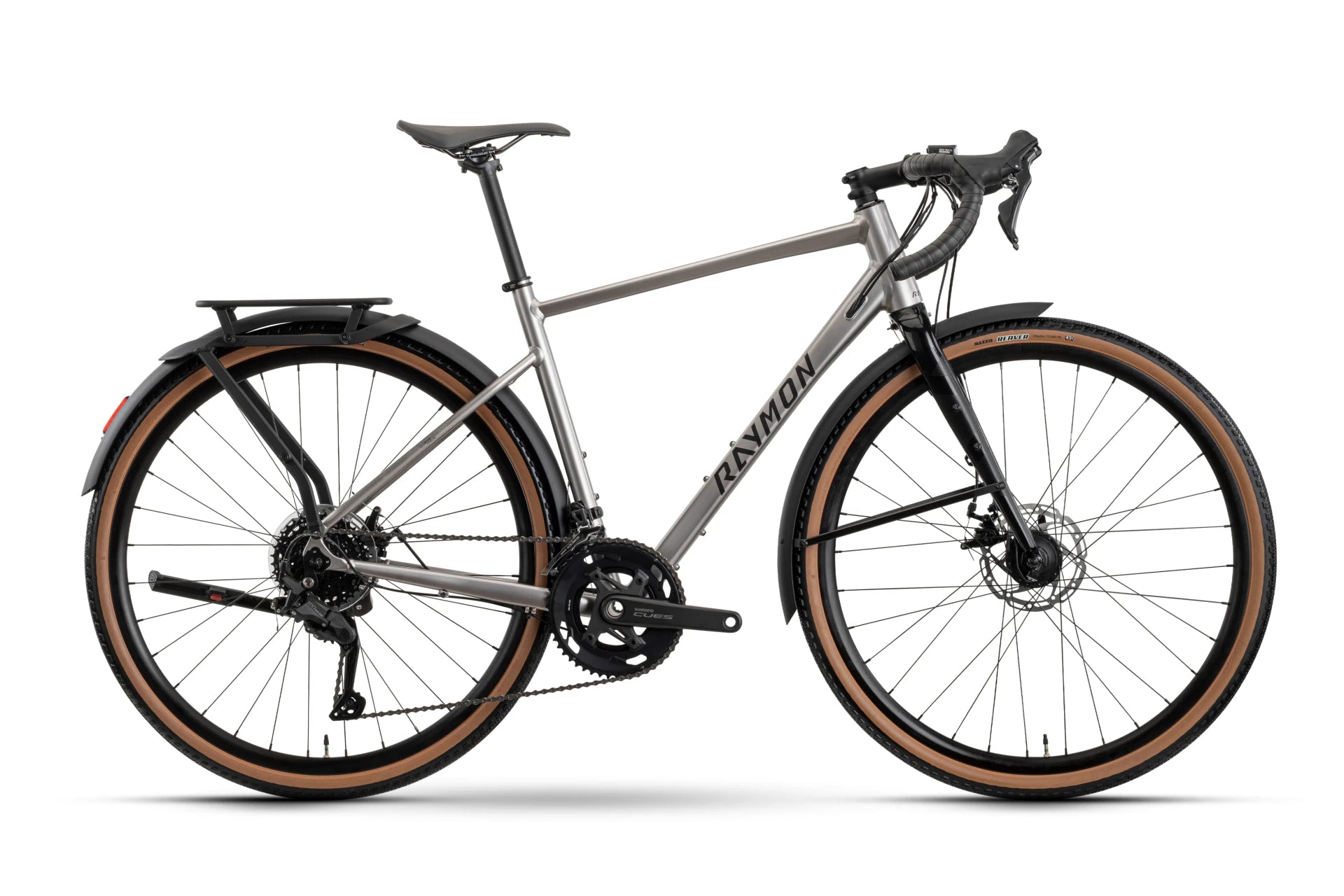
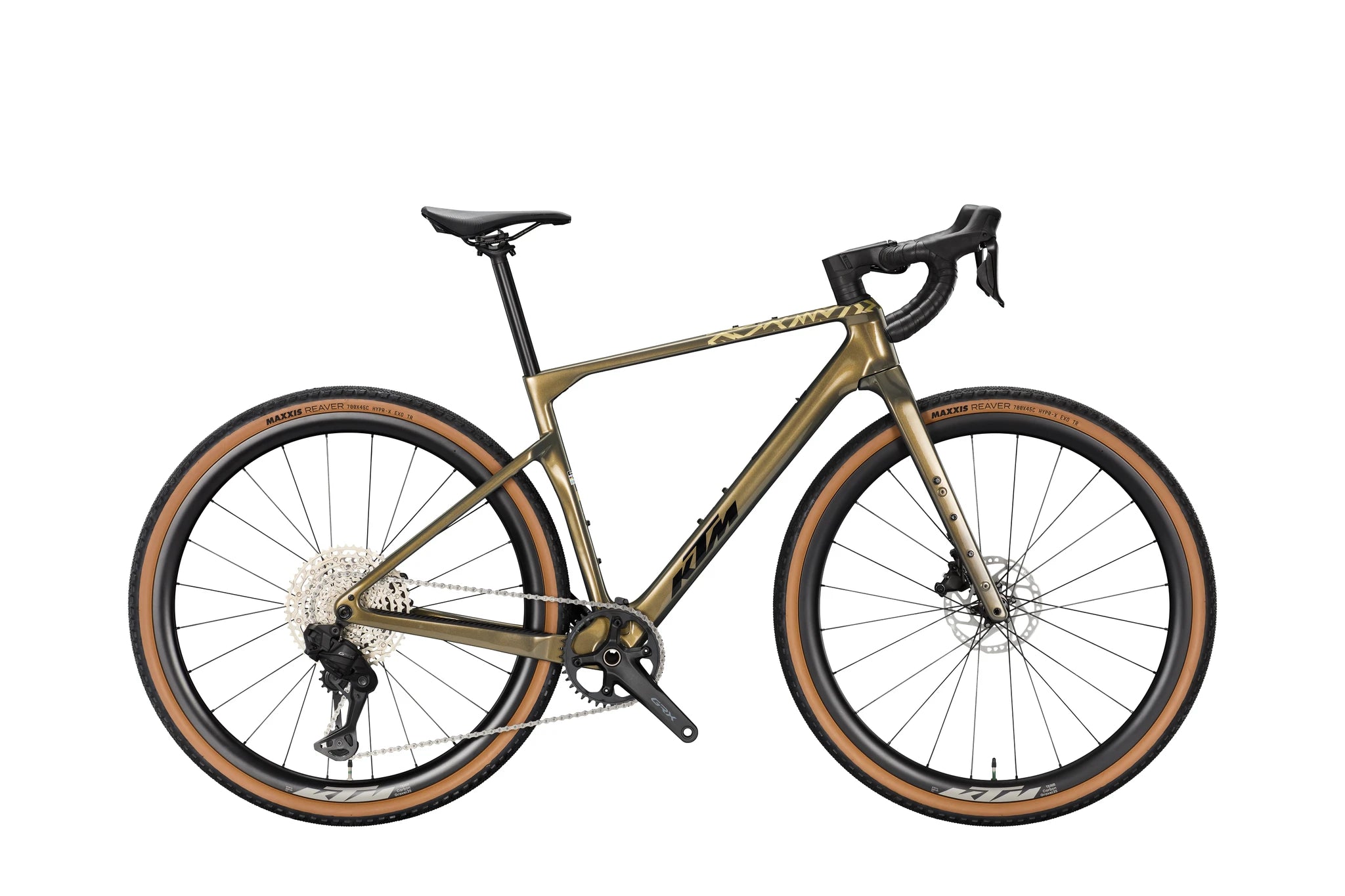
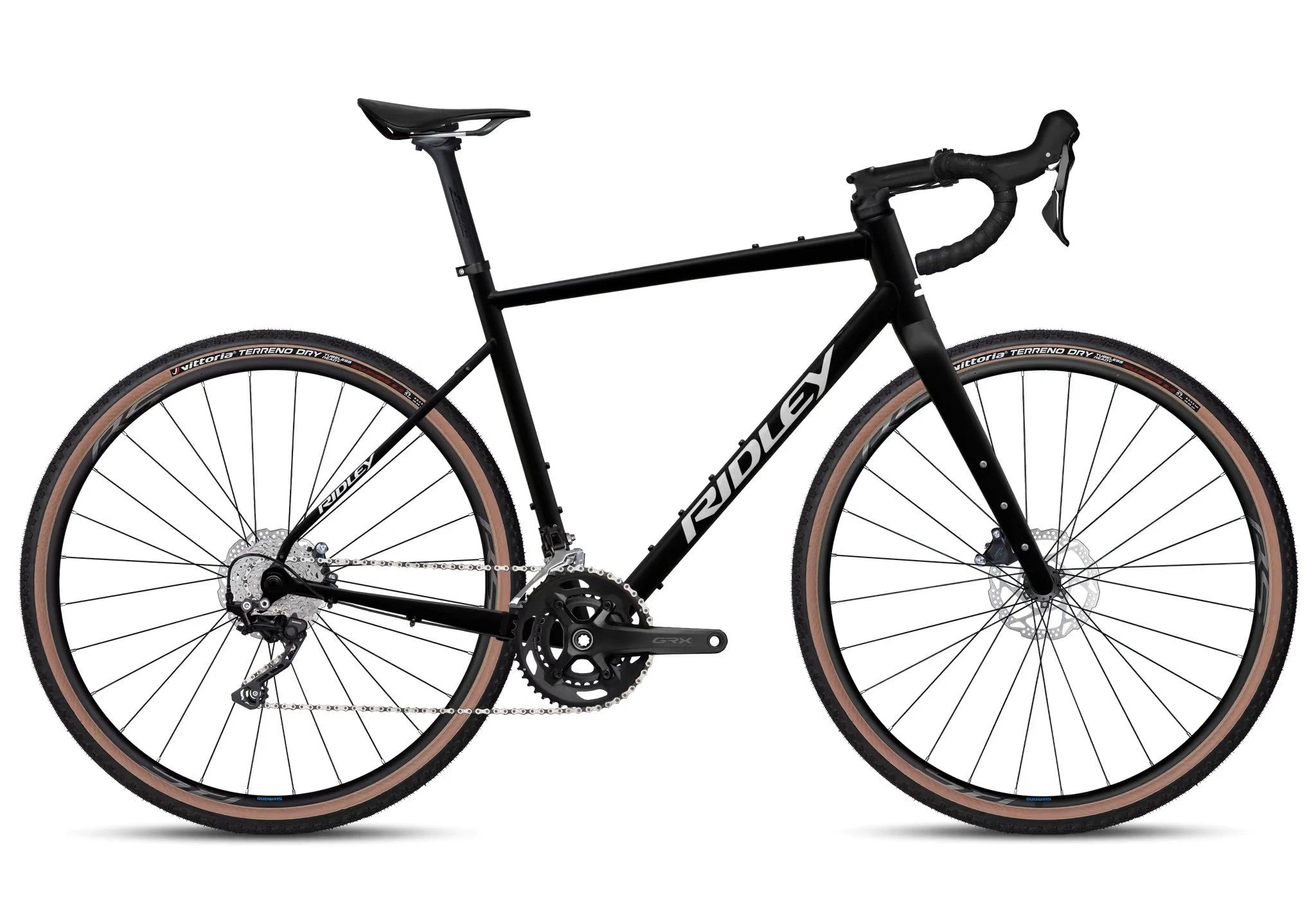
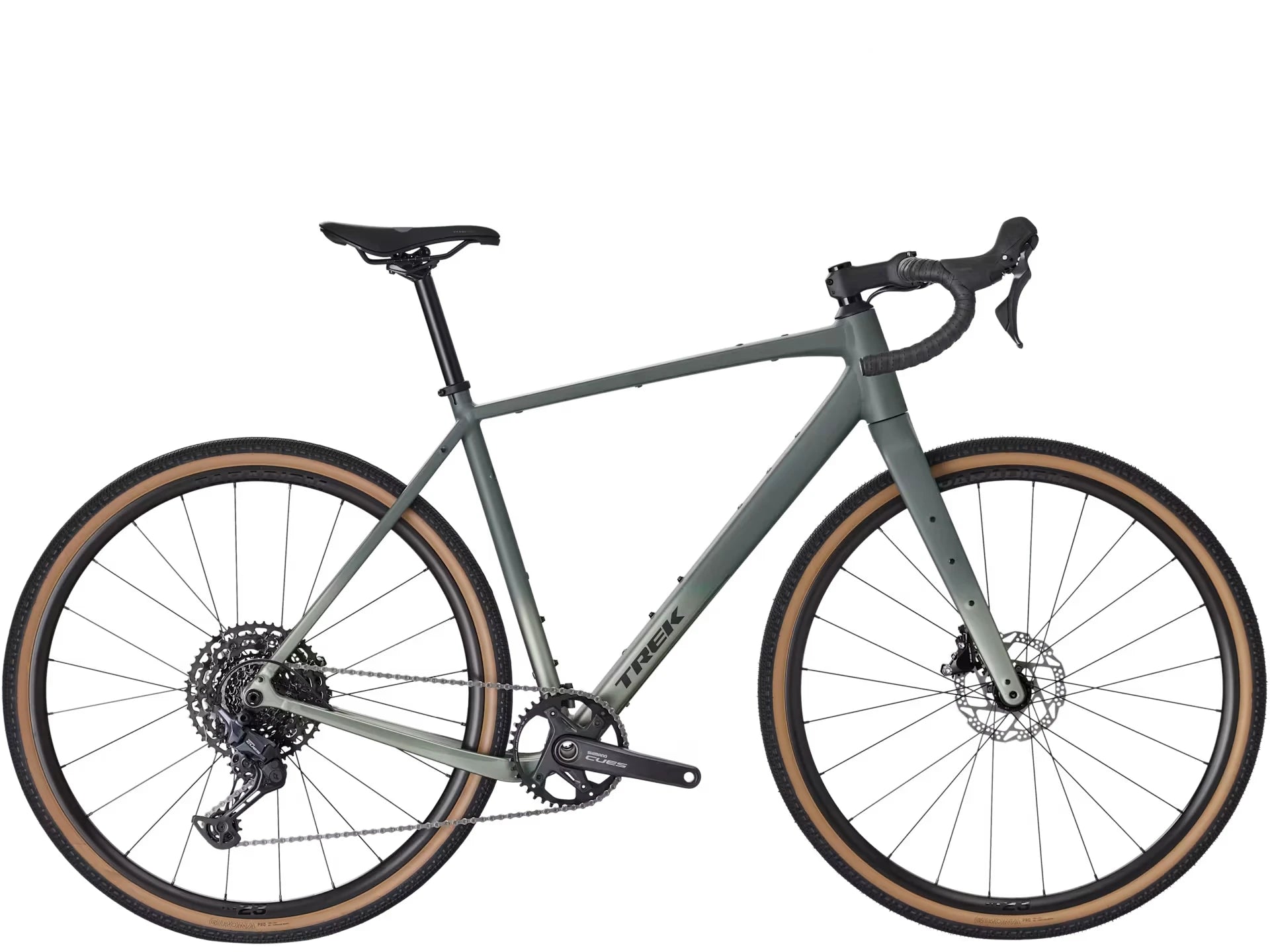
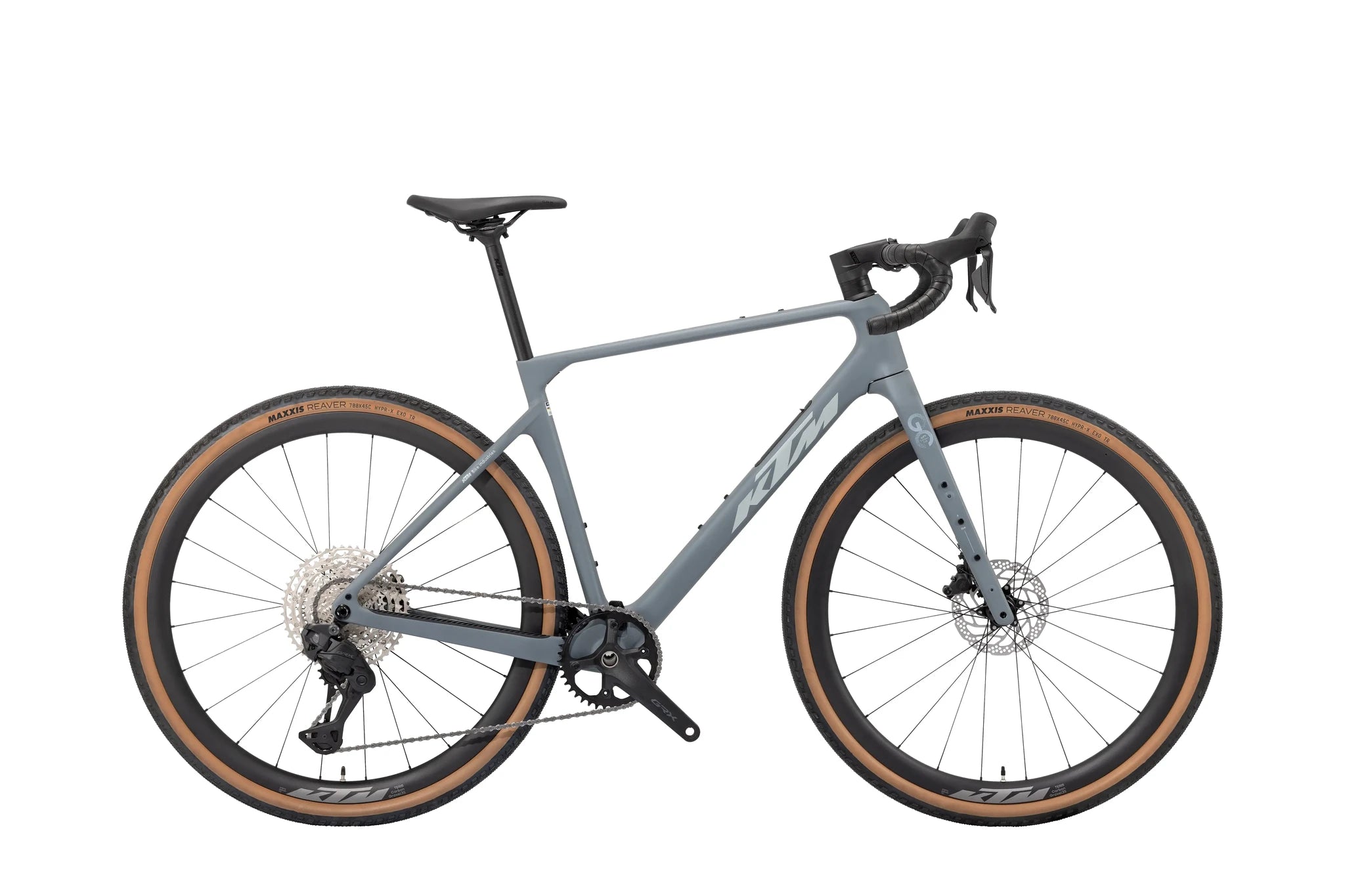
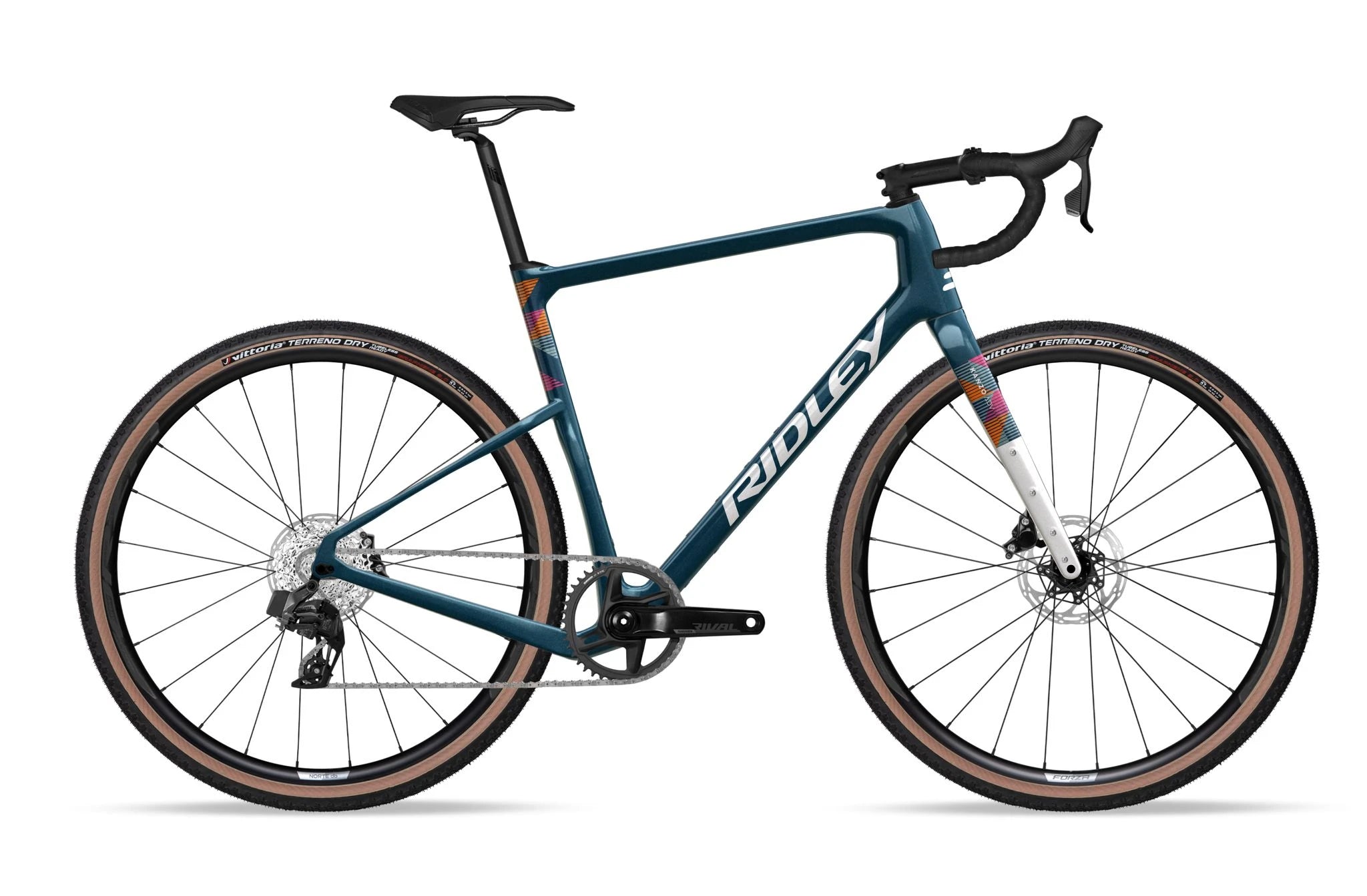
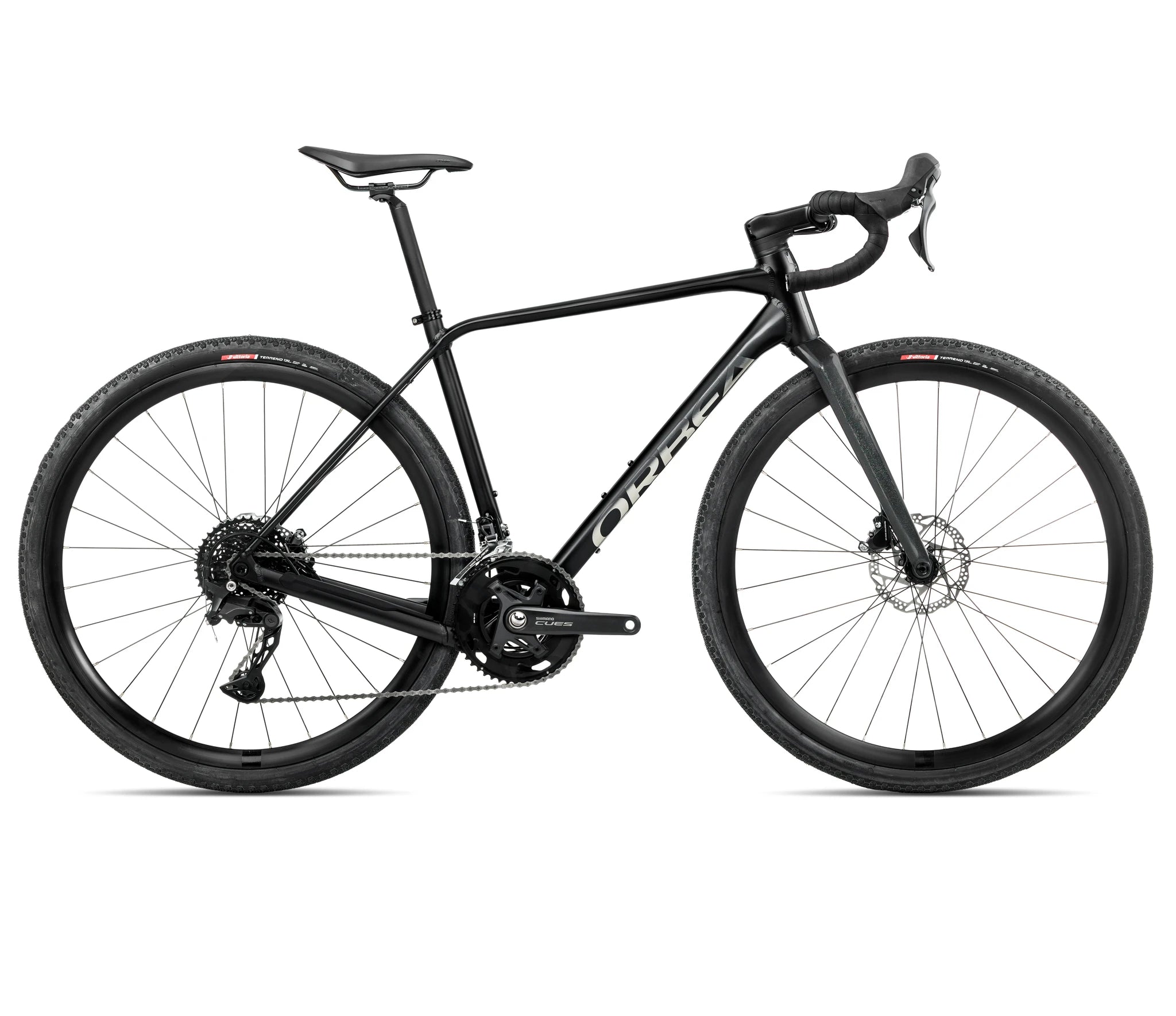


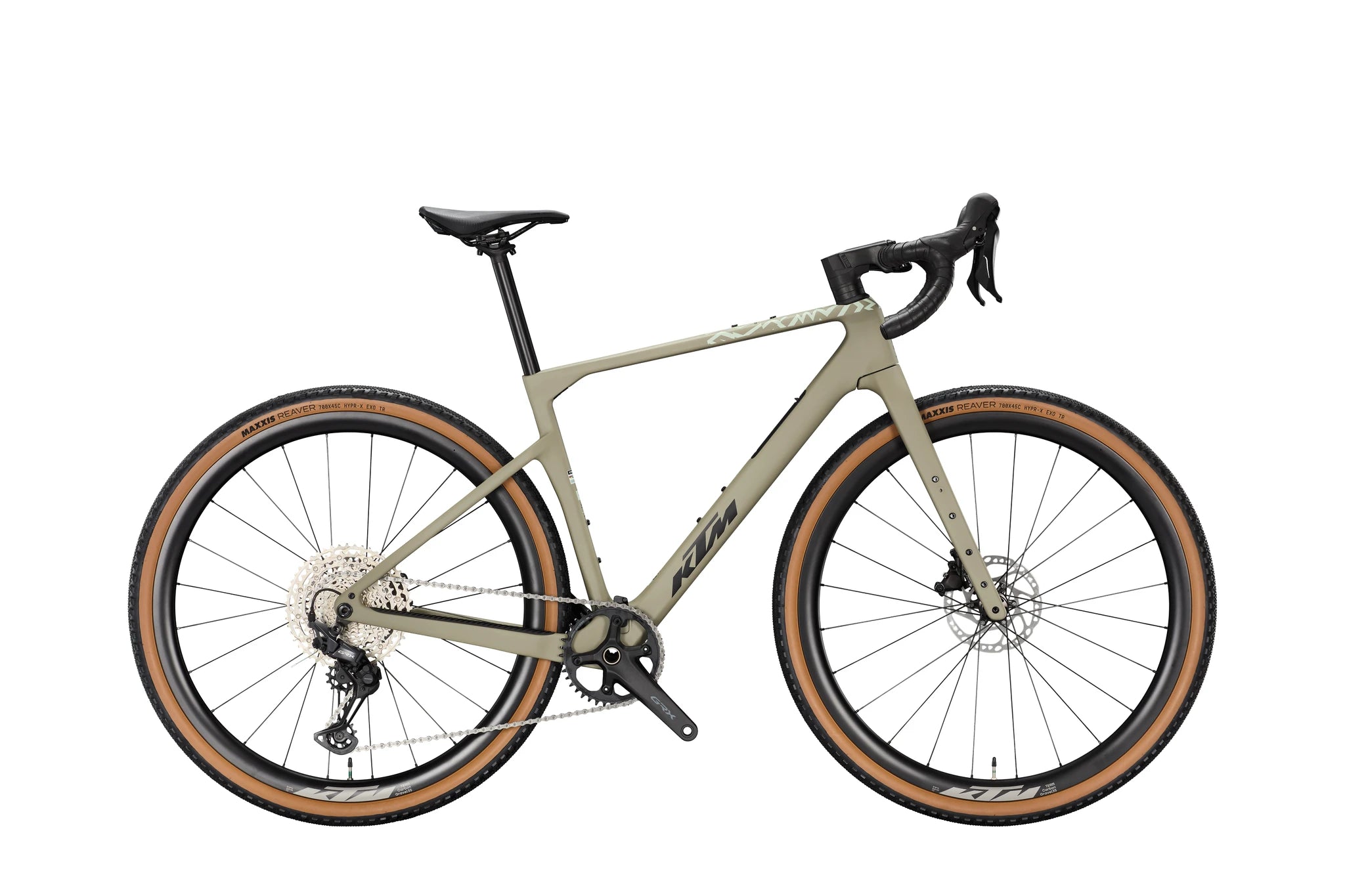
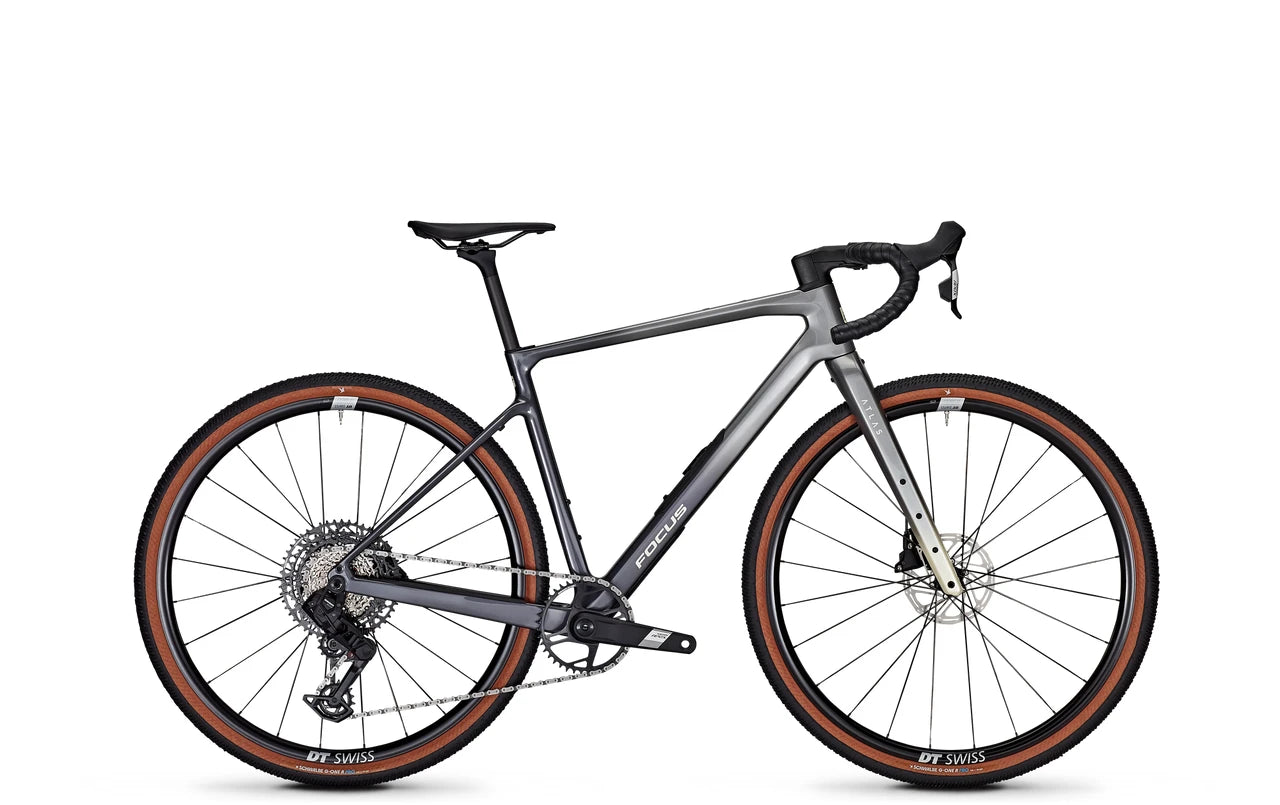
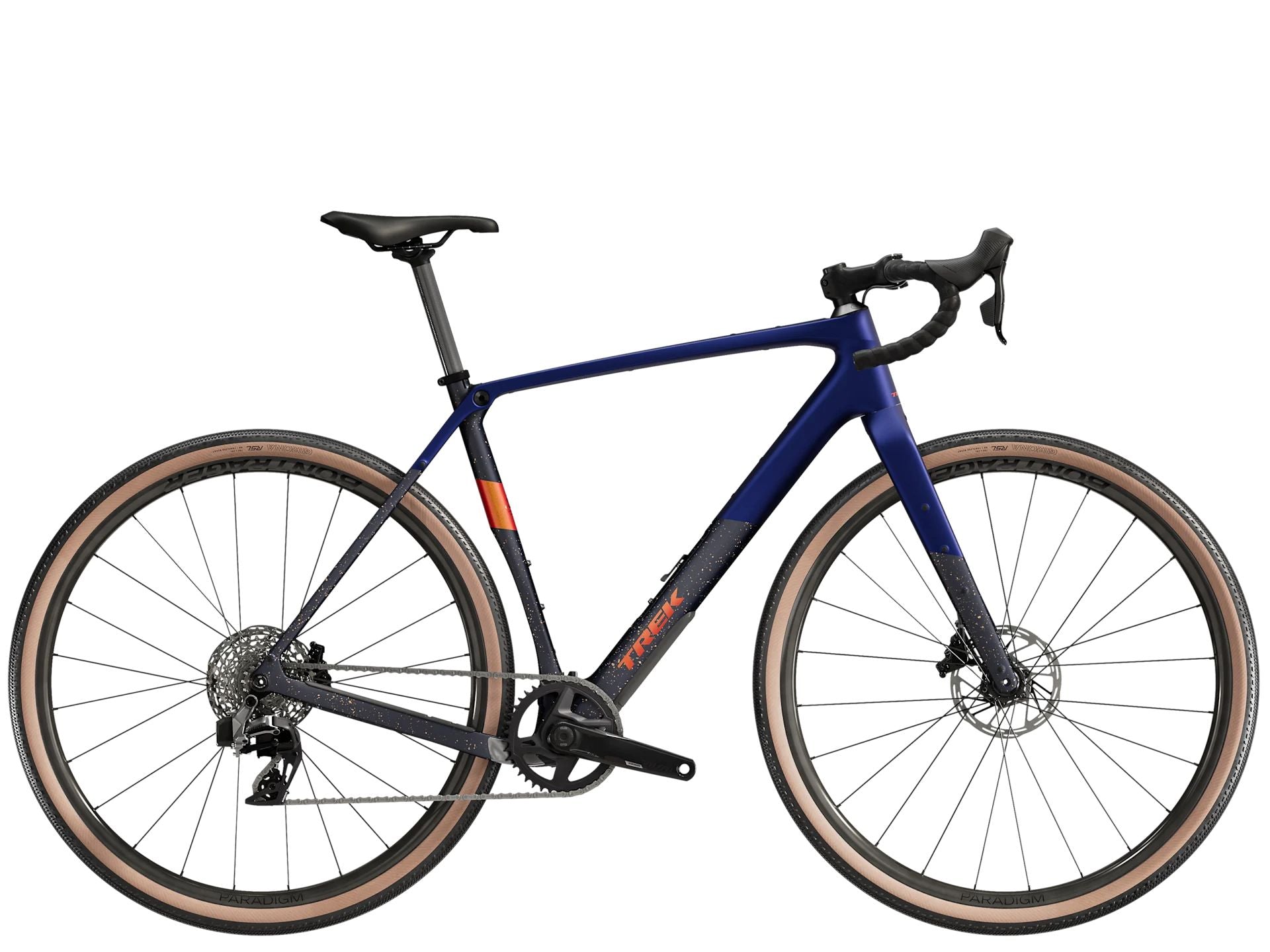
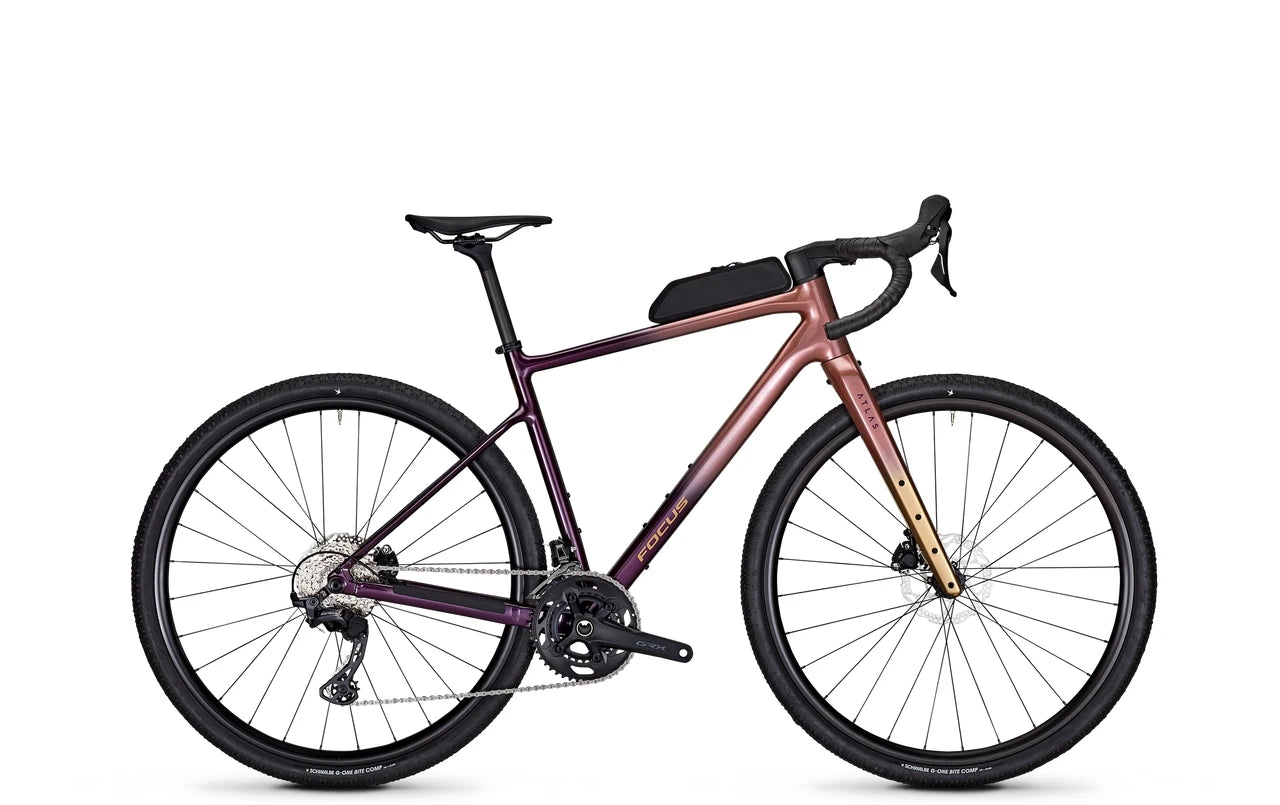
Gravel Bike: Discover the all-rounders at Liquid-Life.de
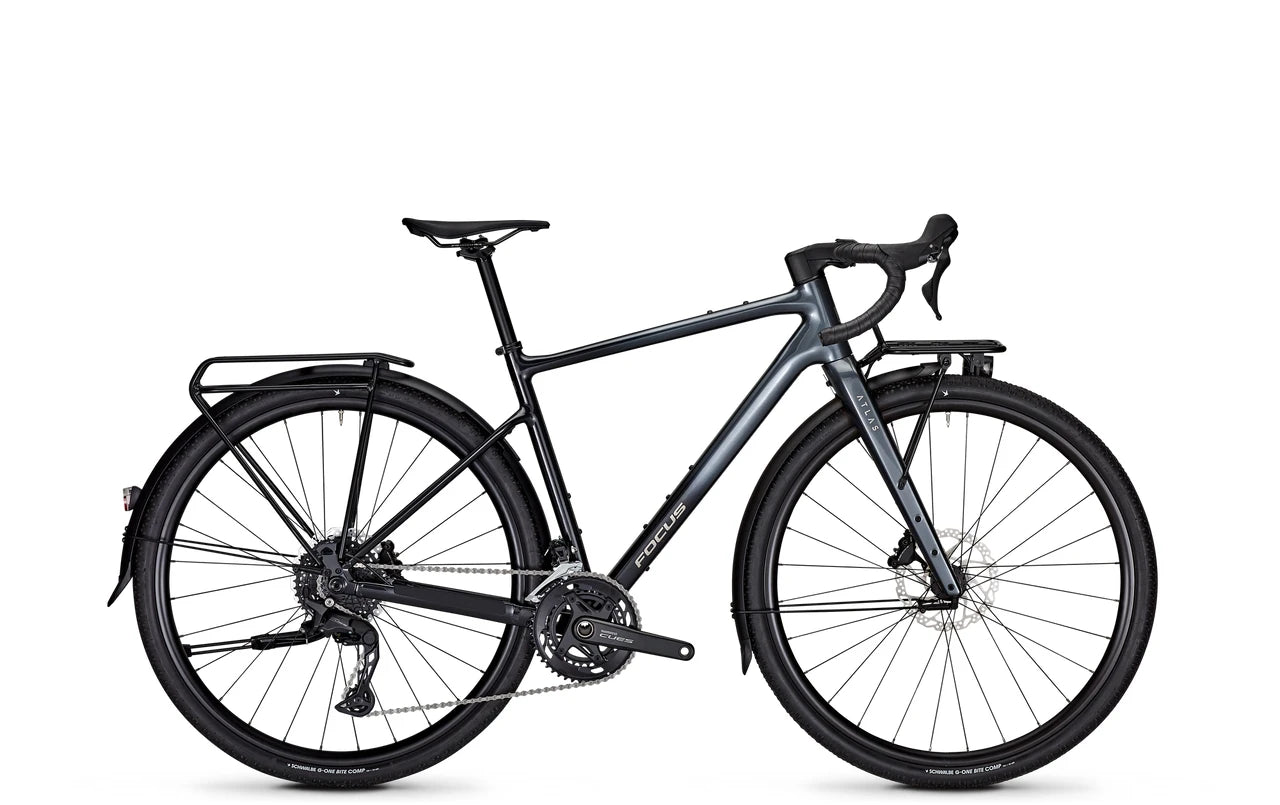
A gravel bike is a true all-rounder. They are neither classic racing bikes nor full-fledged mountain bikes, but a perfect mix of both worlds. Their design is more similar to that of a racing bike, but at the same time they offer more versatility and robustness for a wide variety of surfaces.
In this guide, you'll learn more about why gravel bikes are so unique, whether a gravel bike is right for you, what the differences are between a gravel bike and a road bike, and how they differ from mountain bikes.
What does gravel mean anyway?
The English word “Gravel” means “gravel” or “gravel” in German. A gravel bike is therefore literally translated as a “gravel bike”.
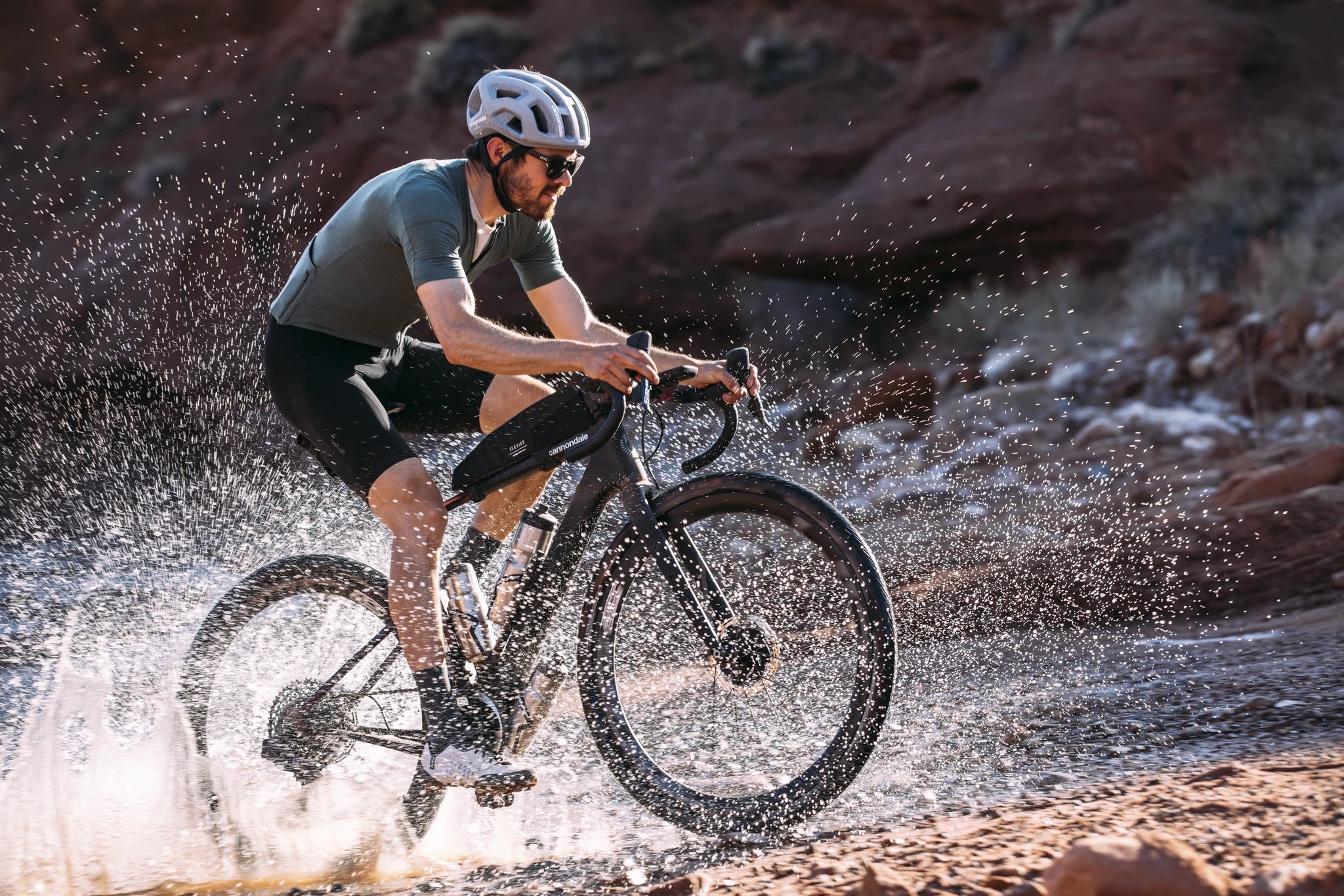
THE VERSATILE ALL-ROUNDER
What is a gravel bike?
The name "Gravel" reveals its intended use:
A gravel bike is the perfect bike for anyone who doesn't want to commit to a single route. Whether it's asphalt, gravel or forest paths - with a gravel bike you can travel anywhere flexibly. These special bikes combine the speed of a racing bike with the stability of a mountain bike and therefore offer maximum riding pleasure on a wide variety of surfaces.
Gravel bike vs. road bike – what are the differences?
While road bikes are designed for maximum speed and aerodynamic efficiency, a gravel bike offers more comfort and flexibility. The wider tires, more stable handling and versatile equipment make it the ideal companion for anyone who wants to ride on more than just smooth roads.
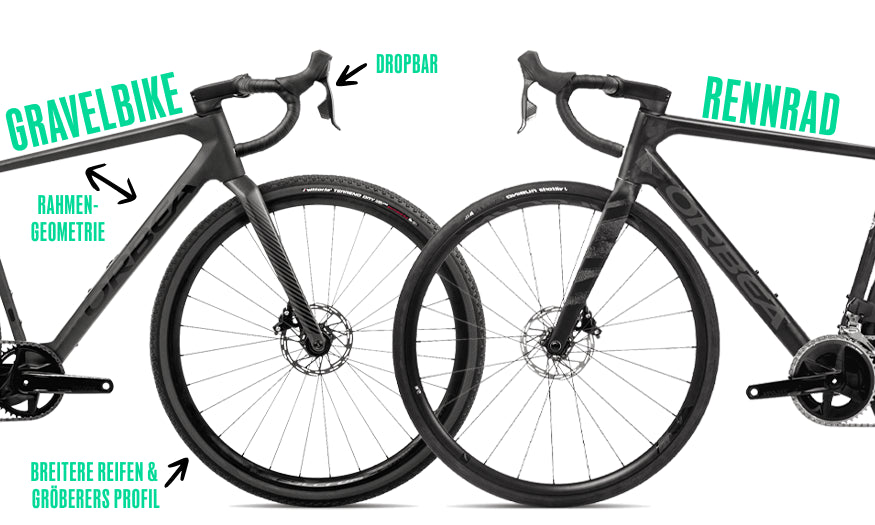
Gravel bike or road bike?
Compared to classic racing bikes or trekking bikes, a gravel bike has a more comfortable geometry and wider tires. This ensures more control, better cushioning and a comfortable sitting position - even on long distances.
Typical features are:
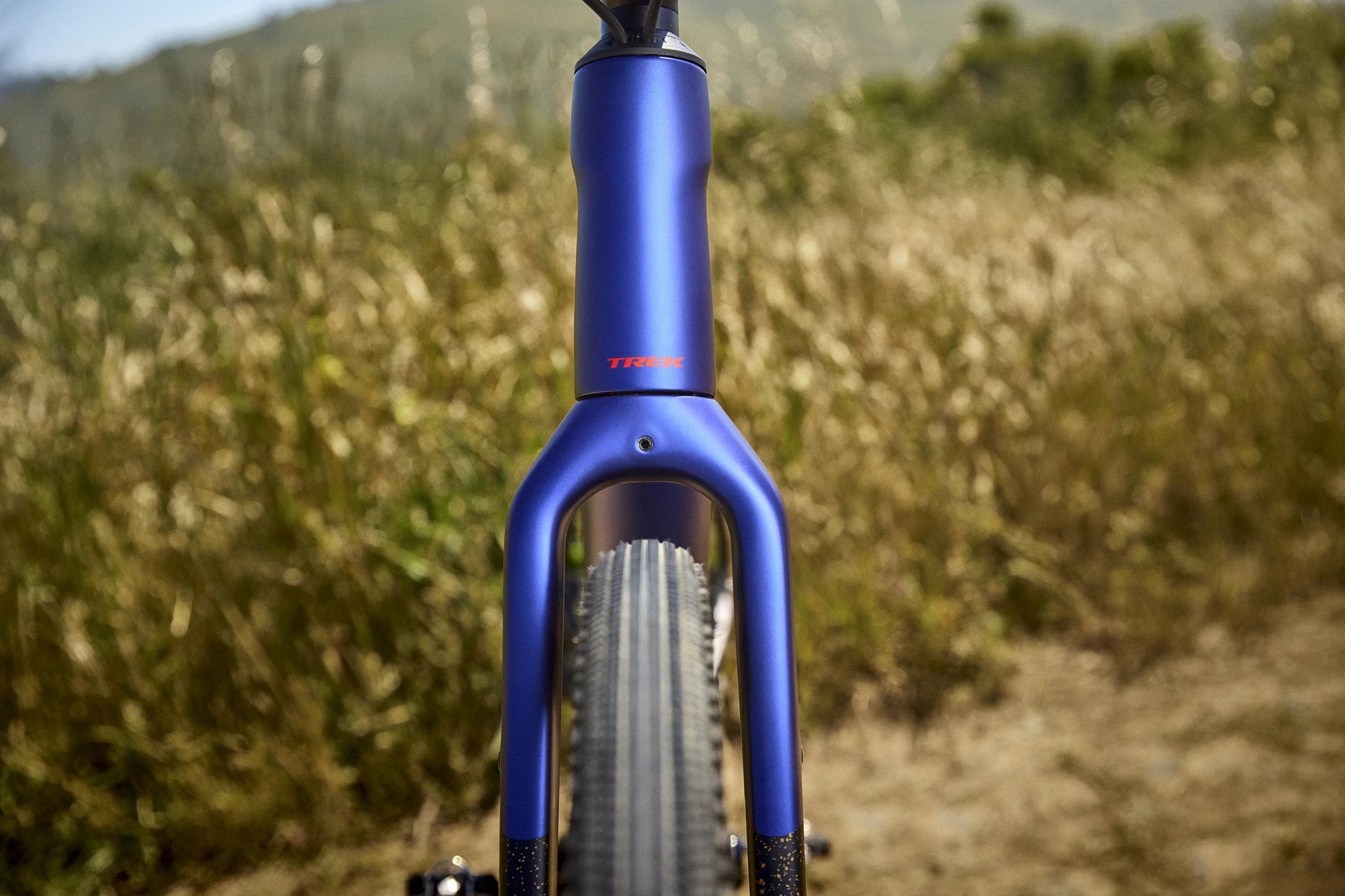
Gravel Bike Tire Width
Gravel bikes use wide tires with a profile. These tires ensure optimal grip on gravel and unpaved paths.
The tire width on a gravel bike varies depending on the intended use and is typically between 30 mm and 50 mm . Narrower tires (30-35 mm) are ideal for fast rides on asphalt and hard gravel, while wider models (35-45 mm) offer more comfort and grip on mixed terrain. Extra-wide tires from 45 mm ensure maximum traction on loose surfaces and are ideal for off-road adventures or bikepacking. Some gravel bikes even offer space for tires up to 2.1 inches (approx. 53 mm) , which is almost the standard for mountain bikes.
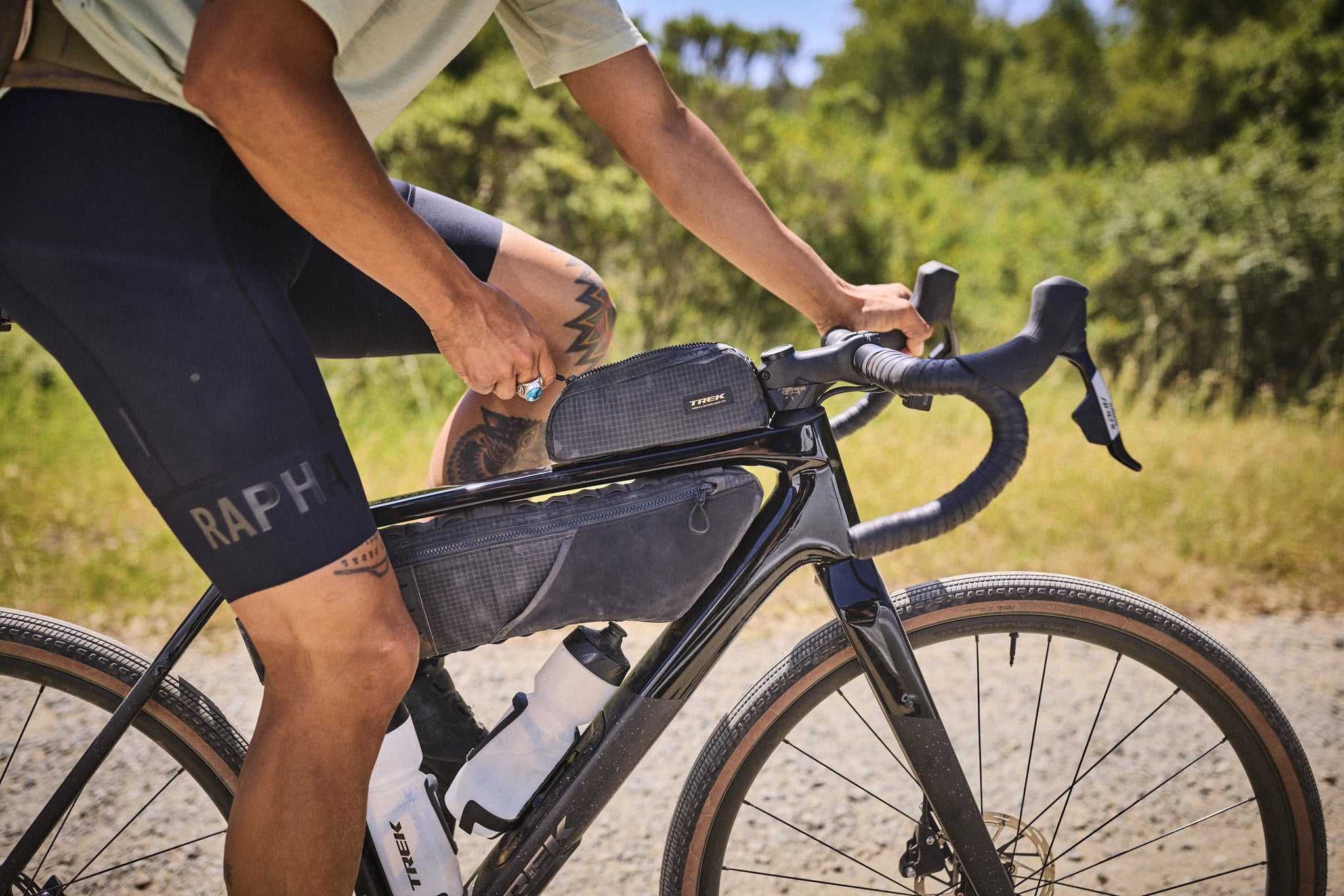
Stable frame geometry
The geometry of a gravel bike is designed for comfort and stability, which sets it apart from a road bike. The frame is longer , the top tube is flatter and the wheelbase is longer , which makes for a more relaxed seating position and more control on uneven terrain. Compared to a road bike, a gravel bike has a flatter steering angle and a higher front , which improves handling on gravel and forest paths. This not only makes it more comfortable to ride on long tours, but also remains stable at higher speeds on loose surfaces.
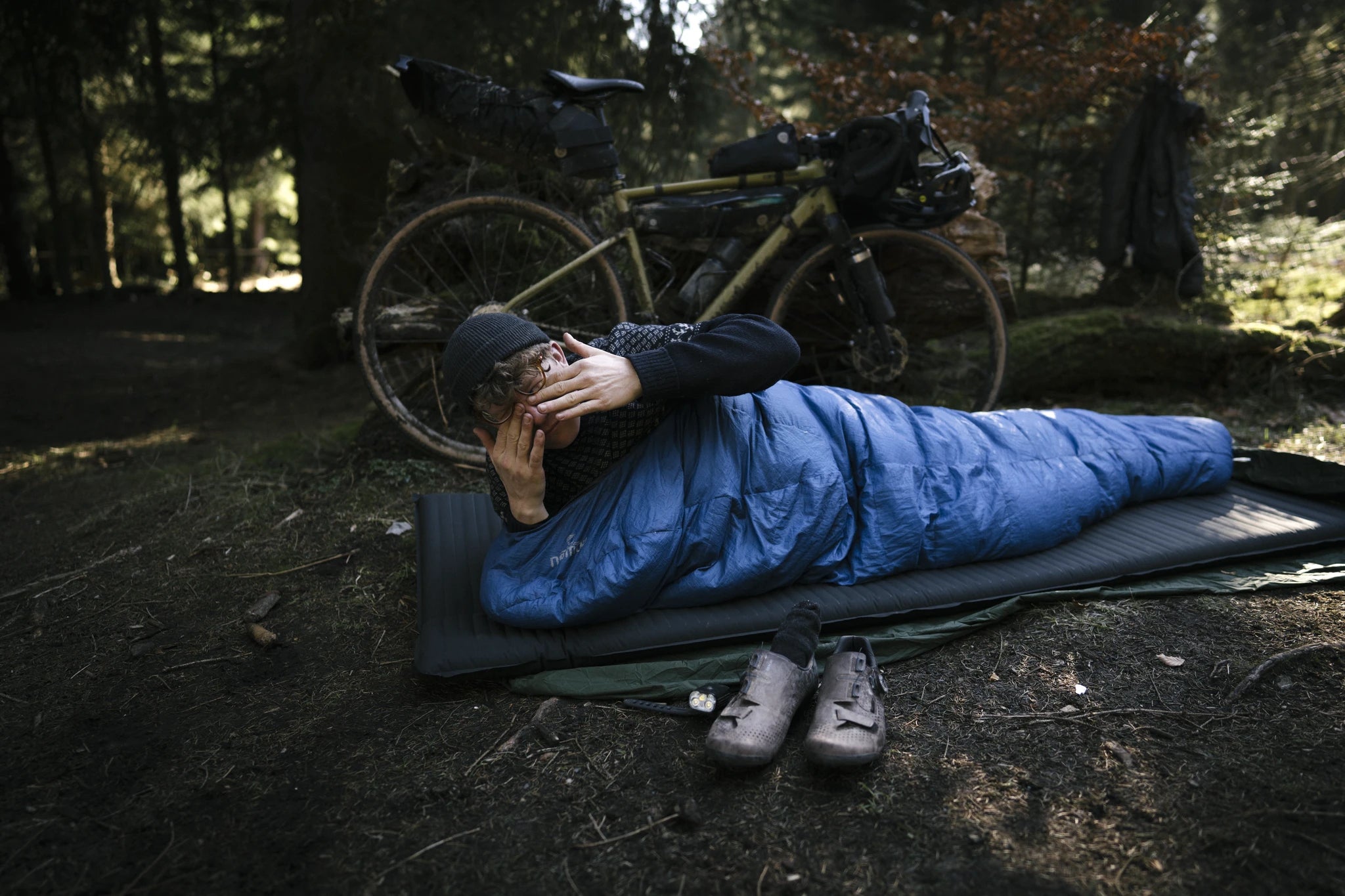
Bikepacking with the Gravel Bike
A gravel bike is ideal for bikepacking and long adventures because it has numerous attachment points for panniers, water bottles and accessories. Thanks to the stable frame construction and wide tires, it can be ridden safely and comfortably over different surfaces even with additional load.
Gravel bike or road bike?
Compared to classic racing bikes or trekking bikes, a gravel bike has a more comfortable geometry and wider tires. This ensures more control, better cushioning and a comfortable sitting position - even on long distances.
Typical features are:
Gravel Bike Tire Width
Gravel bikes use wide tires with a profile. These tires ensure optimal grip on gravel and unpaved paths.
The tire width on a gravel bike varies depending on the intended use and is typically between 30 mm and 50 mm . Narrower tires (30-35 mm) are ideal for fast rides on asphalt and hard gravel, while wider models (35-45 mm) offer more comfort and grip on mixed terrain. Extra-wide tires from 45 mm ensure maximum traction on loose surfaces and are ideal for off-road adventures or bikepacking. Some gravel bikes even offer space for tires up to 2.1 inches (approx. 53 mm) , which is almost the standard for mountain bikes.
Stable frame geometry
The geometry of a gravel bike is designed for comfort and stability, which sets it apart from a road bike. The frame is longer , the top tube is flatter and the wheelbase is longer , which makes for a more relaxed seating position and more control on uneven terrain. Compared to a road bike, a gravel bike has a flatter steering angle and a higher front , which improves handling on gravel and forest paths. This not only makes it more comfortable to ride on long tours, but also remains stable at higher speeds on loose surfaces.
Bikepacking with the Gravel Bike
A gravel bike is ideal for bikepacking and long adventures because it has numerous attachment points for panniers, water bottles and accessories. Thanks to the stable frame construction and wide tires, it can be ridden safely and comfortably over different surfaces even with additional load.
Who benefits from a gravel bike?
A gravel bike is ideal for sporty tours, commuters, adventurers and anyone who doesn't want to choose between road and off-road. Thanks to its versatility, you can use it for the following purposes:
Longer bike tours – comfortable and fast on asphalt and dirt roads.
Everyday commuting – Gravel Bike: A sporty alternative to the classic city bike.
Bikepacking & Adventure – With attachment points for bags, perfect for longer trips.
Training & Fitness – An efficient way to improve strength and endurance.
Gravel bike or mountain bike what is the difference
Whether a gravel bike or a mountain bike is the better choice depends on where you want to go. A gravel bike is particularly suitable for mixed terrain, long tours and sporty commuting. It rides much more efficiently on the road than a mountain bike, but still offers enough stability for forest and gravel paths.
A mountain bike, on the other hand, shows its strengths in challenging terrain. If you prefer steep trails, root passages or rough terrain, an MTB is the better choice. It offers more suspension travel, thicker tires and a more robust construction for maximum control off-road.
Frame & Geometry : A gravel bike has a more stretched geometry for a more aerodynamic and efficient ride, while a mountain bike is shorter and more compact to offer more maneuverability and control off-road.
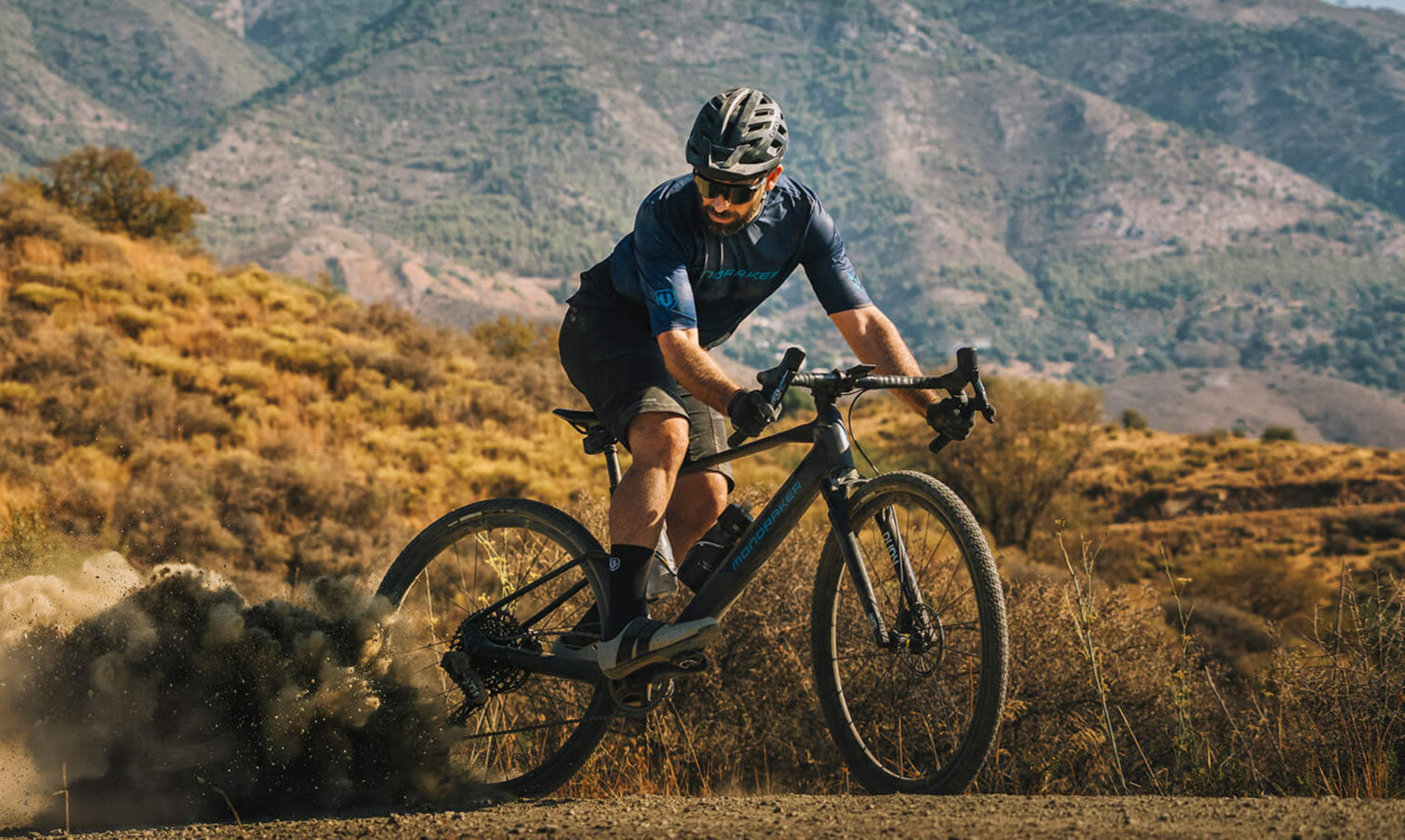
Gravel bike
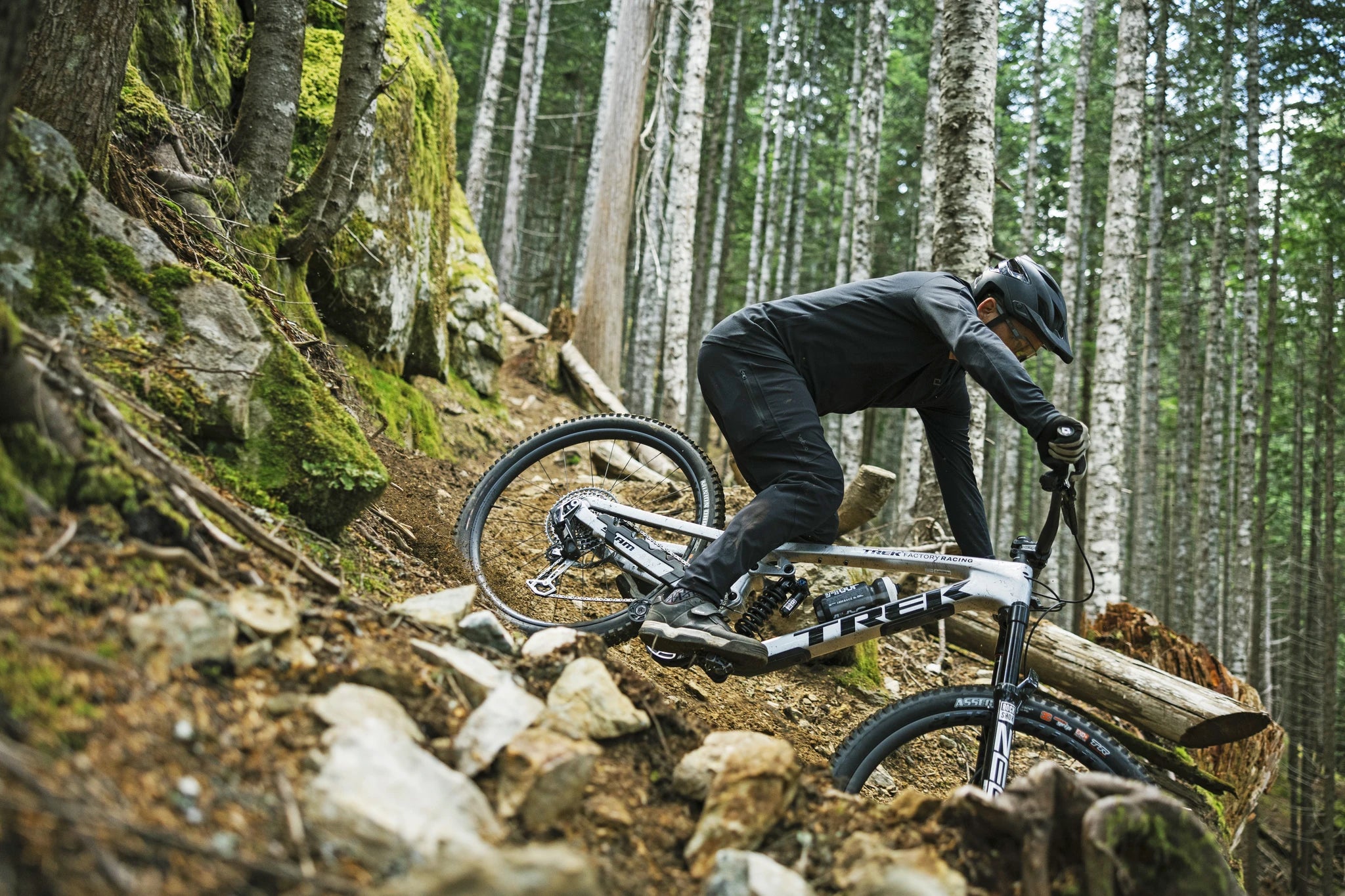
mountain bike
Which is better?
Cyclocross or gravel bike?
Whether a cyclocross or gravel bike is better for you depends on your intended use. Both bikes look similar at first glance, but have clear differences in geometry, comfort and handling.
The differences between cyclocross and gravel bikes in detail:
geometry & seating position
A cyclocross bike is optimized for racing and has a more aggressive geometry with a shorter wheelbase and steeper head angle. This makes it more maneuverable but also less comfortable.
A gravel bike has a more relaxed geometry with a longer wheelbase , which provides more stability and comfort on long distances.
Comfort & Driving Behavior
A cyclocross bike is sportier , reacts more directly to steering movements and feels more like a racing bike.
A gravel bike is more comfortable , often has a higher front and is a more relaxed ride – especially on long distances or bikepacking tours.
Features & Versatility
Cyclocross bikes usually do not have mounting points for racks or mudguards because they are built for racing.
Gravel bikes are more versatile and often have mounting options for bottle cages, mudguards and bikepacking bags.
tire width & profile
Cyclocross tires are usually narrower (33-38 mm) because they are designed for competition on mud, grass and gravel.
Gravel bikes allow for wider tires (35-50 mm) , which offer more cushioning and grip – ideal for long tours and unpaved roads.
Which bike is better for you?
Choose a cyclocross bike if you're sporty, prefer short, intense rides and maybe even want to race. Choose a gravel bike if you're planning long tours, bikepacking or a versatile mix of road and gravel trails.
👉 Conclusion: A cyclocross bike is ideal for fast, agile riding and competition, while a gravel bike offers more comfort and flexibility for adventures and long-distance rides. 🚴♂️
How much does a gravel bike cost?
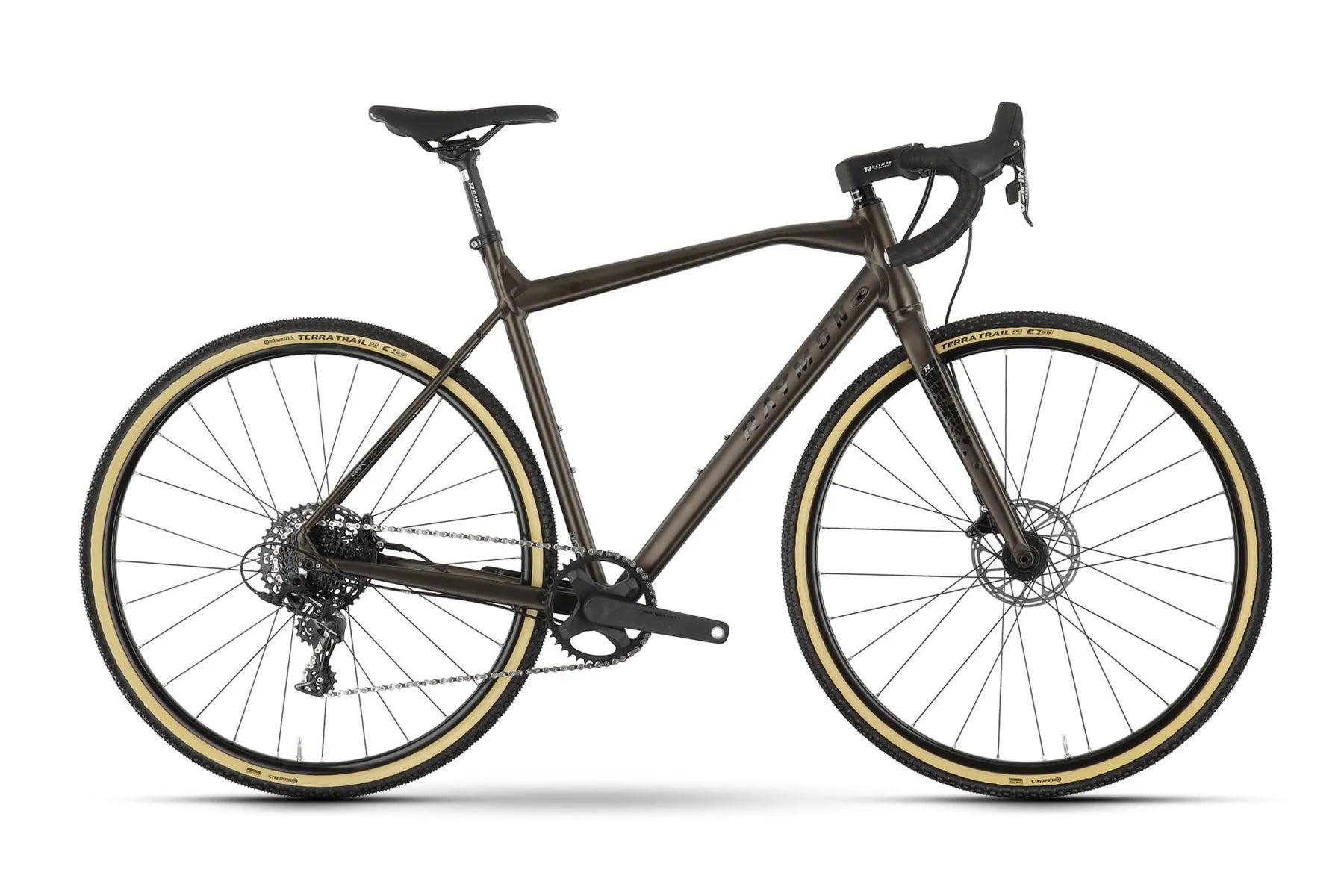
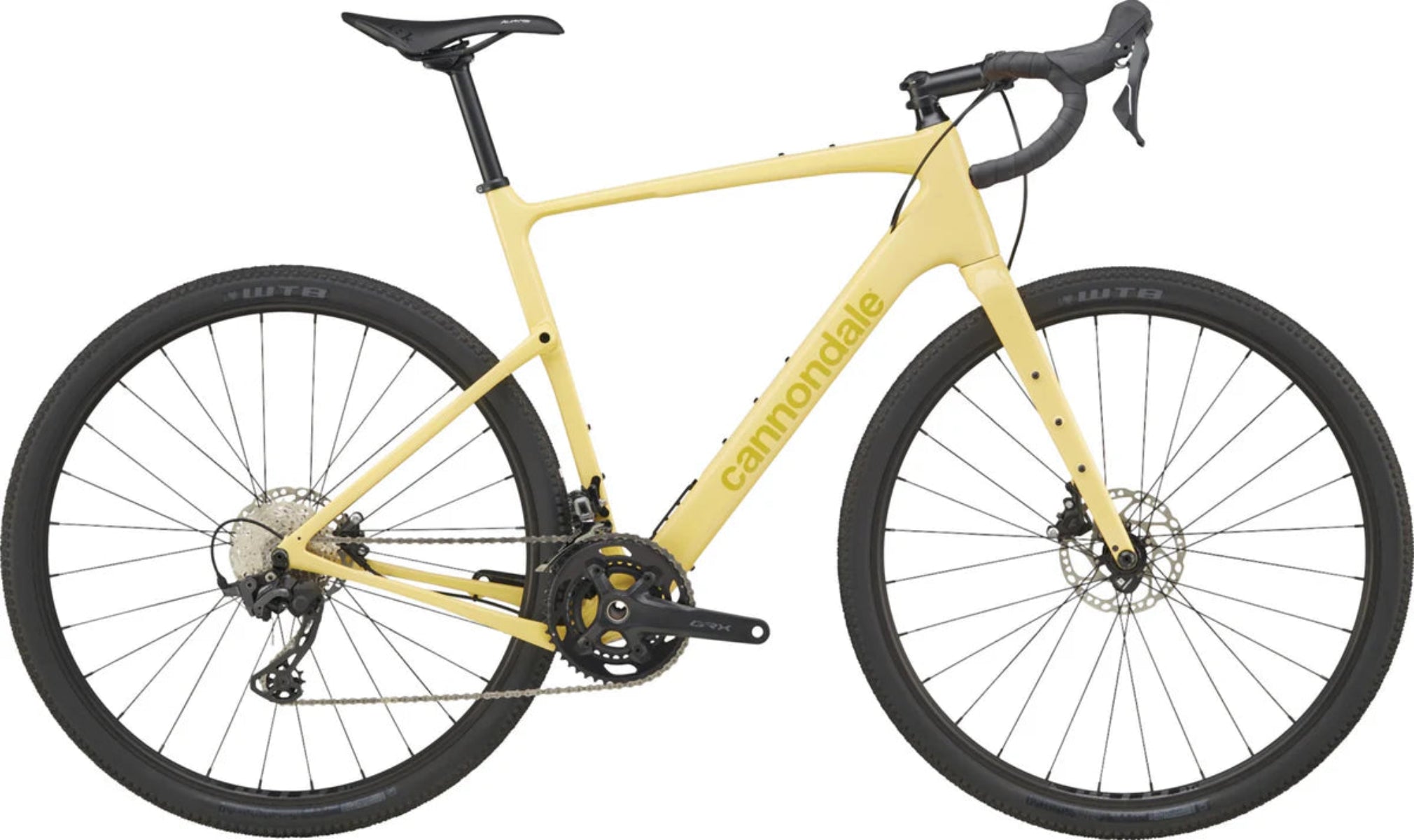
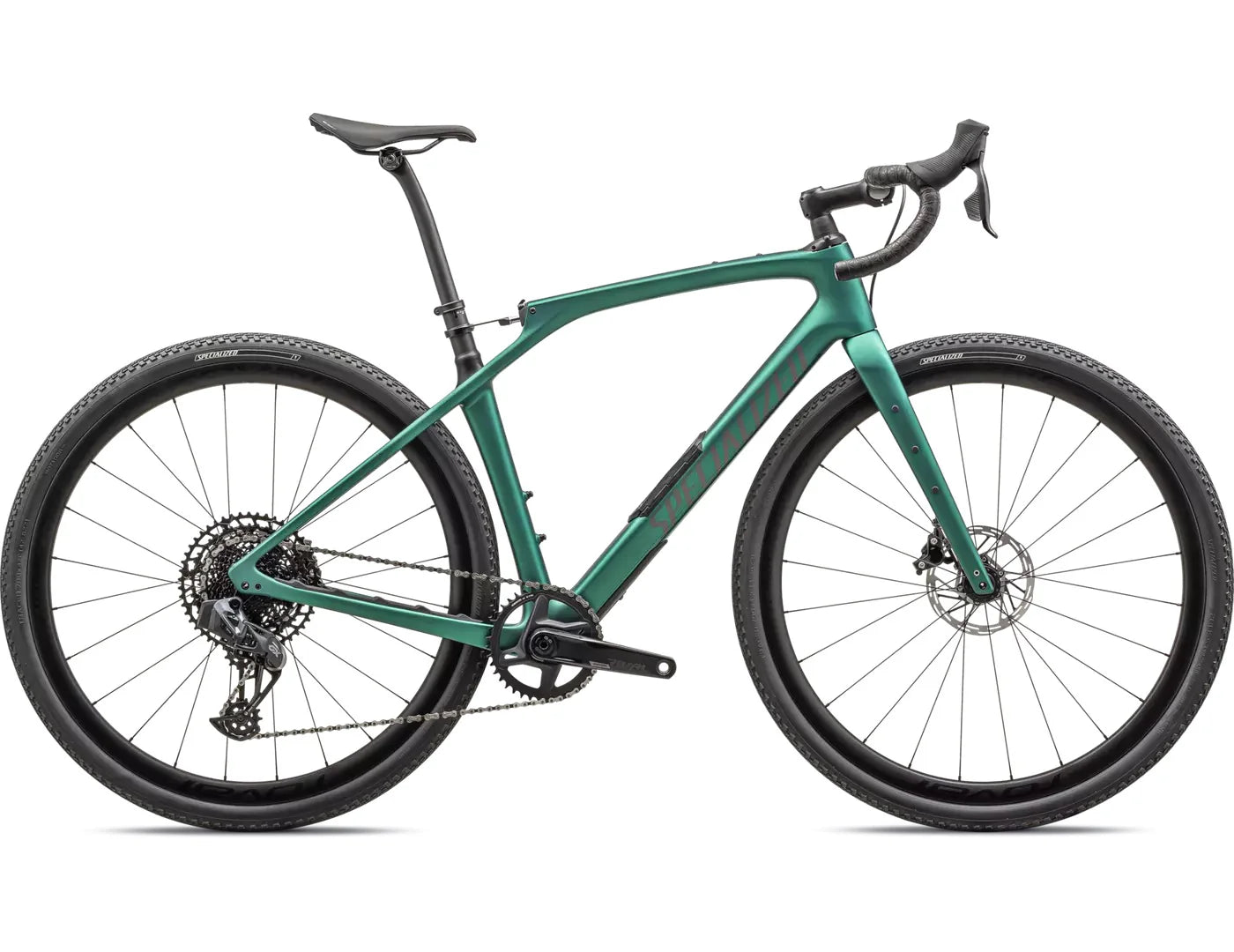
Are there differences?
Gravel bike men | Gravel bike women
In the world of cycling, there are generally differences in the geometry between men's and women's bikes, which are tailored to anatomical peculiarities. However, with gravel bikes, these differences are hardly relevant in practice, as modern frame geometries are often universally designed and easily adaptable. Much more important than the designation "men's" or "women's model" are the right frame size , an ergonomic seating position and a suitable saddle . If you want additional comfort, you can simply adjust the handlebars or saddle individually on unisex gravel bikes.
Gravel Bike Test Models at a Glance
Here are some gravel bike models that have performed very well in various tests and test reports:
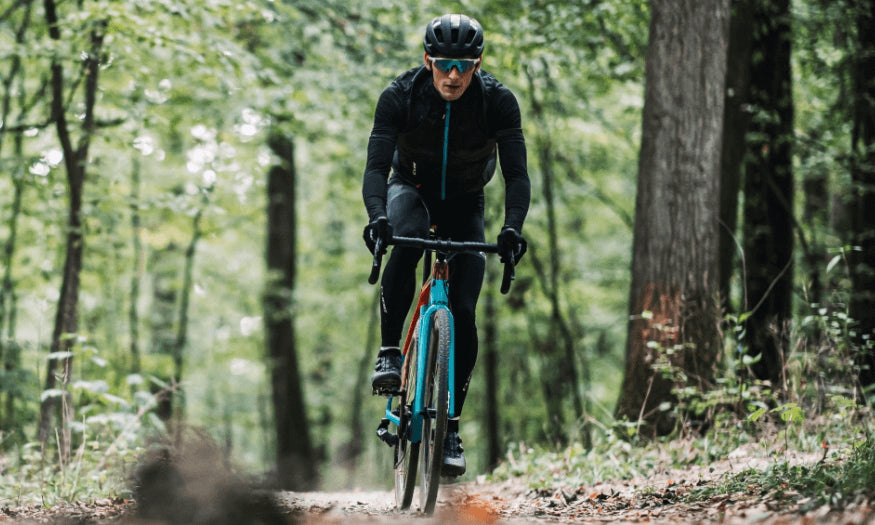
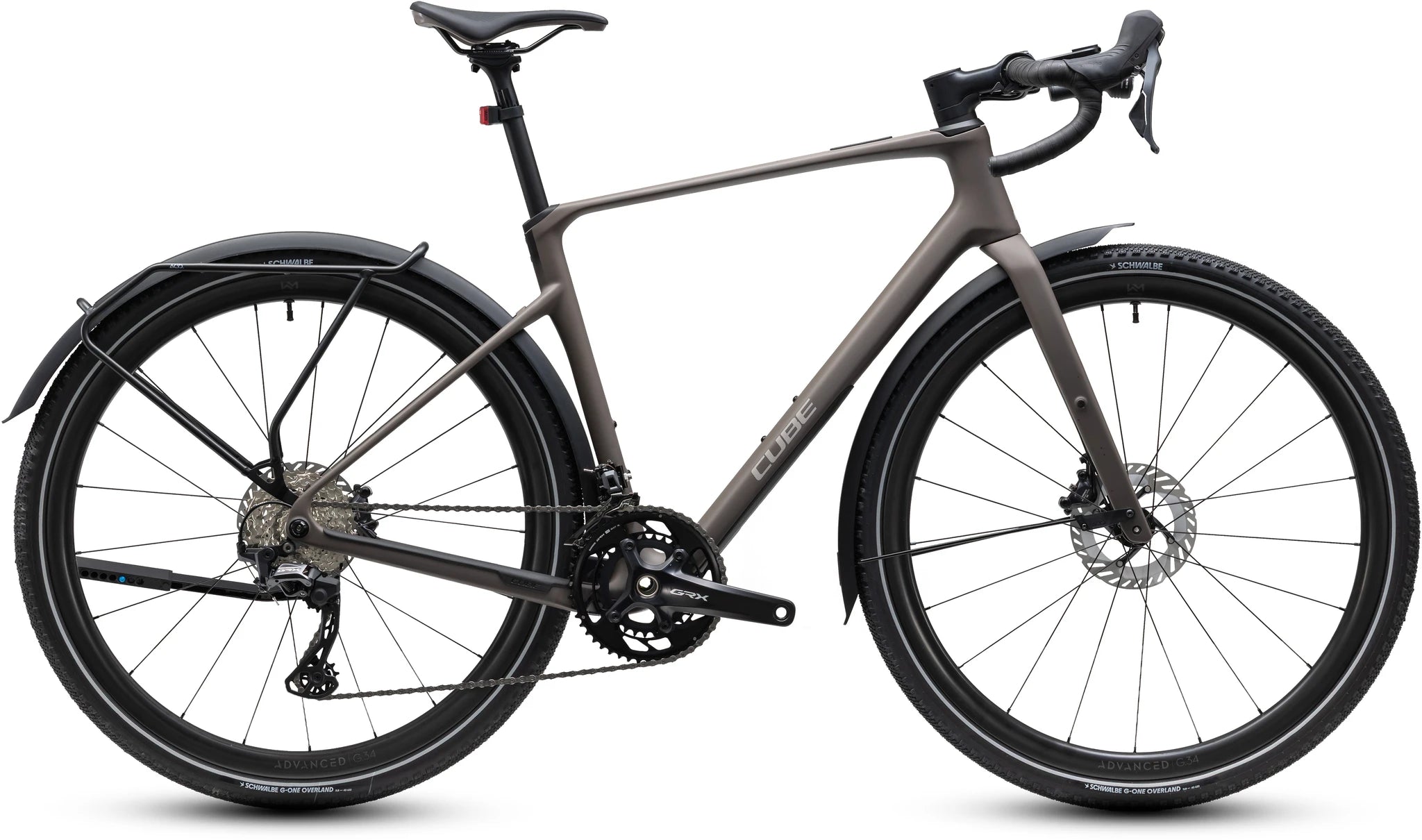
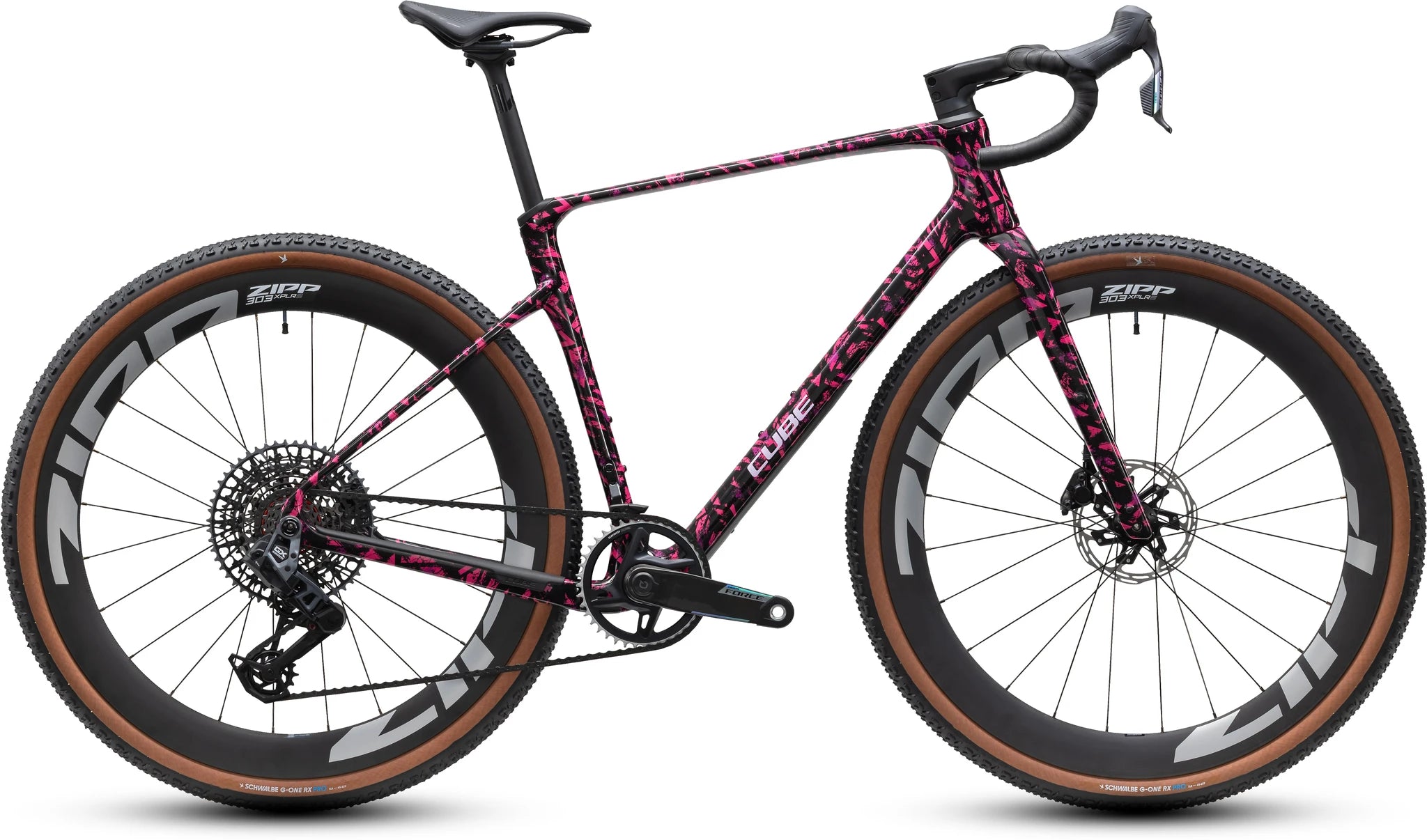
CUBE NUROAD AND NUROAD FE
Based on an aluminum frame, the Nuroad is available in two versions: either the sporty variant with tires up to 40mm wide, or the travel version equipped with mudguards and a luggage rack. The geometry of the Nuroad is rather sporty and stretched.
Cube Gravel Bike - All models
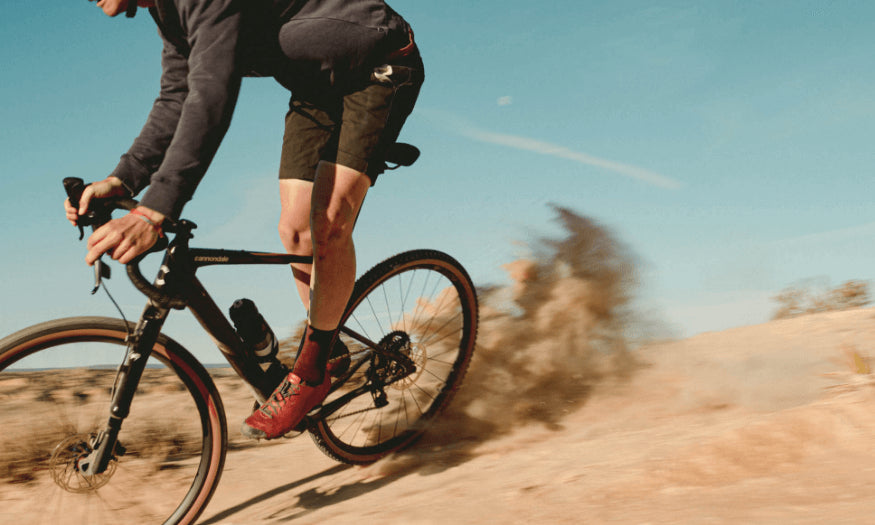
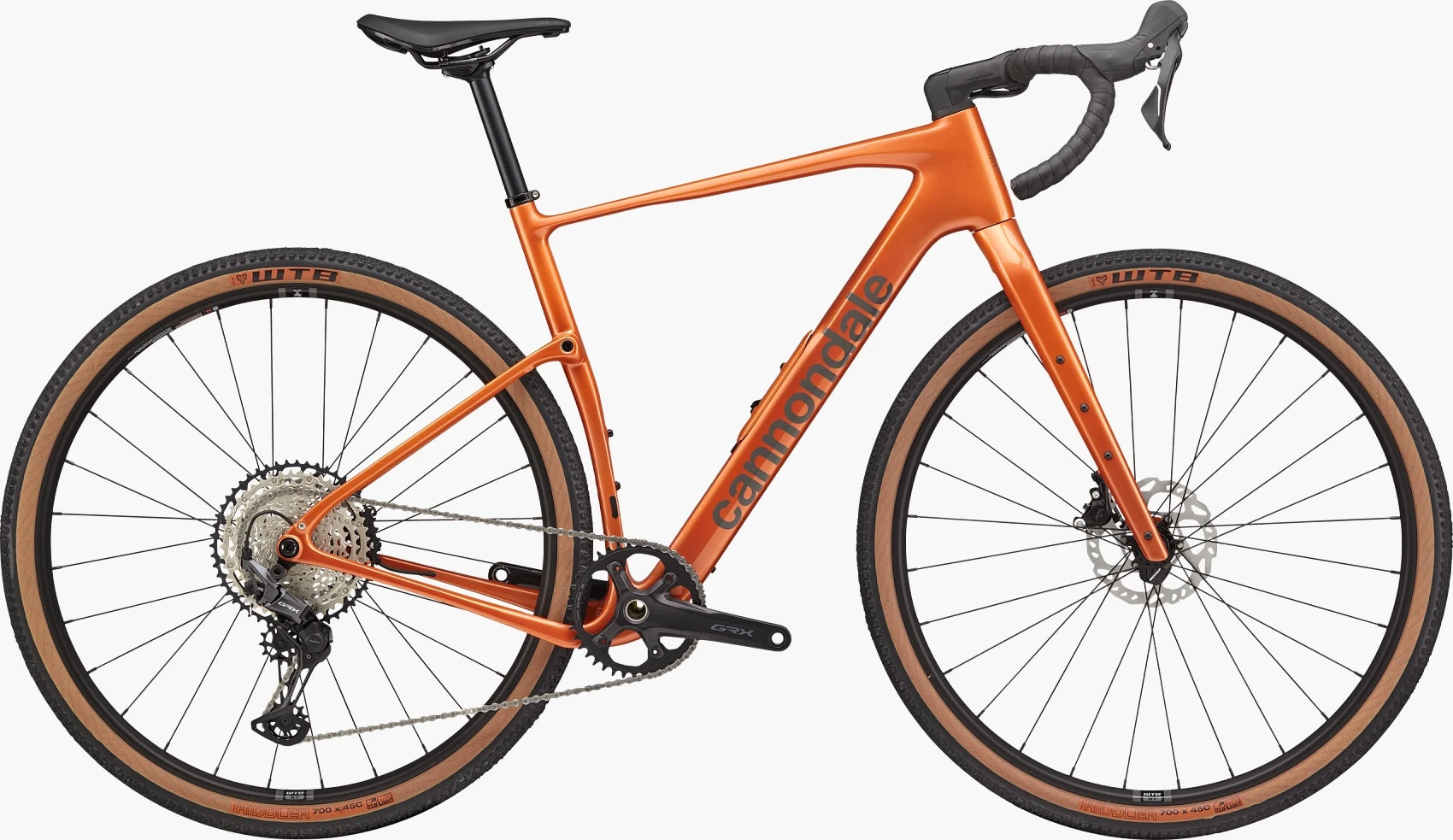
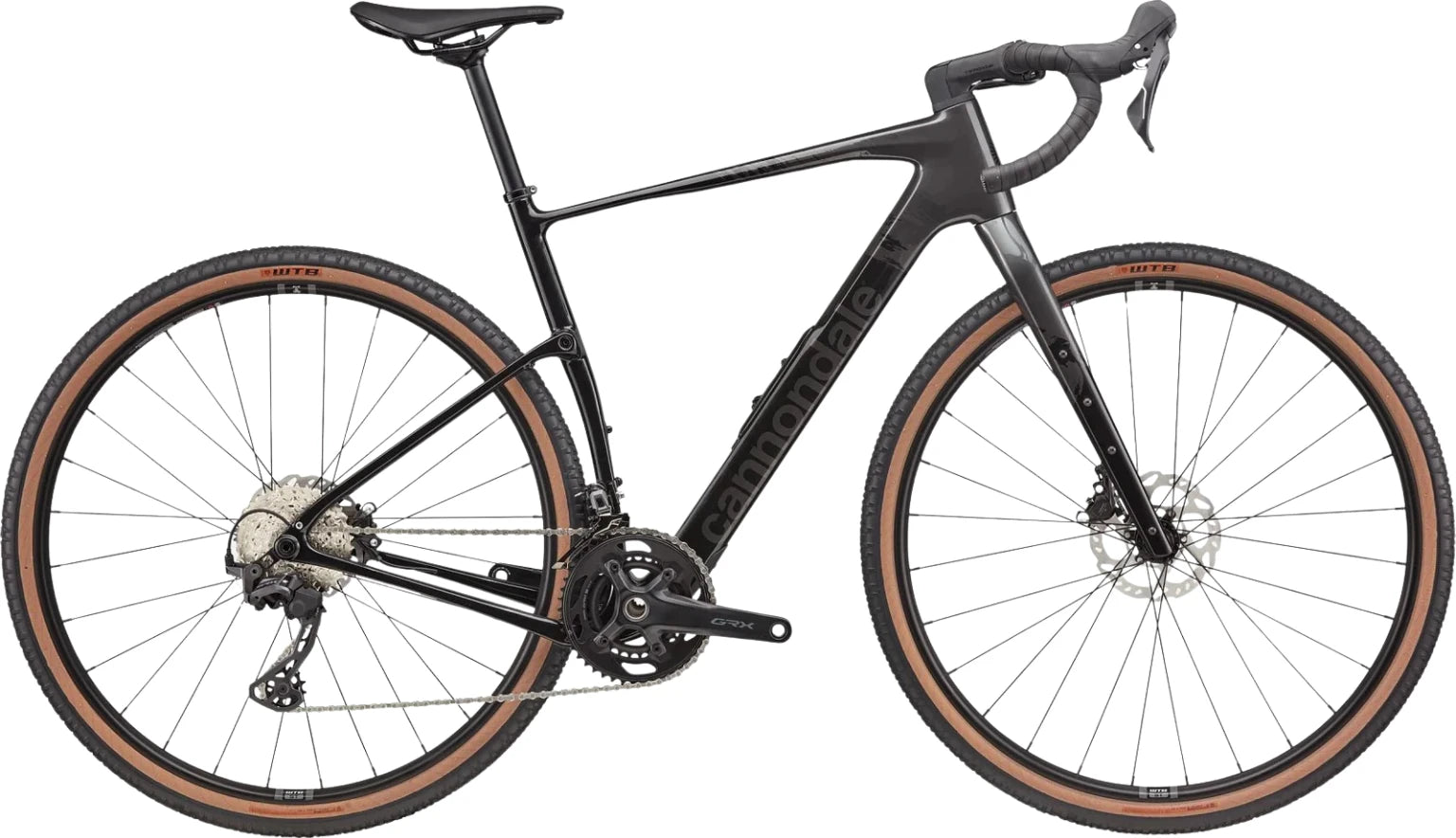
CANNONDALE TOPSTONE
The Topstone series is available in both aluminum and carbon versions. The aluminum frame features eyelets, allowing the bike to be equipped with mudguards or travel bags. The carbon version of the Topstone Carbon features a unique design where the rear triangle uses a pivot supported by the seat tube, and the chainstays are constructed to be flexible enough to provide the effect of rear suspension. Dubbed "Kingpin" by Cannondale, this system allows for up to 30mm of travel, resulting in significantly more comfort on rough gravel tracks.
Cannondale Topstone 2 | Cannondale Topstone Carbon 3 | Cannondale Topstone 4
Cannondale Gravel Bike - All models
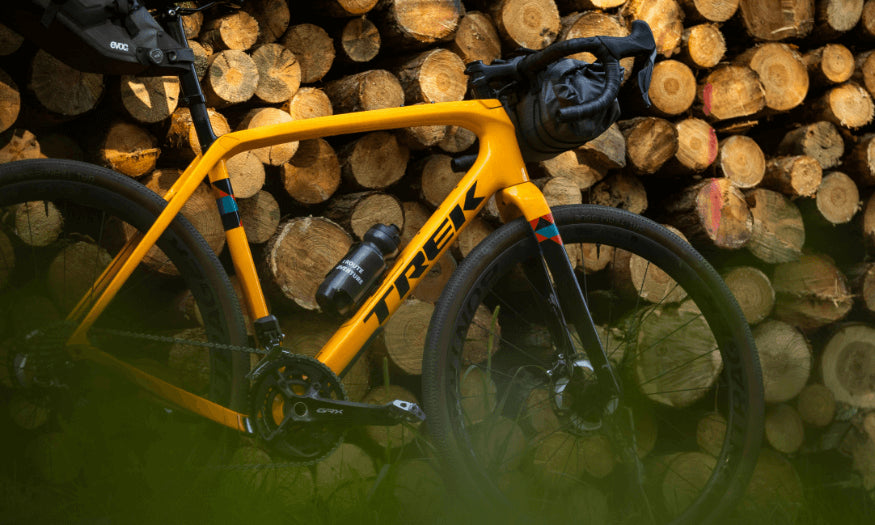
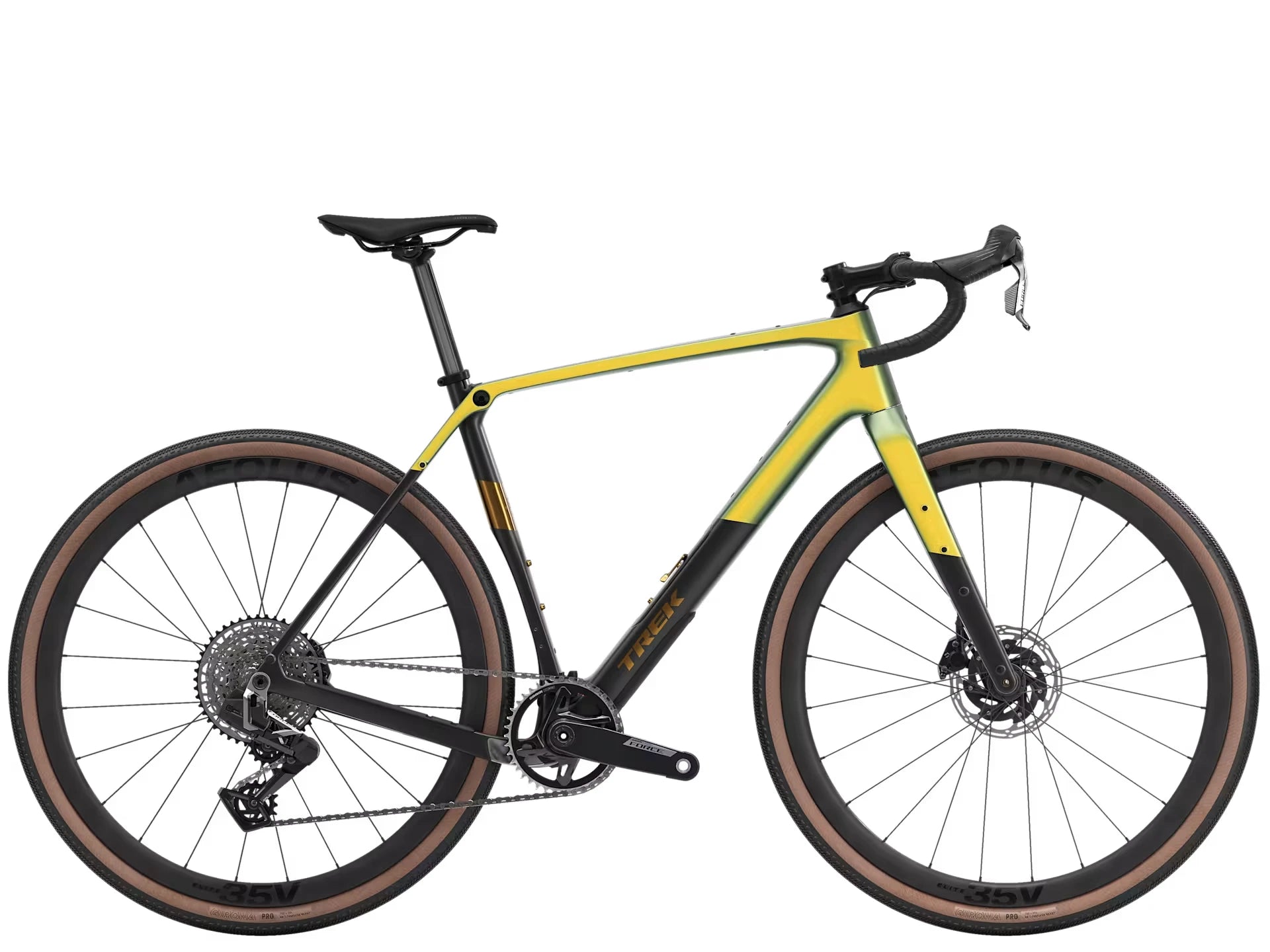
TREK CHECKPOINT
The Trek Checkpoint gravel bike series is available in two different aluminum versions and as an OCLV carbon version in the SL series. All versions are equipped with mounts for mudguards and luggage racks. The carbon SL version features the IsoSpeed system developed with Fabian Cancellara at the front and rear, which leads to a significant increase in comfort. Furthermore, all frames are designed to accommodate tires up to a width of 48mm. The frame geometry is rather sporty, appealing to riders who have already ridden a road bike and are therefore accustomed to—and desire—an elongated position.
Trek Gravel Bike - All models
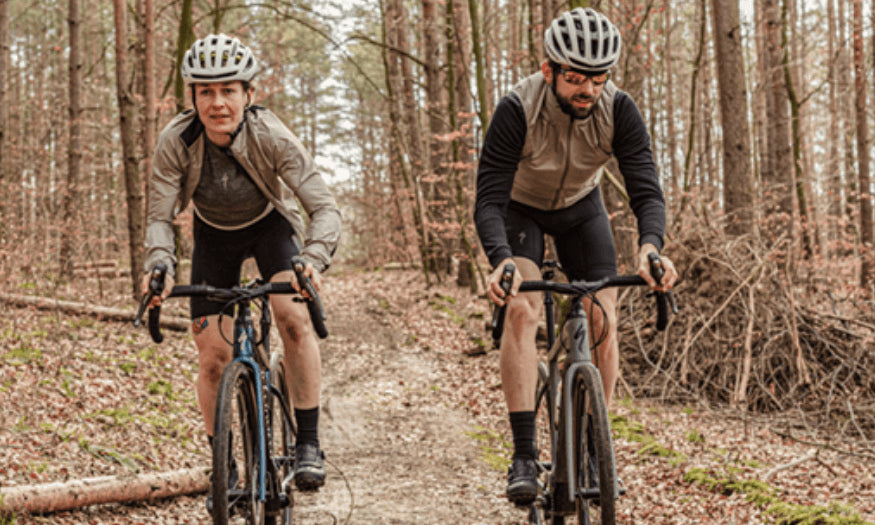
Specialized Diverge
Specialized Diverge gravel bikes are available in three different frame grades: S-Works carbon, carbon, and aluminum. The top-tier models in the carbon and S-Works series are equipped with the Future Shock suspension fork. The top-of-the-line S-Works model weighs just over 8kg. With a tire width of 38mm, the Diverge series of gravel bikes is positioned more in the sporty category.
Specialized gravel bike - All models
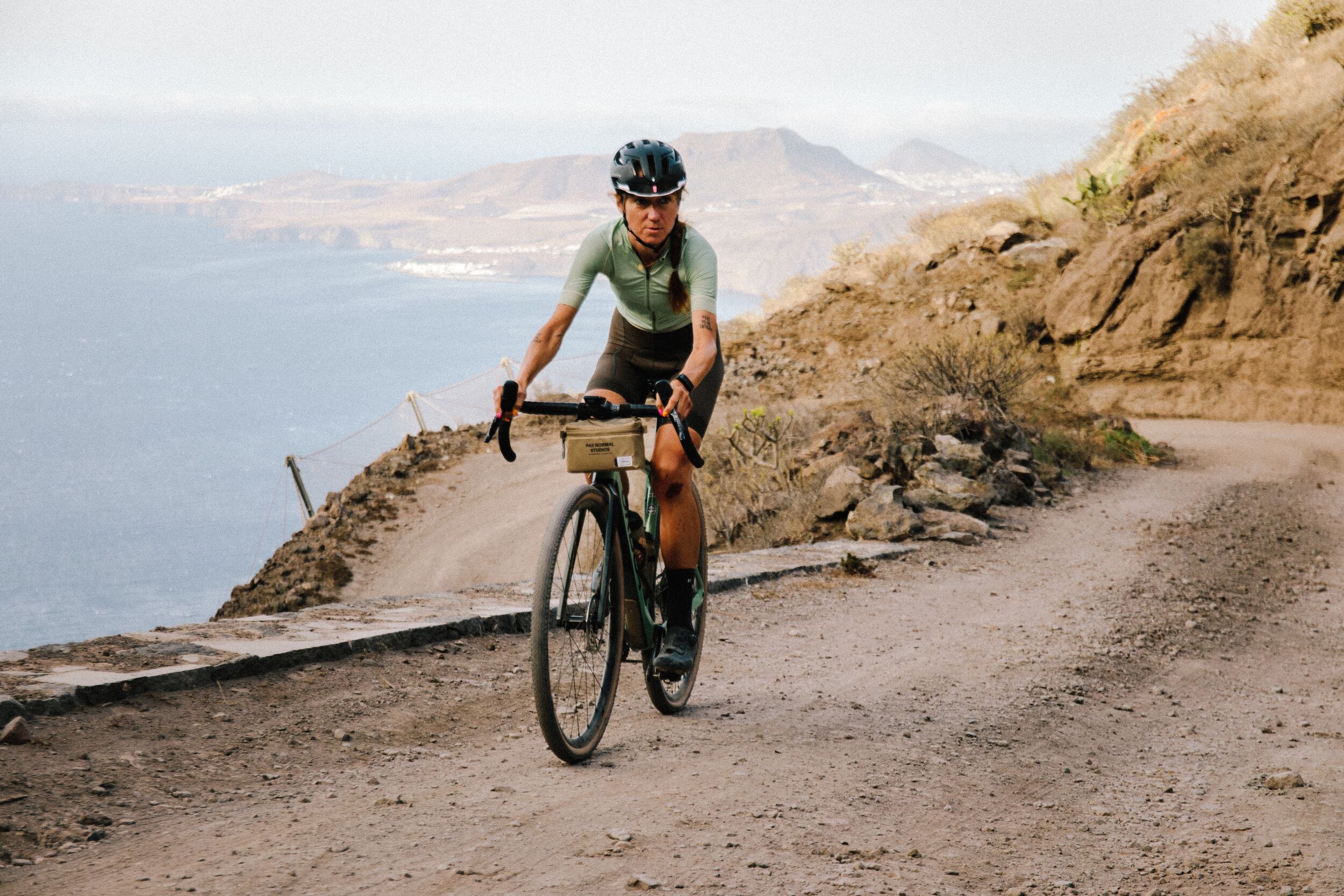
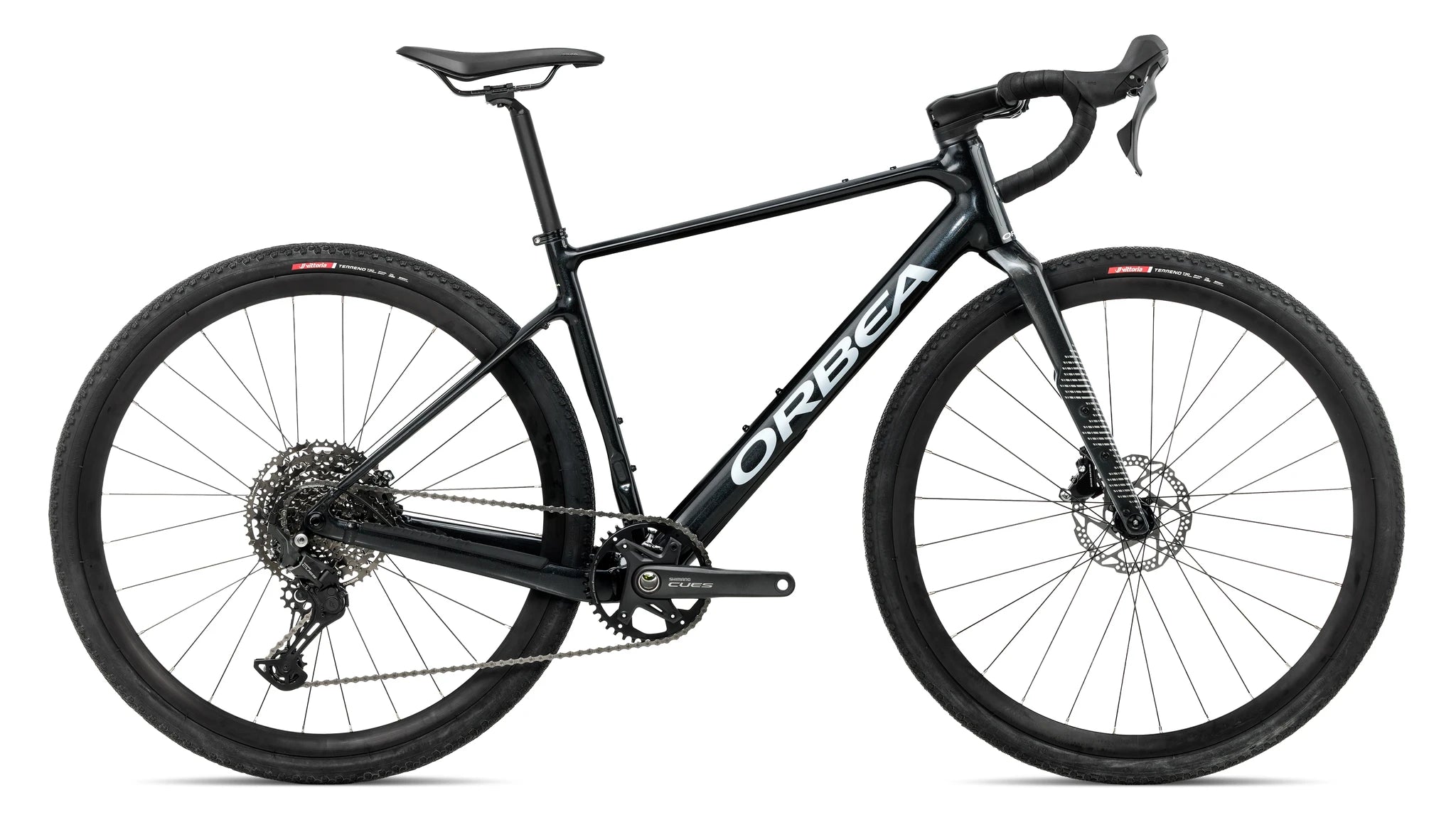
ORBEA TERRA
The Orbea Terra is a versatile gravel bike that combines adventure and performance. With its high-quality aluminum or carbon frame, it offers the ideal balance between comfort and efficiency on a variety of terrain. The wide tires and robust construction allow you to ride on gravel paths, unpaved roads and trails, while the precise steering and responsive handling on asphalt ensure a versatile riding experience.
Orbea Gravelbike - All Models
Further comparisons with the gravel bike
A gravel bike is often compared to other bicycles because it combines elements from different types of bikes, making it extremely versatile. It unites the speed of a road bike, the off-road capability of a mountain bike, and the everyday practicality of a trekking or hybrid bike. As a result, the question often arises as to whether a gravel bike is a better alternative to a road bike, mountain bike, or hybrid bike. Since it is suitable for many areas of use, it is frequently compared with other bike types to determine which best suits individual needs.
Is a gravel bike slower than a road bike?
Yes, a gravel bike is slower than a road bike, but how significant the difference is depends on several factors.
Why is a gravel bike slower?
Wider tires → More rolling resistance on asphalt compared to the narrow, smooth tires of a road bike.
Heavier frame → Gravel bikes are built to be more robust, often using aluminum or steel, whereas road bikes are optimized for minimal weight.
Aerodynamics & geometry → The more upright riding position of a gravel bike offers more comfort, but less aerodynamic efficiency than a road bike.
Gearing & drivetrain → Gravel bikes often have lower gearing for off-road use, resulting in a lower top speed on the road.
Is a gravel bike faster than a mountain bike?
Yes, a gravel bike is generally faster than a mountain bike, especially on asphalt and gravel paths. The difference arises from several factors:
Why is a gravel bike faster than a mountain bike?
- Narrower tires with less rolling resistance
- Lighter frame and components
- More aerodynamic riding position
- More efficient gearing
What is the difference between a hybrid bike and a gravel bike?
A hybrid bike is a mix of a trekking and mountain bike, while a gravel bike is more closely based on road bikes. A hybrid bike usually has flat handlebars, a more upright riding position, and is well-suited for everyday use, fitness, and light touring. A gravel bike, on the other hand, features drop handlebars, a sportier geometry, and is optimized for longer tours, gravel tracks, and bikepacking. Furthermore, gravel bikes are more robust, have wider tires with deeper tread, and are usually equipped with hydraulic disc brakes.
Stay up to date
The gravel bike scene continues to grow rapidly in 2026, and here at Liquid-Life, we always provide you with the latest info & bikes. You can find an overview of new gravel bikes here:
New gravel bikes
Du kannst deine Einstellungen jederzeit anpassen, um den vollen Funktionsumfang unserer Website zu nutzen.
Cookie-Einstellungen bearbeitenWir helfen Dir gerne weiter!

Live-Chat
Telefon
Telefon
Telefonzeiten:
Mo. - Fr. 10:00 - 13:30 & 14:30 - 18:00 Uhr
Sa. 10:00 - 14:00 Uhr
Telefon:
+49 2961 914 886 9
Kontaktformular
Kontaktformular
Außerhalb der Chat- und Telefonzeiten kannst Du uns Dein Anliegen über das Kontaktformular mitteilen.
E-Mail
Schreib uns einfach eine E-Mail an verkauf@liquid-life.de und wir werden Dir so schnell wie möglich antworten. Bitte hab Verständnis, dass es aufgrund der chronologischen Bearbeitung zu kleinen Verzögerungen kommen kann.
Bikeberater
Bonusprogramm