


Cube Reaction
Cube Reaction 2026: Sporty hardtail performance for tours and trails
With the Cube Reaction, you'll be riding off-road in a sporty and efficient way. Whether it's long tours, fast cross-country laps, or more challenging trails – the versatile hardtail series combines low weight, direct handling, and high-quality components for plenty of riding fun away from paved roads.
Filters
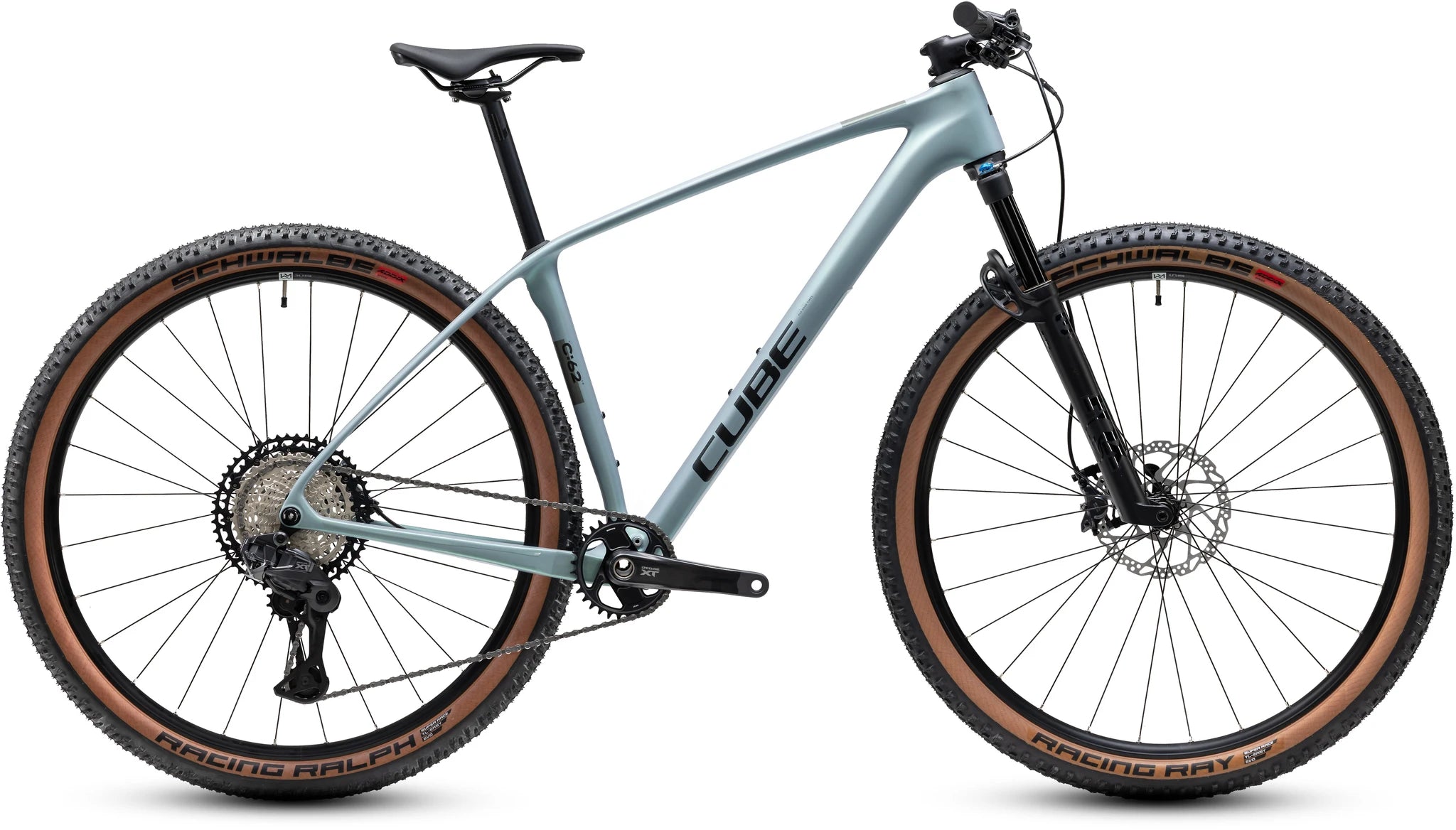

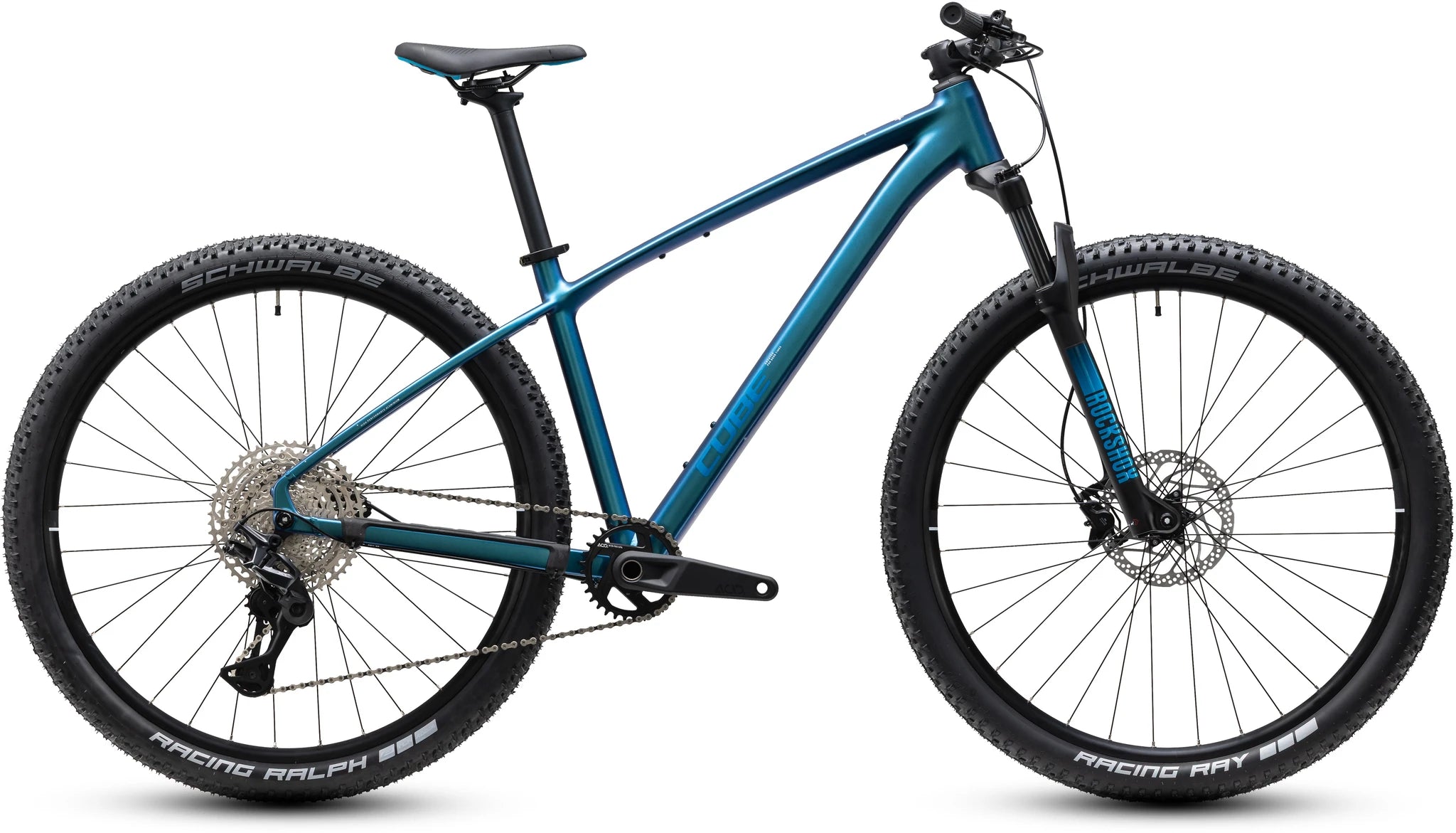
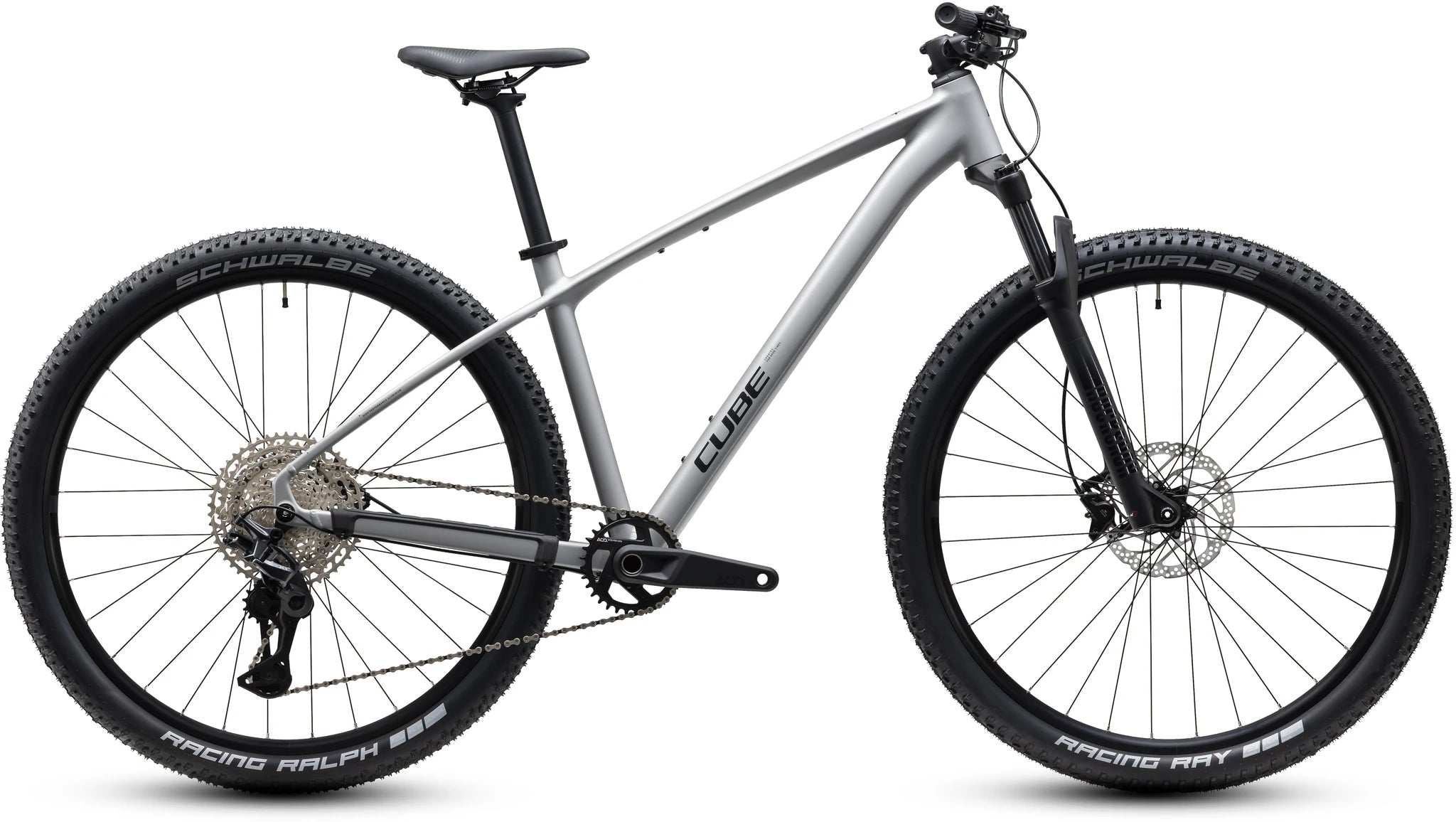
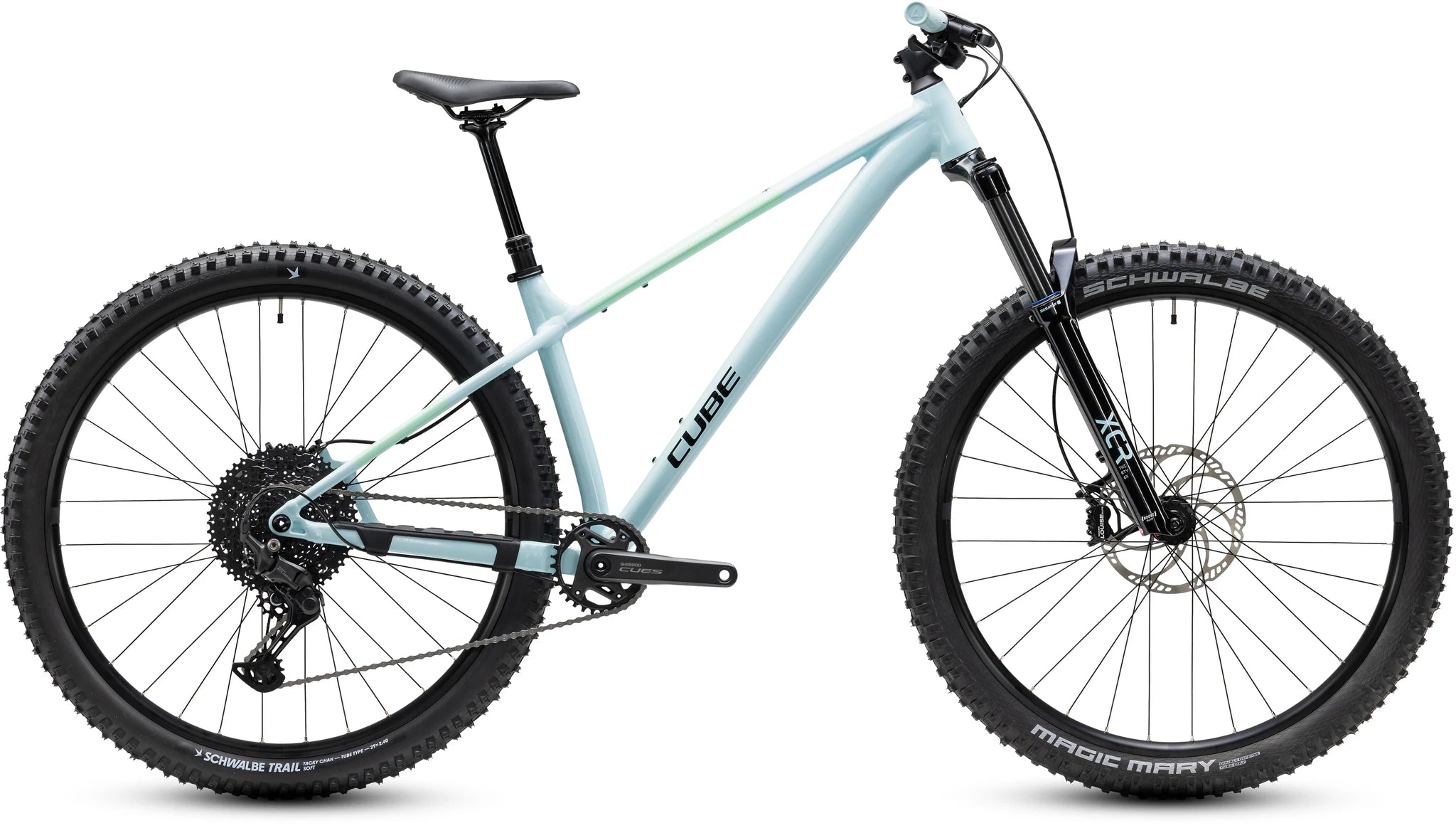
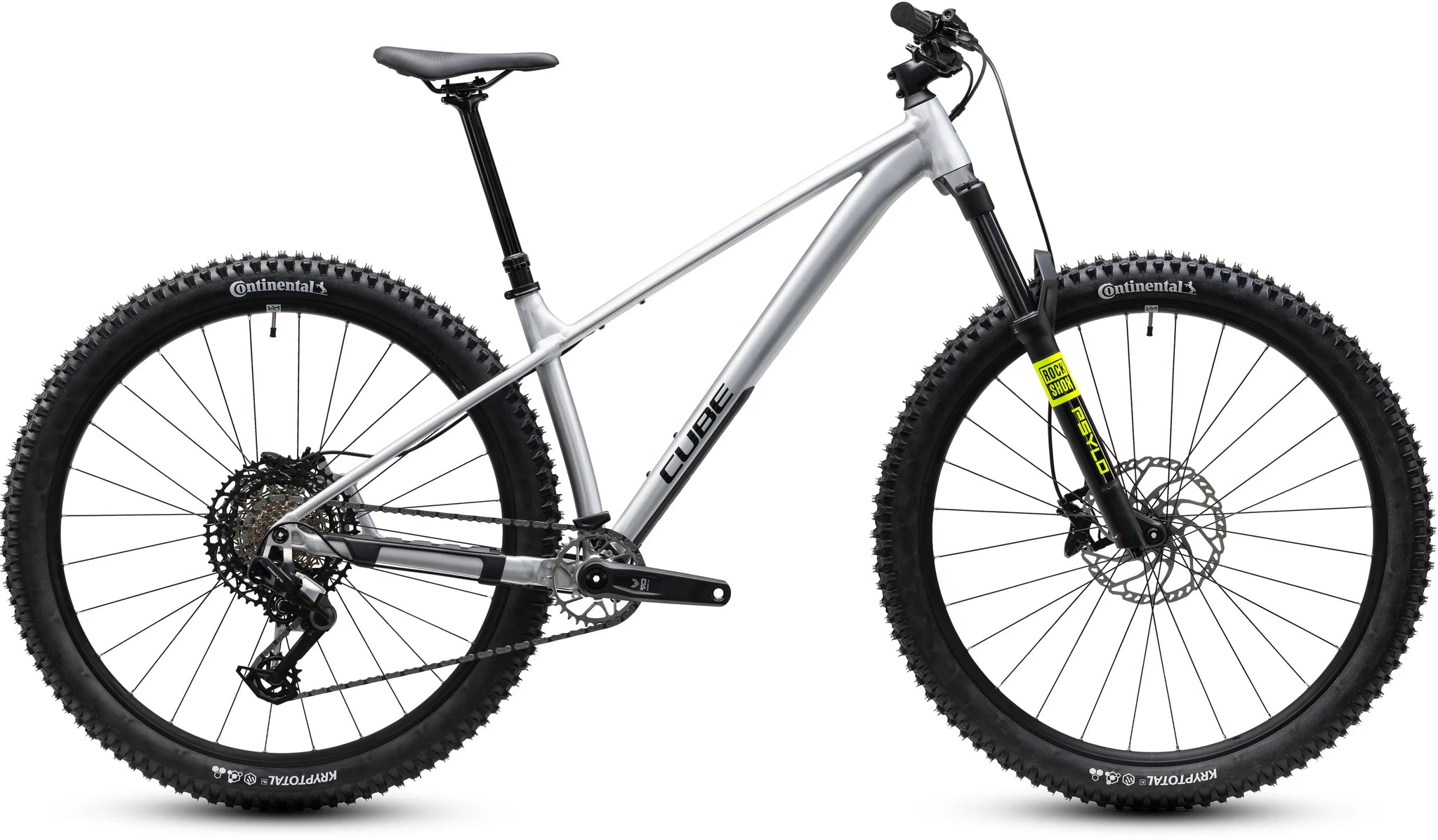
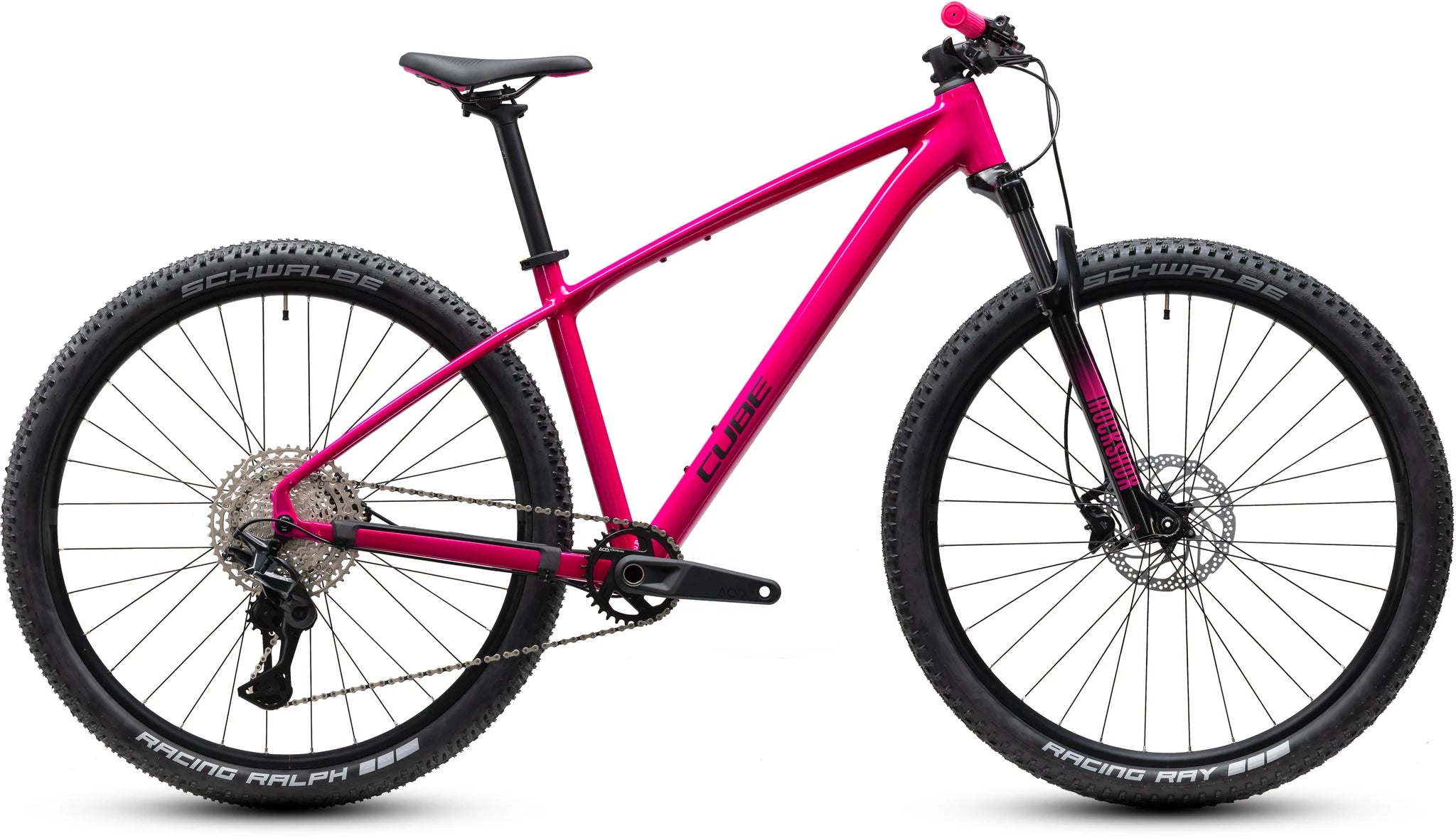
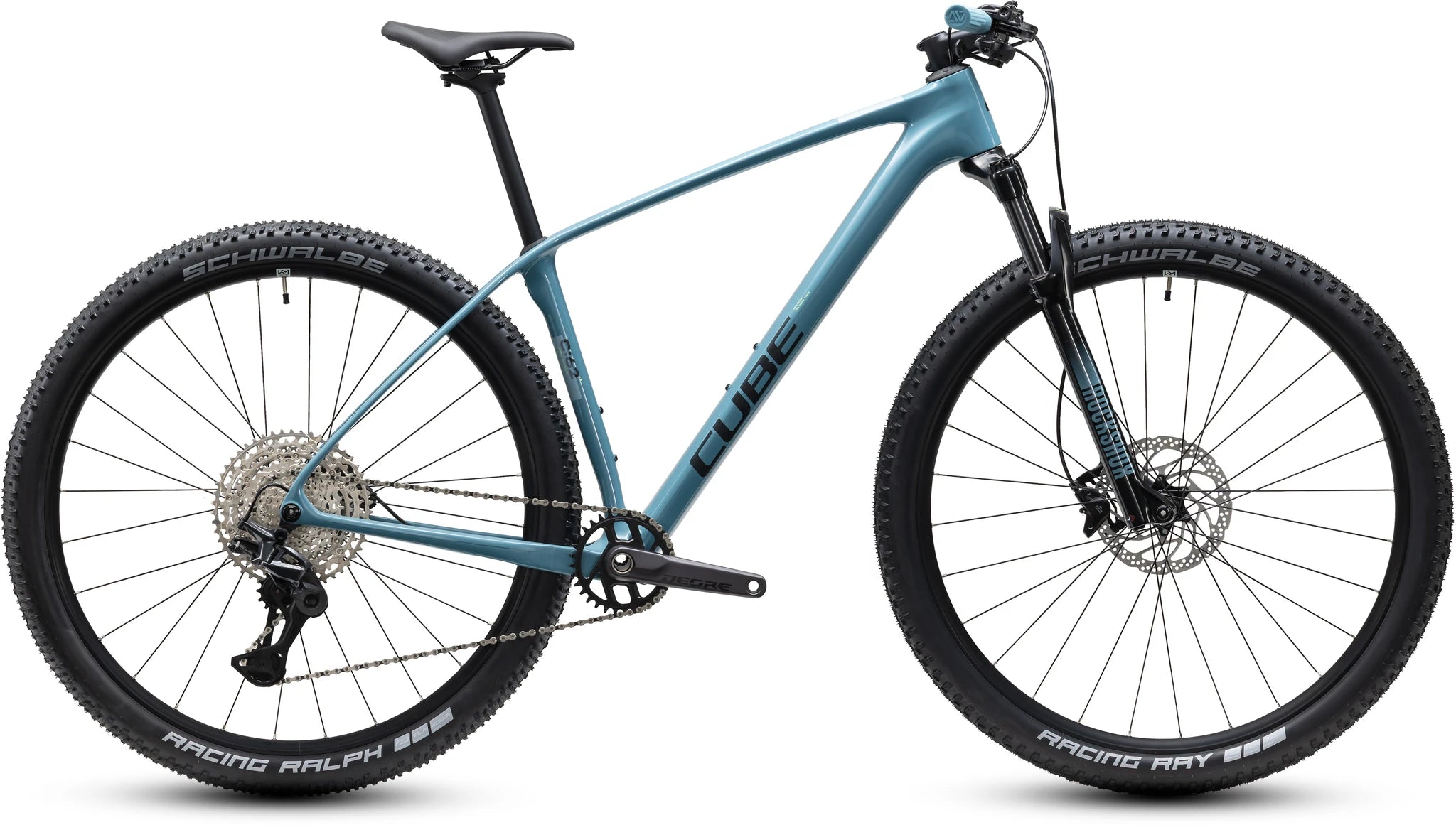
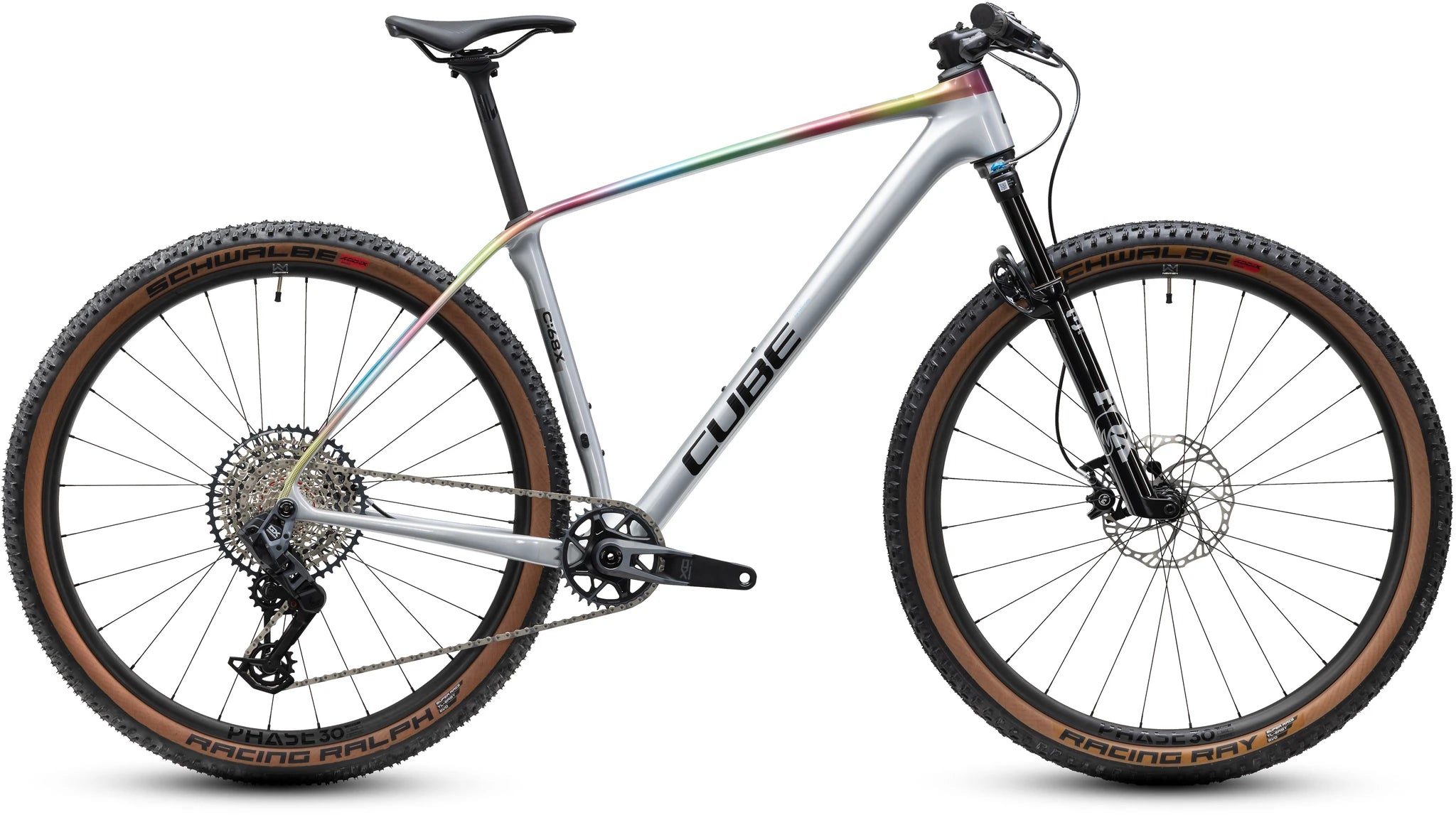
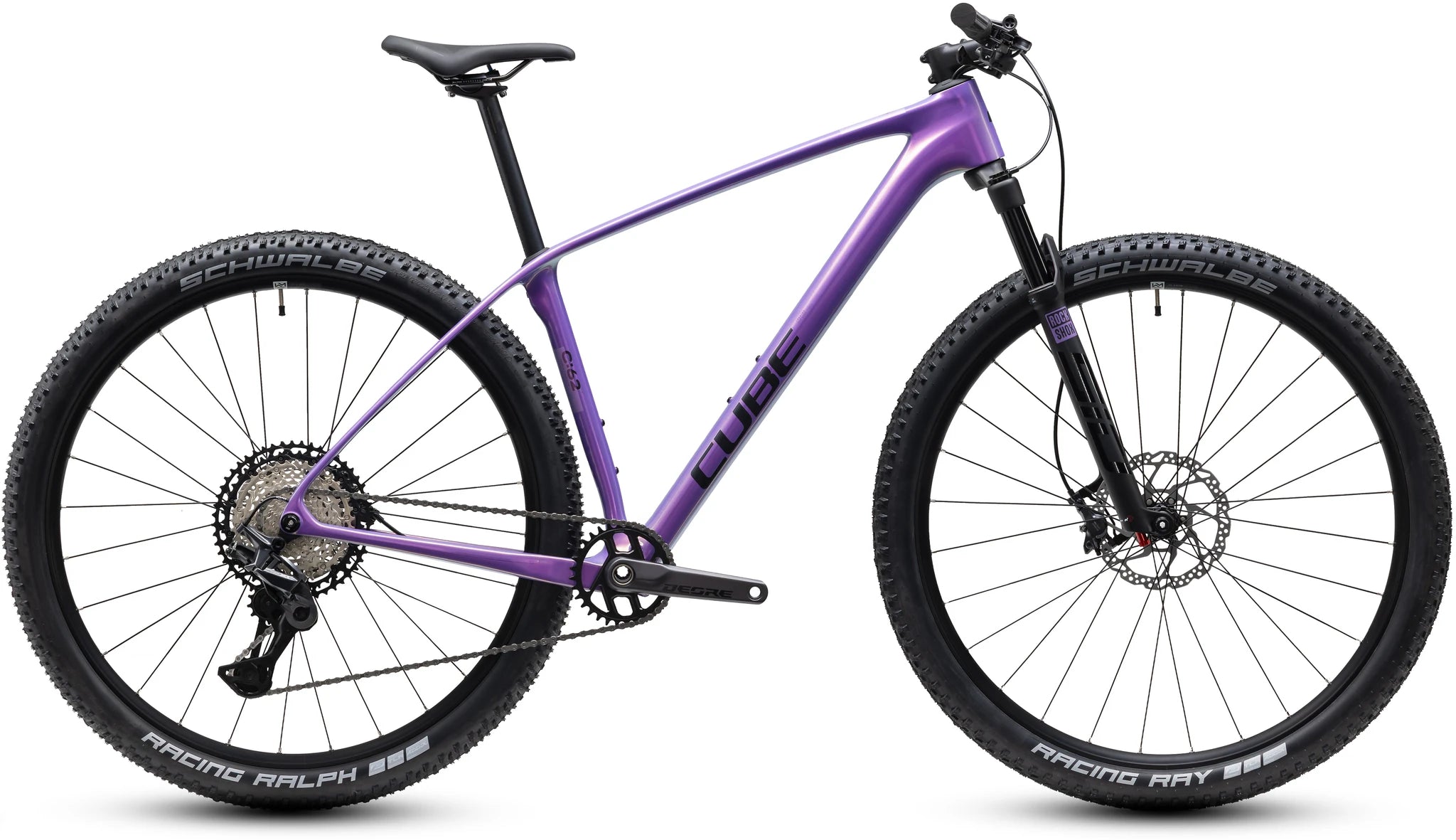
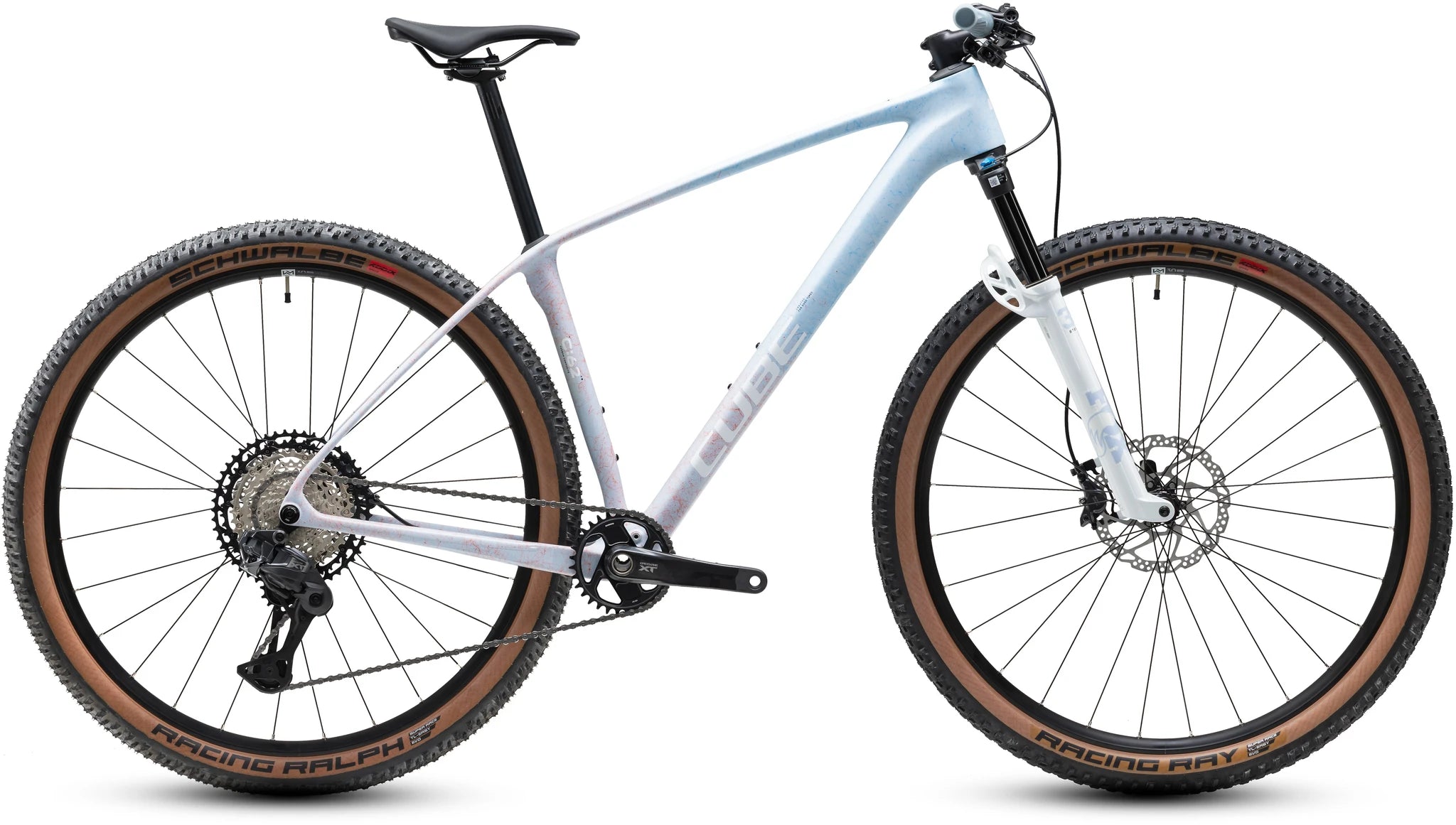
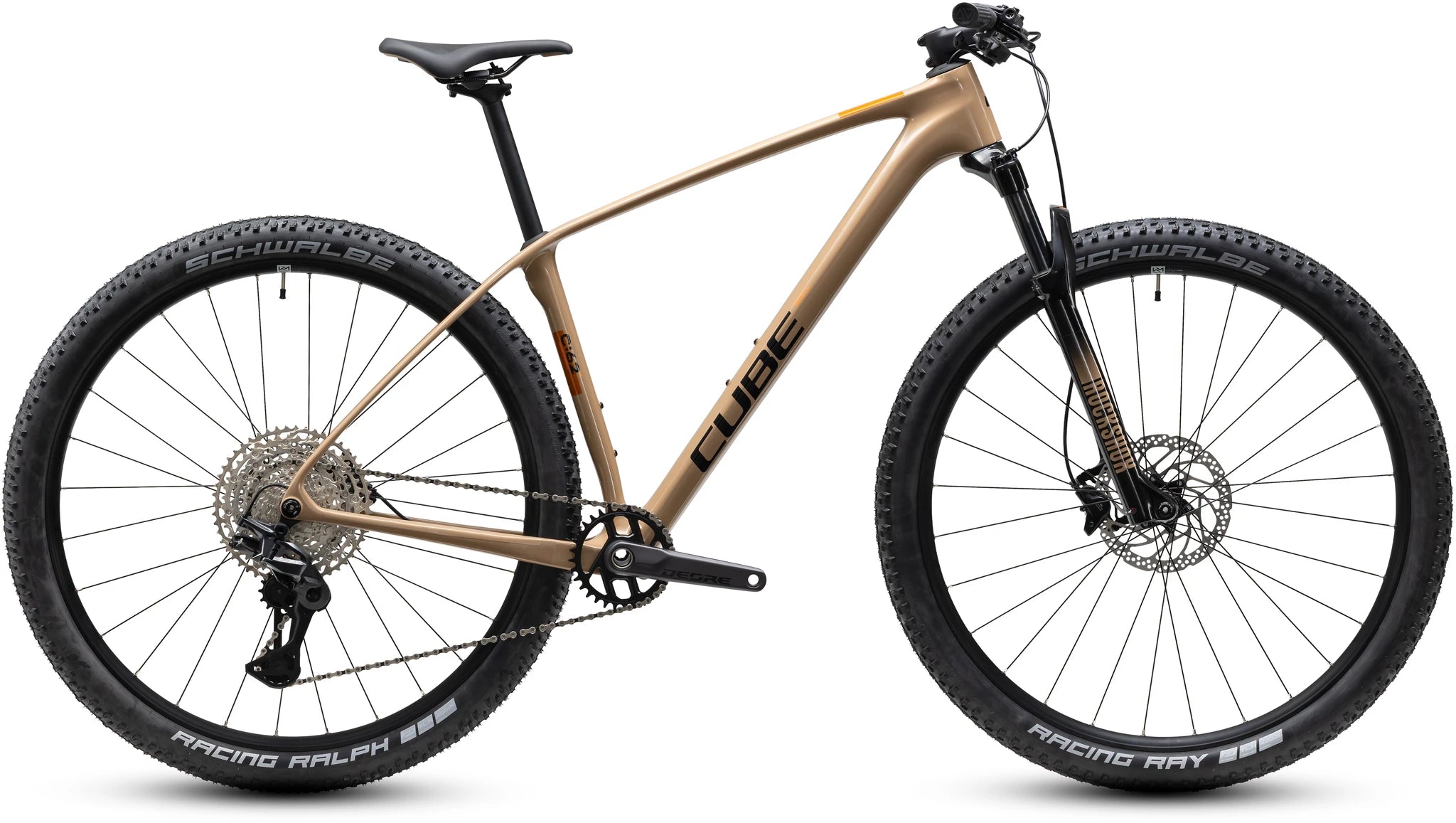
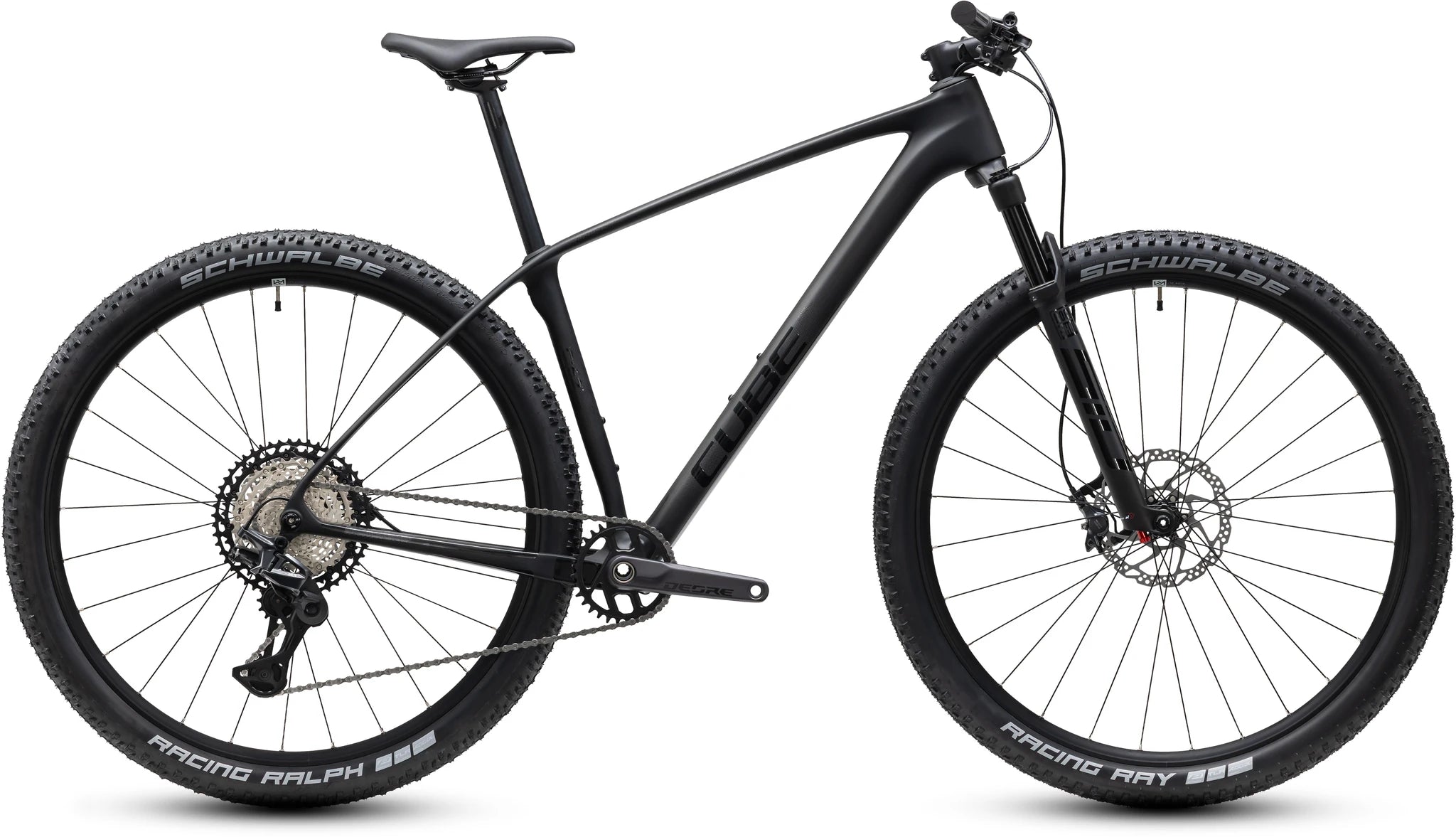
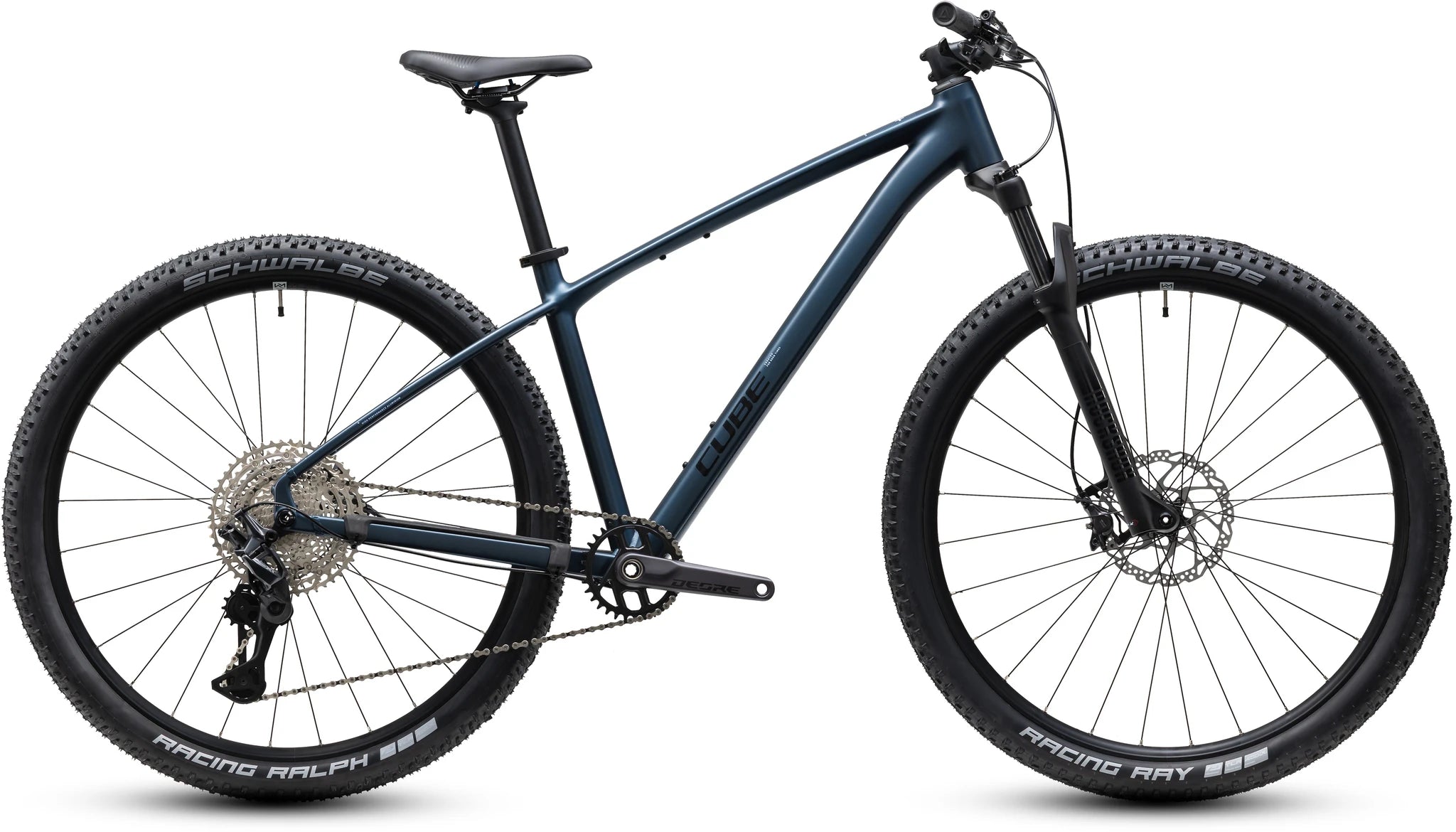
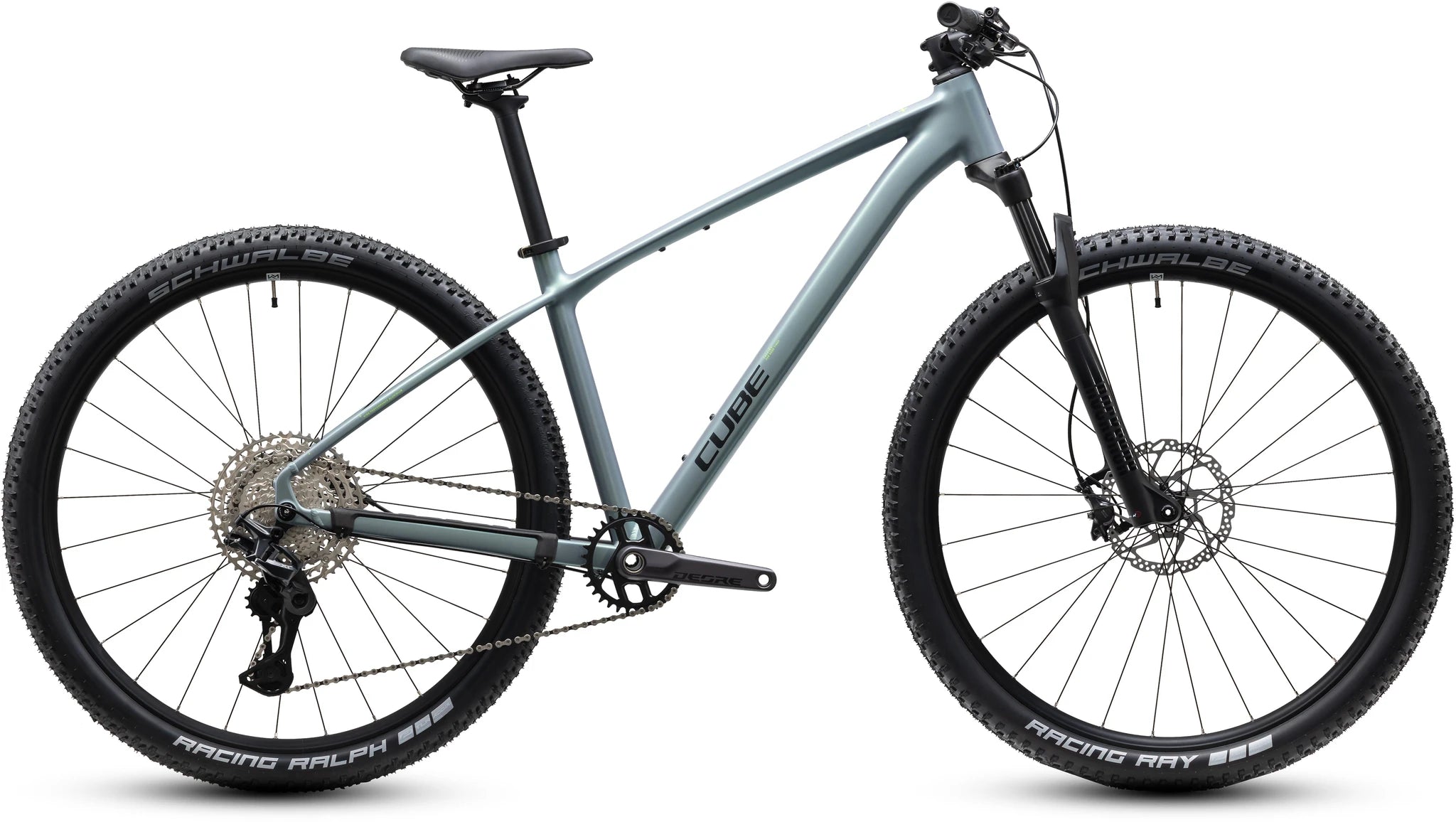


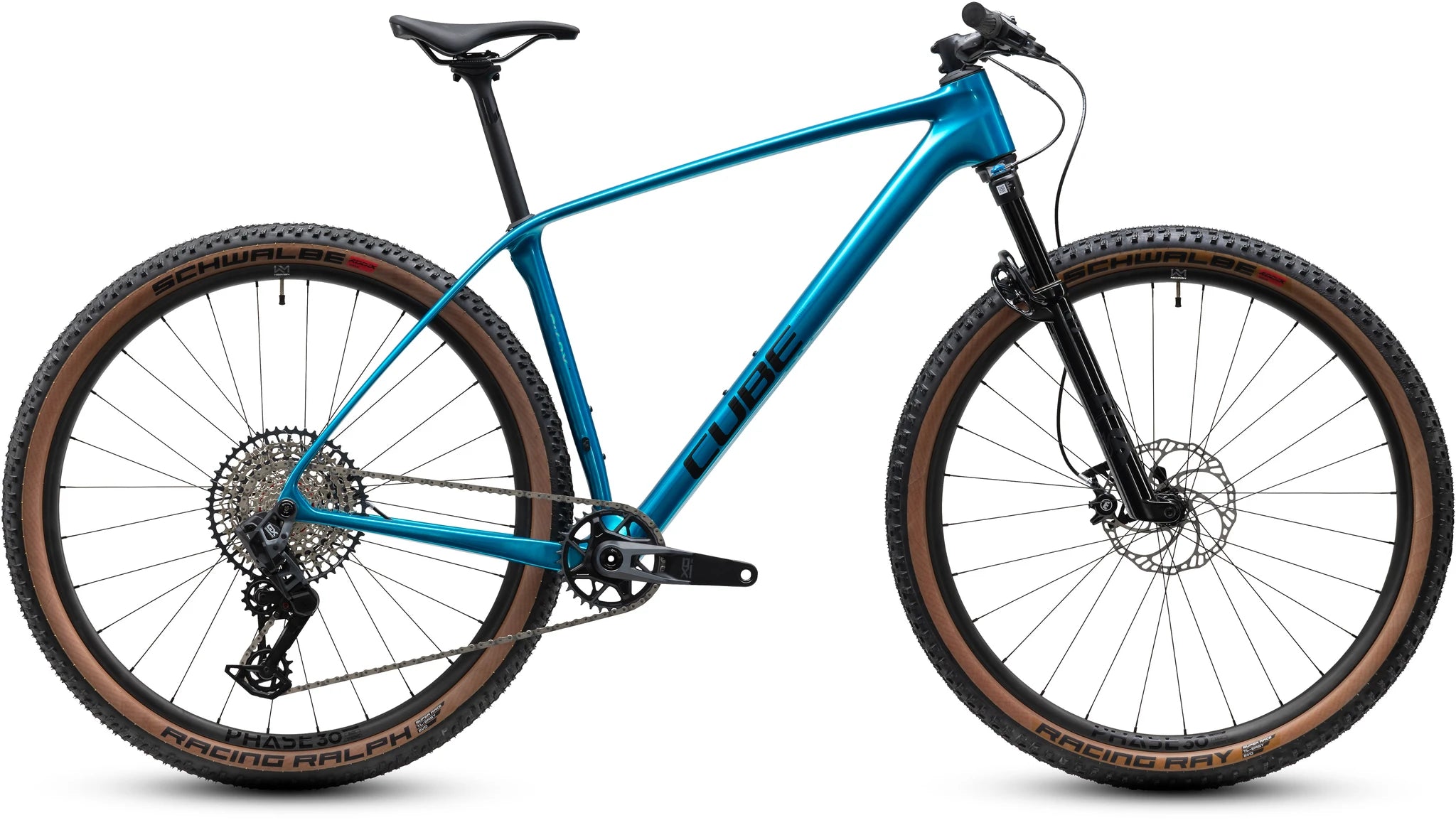


Cube Reaction: The versatile hardtail for trails and tours
The Cube Reaction is a hardtail model family designed for sporty tours, cross-country trails, and forest path riding. Depending on the version, the range extends from a straightforward aluminum mountain bike for beginners to a lightweight carbon hardtail for ambitious riders. The TM versions, on the other hand, are aimed at mountain bikers who want to tackle technical trails and more challenging descents.
All classic Reaction models feature a rigid rear end and a front suspension fork. Compared to a full-suspension bike, this design saves weight, requires less maintenance, and converts pedaling power directly into propulsion. On heavily rooted or rocky descents, however, a hardtail offers less comfort and traction at the rear wheel.
The Cube Reaction is therefore particularly suitable for riders who want to climb efficiently, go on longer tours, or develop their riding technique on a responsive mountain bike.
When choosing, frame material, geometry, and components are the deciding factors. HPA stands for an aluminum frame, while C:62 designates the carbon versions. The suffix TM indicates a descent-oriented trail configuration. The Cube Reaction Hybrid belongs to a separate e-bike family with a motor and battery.
Is the Cube Reaction a good mountain bike for beginners?
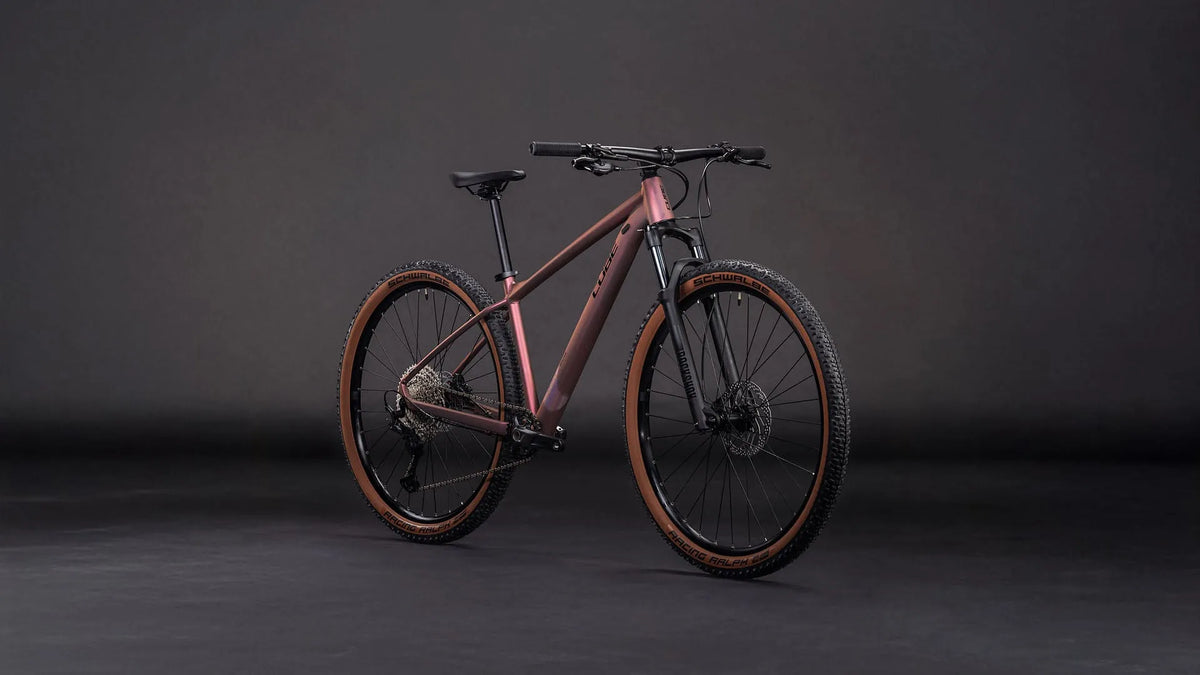
The Cube Reaction is well-suited for beginners, provided the intended use and model variant are a good match. The classic HPA models offer a balanced riding position, predictable steering, and a robust construction. This makes them suitable for initial mountain bike tours, gravel paths, and simple trails. Beginners do not need to get used to the additional rear suspension of a full-suspension bike and can learn basic riding techniques directly.
An aluminum model is usually the more sensible choice when looking for your first sporty mountain bike. The HPA frame keeps the purchase price lower compared to carbon. This allows the available budget to be invested in components that are noticeably effective while riding. These include a responsive suspension fork, hydraulic disc brakes, reliable shifting, and grippy tires.
If you primarily ride on forest trails, gravel paths, and simple woodland tracks, a classic Cube Reaction HPA is usually a better fit than a TM model. The sporty, though not heavily descent-oriented geometry makes longer climbs easier and keeps the bike efficient on flat terrain. A suspension fork with moderate travel is sufficient for small roots, potholes, and curbs.
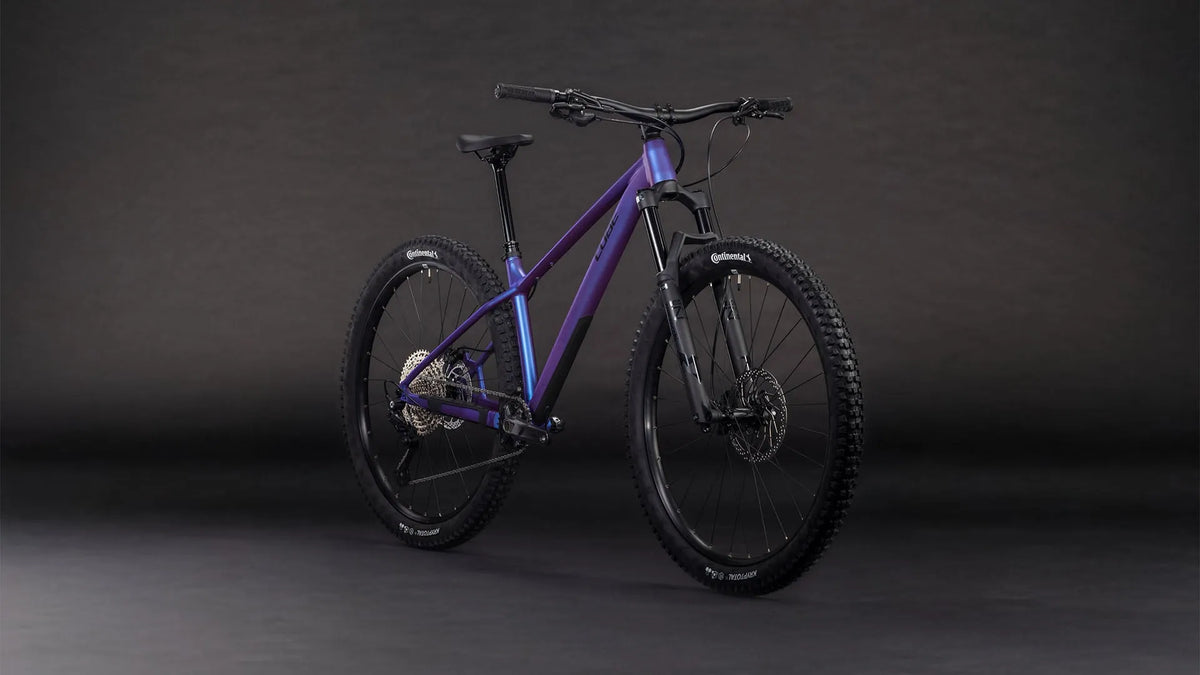
If you already know that you want to frequently ride on steep or technically demanding trails, you should consider the TM version. It offers more suspension travel, wider tires, and a geometry with greater reserves for descents. However, these features increase the weight and make the bike somewhat less agile on long, flat tours.
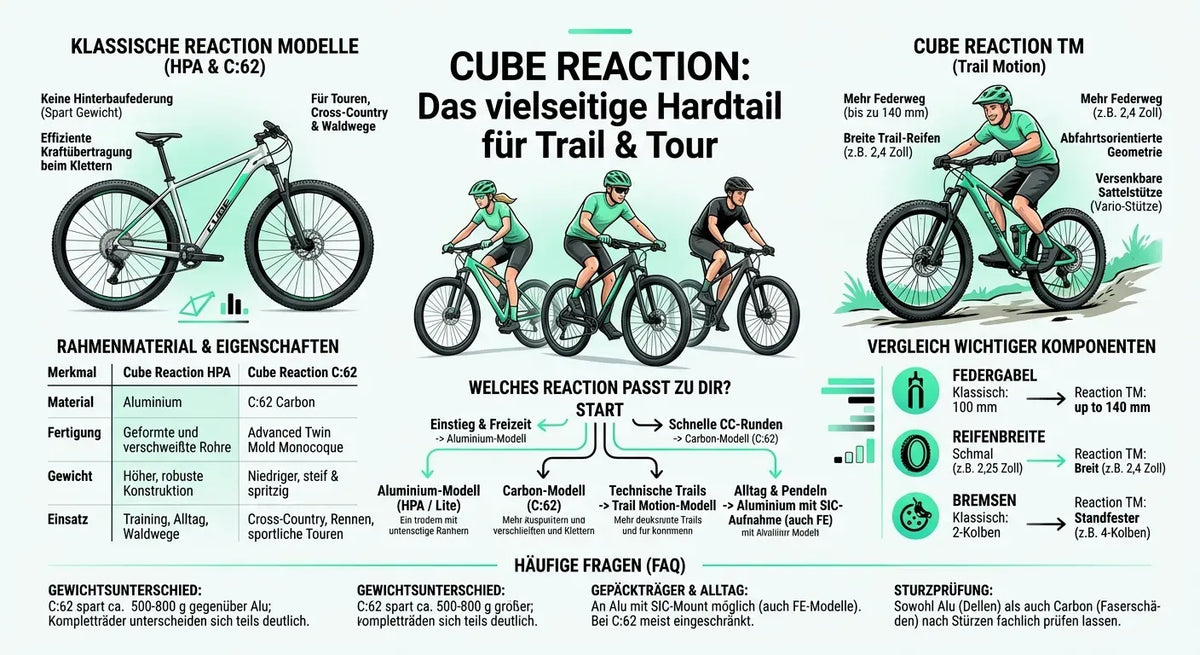
For your purchasing decision, a clear classification based on usage helps:
- For everyday rides, forest paths, and getting started with mountain biking, a Cube Reaction HPA is an uncomplicated choice.
- For fast cross-country laps and long climbs, a Cube Reaction C:62 is worth it if low weight is important and a higher budget is available.
- For technical trails, steeper descents, and jumps within the intended scope of use, a Cube Reaction TM is a better fit.
- For longer tours with electric assistance, the Cube Reaction Hybrid is the appropriate model family.
Regardless of the equipment, the frame size must be correct. A bike that is too large feels difficult to control in tight corners, while a frame that is too small can become uncomfortable on longer distances. Body height and inseam provide an initial orientation. For the final choice, top tube length, reach to the handlebars, and personal seating position are also relevant.
Which Cube Reaction is suitable for which type of use?
The model name alone does not tell you whether a Reaction is suitable for your trails. A lightweight cross-country hardtail and a robust trail hardtail can carry the same family name but ride differently. Before buying, you should therefore determine how often you ride on paved paths, long climbs, and technical descents.
| Model type | Typical use | Driving behavior | Suitable for |
|---|---|---|---|
| Cube Reaction HPA | Touring, forest paths and easy trails | Balanced, efficient and highly controllable | Beginners, touring riders and budget-conscious buyers |
| Cube Reaction C:62 | Cross-country, sporty tours and racing | Lightweight, responsive and high-acceleration | Ambitious riders and weight-savers |
| Cube Reaction TM | Technical trails and demanding descents | Smooth-running, stable and more downhill-oriented | Trail riders with a focus on control |
| Cube Reaction Hybrid | Long tours, climbs and everyday use with assistance | Powerful, heavier and dependent on the assistance level | E-mountain bike riders and commuters |
For long tours with lots of climbing, low total weight is key. A C:62 model makes it easier to accelerate and carry the bike. The difference is especially noticeable on steep ascents and with frequent changes in pace. On quiet forest trails, however, the practical advantage is smaller. There, tires, riding position, and gearing often influence the riding experience more than a few hundred grams of frame weight.
On technical routes, the priorities shift. Here, a stable front end, powerful brakes, and sufficient tire volume are more important than minimum weight. The Cube Reaction TM therefore accepts a higher total weight. In return, it offers more reserves on loose, steep, and uneven descents.
If you also want to use the mountain bike for commuting to work, you should look for mounting points for mudguards, a luggage rack, and a kickstand. Not every Reaction frame has the same mounting points. The specific equipment can also vary between model years and versions. The information provided for each specific bike is therefore decisive.
Cube Reaction HPA vs. C:62
The most important difference between the Cube Reaction HPA and the Cube Reaction C:62 lies in the frame material. HPA stands for High Performance Aluminium. C:62 denotes a carbon material with a high fiber content. Both materials allow for stiff and sporty hardtail frames, but they set different priorities regarding weight, price, and damage handling.
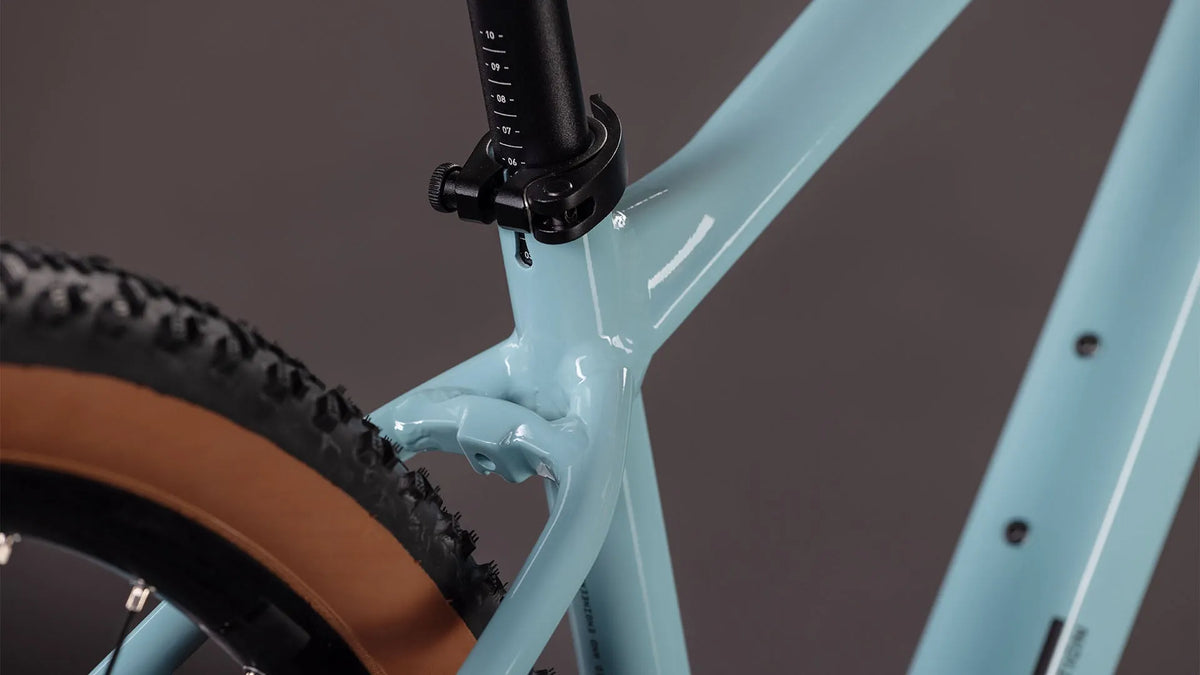
With the HPA frame, Cube shapes the aluminum tubes so that material is used only where it is needed for stability and stiffness. Smooth-welded seams ensure clean transitions between the tubes. Aluminum is an attractive option for budget-conscious riders because it enables a durable construction at a lower price point.
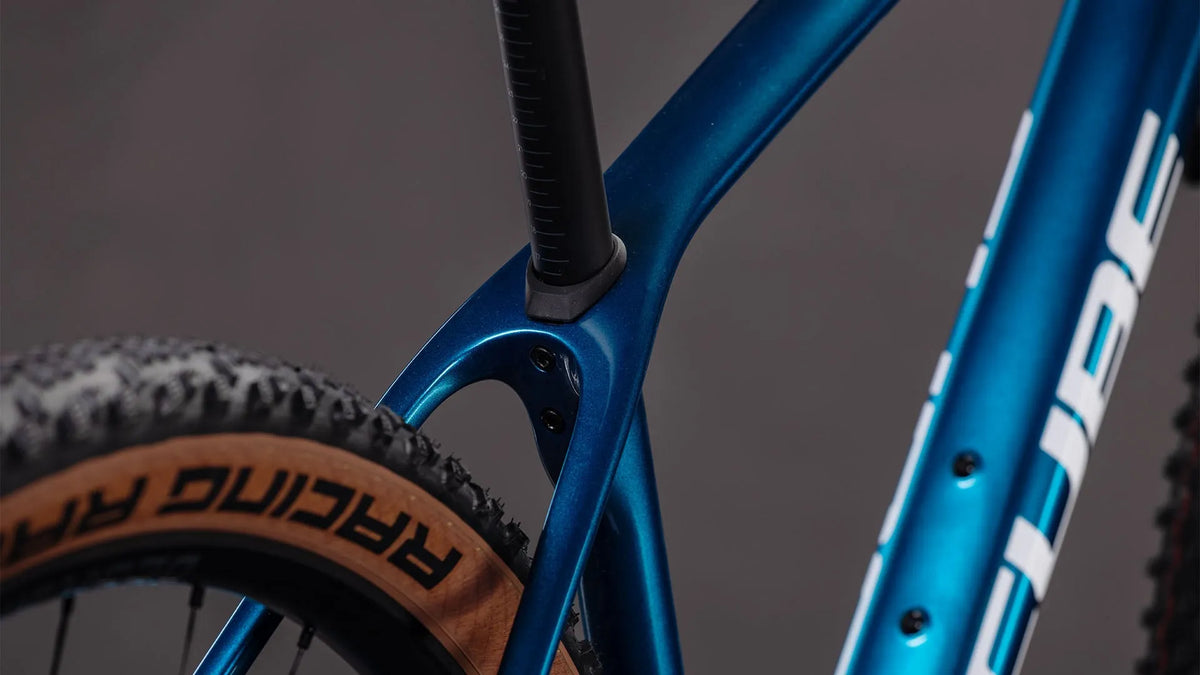
The C:62 frame is crafted from carbon fibers and resin. The Twin Mold process allows for control over fiber orientation and frame shape during production. This enables targeted reinforcement of high-stress areas without increasing the overall bulk of the frame. The result is reduced weight with high rigidity.
| Model | Material | Weight advantage | Handling | Price point |
|---|---|---|---|---|
| Cube Reaction HPA | Aluminium | Higher, depending on equipment and frame size | Direct, robust, and predictable | More affordable entry into the model family |
| Cube Reaction C:62 | Carbon fiber composite | Usually lower than a comparable aluminum version | Nimble and designed for rapid acceleration | Higher price due to material and manufacturing |
A carbon frame can save approximately 500 to 800 grams compared to a comparable aluminum frame. However, the actual difference for the complete bicycle depends on the suspension fork, wheels, tires, brakes, and drivetrain. A cheaply equipped carbon bike can therefore be heavier than a high-quality aluminum bike.
For fast cross-country laps, the lower weight of the Cube Reaction C:62 is worthwhile. The bike accelerates more easily and is simpler to carry on steep sections. Those riding on tours without time pressure often benefit more from better brakes, suitable gearing, or more comfortable contact points than from a carbon frame.
Potential crash damage is also part of the decision. Aluminum can deform or develop visible dents upon a hard impact. Carbon does not show every type of damage quite as clearly. Therefore, a carbon frame should be professionally inspected after a heavy impact. This does not mean that carbon is fundamentally fragile. However, assessing damage requires more technical expertise.
If you are looking for a reliable mountain bike for training, touring, and your first trails, the Cube Reaction HPA offers a sensible price-to-performance ratio. If you ride sportily on a regular basis, want to save weight, and prefer a fast cross-country orientation, the Cube Reaction C:62 is a better fit.
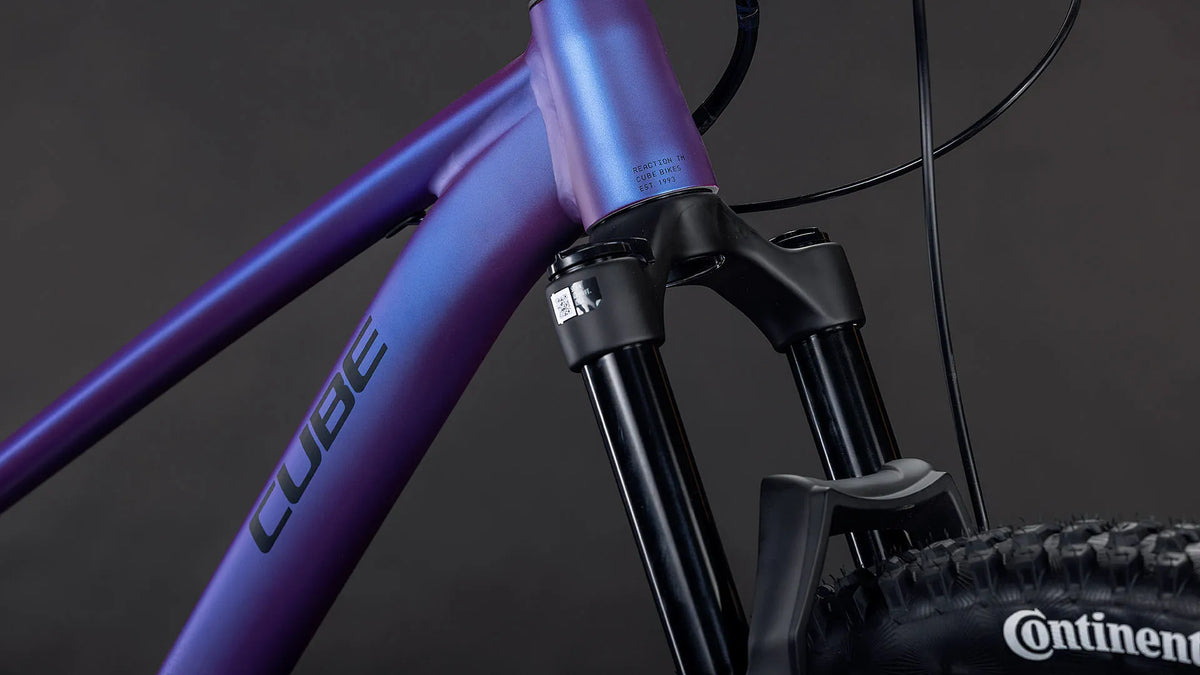
What does the additional suffix TM mean for the Cube Reaction?
At Cube, TM stands for Trail Motion. A Cube Reaction TM is not a classic cross-country hardtail focused on minimal weight. It is geared more towards technical trails and controlled descents. The frame geometry and components therefore offer more reserves when the terrain becomes steep, loose, or heavily rooted.
- The Cube Reaction TM comes standard with a suspension fork featuring 130 millimeters of travel. This can absorb larger impacts and keeps the front wheel more controllable on uneven terrain.
- A slack head angle of about 65 degrees extends the wheelbase and ensures greater stability on steep descents.
- A dropper seatpost, wide tires, and powerful brakes make it easier to maintain control in technical sections.
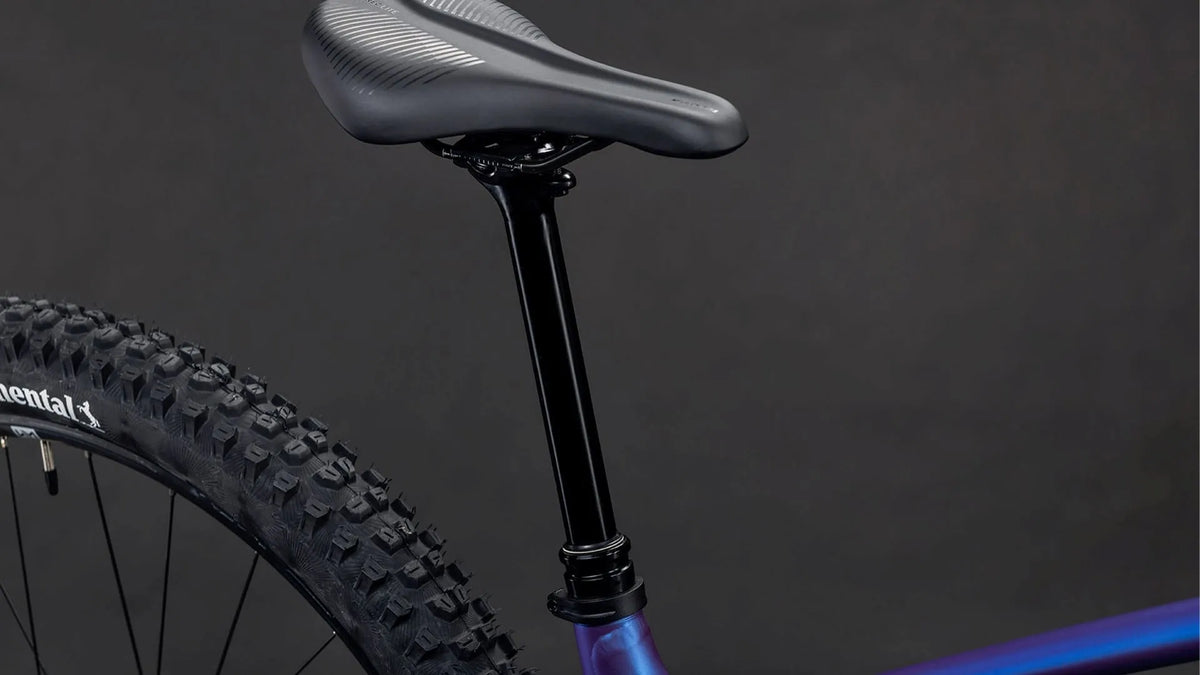
The dropper seat post can be lowered while riding using a handlebar lever. This allows the rider to shift their center of gravity backwards and downwards on descents. On a classic hardtail with a fixed, high seat position, this movement is significantly restricted. Before the climb, the seat post extends again, allowing for an efficient pedaling position.
Wide tires of up to about 2.5 inches increase the air volume and enlarge the contact patch. This improves grip on loose ground and dampens minor impacts on the unsprung rear wheel. The exact tire width depends on the model, the model year, and the available frame clearance.
Depending on the equipment, powerful disc brakes are used for the braking system. Four-piston calipers offer more reserves on long and steep descents than simple two-piston systems. The diameter of the brake discs, the pads used, and the correct adjustment are also crucial.

The Cube Reaction TM is suitable for challenging trails, but remains a hardtail. The rear wheel has no suspension and can lose ground contact more easily on fast, rough sections. Riders must compensate for bumps more actively with their arms and legs. Those who frequently ride on very steep terrain, perform large jumps, or visit bike parks should consider whether a full-suspension bike might be better suited for their needs.
On flat routes, the trail-oriented equipment also comes with disadvantages. Wide tires roll harder, the long suspension fork raises the front end, and the more robust components increase the weight. For predominantly relaxed tours, a classic Reaction is therefore more efficient. The TM is worthwhile when the proportion of technical descents is the deciding factor.
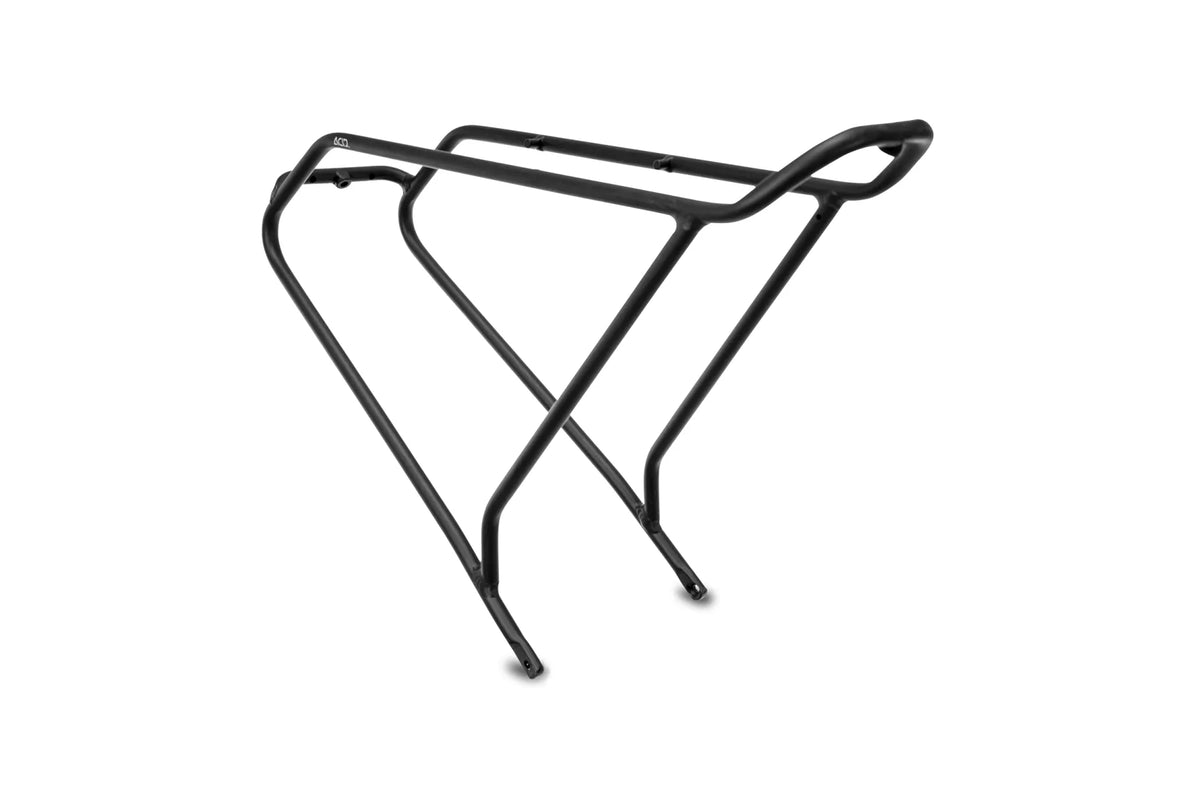
Retrofitting a luggage rack to a Cube Reaction
Many Cube Reaction HPA frames feature mounting points for mudguards and luggage racks. This allows the hardtail to be equipped for commuting, longer tours, or short shopping trips. Cube and their accessory brand ACID offer components that are tailored to specific frames and mounting systems. Before purchasing, check that the frame, luggage rack, and wheel size are compatible with one another.
There is no factory-equipped "FE" version of the non-motorized Cube Reaction. Everyday accessories must always be retrofitted to the HPA frame independently.
On the Cube Reaction C:62, the installation of a classic luggage rack is often restricted or not intended. Carbon frames may only be loaded at the approved points. Clamps or improvised mounts can damage the frame. If the necessary mounting eyelets are missing, no luggage rack should be installed without express approval.
Load limits also apply to the HPA model. The permissible system weight includes the bicycle, rider, clothing, and luggage. A mounted luggage rack does not increase this limit. Those wishing to use panniers for longer tours should therefore observe the weight limits of both the bicycle and the rack.
For sporty day trips, a saddlebag or frame bag may suffice. These do not require a fixed luggage rack and have less impact on handling. However, when using a dropper seat post, the bag must maintain sufficient clearance from the rear tire and the moving part of the post.
How does the Cube Reaction Hybrid differ?
The Cube Reaction Hybrid is an e-mountain bike with an electric motor and battery. The classic Cube Reaction has no motor. Despite the similar name, weight, riding feel, and maintenance requirements differ significantly. Anyone comparing both model families should therefore first decide whether electric assistance is needed.
A Reaction without a motor weighs approximately between 11.5 and 15.5 kilograms, depending on the frame and equipment. A Cube Reaction Hybrid, on the other hand, can weigh about 24 to 25 kilograms. The motor, battery, and the reinforced frame required for them account for most of the additional weight. While riding, the electric assistance compensates for this weight. When carrying it up stairs or loading it, however, it remains noticeable.
The Hybrid is suitable for long tours, significant elevation gains, and rides where riders with different levels of fitness are traveling together. The assistance can also be useful for commuting to work. Range and performance depend on the support level, terrain, tire pressure, temperature, rider weight, and the battery.
The classic Reaction handles more easily and directly. It requires no charging breaks and is easier to transport. For athletic training, cross-country, and short after-work rides, it is often the more suitable choice. The Reaction Hybrid is aimed at riders who want to cover longer distances or tackle steep climbs with motor assistance.
Both model families can be designed for tours and light trails. However, the addition of "Hybrid" does not imply exact trail suitability. Suspension travel, geometry, tires, and the braking system remain the deciding factors. A touring-oriented Hybrid model does not replace a descent-oriented trail mountain bike.
Frequently Asked Questions about the Cube Reaction
How much does a Cube Reaction hardtail weigh?
The weight depends on the frame material, frame size, and equipment. Lightweight Cube Reaction C:62 models can weigh approximately 11.5 kilograms. Robust TM versions reach about 15.5 kilograms, depending on the components. Aluminum models usually fall between these values. Pedals and retrofitted accessories are not always included in manufacturer specifications, which is why the ready-to-ride weight may differ.
How much weight does a carbon frame save on the Cube Reaction?
A C:62 carbon frame can save about 500 to 800 grams compared to a comparable HPA aluminum frame. On the complete bicycle, the difference may be smaller or larger. Wheels, suspension fork, tires, and drivetrain also influence the total weight. For cross-country riders, the weight savings are interesting because they improve acceleration and handling. For touring riders, appropriate equipment is often more important.
Is the Cube Reaction suitable for demanding trails?
The Cube Reaction TM, in particular, is designed for technical trails. A suspension fork with 130 millimeters of travel, a slack head angle, wide tires, and a dropper seatpost provide more control on steep terrain. Classic HPA and C:62 models are better suited for cross-country courses, forest paths, and less rugged trails. Since every Reaction is a hardtail, the rider must actively compensate for impacts at the rear wheel with their body.
What is the difference between Reaction and Reaction Hybrid?
The classic Cube Reaction is a mountain bike without a motor. The Cube Reaction Hybrid features a Bosch electric motor and a battery. This provides assistance on climbs and long tours, but it weighs significantly more. A Reaction without a motor is easier to carry, feels more responsive, and is well-suited for athletic training. The Hybrid is suitable for riders who want more range or assistance with elevation gain.
Du kannst deine Einstellungen jederzeit anpassen, um den vollen Funktionsumfang unserer Website zu nutzen.
Cookie-Einstellungen bearbeitenWir helfen Dir gerne weiter!

Live-Chat
Telefon
Telefon
Telefonzeiten:
Mo. - Fr. 10:00 - 13:30 & 14:30 - 18:00 Uhr
Sa. 10:00 - 14:00 Uhr
Telefon:
+49 2961 914 886 9
Kontaktformular
Kontaktformular
Außerhalb der Chat- und Telefonzeiten kannst Du uns Dein Anliegen über das Kontaktformular mitteilen.
E-Mail
Schreib uns einfach eine E-Mail an verkauf@liquid-life.de und wir werden Dir so schnell wie möglich antworten. Bitte hab Verständnis, dass es aufgrund der chronologischen Bearbeitung zu kleinen Verzögerungen kommen kann.
Bikeberater
Bonusprogramm