


Cube Cross Race
Cube Cross Race 2026: Your bike for maximum cyclocross performance
Cyclocross, a fascinating mix of endurance, skill and pure passion for cycling, requires a special bike that is as versatile and capable as the sport itself. This is where the CUBE Cross Race comes in. Whether you are an experienced cyclocross racer or just starting out in this challenging discipline, the CUBE Cross Race offers you an unparalleled combination of lightness, responsiveness and versatility.
Filters
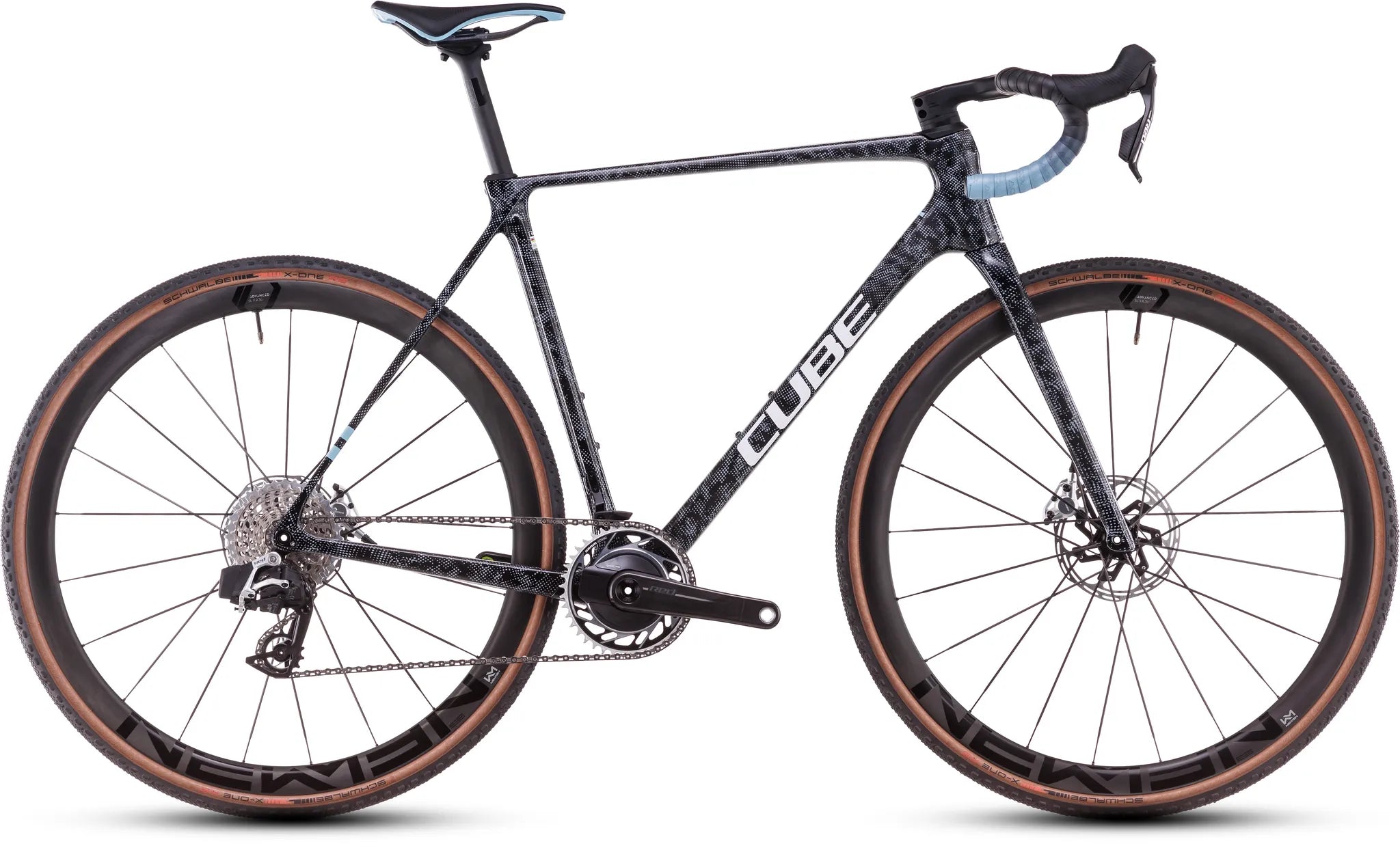

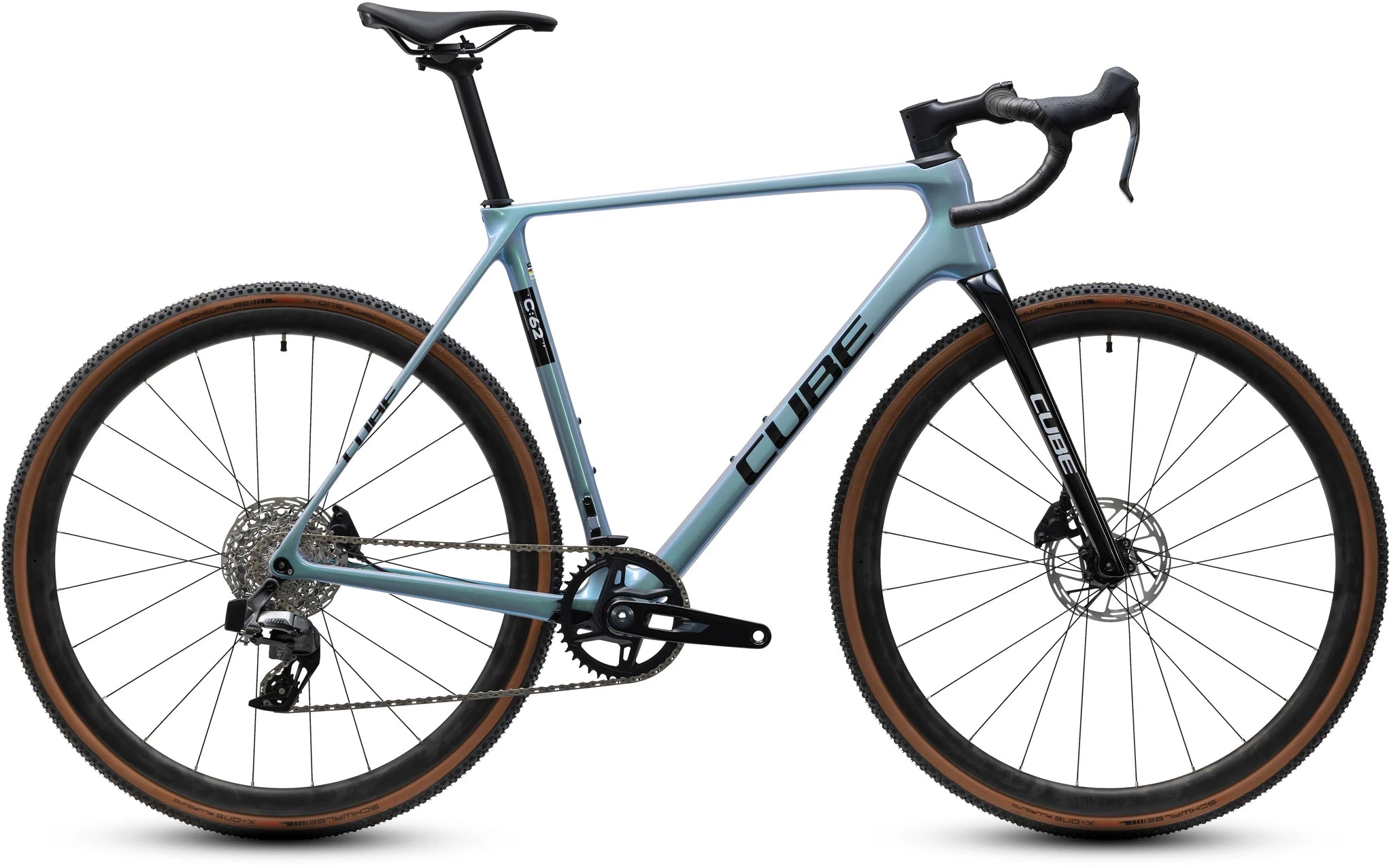

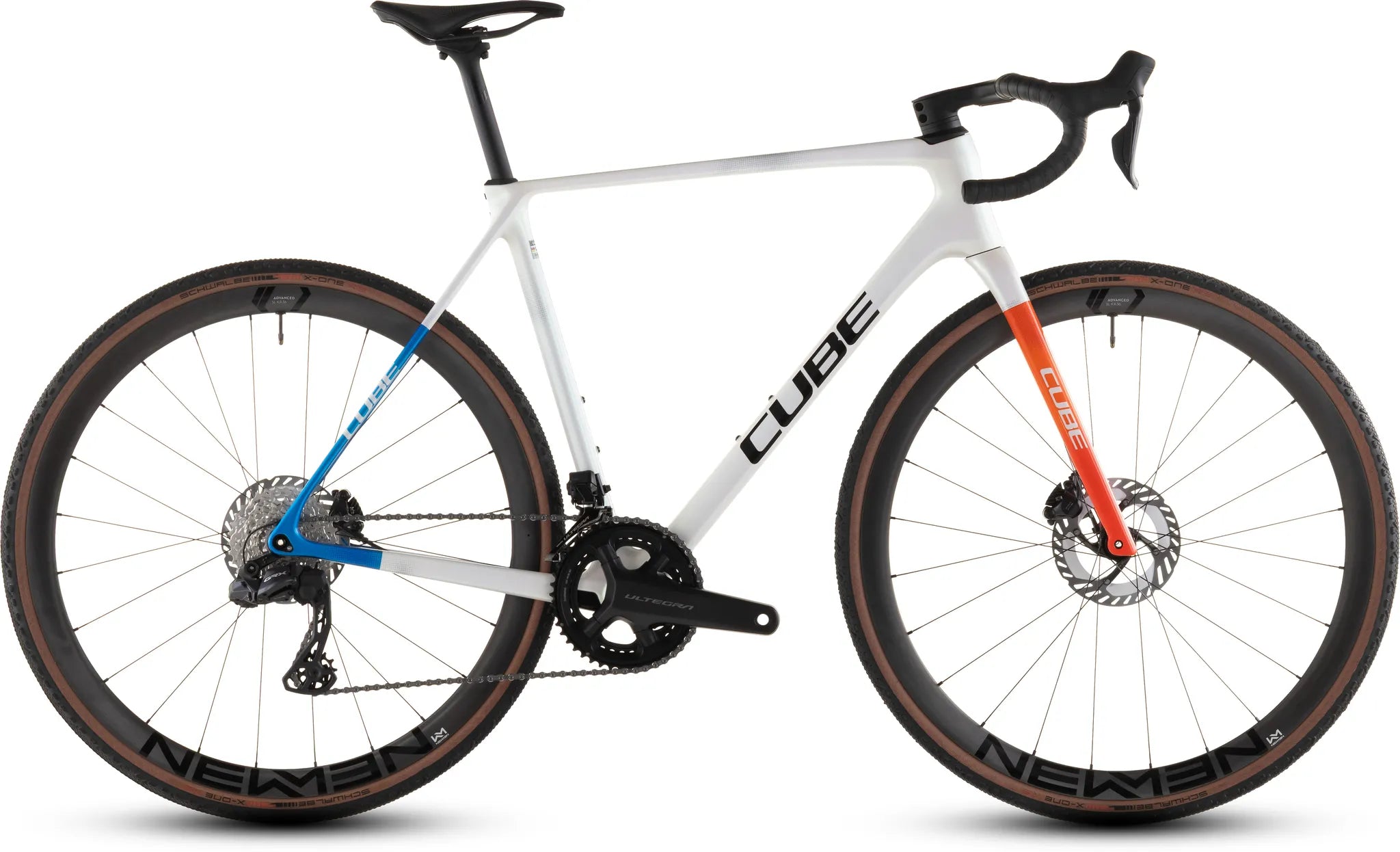
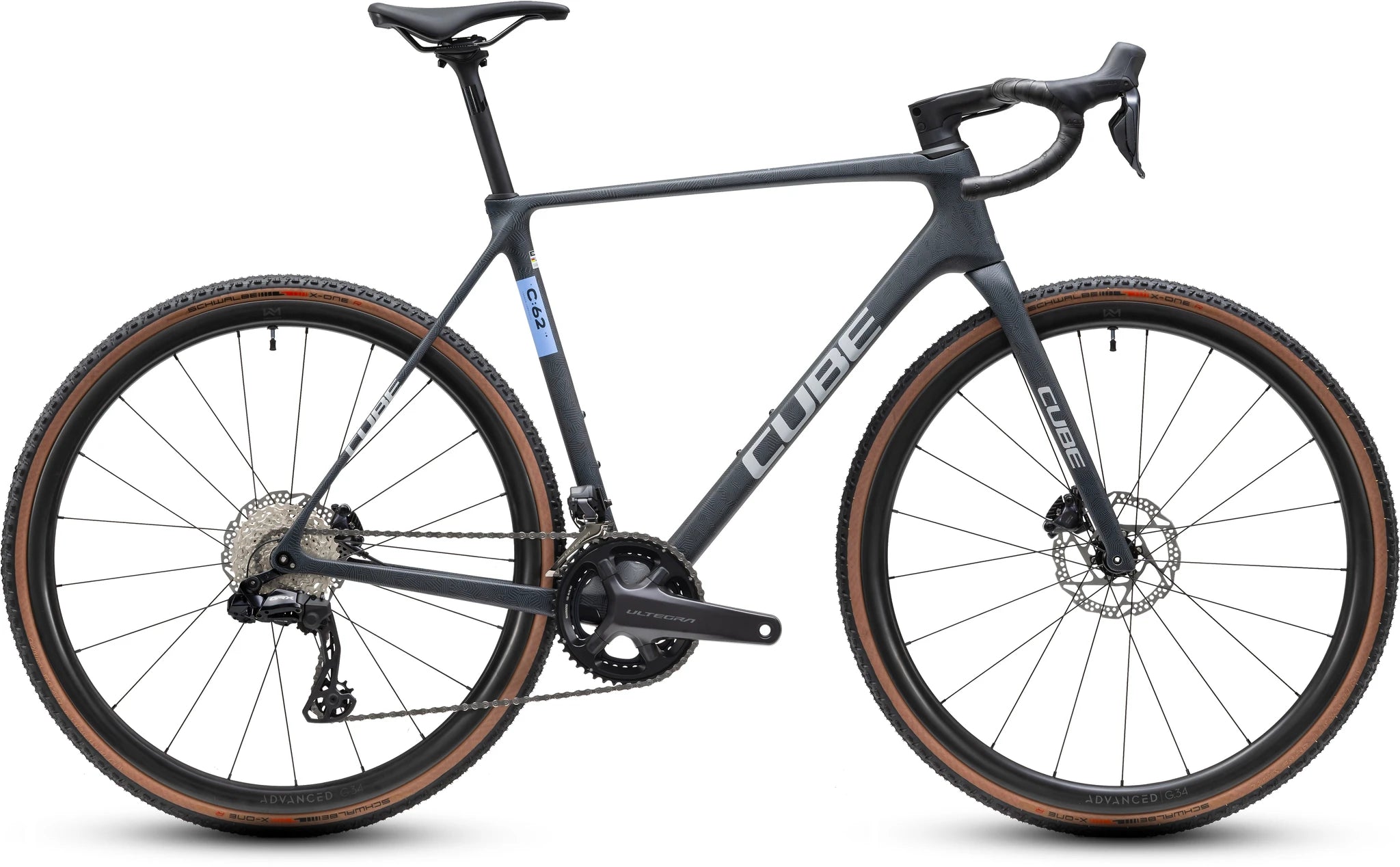
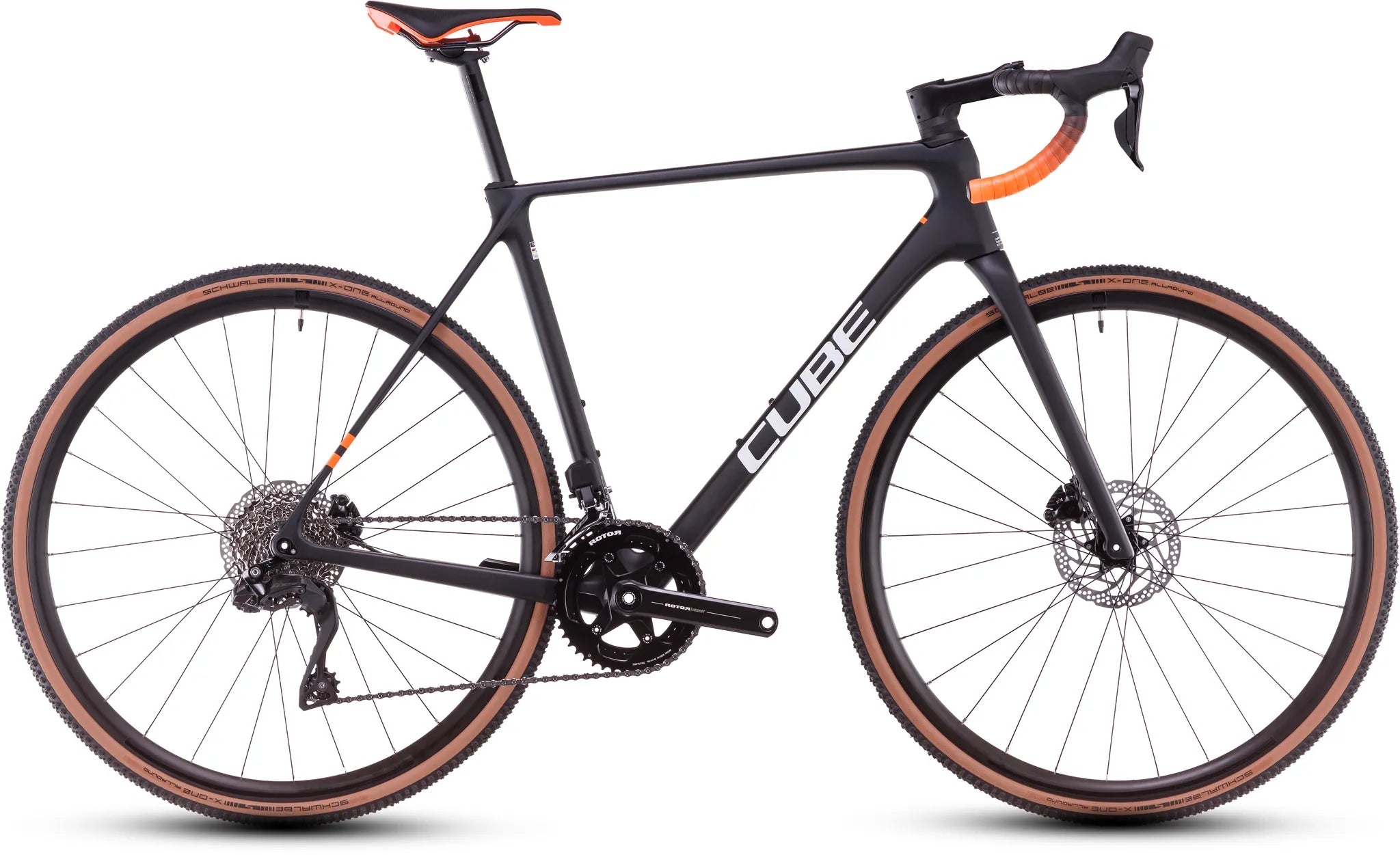
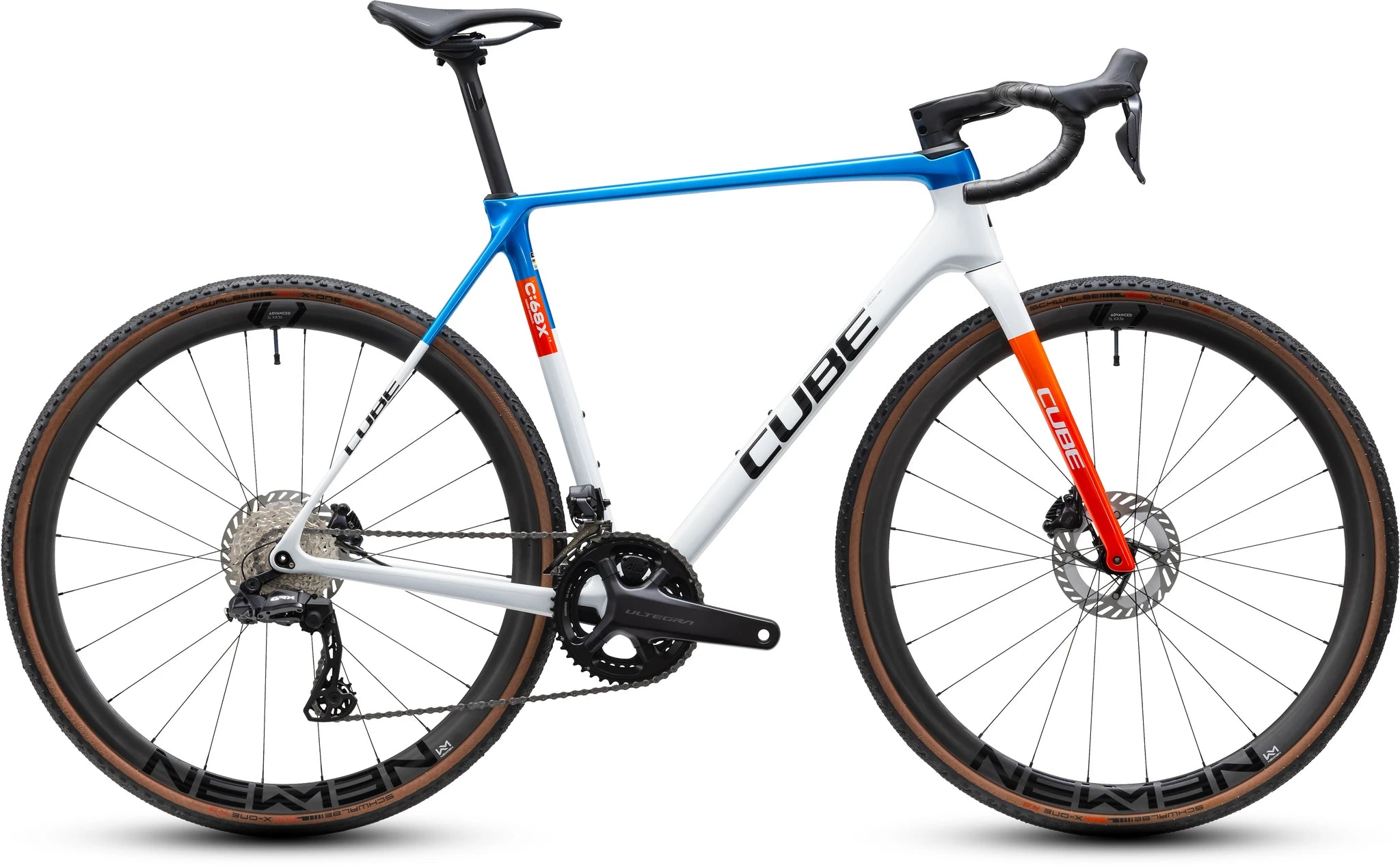
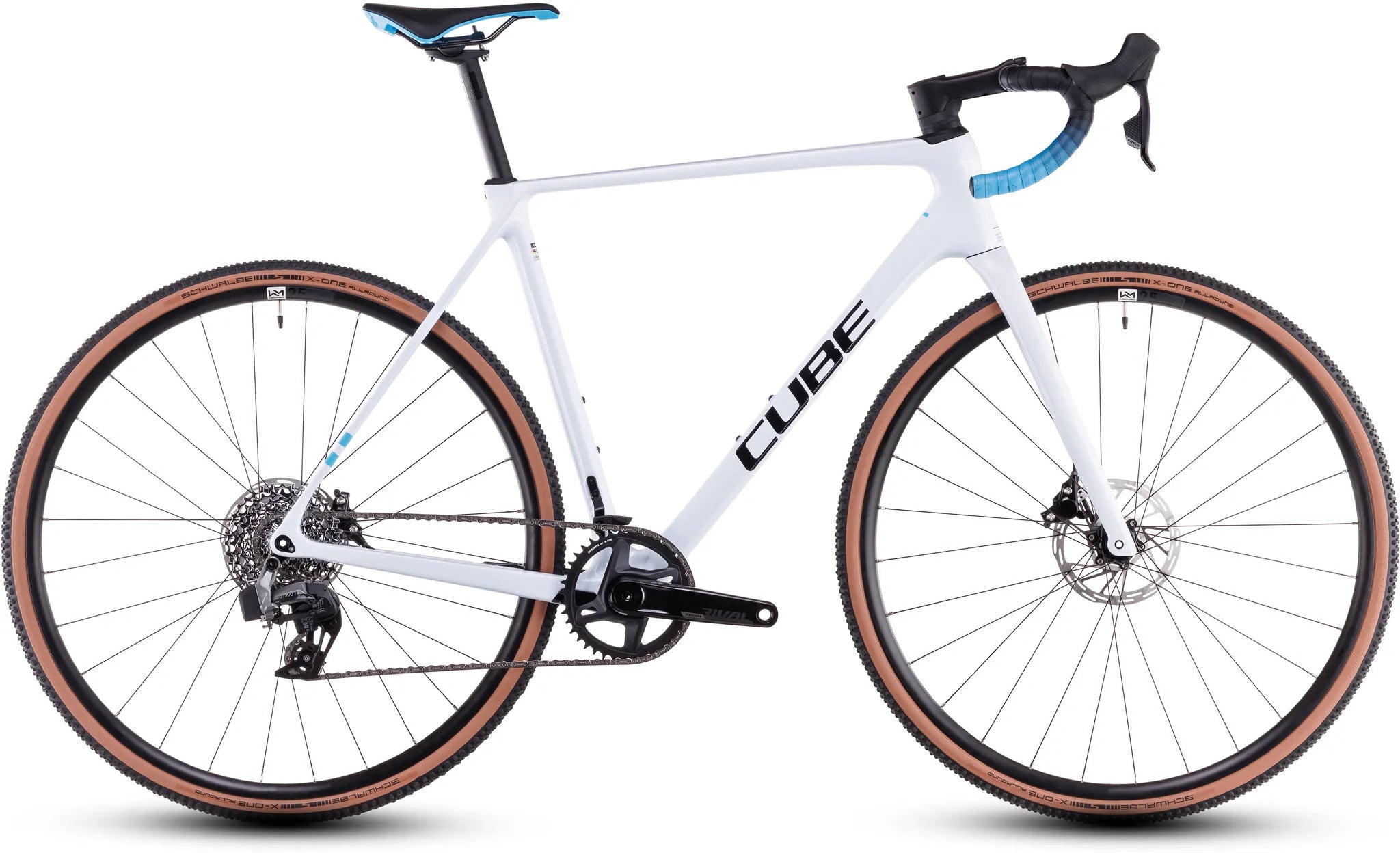
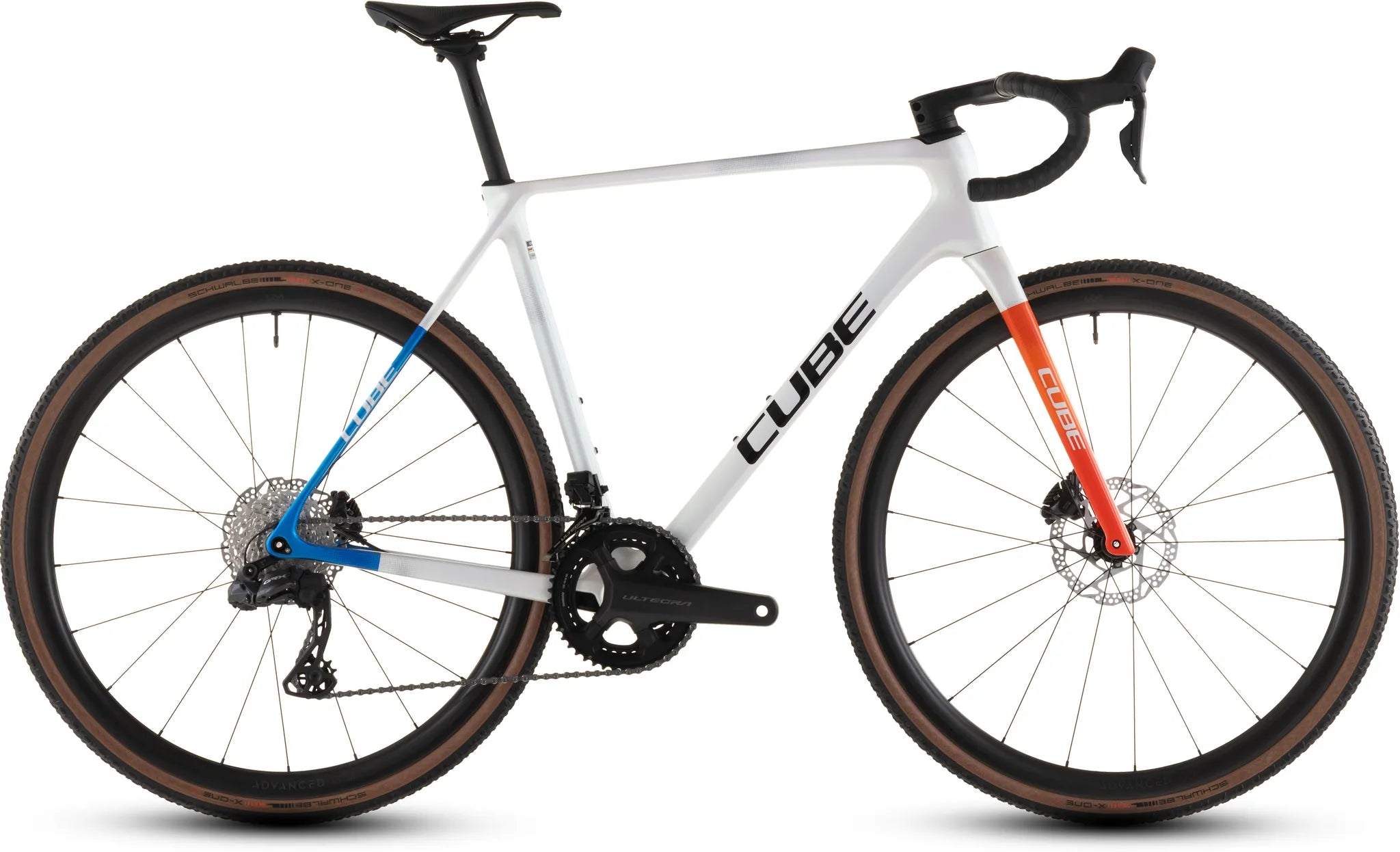
Cube Cross Race: Everything about the thoroughbred cyclocross bike
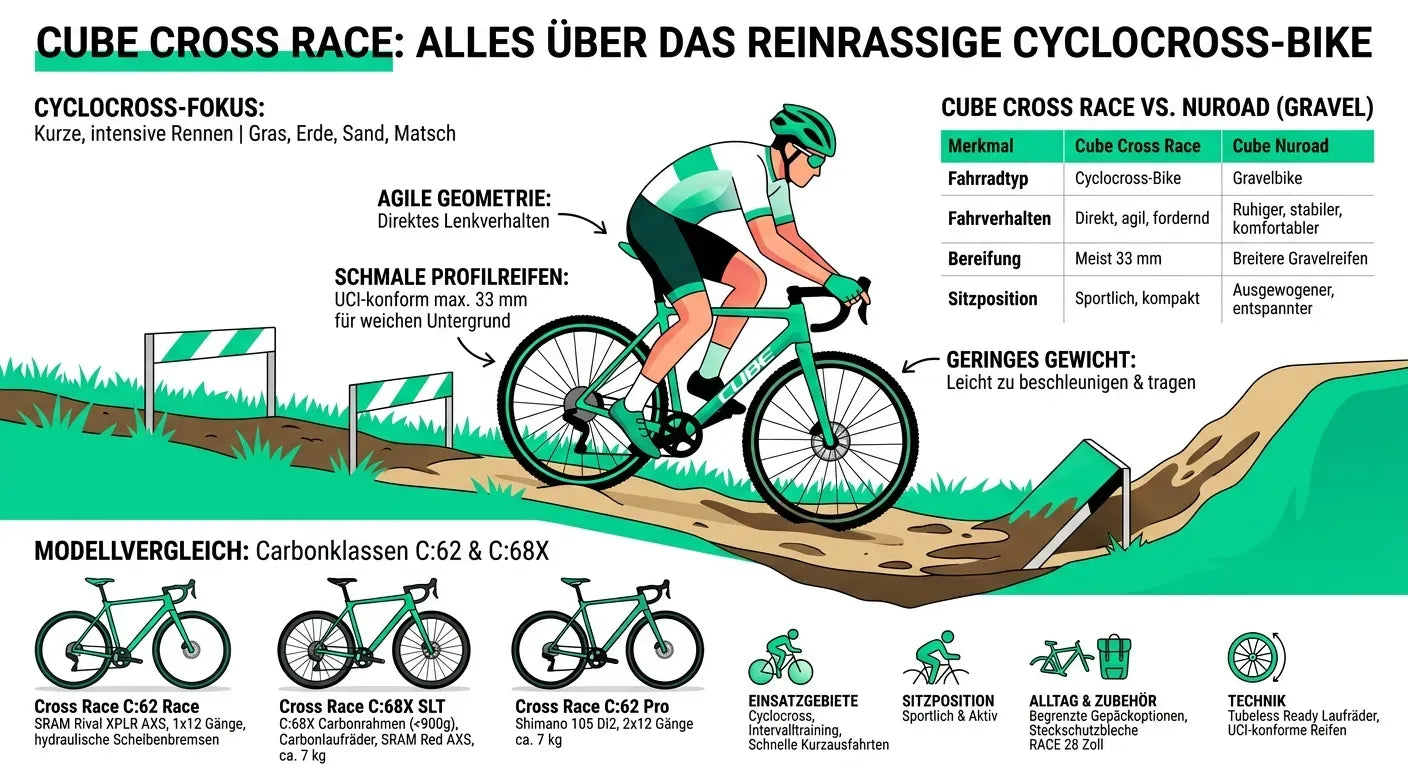
The Cube Cross Race is a sporty cyclocross bike for short, intense races on grass, dirt, sand, and muddy trails. Its geometry reacts directly to steering inputs, the narrow tread tires cut through soft ground with control, and the low weight makes accelerating and carrying it over obstacles easier. This makes the series primarily aimed at riders looking for a fast training and racing bike.
A Cross Race looks similar to a gravel bike, but has a different goal. Cyclocross courses require frequent changes in pace, tight corners, steep ramps, and short running sections. Long gravel tours with a lot of luggage are not the primary focus. The bike therefore handles more agilely and demandingly than a typical touring gravel bike. It easily maintains a high speed on asphalt, but on rough terrain, the narrow tires limit the comfort.
For the current models, Cube is focusing on the C:62 and C:68X carbon classes. The range extends from the Cross Race C:62 Pro with electronic Shimano shifting to the approximately 7 kg light C:68X SLT with carbon wheels and SRAM Red AXS. In its current lineup, Cube also continues to manufacture aluminum models (HPA or Aluminium Superlite) for the Cross Race series, which regularly form the current entry-level class. Therefore, the model year and complete specifications are more important for your selection than the name of the series alone.
The Cube Cross Race is right for you if you want to participate in cyclocross races, train intensively in winter, or ride a very direct off-road road bike. For bikepacking, wider comfort tires, and daily rides with permanently mounted luggage, the Cube Nuroad is usually the more suitable choice.
What is the difference between the Cube Cross Race and the Nuroad?
The Cross Race is a cyclocross bike, the Nuroad a gravel bike. This classification influences geometry, tire clearance, seating position and accessories. The Cross Race is designed for rapid acceleration and precise handling on winding circuits. The Nuroad is intended to run smoothly on long gravel stretches, dampen bumps more effectively and carry luggage.
| Model | Geometry | Tire width | Riding position | Intended use |
|---|---|---|---|---|
| Cube Cross Race | Direct, responsive, and designed for tight corners | Generally 33 mm wide cyclocross tires | Sporty, compact, and designed for active control | Cyclocross, interval training, fast short rides |
| Cube Nuroad | Quieter, more stable, and more comfortable on long distances | Significantly wider gravel tires depending on the model | Balanced and suitable for longer rides | Gravel tours, commuting, traveling, and mixed terrain |
The tire width makes a noticeable difference on uneven surfaces. A 33 mm cyclocross tire offers little air volume and reacts significantly to rocks, roots, and potholes. On the other hand, it accelerates quickly on firm ground and provides good grip in mud and grass with the right tread. A 45 or 50 mm wide gravel tire can be ridden with lower pressure. This increases damping and provides more security on loose gravel.
The drivetrain also follows the respective intended use. Depending on the equipment, the Cross Race features closely spaced 2x drivetrains or simple 1x systems. A 1x drivetrain reduces the number of components and makes shifting easier in hectic race situations. 2x drivetrains offer more gear ratios for fast asphalt sections and changing inclines. With the Nuroad, the choice depends more on whether the bike is intended for sporty tours, travel, or commuting.
The Cross Race cannot be fully converted into a gravel bike just by changing the tires. Tires with a smoother center strip improve performance on asphalt and hard-packed gravel. However, the limited tire clearance of the current carbon frames prevents the mounting of typical wide gravel tires. Geometry and the lack of luggage options also remain unchanged. Such a conversion is suitable for fast training rides on simple paths, but not as a replacement for a Nuroad on long, rough tours. Current Cross Race models are designed for tires up to 34 mm wide, while the Nuroad offers significantly more clearance and numerous accessory mounts, depending on the version.
If you want to race and prefer very direct handling, the Cross Race is the right choice. If you frequently spend several hours on the road, want to carry luggage, or prefer wide tires, the Nuroad offers more versatility.
Model comparison from the Cross Race Pro to the carbon classes
The model designations provide information on frame material and equipment. C:62 and C:68X refer to the carbon technologies used. C:62 represents the sporty mid-range of the current series. C:68X uses a carbon layup designed for low weight and high stiffness. According to Cube, the C:68X frame weighs less than 900 g, making it around 200 g lighter than the manufacturer's previously lightest cyclocross frame.
The additions Pro, Race, SLX, TE, and SLT categorize the equipment within each frame class. A higher-positioned model generally receives lighter wheels, a higher-quality groupset, and additional racing features such as a power meter. Handling remains similar within the same frame platform. The biggest difference is seen in weight, the shifting concept, and the wheels.
| Model class | Frame | Typical equipment | Weight | Suitable for |
|---|---|---|---|---|
| Cross Race HPA | Aluminium | Depending on the model year, mechanical shifting and simpler wheels | Often around 10 kg or more | Beginners, winter training and rugged use |
| Cross Race C:62 Pro | C:62 Carbon | Shimano 105 Di2, 2x12-speed, hydraulic disc brakes | Approx. 8.9 kg | Sporty riders needing a wide gear range |
| Cross Race C:62 Race | C:62 Carbon | SRAM Rival XPLR AXS, 1x12 speed, hydraulic disc brakes | Approx. 8.6 kg | Racers who prefer a simple 1x drivetrain |
| Cross Race C:62 SLX | C:62 Carbon | Shimano Ultegra and GRX Di2, 2x12 speed, lighter wheels | Approx. 7.9 kg | Ambitious training and regular racing |
| Cross Race C:68X TE | C:68X Carbon | Shimano Ultegra and GRX Di2, carbon wheels, power meter | Approx. 7.7 kg | Dedicated racing use |
| Cross Race C:68X SLT | C:68X Carbon | SRAM Red AXS, 1x12 speed, carbon wheels, power meter | Approx. 7 kg | Riders focused on minimal weight |
The main difference between the Cross Race C:62 Pro and the C:62 Race lies in the drivetrain. The Pro uses an electronic Shimano 105 Di2 with two chainrings. The combination of 46 and 36 teeth at the front and an 11-34 cassette offers many finely graduated gears. This helps on asphalt, during fast training rides, and on courses with longer straights. The hydraulic Shimano 105 disc brakes are easy to modulate and require less hand force than a mechanical system.
The C:62 Race relies on SRAM Rival XPLR AXS with one chainring and twelve gears. The 1x drivetrain has no front derailleur. As a result, there is only one shift lever for gear selection, fewer moving parts, and less chance of operational errors under load. The gear ratio with a 40-tooth chainring and 10-36 cassette covers typical cyclocross situations well. Compared to the Pro, the Race is around 300 g lighter. Both current models feature hydraulic disc brakes.
The C:62 SLX saves additional weight and combines an electronic Shimano GRX drivetrain with Ultegra components. The tubeless-ready Newmen wheels are lighter than the simpler wheelsets found on the Pro class.
These differences become noticeable during frequent acceleration because less rotating mass needs to be moved. For occasional racing, this extra cost is not strictly necessary. Those who race regularly and carry their bike over obstacles will benefit more.
The C:68X TE combines a lighter frame, carbon wheels, and a single-sided power meter. The C:68X SLT reduces the total weight to around 7 kg and uses SRAM Red AXS. A lighter bike is easier to shoulder and reacts immediately when pedaling hard. Nonetheless, performance gains depend more on tire choice, tire pressure, and riding technique than on a few hundred grams of weight.
For older Cross Race models, the drivetrain, brakes, and weight may differ significantly from this overview. Earlier entry-level models were sometimes offered with mechanical disc brakes. Mechanical brakes are easier to maintain but usually require more hand force and do not achieve the consistent modulation of a hydraulic system in wet conditions. Therefore, always check the model year and the specific component list for a discounted model.
Is the riding position on the Cube Cross Race very sporty?
The riding position is sporty, but not comparable to an extremely stretched time-trial position. The Cross Race is designed to give the rider freedom of movement, allowing them to control the bike in tight corners and shift their body weight on varying terrain. A relatively low handlebar increases pressure on the front wheel. A steeper head tube angle and a shorter wheelbase support quick changes in direction.
Compared to an endurance road bike, you sit lower and more actively. An endurance frame usually has a longer head tube, which raises the handlebars. This relieves strain on your back, neck, and hands on long rides. On the Cross Race, the sporty posture requires more core tension. In return, it makes it easier to maintain control when the front wheel shifts sideways on loose ground or when the course inclines immediately after a descent.
If you are flexible, ride a road bike regularly, and are accustomed to a low handlebar position, the Cross Race should quickly feel familiar. If you experience issues with your neck, wrists, or lower back during longer rides, you should have your seat height, saddle position, and handlebar height precisely adjusted. An additional spacer can make the position less aggressive, provided the steerer tube and manufacturer specifications allow it. A shorter stem, however, also changes the handling and should not be installed based on feel alone.
The frame size is particularly important for a cyclocross bike. A bike that is too large makes mounting and dismounting difficult, offers less freedom of movement, and can feel sluggish in tight corners. A frame that is too small results in a highly hunched posture and can put too much pressure on the hands and front wheel. The current carbon models are offered in sizes from 50 to 61 cm. The wheelbase, stem length, and handlebar width increase with the frame size.
For short races and intensive training sessions, the geometry is a good fit. Anyone planning mostly leisurely tours lasting several hours will usually find a more relaxed seating position on the Nuroad or an endurance road bike.
Everyday use and accessories for the Cube Cross Race
The Cross Race can be used as a fast commuter bike, provided you take its design into account. It is efficient on asphalt, easy to accelerate in city traffic, and handles forest paths or unpaved shortcuts well. However, the sporty riding position and narrow tires make poor bike paths more noticeable than they would be on a gravel or trekking bike.
The existing eyelets for mudguards and pannier racks are a distinct advantage for commuters and underscore the suitability of the Cube Cross Race as a fast commuter bike. Nevertheless, you should check the frame, fork, and model year before purchasing accessories.
- Eyelets on the fork allow for the secure mounting of mudguards.
- Mounting points on the rear triangle serve to securely attach a pannier rack.
- Mounting points on the frame are suitable for bottle cages or bolt-on frame bags.
- Integrated eyelets on the dropouts allow for the stable attachment of mudguard stays for daily commuting.
The ACID RACE 28-inch clip-on mudguard set is mounted using flexible fastening straps. When selecting, tire width, clearance to the frame, and the position of the brake lines must be taken into account. There must be sufficient space between the tire and the mudguard so that no mud or stones can get stuck. Especially with cyclocross treads, the tire may be wider than the printed nominal width depending on the rim width.
A retrofitted luggage carrier on the seat post or thru-axle only makes sense if the manufacturer of the rack explicitly approves the combination. Clamps can damage carbon parts if they are attached at an unsuitable point or tightened with excessive torque. For regular trips with panniers, a Nuroad with designated mounting points is the better solution.
As a commuter bike, the Cross Race is suitable for a light setup consisting of clip-on mudguards, battery-powered lights, and a small bag. For the daily transport of a laptop, heavy groceries, or multi-day trips, the current carbon models lack the practical reserves of a gravel bike with luggage mounts.
Technical details on tire width and UCI compliance
The current Cube Cross Race models come equipped with 33-622 tires as standard. The number 33 indicates the nominal tire width in millimeters, while 622 refers to the rim diameter at the tire bead seat. Depending on the build, Cube uses different versions of the Schwalbe X-One. The tread is designed for grass, dirt, and varying terrain conditions. Shoulder lugs provide grip in corners, while the center section allows for fast rolling.
The width of 33 mm is related to international cyclocross regulations. In UCI races, a cyclocross tire may measure no more than 33 mm at its widest point and must not have spikes or metal studs. The measured width is the deciding factor, not just the value on the tire sidewall. A nominally 33 mm wide tire can turn out slightly larger in reality when mounted on a wide rim. Riders in regulated races should therefore check the mounted combination before the start. The UCI continues to conduct cyclocross with a maximum tire width of 33 mm.
For the current Cross Race C:62 and C:68X models, Cube specifies a maximum tire width of 34 mm. This leaves very little room for wider gravel tires. A 35, 38, or 40 mm wide tire is not intended for these frames. In addition to the space in the fork and rear triangle, there must be enough clearance for mud, a tire that isn't perfectly round, and lateral wheel movement. A tire that just barely fits in a repair stand may rub against the frame when out on the trail.
The wheels on many models are Tubeless Ready. To run them without inner tubes, you need a tubeless-ready tire, airtight rim tape, compatible valves, and sealant. Tubeless systems allow for lower tire pressure without the risk of the tube being pinched between the tire and rim during a hard impact. This improves traction on wet grass, roots, and soft ground.
The ideal pressure depends on rider weight, rim width, tires, terrain, and riding style. Pressure that is too high reduces grip and causes the bike to bounce over uneven surfaces. Pressure that is too low can lead to the tire buckling, rim strikes, or air loss in fast corners. Start with a conservative setting and lower the pressure in small increments. The front and rear tires do not need to be inflated to the same pressure. Because of the higher load, it usually makes sense to have slightly more pressure in the rear.
UCI-compliant frames are relevant for licensed competitions because their construction meets the technical requirements of the cycling federation. For training, commuting, and non-regulated events, this designation offers no direct advantage. However, it clearly shows what the Cube Cross Race was designed for: high speed, direct control, and short, intensive efforts on a cyclocross course.
Du kannst deine Einstellungen jederzeit anpassen, um den vollen Funktionsumfang unserer Website zu nutzen.
Cookie-Einstellungen bearbeitenWir helfen Dir gerne weiter!

Live-Chat
Telefon
Telefon
Telefonzeiten:
Mo. - Fr. 10:00 - 13:30 & 14:30 - 18:00 Uhr
Sa. 10:00 - 14:00 Uhr
Telefon:
+49 2961 914 886 9
Kontaktformular
Kontaktformular
Außerhalb der Chat- und Telefonzeiten kannst Du uns Dein Anliegen über das Kontaktformular mitteilen.
E-Mail
Schreib uns einfach eine E-Mail an verkauf@liquid-life.de und wir werden Dir so schnell wie möglich antworten. Bitte hab Verständnis, dass es aufgrund der chronologischen Bearbeitung zu kleinen Verzögerungen kommen kann.
Bikeberater
Bonusprogramm