


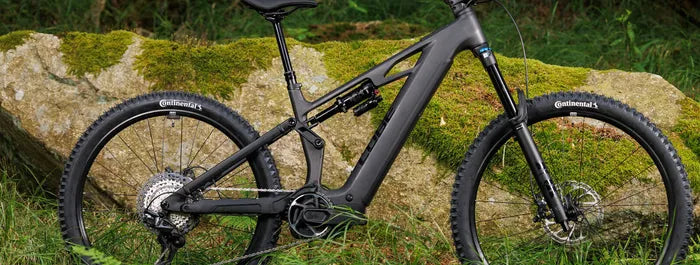
Cube Stereo Hybrid One77
CUBE Stereo Hybrid ONE77 2027: More travel. More control. More adrenaline.
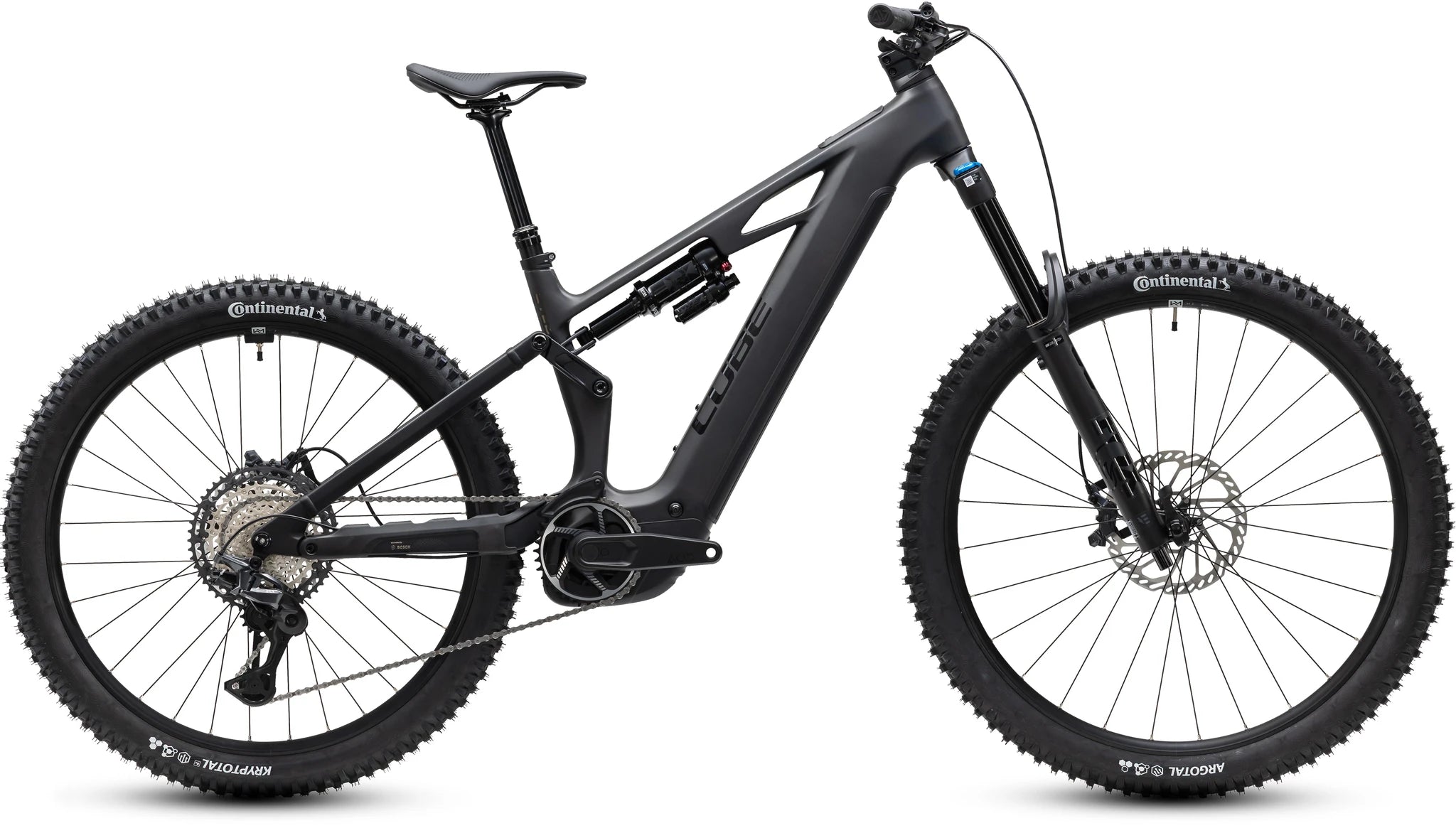
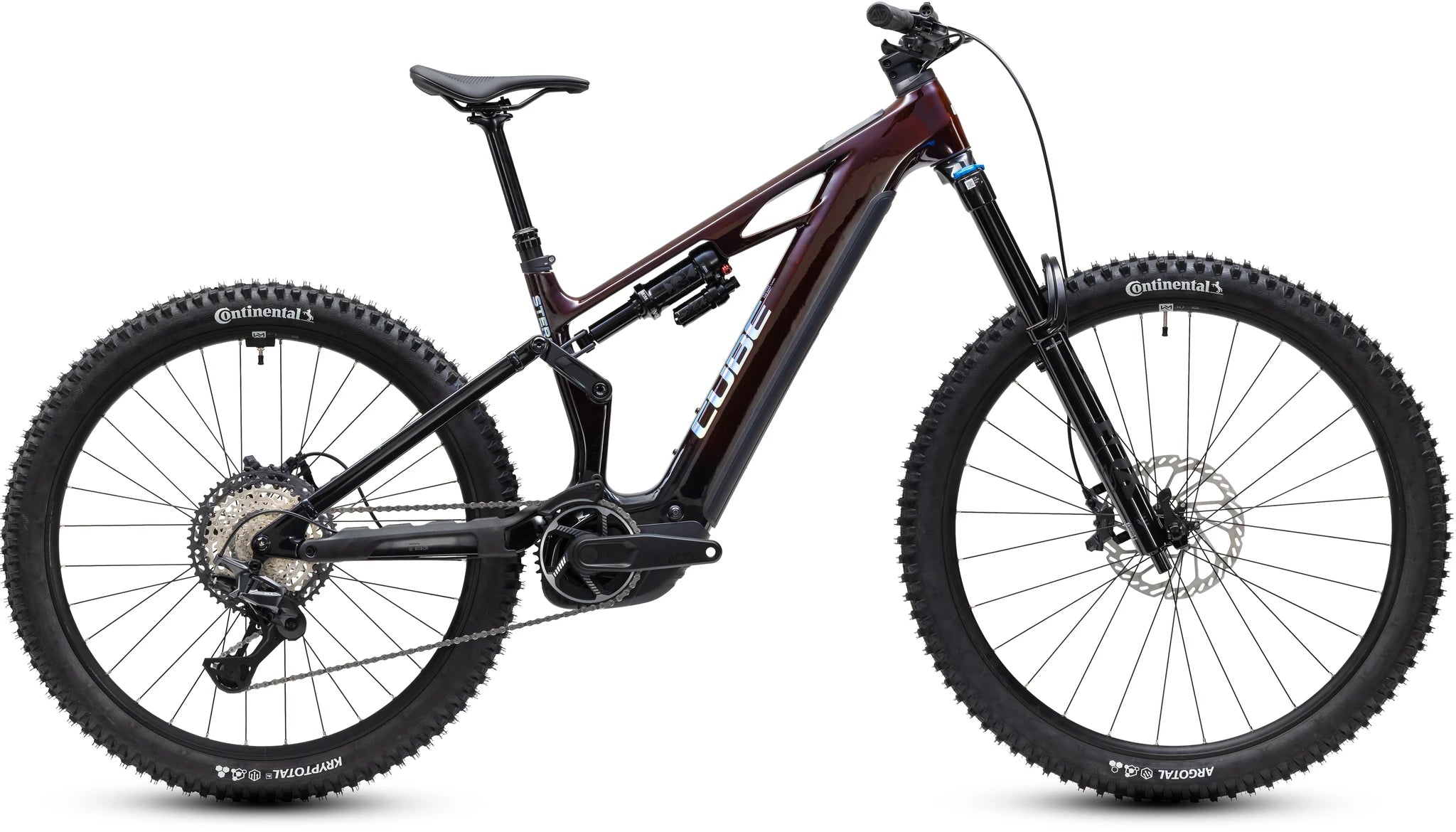
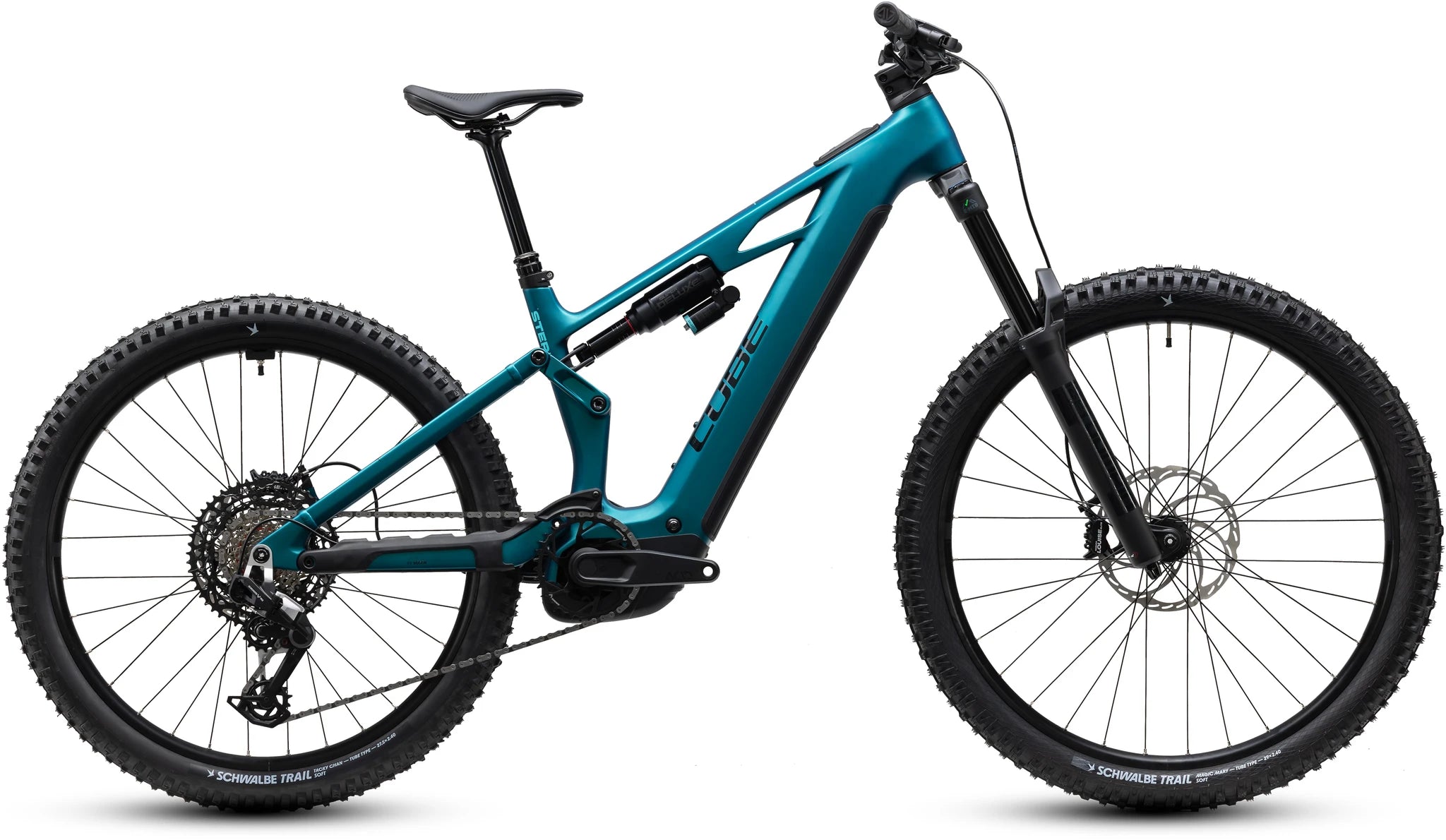
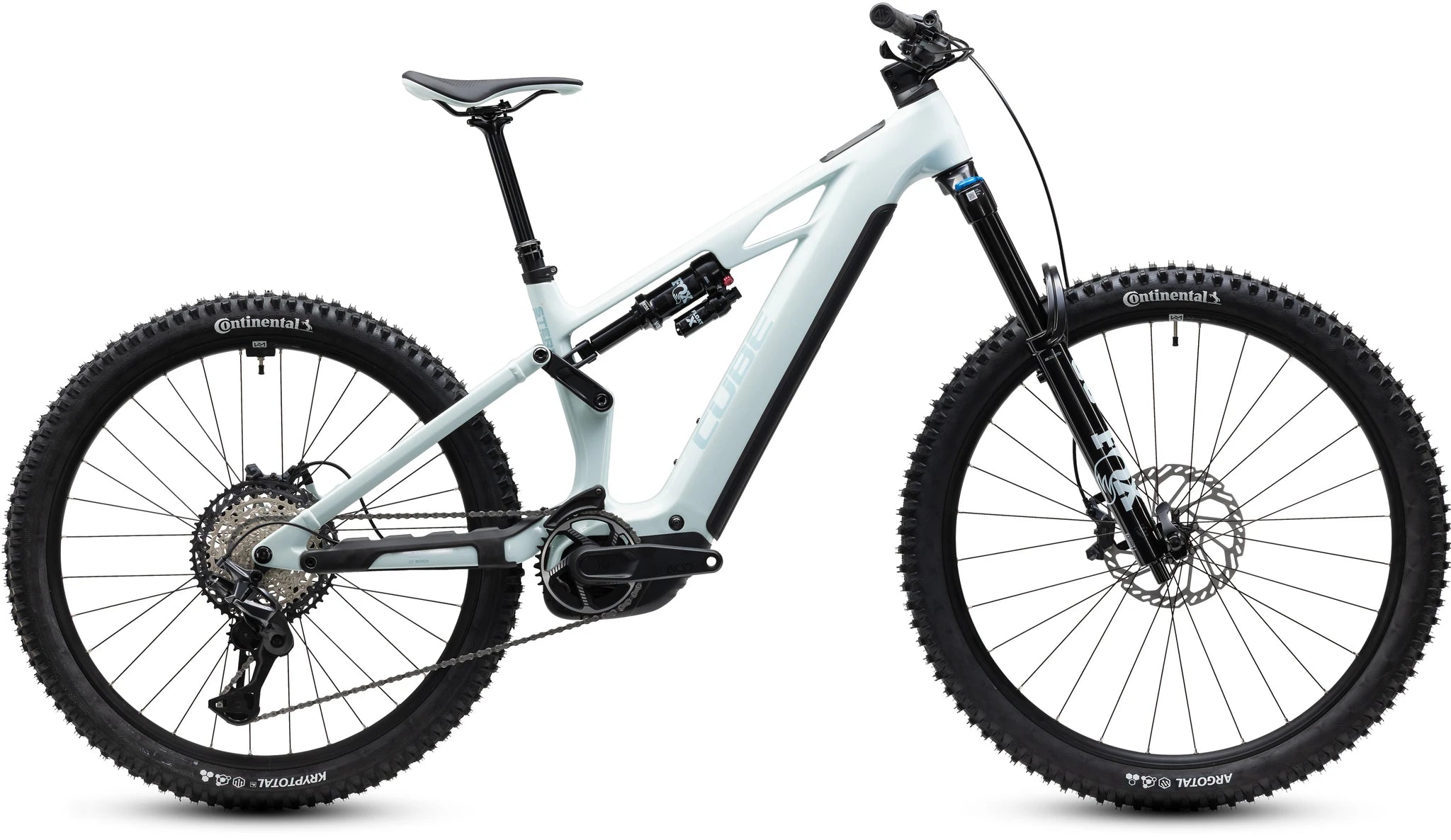
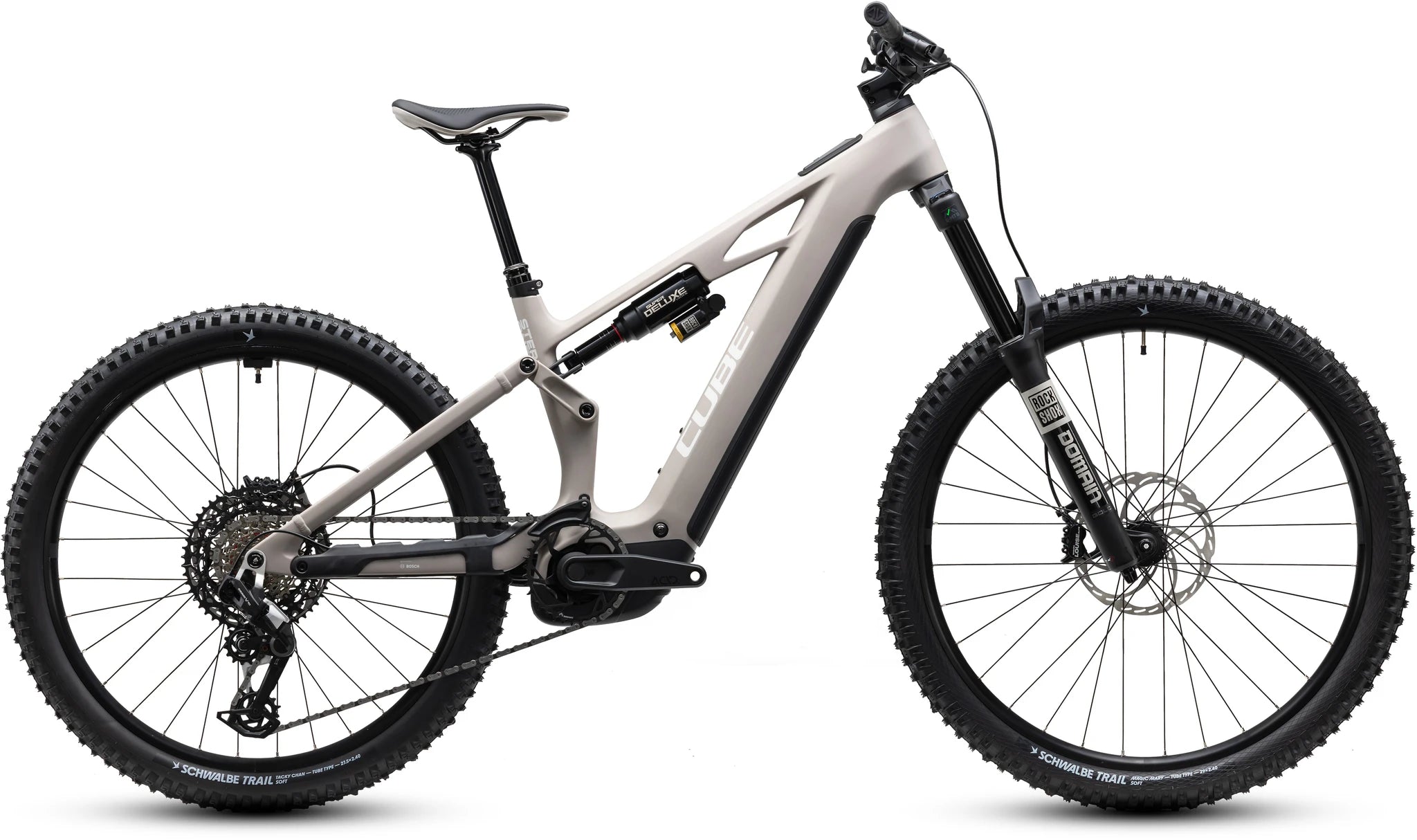
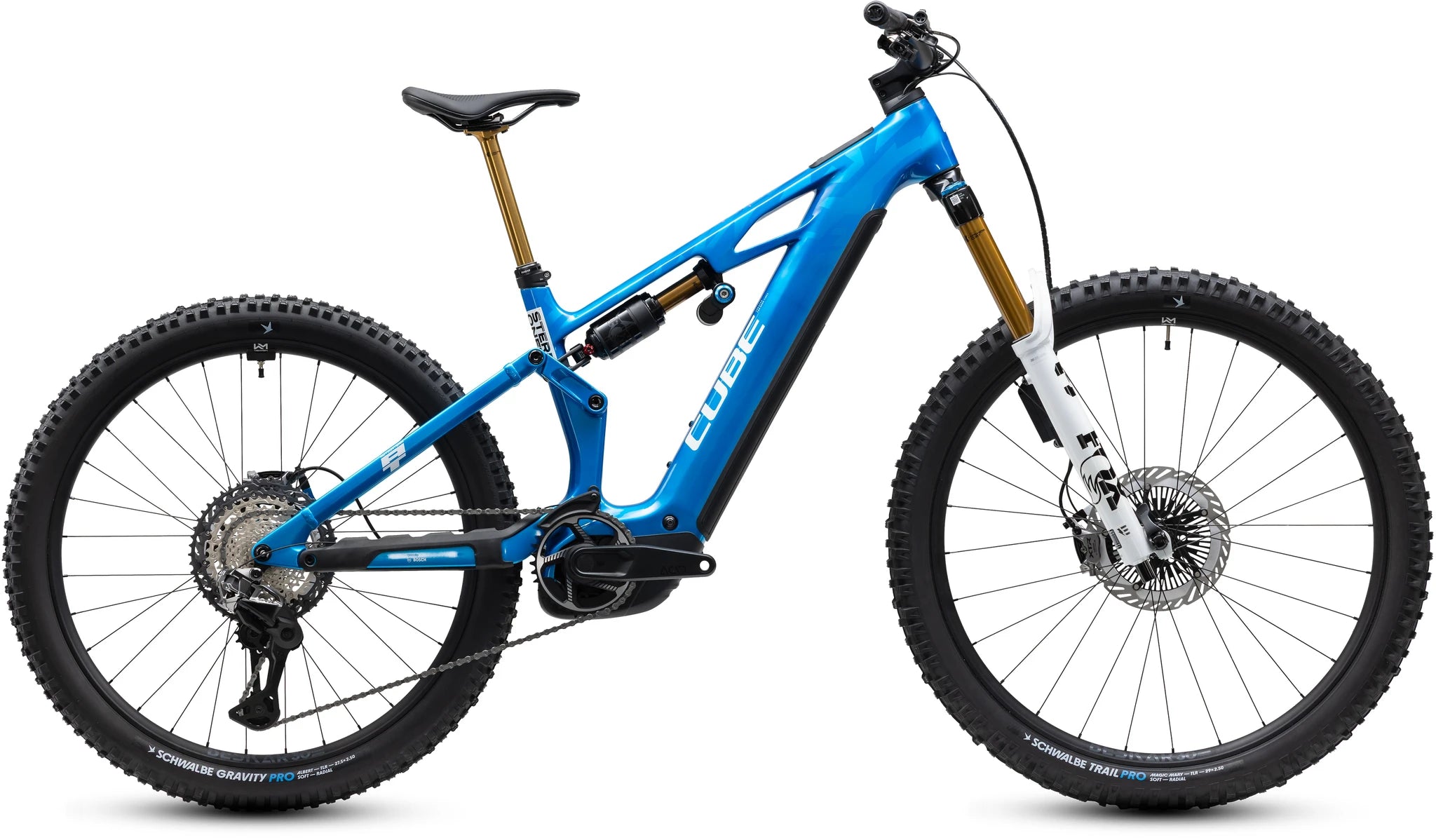
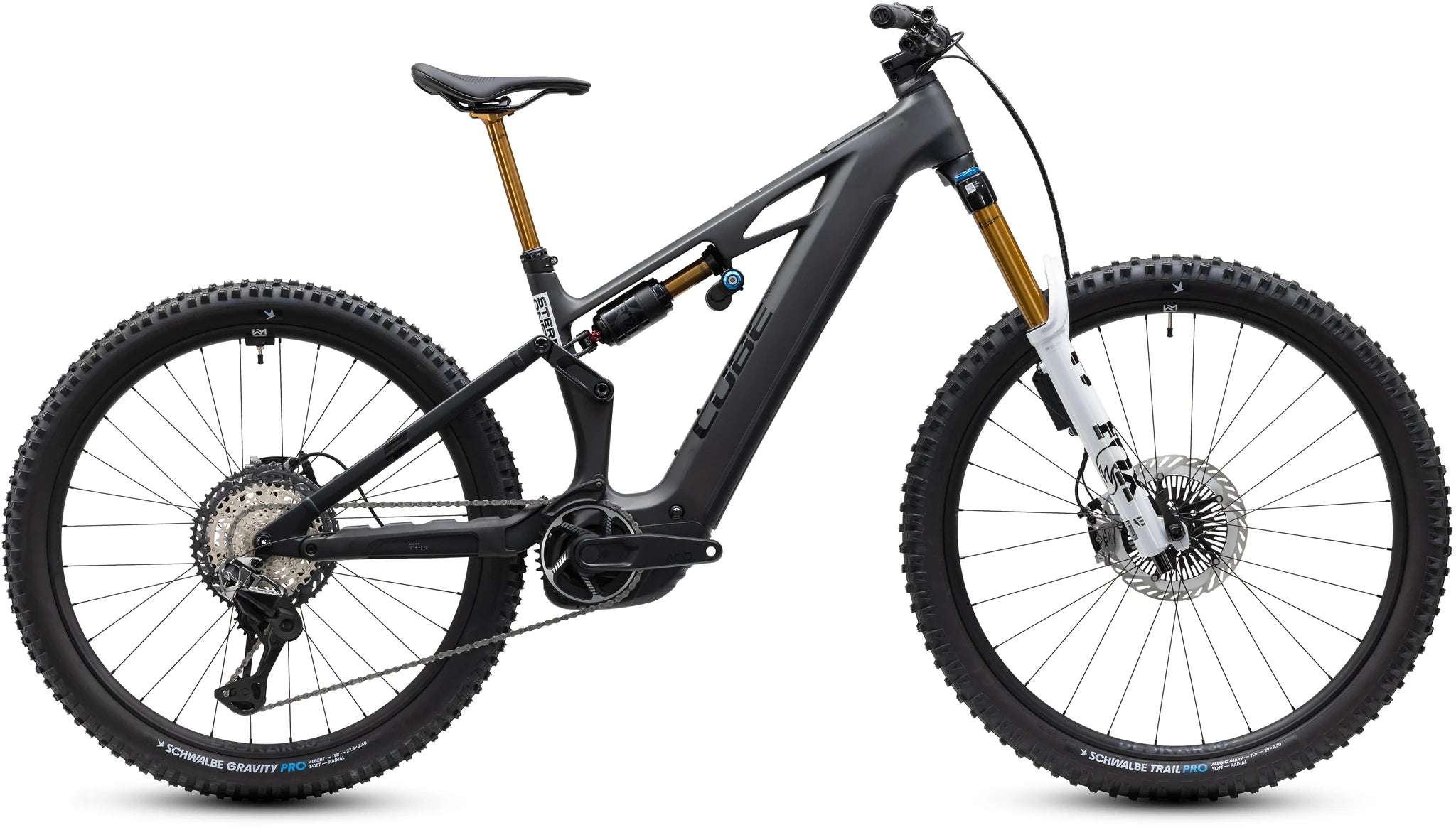
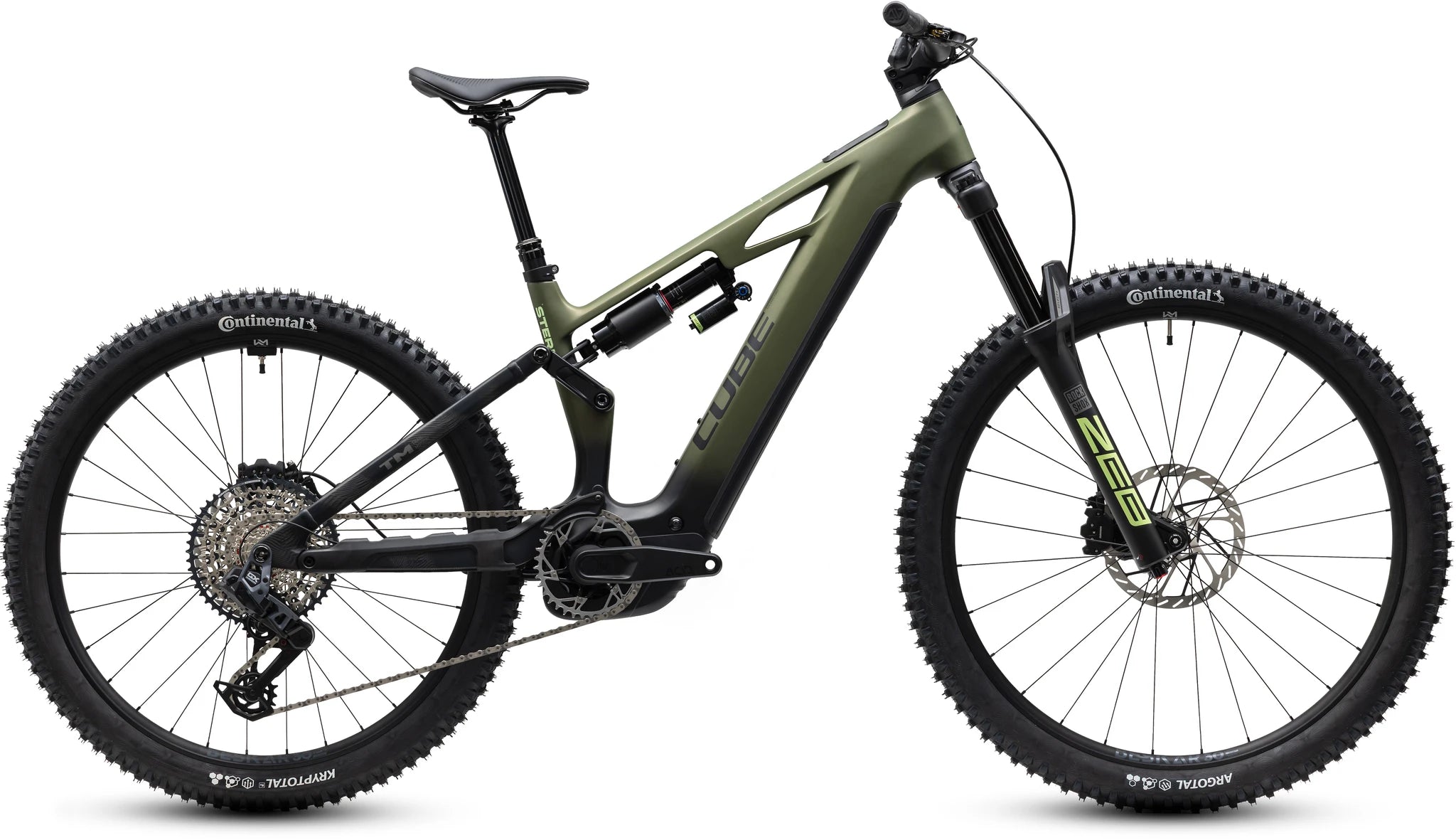
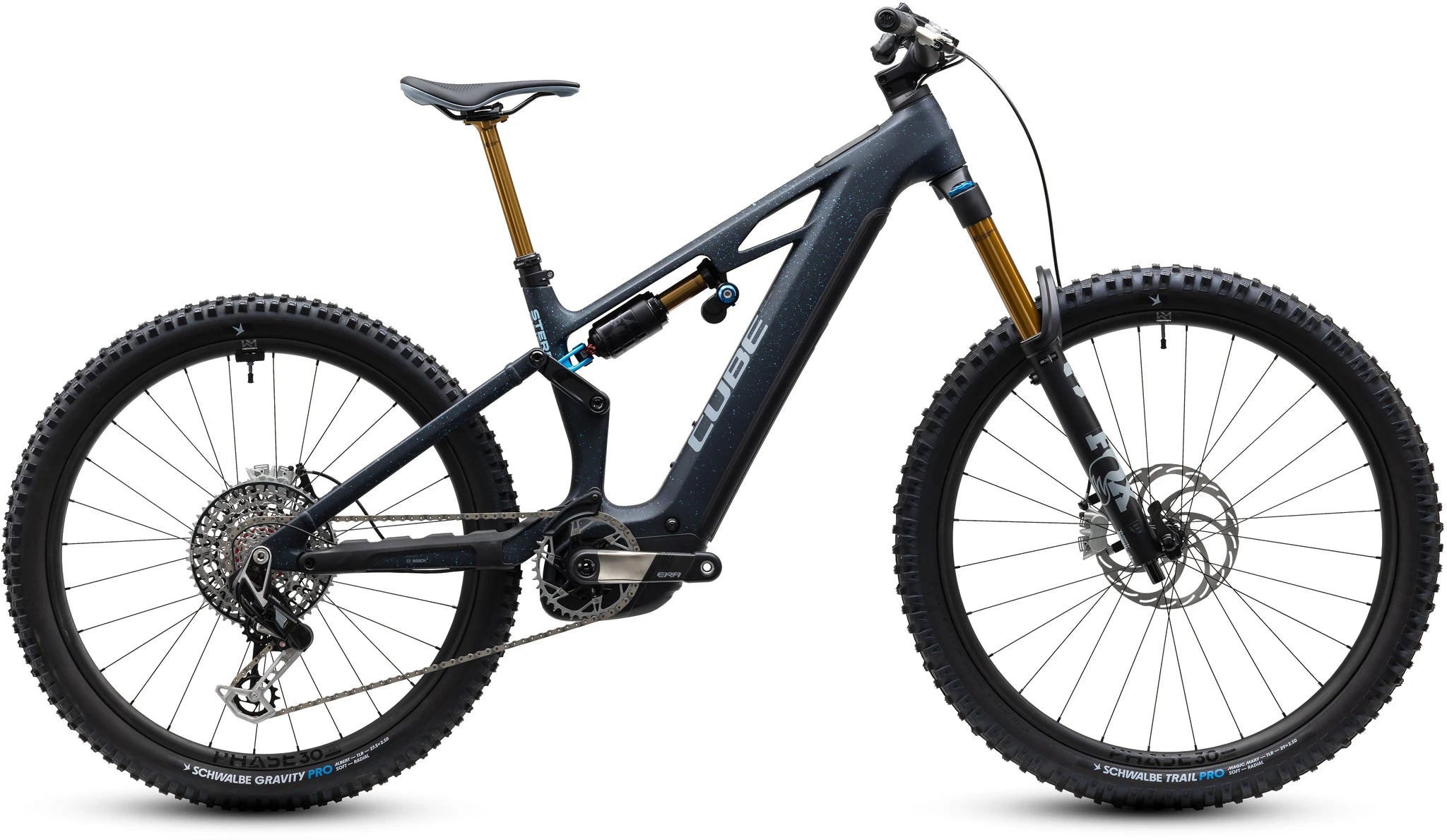
Steep, rocky, fast – this is exactly where the 2027 CUBE Stereo Hybrid ONE77 feels at home. With 170 mm of travel at the front and rear, downhill-oriented geometry, and an agile mullet setup, this e-enduro is built for technical trails, challenging descents, and long days in the mountains. The large 29-inch front wheel provides stability and confidence, while the 27.5-inch rear wheel ensures agility when things get tight and steep. Add to that powerful Bosch support for the ride back up. A bike for those who don't just want to ride trails – but to savor every moment of them.
Filters




Cube Stereo Hybrid One77 for demanding enduro trails
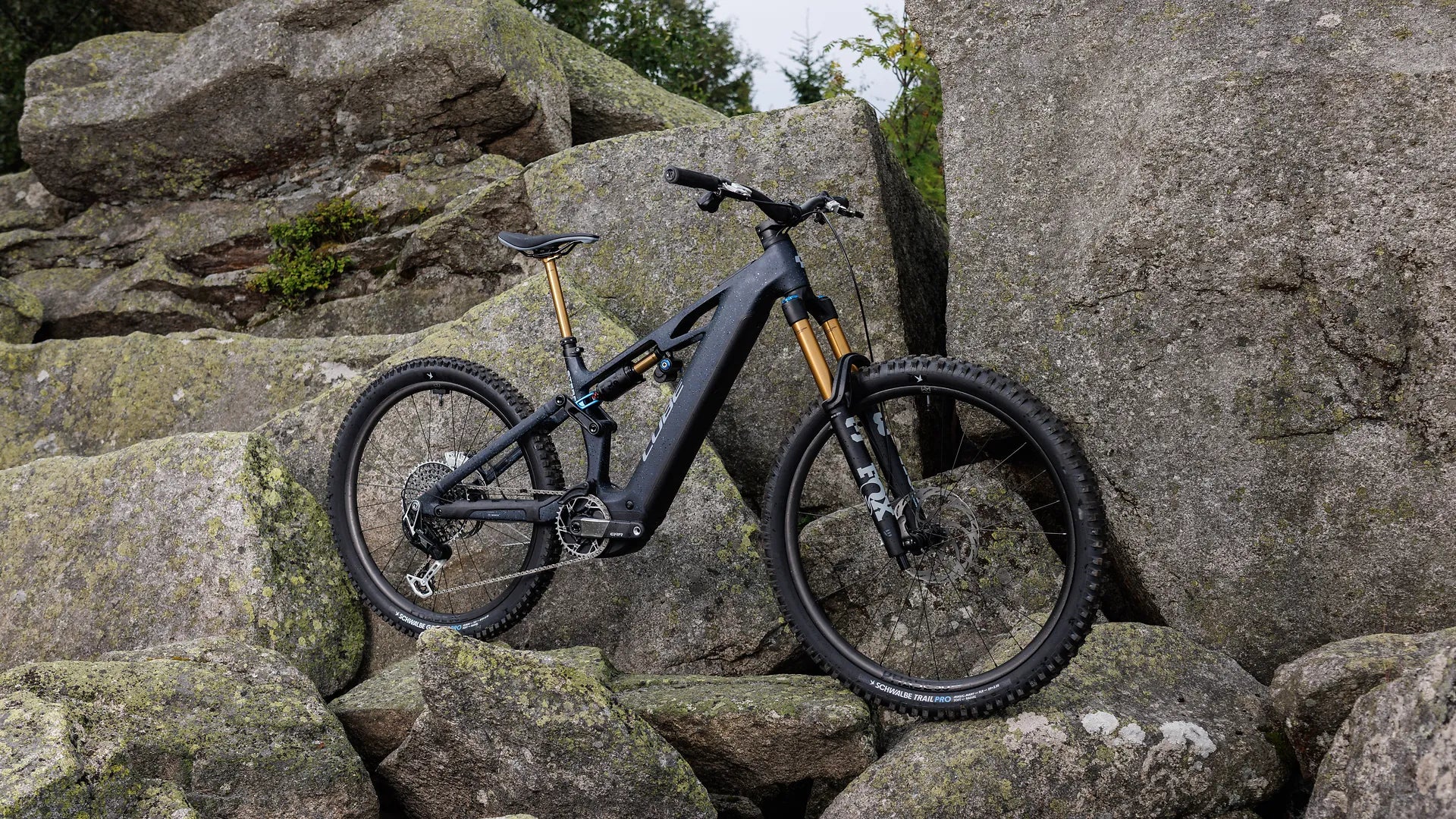
The Cube Stereo Hybrid One77 is aimed at riders looking for an e-mountain bike for steep descents, technical trails, and long days in the mountains. With 170 mm of front and rear travel, a descent-oriented geometry, and a mullet setup, it firmly belongs in the enduro class. The 29-inch front wheel is designed to roll over obstacles with confidence, while the 27.5-inch rear wheel gives the bike agility in tight corners. A Bosch drive provides support on long climbs and moves the extra weight of an e-enduro forward in a controlled manner, even on steep inclines.
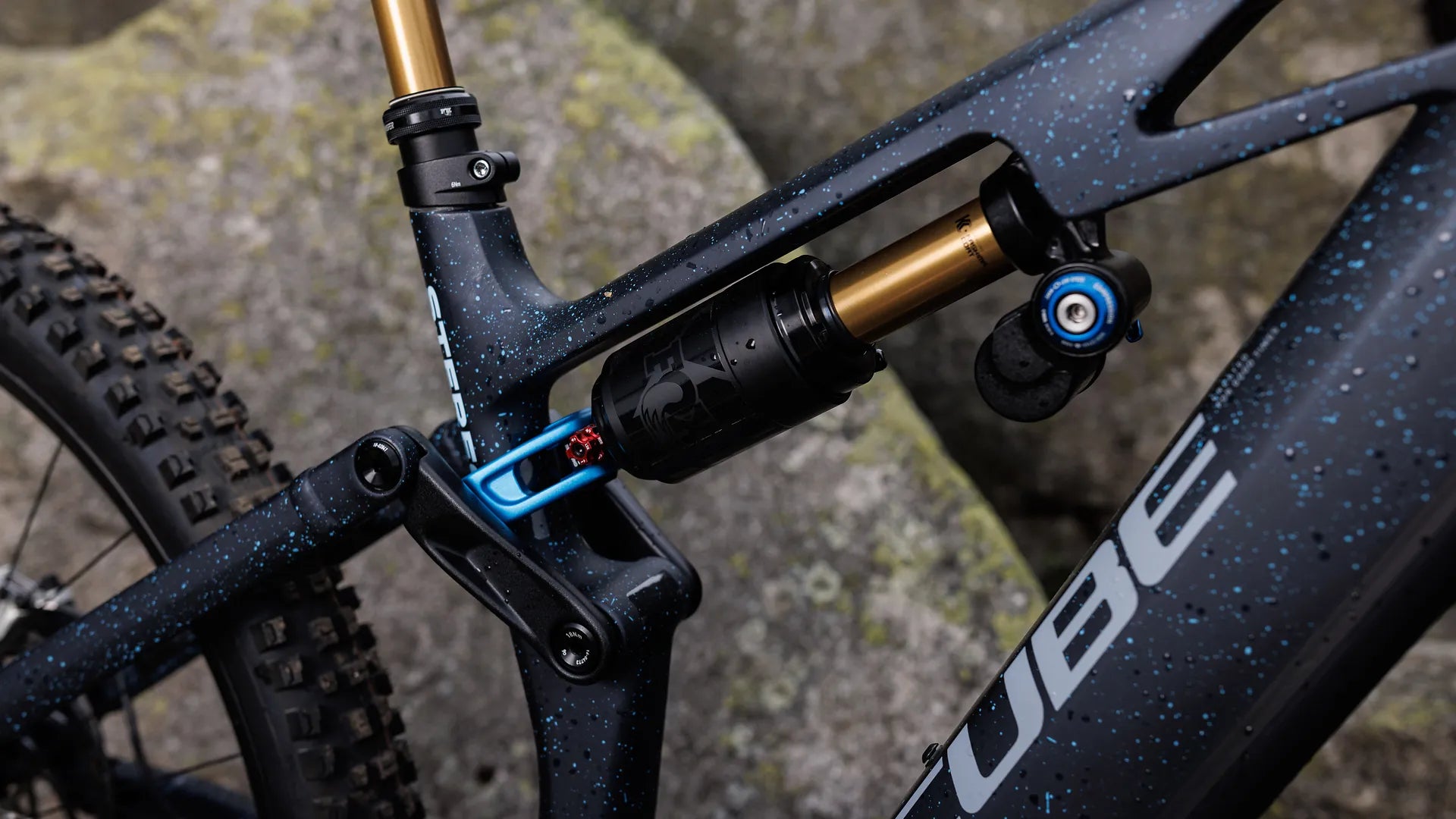
Compared to touring-oriented e-MTBs, the One77 has a clear focus. Its long travel, stable forks with 38 mm stanchions, powerful brakes, and descent-oriented tires increase control on rough terrain. On simple forest roads or long asphalt loops, these reserves play only a minor role. If your focus is on technical trails, bike park laps, and demanding descents, the One77's orientation is a good fit. For predominantly moderate tours, a lighter e-all-mountain bike like the Stereo Hybrid One44 is usually the more suitable choice.
The series includes several equipment levels. The suspension, drivetrain, brakes, display, and motor version vary depending on the model. However, the fundamental frame characteristics remain the same: 170 mm of travel, a carbon main frame with an aluminum rear triangle, mixed wheel sizes, and a headset for adjusting the head angle. The current model variants use a Bosch PowerTube 800, which is fully integrated into the down tube.
Chassis and suspension with 170 mm travel
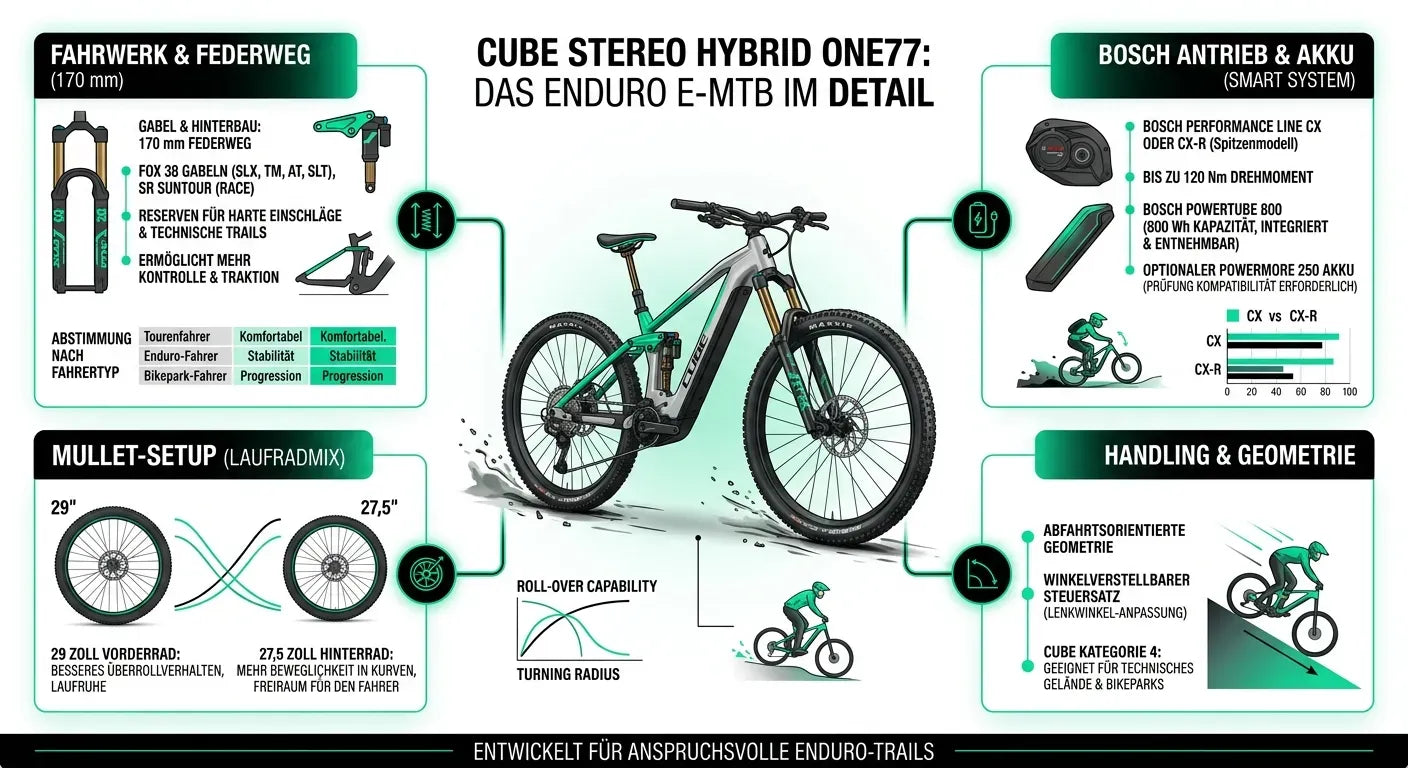
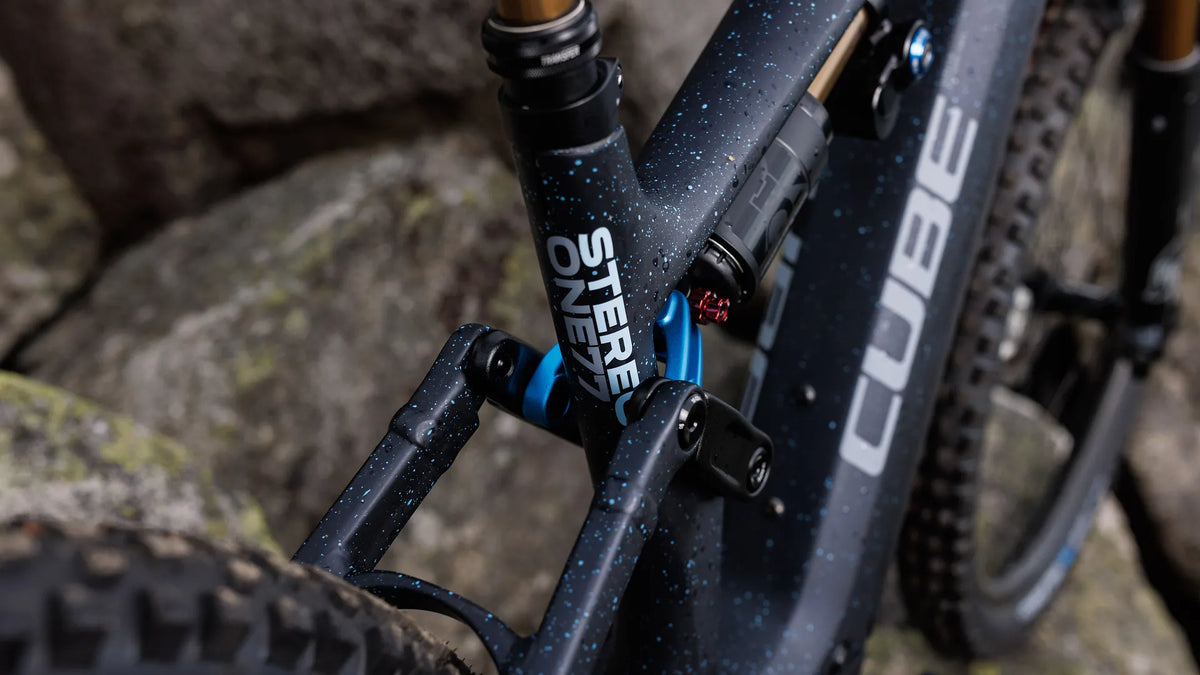
The suspension significantly determines how stable an e-enduro feels in fast and technically demanding sections. The Cube Stereo Hybrid One77 provides 170 mm of travel both front and rear. That is significantly more than a typical trail bike with about 140 mm. The extra travel gives the fork and rear triangle more room to absorb successive impacts before the suspension reaches its mechanical limit.
On root carpets, stone steps, and fast sections of the trail, a correctly tuned 170 mm suspension keeps the bike more composed. The front wheel can follow uneven terrain without transmitting every jolt directly to the handlebars. At the same time, the rear triangle relieves the rider during hard impacts and offers more reserves for messy landings. This does not mean the trail automatically becomes easier. The One77 still requires an active riding style, but rewards a clean line choice with excellent tracking.
The exact suspension equipment depends on the model level. The Race, for example, uses an SR Suntour Aion 38X and a TRIAir shock. Higher-spec variants use Fox components. On the SLX, a Fox 38 Rhythm works with a Float X Performance. The TM combines a Fox 38 Performance with a Float X2 Performance. AT and SLT models rely on particularly fine-tunable Factory suspension. Among other things, a Fox 38 Factory and a Float X2 Factory are available there. All mentioned versions offer 170 mm of travel, but differ in terms of damping, adjustment options, coating, and weight.
| Driver type | Suitable tuning | Driving benefit |
|---|---|---|
| Touring rider with technical descent sections | Slightly more comfortable tire pressure, open compression and controlled rebound | Good traction on roots and less fatigue on long descents |
| Enduro rider | More compression support and sufficient progression | Stability in berms and reserves for high-speed hits |
| Bike park rider | Progressive setup with suitable bottom-out protection | More support for jumps, compressions, and hard landings |
If you primarily ride slowly and prioritize comfort, you shouldn't set your suspension unnecessarily stiff. Excessive air pressure reduces usable traction and makes the bike feel jittery over small bumps. If, on the other hand, you ride fast, push actively into corners, and regularly take on jumps or drops, you need more support. In that case, the suspension shouldn't sit too deep in its travel.
The basic setting begins with the sag. Next, the rebound is adjusted so that the fork and shock extend quickly after an impact without bucking the bike. Models with separately adjustable high-speed and low-speed compression allow for more precise tuning. The low-speed setting influences, among other things, behavior during braking and in corners. The high-speed compression reacts to fast, hard impacts. For those who do not require these options, a simpler suspension setup can still provide a high-performance enduro configuration.
Bosch power to spare
The Bosch drive makes long climbs and repeated elevation gains easier. This is particularly relevant for an e-enduro, as wide tires, robust wheels, and long-travel suspension require more energy than lightweight touring components. The 2026 Cube Stereo Hybrid One77 is offered with the Bosch Performance Line CX (Gen 5) or, for the top-of-the-line model, the Performance Line CX-R, depending on the equipment level. Current product specifications list a maximum configuration of 85 Nm for these drives. The actual performance values provided depend on the motor version, software status, and approved settings.
For earlier versions of the 2025 Cube Stereo Hybrid One77, the Bosch Performance Line CX was frequently stated as having 85 Nm. This torque remains the same for the current versions. When comparing offers, you should therefore not rely solely on the model designation.
Check the specific model year, the installed drive unit, and the current software version. A product description stating 85 Nm still reflects the correct maximum value today.
High torque is helpful on steep ramps but does not replace a suitable cadence. On technical uphills, the motor works with more control if you use an easy gear and pedal smoothly. A gear that is too high puts strain on the drivetrain and rear tire. On loose ground, the additional power can lead to slippage more quickly. For difficult climbs, easily adjustable assistance is often more useful than an abrupt surge of power.
| Motor model | Torque | Battery capacity | Special feature |
|---|---|---|---|
| Bosch Performance Line CX (Gen 5) | 85 Nm | 800 Wh (Bosch PowerTube 800) | Powerful eMTB drive for steep climbs and technical trails |
| Bosch Performance Line CX-R | 85 Nm | 800 Wh (Bosch PowerTube 800) | Sport-tuned version with direct power delivery in the flagship model |
| Bosch Performance Line CX (Gen 5) | 85 Nm | 750 Wh (Bosch PowerTube 750) | Battery in some older models; still offers a long range for touring. |
| - | - | 250 Wh (Bosch PowerMore 250) | Optional auxiliary battery for extra-long tours on compatible models |
The PowerTube 800 is fully integrated into the down tube and can be removed for charging. With 800 Wh, it is suitable for extended enduro rides, although a fixed range cannot be derived from this. Rider weight, assistance level, temperature, tires, terrain, and elevation gain significantly affect consumption. A fast ride in high assistance mode on soft forest soil requires more energy than a steady ride in Eco mode.
The PowerMore 250 can increase total capacity, provided the specific bike has the required mount and the appropriate charging port. Compatibility for the respective model variant should be checked before purchase. The additional battery is particularly worthwhile for alpine tours without reliable charging options. For short after-work rides, however, it adds weight without offering any practical benefit.
Mullet setup with 29-inch front and 27.5-inch rear
With the mullet setup E-MTB, Cube combines a 29-inch front wheel with a 27.5-inch rear wheel. Both wheel sizes take on different tasks. The large front wheel rolls more easily over roots, steps, and holes. It supports stability and holds the chosen line better when the terrain becomes fast and chaotic. The smaller rear wheel is easier to guide through tight corners and creates additional clearance behind the rider.
This clearance is particularly noticeable on steep descents. When you shift your center of gravity back and down, your rear end is less likely to come into contact with the rear tire. You can move the bike under your body without having to adopt a very far-back posture. This facilitates active changes of direction and gives you more room for hip and leg movement on steep drops.
- The 29-inch front wheel improves rollover performance on sharp obstacles.
- The 27.5-inch rear wheel supports quick changes of direction in tight switchbacks.
- The smaller rear wheel provides more freedom of movement on steep descents.
- The wheel mix suits long suspension travel because it combines front-end stability with a nimble rear end.
- The rear wheel is easier to lift or shift sideways if a corner is too tight to ride through normally.
A mullet bike doesn't automatically handle nervously. Geometry, wheelbase, tires, and suspension setup also have a major influence. Thanks to its enduro frame and long travel, the One77 remains stable on fast sections. The smaller rear wheel reduces some of the sluggishness that a full 29-inch wheeled e-enduro can develop in tight sections.
The wheel mix also has design implications. The front and rear tires have different diameters, which is why a single spare tube is not always suitable for both wheels. When changing tires, size, casing, and rubber compound must be considered separately. For enduro use, a sturdy casing is worth it for the rear, as the smaller wheel can be subjected to greater loads on hard edges.
The mullet concept is particularly useful if your trails alternate between fast sections, tight switchbacks, and steep drops. On flat paths, the advantage is less significant. There, rolling resistance, riding position, and total weight are more important than the additional agility of the rear wheel.
Handling in technical terrain
On technical, rock-strewn descents, the Cube Stereo Hybrid One77 benefits from its long travel and large front wheel. The front end remains comparatively steady, even when encountering consecutive rocks. The rear suspension is capable of absorbing individual impacts without immediately using up its full travel. This keeps the tire in contact with the ground longer, which helps with braking and accelerating out of rough corners.
The higher weight of an e-enduro is noticeable. It stabilizes the bike at speed but requires a clear choice of line in slower sections. Those who just let the bike roll passively may encounter difficulties in tight steps or winding rock passages. The One77 handles better when you apply targeted pressure through your hands and feet, lean the bike beneath your body in corners, and actively unweight the rear wheel when necessary.
On fast enduro trails, the weight brings stability to the handling. Small bumps don't affect the direction as much as they would on a light trail bike. In tight switchbacks, however, the One77 requires more physical effort. The 27.5-inch rear wheel reduces this disadvantage but cannot completely compensate for the long wheelbase and the weight of the motor.
On steep uphills, the rider must consciously adjust their position. If you sit too far back, the front wheel becomes light and loses steering control. If you shift your upper body too far forward, the pressure on the rear tire decreases, causing it to spin. A low chest position while keeping weight on the saddle keeps both wheels on the ground. At the same time, an easy gear helps the motor deliver its power evenly.
When the ground consists of loose stones or damp roots, a smooth and circular pedaling motion is sensible. Sudden load peaks make traction difficult. The long rear suspension travel can absorb bumps, but even good suspension requires sufficient weight on the rear wheel. Short pedaling pauses at high steps should be planned early so the pedals do not strike the ground.
The angle-adjustable headset allows for additional customization of the handling characteristics. A slacker setting increases front-end stability at speed and on steep descents. A steeper setting makes the steering more direct and can be advantageous on tighter trails. Adjustment is made via bearing cups in the head tube. It does not replace the need for a proper frame size, but offers room for personal preferences.
| Terrain | One77 handling | Driving advice |
|---|---|---|
| Fast, rough descent | Stable front and generous suspension travel | Keep your eyes well ahead and center your weight on the bike |
| Tight switchbacks | The mullet setup makes changing direction easier | Unweight the rear wheel and initiate the turn early |
| Steep technical uphill | Powerful assistance, but active weight shifting required | Select a low gear and pedal steadily |
| Root carpet | Good traction with a plush suspension setup | Stay loose and avoid harsh braking inputs |
| Jumps and drops | 170 mm of travel provide a reserve for landings | Adjust speed and jump height to the category of use and skill level |
Compared to an e-MTB with 140 mm of travel, the One77 feels more composed at high speeds. The shorter-travel bike usually reacts more directly and is easier to accelerate on simple trails. As soon as hard hits, larger drops, or long descents follow, the One77 offers more reserves. Riders who primarily ride flowy trails do not necessarily need these reserves. Conversely, those who regularly ride technical enduro trails can put them to good use.
How to choose the right Cube Stereo Hybrid One77 for 2025 and 2026
When comparing a 2025 Cube Stereo Hybrid One77 with a 2026 Cube Stereo Hybrid One77, the model year shouldn't be the only deciding factor. Both generations follow the same basic concept with 170 mm of travel and mullet wheels. Differences may occur in motor software, displays, suspension, brakes, gears, and tires. Even within the same model year, there are significant differences in specifications between the Race, SLX, TM, AT, and SLT models.
The Race version is the entry point into the series. It already offers full travel, a carbon main frame, and the PowerTube 800. The higher tiers primarily invest in more refined suspension, more powerful or more easily modulated brakes, electronic shifting, and lighter wheels. These components influence the ride feel more than a slight weight difference in the frame.
If you are looking for a solid E-Enduro for tours and occasional bike park visits, a Race or SLX specification may suffice. If you want to fine-tune your suspension and frequently tackle long, fast descents, the TM, AT, or SLT offer more adjustment options. Electronic shifting and high-end carbon components are not a prerequisite for technical trails. A well-suited suspension setup, durable tires, and reliable brakes have greater practical benefits there.
Before purchasing, you should also check the maximum permissible rider weight for the specific variant. For the 2026 models, these values vary depending on the equipment. The rider weight also includes helmet, shoes, backpack, and other gear. Those who ride with protectors and a large hydration pack should include these kilograms in their calculations.
- Choose the frame size based on body measurements and desired freedom of movement, not just on height alone.
- Check the exact suspension configuration of the offered model variant.
- Compare the motor version and software status if different torque specifications appear.
- Look for tires with a suitable casing if you frequently ride in a bike park.
- Only plan for a PowerMore range extender if the specific model is compatible and you require the additional range.
- Take the permissible rider weight including full equipment into account.
Frequently Asked Questions about the Cube Stereo Hybrid One77
What is the difference between the Cube Stereo Hybrid One77 and the One44?
The Stereo Hybrid One77 is more focused on enduro descents. It offers 170 mm of travel front and rear, as well as a mullet setup. With its shorter suspension, the Stereo Hybrid One44 belongs in the all-mountain category. It feels more direct on moderate trails and is better suited for tours where efficiency and agile handling are more important than maximum reserves.
If you frequently ride rocky descents, larger drops, and bike park tracks, the One77 is a better fit. If your tours consist of long climbs, forest paths, and technically moderate trails, the One44 is generally easier to maneuver. The decision therefore depends more on the terrain than on motor power.
Is the Cube Stereo Hybrid One77 suitable for the bike park?
Yes, the One77 is suitable for many bike park trails. The models are classified under Cube usage category 4 and are intended for sporty rides in technically demanding terrain. The long travel, downhill-oriented geometry, powerful braking systems, and robust tires are well-suited for enduro lines and difficult trails.
However, this approval is not equivalent to unrestricted use as a downhill or freeride bike. Extreme jumps, very high speeds, and tracks in higher usage categories may fall outside the intended range. Please observe the specifications for your specific model and increase jump height and speed in accordance with your riding ability. After days at the bike park, wheels, tires, brake pads, suspension mounts, and bearings should be inspected.
Can you adjust the geometry on the Cube Stereo Hybrid One77?
Yes. There are bearing cups in the head tube that allow you to adjust the head angle. A slacker position increases stability and is suited for fast or steep descents. A steeper position makes the steering more direct and can be more comfortable on tight trails. The adjustment should be carried out professionally, as the headset, cable routing, and bearings must be seated correctly afterwards.
Which battery is installed in the Cube Stereo Hybrid One77?
The current 2026 variants predominantly use the fully integrated Bosch PowerTube 800 with 800 Wh. This battery is also frequently installed in the 2025 Cube Stereo Hybrid One77. Some older versions or deviating offers may feature a PowerTube 750. Therefore, the equipment list should always be checked for a specific bike. The battery can be charged on the bike and removed for separate charging or storage.
Which motor is installed in the Cube Stereo Hybrid One77?
Depending on the model, a Bosch Performance Line CX (Gen 5) or a Bosch Performance Line CX-R is used in the One77. The CX is available in several trim levels. The more sportily tuned CX-R is reserved for the top-of-the-range models. The model year must be taken into account when stating the power output. While many 2025 descriptions specify 85 Nm, current 2026 variants are also listed with a maximum configuration of 85 Nm.
What are the advantages of the 27.5-inch rear wheel?
The smaller rear wheel makes the rear end more agile and gives the rider more room on steep sections. Tight corners are easier to initiate, and the rear wheel can be repositioned more easily. At the same time, the 29-inch front wheel maintains the desired smoothness and rolls better over larger obstacles. This combination is suitable for an E-Enduro that needs to remain stable on fast descents and not feel unnecessarily sluggish in tight sections.
How much suspension travel does the Cube Stereo Hybrid One77 have?
The Cube Stereo Hybrid One77 features 170 mm of travel in the fork and 170 mm at the rear. This places it in the long-travel enduro category. The exact fork-shock combination depends on the model version. The travel remains the same across all model levels.
For whom is the Cube Stereo Hybrid One77 worth it?
The One77 is worthwhile for experienced mountain bikers who regularly ride difficult trails and take advantage of the reserves of long-travel suspension. It suits riders who want to conquer a lot of elevation gain under their own power and with motor assistance before taking on a technical descent. For easy tours, bike paths, and moderate forest trails, the bike is heavier and more elaborately equipped than necessary. In this type of terrain, a short-travel e-MTB usually handles more directly and requires less robust components.
Du kannst deine Einstellungen jederzeit anpassen, um den vollen Funktionsumfang unserer Website zu nutzen.
Cookie-Einstellungen bearbeitenWir helfen Dir gerne weiter!

Live-Chat
Telefon
Telefon
Telefonzeiten:
Mo. - Fr. 10:00 - 13:30 & 14:30 - 18:00 Uhr
Sa. 10:00 - 14:00 Uhr
Telefon:
+49 2961 914 886 9
Kontaktformular
Kontaktformular
Außerhalb der Chat- und Telefonzeiten kannst Du uns Dein Anliegen über das Kontaktformular mitteilen.
E-Mail
Schreib uns einfach eine E-Mail an verkauf@liquid-life.de und wir werden Dir so schnell wie möglich antworten. Bitte hab Verständnis, dass es aufgrund der chronologischen Bearbeitung zu kleinen Verzögerungen kommen kann.
Bikeberater
Bonusprogramm