

CUBE Stereo HPC 2027: Built for trails that know no compromises
Roots, rocks, fast lines, and technical sections – the CUBE Stereo HPC 2027 is in its element exactly when the trail gets demanding. With plush suspension, precise handling, and components that deliver reliably even at high speeds, it provides control and a genuine trail feel from the very first meter. A bike for those who don’t just want to ride, but want to savor every line, push boundaries, and are already thinking about the next trail.
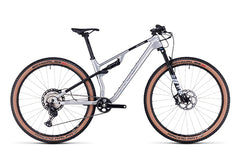

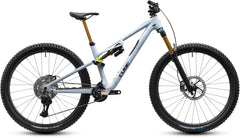
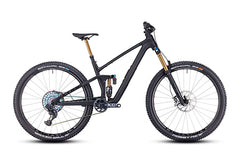
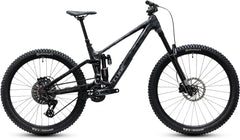
Filters


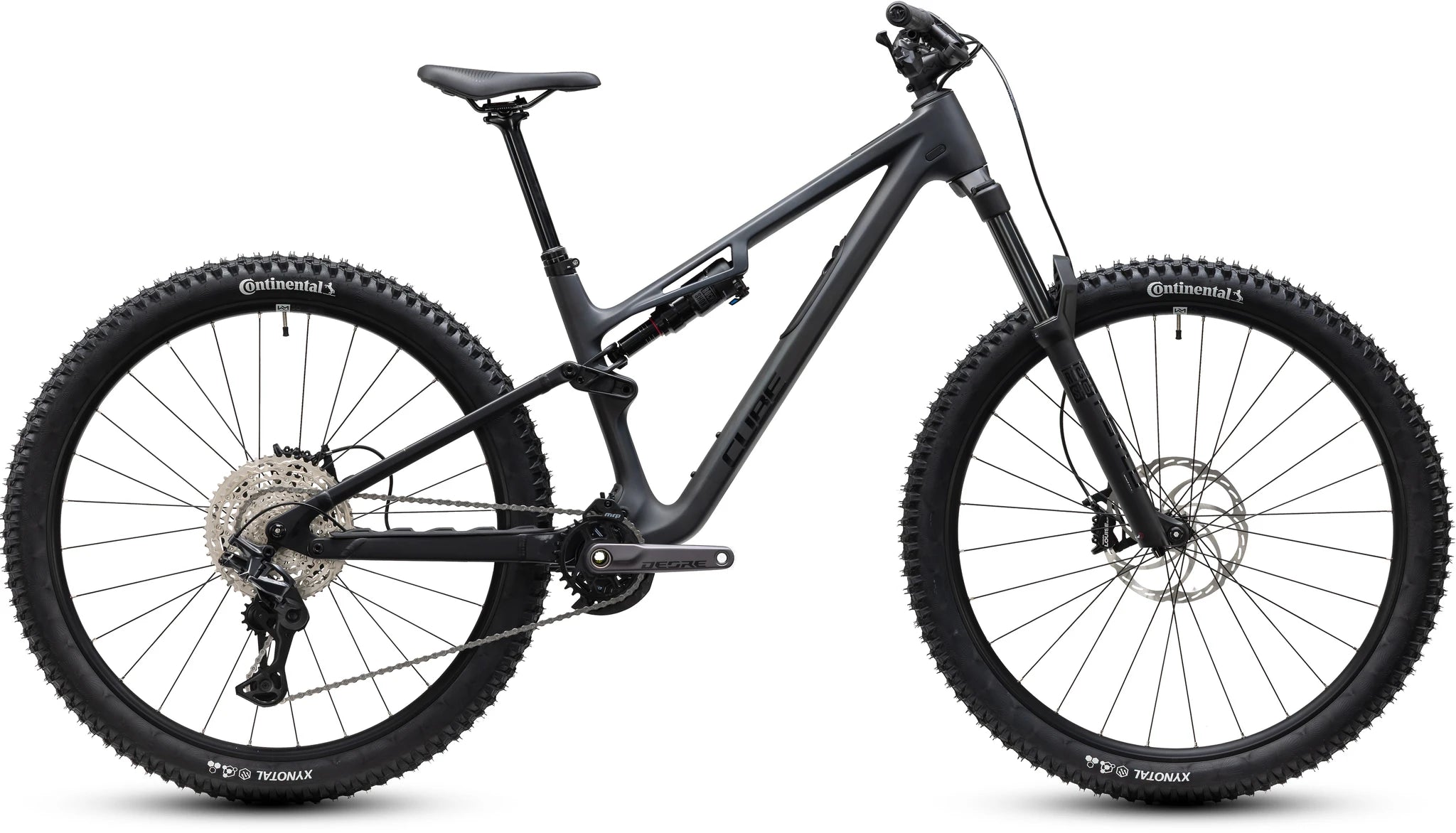


Cube Stereo HPC: Carbon performance for every trail
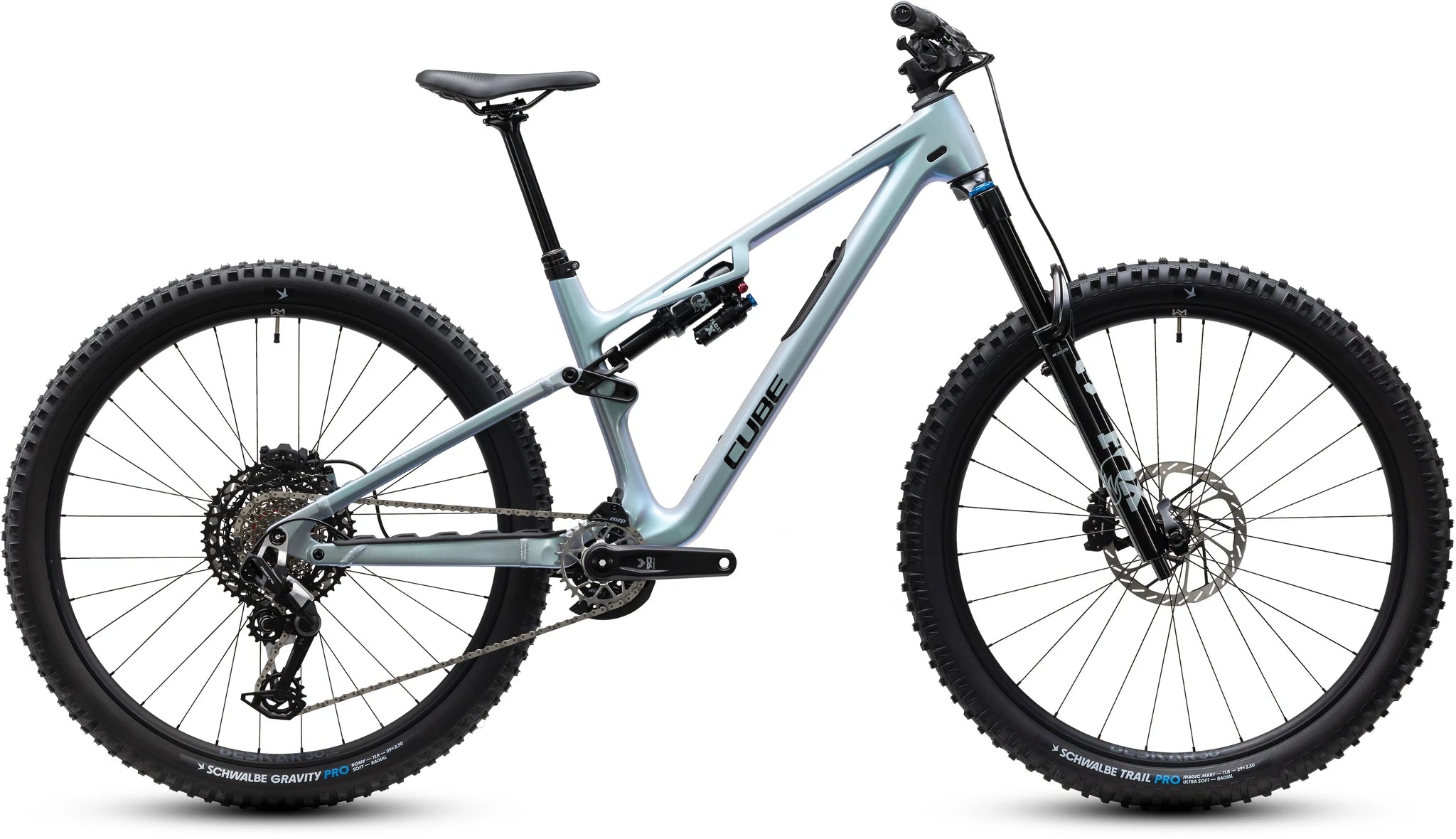
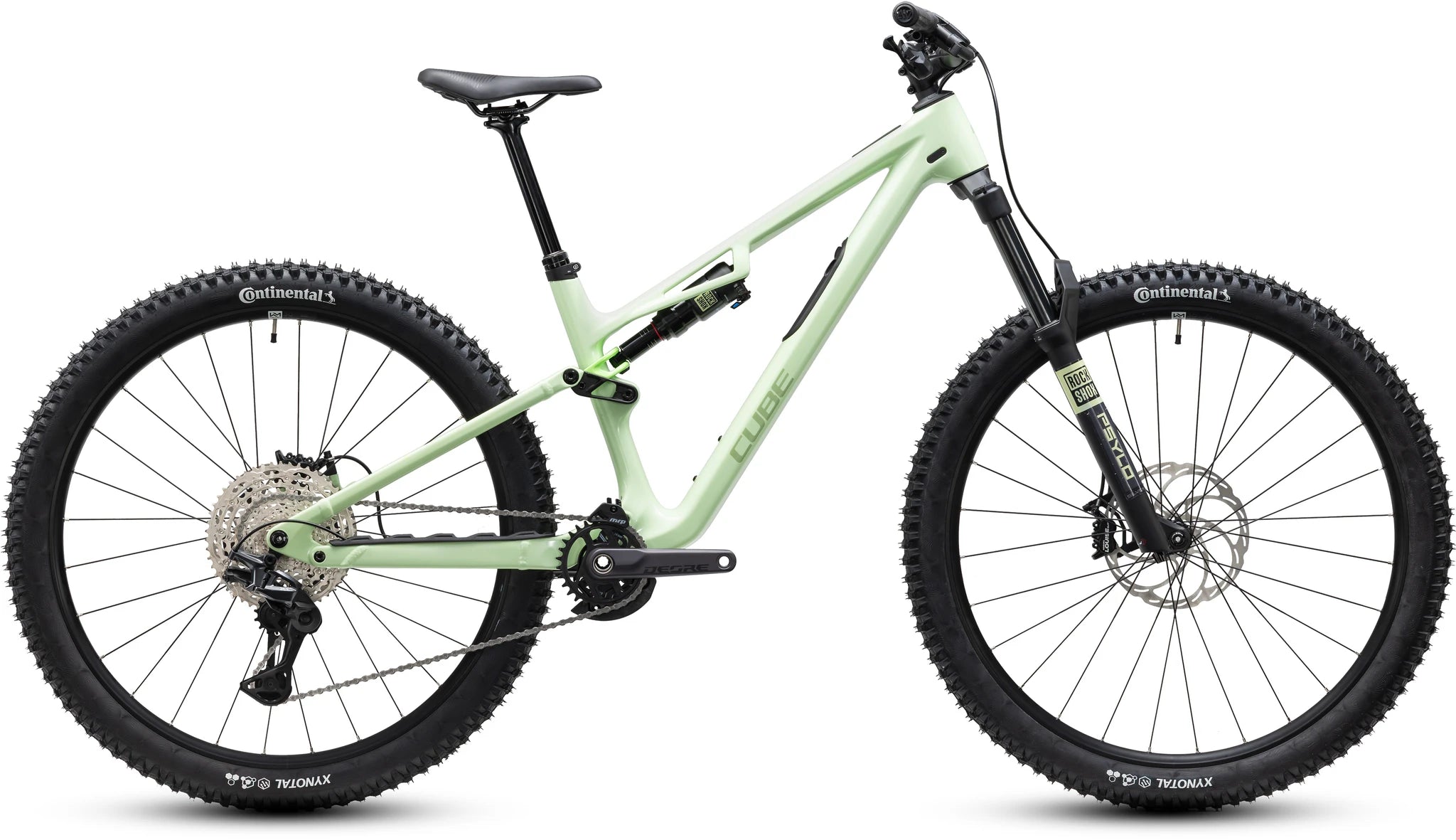
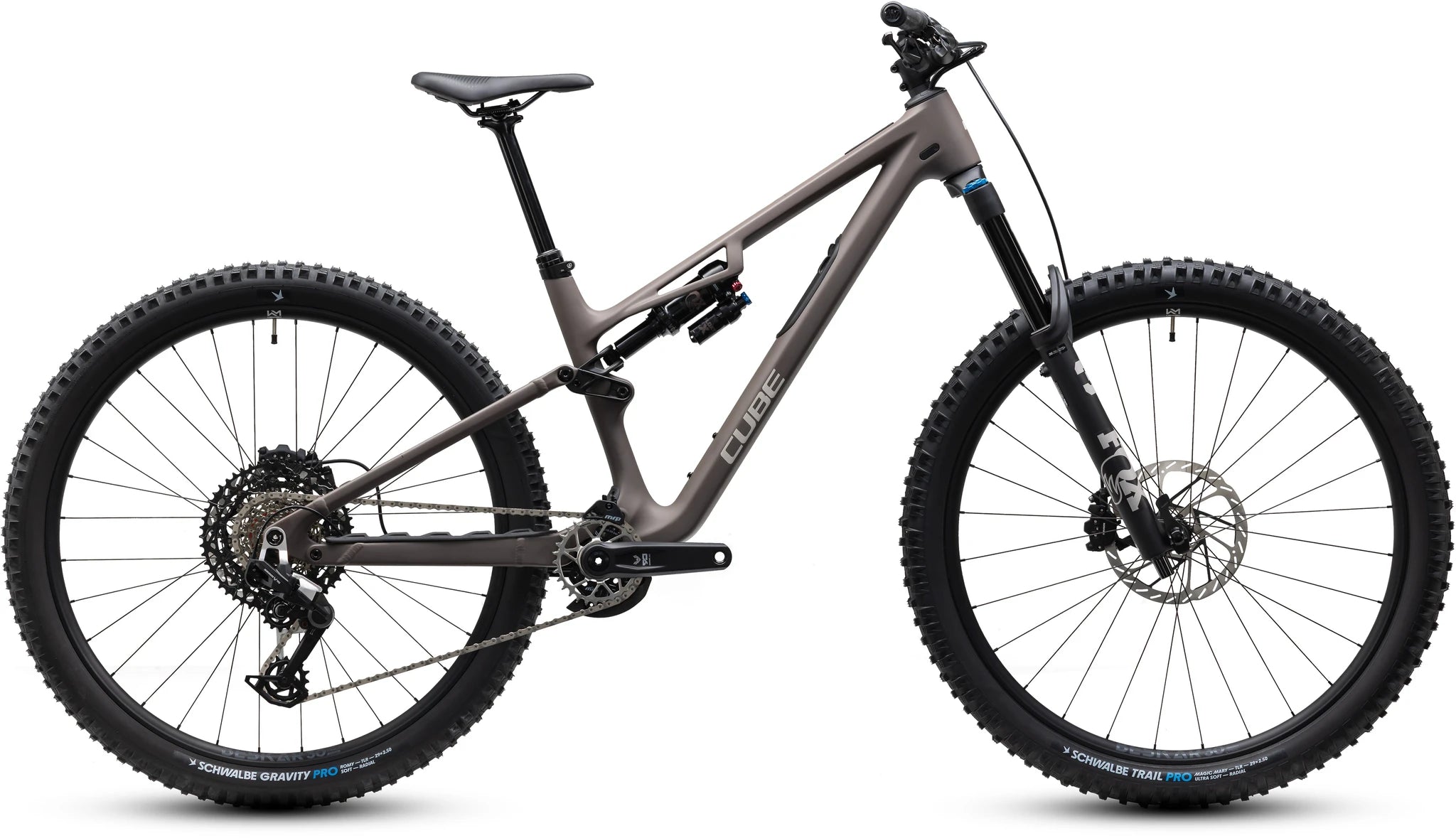
A Cube Stereo HPC combines a lightweight carbon main frame with a durable aluminum rear triangle. This construction is aimed at riders who are looking for an agile Cube mountain bike with carbon, but do not want to pay the price of a full high-end carbon frame. Depending on the model and year, the range of use extends from long tours and technical trail rides to challenging descents.
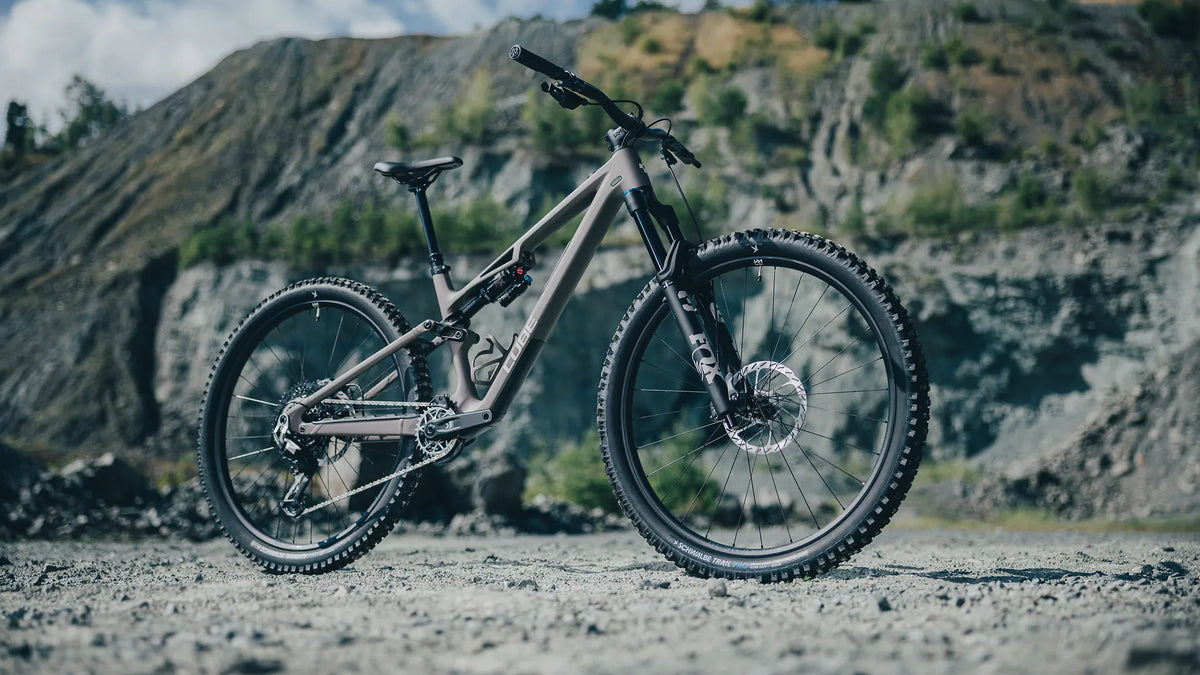
Three points matter when choosing: the suspension travel, the equipment level, and the specific frame material. Designations such as HPC, C:62, C:68, and TM describe different aspects of the bike.
HPC identifies the frame construction, C:62 and C:68 denote carbon technologies, while TM stands for a downhill-oriented specification.
For the 2027 model year, the Cube Stereo HPC frame consists of a C:62 carbon main frame and an aluminum 6061 T6 rear triangle. The available Race and TM variants feature 150 mm of travel at the fork and 145 mm at the rear. This places them between a classic trail bike and an all-mountain bike with a clear focus on challenging descents.
What does HPC stand for at Cube and what is the difference compared to HPA?
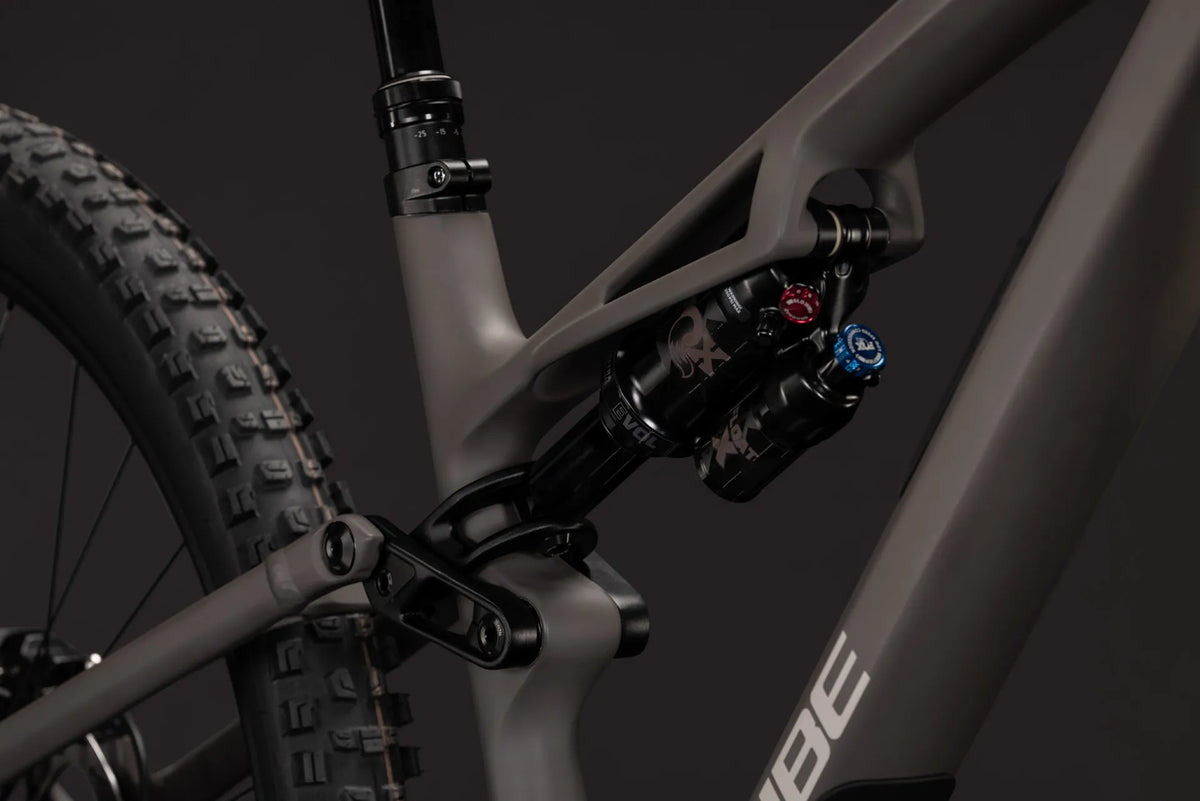
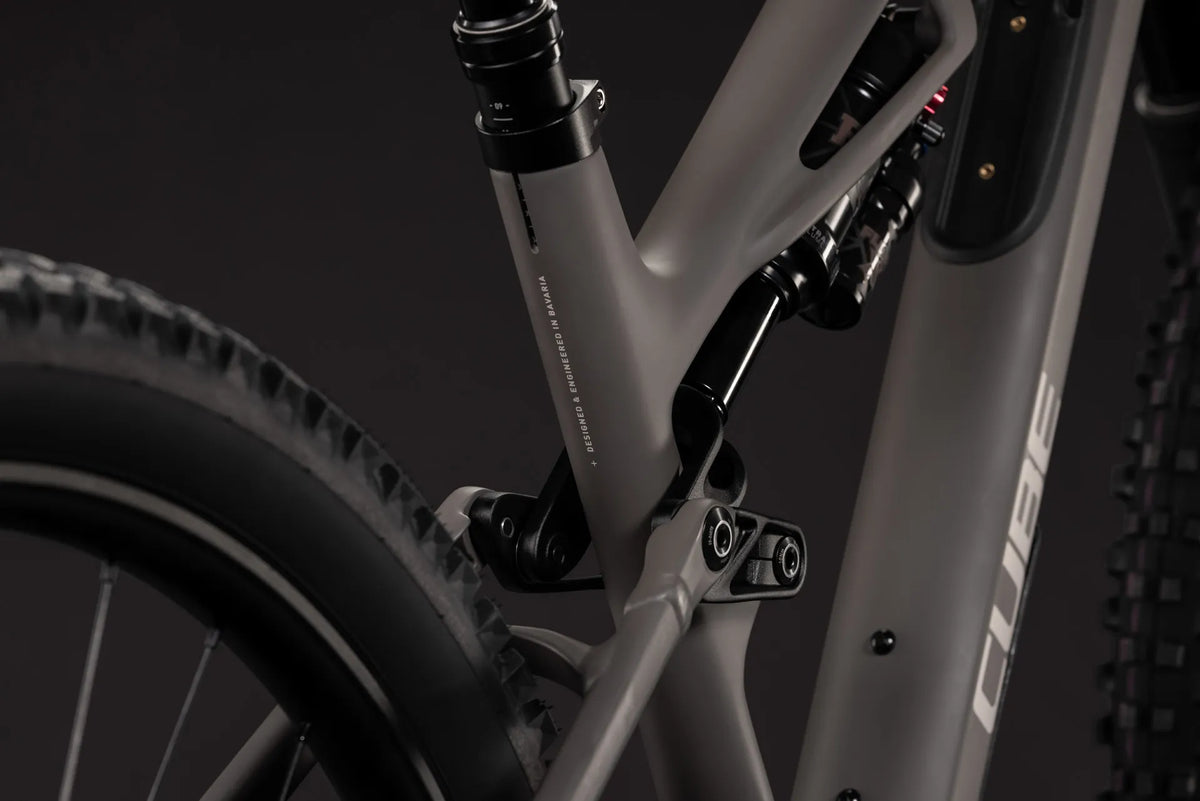
At Cube, HPC stands for High Performance Carbon. In a Cube Stereo HPC, the main frame is made of carbon. Depending on the model and model year, Cube may combine this with an aluminum rear triangle. The current Stereo HPC design uses C:62 carbon for the front triangle and aluminum for the rear triangle.
The carbon main frame can be engineered to remain stiff in high-stress areas while saving material in others. The low weight is particularly noticeable when accelerating, changing direction, and on longer climbs. The aluminum rear triangle withstands typical stresses in the areas of the pivot points and chainstays. In the event of rock chips or contact with the chain, aluminum is also less susceptible to surface damage.
HPA stands for High Performance Aluminium. Cube uses hydroforming to shape the aluminium tubes so that areas under greater stress have more material, while less stressed sections are thinner. An HPA frame is generally more affordable than a comparable HPC construction. However, the additional weight depends heavily on the frame size, kinematics, and the specific model year. A blanket difference of several hundred grams is therefore only a rough guideline. For a reliable comparison, you should compare two bikes of the same series, size, and equipment.
| Feature | HPC | HPA |
|---|---|---|
| Main frame material | Carbon | Aluminum |
| Rear triangle | Depending on the model, aluminum or carbon | Aluminum |
| Weight | Usually lower | Usually higher |
| Ride feel | Direct and agile, depending on geometry and build | Solid and less weight-oriented |
| Price | Higher material and manufacturing costs | More affordable entry-level option available |
| Suitable for | Touring and trail riders with a focus on weight and handling | Price-conscious riders and robust everyday use |
If you climb a lot of vertical meters under your own power and are looking for a lightweight, precisely responsive full-suspension bike, HPC is usually a better fit. If a lower purchase price is more important and a few hundred grams don’t make a big difference, HPA is a practical alternative. The equipment remains the deciding factor. A well-tuned HPA bike with the right tires and high-quality suspension can make more sense on the trail than a lightweight carbon bike with components that don't suit your intended use.
What is the difference between C:62 and C:68 at Cube?
C:62 and C:68 denote different carbon materials and manufacturing approaches from Cube. The number stands for the fiber content in the composite material. C:62 contains a 62 percent carbon fiber content. Cube combines high-modulus fibers with a resin system that contains finely dispersed nanoparticles. The fibers take on a large part of the structural load, while the resin bonds the individual layers.
C:68 increases the fiber content to 68 percent. Flat spread-tow fiber bundles reduce the gaps between the fibers.
This requires less resin. Cube states that this construction method allows the wall thickness to be reduced by up to 25 percent in certain areas, without compromising the intended strength and durability.
However, a higher fiber content does not automatically make a frame better in every situation. The orientation of the fibers, the number of layers, the tube shape, and the reinforcement of the bearing areas also influence the result. A C:62 trail frame can therefore be designed for high impact loads, while a lightweight C:68 frame has been optimized for a different area of use.
| Property | C:62 | C:68 |
|---|---|---|
| Fiber content | 62 percent | 68 percent |
| Resin content | Higher than C:68 | Reduced due to dense fiber structure |
| Fiber Technology | High-modulus fibers and nanoparticles in resin | Spread-tow material, high-modulus fibers and nanoparticles |
| Weight potential | Lightweight frame construction at a more moderate price | Additional potential for weight reduction |
| Stiffness | Designed for trail and all-mountain frames | High stiffness possible with less material usage |
| Target group | Sporty touring riders and trail riders | Weight-conscious riders and demanding race use |
The difference between C:62 and C:68 is primarily evident in the frame weight and price. However, high-end models with C:68 frames do not just score points with the frame; they often come equipped from the factory with lighter wheelsets, which reduces the rotating mass. This term refers to the wheels, tires, brake discs, and parts of the drivetrain that rotate during the ride. The lower rotating mass noticeably improves riding performance. A lighter frame improves the overall weight and can alter the handling.
If you are looking for a balance of weight, durability, and price, a Cube Stereo C:62 is a suitable choice. The C:68 and C:68X are aimed more at riders who are willing to invest more for a lower weight and more elaborate manufacturing. The current Cube Stereo HPC in the target category uses a C:62 main frame. The design is thus clearly geared towards demanding trail riding without reaching the price point of a full C:68X platform.
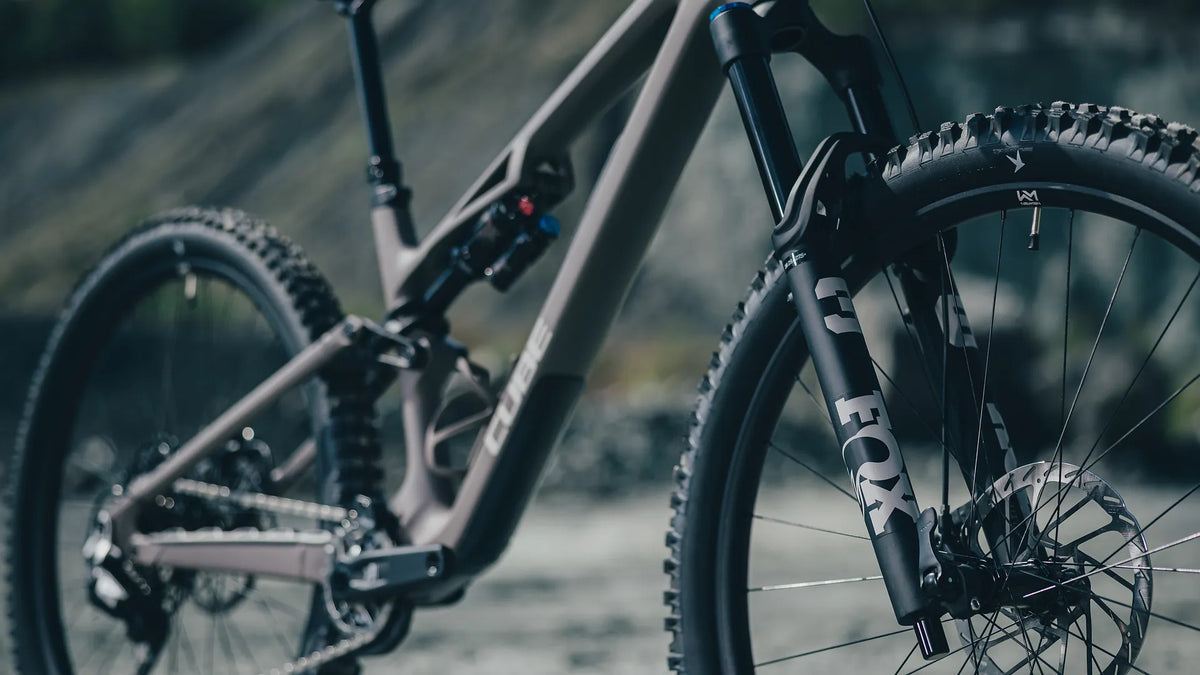
Comparison of Cube Stereo HPC models and suspension travel
The naming conventions for the Cube Stereo family have changed over the model years. Older models carry names such as Stereo 120, Stereo 140, or Stereo 160. In newer series, Cube uses designations such as ONE22, ONE44, and ONE55. The number provides a rough guide to the rear travel, but does not replace a look at the technical specifications. The fork travel may be greater.
The current 2027 model year Cube Stereo HPC cannot be exactly equated with an older Stereo 140 HPC. It features 150 mm of travel at the front and 145 mm at the rear. Its intended use therefore lies between the ONE44 and ONE55 classes. On the product page, Race and Cube Trail Motion versions are available for selection. Both use the same frame base but differ significantly in terms of suspension, tires, and brakes.
- A Stereo 120 or ONE22 is suitable for long tours, undulating trails, and riders who want to pedal efficiently uphill. The shorter suspension travel keeps the bike responsive and reduces bobbing during steady pedaling.
- A Stereo 140 or ONE44 covers classic trail and all-mountain loops. It provides reserves for root sections, drops, and technical descents, while remaining suitable for longer climbs.
- The Stereo HPC with 145 mm of rear travel and a 150 mm fork is aimed at riders looking for more descending control than a lightweight trail full-suspension bike offers. It remains pedal-efficient but places a clear focus on difficult trails.
- A ONE55 with 155 mm of rear travel and a 160 mm fork is designed more for rough all-mountain terrain and enduro-oriented tours. The additional suspension provides more reserves for high-speed impacts and larger drops.
- A ONE77 or a dedicated downhill bike is better suited for very high speeds, big jumps, and regular bike park days. More suspension travel provides reserves, but usually increases the weight and makes the bike less direct on leisurely tours.
The current ONE22, ONE44, and ONE55 model series are not consistently offered under the HPC designation. Depending on the model, Cube uses either C:62 or C:68X. The abbreviation HPC therefore does not denote a fixed suspension travel class. It describes the carbon construction of the respective frame.
Modern trail geometry includes a slack head tube angle, a long reach, and a steeper seat tube angle. A slack head tube angle stabilizes steering on steep descents. More reach creates space for an active position. A steeper seat tube angle positions the rider further over the bottom bracket when climbing. Some Cube models feature adjustable headset cups in the head tube. These allow the handling to be adjusted for more stability or agility. The 2027 Stereo HPC frames feature internal cable routing and use a UDH derailleur hanger.
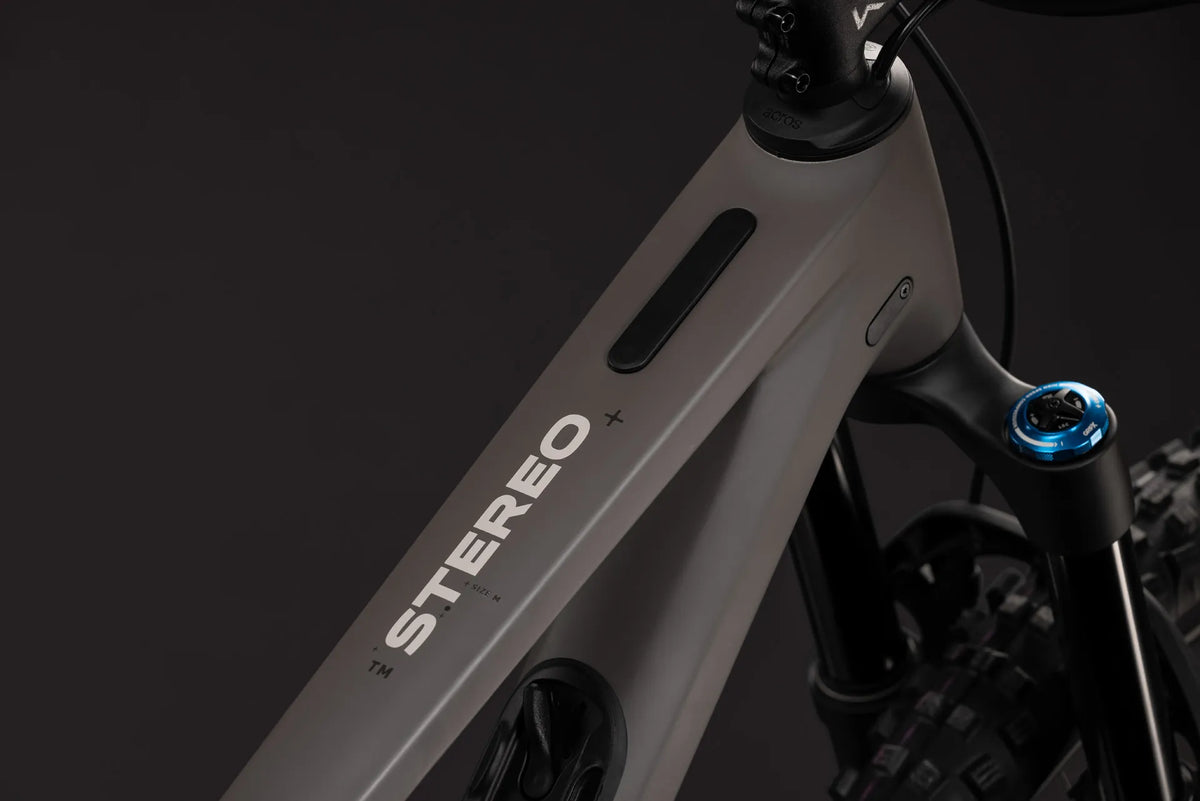
What does TM stand for in Cube Stereo?
TM stands for Trail Motion. Cube uses this abbreviation for models with components more geared toward challenging descents. A TM model does not automatically have more frame travel than the Race version of the same series. The difference often lies in the suspension fork, shock, brakes, tires, and wheels.
On the 2027 Cube Stereo HPC TM, a Fox 36 Float Performance Elite with 150 mm of travel works at the front. At the rear, a Fox Float X Performance Elite is used. Wide, soft tires and a Sram Maven braking system with 200 mm rotors support control on steep or loose descents. The Race model also uses 150 mm at the front and 145 mm at the rear, but relies on RockShox suspension, Continental tires, and Magura Louise four-piston brakes.
| Decision Point | Race | TM |
|---|---|---|
| Typical use | Versatile trail riding | Downhill-oriented trail riding |
| Chassis | Functional and budget-conscious tuning | More adjustment options and reserves |
| Brakes | Designed for sporty trail riding | Greater focus on long and steep descents |
| Tires | Balanced ratio of rolling resistance and grip | More grip and more stable casings |
| Weight | Usually lower | Often higher due to more robust parts |
| Suitable for | Touring, after-work rides and technical trails | Rough trails, steep descents and occasional bike park use |
Choose the TM if you frequently ride steep, loose, or rocky trails and want to fine-tune your suspension to your weight and riding style. The more powerful brakes and grippier tires are particularly helpful on long descents. If your rides include a lot of climbing, forest roads, and less aggressive descents, the Race setup is often sufficient. It offers the same frame platform at a lower price.
Also consider the follow-up costs. Softer tire compounds and robust casings increase grip, but wear out faster on hard surfaces. Large brake discs and powerful four-piston brakes are sensible for long descents. For leisurely tours in low mountain ranges, you may rarely exhaust these reserves.
Which Cube Stereo HPC suits your riding style?
Don't start your selection with the rear derailleur, but rather with the intended use. Suspension travel, geometry, and frame size can only be changed later with great effort. Wear parts like tires or brake pads, on the other hand, are easy to adjust.
- Check how much time you spend climbing and descending. Long tours with significant elevation gain call for a lighter setup. Steep descents and shuttle days justify sturdier tires, more powerful brakes, and adjustable suspension.
- Compare the suspension travel. Around 120 mm is suitable for touring and fast, less rugged trails. Roughly 140 to 150 mm covers trail and all-mountain use. From about 155 mm, the focus shifts further toward enduro.
- Choose your equipment based on the terrain. On soft forest soil and wet roots, you need different tires than on dry, rocky paths. Long descents place higher demands on the braking system and tire casing.
- Determine the frame size based on geometry data. Body height alone is not always enough. Inseam, arm length, reach, and the desired riding position influence your choice.
- Plan for suspension setup. Air pressure, sag, and rebound must match the rider's weight. A high-quality shock only works well if the basic setup is correct.
A smaller frame size usually feels more compact and is easier to maneuver through tight corners. A larger size often increases the reach and wheelbase. This makes the bike feel more stable, but requires more effort during slow changes of direction. This rule only applies within a single model series. You should compare different models based on their geometry charts.
Also, pay attention to the maximum system weight. For the 2027 Cube Stereo HPC TM, the product description specifies 115 kg. The system weight includes the bike, rider, clothing, backpack, and other luggage. With a bike weighing 16.3 kg and a maximum system weight of 115 kg, this leaves less than 100 kg for the rider and gear. The specific information provided for the chosen model is binding.
For regular tours and technical low mountain range trails, the Race version offers a good entry point into the HPC platform. If you want to exploit the full potential of the frame on steep descents, the TM saves you from having to upgrade the suspension, tires, and brakes later on. Replacing these parts after purchase can be more expensive than buying the appropriate trim level directly.
Frequently asked questions about the Cube Stereo HPC
Can you take a Cube Stereo 140 HPC to a bike park?
Depending on the model year and manufacturer classification, a Cube Stereo 140 HPC may be suitable for occasional bike park days. The suspension travel is not the only decisive factor. Check the usage category in the service card and in the owner's manual of your specific bike. As of the 2025 model year, category 4 includes technically demanding trails, descents under 40 km/h, and jumps under 120 cm. Category 5 covers more extreme jumps and descents over 40 km/h. Older model years use different limits. For them, category 4 only allowed sporadic jumps of up to 50 cm, while occasional bike park use was classified as category 5.
Flow trails and moderate technical trails may be within the permitted range. Large drops, repeated hard landings, and fast downhill tracks require an enduro or downhill bike classified for such use. After a day at the bike park, check the bearings, rims, tires, spokes, and frame. In the event of a hard crash, the carbon frame should be inspected by a specialist workshop.
How much heavier is an HPA frame compared to the HPC version?
There is no fixed value for this. Tube shapes, frame size, rear triangle, and bearing design all influence the difference. HPC often saves a few hundred grams compared to HPA, but a comparison of complete bikes can show a different result due to the fork, wheels, tires, and components. Therefore, compare the manufacturer weights for the same model series and size. The total weight is more meaningful for a purchasing decision than an estimated difference between frame materials.
Does the carbon main frame require special maintenance?
The frame does not require any elaborate special treatment, but it does require careful handling. Clean it with cold to lukewarm water and a mild detergent. Solvents, alcohol, hot water, steam cleaners, and high-pressure cleaners are unsuitable. Check the frame for cracks, soft spots, flaking, and unusual noises after falls. Cube recommends having a frame inspected after an accident or uncontrolled mechanical stress before further use.
Observe the specified torques. This applies in particular to the seat post clamp, bottle cage, headset, and cable guides. Use carbon assembly paste on approved clamping points if the assembly instructions specify this. Normal grease is not permitted in every location.
What frame size do I need for the Stereo HPC?
The right size depends on your height, inseam, and desired handling. First, use the size chart for the specific model year. Then, compare the reach, stack, and standover height with a bike you feel comfortable on. If you are between two sizes, the smaller size usually offers more compact handling. The larger size feels more stable and provides more room when standing.
Also, check whether the dropper post can be lowered enough. Short legs and a long seat tube can limit your freedom of movement. A test ride remains sensible, especially for borderline sizes, because handlebar width, stem length, and head tube angle change how a size feels.
Is C:62 more fragile than an aluminum frame?
Carbon and aluminum react differently to stress. Aluminum often shows a visible dent after a heavy impact. Carbon can appear outwardly unremarkable even though individual layers are damaged. In normal trail use, an approved C:62 frame is designed for its intended purpose. Critical factors are hard crashes, clamping forces from unsuitable repair stands, and transport in rack systems that press directly against carbon tubes.
Is the TM equipment worth it for standard tours?
For predominantly easy tours, TM is not strictly necessary. Robust tires increase rolling resistance, and the descent-oriented suspension can add extra weight. TM is worth it if your tours regularly include steep descents, rocks, roots, and loose corners. In this terrain, the stronger brakes, more stable tires, and extended adjustment options offer a concrete benefit.
Du kannst deine Einstellungen jederzeit anpassen, um den vollen Funktionsumfang unserer Website zu nutzen.
Cookie-Einstellungen bearbeitenWir helfen Dir gerne weiter!

Live-Chat
Telefon
Telefon
Telefonzeiten:
Mo. - Fr. 10:00 - 13:30 & 14:30 - 18:00 Uhr
Sa. 10:00 - 14:00 Uhr
Telefon:
+49 2961 914 886 9
Kontaktformular
Kontaktformular
Außerhalb der Chat- und Telefonzeiten kannst Du uns Dein Anliegen über das Kontaktformular mitteilen.
E-Mail
Schreib uns einfach eine E-Mail an verkauf@liquid-life.de und wir werden Dir so schnell wie möglich antworten. Bitte hab Verständnis, dass es aufgrund der chronologischen Bearbeitung zu kleinen Verzögerungen kommen kann.
Bikeberater
Bonusprogramm