


Cube Kathmandu
CUBE Kathmandu 2027: Your path knows no limits.
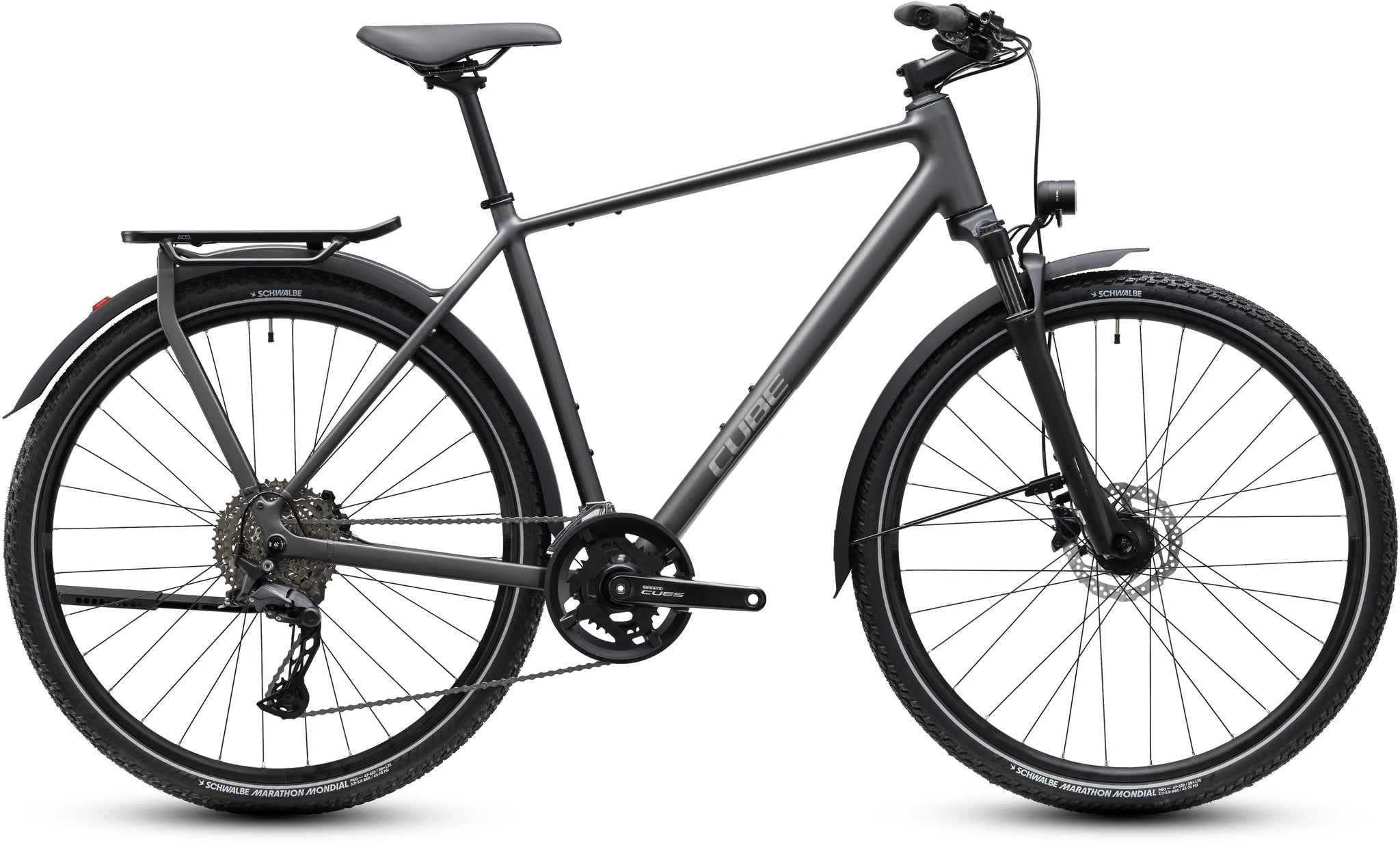
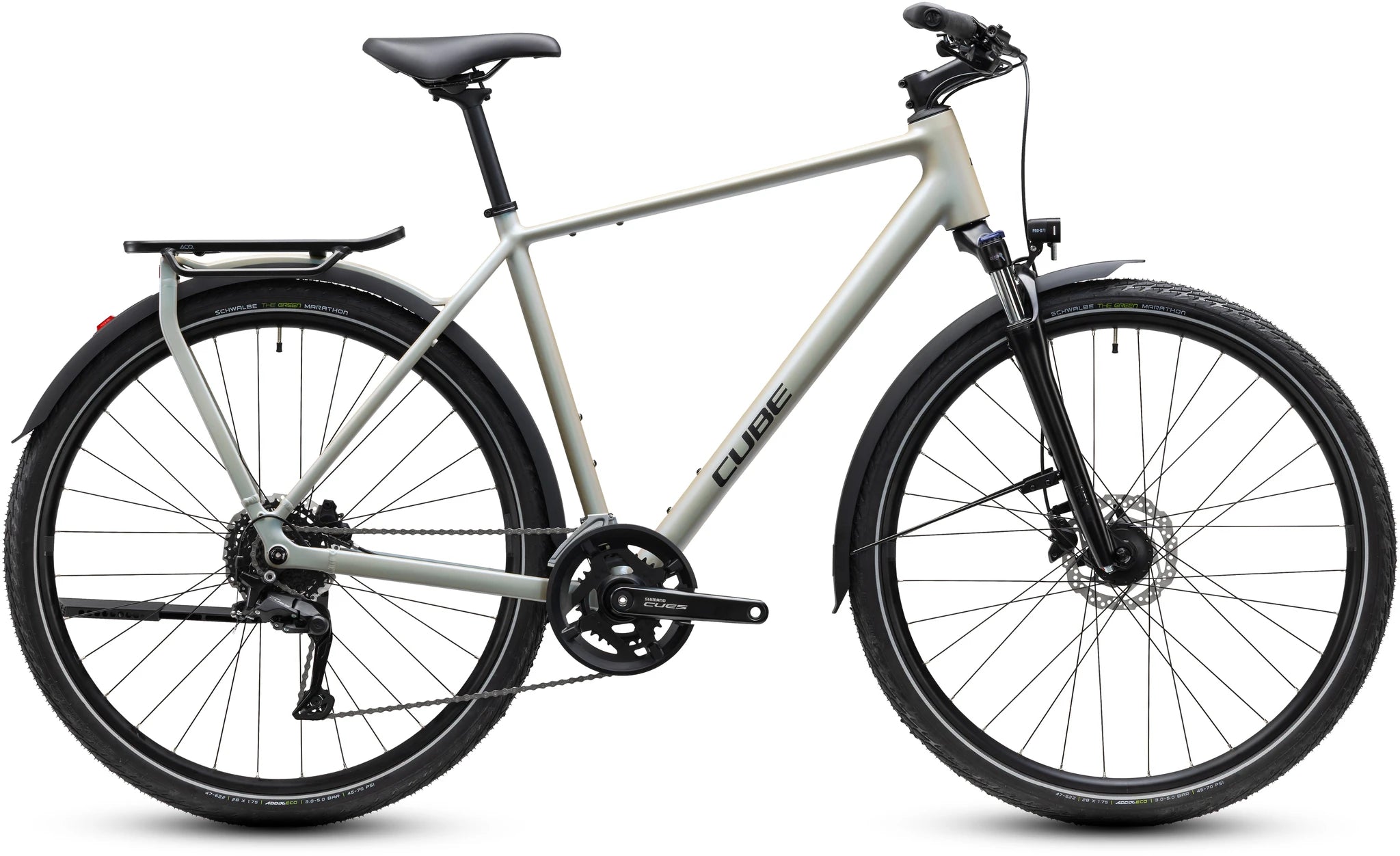
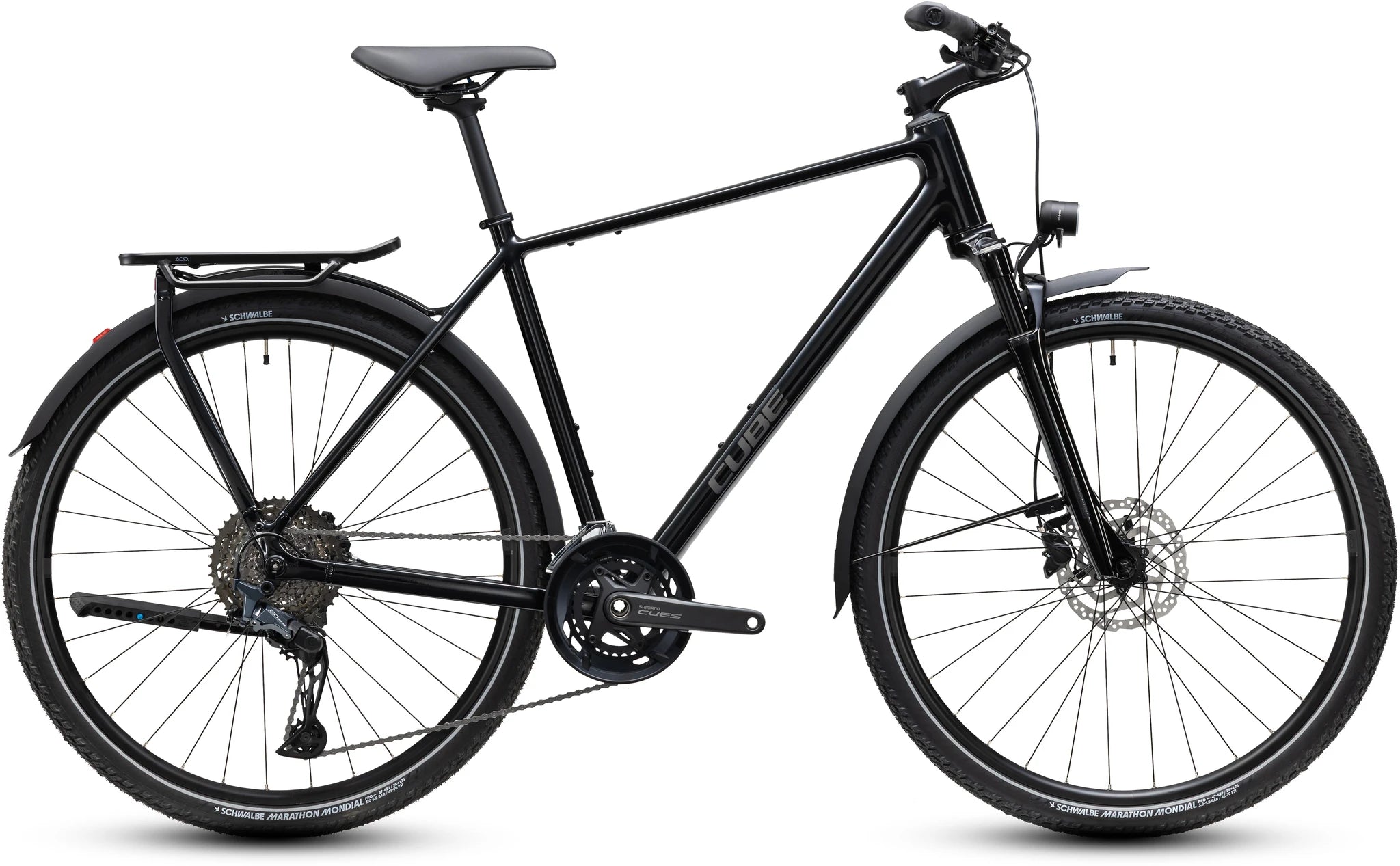
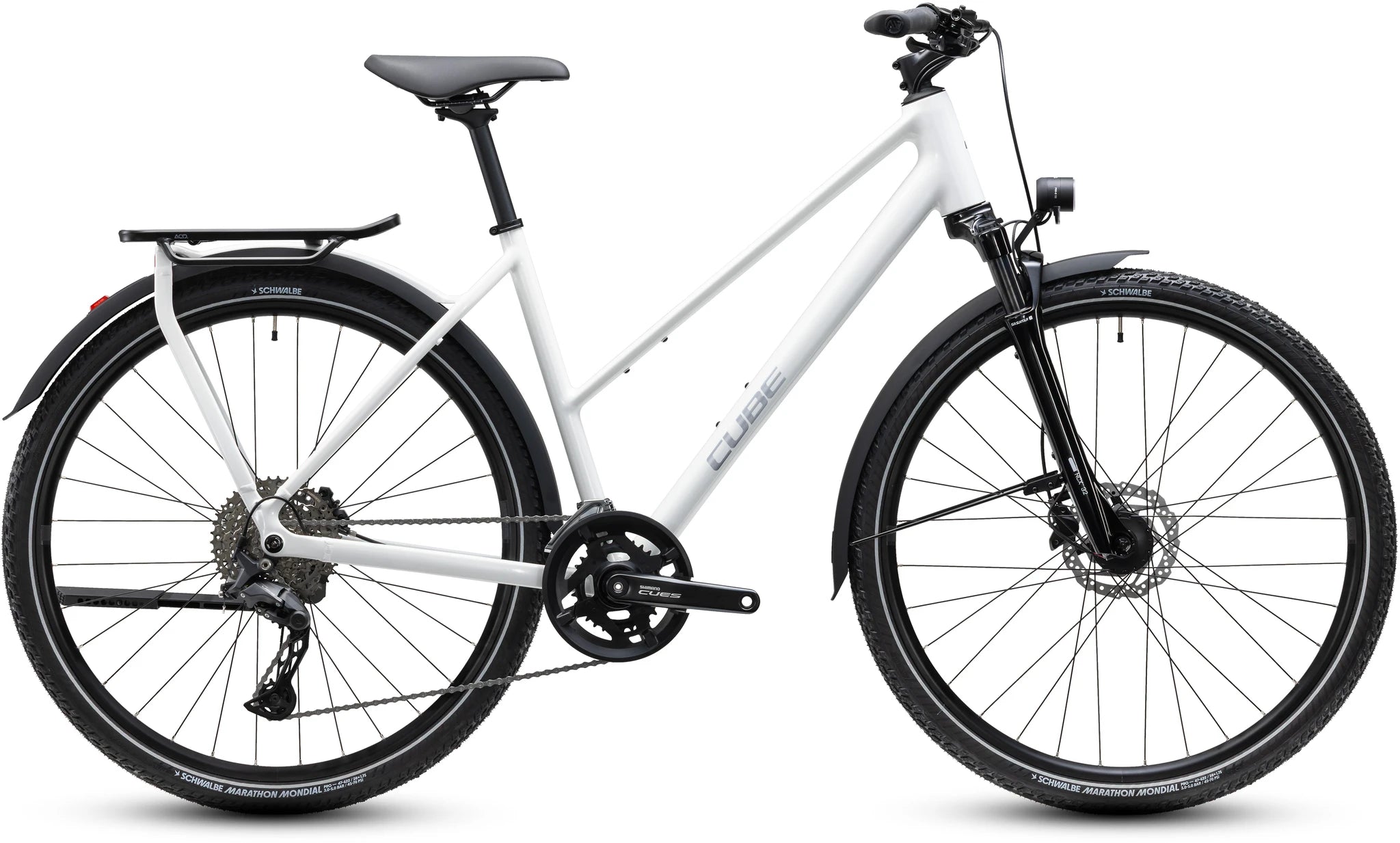
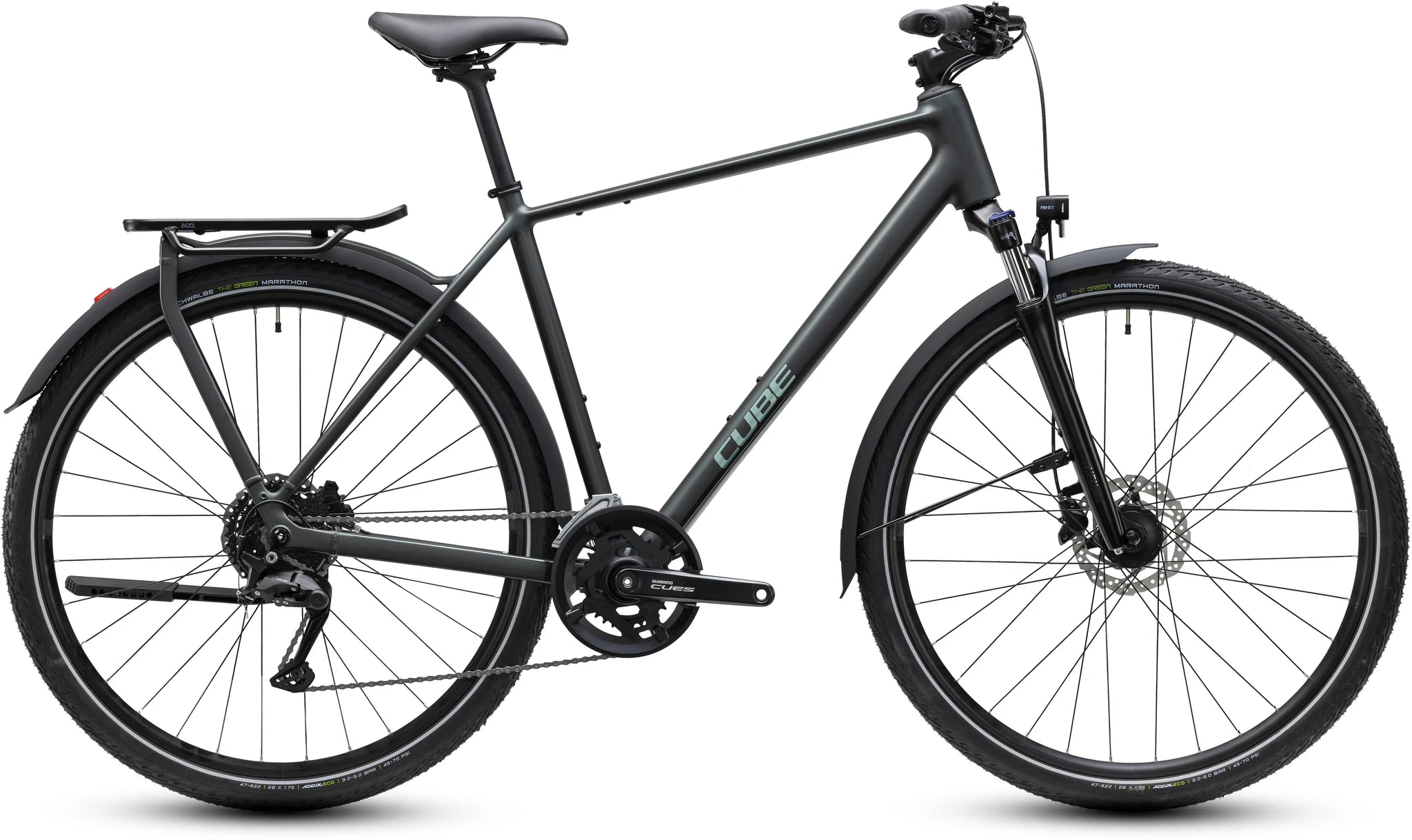
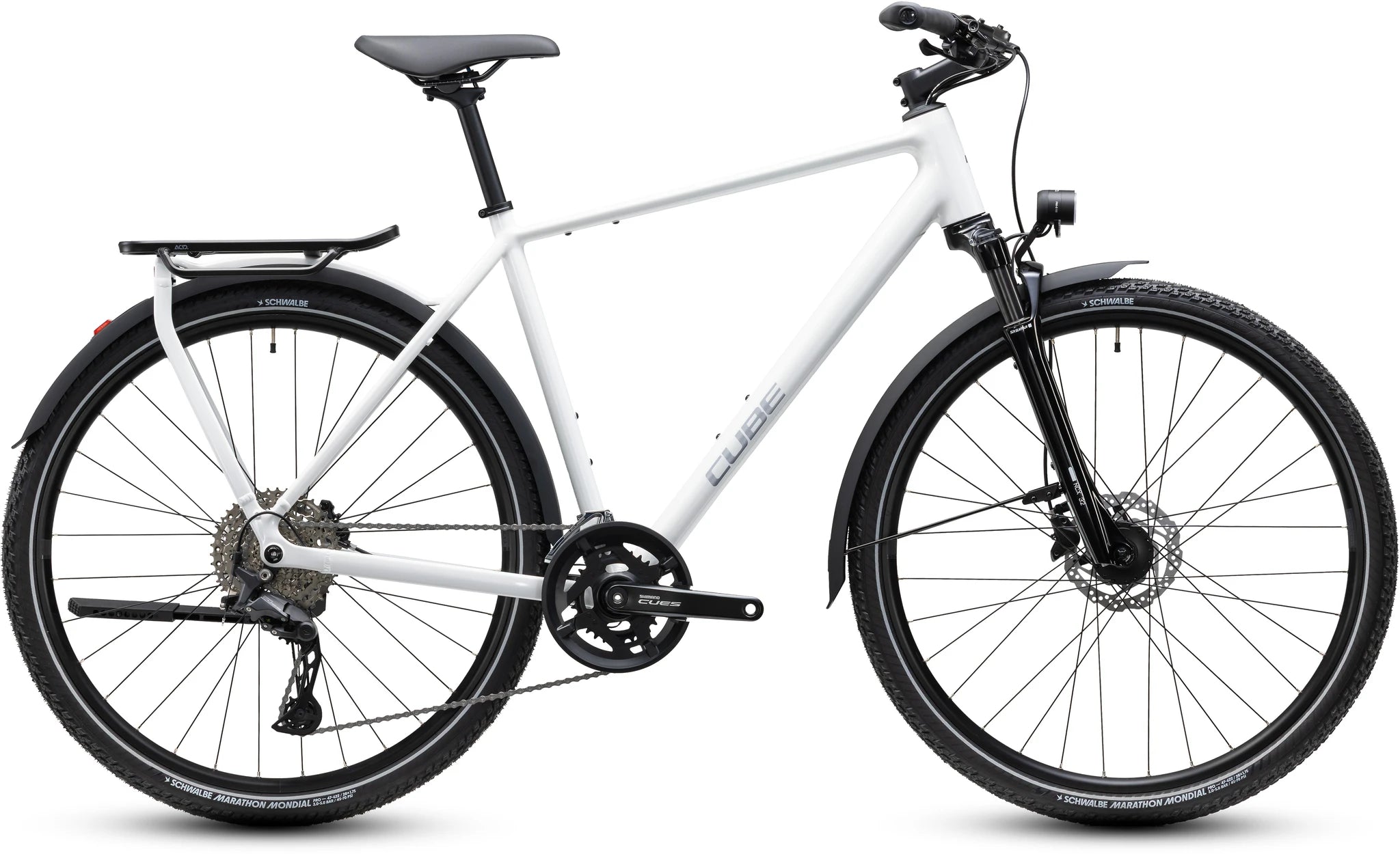
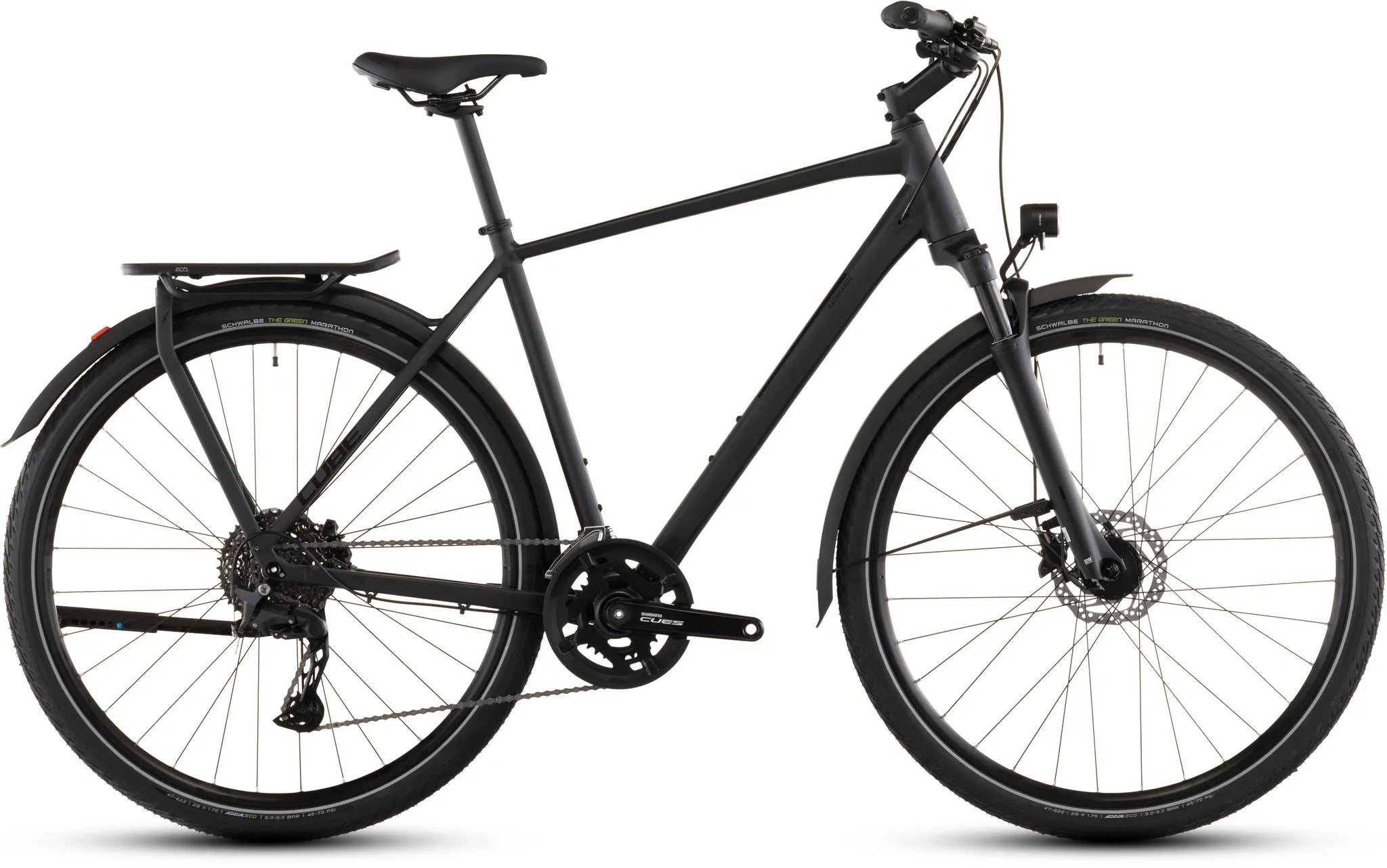
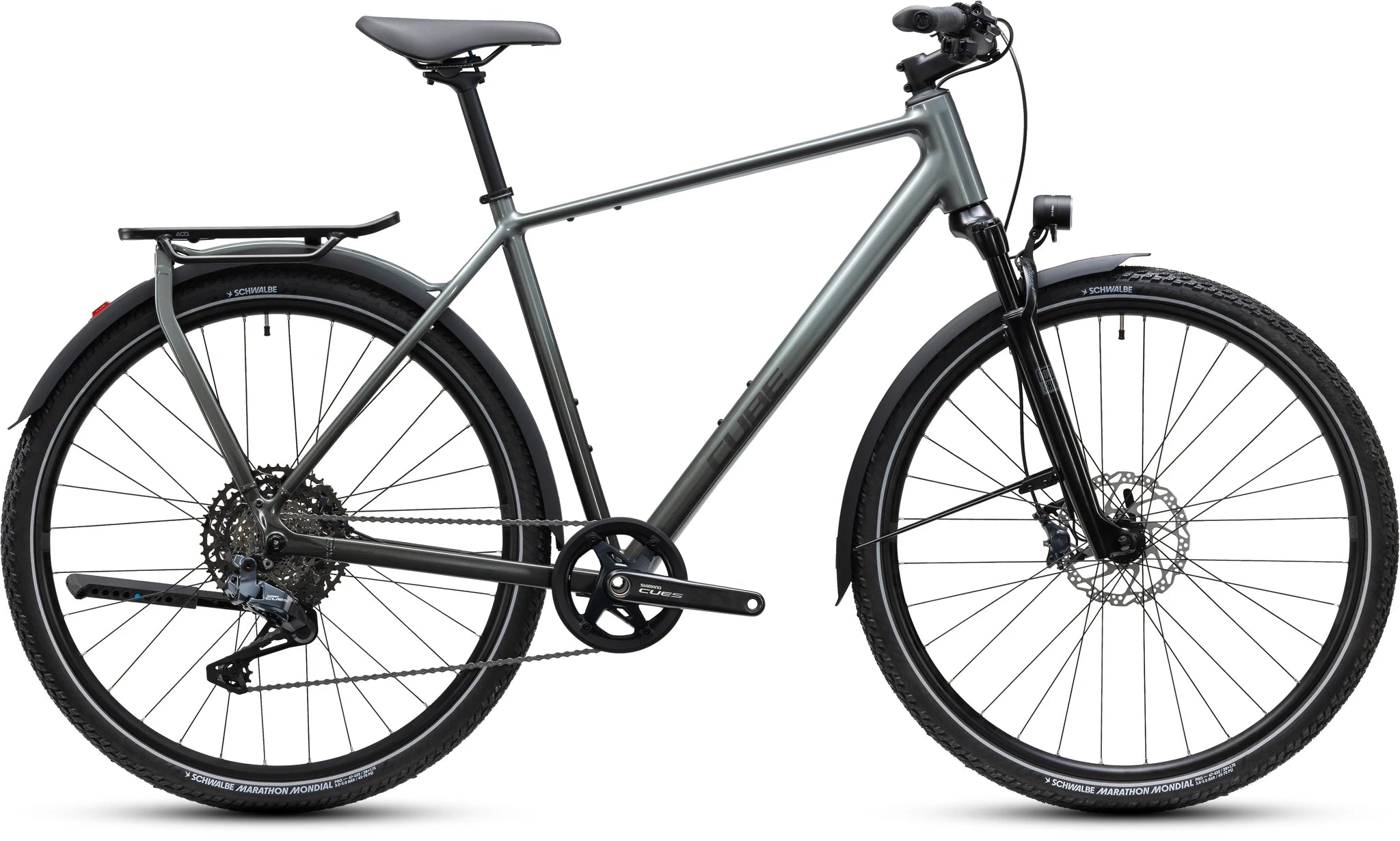
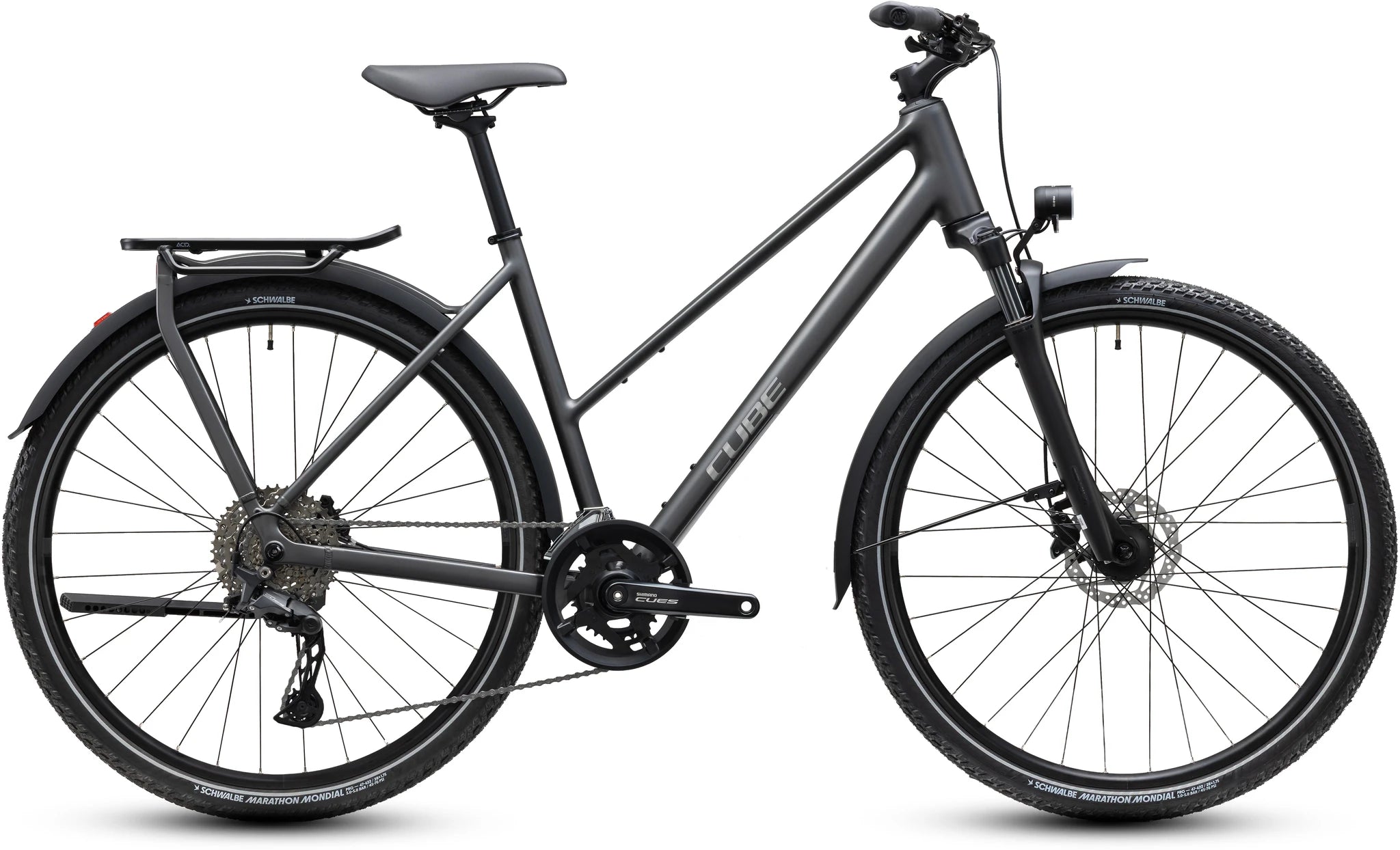
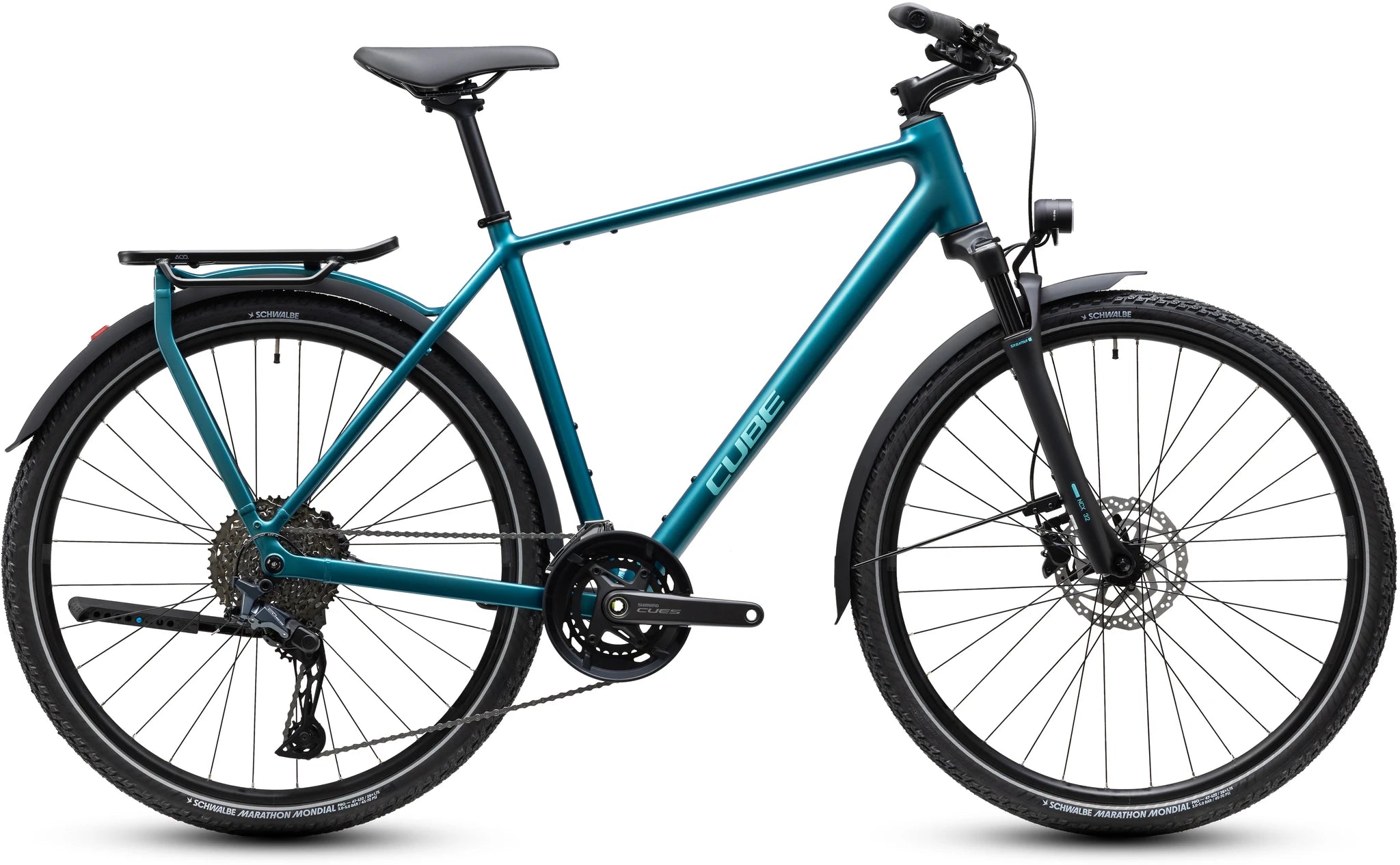
The CUBE Kathmandu is a symbol of strength and versatility. It feels at home on different terrains, be it high alpine terrain or on leisurely paths in the countryside. The robust construction guarantees reliability and durability, even under the most demanding conditions.
Filters




Who is CUBE Kathmandu ideal for?
The CUBE Kathmandu is perfect for you if you are a passionate adventurer and trekking enthusiast. It is your reliable partner for long journeys and challenging tours in different landscapes.
The CUBE Kathmandu is also ideal for relaxed weekend trips. If you want to enjoy nature and escape from everyday life, this bike offers you comfort and the necessary equipment to make your trips unforgettable.
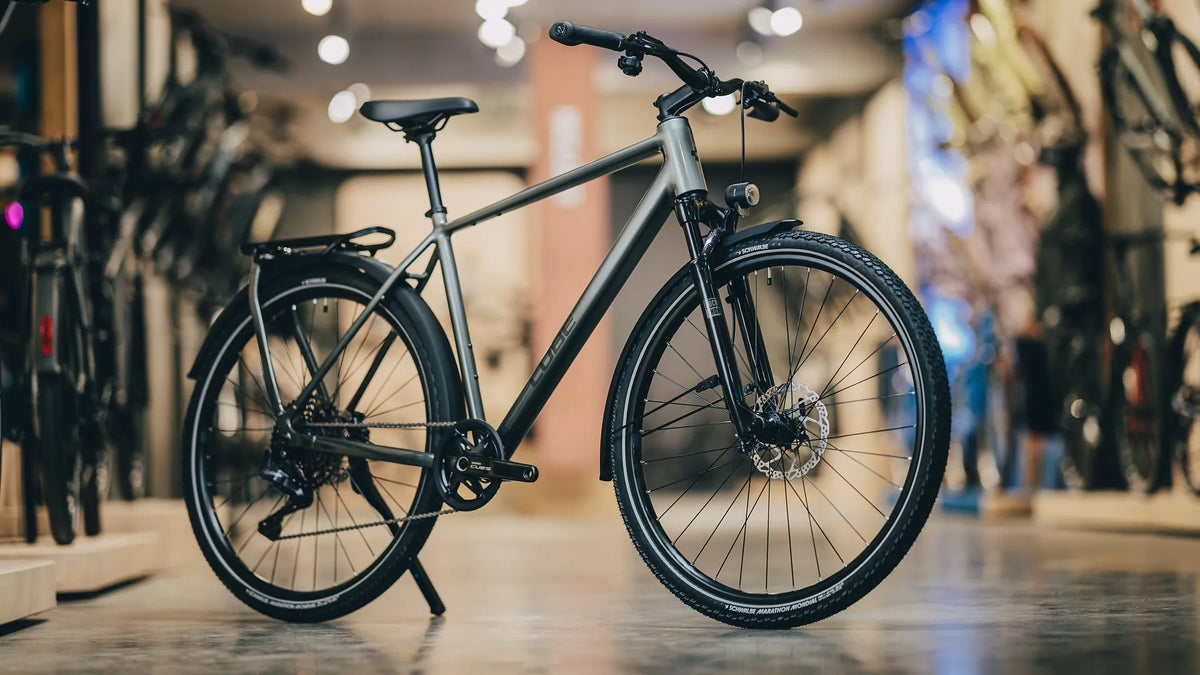
Cube Kathmandu for trekking, everyday use and long tours
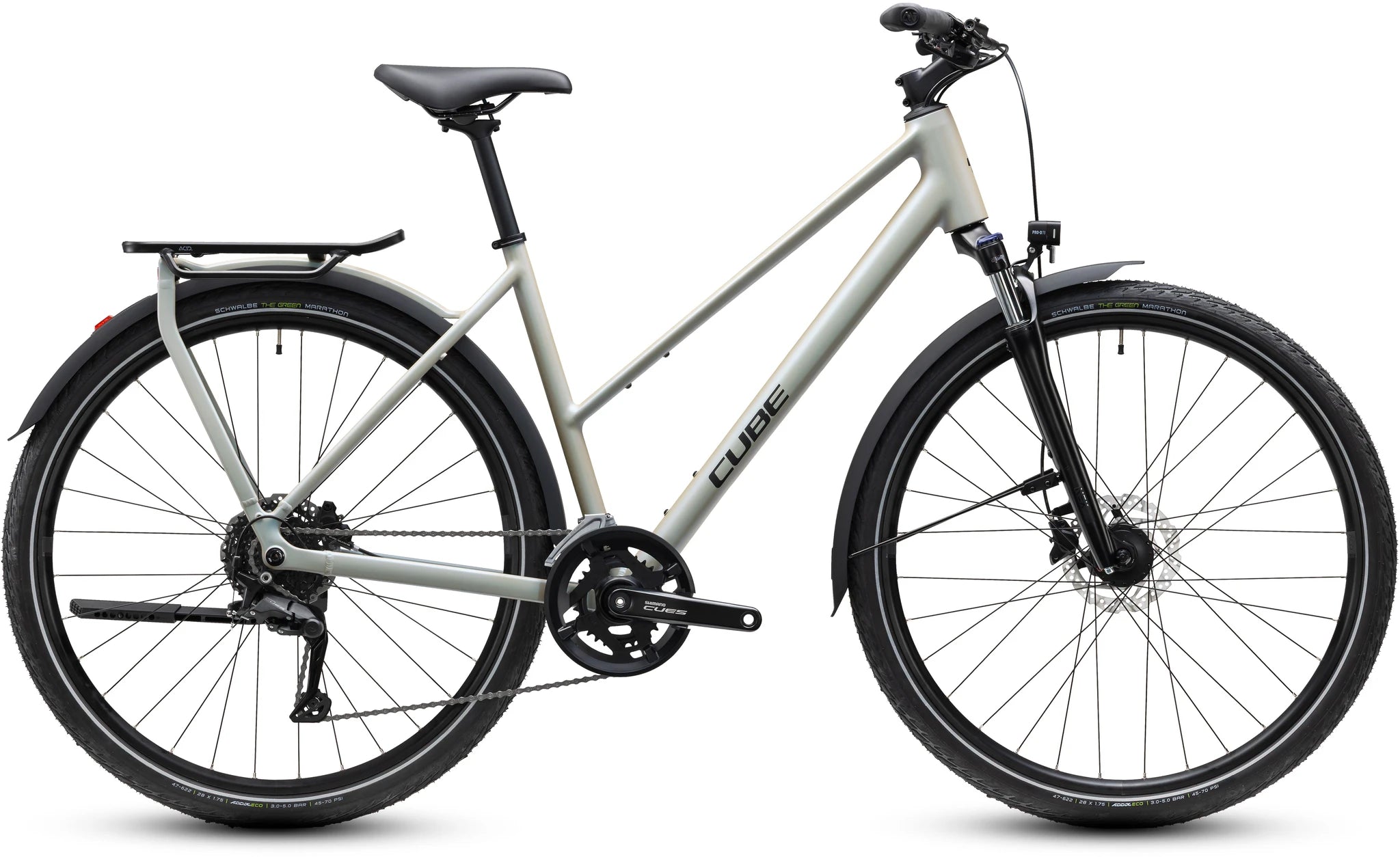
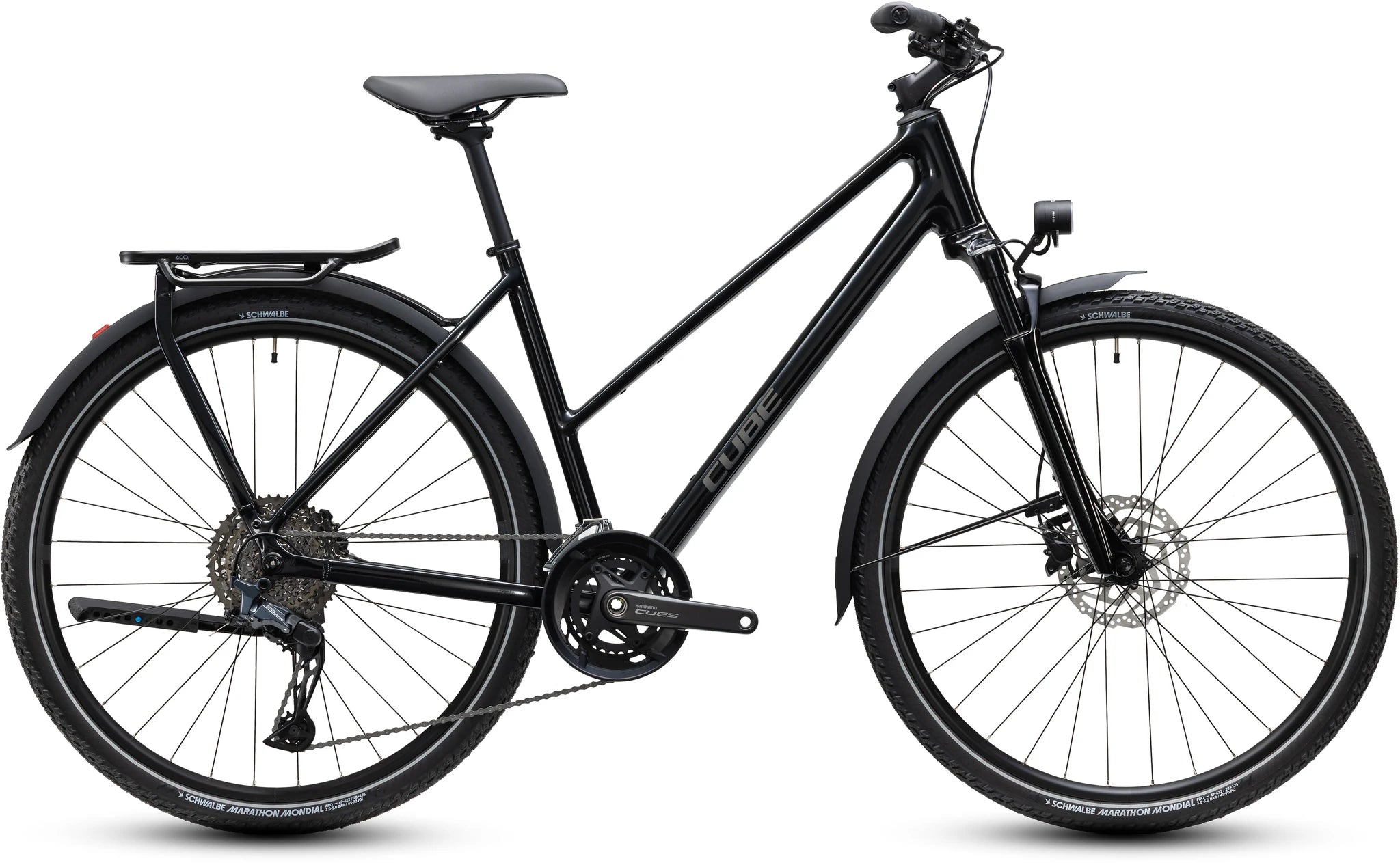
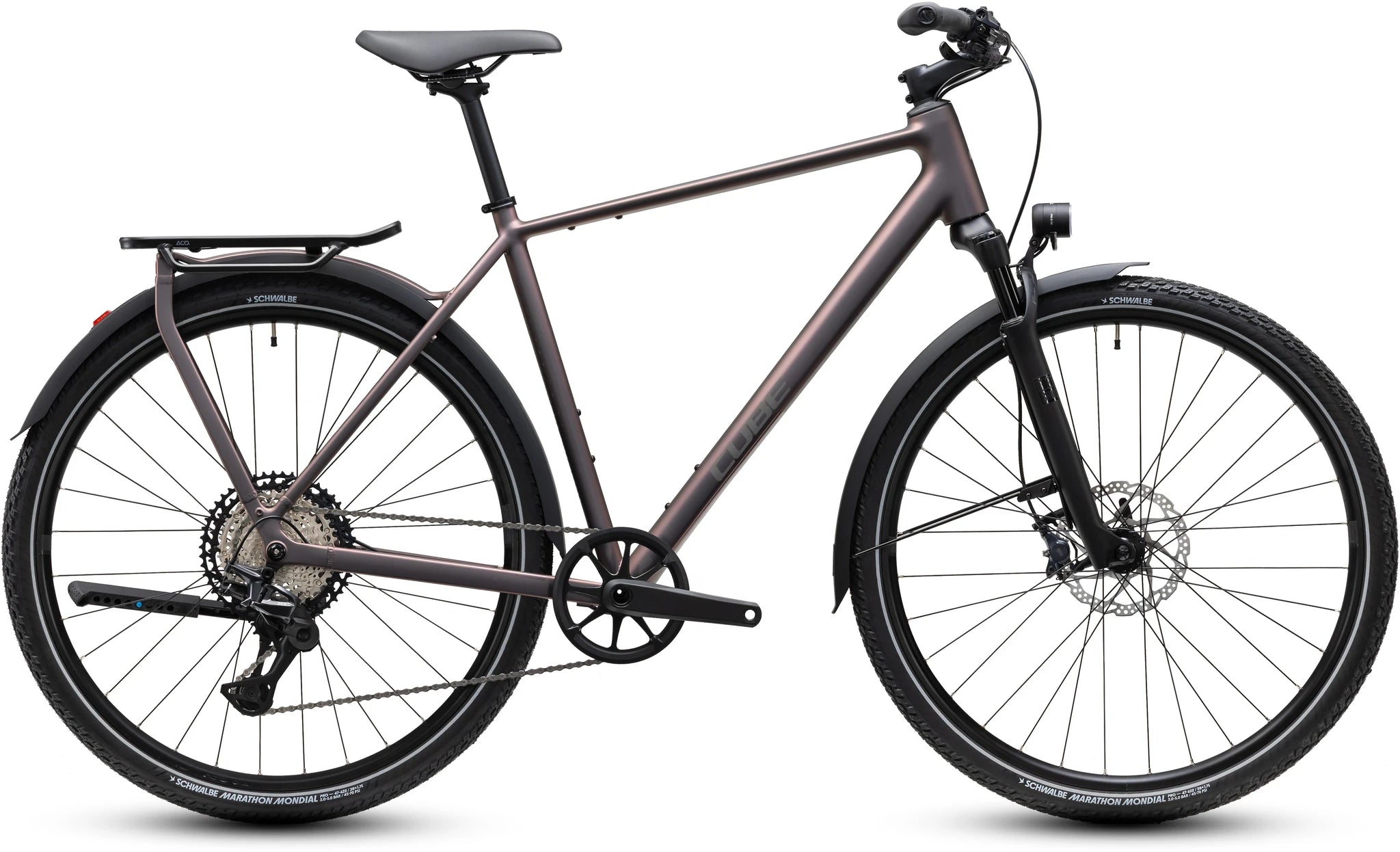
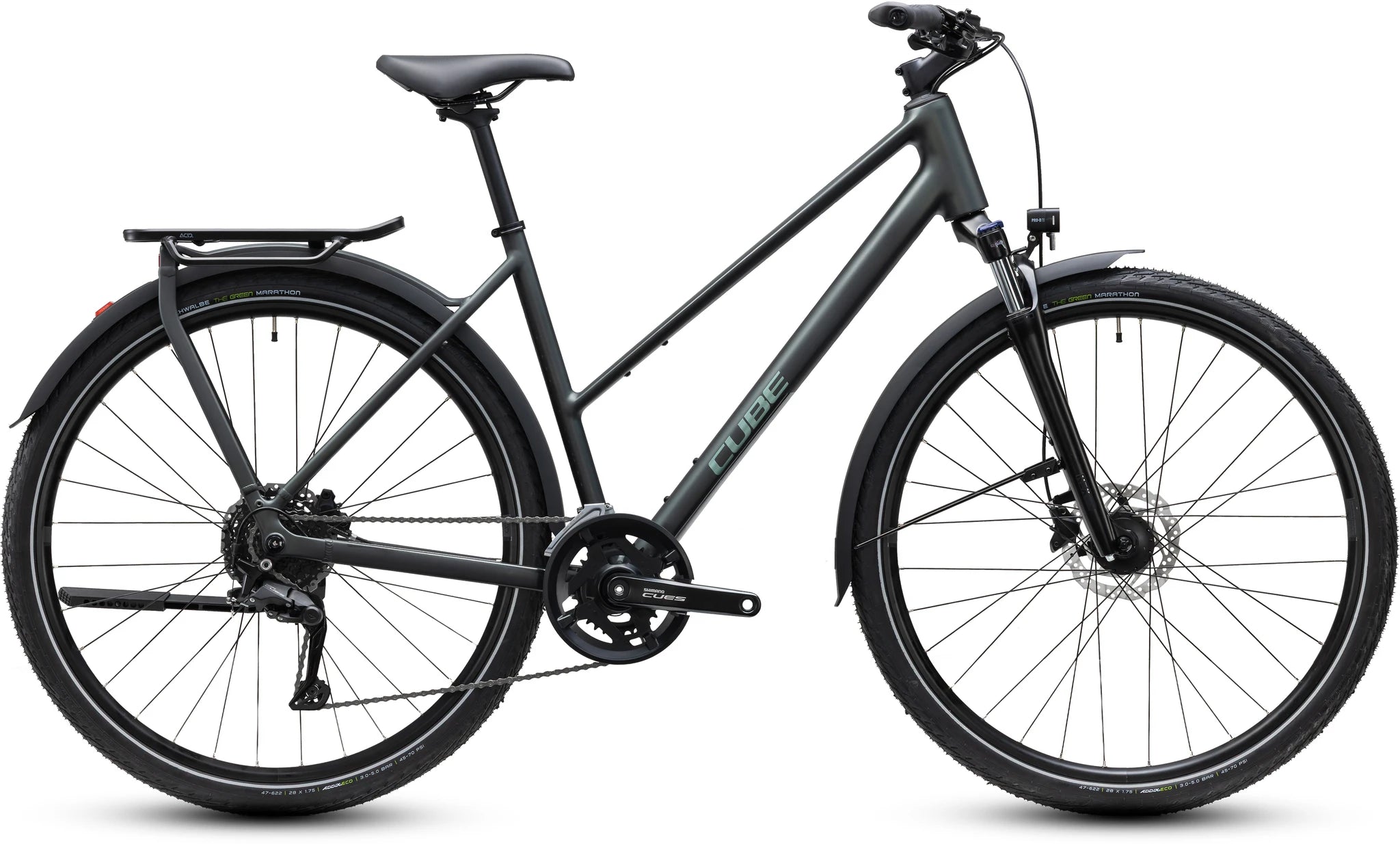
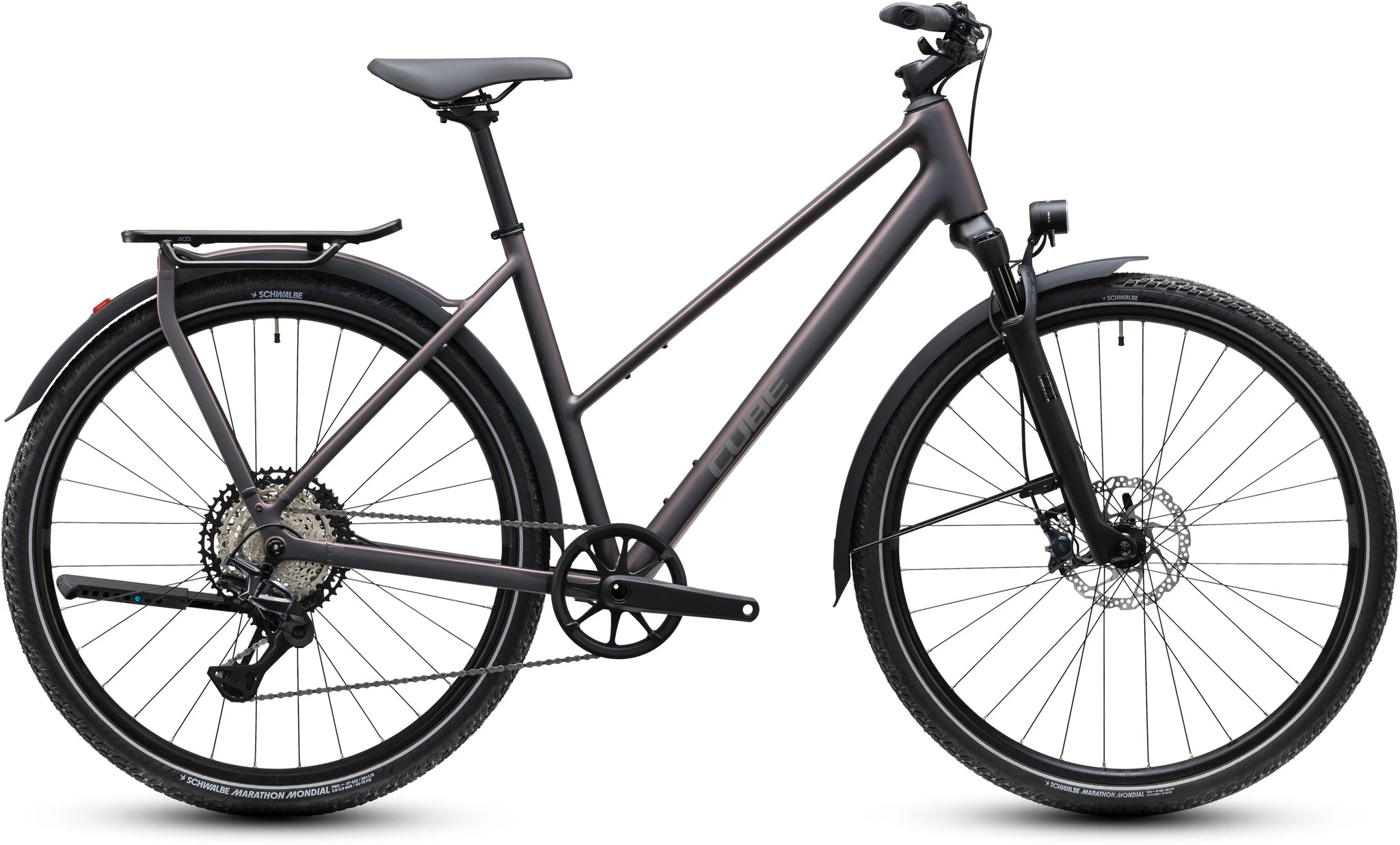
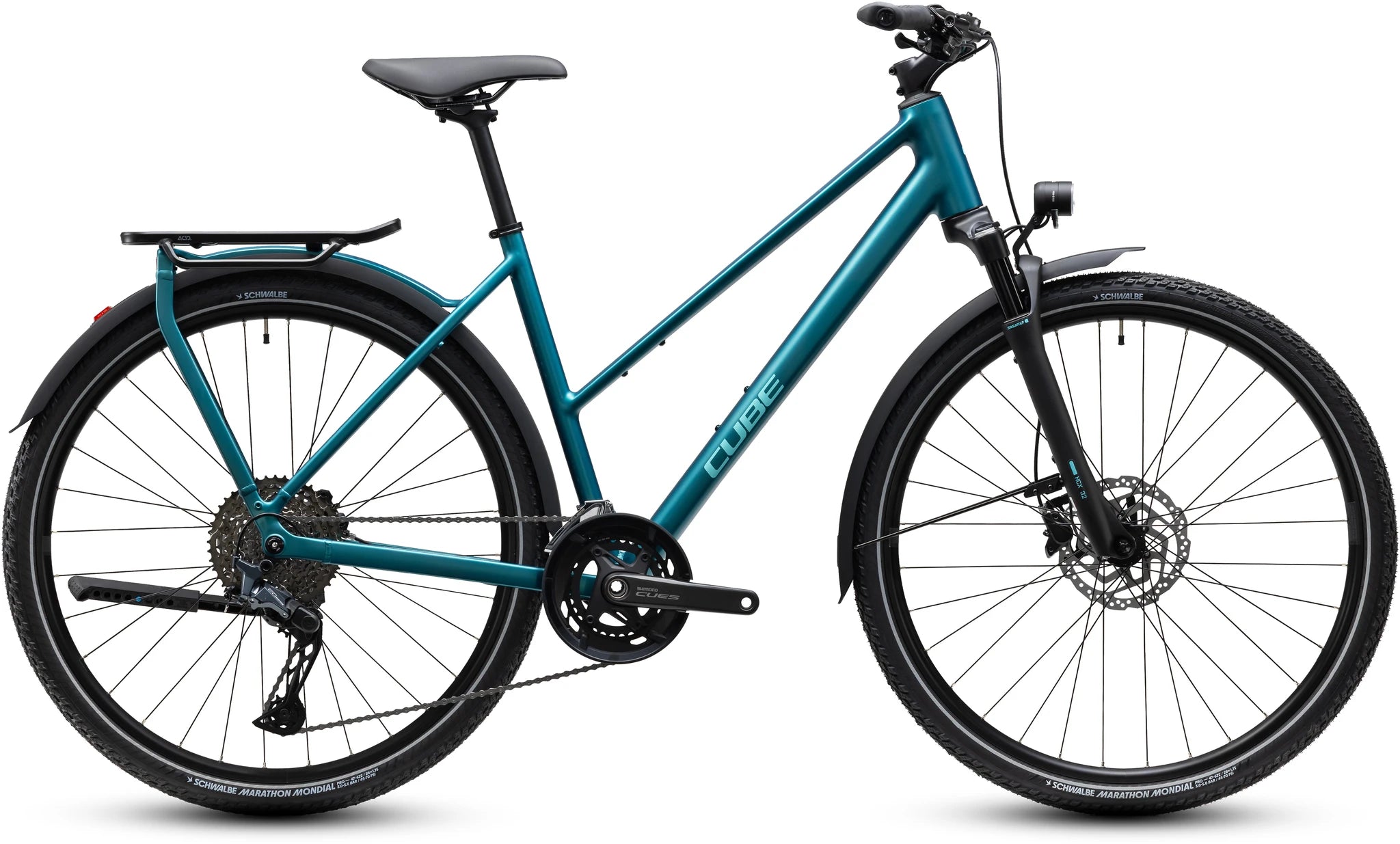
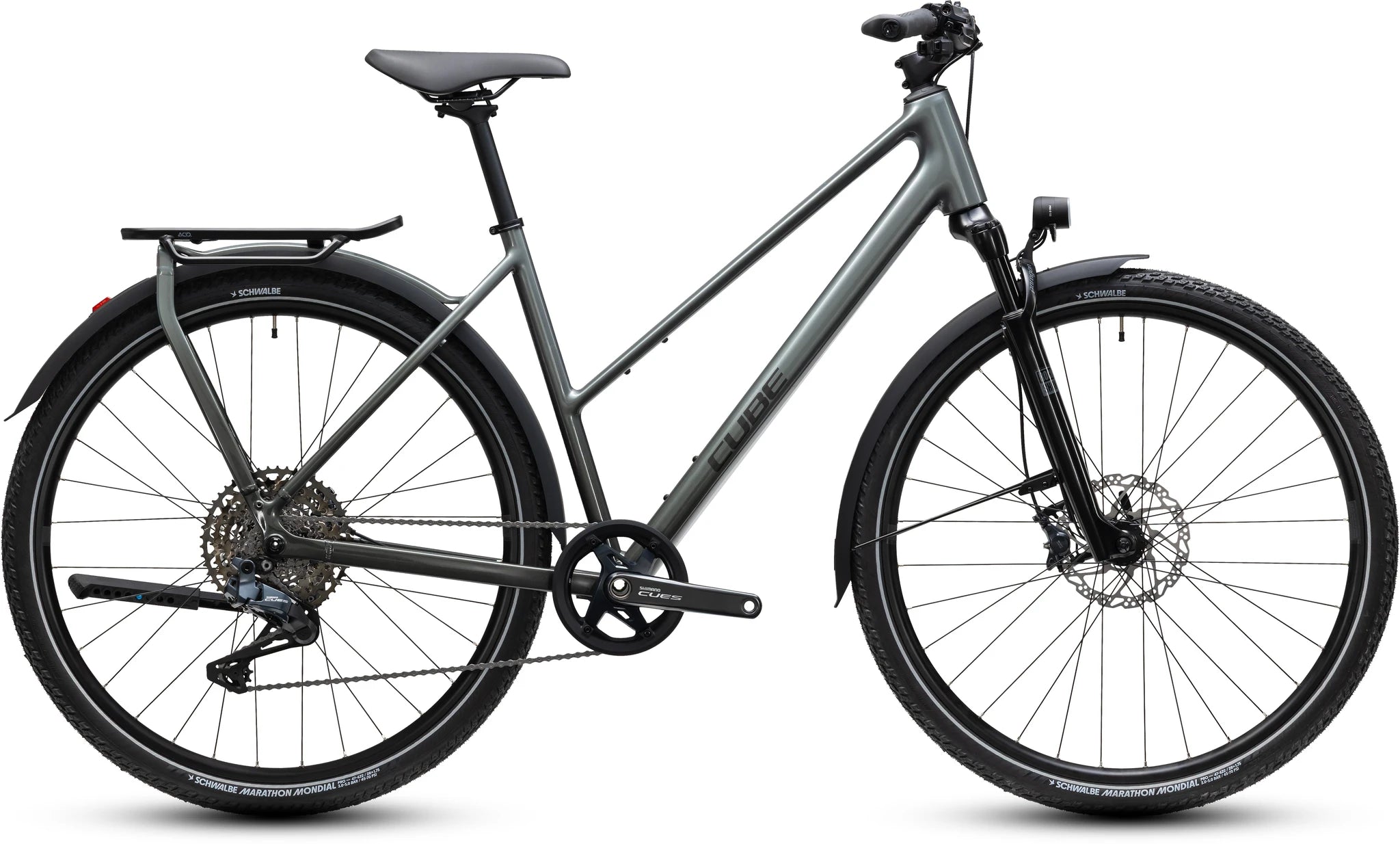
The Cube Kathmandu is a fully equipped trekking bike for commutes, day trips, and cycling tours with luggage. The FE (full equipment) package includes an IC 3.0 luggage rack integrated into the frame, mudguards, a lighting system, and a kickstand. A suspension fork and 47 mm wide trekking tires increase comfort on poor roads, bike paths, and moderate gravel sections. This makes the series geared toward riders who are looking for a reliable everyday bike and want to cover longer distances on the weekend.
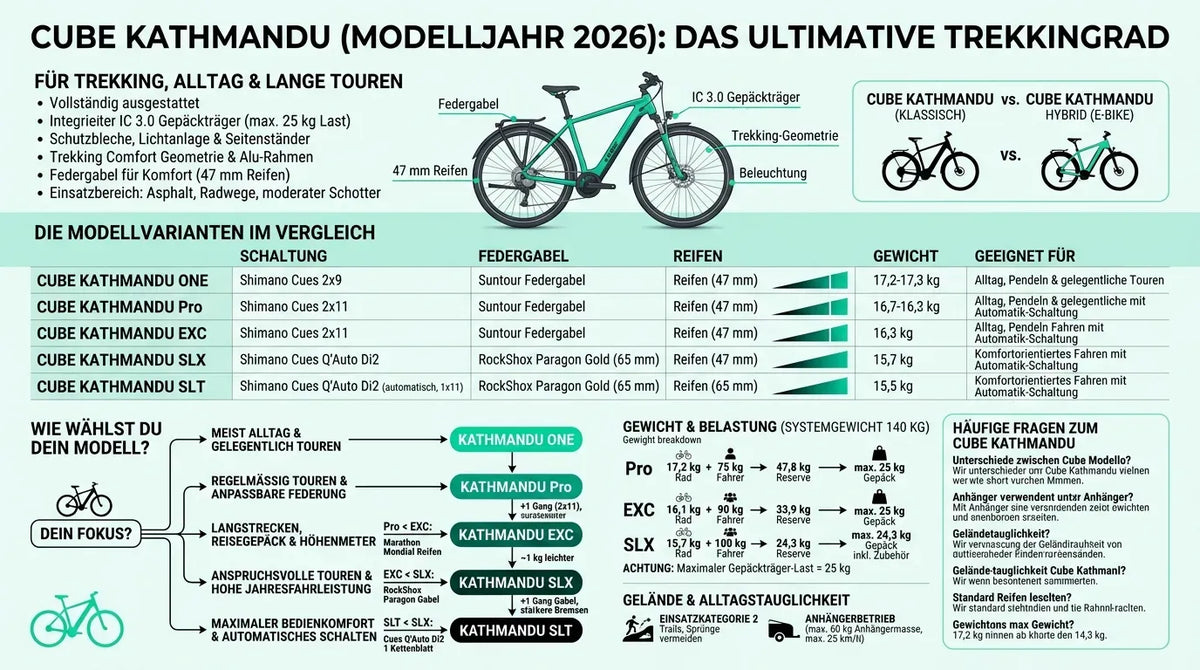
All classic Kathmandu models for the 2026 model year use an aluminum frame with comfort-oriented trekking geometry. The differences primarily lie in the drivetrain, suspension fork, braking system, tires, and weight. The Cube Kathmandu ONE serves as the entry-level model. The Pro and EXC versions are aimed at regular touring riders, while the SLX and SLT offer lighter and more technically advanced equipment. The designation Kathmandu Hybrid, on the other hand, stands for the separate e-bike models with motor and battery.
Cube Kathmandu ONE, Pro, EXC, SLX and SLT compared
The model levels build logically upon one another. With each level, individual components become lighter, more finely graded, or easier to adjust. Therefore, the most expensive model is not automatically necessary for short daily rides. Those who ride many vertical meters, regularly transport luggage, or cover several thousand kilometers each year will benefit more from the superior shifting and suspension forks of the higher-end variants. In newer models, the Shimano Cues groupsets largely replace well-known series such as Shimano XT.
While the Shimano XT traditionally stands for sporty lightness and particularly fast gear changes, the focus of Shimano Cues is on extreme durability and smoother shifting under load. The model classes also differ specifically in terms of their braking systems as you move up: while the entry-level ONE model starts with reliable basic hydraulic disc brakes, higher classes like the SLX feature more powerful brake calipers and larger brake discs on the front wheel, which offer more braking power and heat resistance, especially on long descents with heavy luggage.
| Model | Drivetrain | Suspension fork | Tires | Typical weight | Suitable for |
|---|---|---|---|---|---|
| Cube Kathmandu ONE | Shimano Cues 2x9 | Suntour suspension fork | Schwalbe Marathon Green, 47-622 | approx. 17.2 to 17.3 kg | everyday use, commuting, and occasional tours |
| Cube Kathmandu Pro | Shimano Cues 2x10 | Suntour NCX32 air suspension fork with 63 mm travel | Schwalbe Marathon Green, 47-622 | approx. 17.2 kg | regular touring and versatile everyday use |
| Cube Kathmandu EXC | Shimano Cues 2x11 | adjustable Suntour air suspension fork | Schwalbe Marathon Mondial, 47-622 | approx. 16.0 to 16.1 kg | long distances, touring luggage, and hilly routes |
| Cube Kathmandu SLX | Shimano Cues 2x11 from the high-end U8000 series | RockShox Paragon Gold air suspension fork with 65 mm travel | Schwalbe Marathon Mondial, 47-622 | approx. 15.5 to 15.7 kg | demanding tours and high annual mileage |
| Cube Kathmandu SLT | Shimano Cues Di2 with automatic gear shifting | RockShox Paragon Gold air suspension fork with 65 mm travel | Schwalbe Marathon Mondial, 47-622 | approx. 15.5 kg | comfort-oriented riding with automatic shifting |
The Cube Kathmandu ONE already fully covers the basic requirements of a trekking bike. Its Cues 2x9 drivetrain offers 18 theoretical gear combinations, though some overlap. Hydraulic disc brakes, a hub dynamo, and the IC 3.0 luggage rack are also included. This model is right for you if you primarily ride for daily use and only occasionally plan longer tours.
The Cube Kathmandu Pro is the logical next step for regular riders. The Cues 2x10 drivetrain offers finer gear increments, and the air suspension fork is easier to adjust to rider weight and load. This is especially noticeable if you frequently ride on poor bike paths or carry multiple bags. The Pro remains comparatively affordable without skimping on essential touring equipment.
What is the difference between the Cube Kathmandu Pro and the EXC?
The main difference between the Cube Kathmandu Pro and the EXC lies in the gearing and the tires. The Pro features a Shimano Cues 2x10 drivetrain, while the Cube Kathmandu EXC comes with a 2x11 Cues setup. This gives the EXC an extra gear and a wider range for varying inclines. The difference is less noticeable on a flat commute, but more pronounced on long climbs and with frequent changes in pace.
The EXC also uses Schwalbe Marathon Mondial tires instead of the Marathon Green. The Marathon Mondial is designed for tours with varying surfaces and is well-suited for cycling trips that alternate between asphalt, hard-packed gravel, and forest paths. The EXC is about one kilogram lighter than the Pro. If you frequently need to carry the bike up stairs or want to accelerate quickly without motor assistance, this difference is relevant.
Which is better, the Cube Kathmandu EXC or SLX?
The Cube Kathmandu SLX is worth the upgrade over the EXC primarily due to the RockShox Paragon Gold air suspension fork, the higher-tier Cues components, and the more powerful braking system. The fork offers 65 mm of travel and can be precisely adjusted to the rider and luggage. A larger brake rotor on the front wheel supports controlled braking on long descents.
There is no fundamental difference in the number of gears, as both models use a mechanical Cues 2x11 drivetrain. However, the SLX relies on components from the U8000 series. If you mainly ride on flat, everyday routes, the EXC is usually sufficient. For high annual mileage, many descents, and frequent luggage transport, the SLX offers the more compelling equipment.
Who is the Cube Kathmandu SLT intended for?
The SLT stands out due to its automatic Shimano Cues Q'Auto Di2 shifting system. The system selects the appropriate gear for the riding situation and handles the gear changes for you. Unlike the other models, the SLT features only one chainring. This makes operation simpler, while the 11 gears still cover a wide range of use.
The automatic shifting is particularly convenient in city traffic, when starting frequently, and on routes with changing inclines. Riders who prefer to consciously choose every gear themselves might be better served by the mechanically shifted SLX. The SLT is aimed less at athletic purists and more at touring riders who are looking for a high level of operating comfort.
Equipment and riding experience of the Cube Kathmandu
A Cube Kathmandu test should not evaluate the bike solely on its groupset and weight. The interplay of seating position, handling stability, luggage transport, and everyday utility is crucial. The Trekking Comfort Geometry creates a moderately upright posture. It relieves more strain on the hands and neck than a sporty cross-bike geometry without making the bike feel sluggish.
The rear triangle uses a thru-axle. Together with the tapered head tube, it supports precise handling when the luggage rack is loaded. This is more important on cycling tours than the lowest possible curb weight. Two fully packed panniers significantly change the weight distribution. A stiff frame and a stably attached luggage rack then keep the bike on course better.
The Integrated Carrier 3.0 is firmly integrated into the frame construction. Bags and baskets can be attached using suitable adapters. The maximum permissible luggage load for the 2026 model year versions is up to 25 kg. However, this limit only applies as long as the permissible total weight is also maintained. A load of 25 kg is therefore not possible in every combination of rider weight, accessories, and luggage.
The suspension fork filters out potholes, curbs, and rough gravel. ONE, Pro, and EXC use Suntour suspension forks, with the Pro and EXC models equipped with adjustable air suspension. The SLX and SLT feature the RockShox Paragon Gold. An air suspension fork can be adjusted to the actual system weight via air pressure. This is helpful if you alternate between riding without luggage and with heavy panniers.
Hydraulic disc brakes are standard equipment on all models. They require less hand force than mechanical brakes and provide predictable performance even in wet conditions. With heavy luggage, however, the braking distance will still increase. For long descents, you should use both the front and rear brakes together and avoid riding with the brakes constantly dragged.
The standard tires are 47 mm wide. This width offers a useful compromise between rolling resistance, puncture protection, and comfort. The ONE and Pro roll on Schwalbe Marathon Green tires, while the EXC, SLX, and SLT are equipped with Schwalbe Marathon Mondial tires. The maximum clearance for tires is approximately 48 mm. Significantly wider mountain bike tires therefore cannot be fitted.
Cube Kathmandu weight and permissible load
The Cube Kathmandu weight for the classic bike without a motor is approximately between 15.5 and 17.3 kg, depending on the equipment. The SLX and SLT are the lightest variants, while the ONE and Pro weigh more due to their simpler and sometimes heavier components. The manufacturer's specification may refer to a specific frame shape and frame size. Pedals, a larger frame, additional mounts, or deviating components will change the actual value.
For the 2026 model year, the maximum system weight of the classic Kathmandu models is 140 kg. The system weight includes the bike, the rider including worn equipment, and all luggage. Helmet, backpack, and clothing are added to the rider's weight. Accessories such as a lock, bottle cage, or additional bags must also be taken into account in the calculation.
| Example | Bicycle | Rider including equipment | Calculated reserve up to 140 kg | Practically usable luggage load |
|---|---|---|---|---|
| Kathmandu Pro with lightweight rider | 17.2 kg | 75 kg | 47.8 kg | maximum 25 kg on the luggage carrier |
| Kathmandu EXC with average load | 16.1 kg | 90 kg | 33.9 kg | maximum 25 kg on the luggage carrier |
| Kathmandu SLX with a heavy rider | 15.7 kg | 99.3 kg | 25 kg | maximum 25 kg on the luggage carrier |
The table shows the difference between system weight and rack load. Even if the calculation shows that 40 kg of the total weight capacity is still available, the luggage rack must not be loaded with more than 25 kg. For the classic Kathmandu models, Cube defines a maximum rider and bicycle weight of 115 kg. By adhering to this limit, exactly 25 kg of the maximum system weight of 140 kg remains available for luggage. Depending on the exact weight of the specific model (approx. 15.5 to 17.3 kg), the maximum permissible rider weight is therefore approximately 97.7 to 99.5 kg.
Plan for a reserve when planning a cycling trip. A full water supply, provisions, and a heavy lock can quickly add several kilograms to the scale.
If your calculation ends exactly at 140 kg, it leaves no room for luggage added later. Therefore, weigh the packed bags rather than just their empty state.
The Cube Kathmandu Hybrid must be considered separately when it comes to the question of weight. Due to the Bosch motor, battery, and reinforced components, these e-bikes usually weigh significantly more than the classic Kathmandu bikes, depending on the model. The permissible system weight can also differ for hybrid models. For an accurate calculation, you must therefore always use the specifications for the specific model year and the chosen version.
Off-road capability, towing, and everyday usability
The Cube Kathmandu belongs to category 2. It is intended for asphalt, paved bike paths, and unpaved trails with a moderate level of technical difficulty. This includes well-maintained forest trails, farm tracks, and packed gravel. On such surfaces, the 47 mm wide tires provide sufficient contact area, and the suspension fork reduces hard impacts on the front wheel.
The Kathmandu is not built for demanding trails. Steep drops, jumps, loose root sections, and rough rock fields exceed its intended range of use. Its geometry, tire clearance, and short suspension travel differ significantly from those of a mountain bike. If you want to ride primarily on technical forest trails, a hardtail with wider tires and more suspension travel is the more suitable choice.
Compared to the Cube Nature, the Kathmandu places a greater emphasis on touring and cargo. The integrated luggage rack and full road equipment make it ready for travel right out of the box. The Nature, depending on the version, offers a sportier ride and, as a cross bike, is geared more toward varying surfaces. If you regularly transport panniers, the Kathmandu is a better fit. If you mostly ride without luggage and prefer a more active riding position, the Nature is more suitable.
A trailer may be used in compliance with the manufacturer's specifications. The robust and integrated construction of the IC 3.0 rack contributes significantly to high stability and thus to the bike's suitability for trailers. However, the hitch must be attached using the trailer manufacturer's original system to a suitable thru-axle or a designated quick-release skewer, as clamping to the frame tube, seat post, or directly to the IC 3.0 luggage rack is not permitted. Therefore, the luggage rack itself is not an attachment point for the trailer hitch.
For models from the 2020 model year onwards, the total trailer mass including cargo must not exceed 60 kg. The vertical load must be between 2 and 8 kg and is deducted from the permitted luggage rack load. If, for example, the vertical load is 6 kg, a maximum of 19 kg remains for the luggage rack. The permitted system weight of the bicycle still applies and must not be exceeded by the rider, bike, accessories, luggage, and the applied vertical load.
A maximum speed of 25 km/h is intended when using a trailer. Braking distance and cornering behavior change due to the additional mass. Brake pads, brake discs, tires, and wheels may wear out faster. Before the first ride, the hitch, safety strap, axle, and tire pressure should be checked. A short test ride without a child or sensitive cargo will show how the combination behaves when starting and braking.
Which Cube Kathmandu is right for your needs?
Choose the model based on your actual routes and not just the highest trim level. For the daily commute, shopping, and occasional weekend trips, the ONE is often sufficient. The Pro, with its air suspension fork and 2x10 drivetrain, offers a more balanced entry point for regular touring.
- Choose the Cube Kathmandu ONE if you are looking for a fully equipped trekking bike for everyday use and occasional excursions.
- Choose the Cube Kathmandu Pro if you ride regularly and want an adjustable air suspension fork.
- Choose the Cube Kathmandu EXC if you are planning longer tours, more elevation gain, and trips with luggage.
- Choose the Cube Kathmandu SLX if lower weight, a high-quality air suspension fork, and more powerful brakes are important to you.
- Choose the Cube Kathmandu SLT if you prefer automatic gear shifting and want to shift gears as little as possible yourself.
Before purchasing, also check the frame shape. The classic diamond frame offers sizes from 46 to 62 cm. Trapezoid variants make mounting easier and are available in smaller sizes. The right size cannot be determined by height alone. Inseam, desired riding posture, and flexibility also influence which frame is suitable.
During a test ride, the saddle should first be adjusted to the correct height. Then, ride with both low and high cadences, test tight turns, and brake in a controlled manner from a medium speed. If you intend to use panniers later, a test ride with additional weight is also worthwhile. This will help you determine whether you are happy with the seating position and handling under realistic conditions.
Frequently Asked Questions about the Cube Kathmandu
What is the main difference between the Cube Kathmandu Pro and EXC?
The Cube Kathmandu Pro has a Shimano Cues 2x10 drivetrain, while the EXC has a Cues 2x11 drivetrain. The EXC therefore offers finer gear spacing and weighs approximately one kilogram less. In addition, the EXC features Schwalbe Marathon Mondial tires, which are better suited for long tours on varied terrain. For mostly flat, everyday routes, the Pro is sufficient. For significant elevation gain and longer cycling trips, the EXC offers the more appropriate equipment.
Is it permissible to tow a trailer with the Cube Kathmandu?
Yes, provided the specific model and model year meet the requirements. Thanks to the stable IC 3.0 carrier and the frame construction, the Kathmandu is ideally suited for trailers. However, the hitch must be attached to the rear axle using the trailer manufacturer's original system. Mounting it to the IC 3.0 luggage carrier, the seat post, or directly to a frame tube is not permitted. For models from the 2020 model year onwards, the maximum trailer mass including load is 60 kg. In addition, a drawbar load of 2 to 8 kg, the permissible system weight, and a maximum speed of 25 km/h apply.
Is the Cube Kathmandu suitable for off-road use?
The Kathmandu is suitable for asphalt, bike paths, hard-packed gravel, and well-maintained forest trails. The suspension fork and 47 mm wide tires offer more comfort there than an unsuspended city bike. It is not intended for technical mountain bike trails, jumps, deep potholes, or rough, rocky terrain. Its strengths lie in trekking tours with moderate unpaved sections.
Which tires are fitted as standard?
For the 2026 model year, the Cube Kathmandu ONE and Pro are equipped with Schwalbe Marathon Green tires in size 47-622. The EXC, SLX, and SLT models use Schwalbe Marathon Mondial tires in the same width. The maximum intended tire width is approximately 48 mm. Actual specifications may vary for individual shipments, so it is recommended to check the specifications of the specific bike being offered before purchase.
How much does a Cube Kathmandu weigh?
A classic Cube Kathmandu without a motor weighs approximately 15.5 to 17.3 kg, depending on the model. The SLX and SLT are at the lower end, while the ONE and Pro are at the upper end of this range. Frame size, frame shape, pedals, and accessories can affect the actual weight. Kathmandu Hybrid e-bikes are significantly heavier due to the motor, battery, and reinforced components and must be considered separately.
Du kannst deine Einstellungen jederzeit anpassen, um den vollen Funktionsumfang unserer Website zu nutzen.
Cookie-Einstellungen bearbeitenWir helfen Dir gerne weiter!

Live-Chat
Telefon
Telefon
Telefonzeiten:
Mo. - Fr. 10:00 - 13:30 & 14:30 - 18:00 Uhr
Sa. 10:00 - 14:00 Uhr
Telefon:
+49 2961 914 886 9
Kontaktformular
Kontaktformular
Außerhalb der Chat- und Telefonzeiten kannst Du uns Dein Anliegen über das Kontaktformular mitteilen.
E-Mail
Schreib uns einfach eine E-Mail an verkauf@liquid-life.de und wir werden Dir so schnell wie möglich antworten. Bitte hab Verständnis, dass es aufgrund der chronologischen Bearbeitung zu kleinen Verzögerungen kommen kann.
Bikeberater
Bonusprogramm