


Cube Litening
Cube Litening 2026: Road bike performance at the highest level
Do you strive for perfection, train hard and optimize every facet of your cycling? Then the Cube Litening is exactly the bike that suits your ambitions. Cube, known for its high-quality bikes, has created a masterpiece with the Cube Litening that was specially developed for demanding cyclists. Whether you focus on Cube mountain bikes, Cube hardtails or specifically on the Cube Litening, you will find a bike that will take your performance to a new level.
Filters
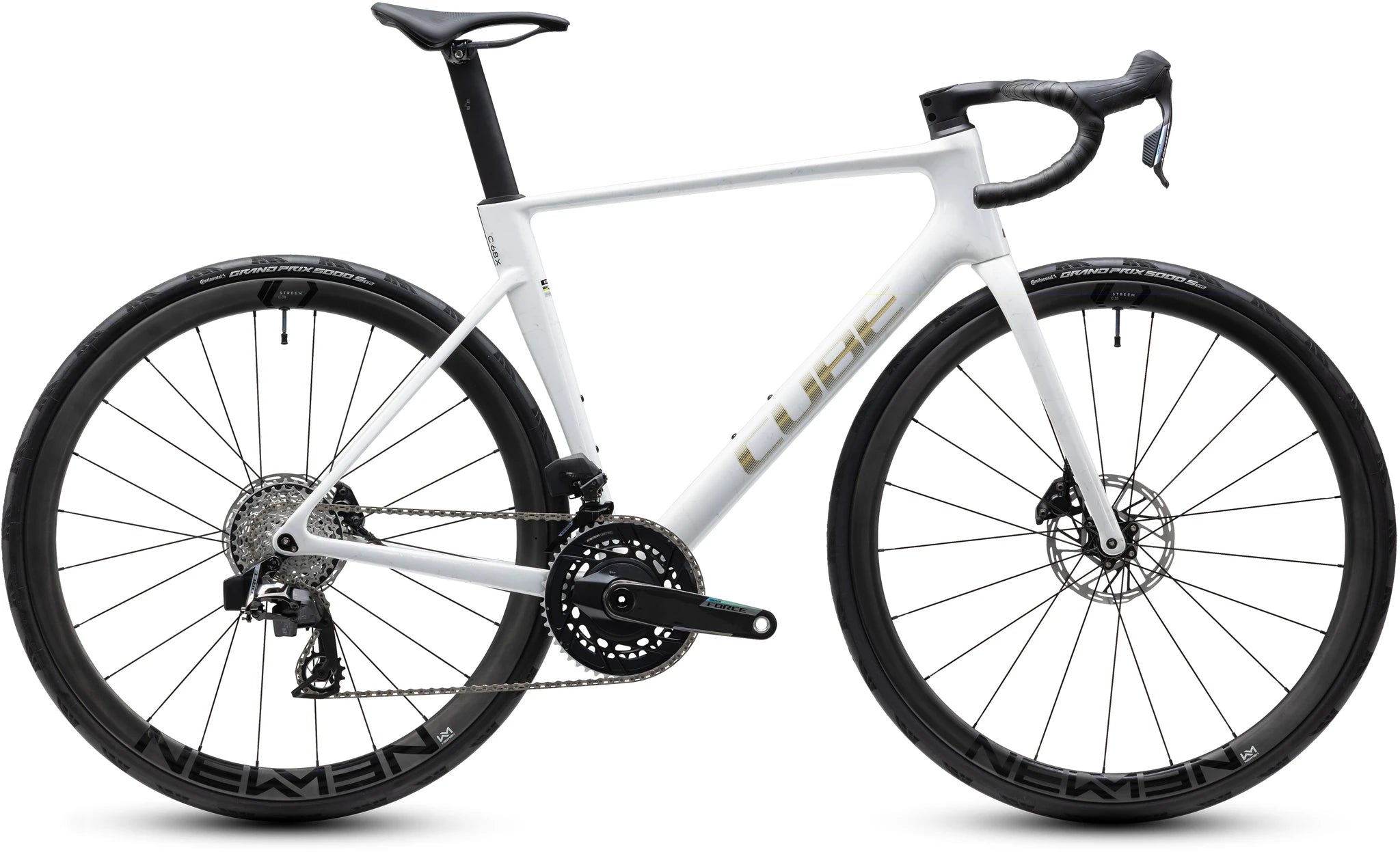

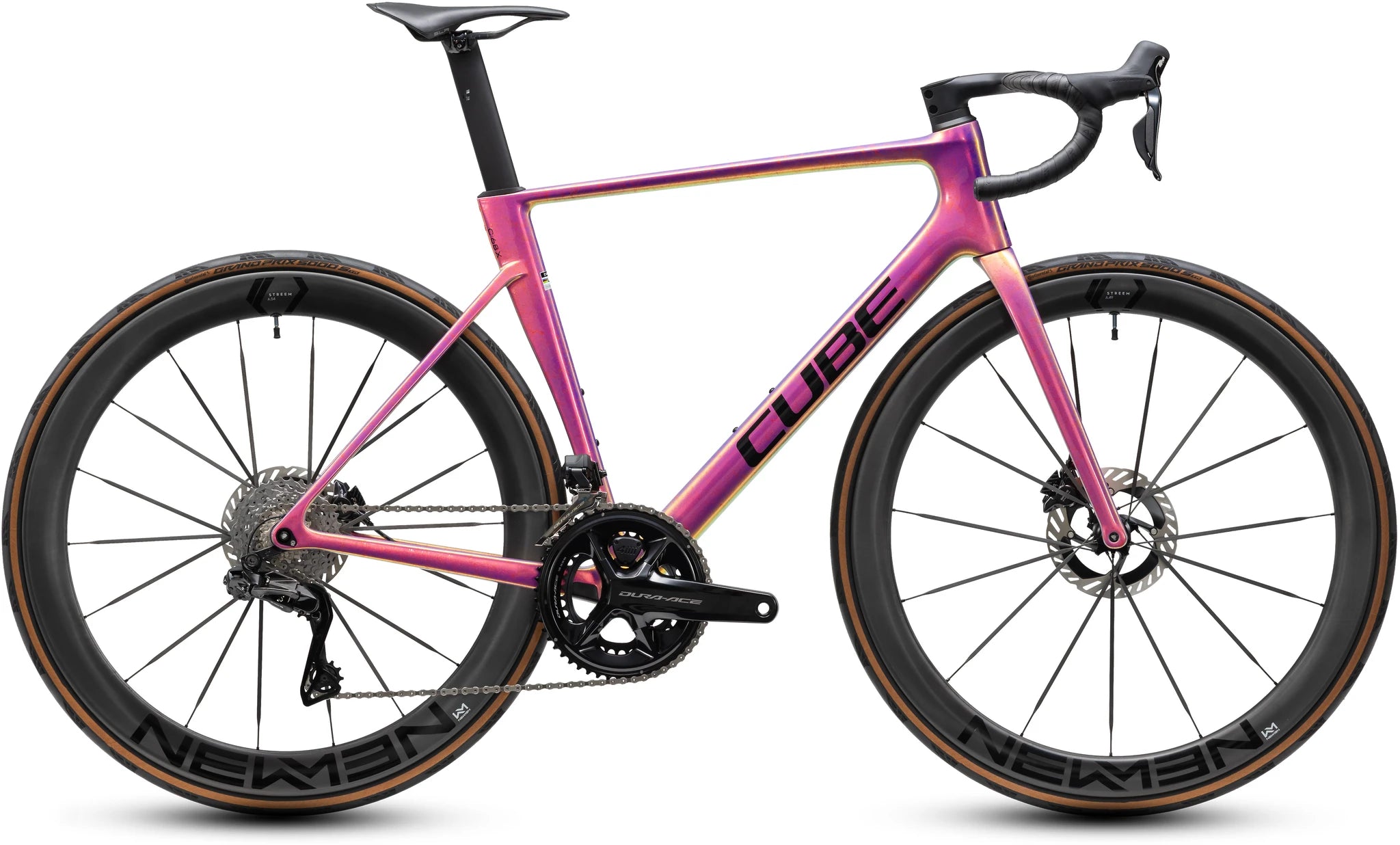
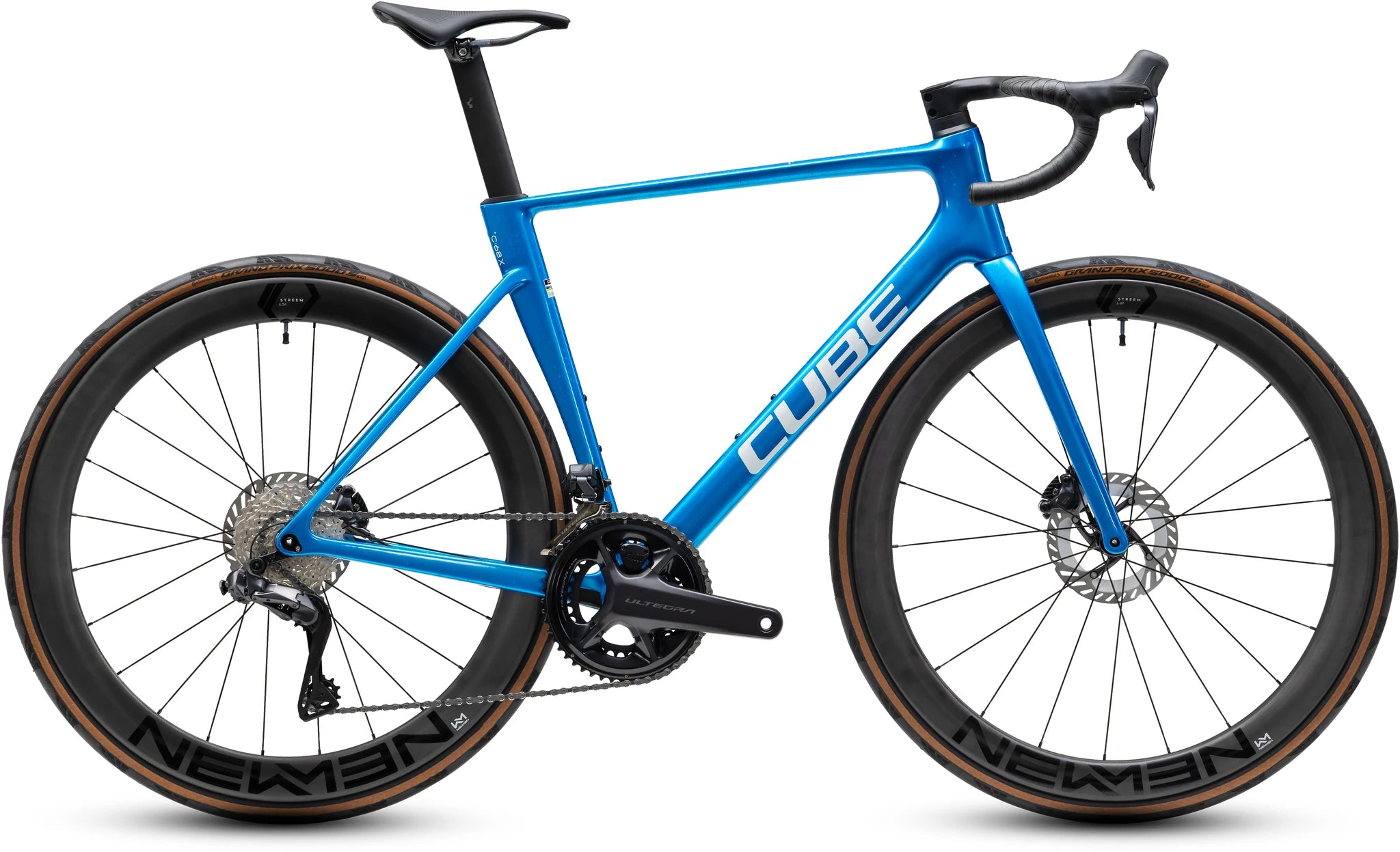
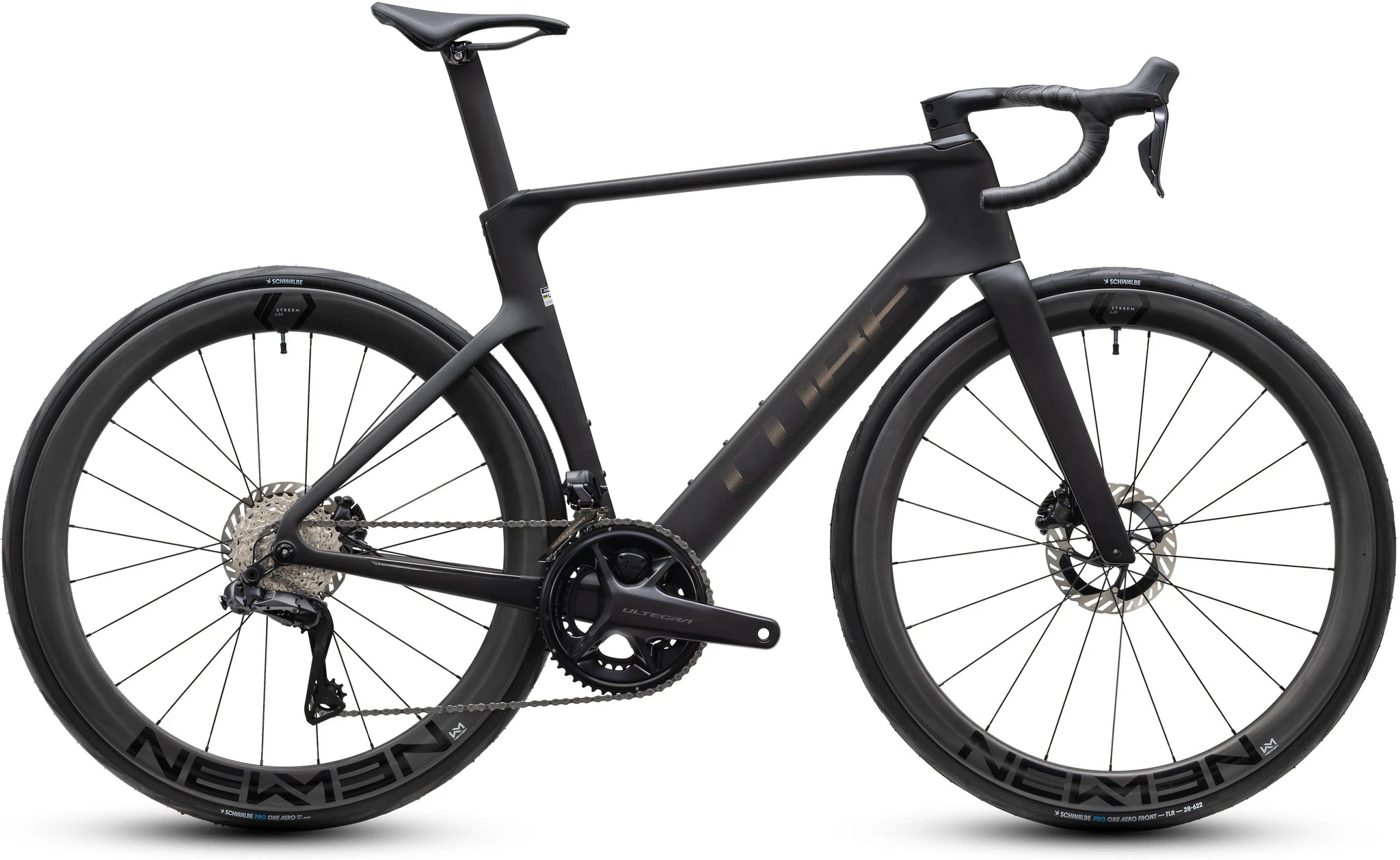


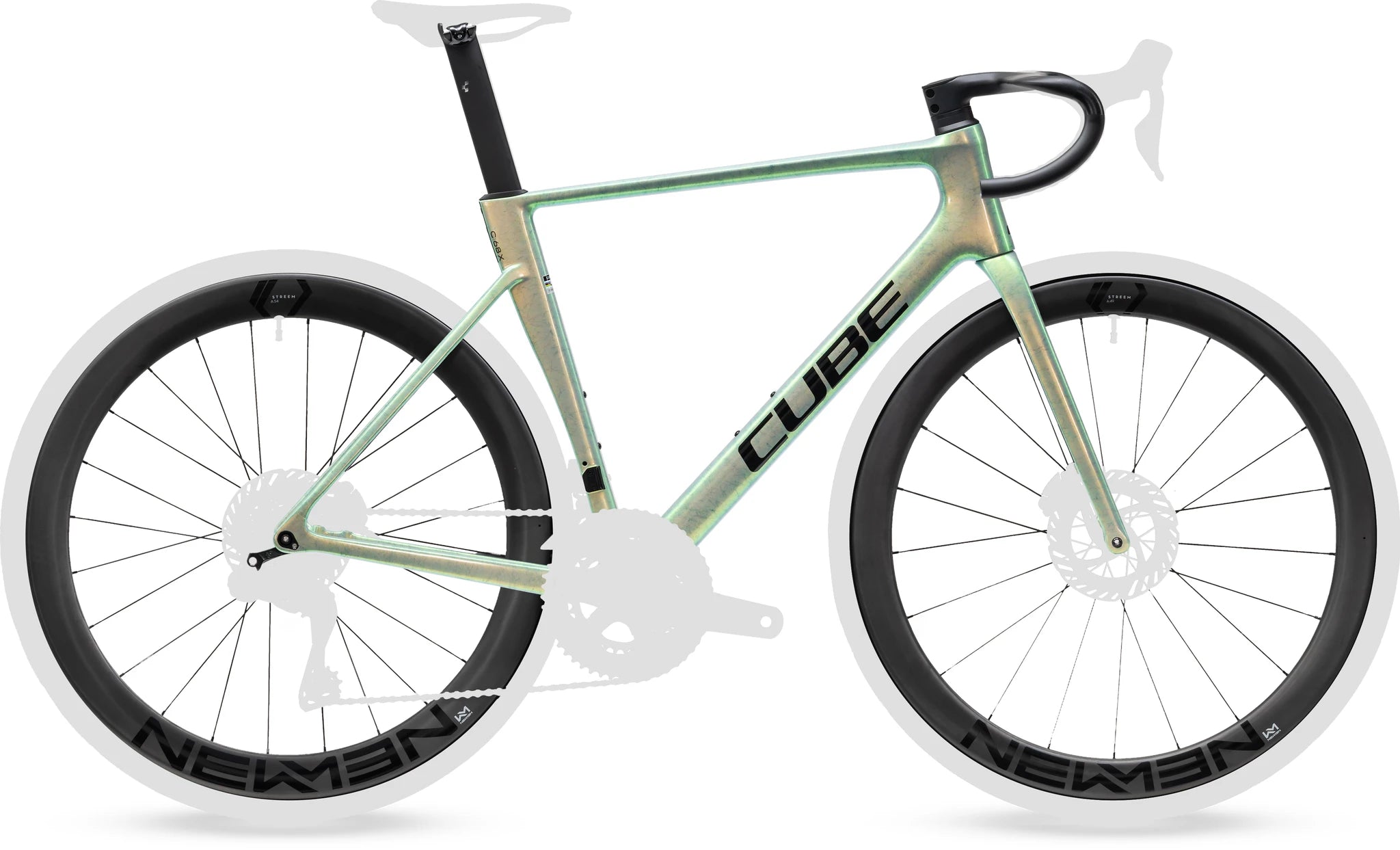
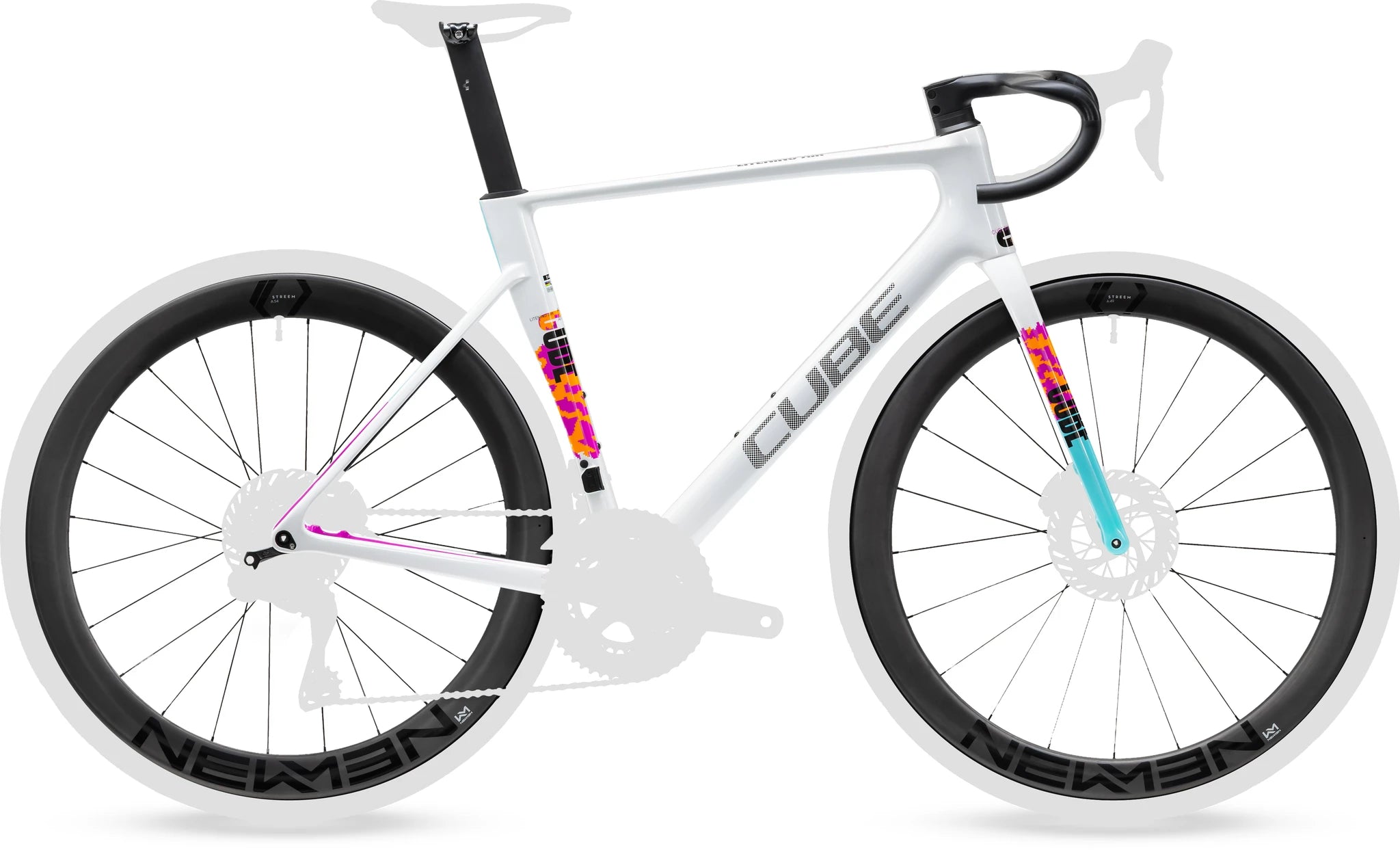
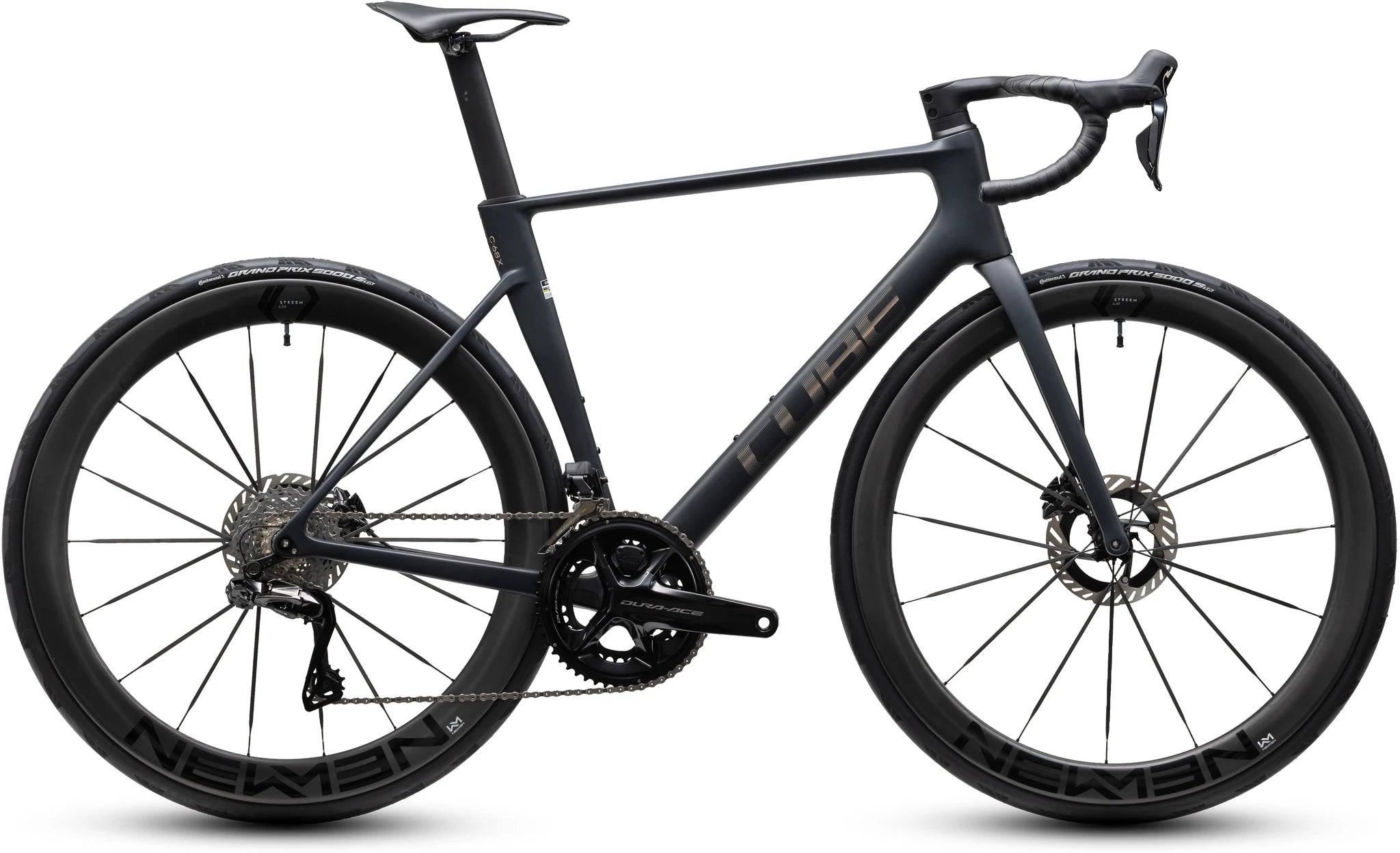
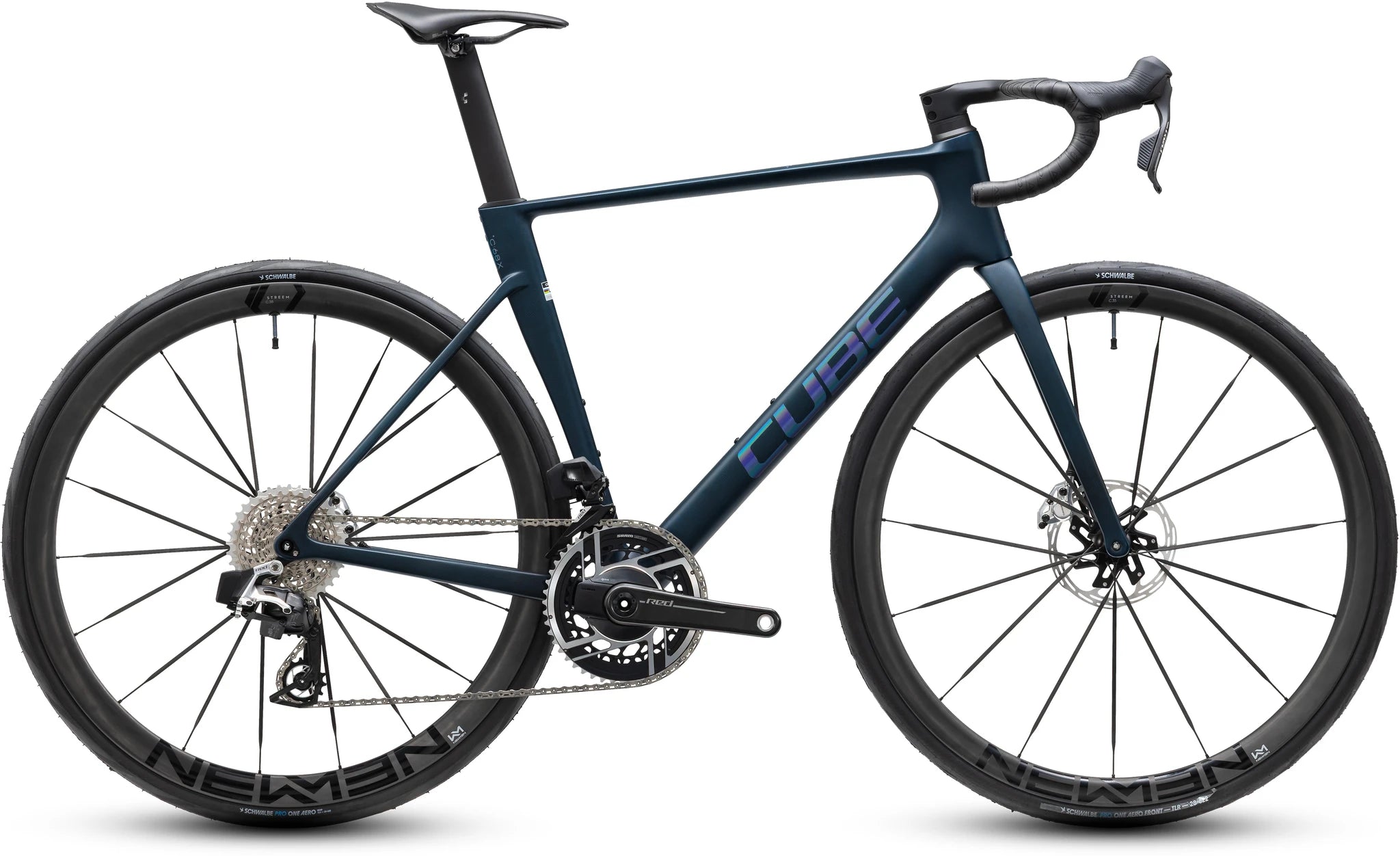


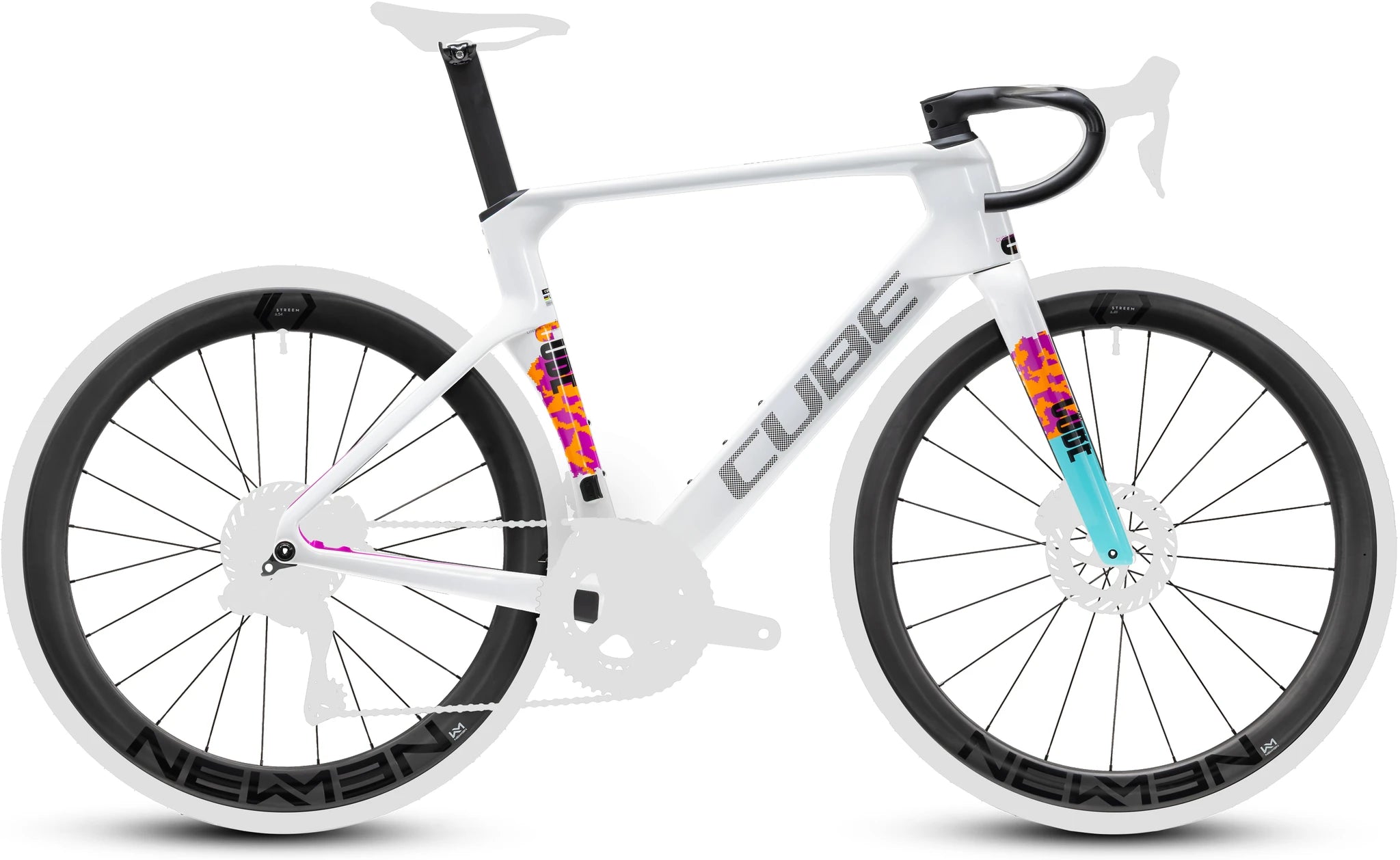
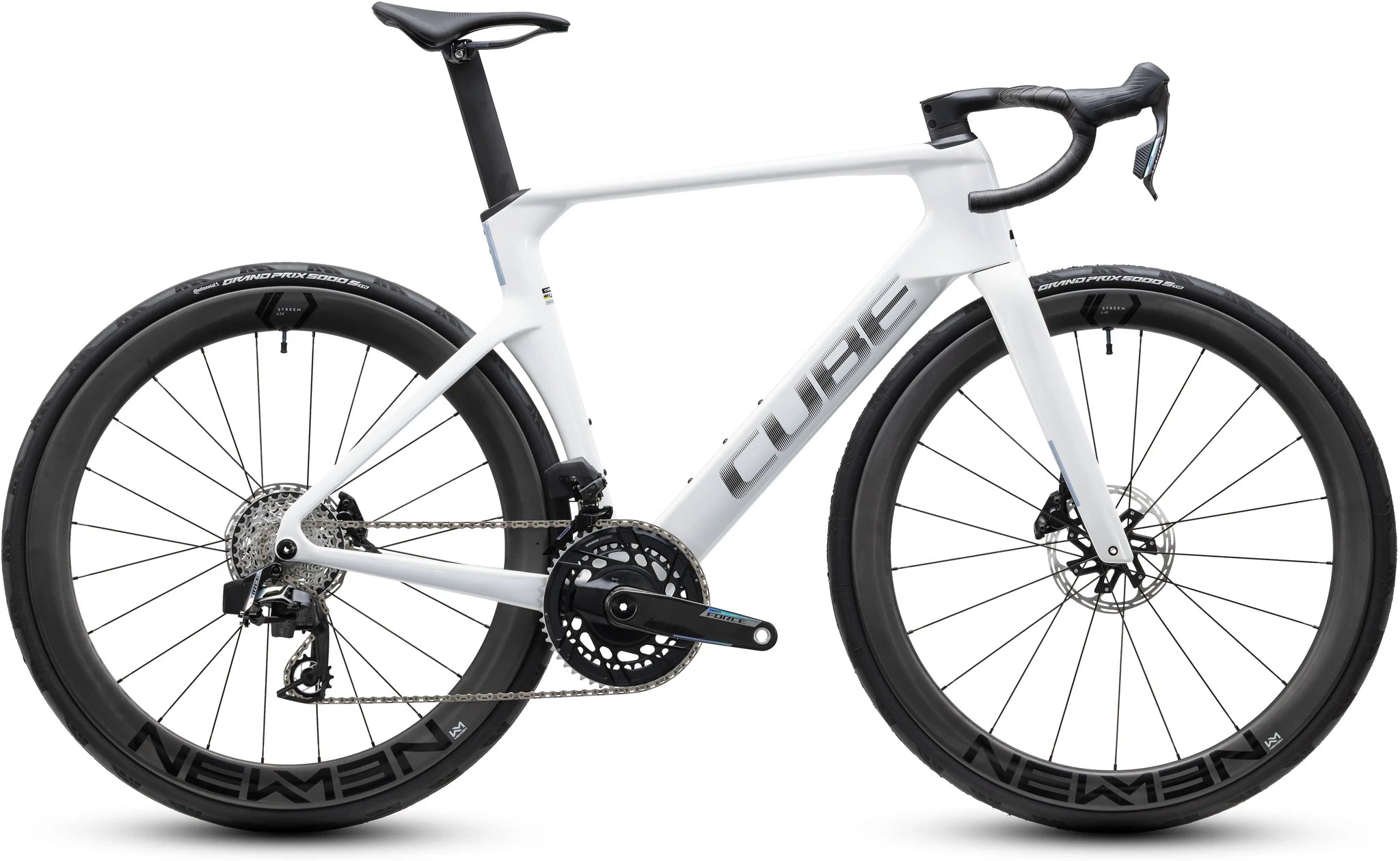
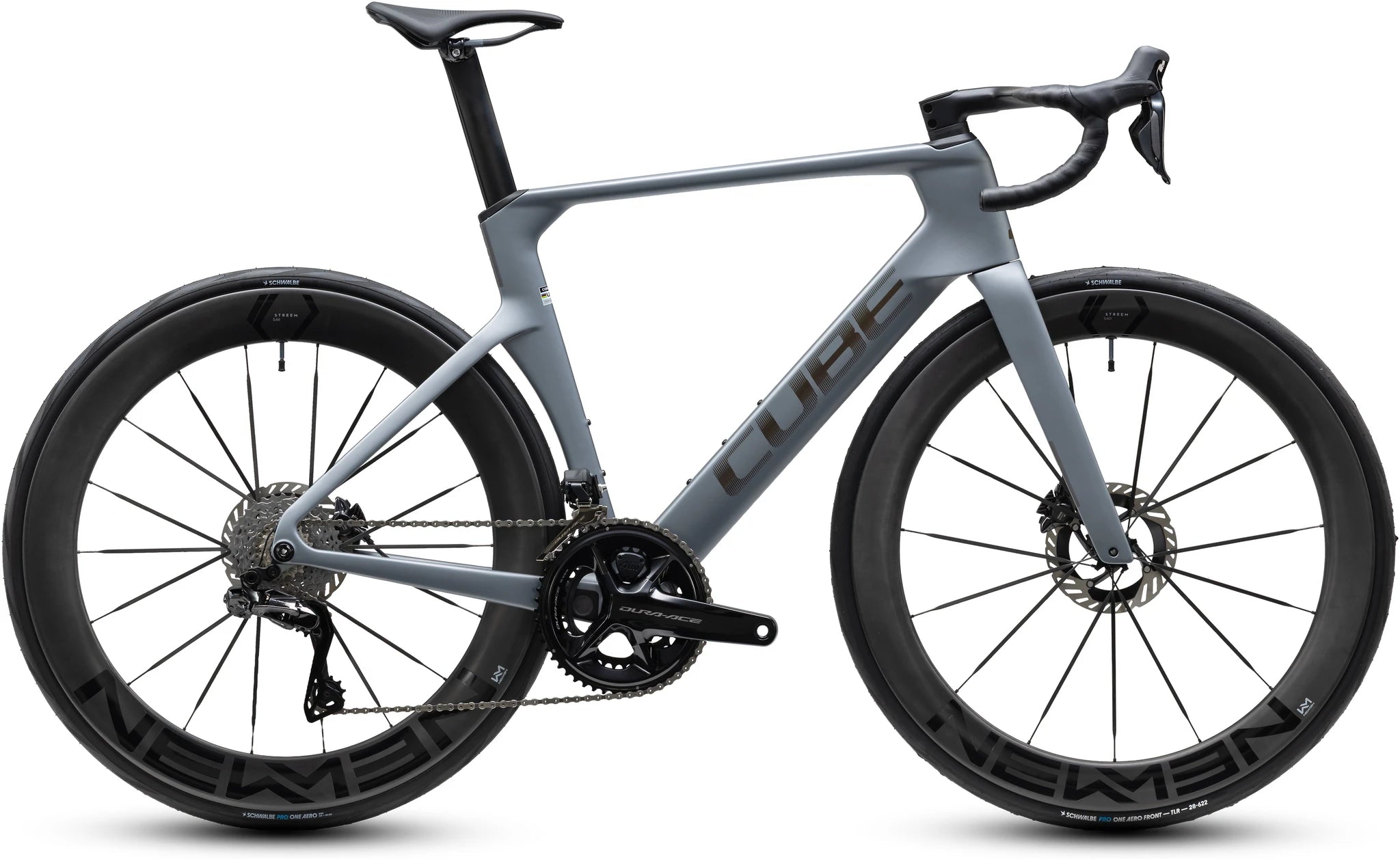
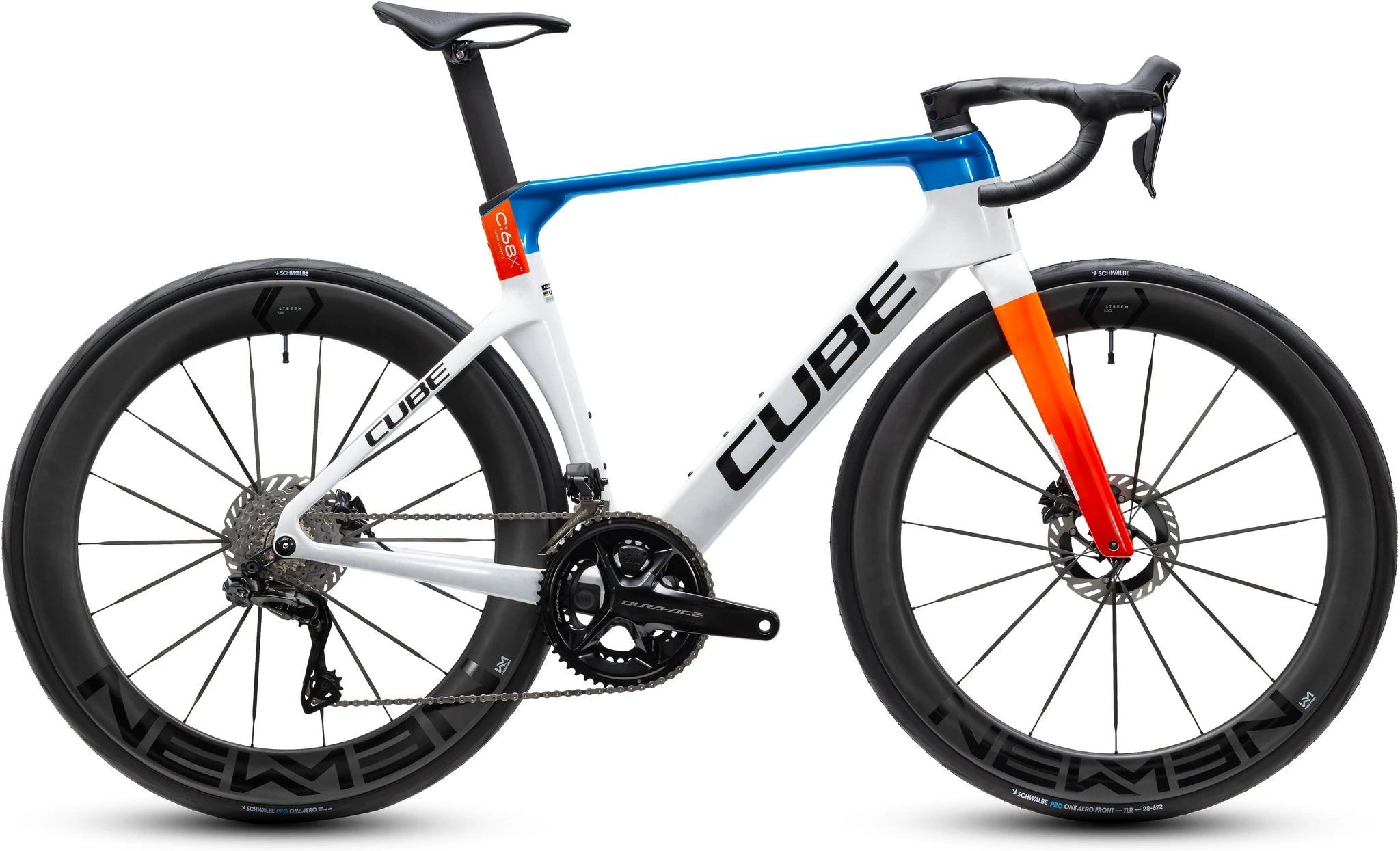
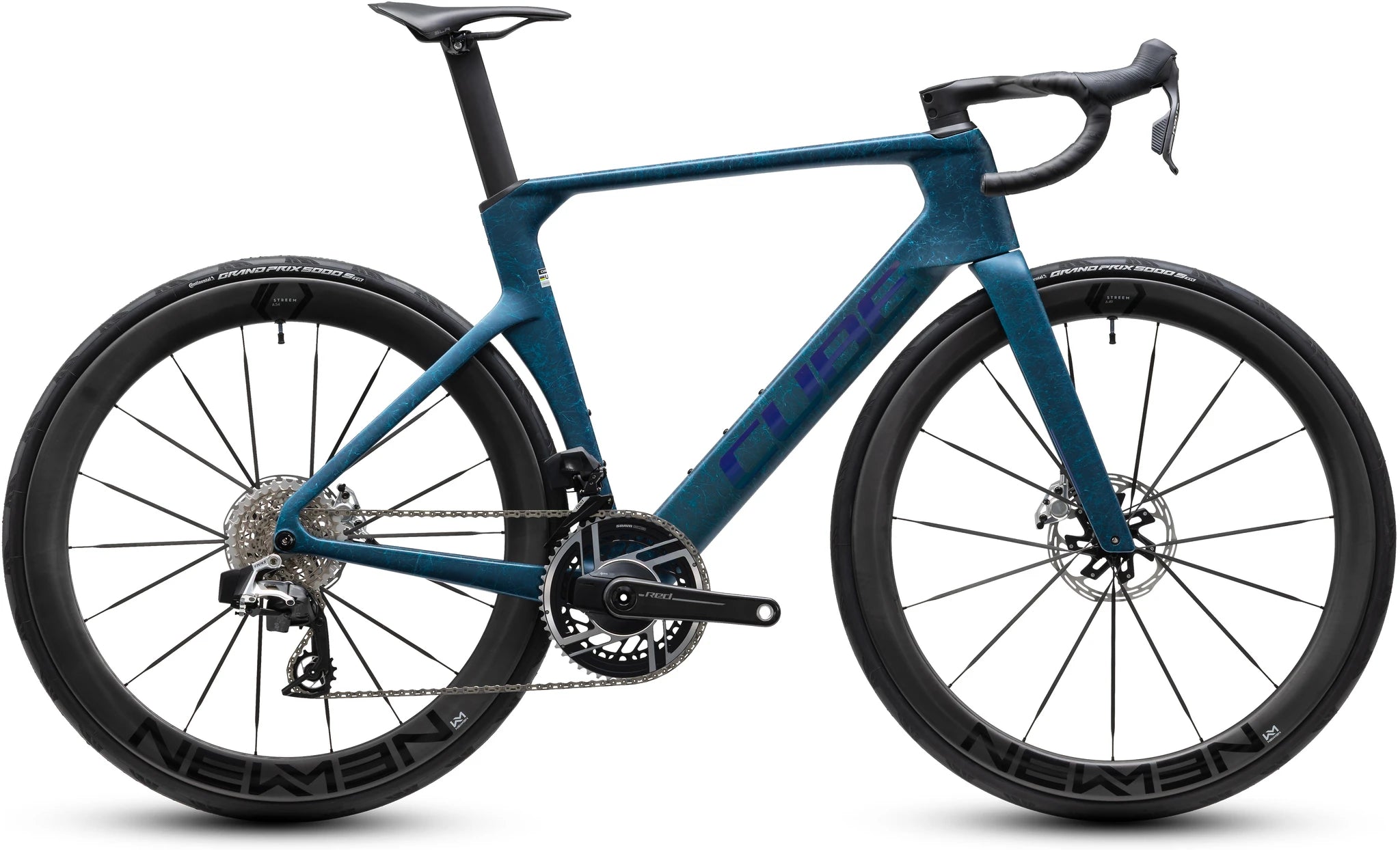

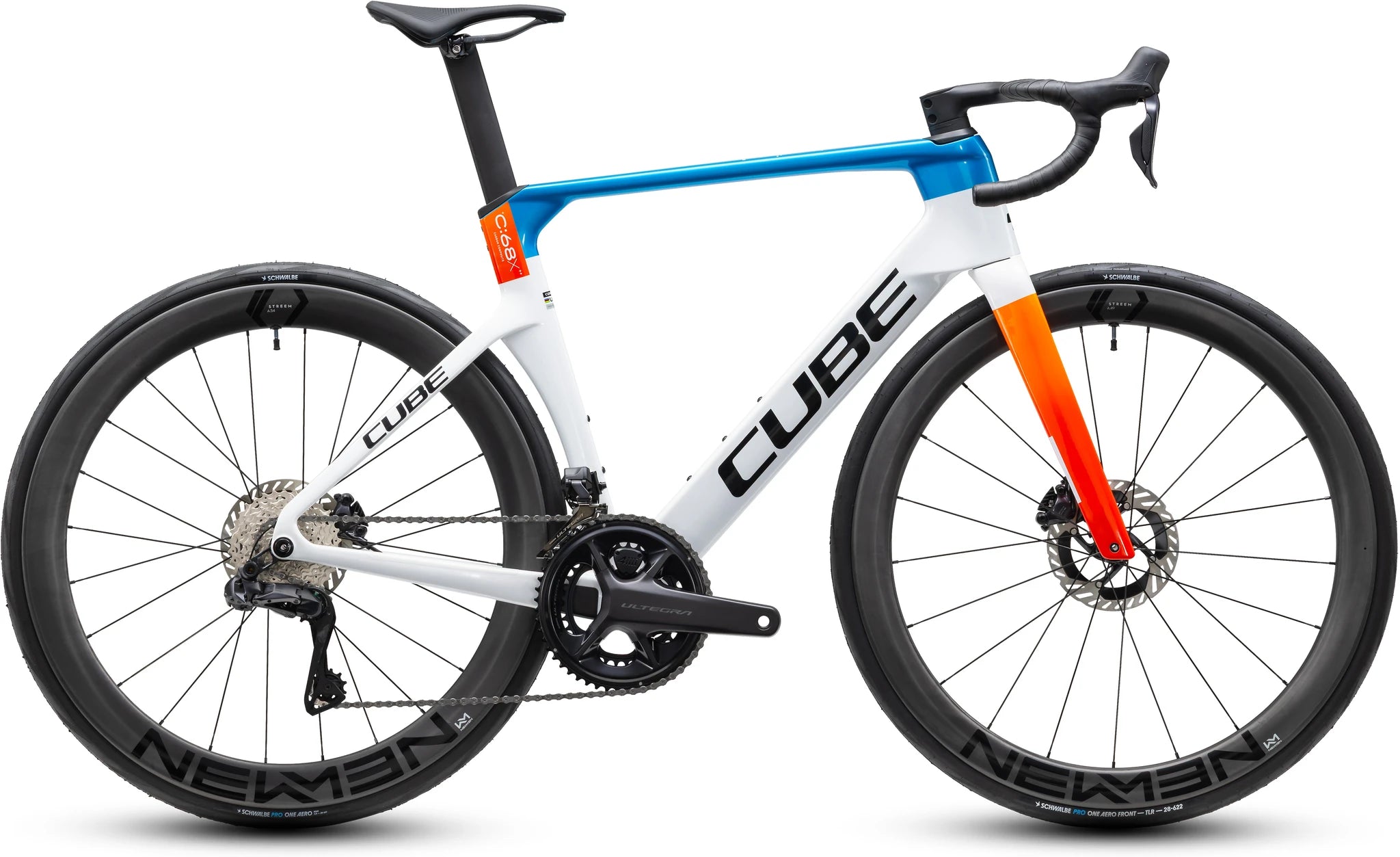
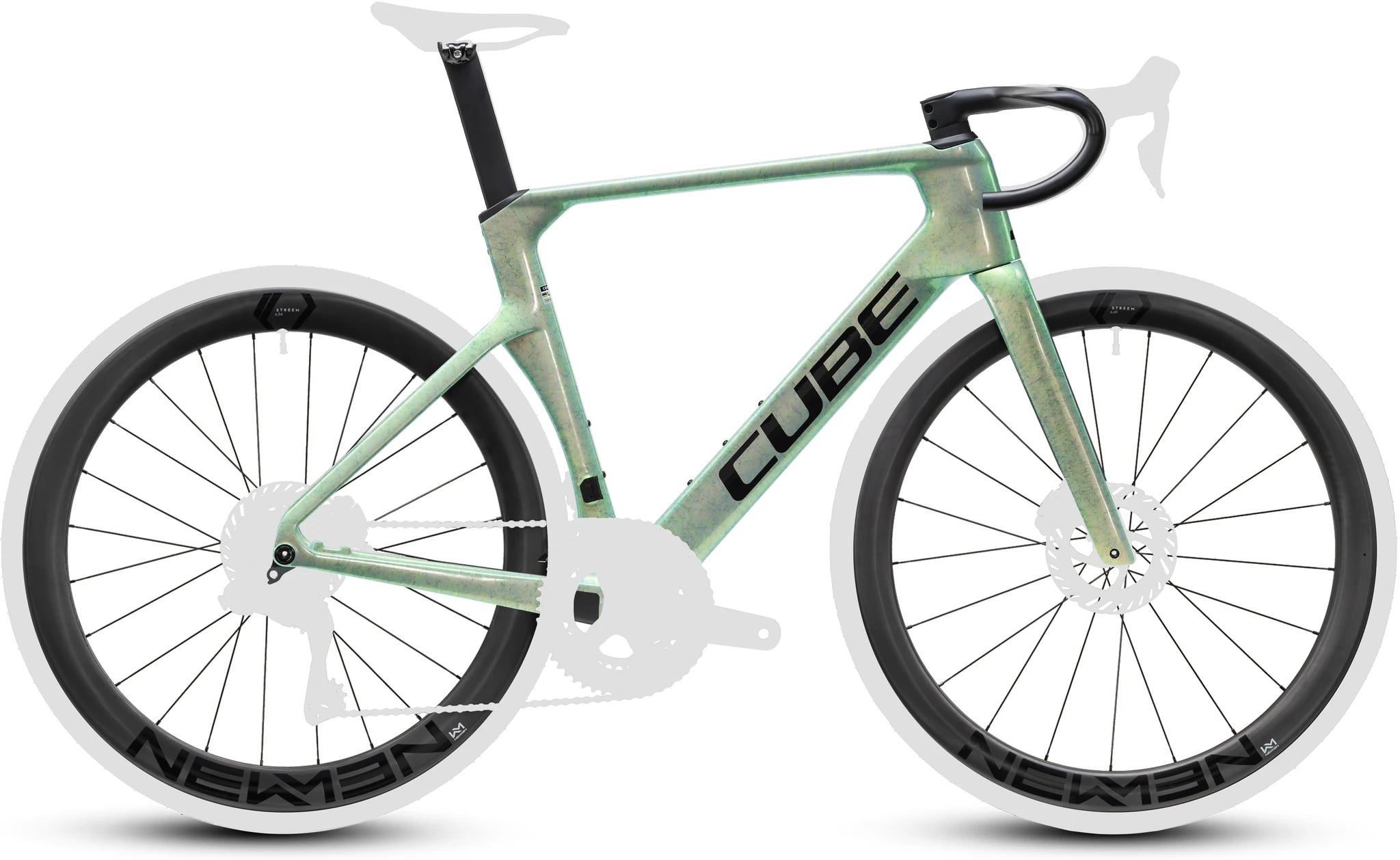
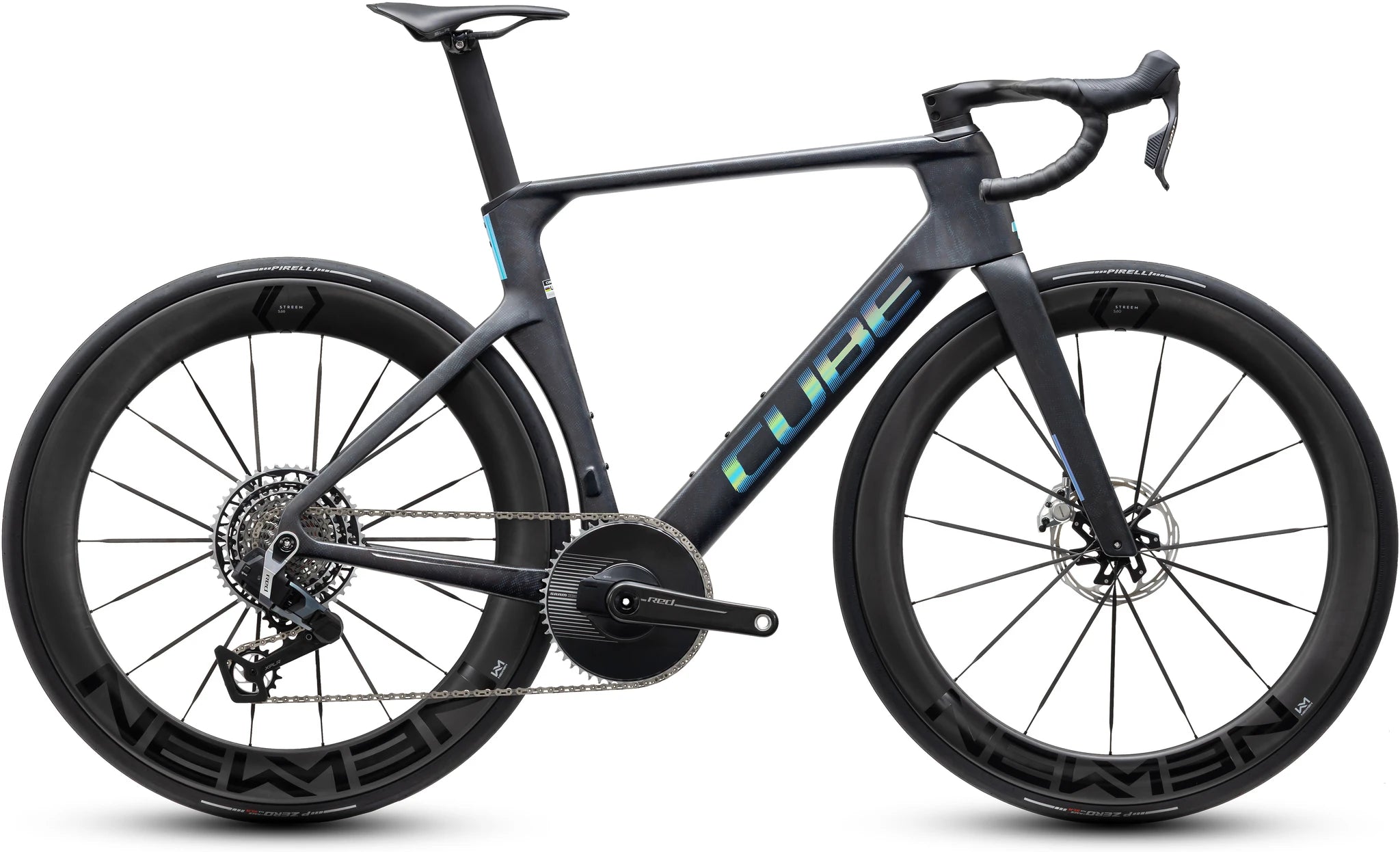
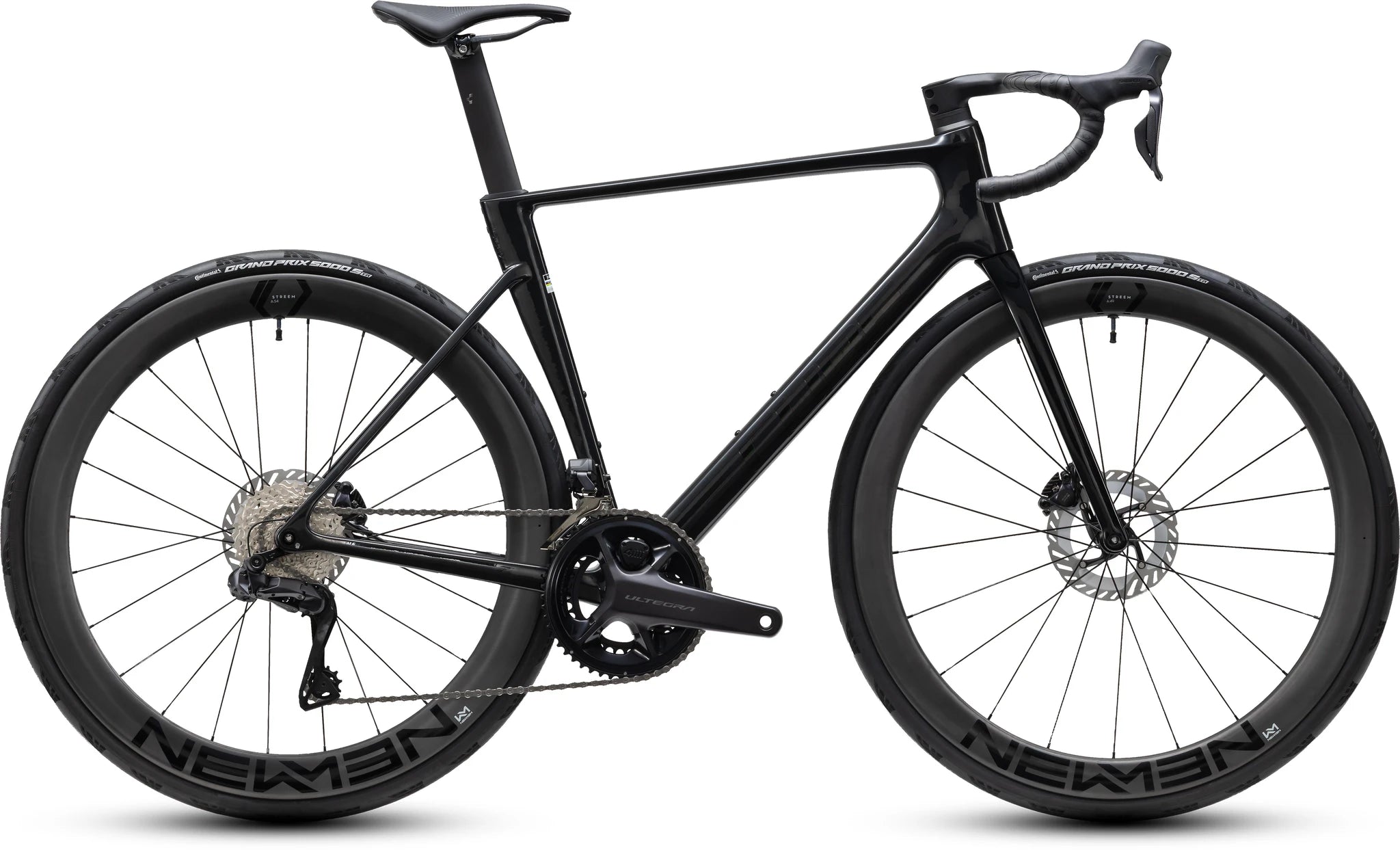
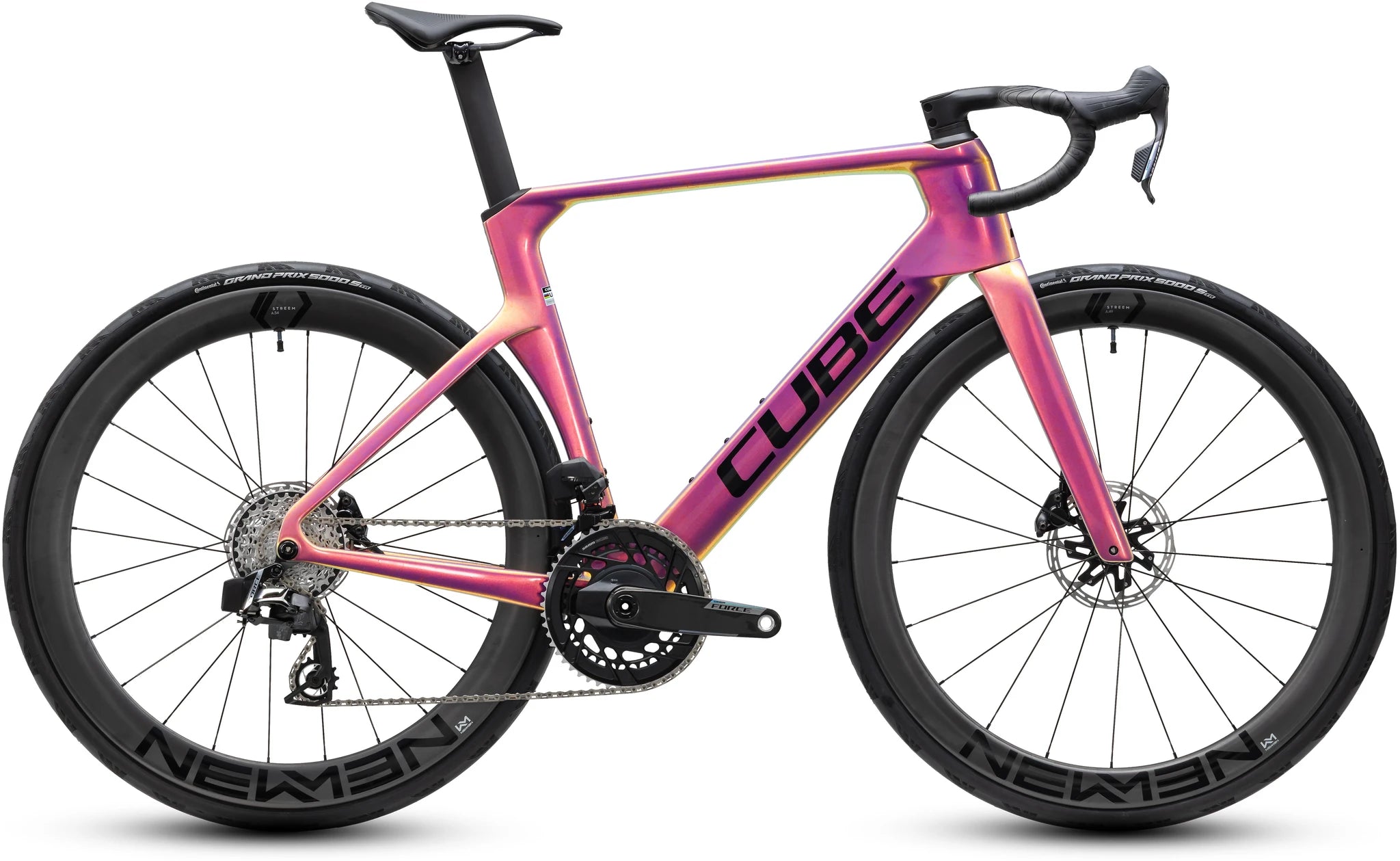

The new Cube Litening 2026 is available in the Liquid-Life.com shop.

CUBE Litening AIR C:68X SLT
The new Litening AIR C:68X SLT 2026: Weighing only 6.6 kg, with an optimized one-piece carbon cockpit and offering up to 8 watts of aerodynamic advantage. A race bike made for pure speed.
Discover now
CUBE LITENING AIR C:68X SLX
Light. Fast. Uncompromising. The Litening AIR C:68X SLX was developed with the WorldTour team Intermarché-Wanty for maximum performance. Weighing in at just 6.8 kg, with outstanding aerodynamics and race-ready geometry, this race bike delivers pure efficiency to the road – noticeably light, measurably fast.
Discover now
CUBE LITENING AIR C:68X RACE
Maximum efficiency for real race conditions: The Litening AIR C:68X Race impresses with a total weight of just 7.3 kg, an aerodynamic C:68X® carbon frame, and race-proven geometry. Developed with the WorldTour team Intermarché-Wanty – for measurably more speed on every stage.
Discover now
CUBE LITENING AIR C:68X PRO
Pure racing DNA: The Litening AIR C:68X Pro combines an ultralight, aerodynamic C:68X® carbon frame with SRAM Force AXS 2x12, power meter, and lightweight Newmen wheels. Maximum efficiency, explosive acceleration, and precise control – for those who demand speed.
Discover nowCube Litening: An overview of the high-end race series
The Cube Litening is aimed at riders looking for a road bike for high speeds, intense training, and racing. The platform was created with a clear professional focus and was developed in collaboration with the then-Team Wanty, among others. Consequently, the power transmission, steering behavior, and riding position are very direct. The Litening is not a comfort-oriented touring bike, but a Cube road bike for riders who want to transfer their power to the road as efficiently as possible.
Within the series, there are two frame concepts to choose from. The Cube Litening AIR C:68X reduces weight and is particularly suitable for climbs, frequent changes in pace, and mountainous routes.
The Cube Litening AERO C:68X reduces air resistance and plays to its strengths on fast, flat, or undulating courses. Both variants are UCI-compliant, feature internally routed cables, and use high-quality C:68X carbon material.
Model designations such as Race, SLX, or SLT primarily indicate the equipment level. Differences include the groupset, wheels, cockpit, and power meter. The fundamental decision should therefore be made between AIR and AERO first. Afterward, you can choose the appropriate equipment based on your budget, preferred shifting system, and intended use.
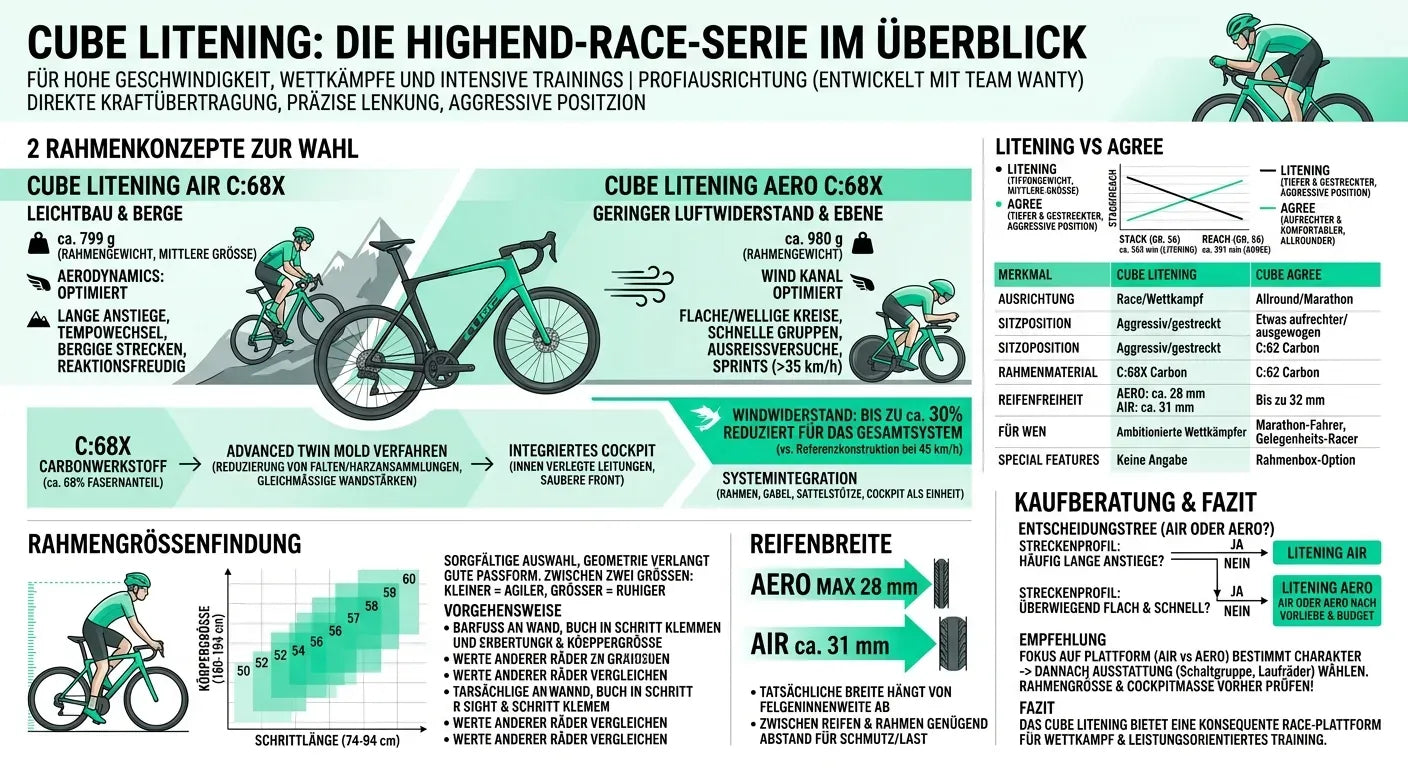
What is the difference between the Cube Litening AIR and AERO?
The Cube Litening AIR and the Cube Litening AERO pursue two different paths to greater speed. With the AIR, the focus is on a low frame weight. The AERO has been designed more for low air resistance. Both bikes are aerodynamic race bikes, but their distinct priorities become clear on the road.
| Model | Focus | Frame weight | Aerodynamics | Typical area of use |
|---|---|---|---|---|
| Cube Litening AIR C:68X | Lightweight construction and agile handling | approx. 799 g in medium size | Aerodynamically optimized, but less radical than the AERO | Mountains, undulating terrain, races with frequent accelerations |
| Cube Litening AERO C:68X | Low air resistance at high speeds | approx. 980 g | Wind-tunnel-optimized tube shapes and more highly integrated overall system | Flat and rolling races, fast groups, breakaways, and sprints |
The frame of the Litening AIR weighs around 799 grams in a medium size. Compared to the AERO, this saves approximately 180 grams. That sounds manageable on paper, but it influences the character of the entire build. Assuming light wheels and a high-quality groupset, the AIR can be used to build a very light, regulation-compliant road bike. It feels responsive, especially on long climbs and during repeated accelerations.
The Cube Litening AERO accepts the additional frame weight in favor of distinct aero profiles. The frame, fork, cockpit, and seat post are tuned as an aerodynamic system. At high speeds, this difference becomes more relevant because air resistance then accounts for a large portion of the power required. Anyone who frequently rides in fast groups at over 35 km/h or competes in races on flat courses can benefit more from the AERO than from pure weight savings.
The ride feel also differs. The AIR reacts nimbly to changes in direction and sprints. It suits riders who accelerate out of corners, attack on climbs, or ride on routes with many rhythm changes.
The AERO provides more stability at high speeds and maintains momentum efficiently. Deep-section wheels complement this concept, though they may require more attention in crosswinds.
Therefore, the decision is less about which model is fundamentally faster, but rather about the route profile. If you regularly ride long climbs and are looking for the lightest possible road bike, the Cube Litening AIR is a better fit. If your rides are characterized by high average speeds, flat roads, and fast groups, the Cube Litening AERO is the more suitable choice.
Tire clearance also varies depending on the platform and model year. For the current Litening AERO, the stated maximum tire width is 28 millimeters. The current Litening AIR is sometimes already delivered with 30-millimeter wide tires and, according to the geometry data, allows for up to approximately 31 millimeters. Nevertheless, you should check the clearance for your specific model before changing tires. The actual width of a tire also depends on the inner width of the rim.
What is the difference between the Cube Agree and the Litening?
Cube Agree and Litening are sporty carbon road bikes, but they cater to different types of riders. The Agree C:62 is a fast all-rounder for training, marathons, long tours, and occasional racing. The Litening is positioned above the Agree and is geared more toward competition. Its geometry requires greater flexibility and well-trained core muscles.
The difference can be identified by stack and reach. Simply put, stack describes the height of the front end, and reach its horizontal length. A low stack and a long reach result in a lower, more stretched-out riding position.
This reduces the rider's frontal area, which can lower air resistance at high speeds. At the same time, it places higher demands on the back, neck, hip mobility, and core tension.
In a comparable frame size, the Litening has a lower front end than the Agree. For the Litening in size 56, the stack is around 563 millimeters, while for the Agree in size 56, it is approximately 572 millimeters. The reach of the Litening is about 398 millimeters, and for the Agree, it is around 391 millimeters. The Litening therefore positions the rider lower and slightly further forward.
| Feature | Cube Litening | Cube Agree |
|---|---|---|
| Orientation | Race and Competition | Fast all-round and marathon use |
| Riding position | Low and stretched | Slightly more upright and easier to maintain for longer periods |
| Frame material | C:68X Carbon | C:62 Carbon |
| Tire clearance | Depending on AIR or AERO, approximately 28 to 31 mm | Up to 32 mm |
| Handling | Direct, precise and designed for speed | Sporty, balanced and slightly more forgiving |
| Suitable for | Licensed races, fast training groups and ambitious competitions | Marathons, long tours, training and occasional races |
If you want to ride at a brisk pace for several hours and place a high value on comfort, the Agree usually offers the more suitable foundation. Its tire clearance of up to 32 millimeters allows for wider tires with lower air pressure. This can reduce vibrations on rough asphalt. An optional frame box on current models also creates space for tools, nutrition, or a light layer of clothing.
If you are already accustomed to an aggressive position, work regularly on your performance, and are looking for a clearly defined race bike, the Litening is a better fit. Its more direct front end, short chainstays, and stiff construction react quickly to steering inputs and sprints.
A beginner may initially find these characteristics demanding, especially on long rides or when there is still little experience with a high saddle-to-handlebar drop.
The decision can be based on the primary intended use. The Agree is more recommended for amateur marathons, long Sunday rides, and varying road surfaces. The Litening offers the more focused platform for criteriums, road races, fast groups, and performance-oriented training. Those wavering between the two concepts should weigh the desired handlebar height and the sustainable upper-body position more heavily than a small difference in total weight.
How does C:68X carbon technology work?
C:68X denotes Cube's highest-quality carbon composite. The material has a fiber content of around 68 percent. A high fiber content enables a lightweight construction because less resin is required. Resins enriched with nanoparticles bond the fibers and support the stability of the composite. However, the material name alone is not the deciding factor. Fiber orientation, wall thicknesses, and the reinforcement of high-stress areas determine how the finished frame rides.
In the Advanced Twin Mold process, Cube uses precise external molds and an internal core. This holds the individual carbon layers in their intended position during curing. This allows for the reduction of wrinkles, unnecessary resin accumulations, and uneven wall thicknesses. More material can be used at the bottom bracket, head tube, and other high-stress junctions. In less-stressed areas, the wall thicknesses remain thinner.
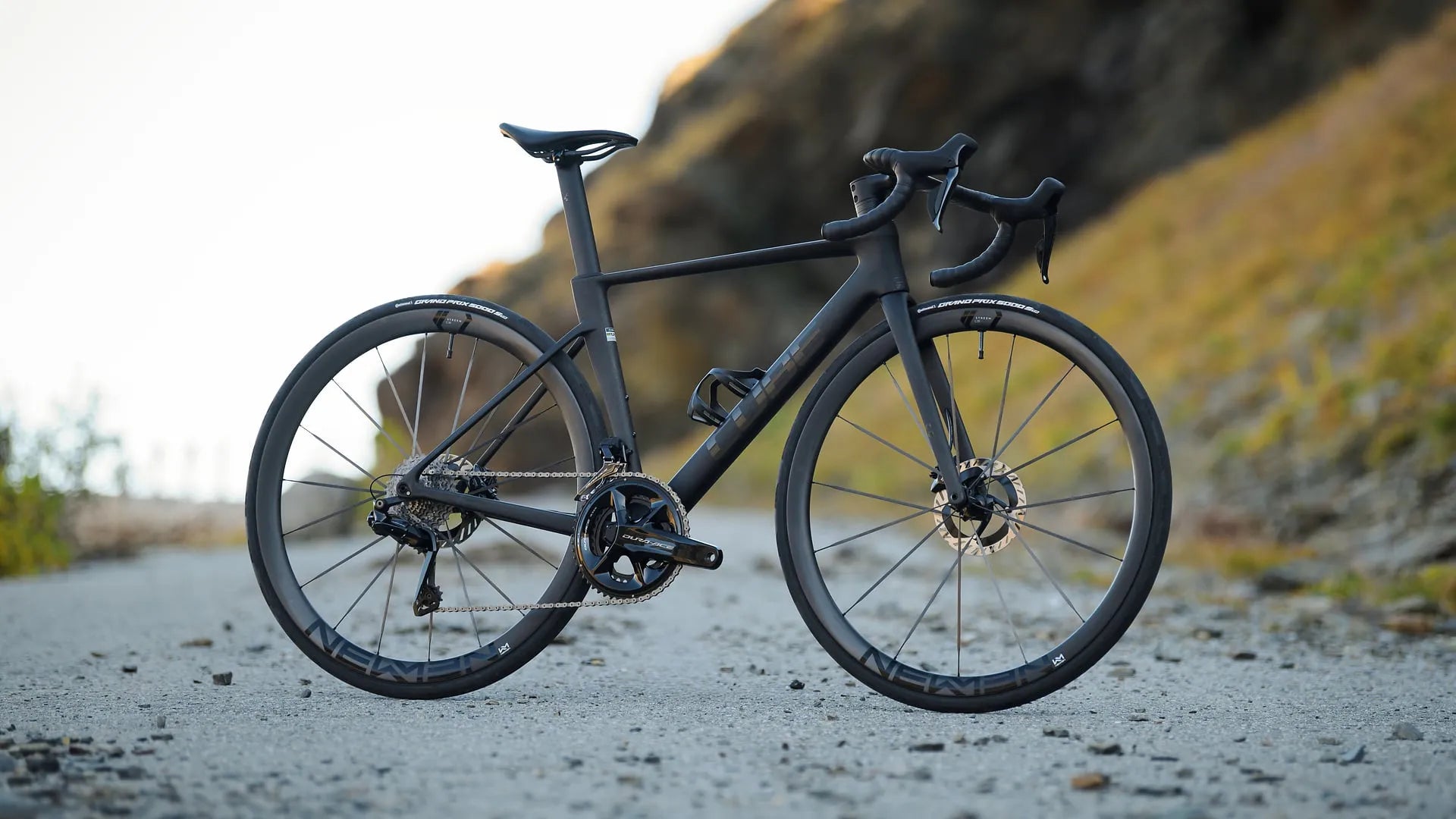
With the Cube Litening AIR, this process results in a frame weight of approximately 799 grams for the medium size. The AERO frame weighs around 980 grams, but uses the material for larger tube cross-sections and aerodynamic profiles. The weight difference is therefore not an indication of lower material quality. It is a result of the different design goals.
Cockpit integration is also part of the frame concept. Cables and brake lines are routed largely internally. Depending on the configuration, an integrated handlebar-stem unit is used. This eliminates external cables in the airflow. The cockpit also offers a defined shape for various grip positions and creates a tidy front end.
Such integration has practical consequences. The front end can be designed to be aerodynamically clean, but maintenance work may require more effort. Before purchasing, it should therefore be checked whether the stem length and handlebar width fit one's riding position. With a one-piece cockpit, these dimensions cannot be changed as easily or inexpensively as with a classic handlebar and separate stem.
What frame size do I need for the Cube Litening?
The correct frame size depends on body height, inseam, torso length, flexibility, and desired riding position. A size chart therefore only provides a starting point. For the Cube Litening, careful selection is particularly important because the sporty geometry leaves little room for a frame size that is too large.
The current Litening platforms are offered in sizes 50, 52, 54, 56, 58, and 60. A size 62 is not regularly available for the current AIR and AERO frames. Very tall riders should therefore check whether size 60 is sufficient in terms of saddle height, reach, and cockpit dimensions. The Agree is also available in size 62 for current models and can be an alternative in such cases.
| Body height | Approximate inseam | Frame size guide |
|---|---|---|
| 160 to 168 cm | 74 to 78 cm | 50 cm |
| 166 to 173 cm | 77 to 81 cm | 52 cm |
| 171 to 178 cm | 80 to 84 cm | 54 cm |
| 176 to 183 cm | 83 to 87 cm | 56 cm |
| 181 to 188 cm | 86 to 90 cm | 58 cm |
| 186 to 194 cm | 89 to 94 cm | 60 cm |
| 191 to 199 cm | 92 to 97 cm | 62 cm |
The ranges overlap intentionally. Two riders of the same height may have different proportions. Long legs and a short torso often suggest a different setting than short legs and a long torso. Arm length also influences how stretched out the bike feels.
For a useful measurement, stand barefoot with your back against a wall. Your feet should be about a hand's width apart. Clamp a book horizontally and with slight pressure into your crotch. Then, measure the distance from the top edge of the book to the floor. Repeat the measurement to ensure that an uneven position does not skew the result.
- If you have normal flexibility, start by choosing the size that fits the middle of the specified range.
- If you are between two sizes, opt for the smaller frame if you prefer agile handling and a lower racing position.
- Choose the larger size if you prefer more stable steering and do not want the front end to be too low.
- Before purchasing, check whether the required saddle height is within the adjustment range.
- Consider the stem length and handlebar width, as the integrated cockpit may limit adjustments.
A smaller size does not automatically result in a more comfortable position. It usually has a shorter head tube, which makes the handlebars sit lower. A longer stem may also be necessary to achieve the desired reach to the handlebars. The larger size offers more stack, but can feel too stretched due to the longer top tube. Therefore, stack and reach should be considered together.
If you already own a road bike that fits well, you can use its values as a reference. Compare stack, reach, effective top tube length, stem length, and the distance between the saddle and the handlebars. Simply transferring the printed frame size is not enough because manufacturers define their sizes differently.
Frequently asked questions about the Cube Litening
How sporty is the riding position on the Cube Litening compared to the Agree?
The seating position on the Cube Litening is lower and more stretched. The lower stack brings the handlebars further down, while the longer reach increases the distance to the cockpit. This allows the rider to assume a smaller frontal area. However, due to the increased saddle-to-handlebar drop, it places more strain on the back, neck, shoulders, and hands if flexibility is lacking.
The Agree positions the upper body somewhat more upright and is therefore better suited for riders who spend long periods in the saddle. The Litening requires a stable core and a position that can be maintained with control even under high loads. Additional spacers can raise the front end, but they alter the intended race position. If a very high number of spacers is required, the Agree is often the more coherent choice.
How many watts does the Cube Litening AERO really save?
Compared to the previous model, the Cube Litening AERO saves approximately 30 watts at a speed of 45 km/h. Such figures generally apply to a specific test configuration, wind direction, and riding position.
While the bike delivers this significant performance advantage at 45 km/h, the absolute savings are smaller at lower speeds, such as 25 km/h. Since factors such as rider position, clothing, wheels, and handlebar grip also heavily influence total resistance, these 30 watts serve as a benchmark for the frame in direct comparison to its predecessor.
What is the maximum tire width for the Cube Litening?
The current Cube Litening AERO has an official maximum tire clearance of 28 millimeters. The current Cube Litening AIR is supplied with 30-millimeter-wide tires on certain specifications and, according to the geometry data, has space for approximately 31 millimeters. Older model years may differ.
The printed tire width does not always correspond to the actual width. A 28-millimeter tire may measure wider on a wide rim. There must be sufficient clearance between the tire and the frame to account for lateral runout, debris, and deformation under load. Therefore, check the frame, fork, wheel, and tire as a complete combination.
Is the Cube Litening suitable for long-distance riding?
Trained riders can cover long distances and multi-hour races with the Cube Litening. The frames feature a seat post designed for comfort, and modern tires reduce vibrations. The AIR is slightly better suited for long distances on varying asphalt due to the option of wider tires. The AERO maintains pace efficiently on fast sections.
The biggest limitation is the aggressive geometry. Anyone who can no longer maintain the deep position stably after two hours will lose comfort and often performance as well. For long tours without competitive pressure, the Cube Agree is usually more suitable. On the other hand, those who ride cyclosportives for time, are accustomed to a large saddle-to-handlebar drop, and have the bike professionally fitted can also make good use of the Litening over long distances.
Who is the Cube Litening AIR worth it for?
The Cube Litening AIR is suitable for lightweight and mid-weight riders, mountain specialists, and riders on hilly routes. It accelerates instantly and makes it easy to build a bike close to the UCI minimum weight. The low weight is also helpful in races with many corners and short climbs. However, for those who frequently ride alone on flat roads, the AERO generally offers a greater aerodynamic advantage.
Who is the Cube Litening AERO worth it for?
The Cube Litening AERO is aimed at riders who frequently travel at speed and maintain their pace over longer stretches. It is suited for flat road races, fast group rides, breakaways, and sprints. The slightly higher frame weight is less of a factor there than on long, steep climbs. In strong crosswinds, riders should be confident in handling the combination of an aero frame and deep-section wheels.
What should I look out for when buying a Cube Litening?
First, choose the appropriate platform and then the equipment. AIR or AERO influences the character of the bike more than switching between two groupsets. Afterward, you should check the frame size, cockpit dimensions, crank gearing, and wheel profile. A power meter is useful for structured training, but it is no substitute for a proper riding position.
For a road bike in this class, a precise fitting is worthwhile. Handlebar width, stem length, and saddle height in particular should be clarified before purchase, because integrated components can make subsequent changes more complex. If the geometry suits your body and intended use, the Cube Litening offers a consistent foundation for racing and performance-oriented training.
Du kannst deine Einstellungen jederzeit anpassen, um den vollen Funktionsumfang unserer Website zu nutzen.
Cookie-Einstellungen bearbeitenWir helfen Dir gerne weiter!

Live-Chat
Telefon
Telefon
Telefonzeiten:
Mo. - Fr. 10:00 - 13:30 & 14:30 - 18:00 Uhr
Sa. 10:00 - 14:00 Uhr
Telefon:
+49 2961 914 886 9
Kontaktformular
Kontaktformular
Außerhalb der Chat- und Telefonzeiten kannst Du uns Dein Anliegen über das Kontaktformular mitteilen.
E-Mail
Schreib uns einfach eine E-Mail an verkauf@liquid-life.de und wir werden Dir so schnell wie möglich antworten. Bitte hab Verständnis, dass es aufgrund der chronologischen Bearbeitung zu kleinen Verzögerungen kommen kann.
Bikeberater
Bonusprogramm