

KTM Gravelator 2027: Your adventure begins where the asphalt ends.
Discover new paths, push boundaries, and simply follow your curiosity. The KTM Gravelator 2027 stands for limitless freedom on two wheels. Whether a quick ride after work, an extended gravel adventure, or your daily commute through the city – with versatile aluminum and sporty carbon models, you'll find the right bike for your own journey. Escape the everyday and dive into adventure!
Filtry
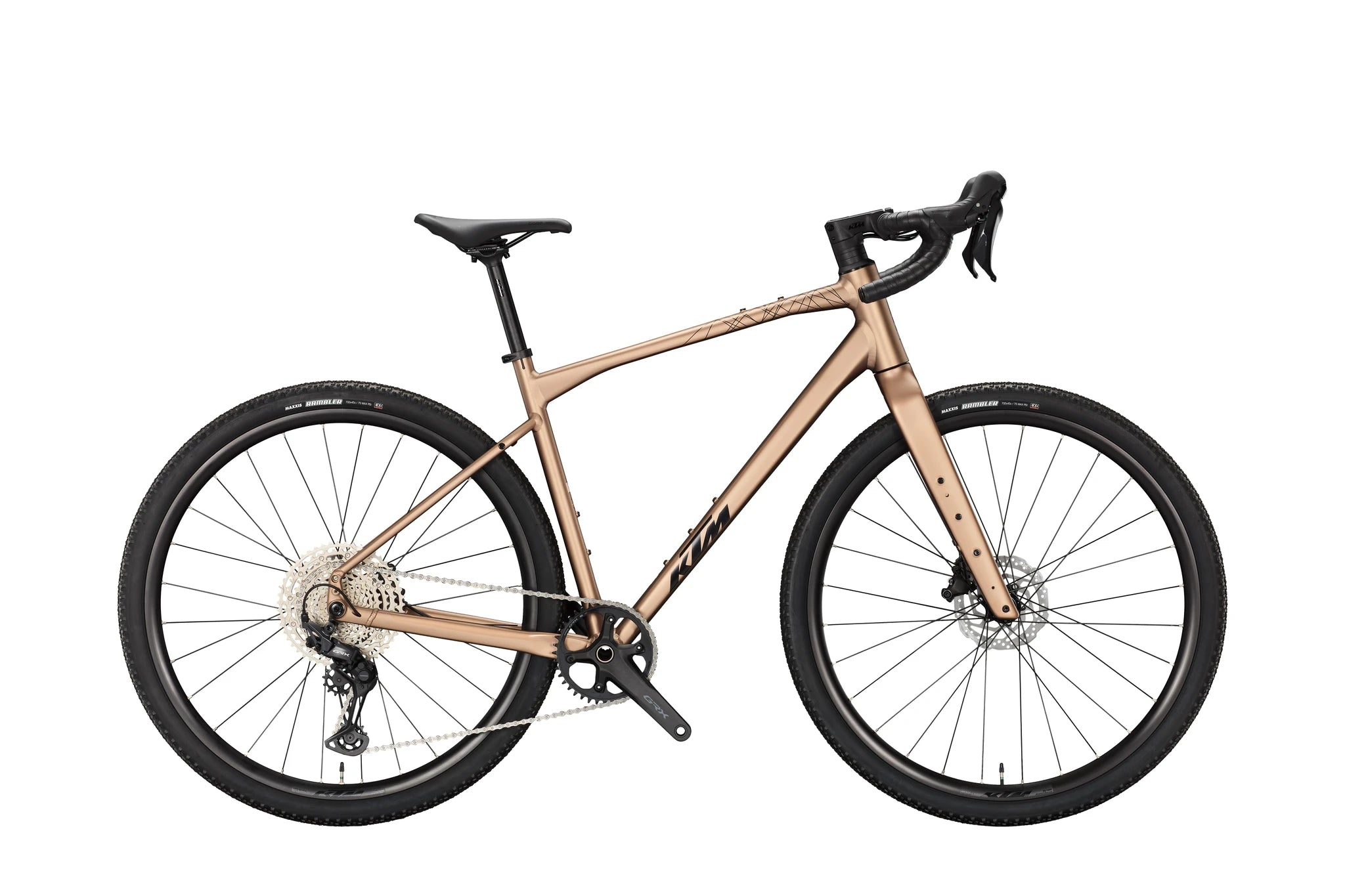

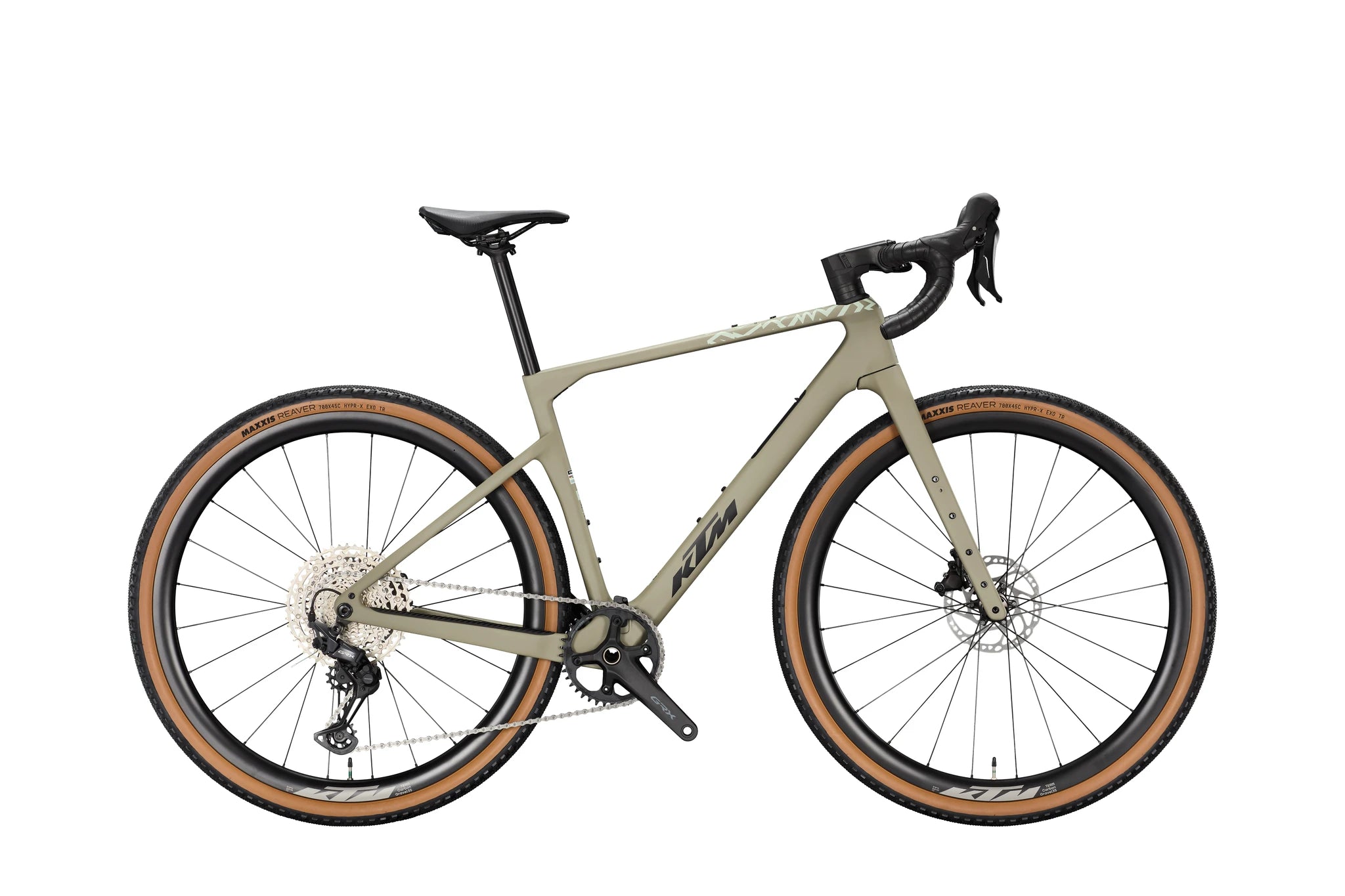
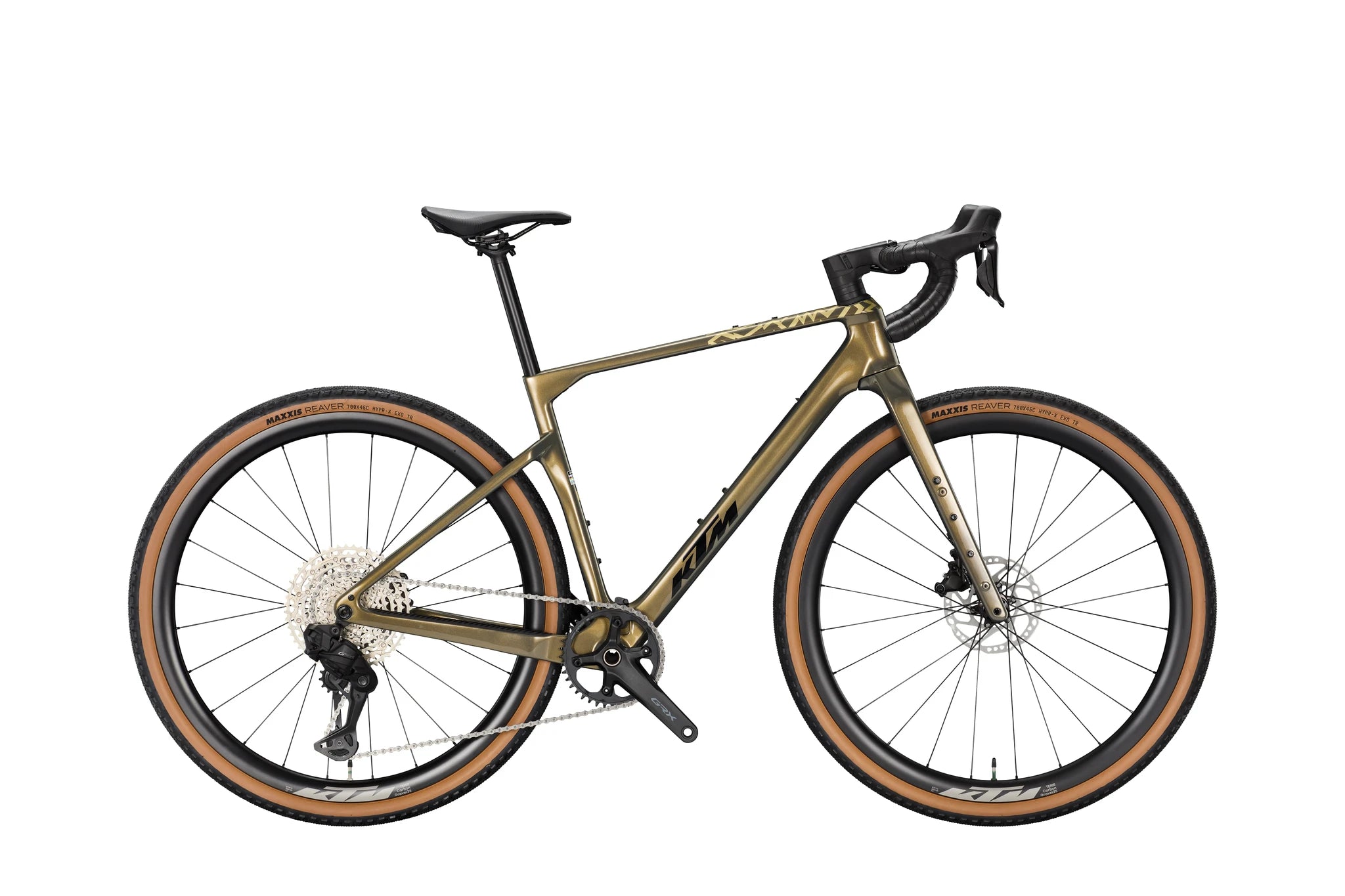
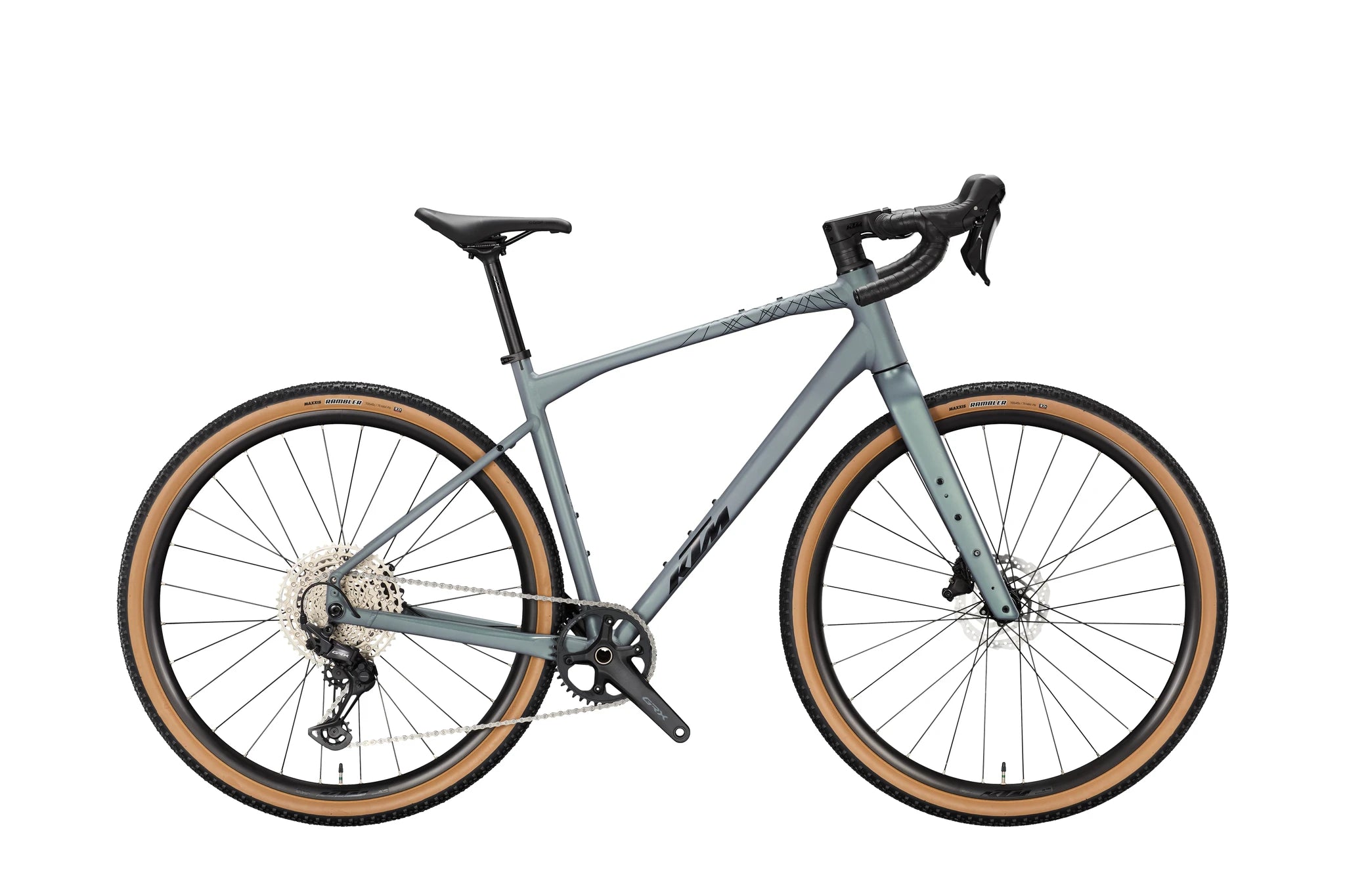


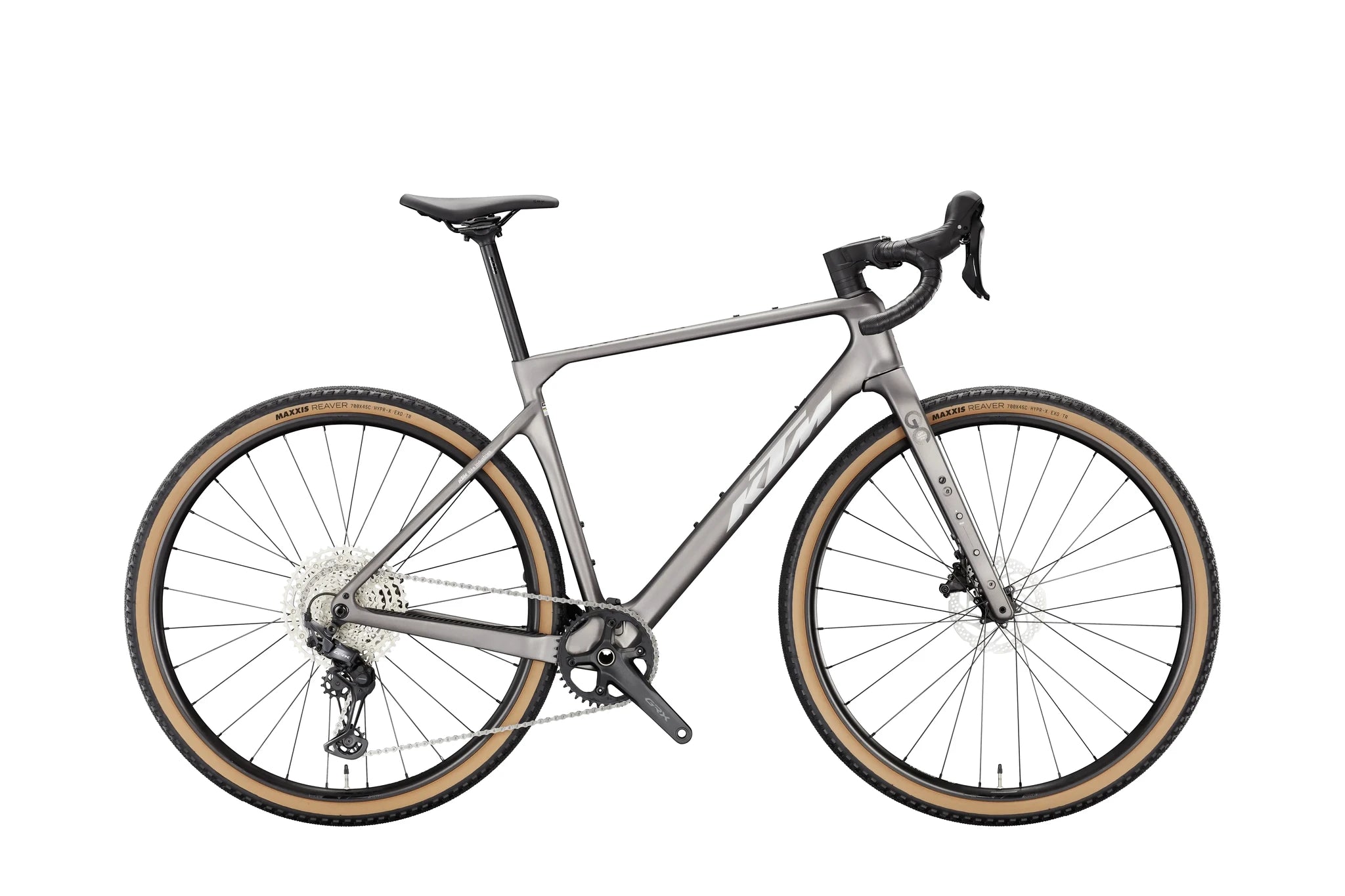
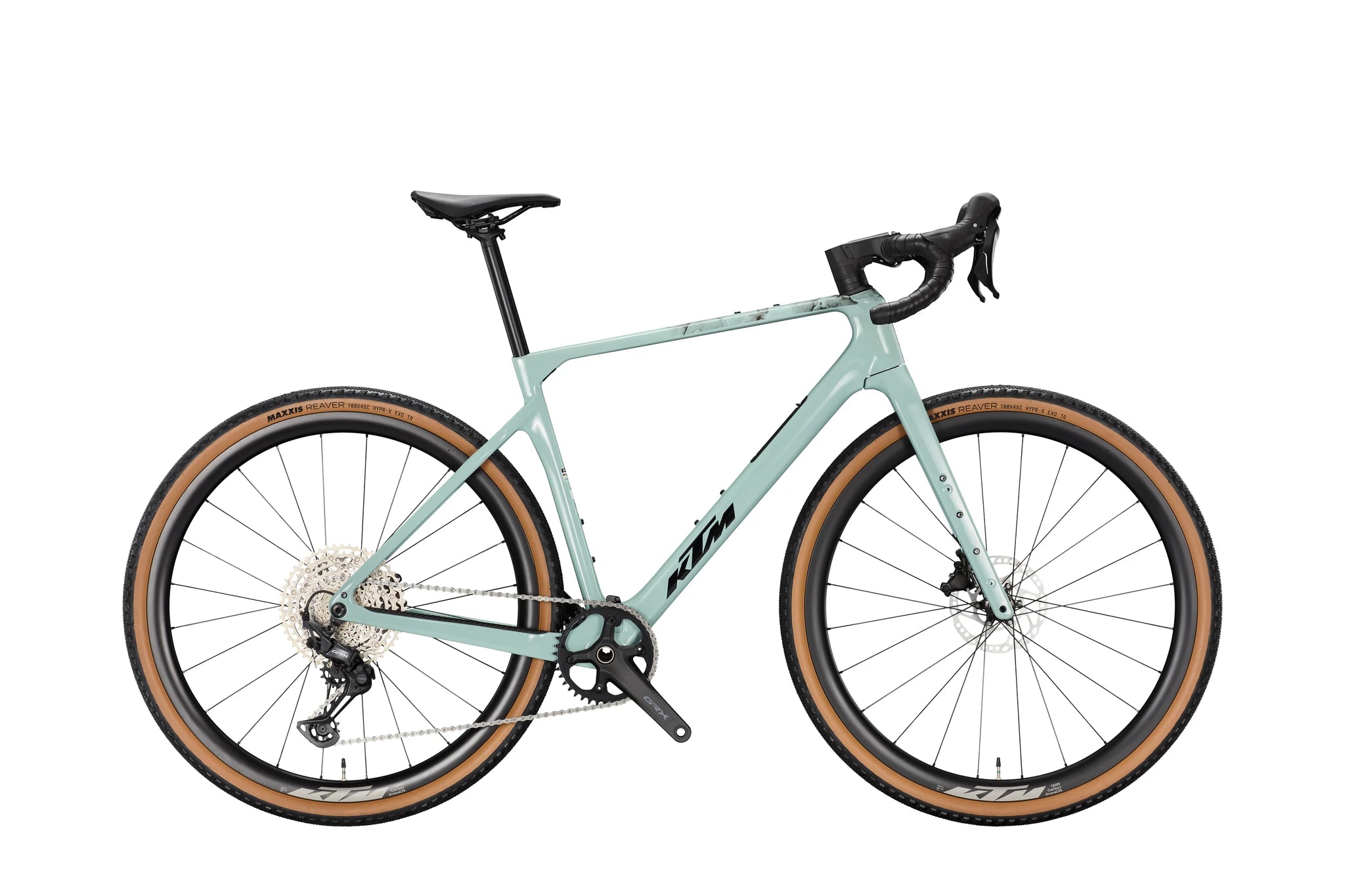
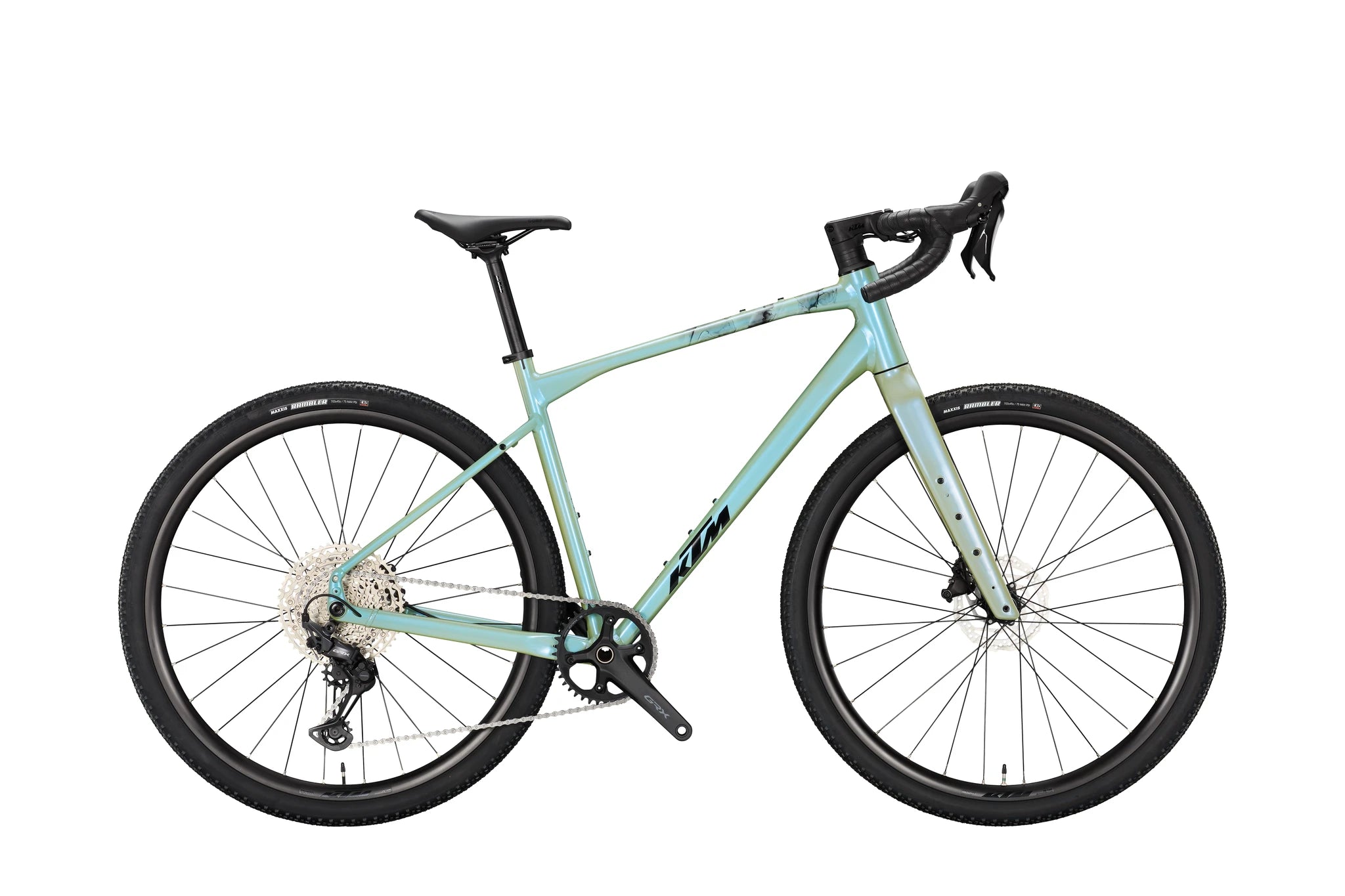
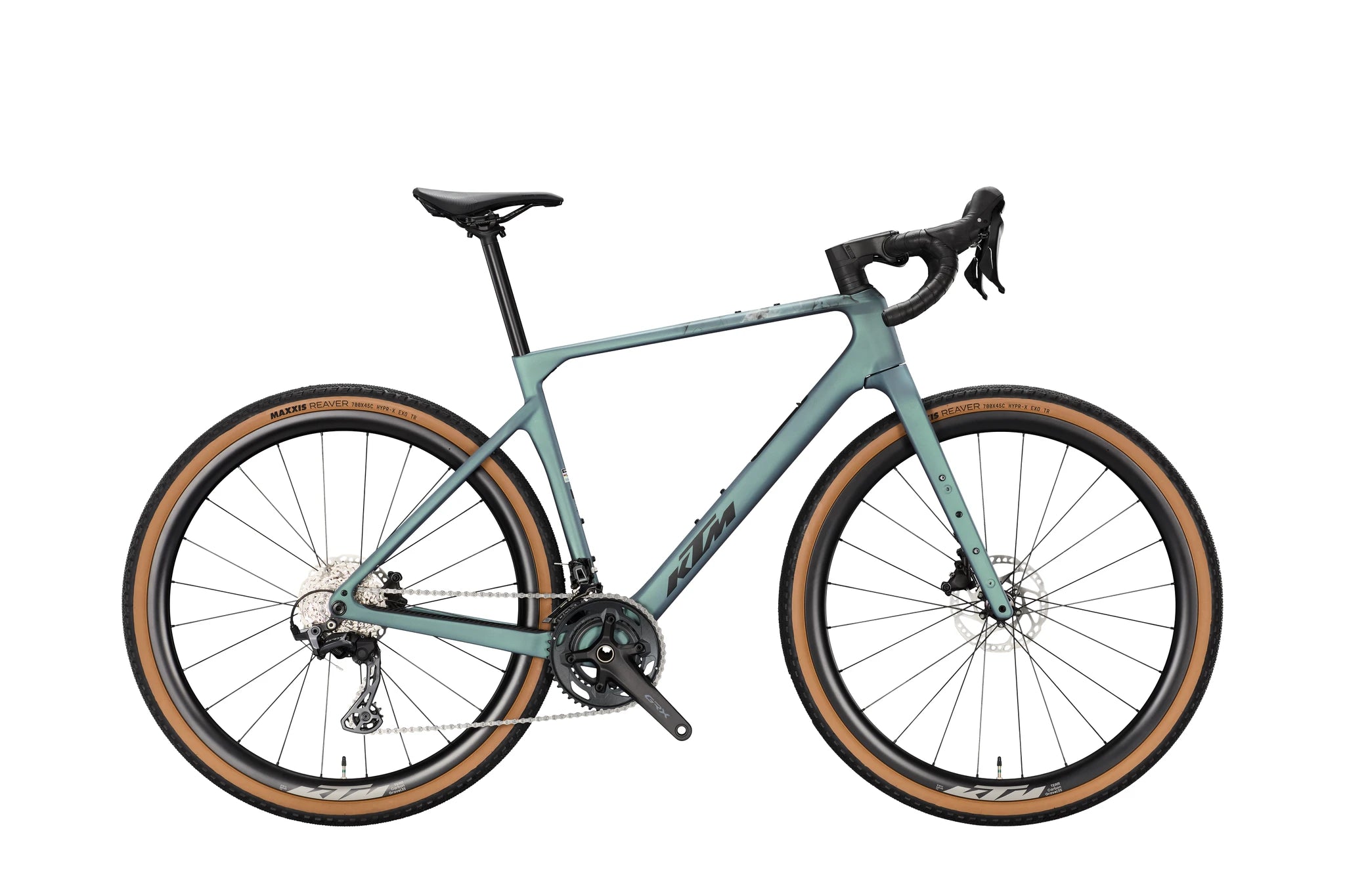
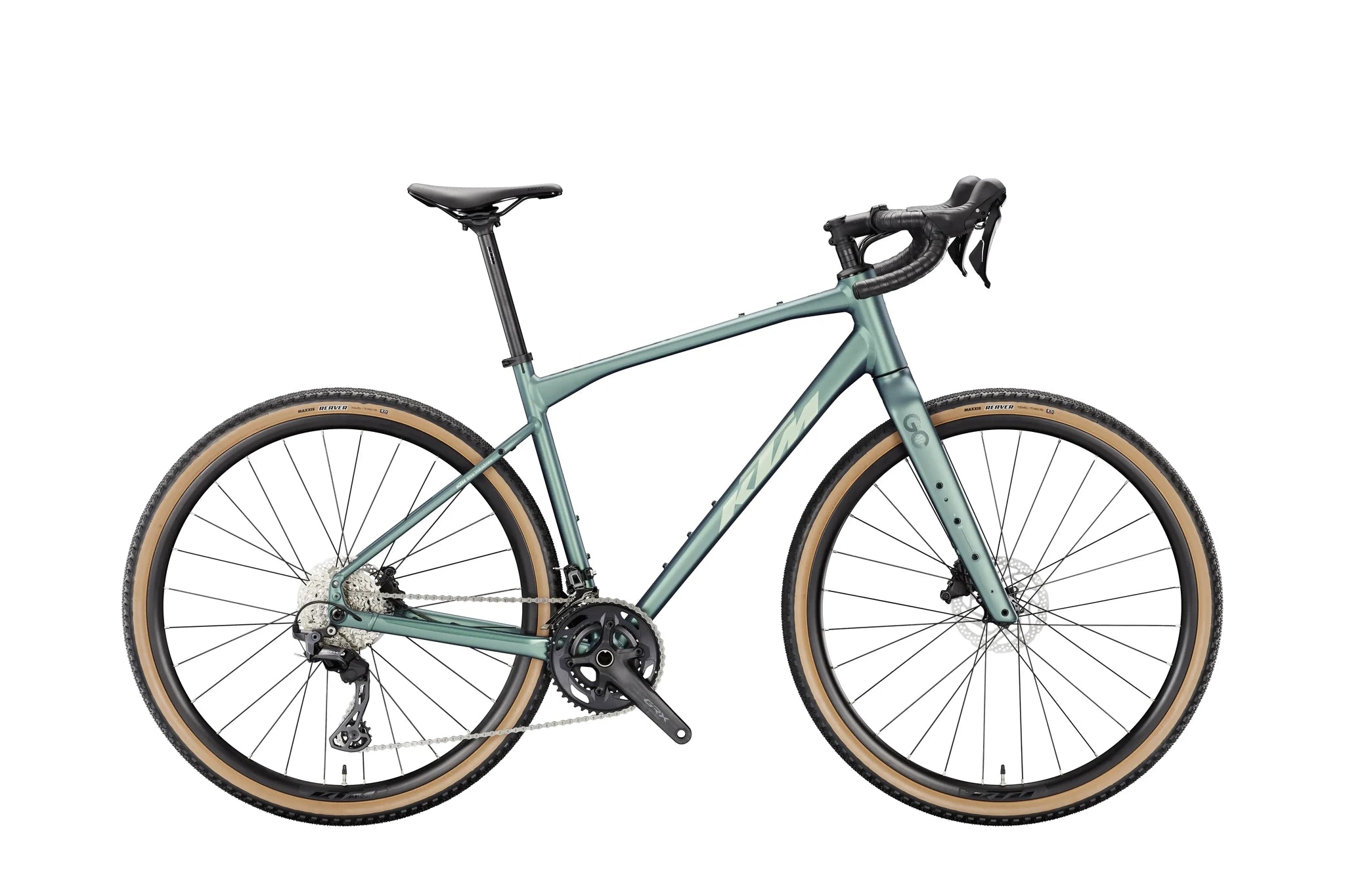


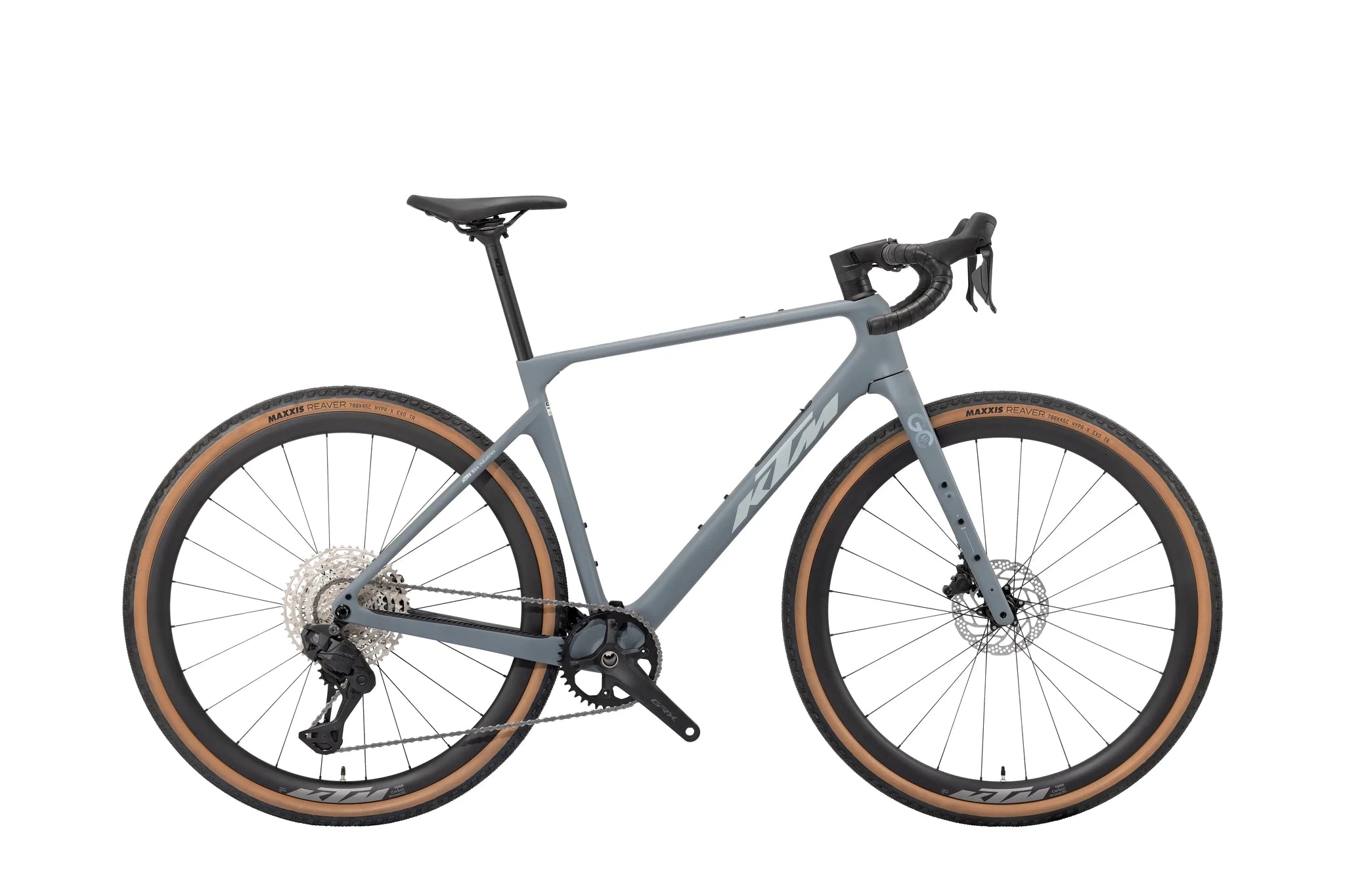


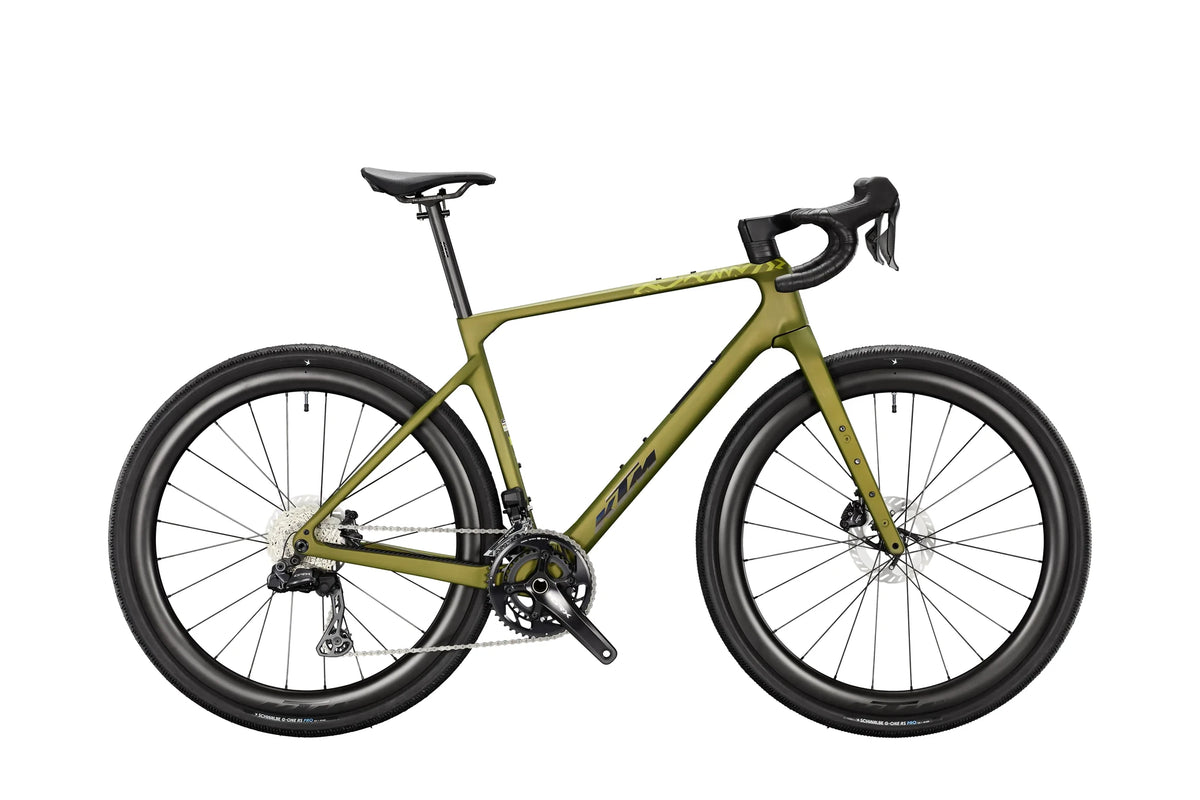
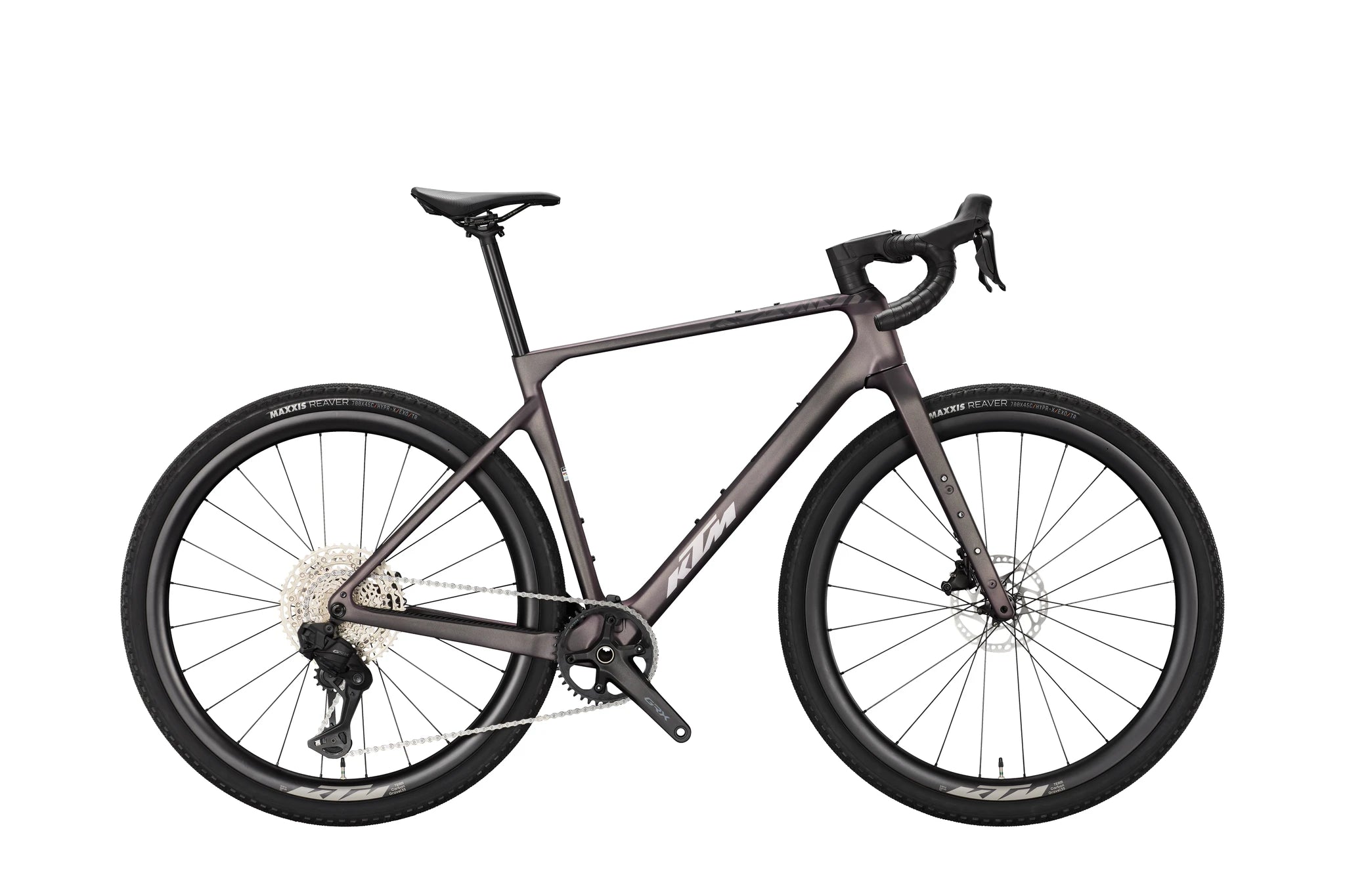
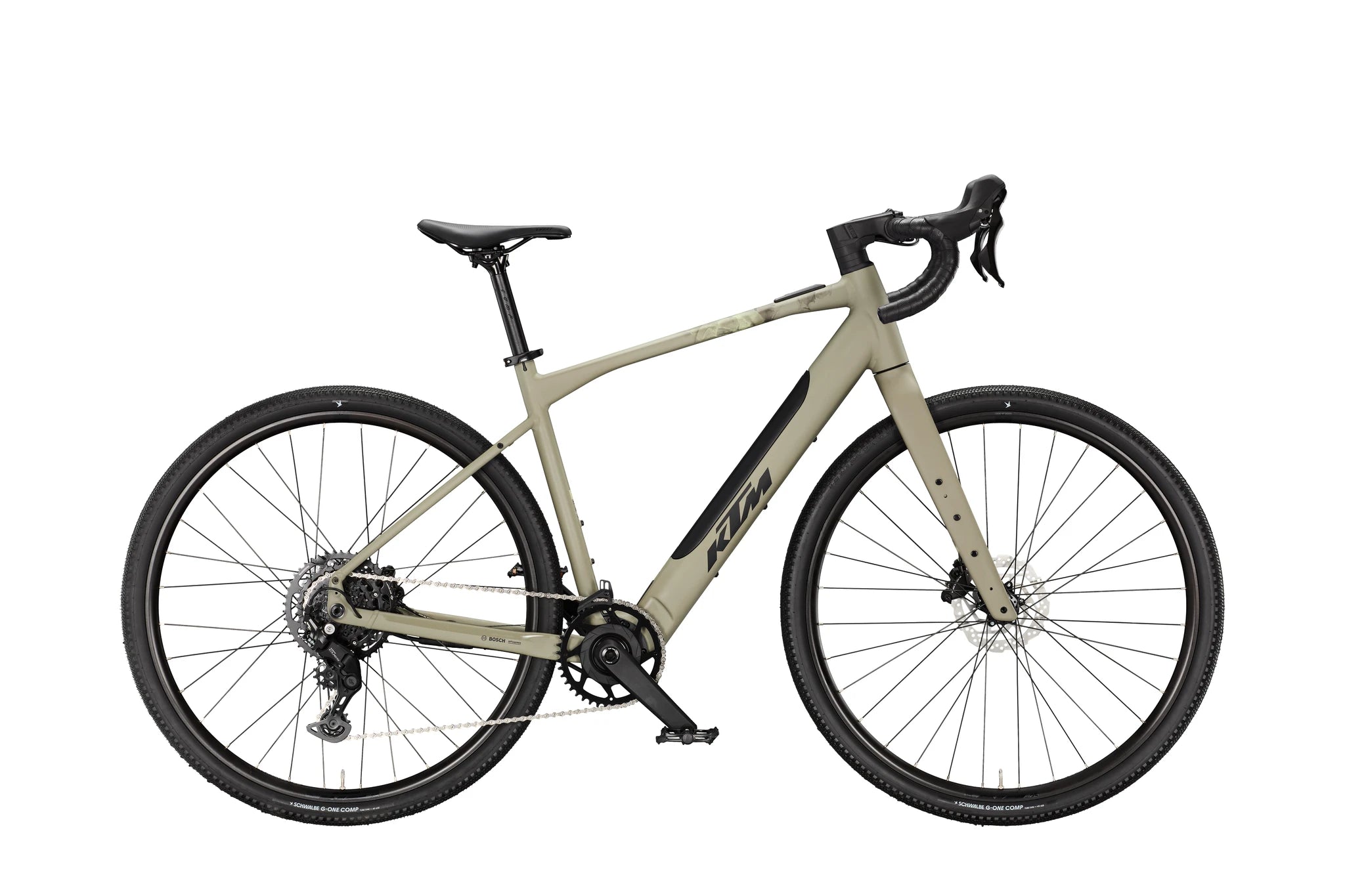
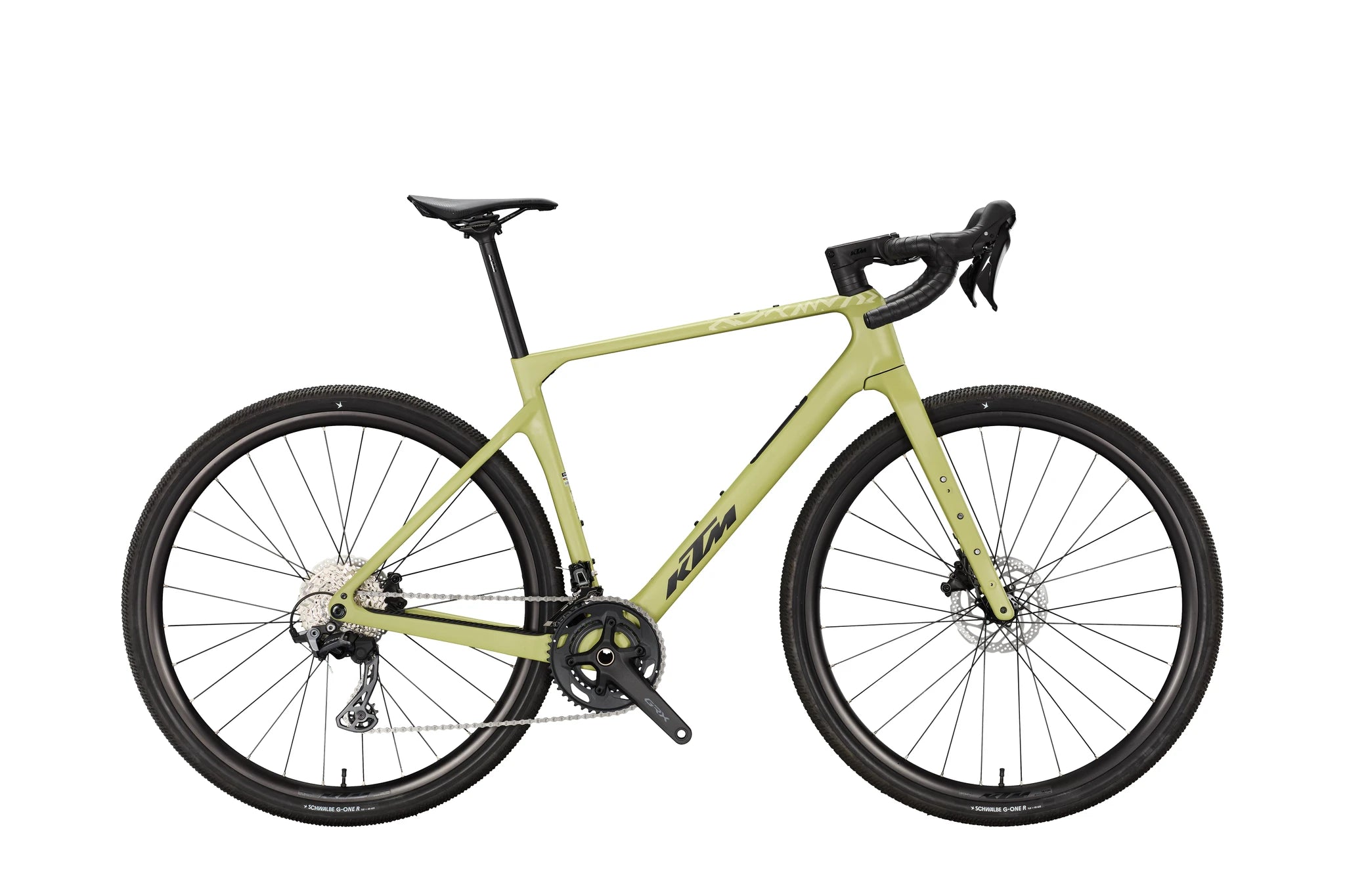
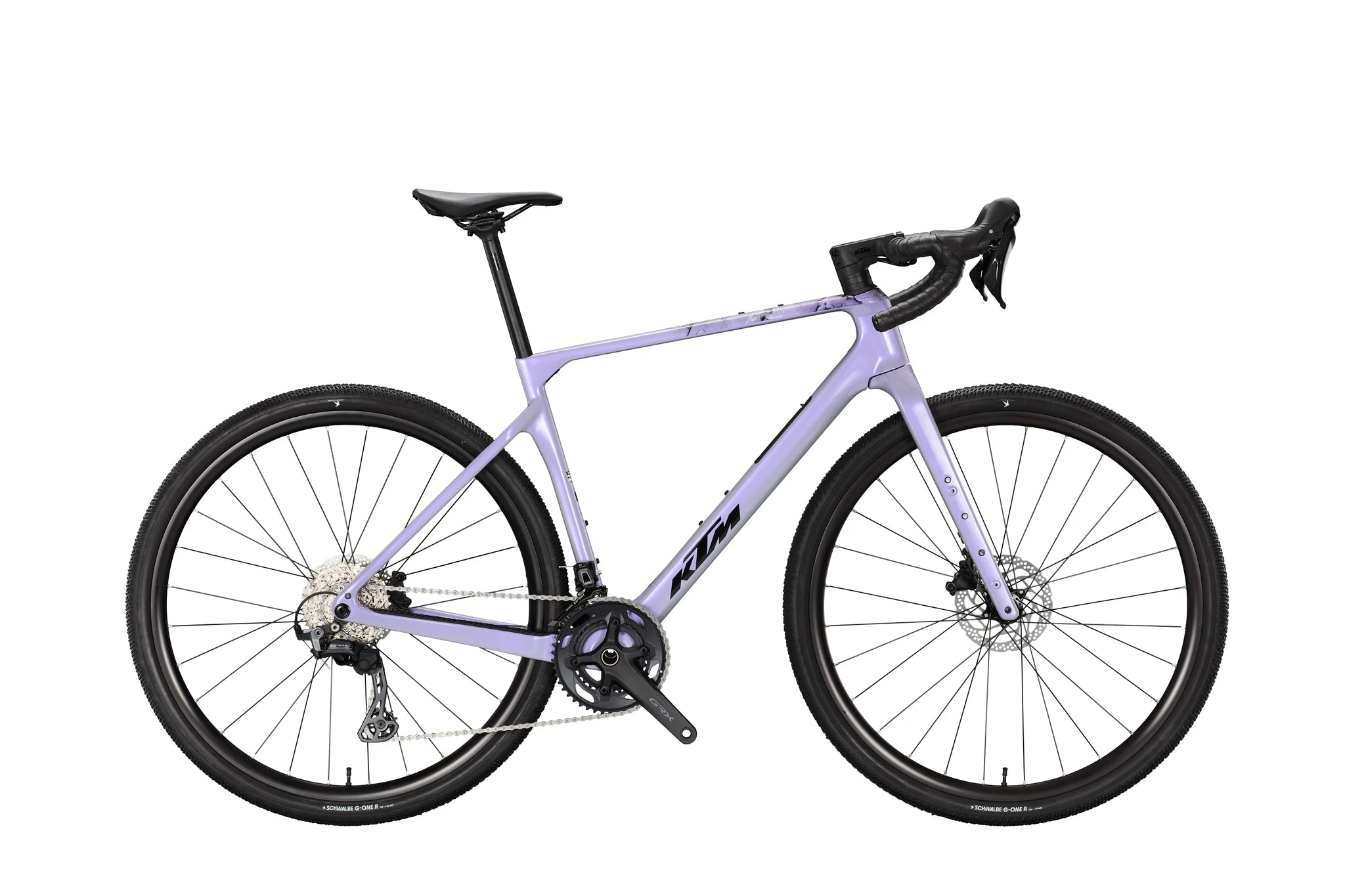
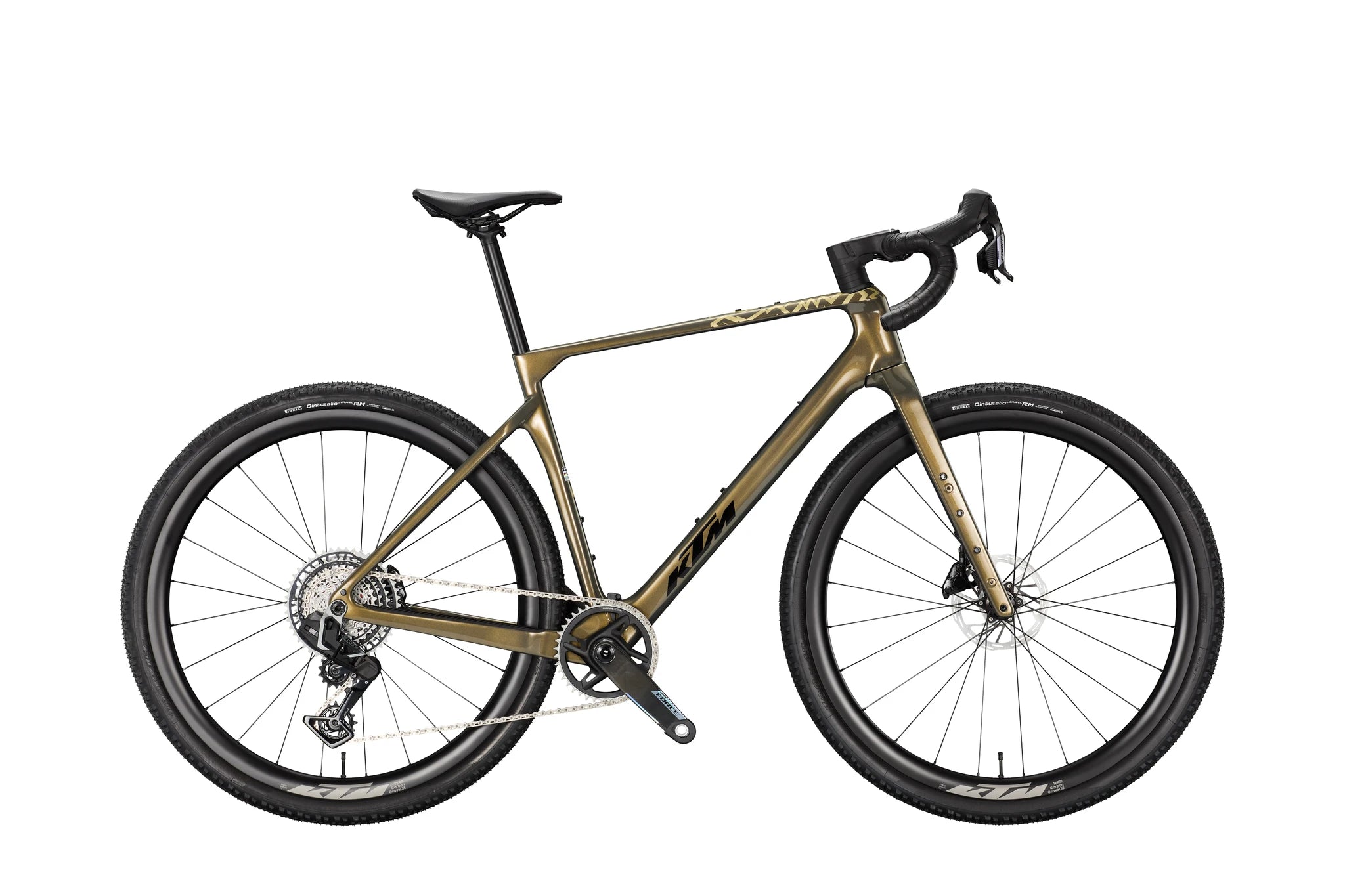
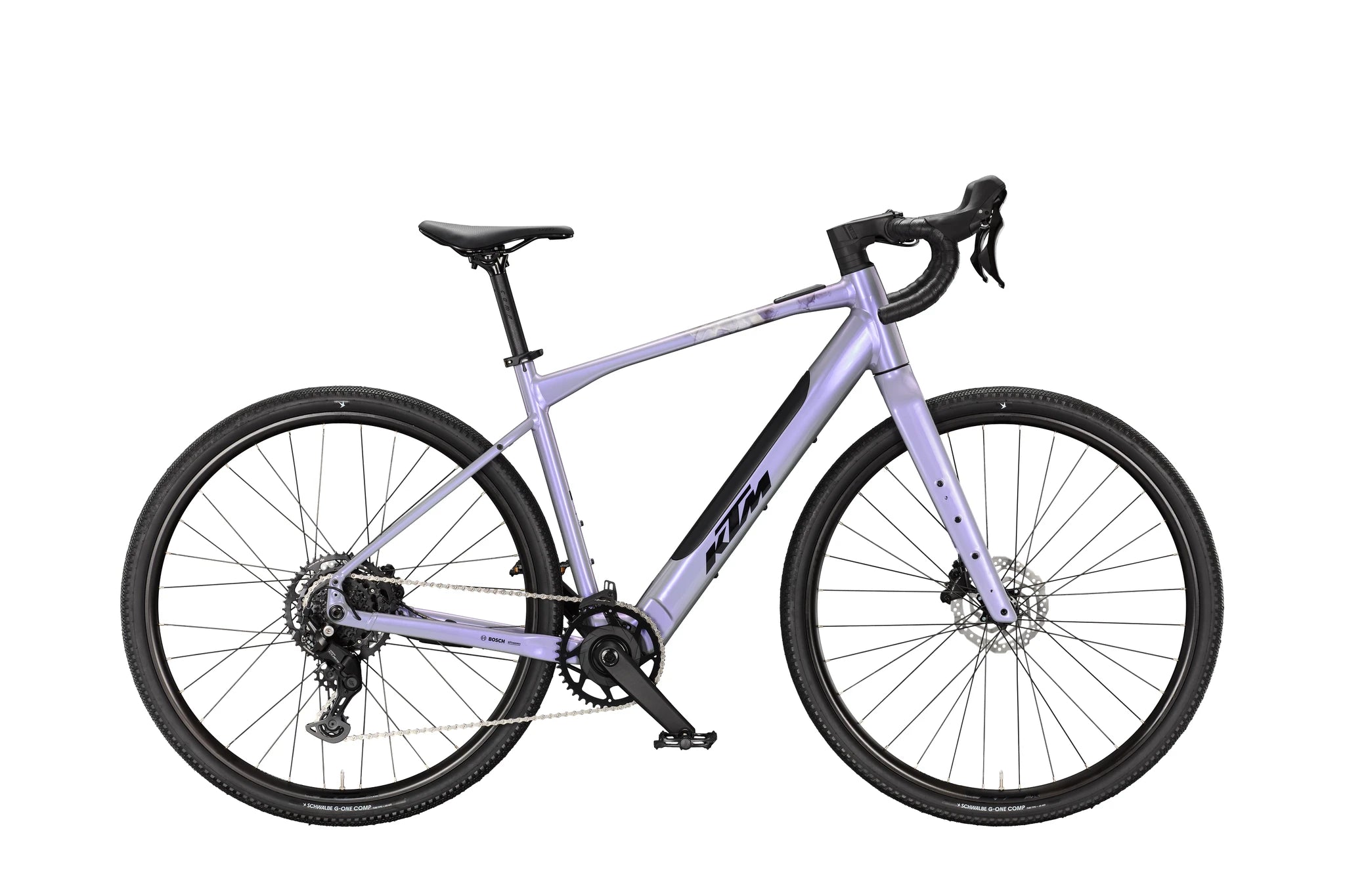
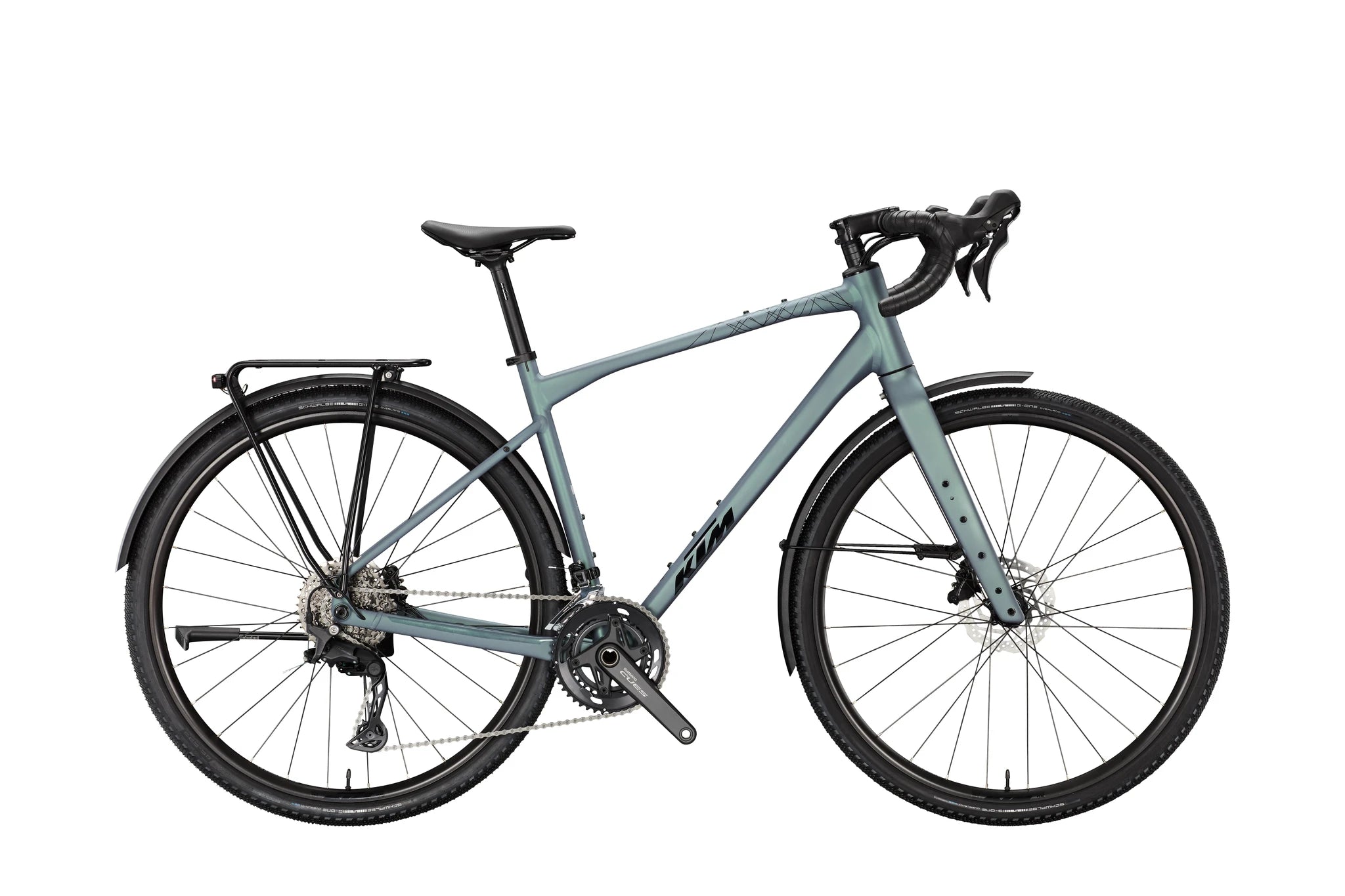
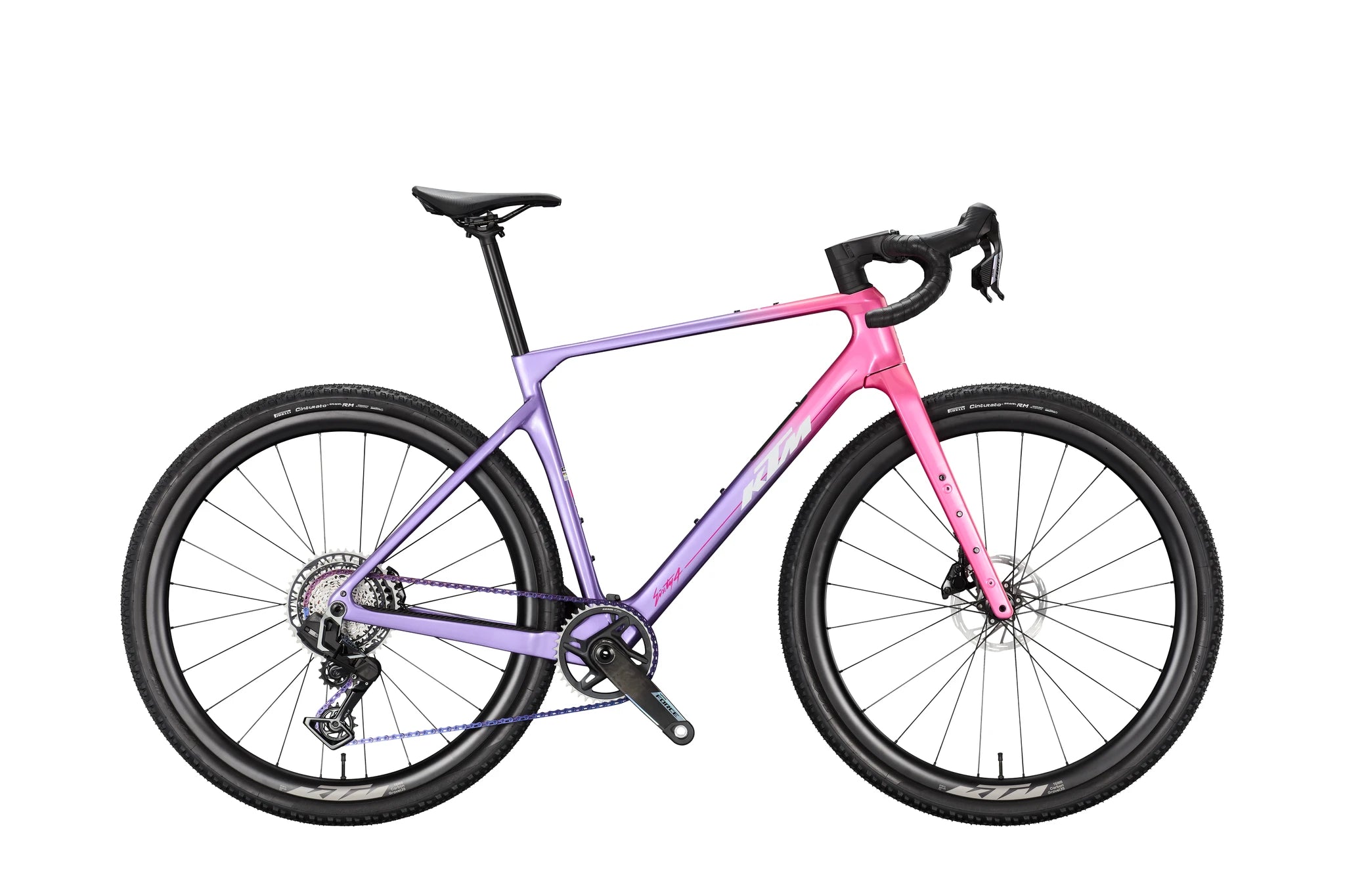
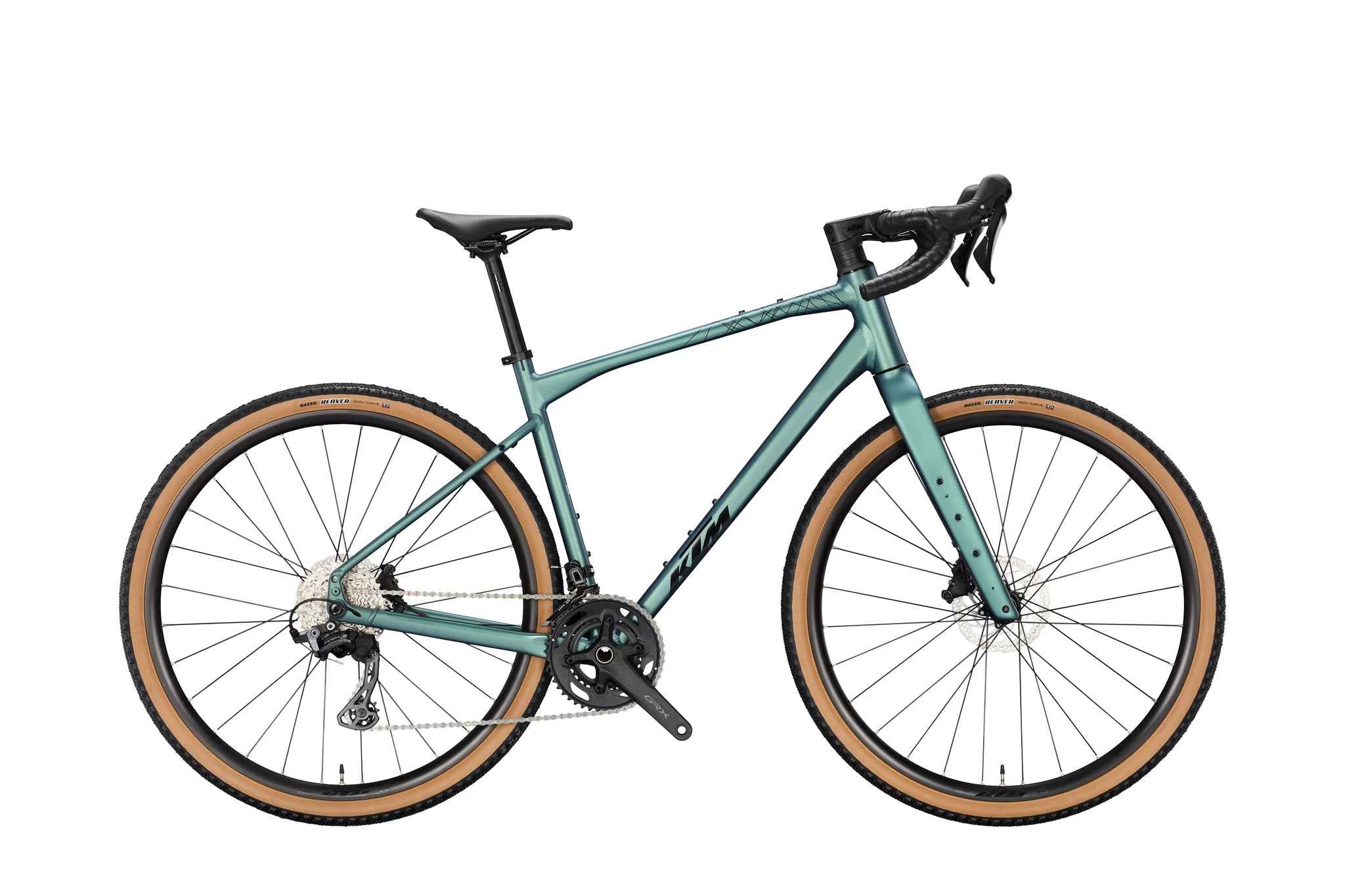
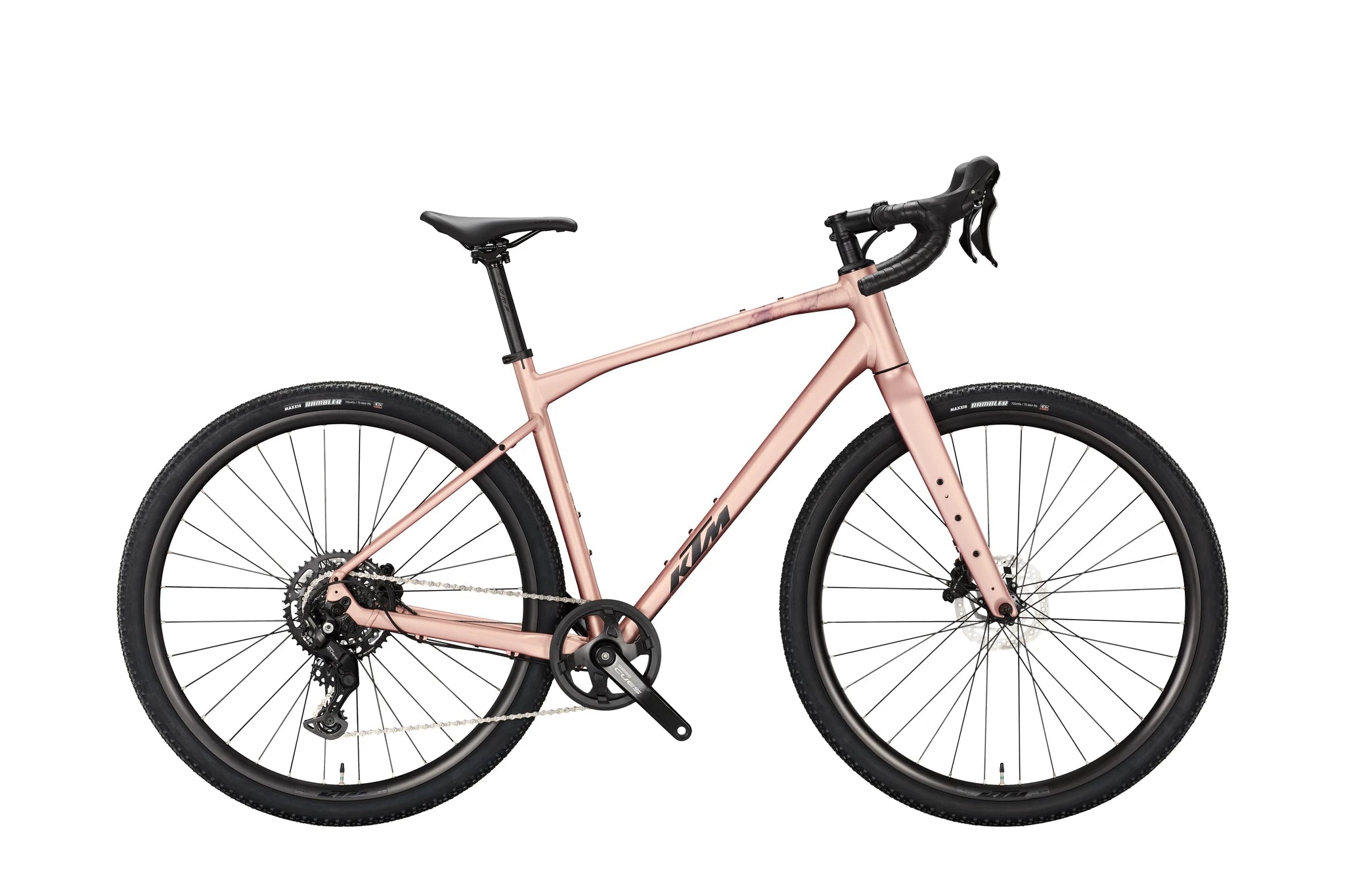
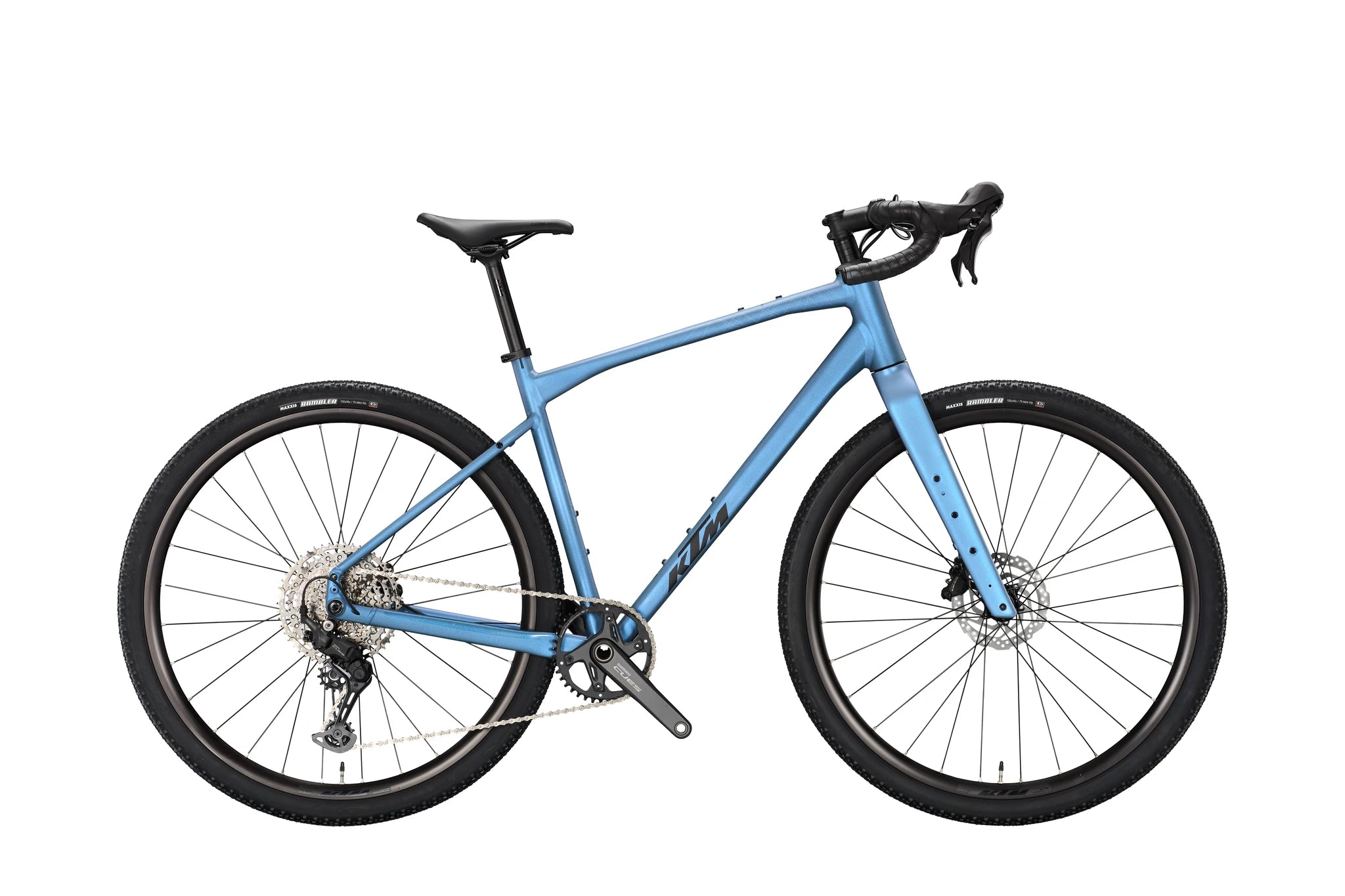
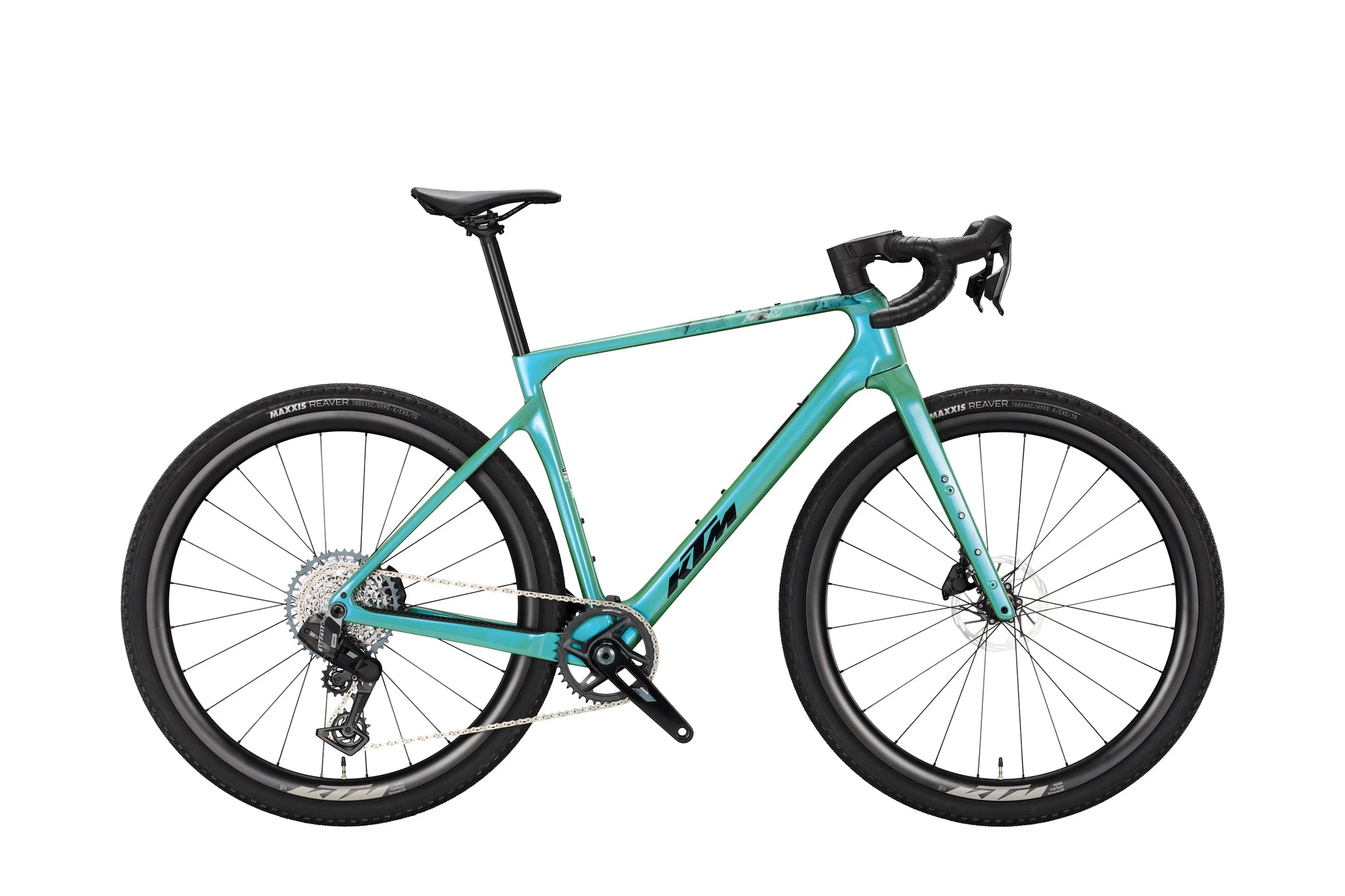
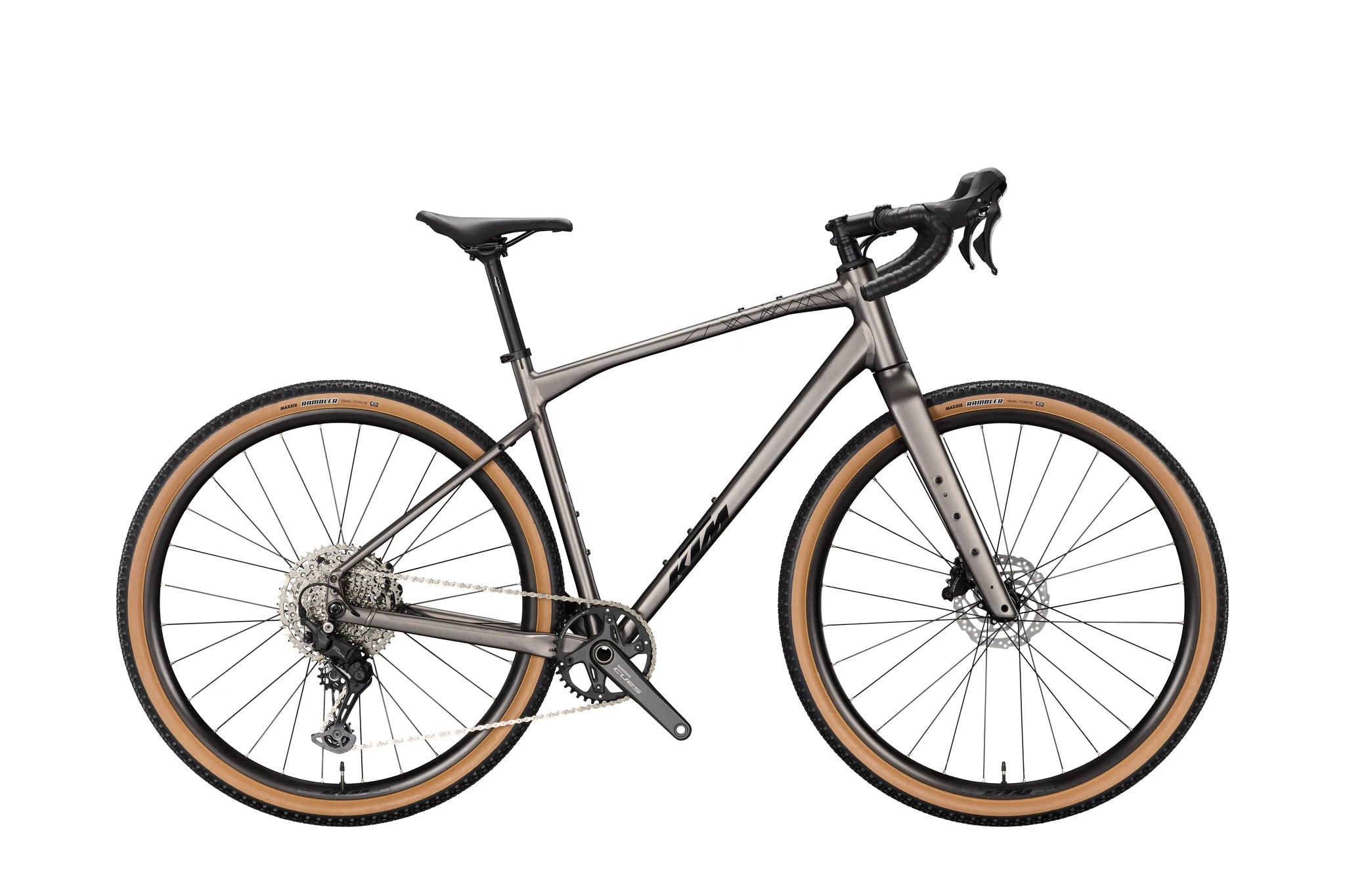
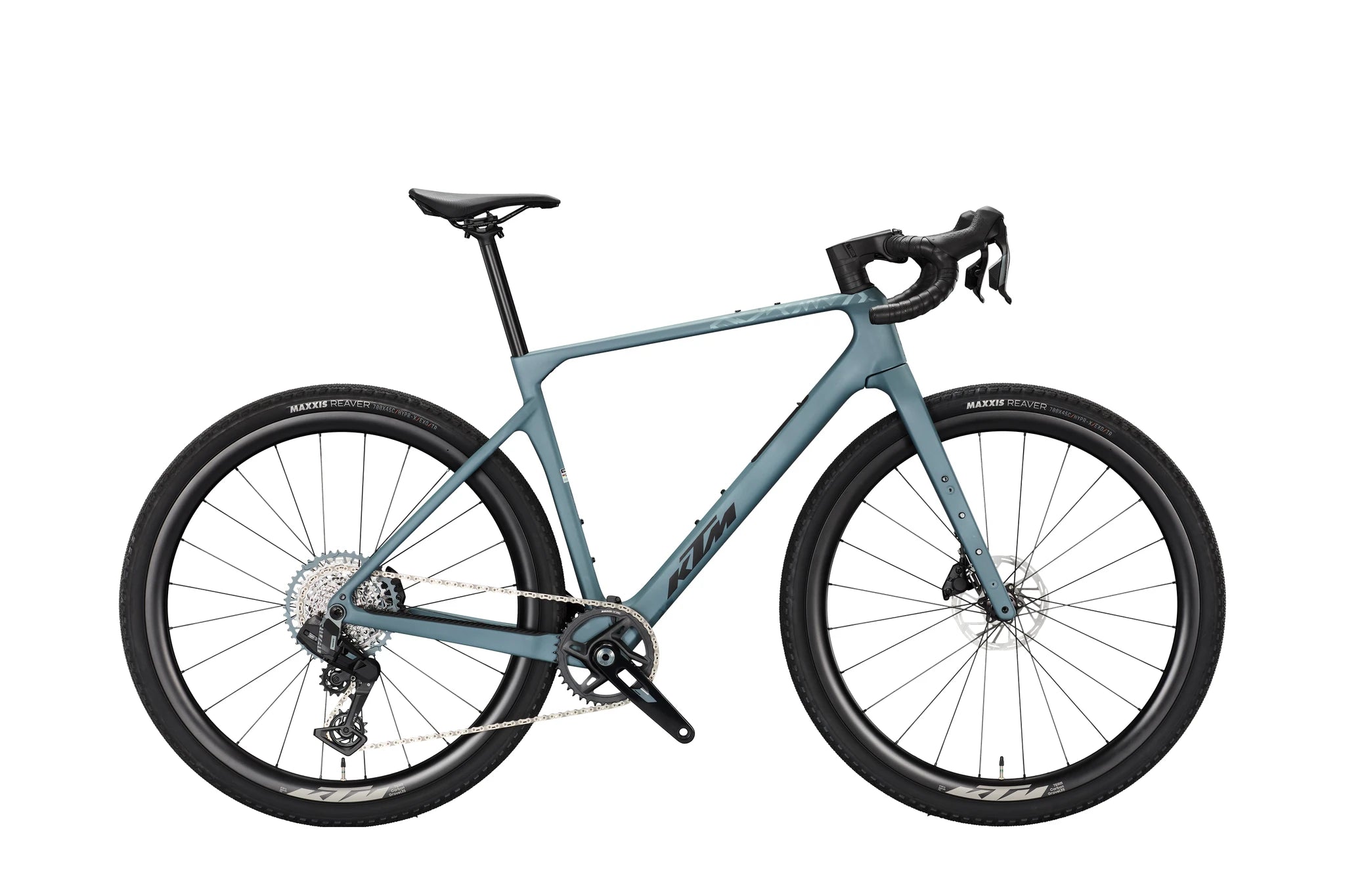
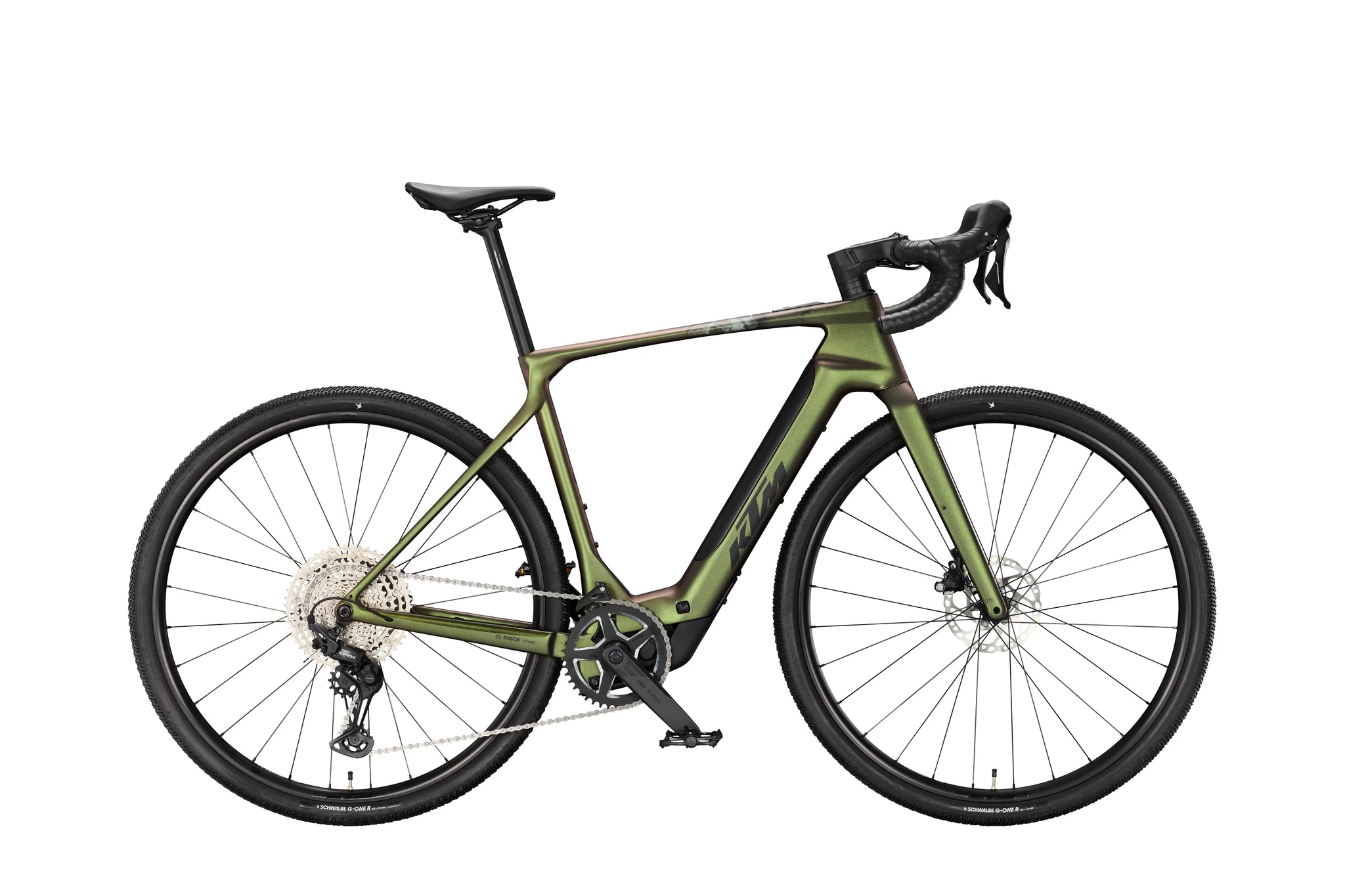
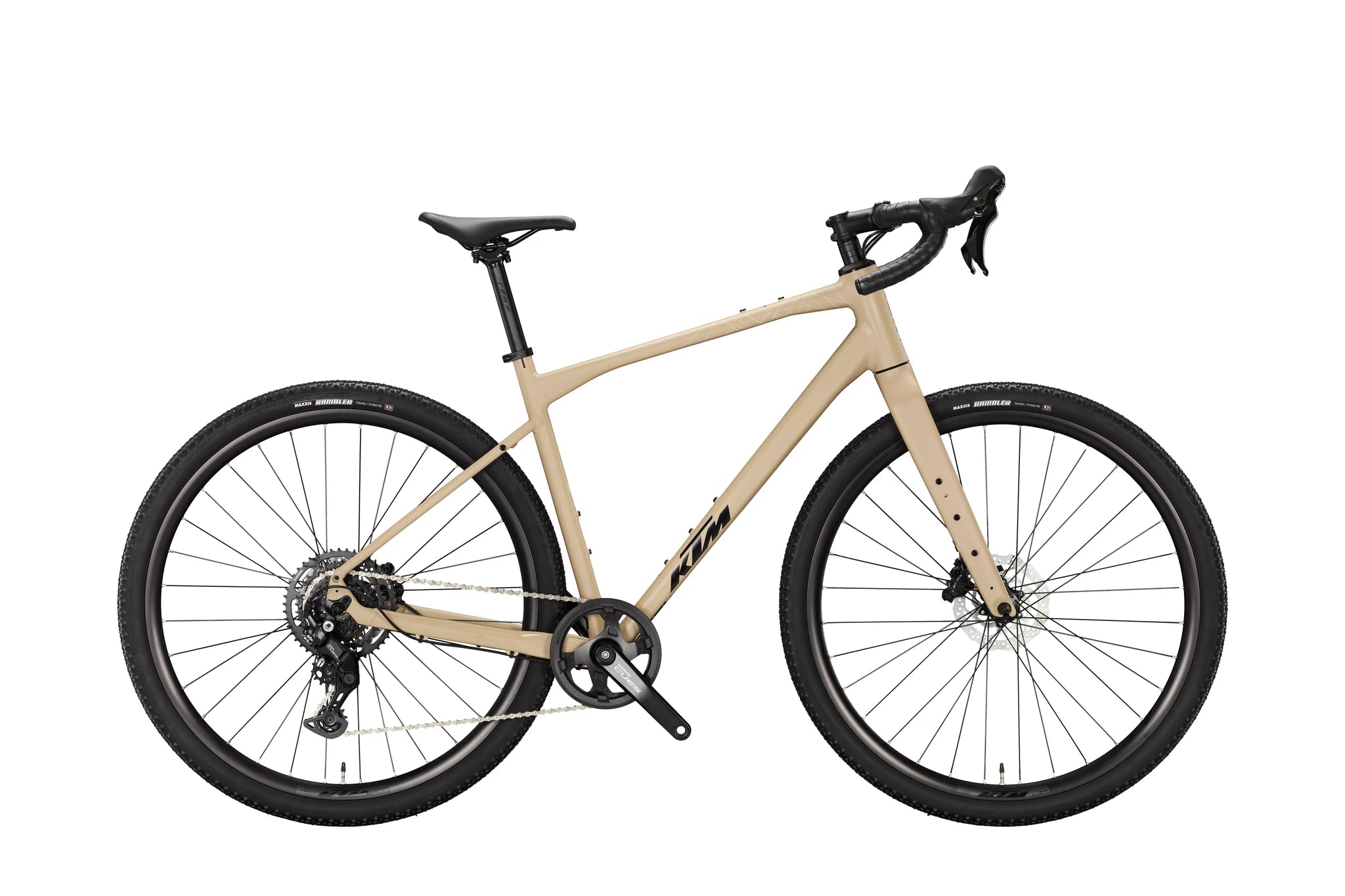
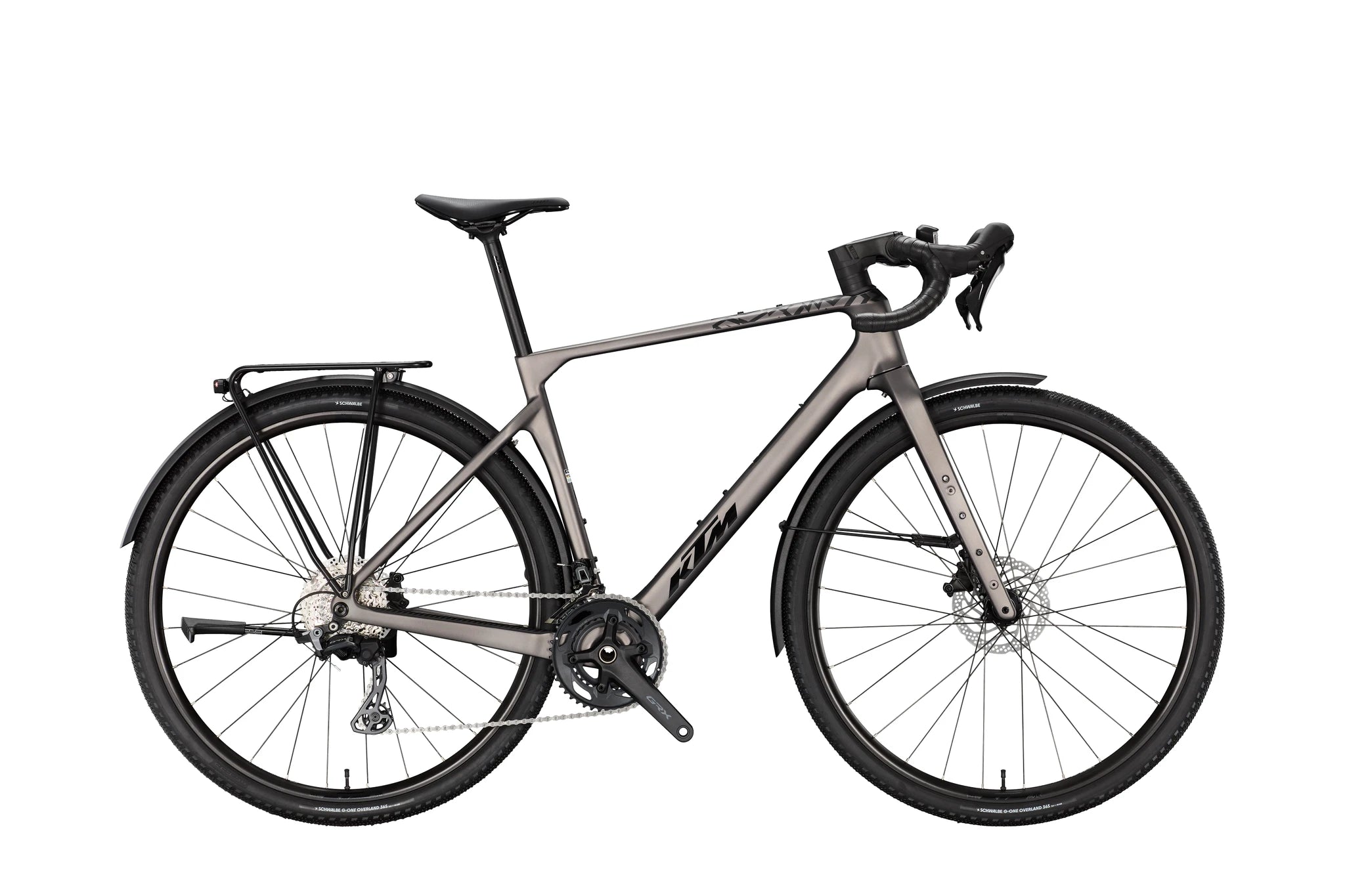
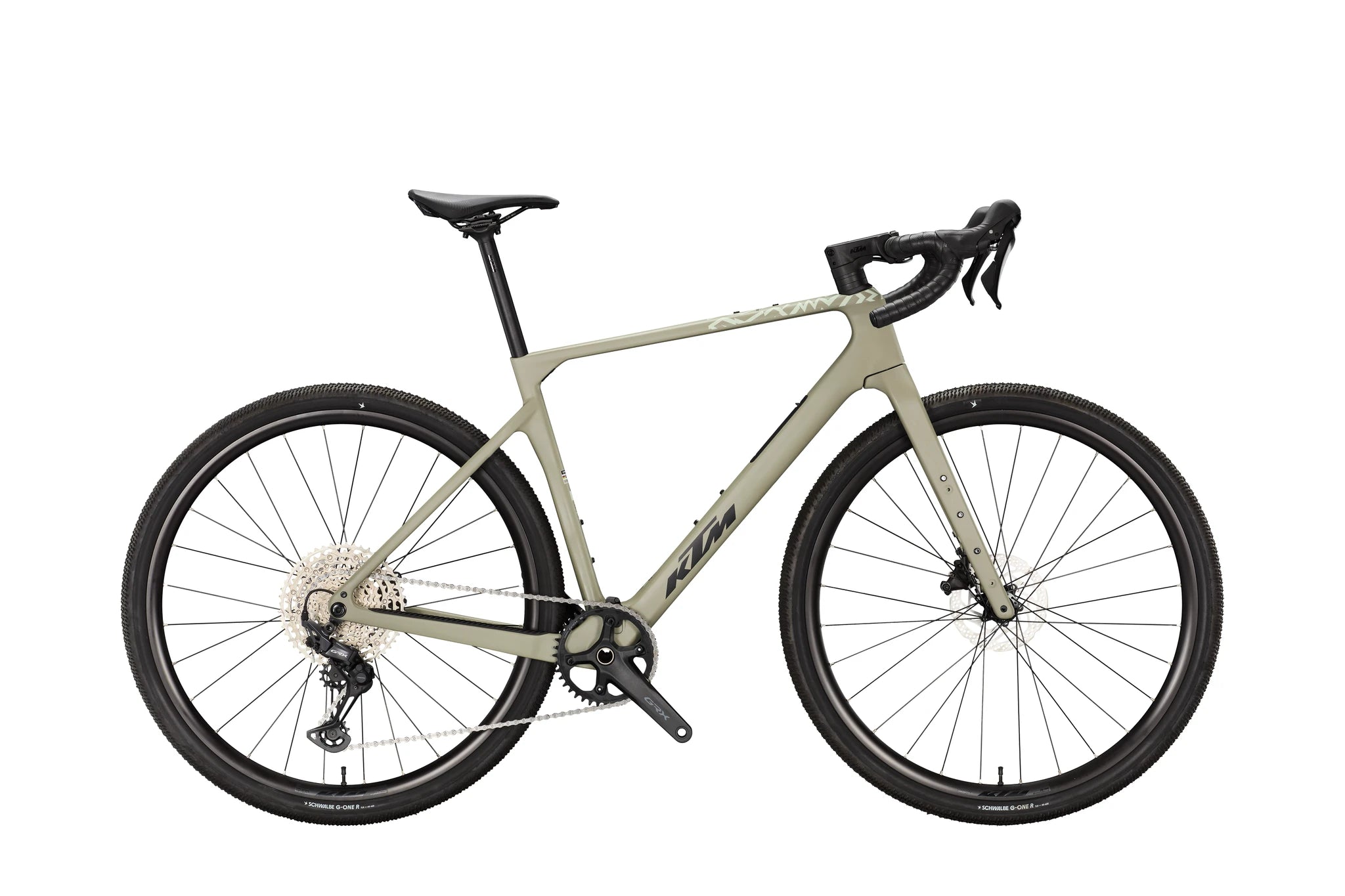
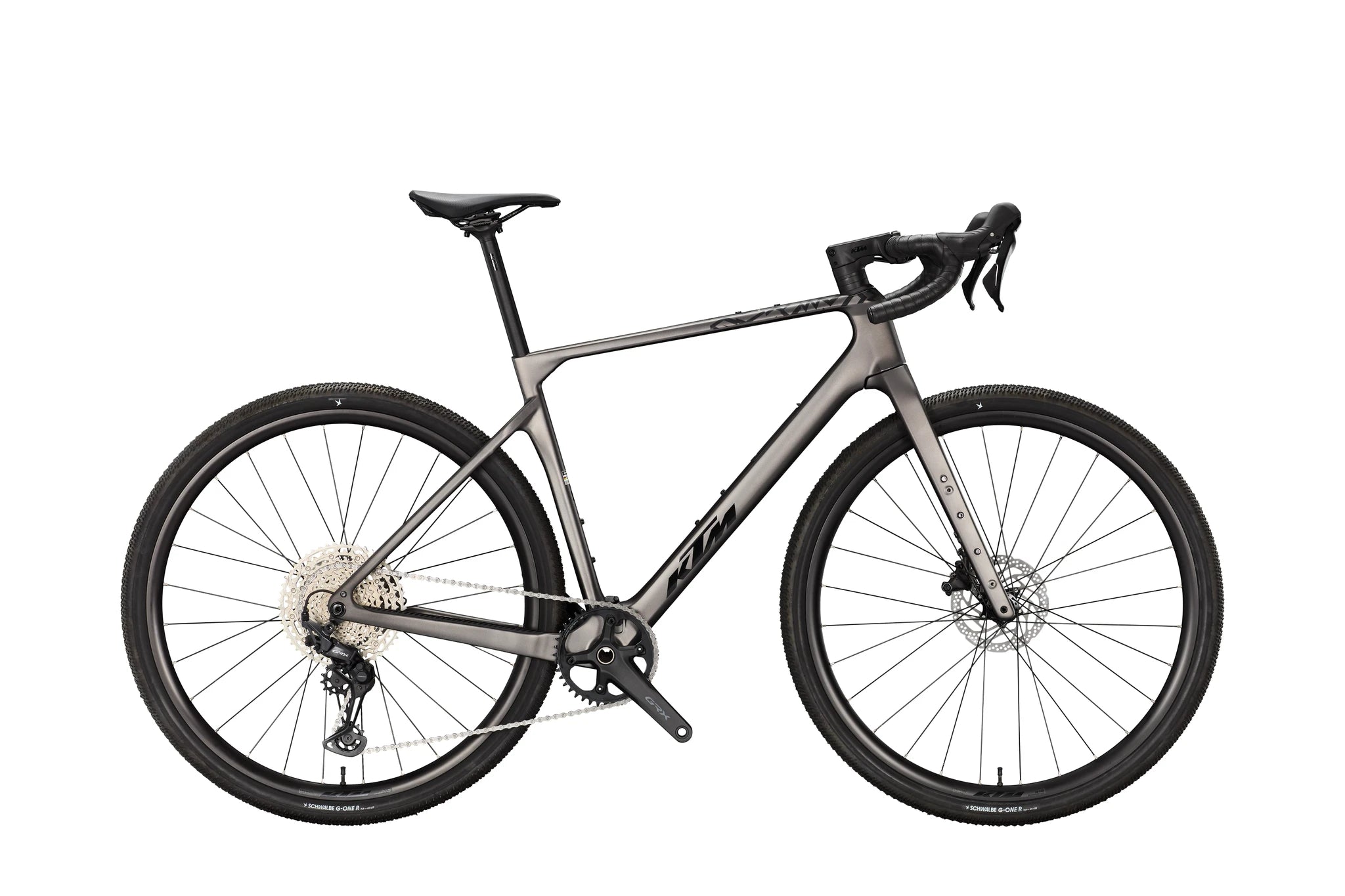
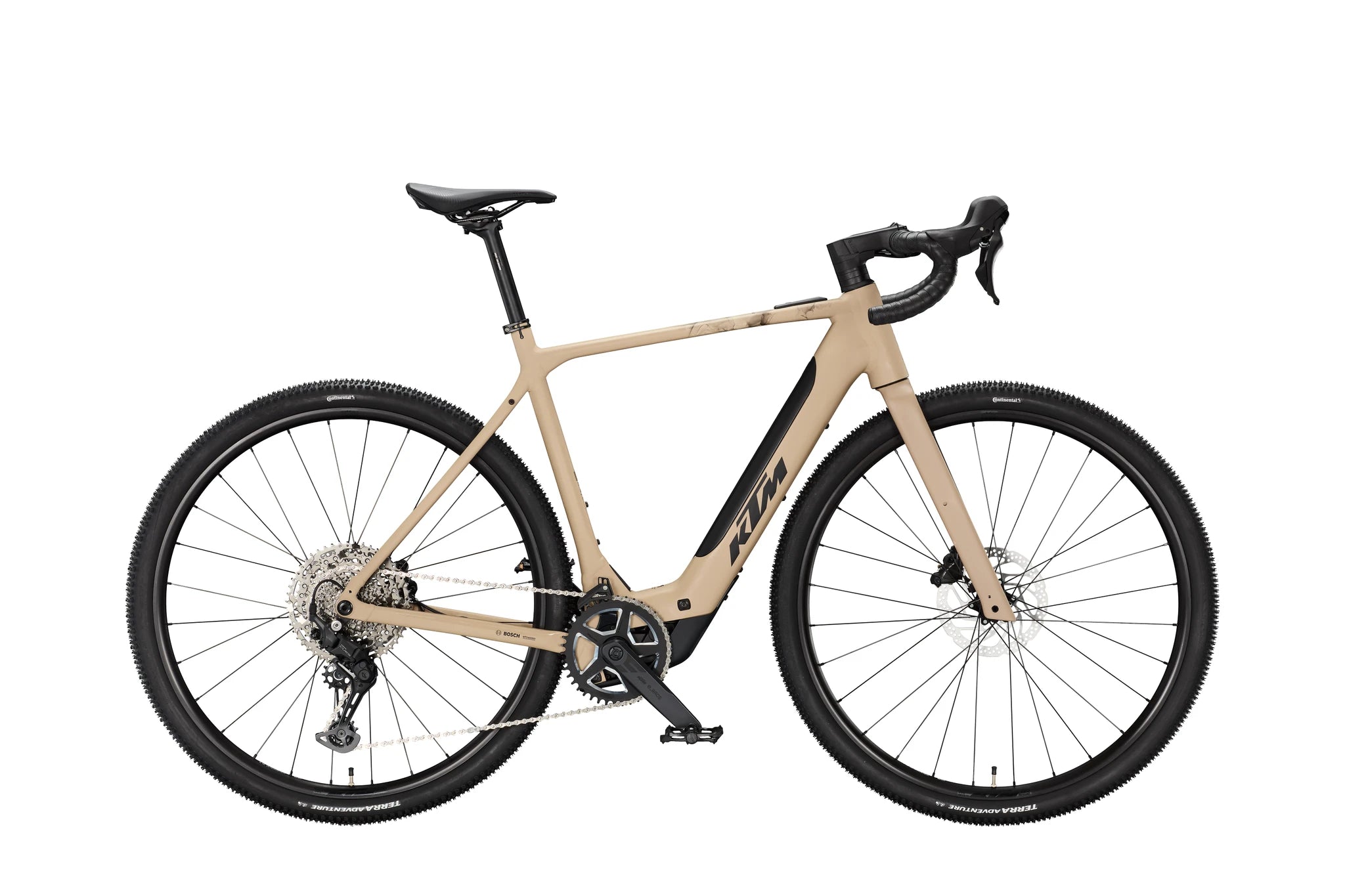
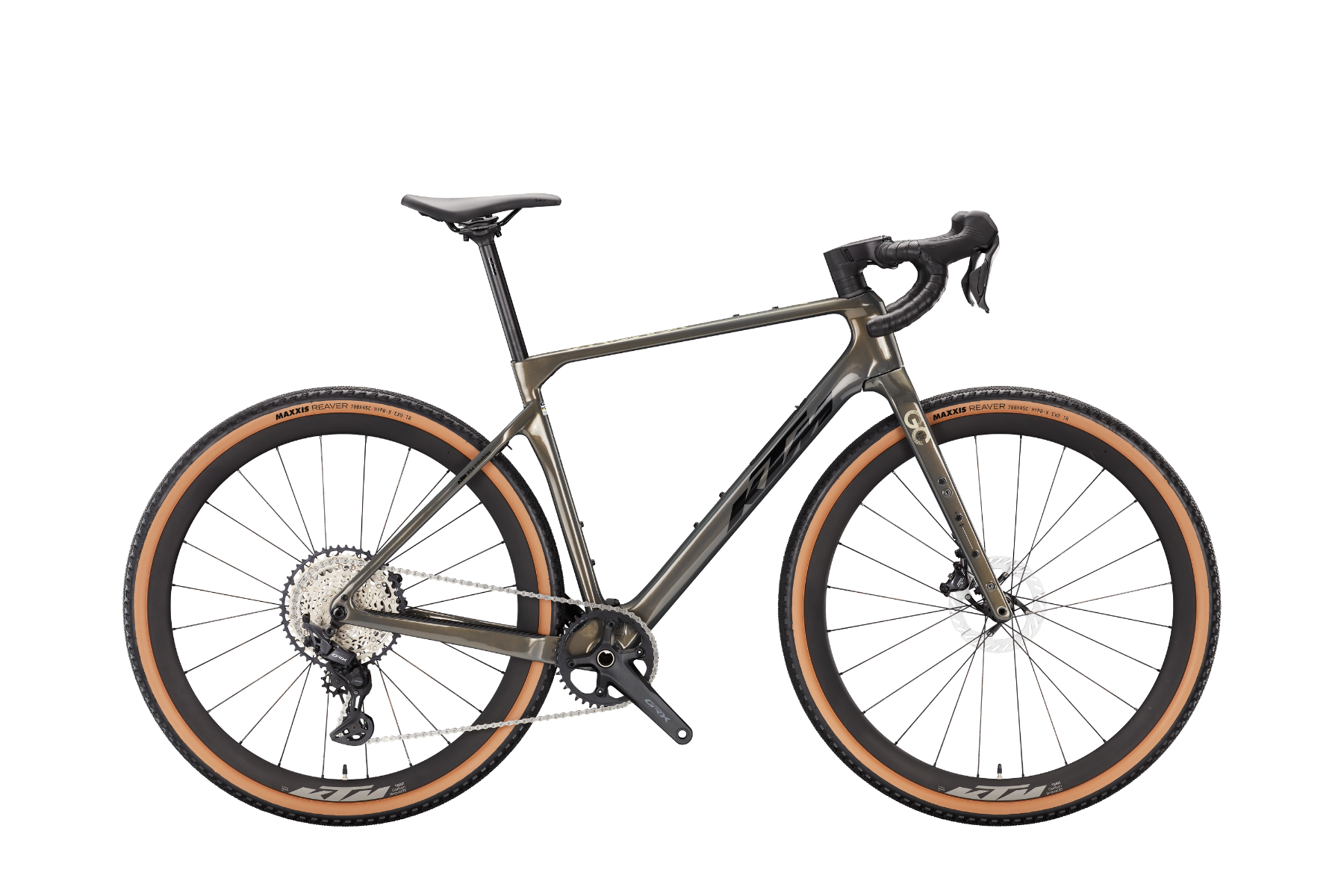
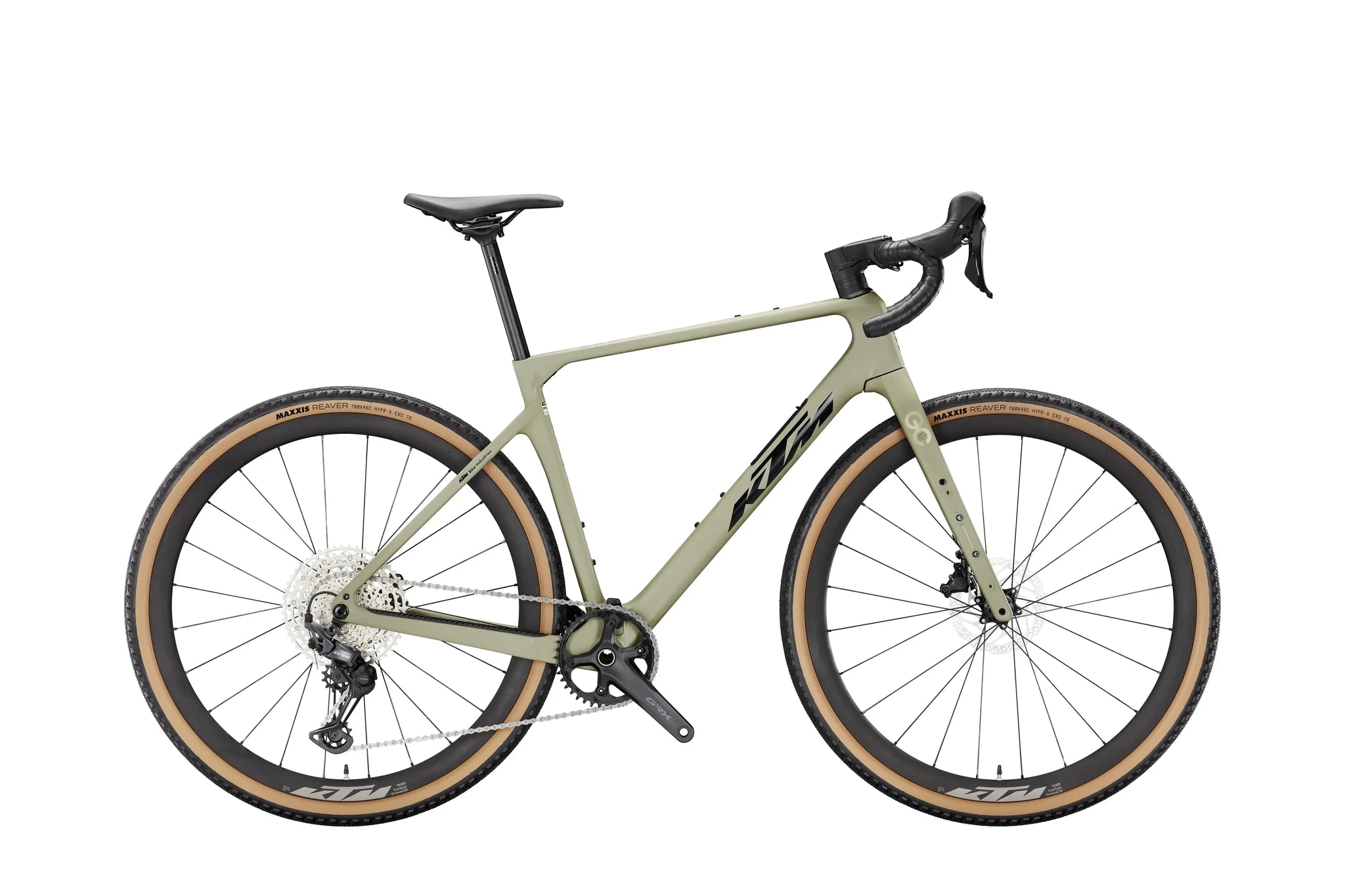

KTM Gravelator: Models, Features and Buying Guide at a Glance
The KTM Gravelator is a versatile gravel bike series for asphalt, gravel roads, and longer tours. The 2027 model range extends from an affordably priced aluminum bike to a lightweight carbon gravel bike with electronic shifting, a power meter, and carbon wheels. This makes KTM appealing to beginners, commuters, bikepacking enthusiasts, and performance-oriented gravel bikers.
Within the series, the models differ primarily in frame material, drivetrain, and wheelset. There are also special LFC versions with lights, mudguards, and a luggage rack. Someone looking for a KTM gravel bike for the daily commute to work therefore needs a different setup than someone who rides fast training laps or long tours with lots of elevation gain.
The Gravelator range takes over the role of the former X-Strada models and covers a wide price spectrum. The aluminum variants start with the Gravelator 30 FIT model. At the top end is the Gravelator Exonic AXS PM with a premium carbon frame and SRAM Red XPLR AXS.
Which KTM Gravelator models are available?
The aluminum range includes the Gravelator 30, 25, 15, 10 and 20 LFC. In addition, there is the Gravelator 30 FIT with flat handlebars and the Gravelator 10 FIT Q’AUTO with electronic shifting. These bikes are aimed primarily at beginners, everyday riders and gravel bikers looking for a durable frame at an affordable price.
The carbon models start with the Gravelator Pro. These are followed by the Elite, Master, Prime, Prestige, Supreme and Exonic levels. Within these model levels, different drivetrain concepts are available to choose from. The designations 2x, Di2, AXS and PM indicate two chainrings, electronic Shimano shifting, wireless SRAM shifting and a power meter.
| Model | Frame material | Drivetrain | Braking system | Weight (approx.) | Best suited for |
|---|---|---|---|---|---|
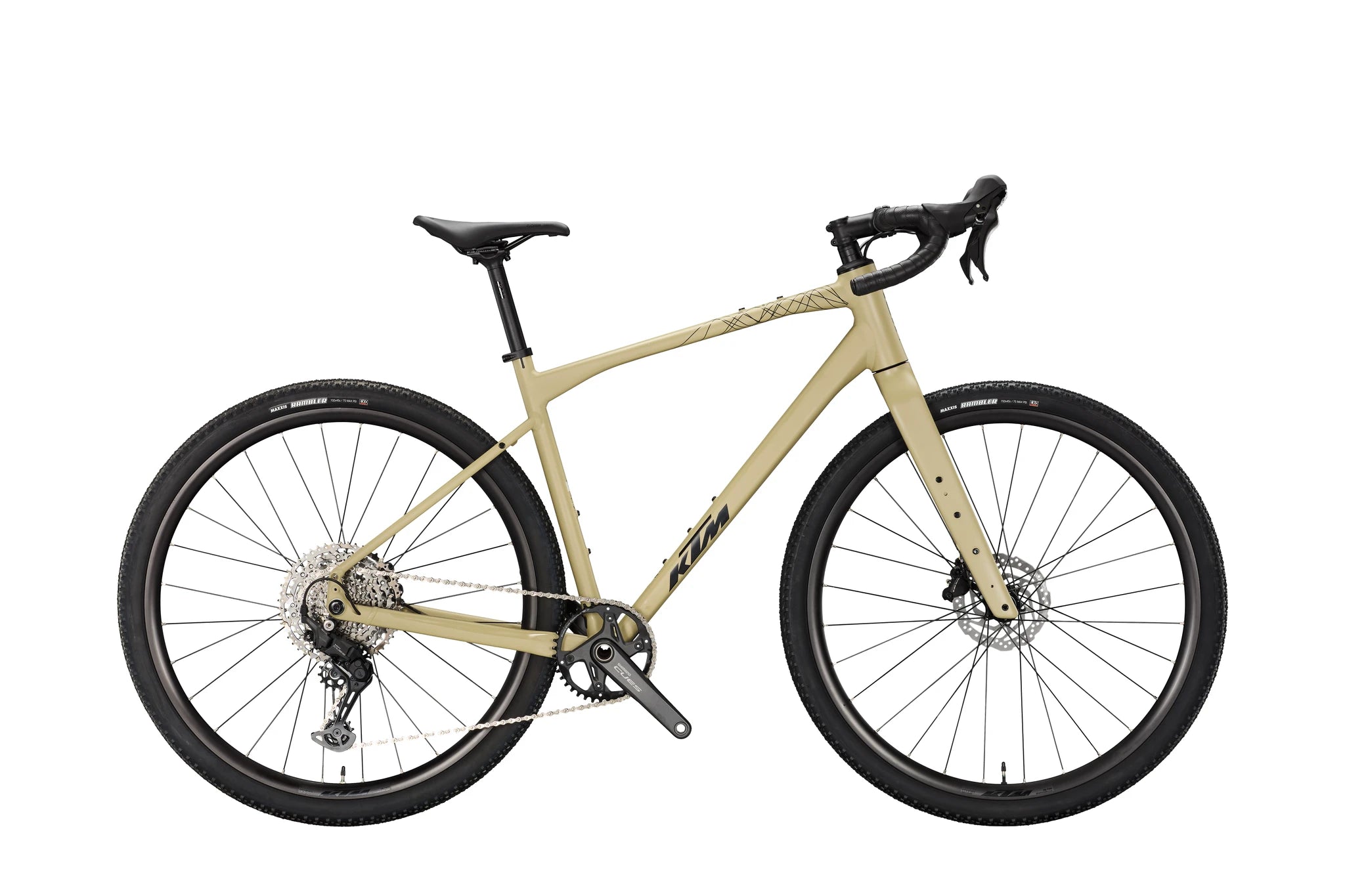
| Gravelator 30 | Aluminum | Shimano CUES 1x9 | Hydraulic disc brake | approx. 12.4 kg | Budget-friendly entry-level and leisure tours |
| Gravelator 30 FIT | Aluminum | Shimano CUES 1x9 | Hydraulic disc brake | approx. 12.5 kg | Everyday riding and gravel with flat handlebars |
| Gravelator 25 | Aluminum | Shimano CUES 1x11 | Hydraulic disc brake | approx. 12.2 kg | Entry-level with wide gear range |
| Gravelator 15 | Aluminum | Shimano GRX 1x12 | Hydraulic disc brake | approx. 12.0 kg | Gravel tours and steeper routes |
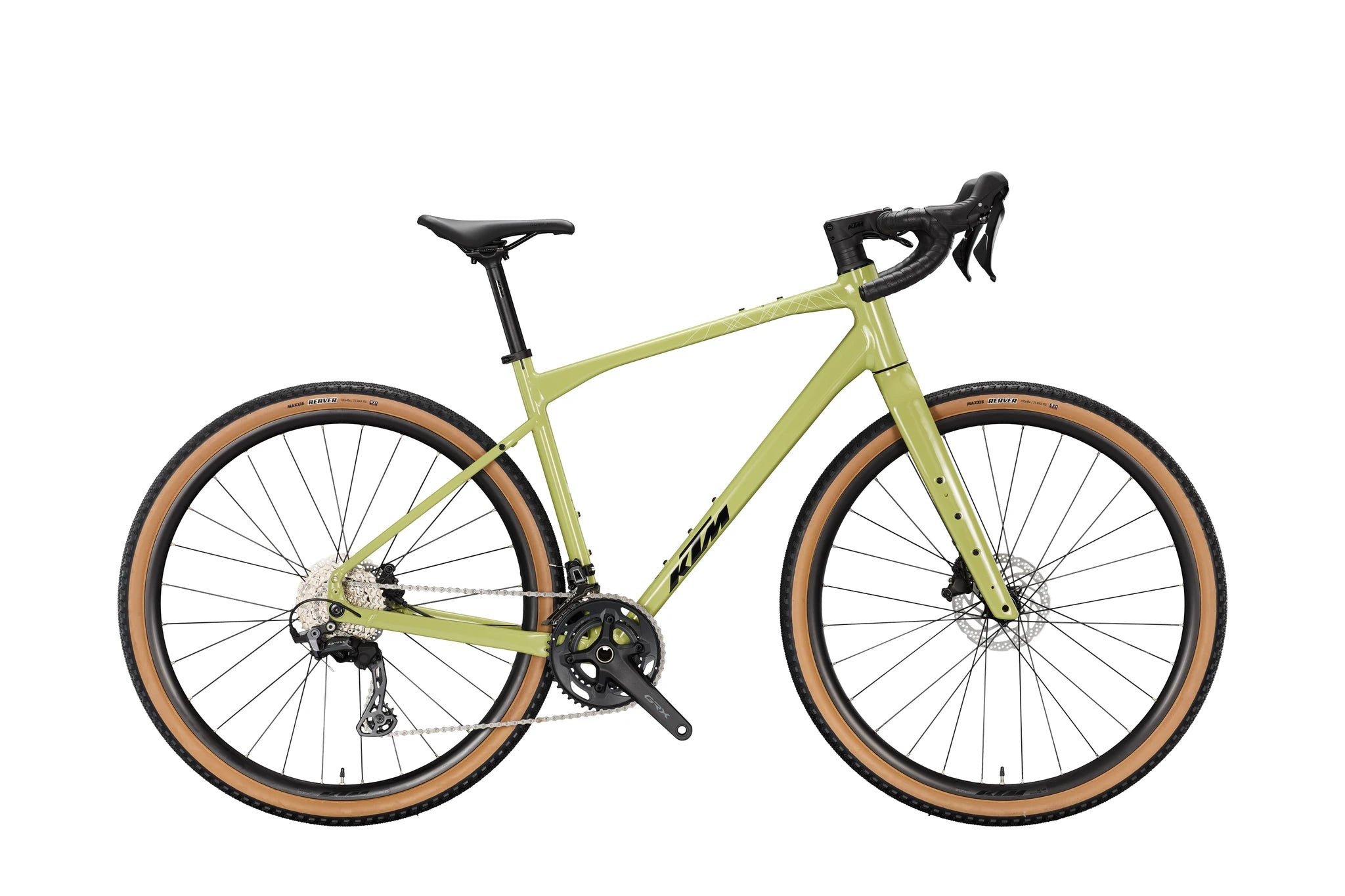
| Gravelator 10 | Aluminum | Shimano GRX 2x12 | Hydraulic disc brake | approx. 11.8 kg | Long distances with a high proportion of asphalt |
| Gravelator 10 FIT Q’AUTO | Aluminum | Shimano Q’AUTO Di2 1x11 | Hydraulic disc brake | Not yet specified | Comfort-oriented everyday riding with electronic shifting |
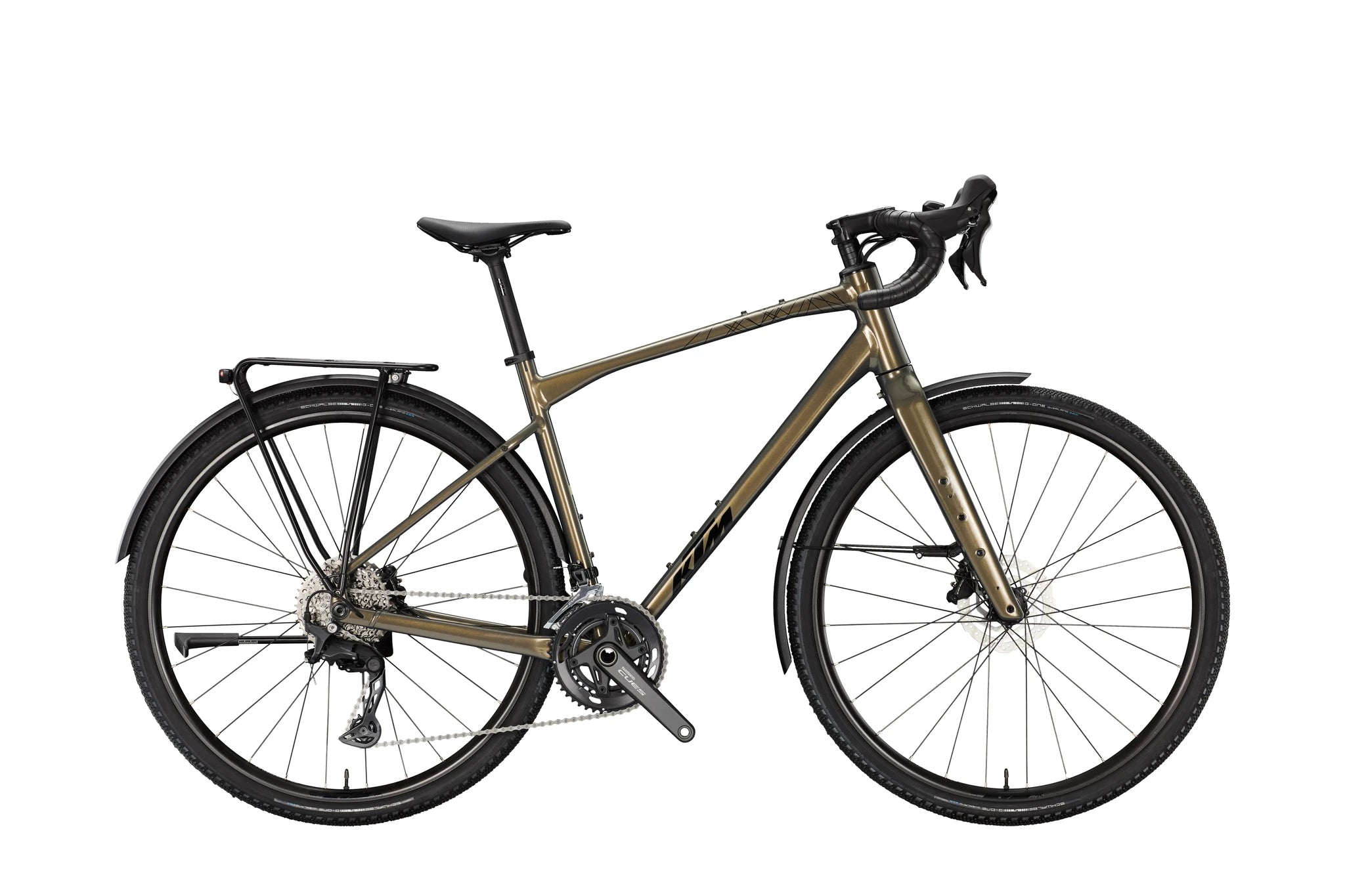
| Gravelator 20 LFC | Aluminum | Shimano CUES 2x10 | Hydraulic disc brake | approx. 14.1 kg | Commuting, year-round use and travel |
| Gravelator Pro | Carbon | Shimano GRX 1x12 | Hydraulic disc brake | approx. 10.7 kg | Sporty touring and mixed terrain |
| Gravelator Pro 2x | Carbon | Shimano GRX 2x12 | Hydraulic disc brake | approx. 10.6 kg | Long distances and fast paved sections |
| Gravelator Pro 2x LFC | Carbon | Shimano GRX 2x12 | Hydraulic disc brake | approx. 12.7 kg | Sporty commuting and bike touring |
| Gravelator Elite | Carbon | Shimano GRX 1x12 | Hydraulic disc brake | approx. 9.7 kg | Lightweight touring bike for demanding routes |
| Gravelator Elite 2x | Carbon | Shimano GRX 2x12 | Hydraulic disc brake | approx. 9.7 kg | Speed, long-distance and fine gear steps |
| Gravelator Elite Di2 | Carbon | Shimano GRX Di2 1x12 | Hydraulic disc brake | approx. 9.7 kg | Electronic shifting for touring and training |
| Gravelator Master AXS | Carbon | SRAM Rival XPLR AXS 1x13 | Hydraulic disc brake | approx. 9.2 kg | Wireless shifting and sporty use |
| Gravelator Prestige Di2 | Carbon | Shimano GRX Di2 2x12 | Hydraulic disc brake | approx. 8.8 kg | Fast long-distance rides and mixed terrain |
| Gravelator Prime AXS | Carbon | SRAM Force XPLR AXS 1x13 | Hydraulic disc brake | approx. 9.2 kg | Ambitious gravel tours with electronic shifting |
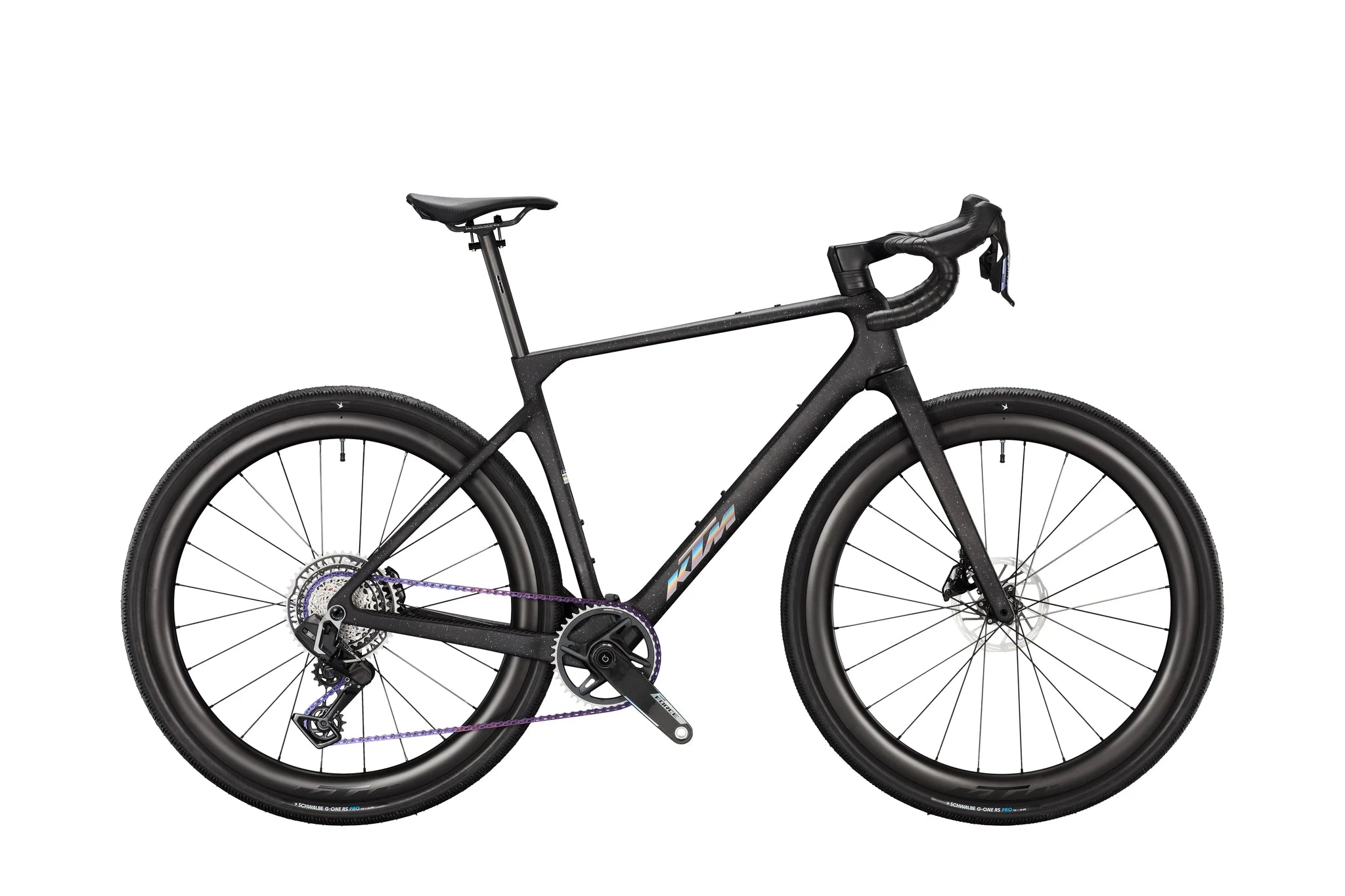
| Gravelator Supreme AXS PM | Premium Carbon | SRAM Force XPLR AXS 1x13 | Hydraulic Disc Brake | approx. 8.2 kg | Training and Racing with Power Meter |
| Gravelator Exonic AXS PM | Premium carbon | SRAM Red XPLR AXS 1x13 | Hydraulic disc brake | approx. 7.8 kg | Racing and uncompromising lightweight construction |
Those looking to get into gravel riding as affordably as possible will find suitable options in the Gravelator 30 or 30 FIT. The Gravelator 15 already features a Shimano GRX drivetrain with a large 10-51 cassette. For predominantly long distances on asphalt and hard-packed trails, the Gravelator 10, Pro 2x, or Elite 2x are interesting options thanks to their closely spaced double drivetrains.
The carbon models significantly reduce the weight. According to the manufacturer's specifications, the KTM Gravelator Exonic weighs approx. 7.8 kg (depending on frame size). The actual weight difference compared to the Pro model (approx. 10.7 kg) is therefore approx. 2.9 kg. This difference is noticeable when accelerating, on longer climbs, and when carrying the bike. For relaxed tours, the lower weight is pleasant, but not strictly necessary. A solid aluminum model can be the more economical choice for everyday use and bikepacking.
What distinguishes the trim levels of the KTM Gravelator?
The different models differ not only in the number of gears. The gear range, the size of the gear jumps and ease of use are also important. There are also differences in wheels, tires, accessories and the frame. The right equipment therefore depends more on the intended use than on price alone.
When does a 1x drivetrain make sense?
A 1x drivetrain has only one chainring. This eliminates the front derailleur and left shifter used for changing chainrings. It is easy to operate, and the chain stays securely guided on rough terrain. This is practical on forest trails, coarse gravel, and more technical sections.
The Gravelator 25 features a Shimano CUES drivetrain with a 42-tooth chainring and an 11-50 cassette. The Gravelator 15 and several carbon models use 1x12 drivetrains with a 10-51 cassette. This range provides easy climbing gears for steep ascents. However, the gaps between individual gears are larger than with a two-chainring setup.
If you frequently ride on mixed terrain and want to shift less, a 1x model is a good fit. For steep gravel climbs, the Gravelator 15, Pro, or Elite are interesting options. Electronic versions such as the Elite Di2, Master AXS, and Prime AXS shift precisely at the touch of a button and require fewer mechanical cables.
What are the advantages of a 2x drivetrain?
The 2x models feature two chainrings and offer smaller gear jumps. This makes it easier to maintain a consistent cadence on asphalt. At the same time, an appropriately easy gear remains available for climbs. The Gravelator 10 uses a Shimano GRX 2x12-speed drivetrain with a 46/30-tooth crankset and an 11-36 cassette.
The Gravelator Elite 2x and Pro 2x use a similar concept. The Prestige Di2 combines an electronic Shimano GRX drivetrain with two chainrings. If you are planning long distances, fast group rides, or tours with a high proportion of road riding, a 2x drivetrain is usually the better choice. On rough terrain, it requires a little more shifting effort.
| Drive | Benefits | Points to consider | Suitable models |
|---|---|---|---|
| 1x9 and 1x11 Shimano CUES | Easy operation and affordable entry | Larger gear jumps | Gravelator 30, 25 and 30 FIT |
| 1x12 Shimano GRX | Wide range and good off-road capability | Less precise shifting than 2x12 | Gravelator 15, Pro and Elite |
| 2x10 and 2x12 | Fine gear steps for road and long-distance | More components and shifting operations | Gravelator 20 LFC, 10, Pro 2x and Elite 2x |
| Shimano Di2 | Fast electronic shifting | Battery needs to be charged | Elite Di2 and Prestige Di2 |
| SRAM AXS 1x13 | Wireless shifting and wide gear range | Higher price | Master, Prime, Supreme and Exonic |
Which brakes are installed?
The 2027 model year Gravelator models use disc brakes. The more affordable versions feature Shimano CUES or Shimano MT components, respectively. GRX models use compatible hydraulic road bike brakes, while the SRAM variants are equipped with the braking systems of the respective AXS groupset. While mechanical disc brakes are operated via a cable, hydraulic disc brakes use a closed system with brake fluid.
Although mechanical brakes are often easier to repair, they require more operating force and offer less braking power. Hydraulic disc brakes, on the other hand, require little hand force and can be modulated much more precisely and controllably. This helps on long descents, in wet conditions, and when carrying additional luggage. Most models feature 160 mm rotors front and rear. This size is suitable for sporty gravel biking while also providing reliable braking performance for everyday use.
What material is the frame of the KTM Gravelator made of?
The more affordable models use aluminum. The frame designations refer to the AL6061 alloy. The Gravelator 30 uses a simpler aluminum frame with quick-release skewers. From the Gravelator 25 onwards, more sophisticated frame designs with a UDH derailleur hanger and thru-axles are used. A carbon fork is already standard equipment on the aluminum variants.
Thru-axles measuring 12 x 100 mm at the front and 12 x 142 mm at the rear connect the wheels and frame rigidly and precisely. This makes it easier to maintain consistent brake rotor alignment. The Gravelator 30 has a simpler design with quick-release skewers. This is sufficient for leisure riding, while thru-axles offer advantages for frequent wheel changes and sporty riding.
With the Gravelator Pro, KTM opts for a carbon frame. Carbon reduces weight and makes it possible to precisely tune stiffness and compliance in different areas of the frame. As a result, despite having comparable drivetrains, the Gravelator Pro weighs approximately 1.3 kg less than the aluminum Gravelator 15. Even lighter premium carbon constructions are used for the Supreme and Exonic.
| Frame category | Models | Features | Recommendation |
|---|---|---|---|
| AL6061 aluminum with quick releases | Gravelator 30 and 30 FIT | Simple, durable and affordable | For beginners and recreational use |
| AL6061 aluminum with thru-axles | Gravelator 25, 15, 10 and 20 LFC | Modern axle standard and carbon fork | For regular tours and everyday use |
| Carbon | Pro, Elite, Master and Prime | Lighter weight and sportier handling | For ambitious tours and training |
| Premium Carbon | Supreme and Exonic | Consistent lightweight construction and high-quality components | For racing and performance-oriented riding |
If you are looking for a robust KTM gravel bike for everyday use, winter riding, and touring with luggage, there are many advantages to an aluminum frame. For frequent climbs or sporty goals, the lower weight of a carbon model pays off. The difference becomes particularly noticeable when the bike is frequently accelerated or carried up stairs.Many variants use internal cable routing through the headset. This ensures a tidy cockpit area. The UDH derailleur hanger makes spare parts easier to source on appropriately equipped frames and creates a standardized interface for modern derailleurs.
Wheels and tires on the KTM Gravelator
Almost the entire Gravelator series comes from the factory with 45-622 tires. This nominal width of 45 mm offers more cushioning and traction than a narrow road bike tire, but still rolls efficiently on asphalt. The exact character depends on the tread pattern and the rubber compound.
| Model Group | Rims | Tires | Character |
|---|---|---|---|
| Gravelator 30 | Shining Rims DB-T250, 25 mm | Maxxis Rambler 45-622 | Balanced for asphalt and loose gravel |
| Gravelator 25 and 15 | Shining Rims DB-T250, 25 mm | Maxxis Rambler 45-622 | Versatile touring tread with side traction |
| Gravelator 10 | Shining Rims DB-T250, 25 mm | Maxxis Reaver 45-622 | Fast rolling on hard surfaces |
| Gravelator 20 LFC | Remerx Ibex25 | Schwalbe G-One Overland 365 45-622 | Year-round use and everyday riding |
| Gravelator Pro | Shining Rims DB-T250, 25 mm | Schwalbe G-One R Eco 45-622 | Sporty mix of speed and control |
| Gravelator Elite | KTM Team Carbon Gravel | Maxxis Reaver Hypr-X 45-622 | Easy acceleration and fast gravel riding |
| Prestige and Supreme | KTM Prime Carbon Gravel 45 | Schwalbe G-One RS Pro 45-622 | Racing-oriented setup for high speeds |
| Gravelator Exonic | Zipp 303 XPLR | Goodyear XPLR Intermediate 45-622 | High-end package for racing and fast rides |
The Maxxis Rambler is a versatile choice for mixed terrain. The Maxxis Reaver has a tread pattern more focused on speed. The Schwalbe G-One Overland 365 is aimed at riders who use the bike year-round and in changing weather conditions. In contrast, the G-One-RS tires on the higher-end models prioritize low rolling resistance.
Rims with a 25 mm internal width provide good support for a 45 mm tire. This improves handling and allows for lower tire pressure. Lower pressure increases comfort and grip on loose surfaces. The appropriate pressure depends on the rider's weight, terrain, luggage, and tire construction.
Aluminium wheels are durable and usually cheaper to replace. Carbon wheels save weight and respond more directly when accelerating. For bikepacking and everyday use, a high-quality set of aluminium wheels is often the more sensible choice. Those who prioritise speed and low weight will benefit more from the carbon wheels on the Elite, Prestige, Supreme and Exonic models.
Is the KTM Gravelator suitable for bikepacking and everyday use?
The KTM Gravelator is generally suitable for day trips and bikepacking. Numerous fork designations indicate mounting options. Depending on the model, bottle cages, cargo cages or lightweight bags can be attached. Before purchasing a carrier, you should check which threads the chosen frame and respective fork actually have.
For a minimalist bikepacking setup, a large saddle bag, a frame bag and a handlebar bag are usually sufficient. This setup puts less strain on the bike than a classic luggage rack and is well suited to the sporty Pro, Elite and Master models. The carbon models also feature integrated downtube storage, where tools, spare inner tubes or small pieces of luggage can be stored compactly and protected from the weather. The Gravelator 15 and 25 are more affordable alternatives for tours with light luggage.
For the daily commute, the LFC models are the simpler solution. LFC stands for equipment with lights, mudguards and a luggage rack. The Gravelator 20 LFC has a Racktime Spica luggage rack, a dynamo-powered lighting system and aluminum mudguards. The Schwalbe G-One Overland 365 tires are suitable for year-round use.
The Gravelator Pro 2x LFC combines a carbon frame with the same basic concept. It is equipped with Shimano GRX 2x12, a luggage rack, lights, and mudguards. At approx. 12.7 kg, it remains significantly lighter than the aluminum LFC model at approx. 14.1 kg. For sporty commuters who go on longer rides at the weekend, this combination is particularly interesting.
If you mainly ride with bikepacking bags, a model without permanent everyday equipment offers more freedom and less weight. If the bike is to be ready to ride every morning, an LFC version saves you the hassle of buying and installing mudguards, lights, and a luggage rack later on.
For long trips, the drivetrain is also relevant. A 1x12 drivetrain offers easy operation and light climbing gears. A 2x12 drivetrain provides finer gear steps and is more comfortable on long stretches of asphalt. When carrying heavy luggage, robust wheels and well-controllable hydraulic disc brakes should also take priority over the lowest possible overall weight.
Frequently Asked Questions about the KTM Gravelator
How much does the KTM Gravelator weigh?
The weights of the 2027 model year Gravelator models range from approx. 7.8 to approx. 14.1 kg. The lightest model is the Gravelator Exonic AXS PM, which weighs approx. 7.8 kg (depending on frame size) according to the manufacturer's specifications. The Supreme AXS PM weighs approx. 8.2 kg, the Prestige Di2 approx. 8.8 kg, and the Master AXS and Prime AXS models approx. 9.2 kg each.
The classic aluminum variants weigh between approx. 11.8 and approx. 12.5 kg. The Gravelator 20 LFC weighs approx. 14.1 kg due to the luggage rack, mudguards, and lighting. For the Gravelator 10 FIT Q’AUTO, no weight is yet specified in the available model information.
Is the KTM Gravelator also available as an e-bike?
Yes. The motorized models bear the name Macina Gravelator and form a separate e-gravel series. The Macina Gravelator SX 10 and the Macina Gravelator SX Elite use the Bosch Performance SX mid-drive motor and a 400 Wh Bosch CompactTube battery.
The Macina Gravelator HX follows a different concept. It has a Bosch Hub Line drive on the rear wheel and also a 400 Wh battery. The Macina Gravelator HX weighs approx. 17.5 kg. The SX 10 model is noticeably lighter at approx. 16.2 to 16.4 kg compared to the stated 17.2 kg. The carbon SX Elite model weighs approx. 14.9 to 15.1 kg.
What maximum tire width fits in the KTM Gravelator?
The Gravelator models are predominantly supplied with 45-622 tires. This clearly establishes a nominal tire width of 45 mm for the series. However, a blanket maximum tire clearance for all frames, sizes, and model levels cannot be derived from this.
The actual width of a tire also depends on the rim inner width and the respective tire model. Anyone wishing to mount wider tires or full-coverage mudguards should check the clearance for the specific frame. With mudguards, a 40 to 42 mm wide tire can offer more protection from dirt than a heavily treaded 45 mm tire.
Can mudguards and racks be fitted to every KTM Gravelator?
Many Gravelator frames and carbon forks have mounting options, but the exact number and position of the threaded holes vary by model. On particularly lightweight race versions, the range of options may be more limited. For example, the Exonic uses a race fork without the mounting points specified in the names of other Gravelator forks.
Anyone looking for a reliable and fully integrated solution for everyday use should choose the Gravelator 20 LFC or the Gravelator Pro 2x LFC. Both models come equipped with a luggage rack, lights, and mudguards. For other variants, the compatibility and maximum load capacity of the desired accessories should be checked before installation.
You can change your settings at any time to use all features of our website.
Edit cookie settingsWir helfen Dir gerne weiter!

Live-Chat
Telefon
Telefon
Telefonzeiten:
Mon - Fri 10:00 - 13:30 & 14:30 - 18:00
Sat 10:00 - 14:00
Telefon:
+49 2961 914 886 9
Kontaktformular
Kontaktformular
Outside our chat and phone hours, you can send us your request via the contact form.
E-Mail
Simply send us an email at verkauf@liquid-life.de and we will reply as quickly as possible. As we handle requests in the order received, there may be slight delays.
Bikeberater
Bonusprogramm