


Cube Aerium
Cube Aerium 2026: Maximum aerodynamics for new personal bests
Welcome to the world of the CUBE Aerium, the ultimate road bike for triathletes and speed enthusiasts. Are you ready to push your limits and achieve new personal bests? With the CUBE Aerium you don't just get a bike - you get a competitive advantage that has been created through years of development and innovative technologies.
Filtry




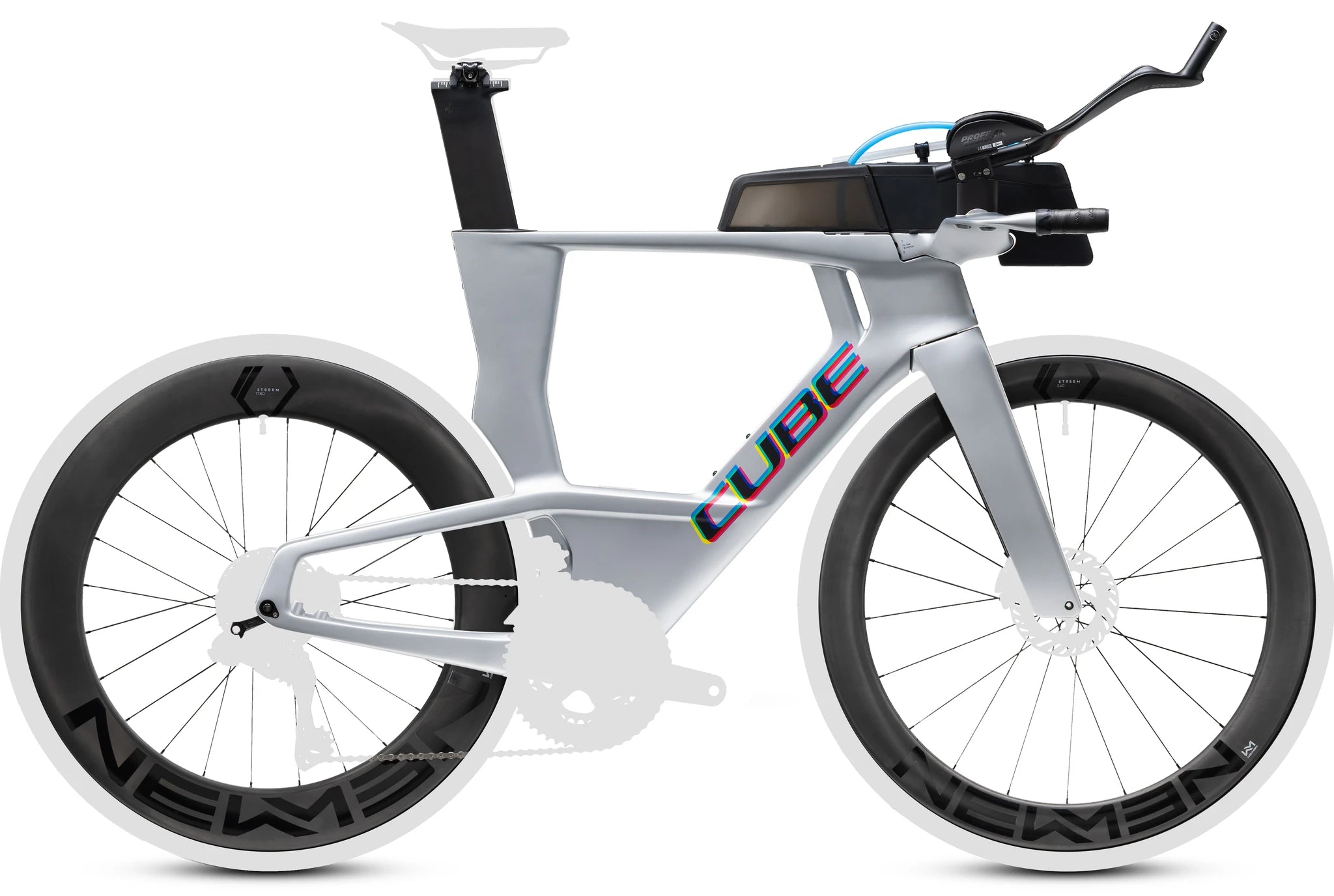

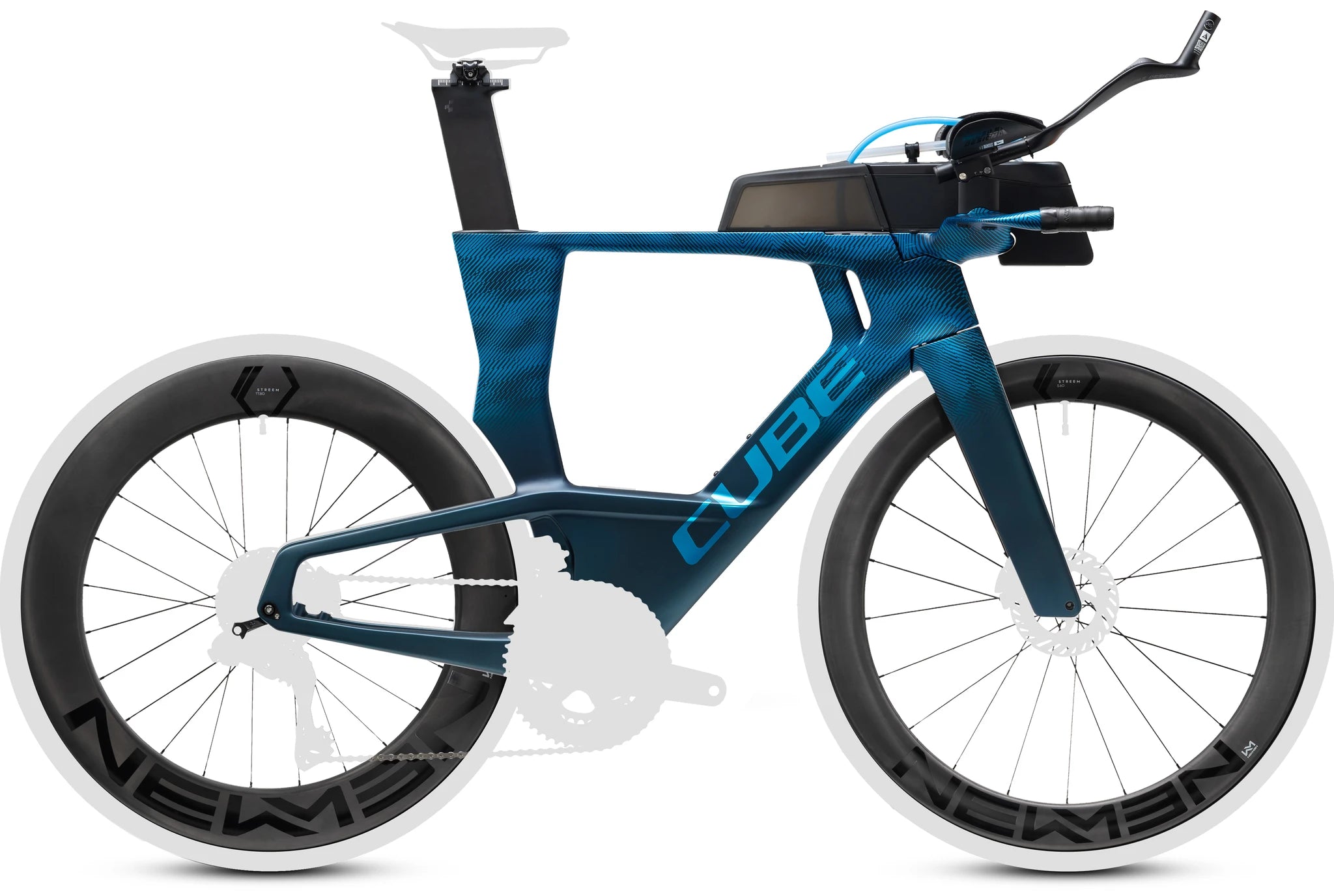
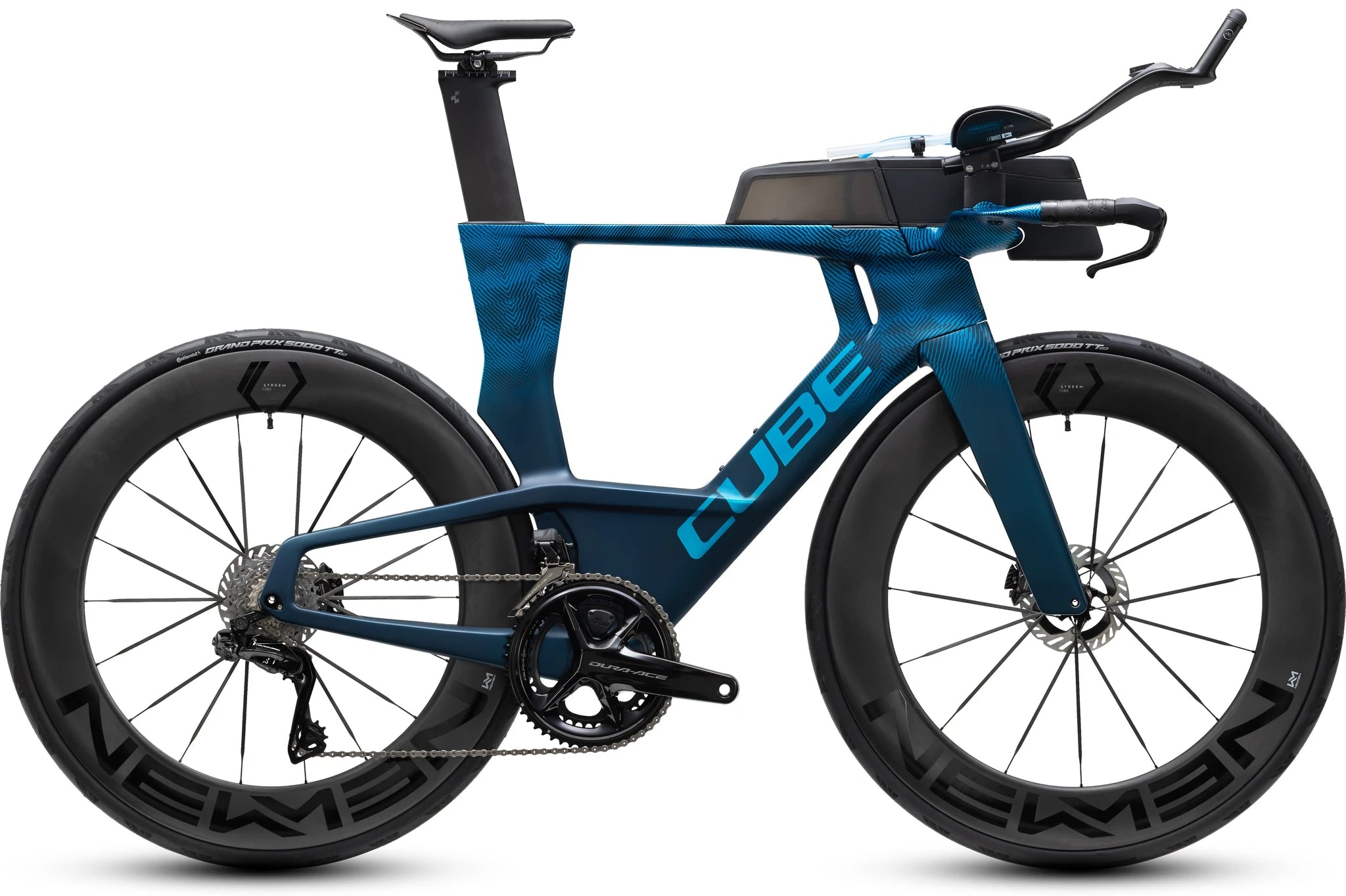

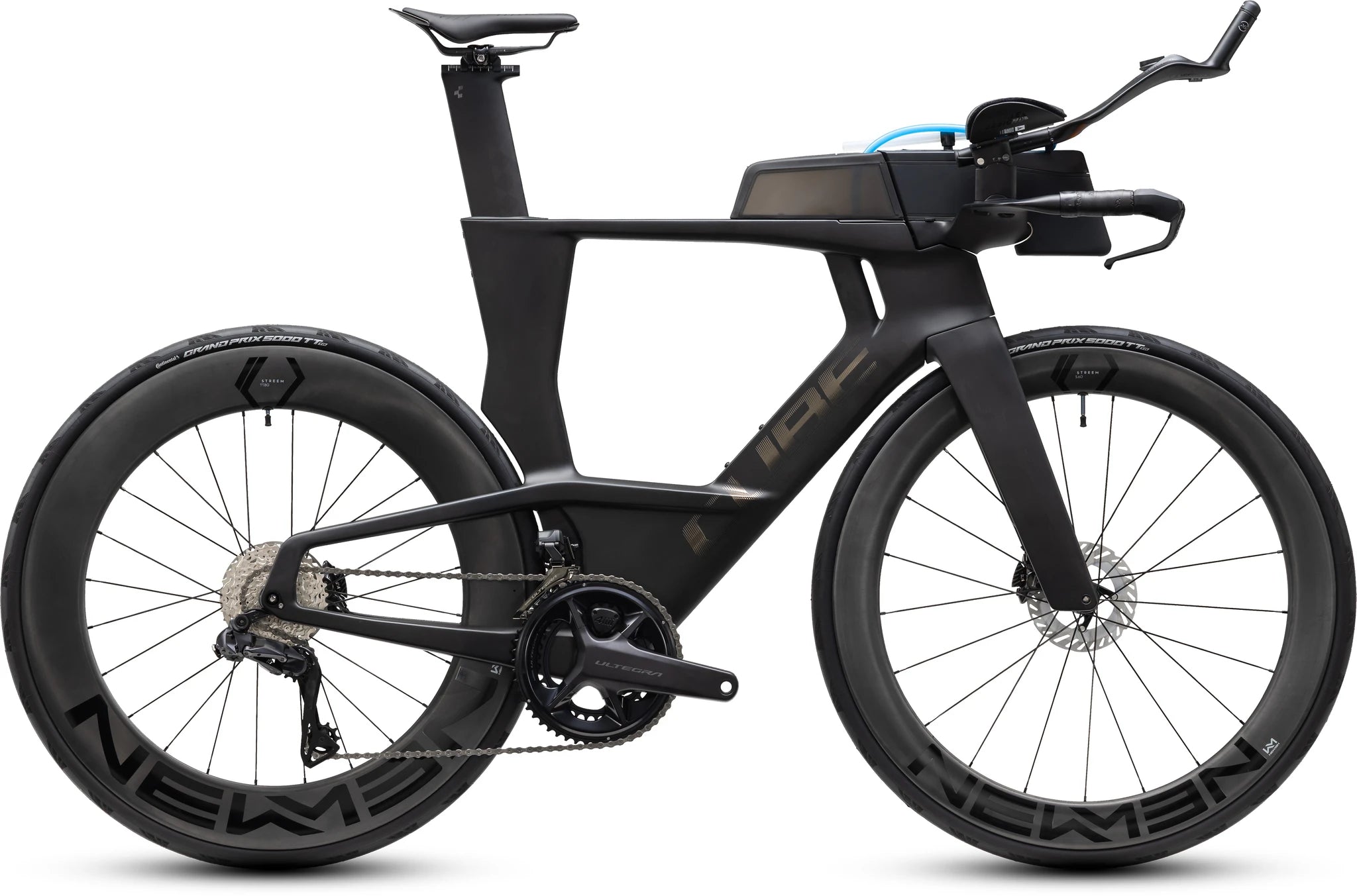
Cube Aerium: The ultimate triathlon and time trial machine
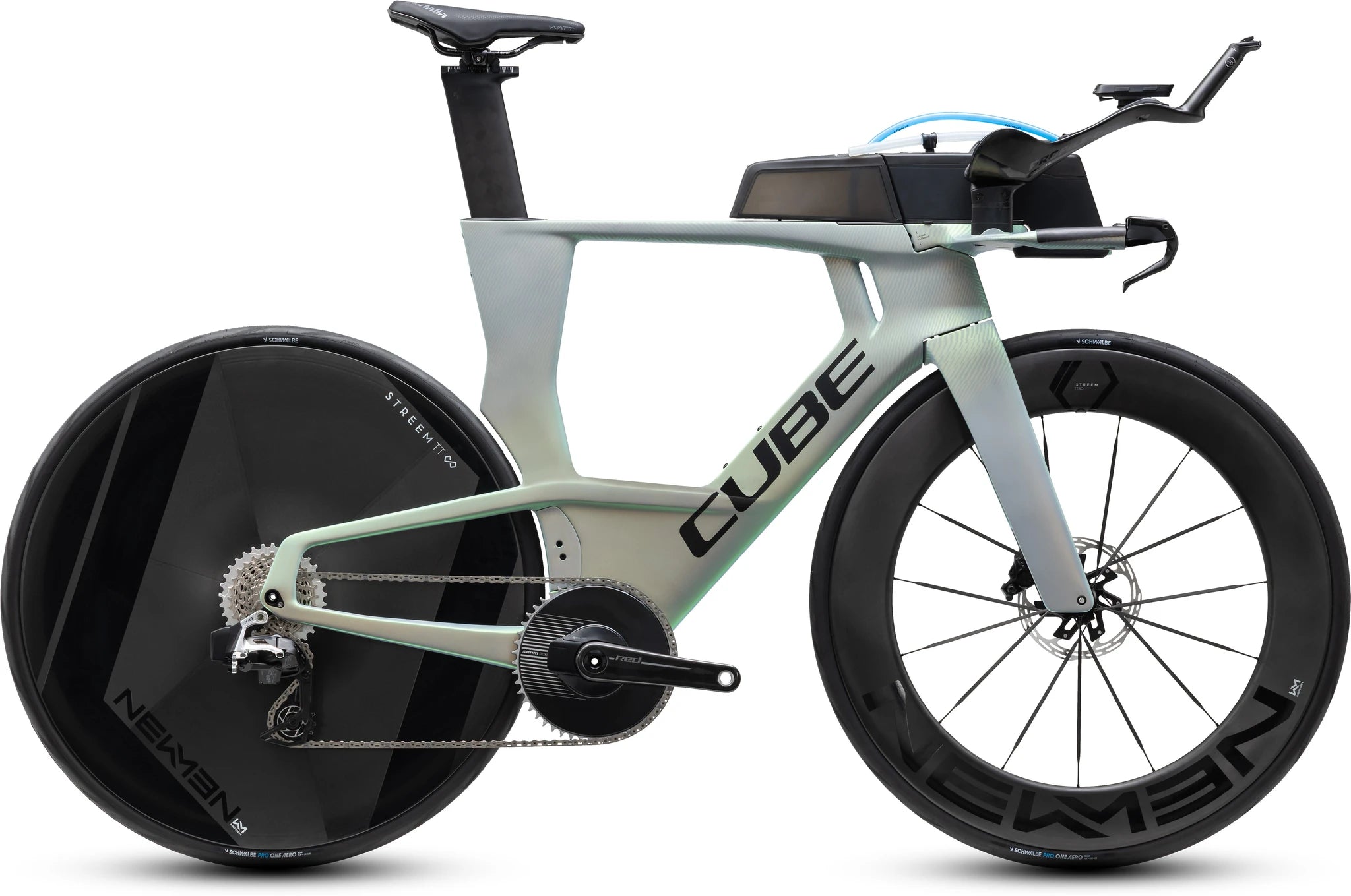
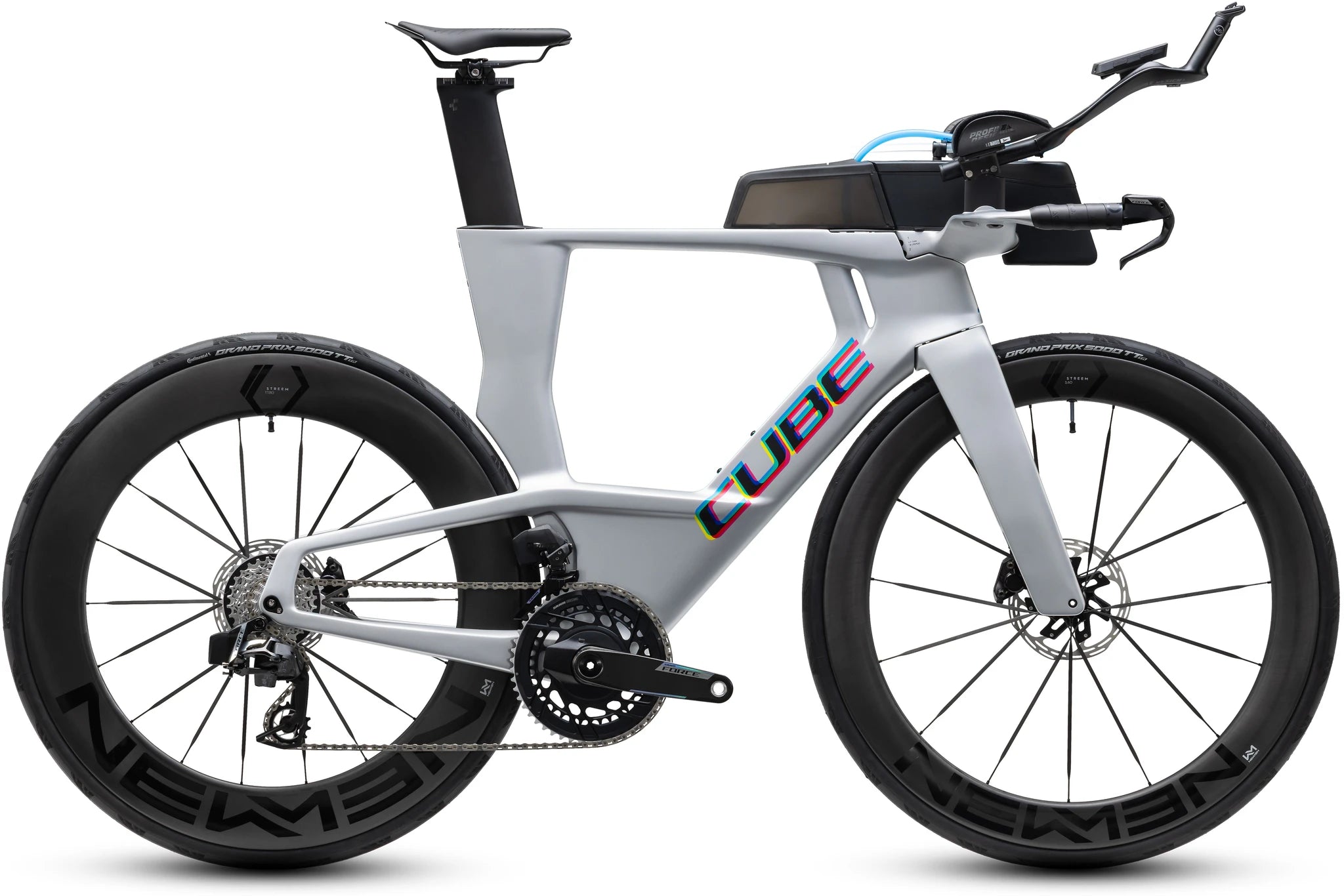
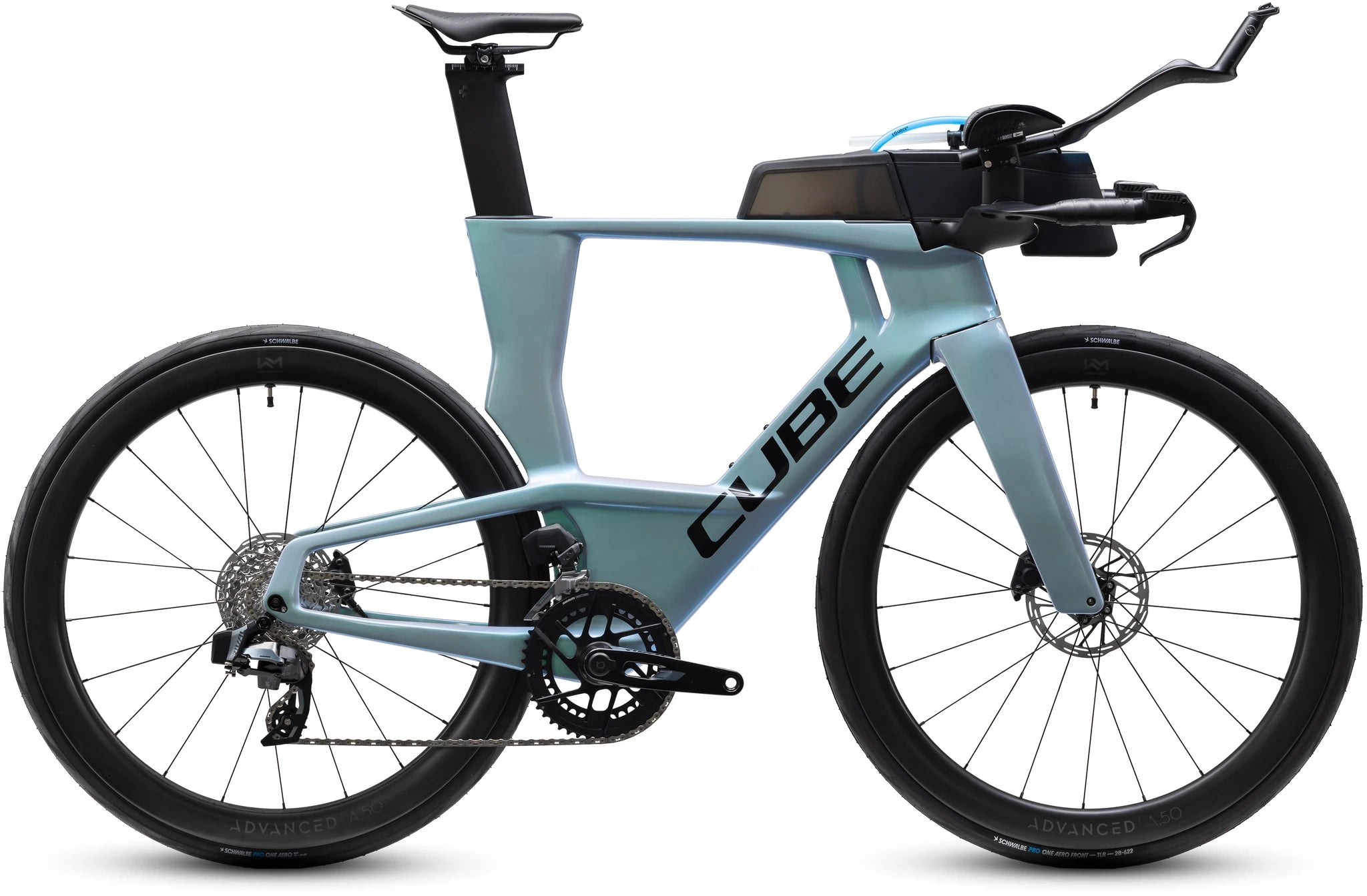
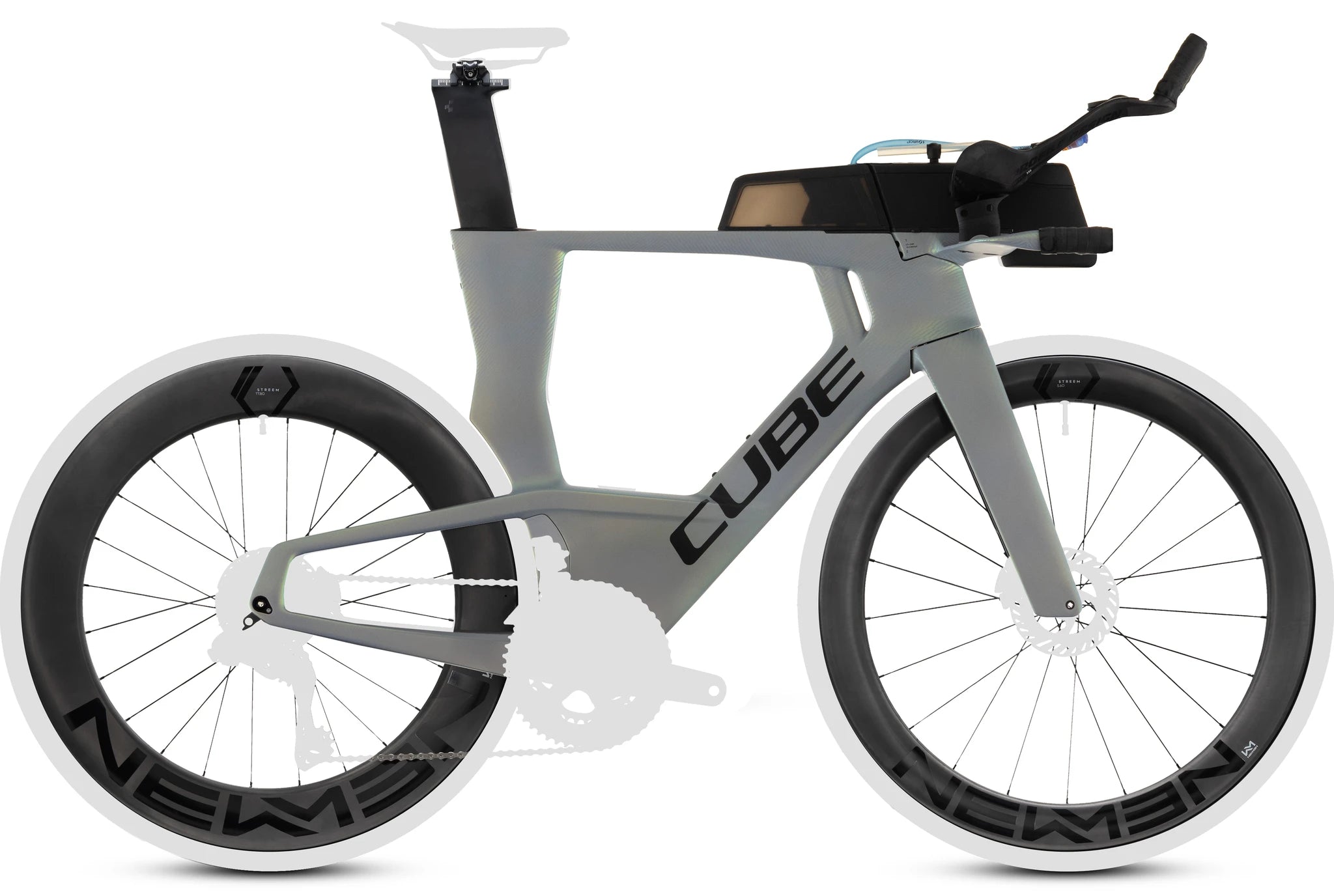
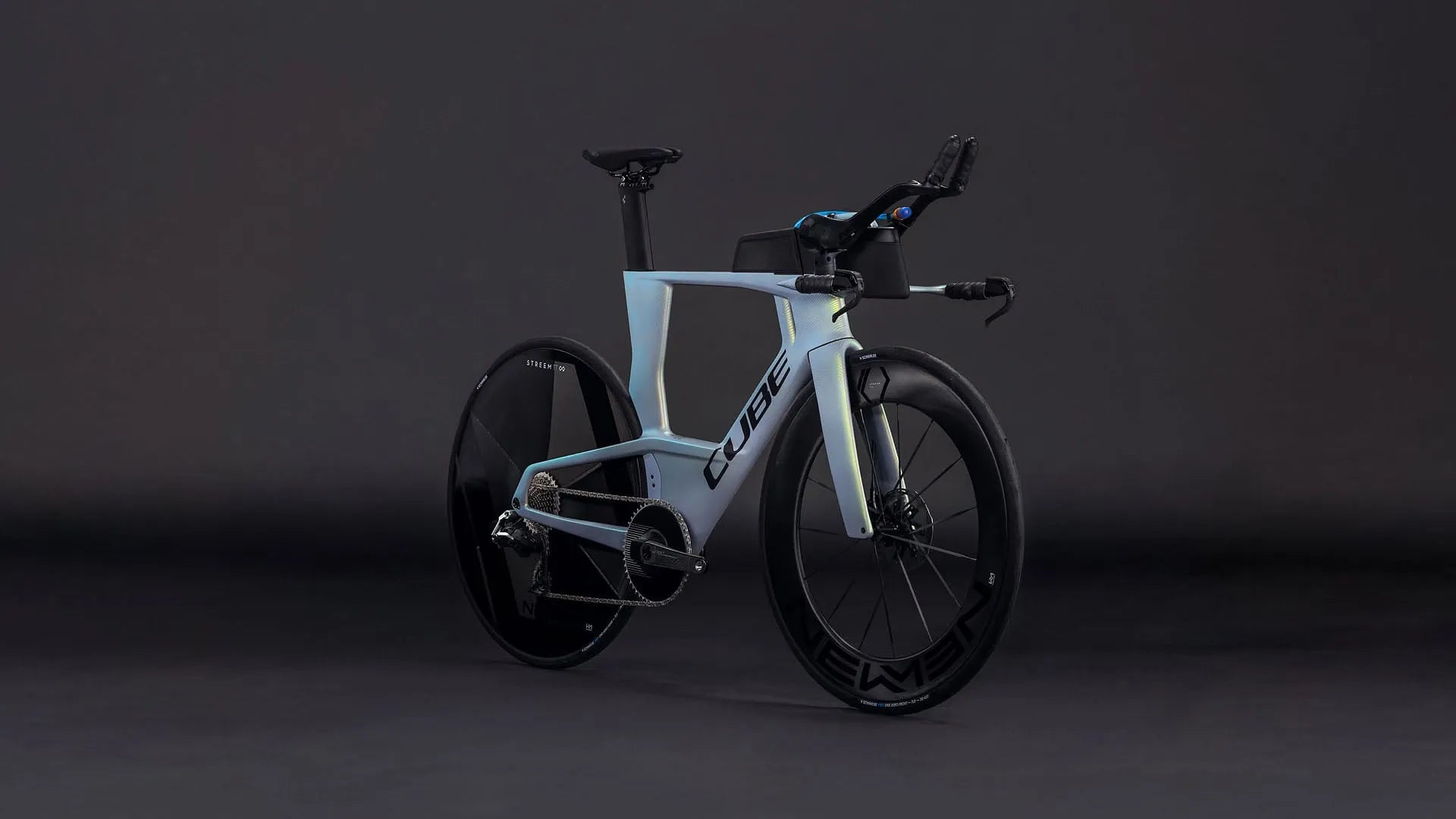
The Cube Aerium is aimed at riders who want to convert their power into speed as efficiently as possible. Unlike a classic road bike, this platform was consistently developed for the battle against air resistance. Aerodynamic tube profiles, internally routed cables, and an adjustable cockpit support a flat riding position. The Cube Aerium C:68X adds integrated solutions for hydration, nutrition, and tools. This makes the bike particularly suitable for triathlon competitions where refueling must be possible while riding without frequently leaving the aero position.
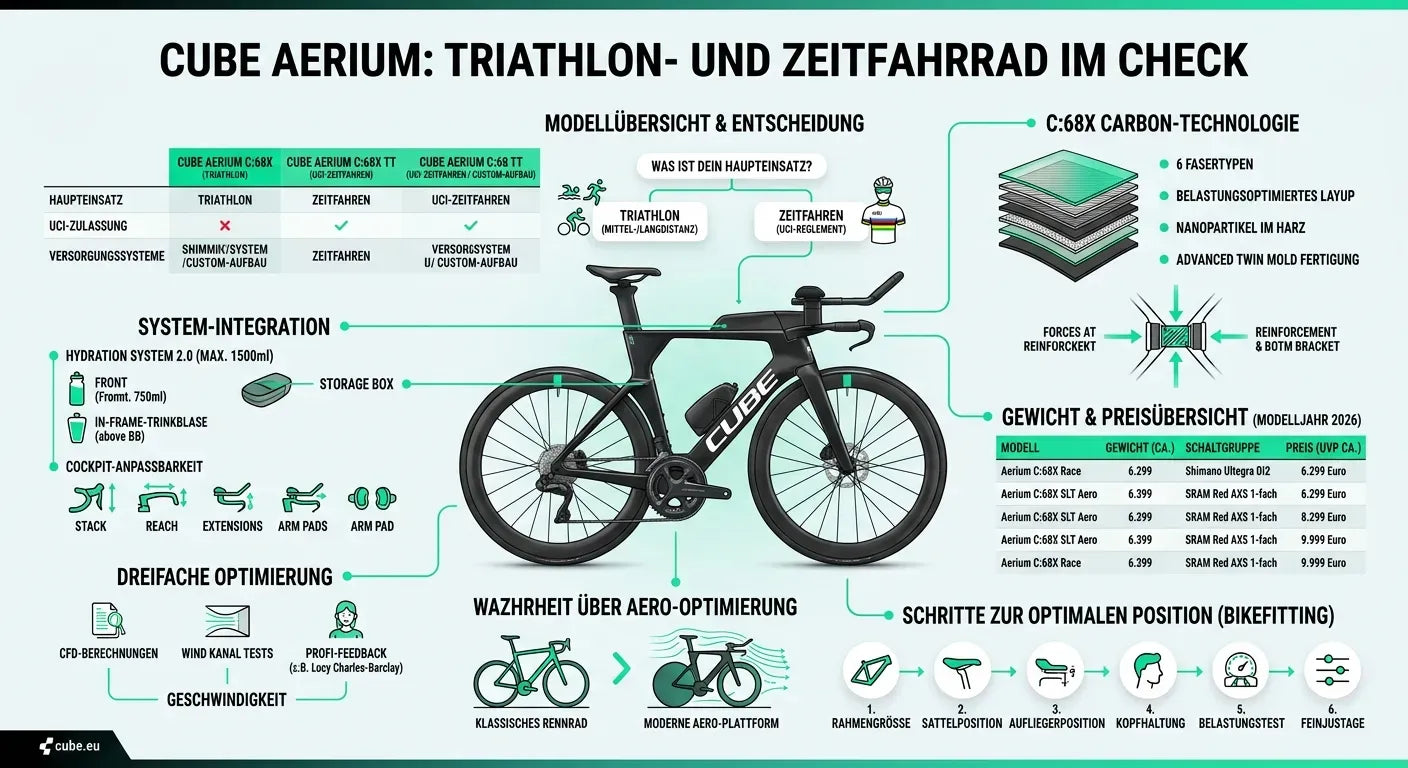
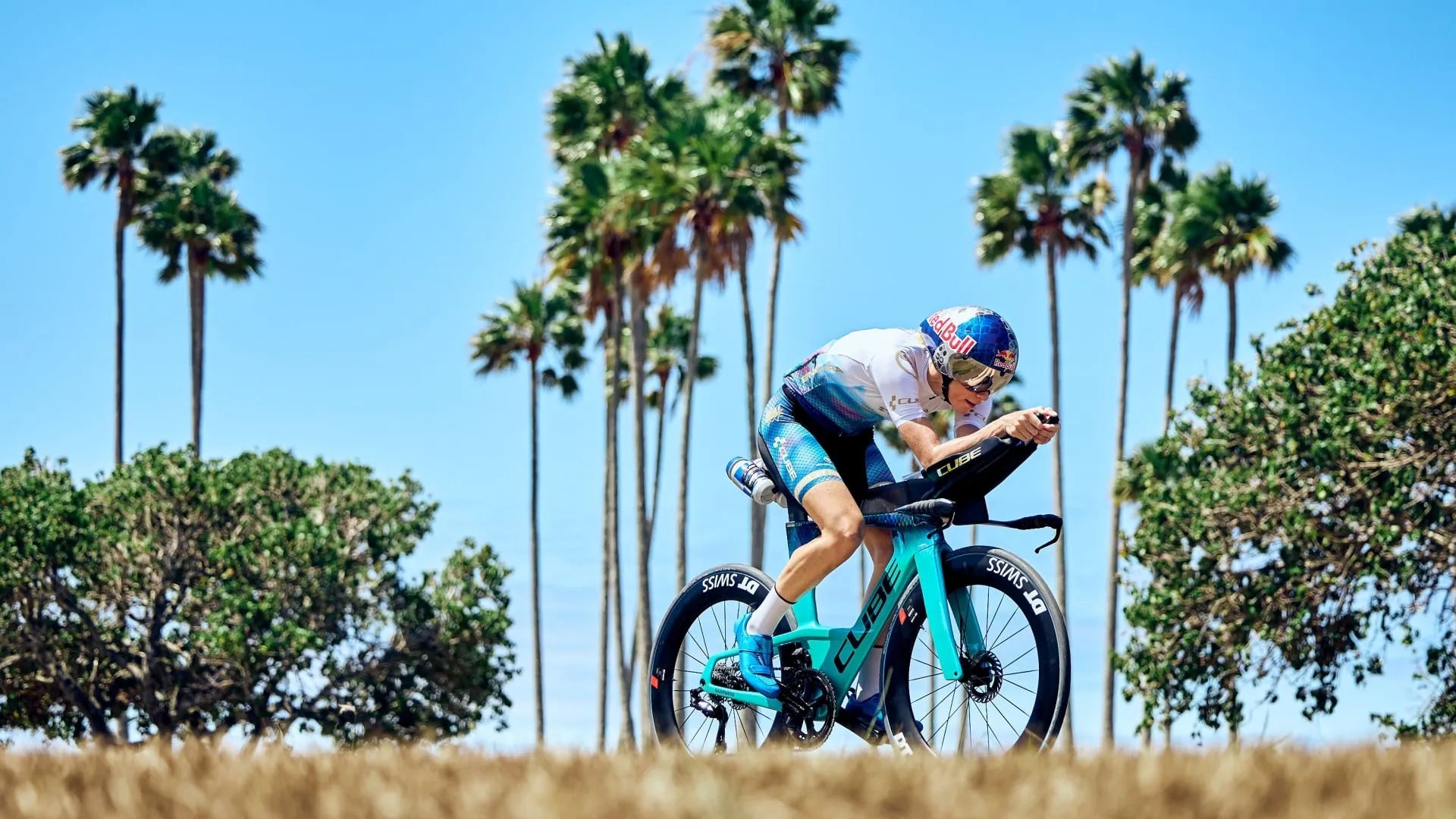
The chassis was created in collaboration with triathlete Lucy Charles-Barclay. Her emotional and superb world championship title impressively proves how perfectly this machine functions at an absolute elite level and converts power into speed. Cube used CFD calculations, wind tunnel tests, and feedback from racing to coordinate the frame, fork, and components.
However, the resulting speed advantage does not depend solely on the material. Only a suitable riding position, a sensibly configured hydration system, and the model variant appropriate for the competition turn the Aerium into an effective race setup.
Before purchasing, one question above all must be clarified: Will the bike be used for triathlons or for time trial competitions under UCI regulations? There are different frames within the Aerium family for both applications. The Cube Aerium C:68X is geared toward triathlon and extensive system integration. The Cube Aerium TT, on the other hand, was developed for regulation-compliant time trials.
Model comparison: Which Cube Aerium is best suited for triathlon?
For model selection, the planned type of competition is more important than the groupset or wheel profile. Different requirements apply to frame shape and the positioning of components in triathlons than in time trials under UCI rules. Cube therefore differentiates between the Aerium C:68X as a triathlon bike and the Aerium TT as a UCI-compliant time trial platform.
| Model platform | Main application | UCI alignment | Supply systems | Purchase recommendation |
|---|---|---|---|---|
| Cube Aerium C:68X | Triathlon for sprint, middle, and long distance | Not intended as a UCI time trial frame | Integrated hydration and storage solutions | For triathletes focused on aerodynamics and self-sufficiency |
| Cube Aerium C:68X TT | Time trial and triathlon with UCI-relevant requirements | Developed for UCI-compliant use | Less focused on long-distance supplies | For licensed riders and official time trial competitions |
| Cube Aerium C:68 TT | Time trial bike based on the C:68 platform | UCI-compliant frame design | Classic TT focus | For a custom build as a regulation-compliant time trial bike |
If you primarily compete in middle- and long-distance triathlons, the Cube Aerium C:68X is the ideal platform. The bike can be equipped with up to two hydration systems. A storage box keeps gels or bars within reach, while a covered area above the bottom bracket provides space for an additional hydration bladder or a repair kit. The design thus accounts for the typical requirements of long-distance races.
If, on the other hand, you take part in national championships, licensed races, or other official individual time trials, you should choose an Aerium TT variant. With the Aerium C:68X TT and the Aerium C:68 TT, the tube profiles and components are designed with the UCI regulations in mind. This includes, among other things, the permissible shape and position of certain frame elements. However, specific eligibility to compete should always be clarified before each event based on the current regulations and technical inspection.
For pure triathletes, the standard C:68X offers more freedom in terms of integration. Those who compete in both disciplines have to weigh their options. A UCI-compliant TT model covers more regulated events, but does not offer the same hydration and storage solutions tailored for long-distance racing. While two specialized bikes are technically ideal, for many athletes they are neither economically nor logistically practical.
What do C:68X, C:68, and C:62 mean at Cube?
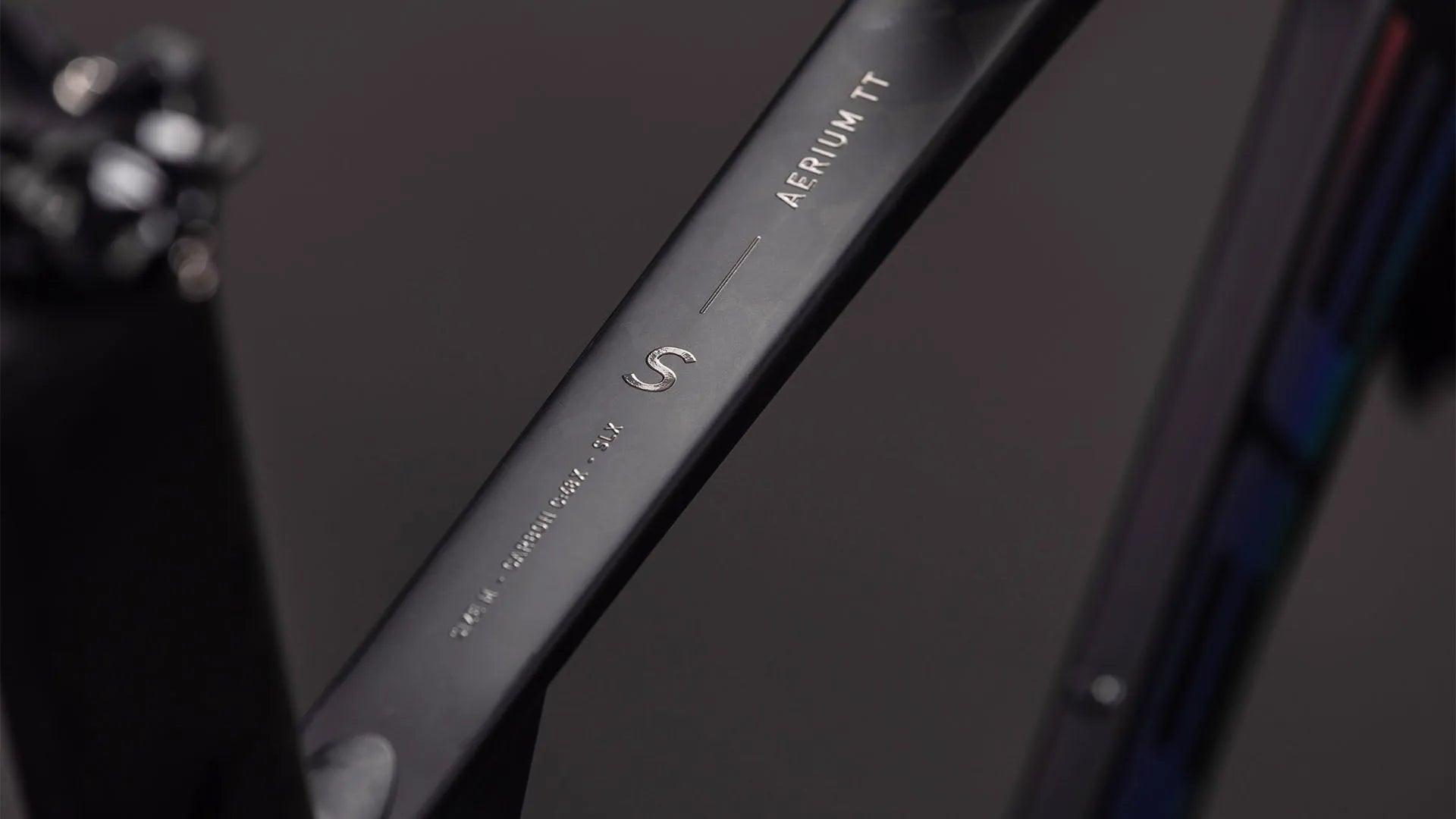
The designations C:62, C:68, and C:68X represent different carbon technologies at Cube. They do not simply describe three quality levels of the same frame. Material selection, fiber orientation, resin content, and manufacturing are each adapted to the intended application. A C:68X frame therefore uses not only a high fiber content, but also a specific combination of different fiber types.
| Carbon Technology | Material Composition | Weight | Stiffness | Typical Use |
|---|---|---|---|---|
| C:62 | High proportion of high-modulus fibers, resin with nanoparticles | Low | Tuned for athletic loads | Performance-oriented carbon wheels with a balanced price |
| C:68 | 68 percent fiber content, reduced resin content, Spread-Tow material and nanoparticles | Lower than with simpler layups | High with controlled wall thickness | Lightweight competition frames and Aerium TT models |
| C:68X | Up to six fiber types with load-dependent orientation | Targeted reduction for each specific frame | Optimized section-by-section for power flow and comfort | High-end competition frame with extensive integration |
According to Cube, C:68 composite material consists of 68 percent carbon fiber. Flat spread-tow fiber bundles reduce the gaps that would otherwise have to be filled with resin. This allows Cube to implement thinner wall thicknesses without reducing the component's load-bearing capacity accordingly. Nanoparticles in the resin are also intended to increase the composite material's internal resistance to high loads.
C:68X builds on this principle but goes further in the selection and orientation of the fibers. Depending on the frame section, Cube uses different fiber types and fiber angles. An area that must withstand high pedaling or steering forces receives a different layup than a zone where a degree of compliance is desired. According to the manufacturer, up to six types of fiber can be used within a single frame.
For production, Cube uses Advanced Twin Mold Technology. This process utilizes two precise forms. The outer form defines the contour, while an inner core holds the carbon layers in their intended position during curing. This reduces uncontrolled folds, resin accumulations, and imprecise overlaps. Fiber density can be selectively increased at high-stress junctions without making the entire frame unnecessarily heavy.
For your purchasing decision, this means: C:68X is of interest if you are looking for a complete high-end system with low weight and high frame stiffness. C:68 remains a capable alternative for time trial frames where UCI compliance and a custom build are the priority. C:62 is used in other Cube road bike series and helps classify the carbon hierarchy, but it does not play a significant role in the current Aerium C:68X model line.
How do hydration, storage, and cockpit work?
On a long-distance course, an aerodynamic frame alone is not enough. Bottle cages, tool bags, and taped-on gels can disrupt airflow or be difficult to reach while riding. For the Cube Aerium Triathlon, these functions were integrated into the frame concept. The individual modules can be combined according to the race distance and personal nutritional strategy.
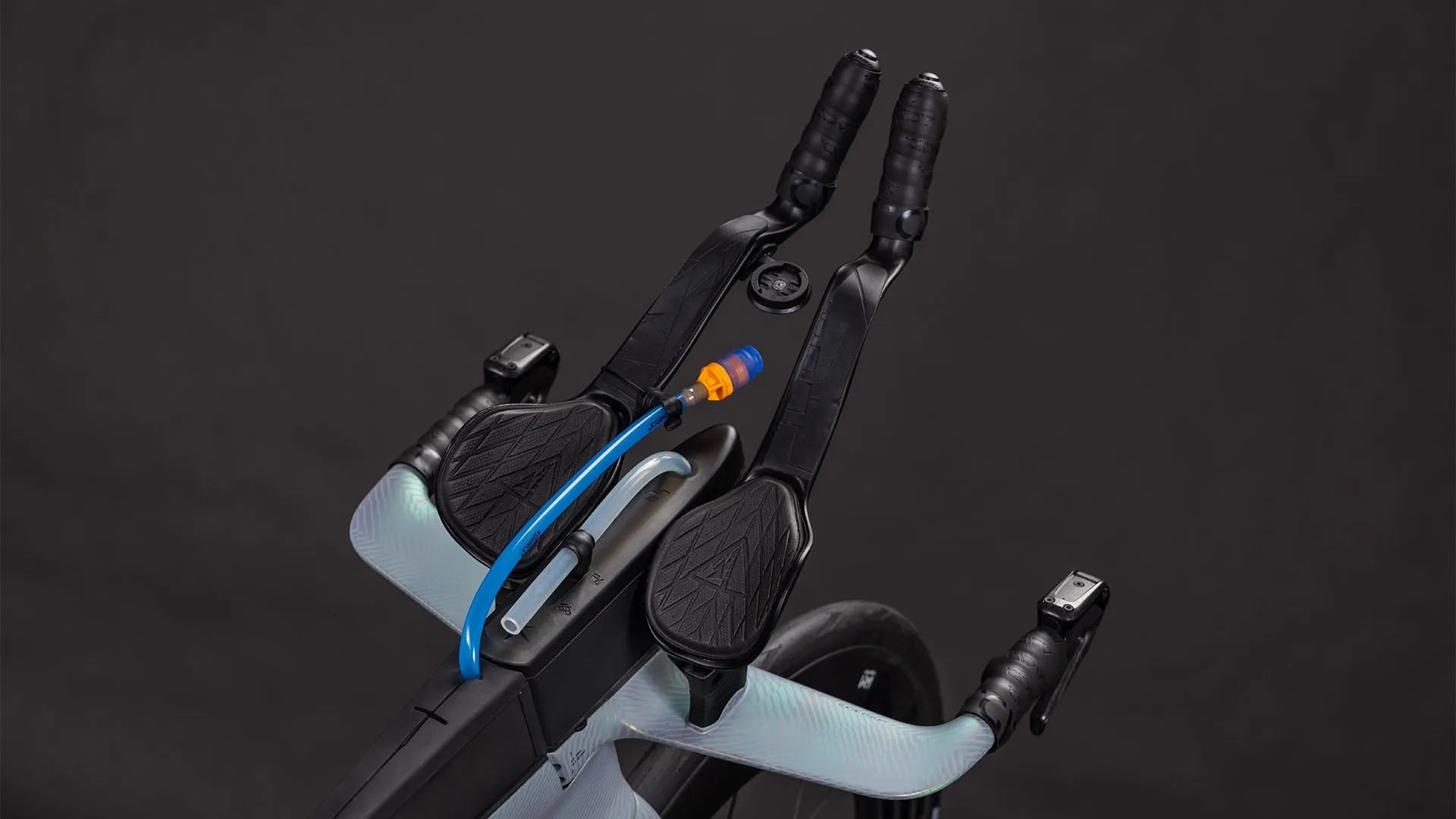
- The Hydration System 2.0 allows you to drink without fully leaving the aero position. Liquid is consumed via a drinking tube on the cockpit.
- The front system holds up to 750 milliliters and is situated in an aerodynamically designated area of the bike.
- An additional in-frame hydration bladder can be stored in the frame above the bottom bracket.
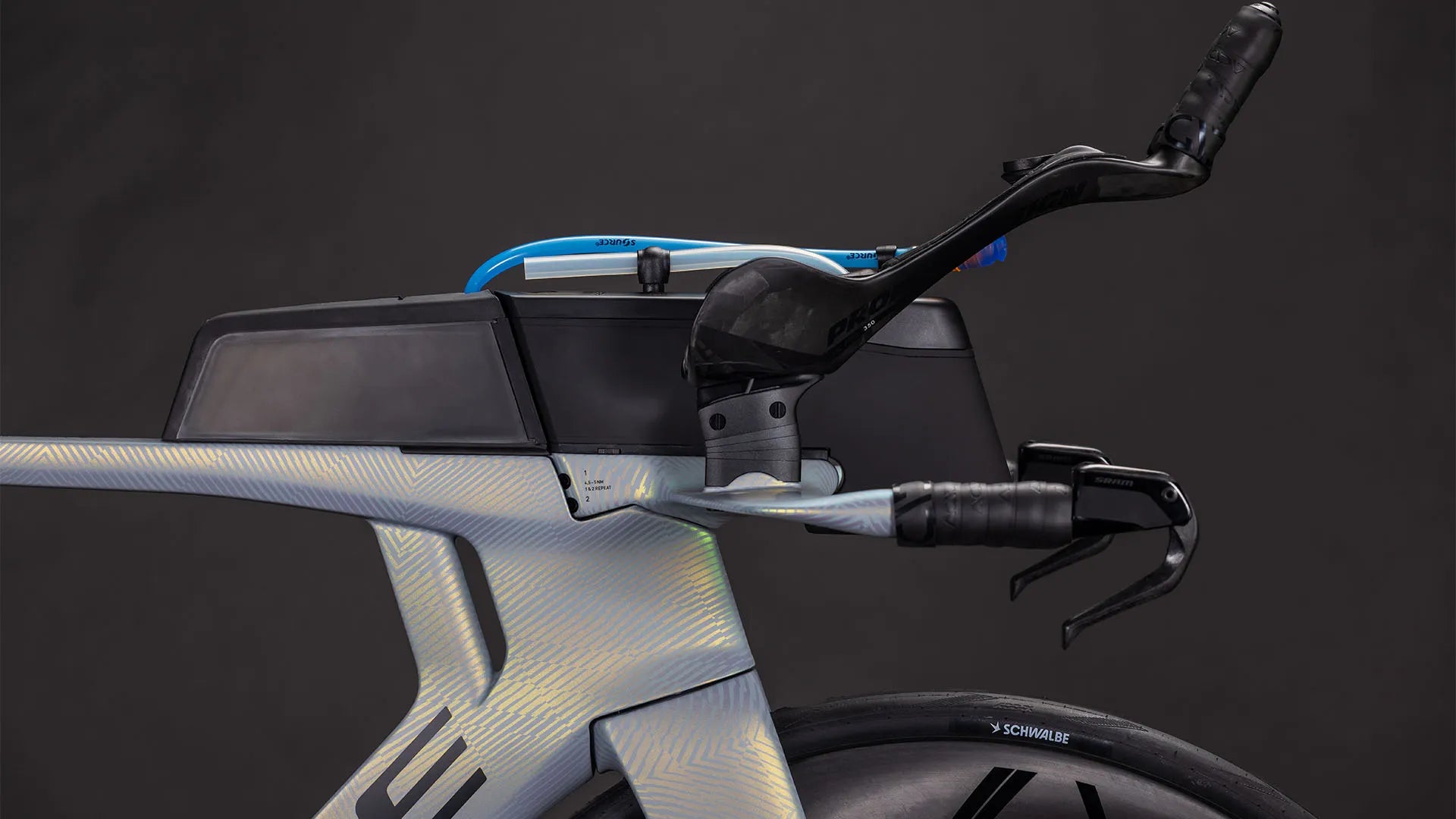
- The storage box on the top tube keeps gels, bars, or salt tablets accessible during the ride.
- The covered area in the frame can alternatively accommodate tools, a CO2 cartridge, or a spare tube.
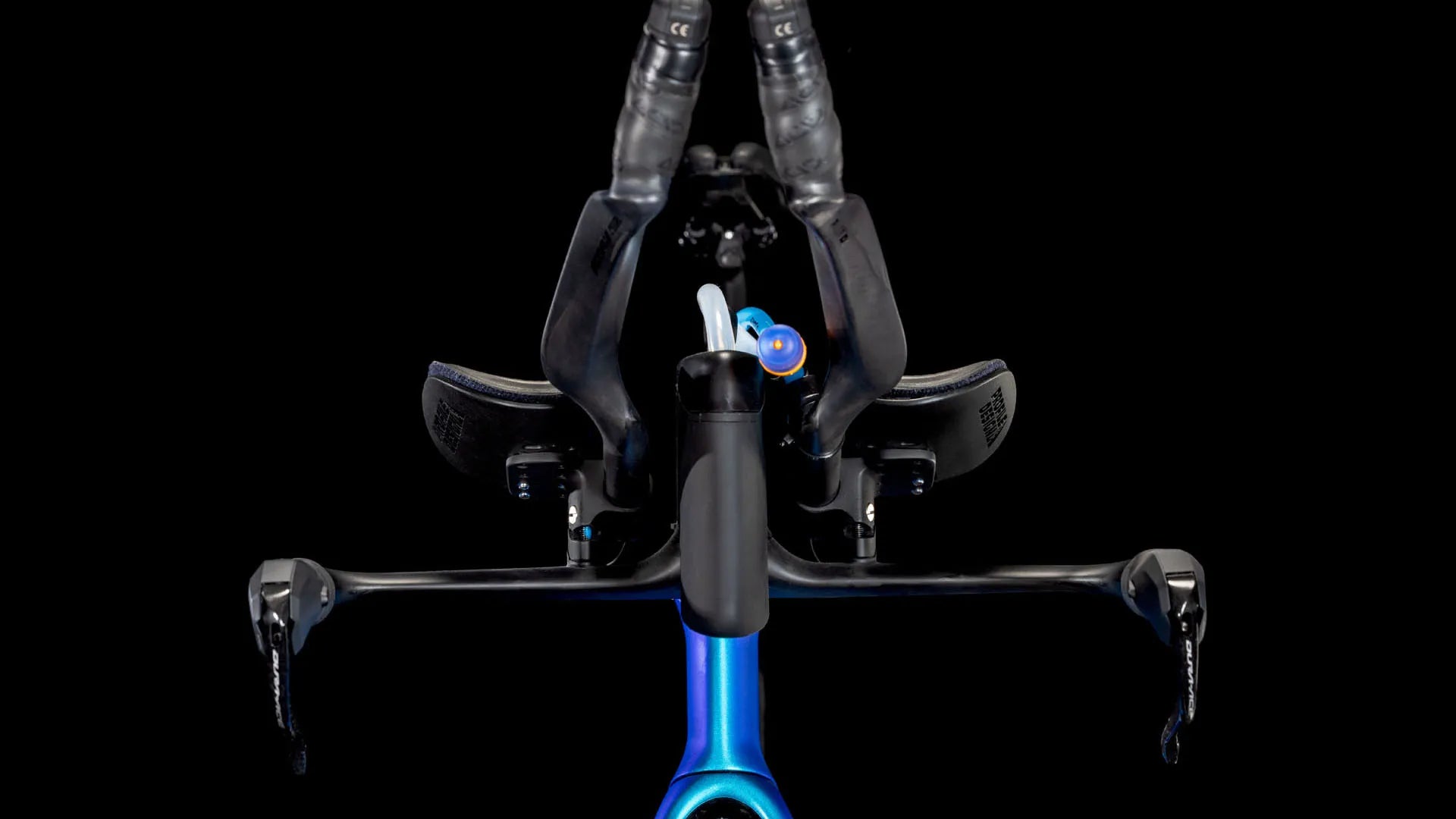
- The cockpit allows for adjustments to the height, width, and angle of the extensions as well as the position of the armrests.
The in-frame solution is particularly useful for long races. It shifts additional weight deep into the frame and does not require an extra bottle cage outside the intended contour. However, the interior space is not unlimited. Anyone using a hydration bladder there must store tools and spare parts elsewhere. Before the competition, it should therefore be decided whether more fluid or more repair equipment is needed.
Filling the system also needs to be practiced. An integrated system only saves time if valves, caps, and hoses can be operated reliably. Therefore, test before a race how much liquid actually fits inside, whether the hose stays in the desired position, and how the bike's handling changes with a full hydration bladder. After every use, the bladder, hose, and mouthpiece should be thoroughly cleaned and dried completely. Residue from carbohydrate-rich drinks can otherwise cause odors and deposits.
A similar principle applies to the storage box. Packaging should be easy to open with one hand and must not be packed so tightly that individual gels get stuck. It is best to organize your nutrition according to race segments. Items needed early on should be placed on top or closer to the opening. Tools, on the other hand, belong in the enclosed frame area, provided no second hydration solution is mounted there.
Why is bike fitting particularly important for the Cube Aerium?
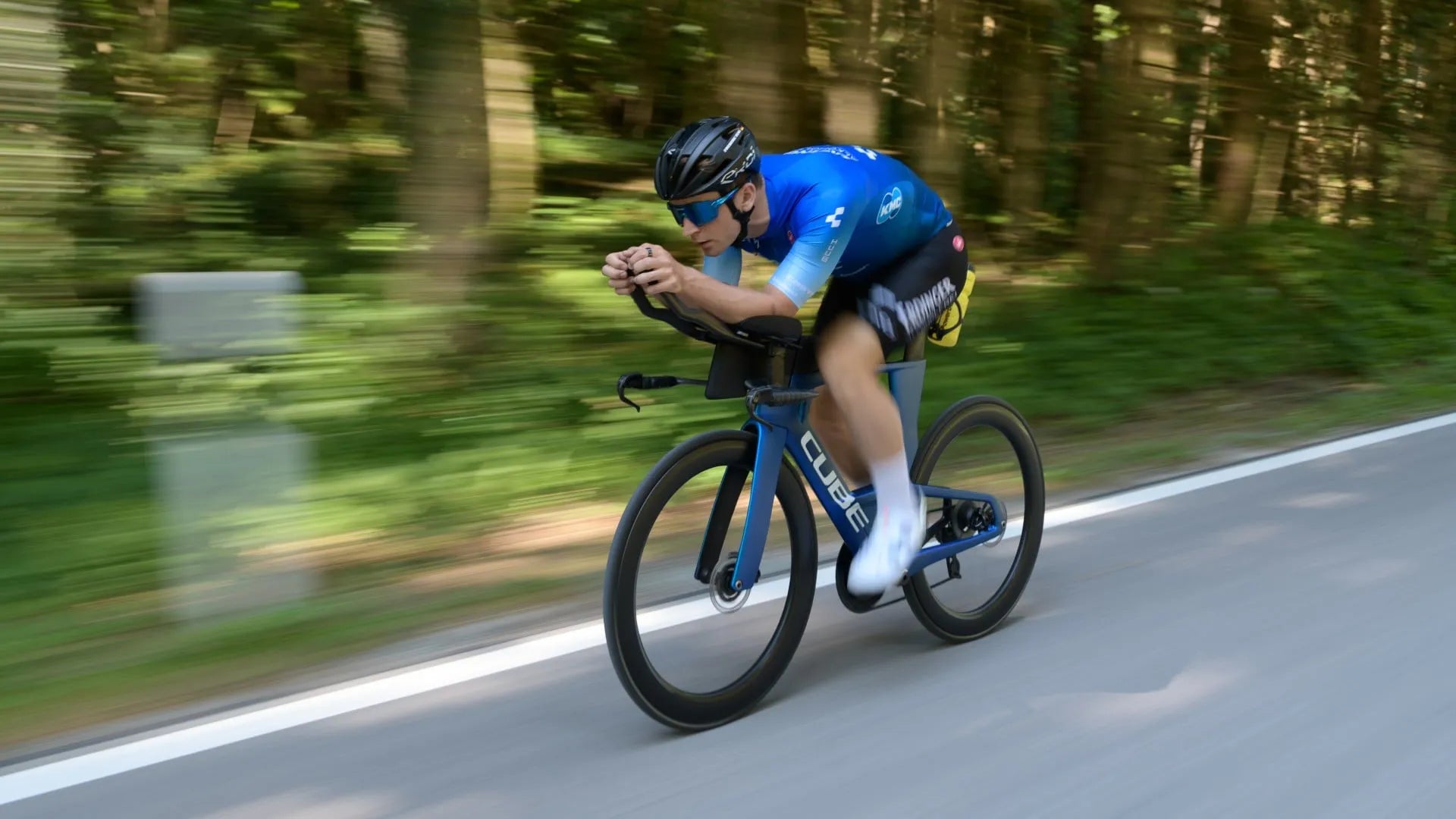
On a time trial or triathlon bike, your riding position has a greater impact on aerodynamics than a minor difference in weight between two component configurations. A very low position might be fast in the wind tunnel, but it loses its advantage if you can only hold it for a few minutes. The goal is a posture where the head, shoulders, and arms present a small surface area, without compromising breathing, pedaling efficiency, or control.
The Cube Aerium C:68X comes standard with a low base bar. For riders who need more height, a high version is available. The arm pads can be mounted at various widths and stack heights. The extensions can also be adjusted. Together with the adjustable saddle position, this creates a wide range of adjustment options.
The appropriate configuration cannot be reliably determined based on body height alone. Inseam, torso length, shoulder width, and flexibility all influence the required measurements. Stack and reach are particularly important. Simply put, stack describes the vertical height and reach describes the horizontal length of the frame. With the Aerium, the position of the armrests must also be taken into account.
- First, determine the appropriate frame size based on your body measurements and an existing, sustainable riding position.
- Then, adjust the saddle height, saddle setback, and saddle tilt.
- Adjust the height and distance of the armrests so that your forearms and shoulders remain stable.
- Check your head position as well as your gaze forward on the road.
- Test the position under load and not just for a few minutes on the trainer.
- Change only one parameter at a time so that the effect remains clear.
If you are between two sizes, the smaller size is not automatically more aerodynamic. While it may allow for a shorter and lower position, it might leave too little room for adjustment in terms of aerobar height. A frame that is too large, on the other hand, makes it difficult to maintain a compact posture. Therefore, a bike fitting or at least a precise transfer of measurements from an existing triathlon bike that fits well is recommended before purchasing a Cube Aerium.
Also, note that certain configurations have technical limitations. According to Cube, for example, the hydration set cannot be used with every spacer height. Anyone who requires a significantly higher front end should check before purchase which hydration systems are compatible with their planned cockpit setup.
Technical specifications at a glance
The price of the Cube Aerium primarily depends on the groupset, wheelset, power meter, and aerodynamic components. Within the full range of C:68X bikes, the model lineup extends from the Race version to the SLT Aero. In addition, there are framesets available for custom builds. The following information refers to the 2026 model year and may vary due to offers, sizes, or changes in components.
| Model | Weight | Groupset | Price or RRP |
|---|---|---|---|
| Cube Aerium C:68X Race | approx. 10.1 kg | Shimano Ultegra Di2 with Dura-Ace controls | approx. 6,299 euros |
| Cube Aerium C:68X SLX | approx. 9.9 kg | SRAM Force AXS with power meter | approx. 7,899 euros |
| Cube Aerium C:68X SLT | approx. 9.9 kg | Shimano Dura-Ace Di2 with power meter | approx. 8,999 euros |
| Cube Aerium C:68X SLT Aero | approx. 10.2 kg | SRAM Red AXS 1x with power meter | approx. 9,999 euros |
| Cube Aerium C:68X frameset | Dependent on individual build | Freely configurable | approx. 4,999 euros |
| Cube Aerium C:68X TT Frameset | Depends on individual build | Freely configurable | approx. 3,499 Euros |
The weight of the Cube Aerium complete triathlon bikes is therefore approximately between 9.9 and 10.2 kilograms. Despite its more expensive components, the SLT Aero is not the lightest model. The wheelset with a rear disc wheel, the aerodynamically optimized components, and the integrated systems increase the total weight. In direct comparison to the competition on the market, however, the Cube Aerium stands out with this total weight: including the fully integrated hydration and storage systems, many competing models are significantly heavier with a comparable aero setup. On a flat or rolling triathlon course, lower aerodynamic drag can be more important anyway than a few hundred grams of weight.
The Race model already features the C:68X frame, an electronic Shimano groupset, carbon wheels, and essential hydration systems, making it the most pragmatic entry point for many ambitious age-group athletes. The SLX adds features such as a SRAM Force AXS groupset with a power meter and lighter wheel components. With the SLT, you get a Shimano Dura-Ace Di2 setup. The SLT Aero is aimed at riders looking for a specifically aerodynamic 1x configuration with a disc wheel.
When purchasing, therefore, do not just compare the price and the raw weight of the bike. A subsequently purchased power meter, a different wheelset, or additional extensions can quickly reduce the apparent price advantage of a cheaper model. If the standard equipment already suits your preferred gearing, riding position, and race course, it is often more economical than an extensive conversion.
Frequently Asked Questions about the Cube Aerium
Is the Cube Aerium UCI legal?
That depends on the model variant. The Cube Aerium C:68X is designed as a triathlon platform with extensive integration and should not automatically be considered an approved frame for UCI time trials. For official time trial competitions, Cube offers the Aerium C:68X TT and the Aerium C:68 TT, respectively. These frames were developed with the UCI regulations in mind. Nevertheless, please check the respective race announcement and the permitted cockpit configuration before the start.
How much does the Cube Aerium C:68X weigh?
The weight depends on the equipment. The Aerium C:68X Race weighs approximately 10.1 kilograms. The SLX and SLT models are around 9.9 kilograms. The SLT Aero weighs about 10.2 kilograms due to its aerodynamically optimized wheelset with a rear disc wheel. These specifications refer to production bikes and may vary depending on frame size and the components actually installed.
What does C:68X mean for Cube frames?
C:68X denotes Cube's most sophisticated carbon technology. It is based on a high fiber content, resin infused with nanoparticles, and a load-dependent orientation of various carbon fibers. This allows Cube to more precisely determine the stiffness and compliance of individual frame sections. Advanced Twin Mold Technology keeps the layers in their intended position during curing.
How much does a Cube Aerium cost?
A complete 2026 model year Cube Aerium C:68X starts at approximately 6,299 euros for the Race version. The SLX is around 7,899 euros, and the SLT is approximately 8,999 euros. The SLT Aero is regularly priced at about 9,999 euros. Framesets start at around 3,499 euros, depending on the triathlon or TT version. Promotional prices and availability may vary.
Which Cube Aerium is best suited for triathlon?
For middle- and long-distance triathlons, the Cube Aerium C:68X is the ideal platform. It combines an aerodynamic frame with integrated hydration and storage solutions. The Race model already covers all the essential functions. The SLX and SLT are worth considering if you want a power meter and higher-quality drivetrain components straight from the factory. The SLT Aero is tailored for fast, relatively flat courses and a consistently aerodynamic setup.
You can change your settings at any time to use all features of our website.
Edit cookie settingsWir helfen Dir gerne weiter!

Live-Chat
Telefon
Telefon
Telefonzeiten:
Mo. - Fr. 10:00 - 13:30 & 14:30 - 18:00 Uhr
Sa. 10:00 - 14:00 Uhr
Telefon:
+49 2961 914 886 9
Kontaktformular
Kontaktformular
Outside our chat and phone hours, you can send us your request via the contact form.
E-Mail
Simply send us an email at verkauf@liquid-life.de and we will reply as quickly as possible. As we handle requests in the order received, there may be slight delays.
Bikeberater
Bonusprogramm